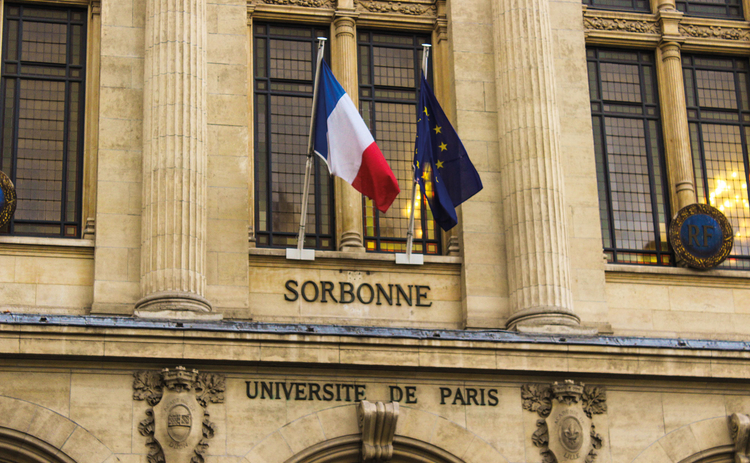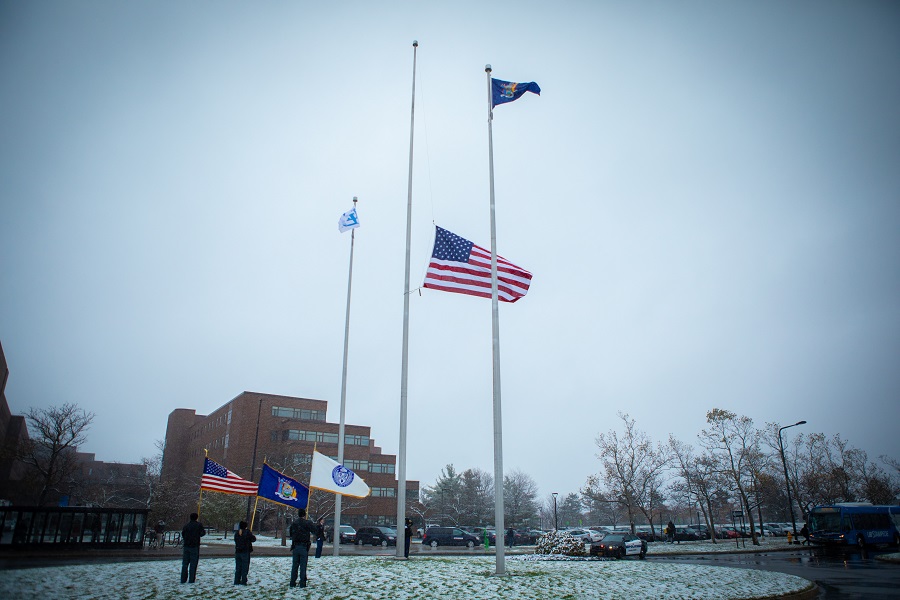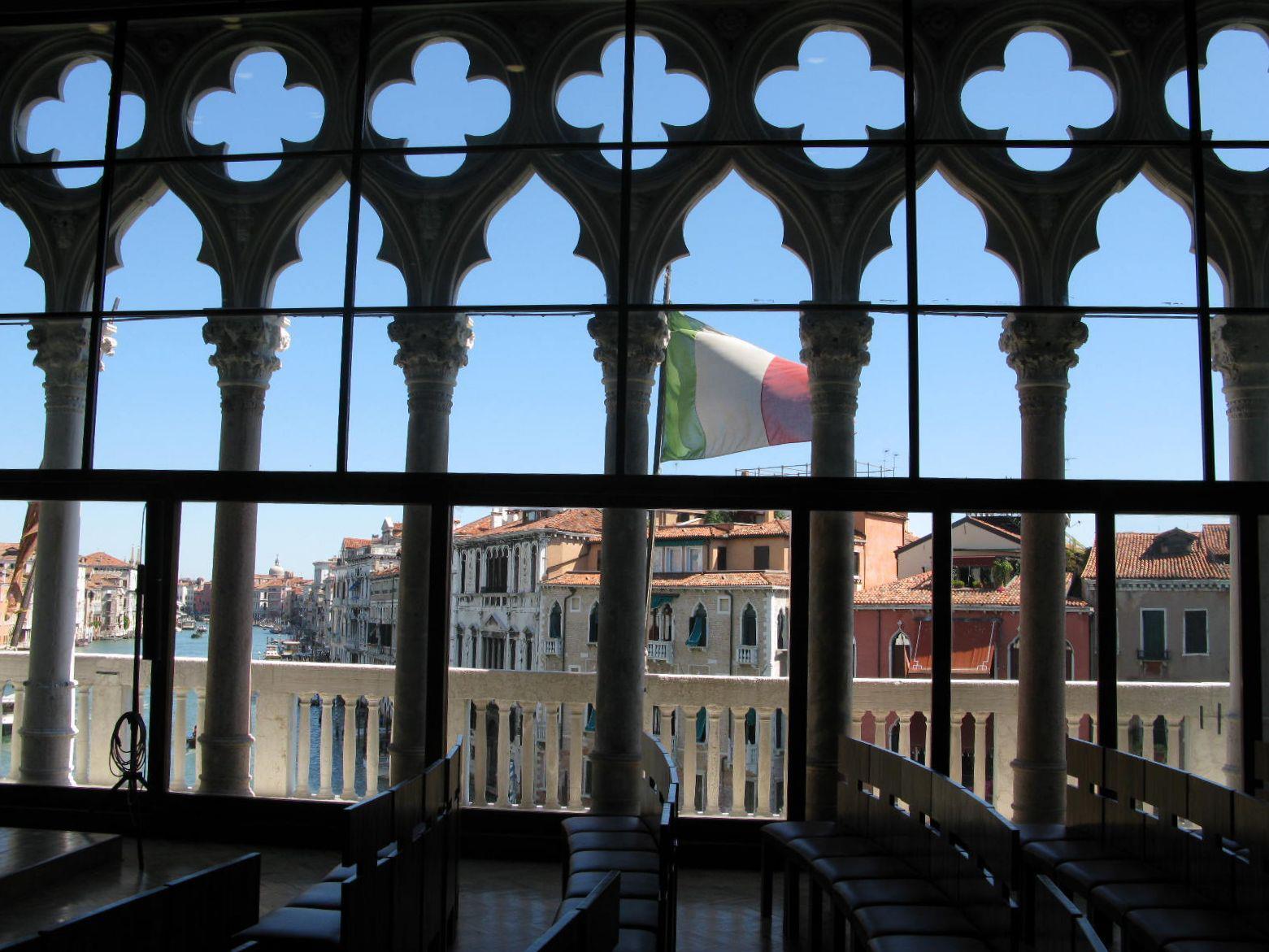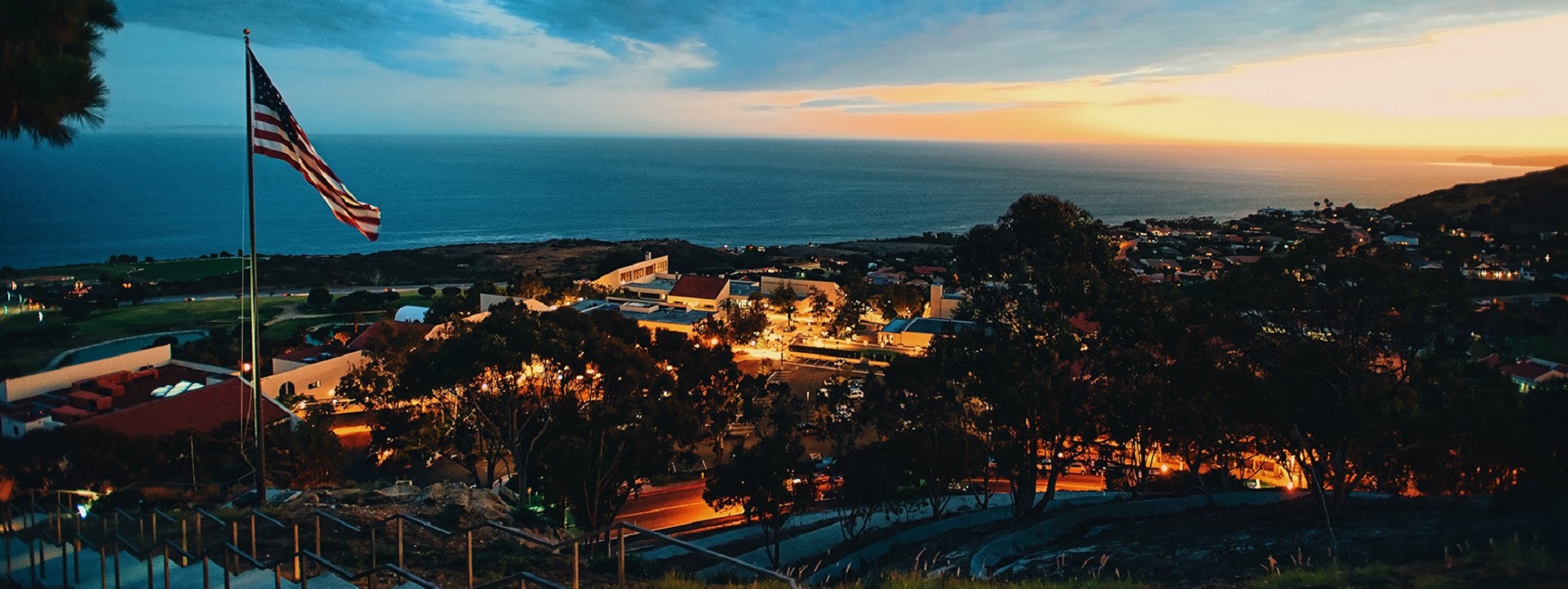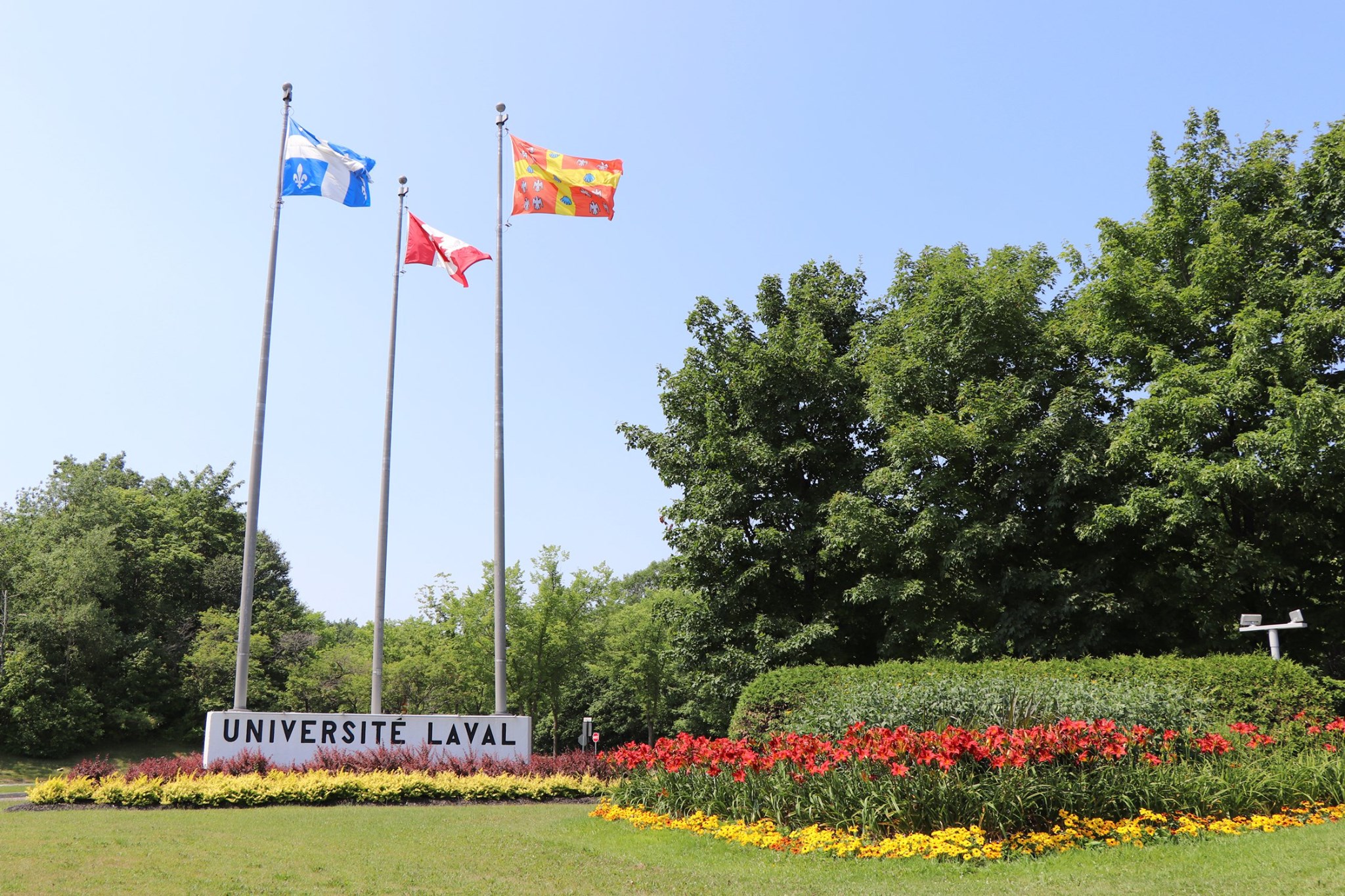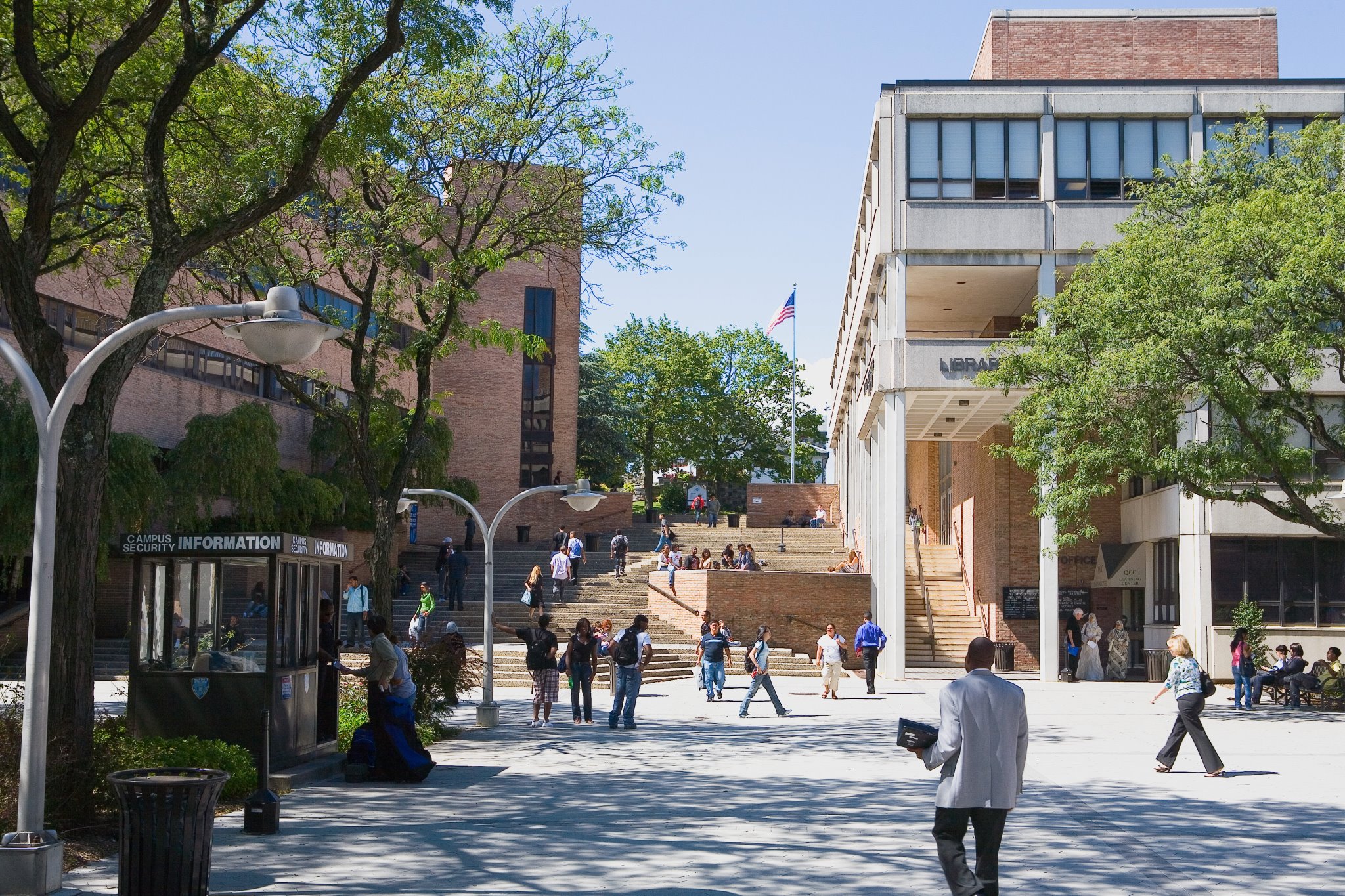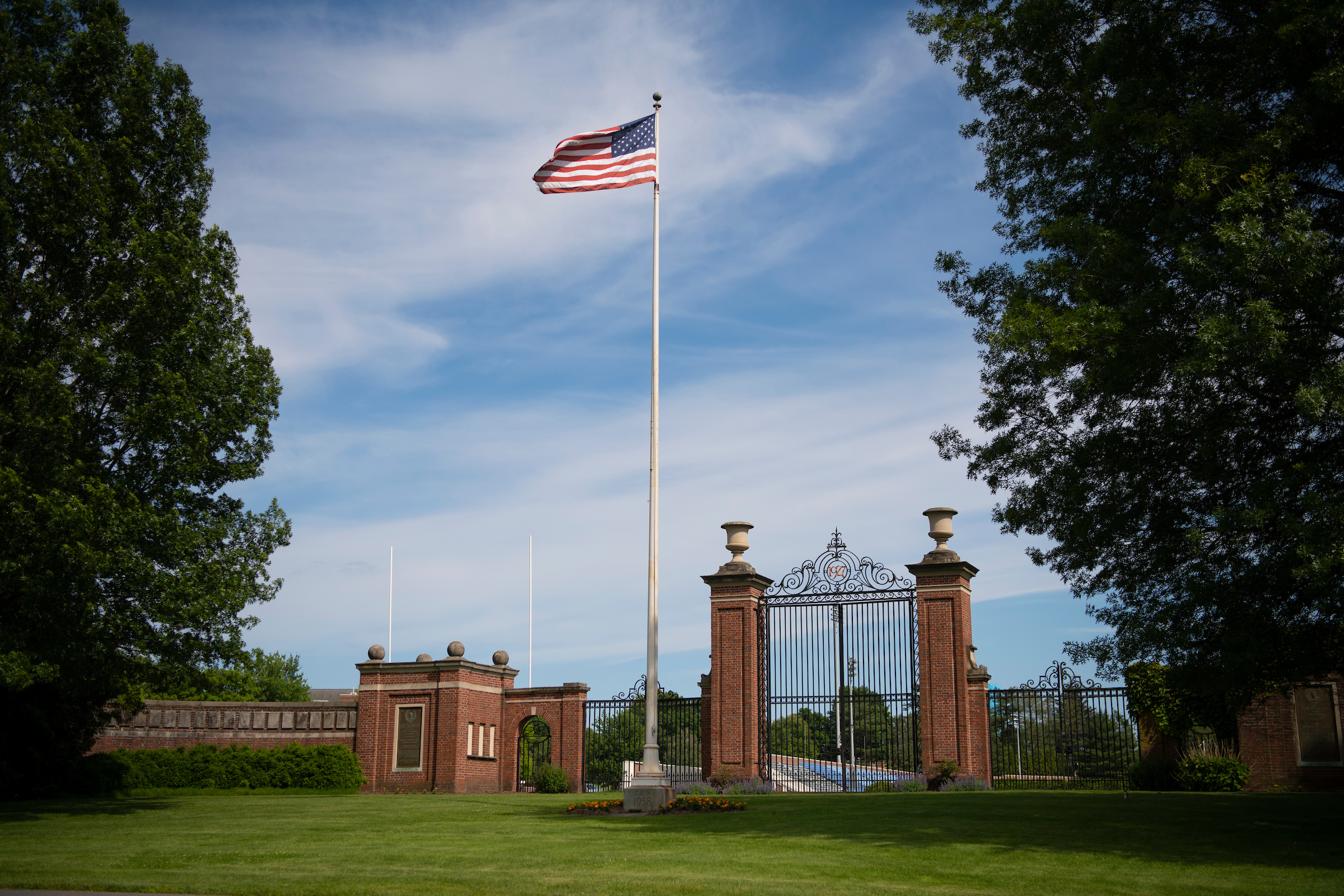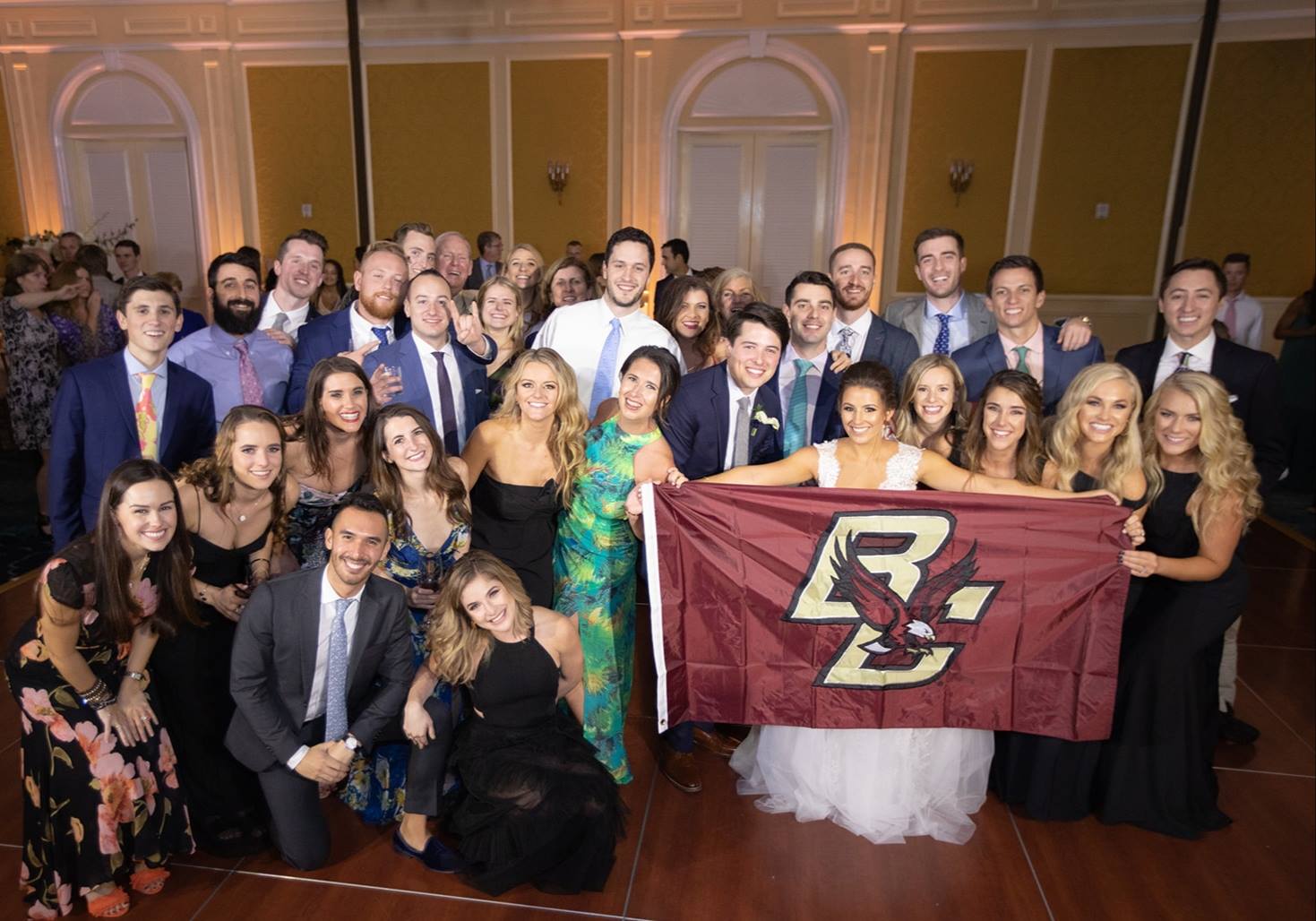
The choice of red, white, and blue in national flags often carries historical, cultural, and political significance. Here are some reasons why various nations have chosen these colors:
Historical Connections:
United States: The colors were chosen for their flag in 1777 and have been interpreted to symbolize valor (red), purity (white), and justice (blue). The colors were influenced by the British Union Jack.
France: The Tricolour flag adopted during the French Revolution represents liberty (blue), equality (white), and fraternity (red).
United Kingdom: The Union Jack combines elements from the flags of England (red and white), Scotland (blue and white), and Ireland (red and white).
Cultural and Political Significance:
Russia: The flag’s colors were adopted from the Dutch flag, symbolizing pan-Slavism (red for bravery, blue for faithfulness, and white for honesty).
Netherlands: The Dutch flag’s colors (originally derived from the Prince’s Flag) have historical roots, symbolizing the struggle for independence and liberty.
Czech Republic and Slovakia: Both countries use red, white, and blue to represent their Slavic heritage.
Influence and Inspiration:
Chile, Costa Rica, and Panama: These countries were influenced by the colors and symbolism of other flags (e.g., the French and American flags) during their independence movements.
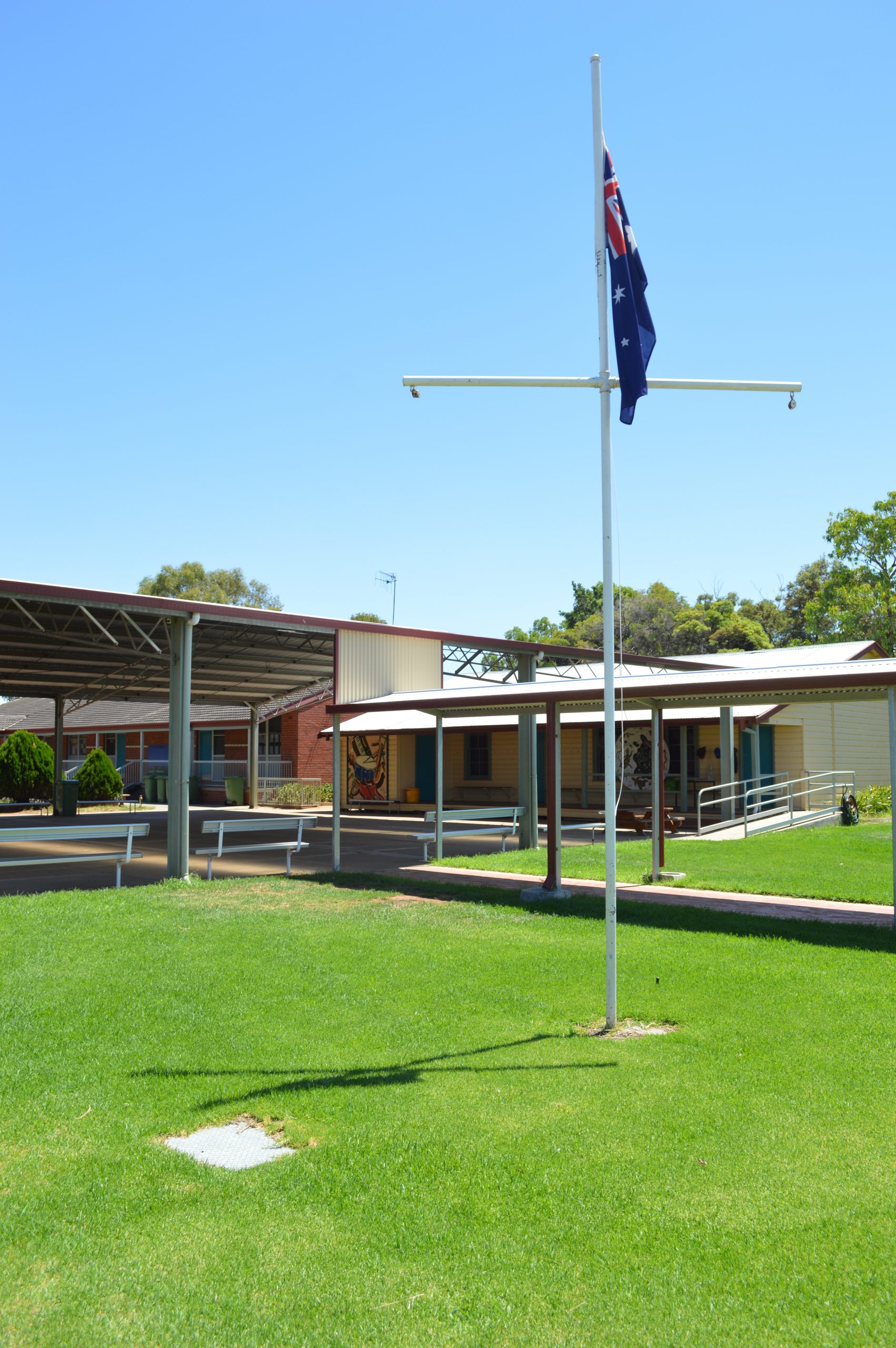
Australia and New Zealand: Both countries incorporate the Union Jack in their flags, reflecting their colonial history with the United Kingdom.
Symbolism:
Croatia, Serbia, and Slovenia: The colors are traditional pan-Slavic colors, representing freedom and national unity.
Iceland and Norway: The colors reflect their historical and cultural ties to other Scandinavian countries.
The exact reasons can vary, but often the colors reflect a mix of historical alliances, cultural heritage, and political ideals.
Citizens of the Earth depend upon United States leadership in this technology for several reasons:
Development: The GPS was originally developed by the US Department of Defense for military purposes, but it was later made available for civilian use. The US has invested heavily in the development and maintenance of the system, which has contributed to its leadership in this area.
Coverage: The GPS provides global coverage, with 24 satellites orbiting the earth and transmitting signals that can be received by GPS receivers anywhere in the world. This level of coverage is unmatched by any other global navigation system.
Accuracy: The US has worked to continually improve the accuracy of the GPS, with current accuracy levels estimated at around 10 meters for civilian users and even higher accuracy for military users.
Innovation: The US has continued to innovate and expand the capabilities of the GPS over time, with newer versions of the system including features such as higher accuracy, improved anti-jamming capabilities, and the ability to operate in more challenging environments such as indoors or in urban canyons.
Collaboration: The US has collaborated with other countries to expand the reach and capabilities of the GPS, such as through the development of compatible navigation systems like the European Union’s Galileo system and Japan’s QZSS system.
United States leadership in the GPS has been driven by a combination of investment, innovation, collaboration, and a commitment to improving the accuracy and capabilities of the system over time.
The Timation Development Plan led to GPS. It uses the globe. The celestial transformation which was used to sell it to the Navy was based on celestial navigation which is based on the globe. pic.twitter.com/o75BgKgy4L
A flag stands for a set of principles; the reach for the ideals of a civilization– not for the lapses of adherence to them.
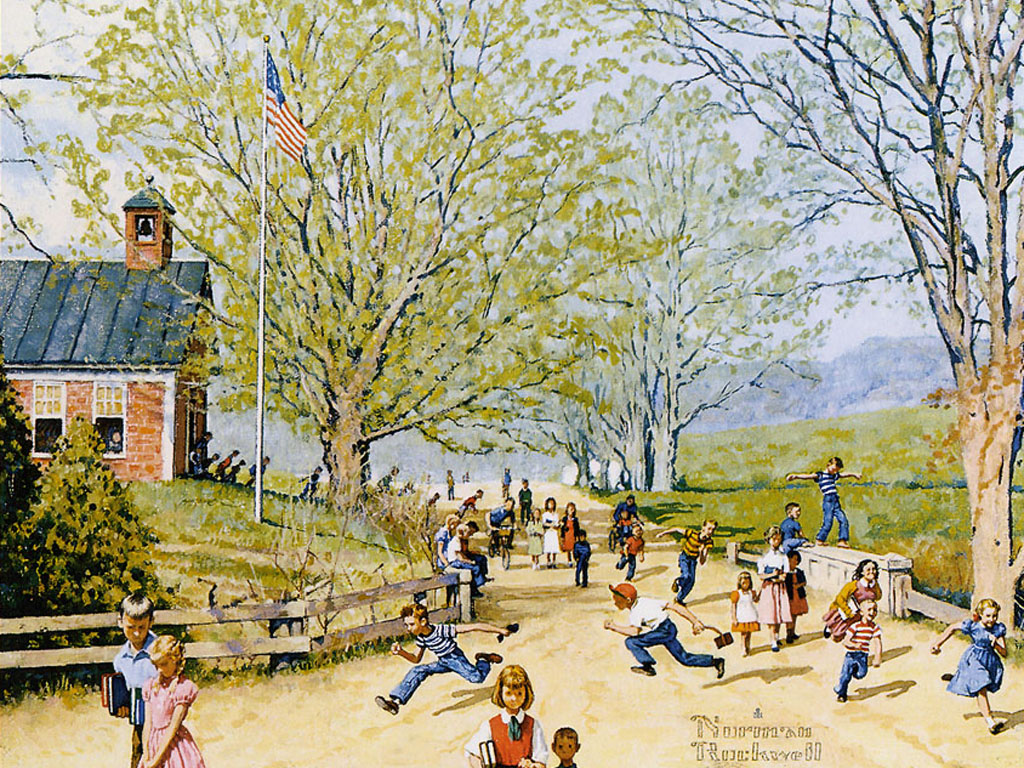
“After School” 1959 Norman Rockwell
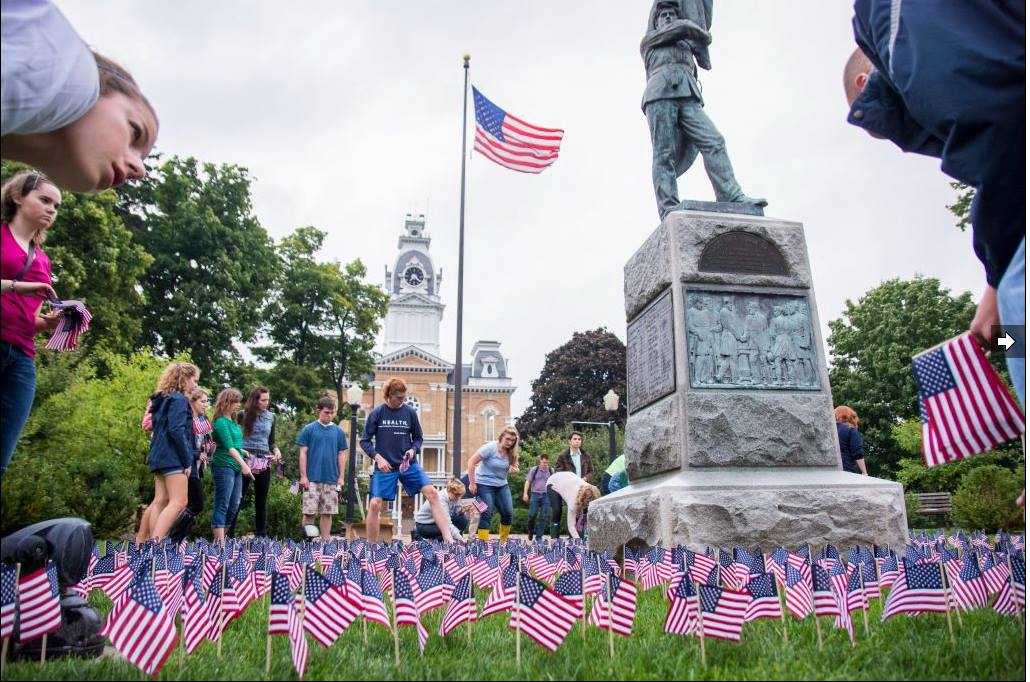
Flag Day in the United States, observed on June 14th, commemorates the adoption of the American flag by the Second Continental Congress in 1777. It’s a day to honor the symbol of the nation’s unity, freedom, and democracy. The flag represents the ideals and principles upon which the country was founded, including liberty, justice, and equality.
On Flag Day, Americans typically display the flag at their homes and businesses, participate in patriotic ceremonies, and reflect on the significance of the flag in American history and culture. It’s also a time to remember the sacrifices made by those who have served and continue to serve in defense of the nation. Flag Day serves as a reminder of the values that bind Americans together as one nation, under the banner of the stars and stripes.
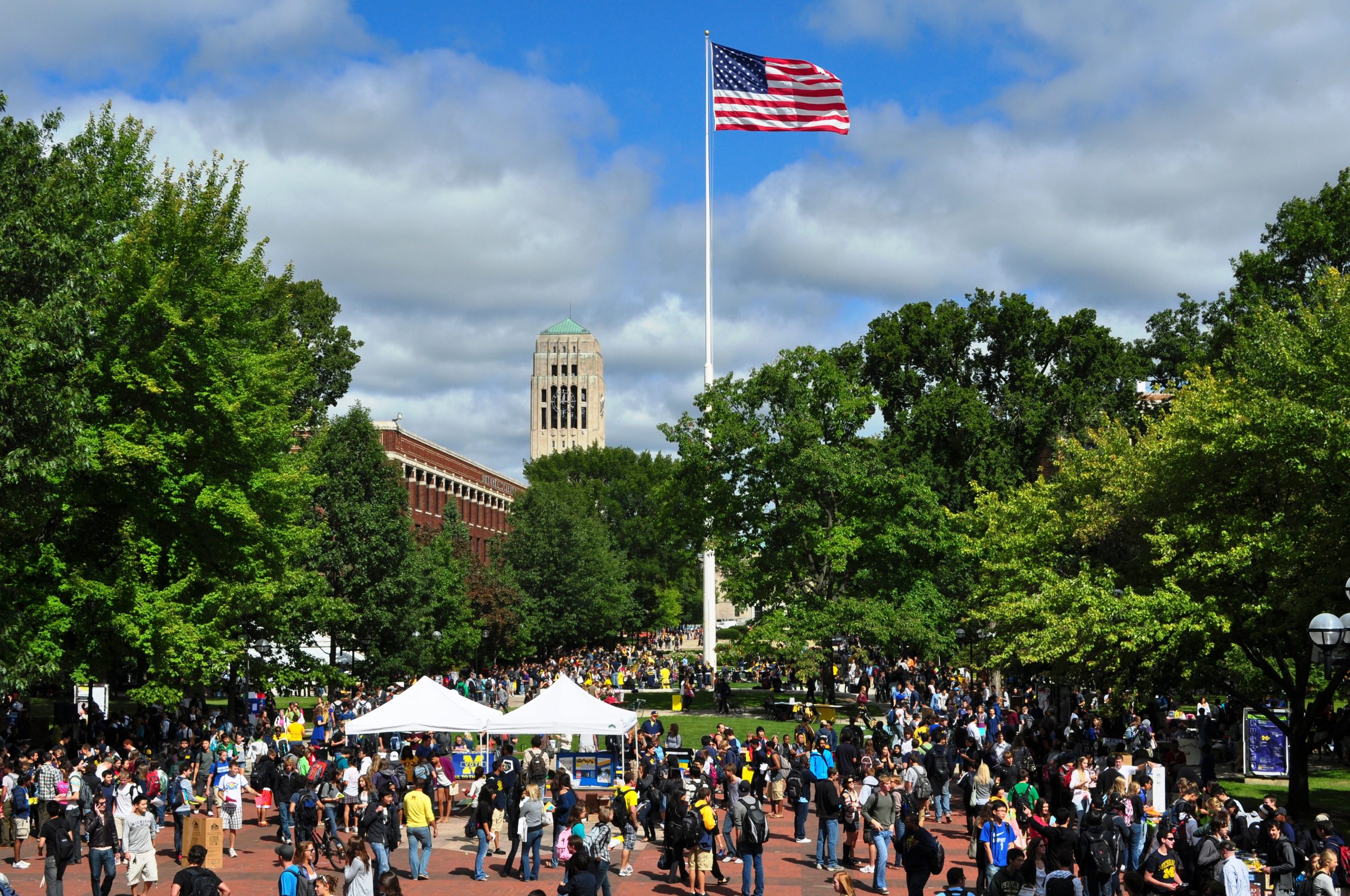
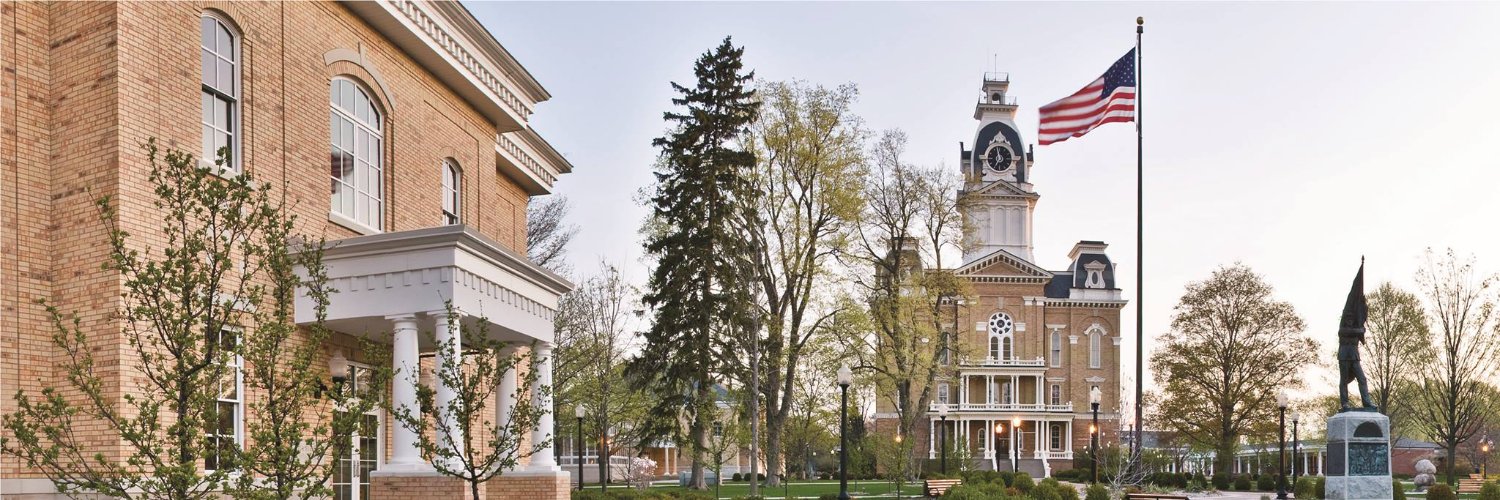
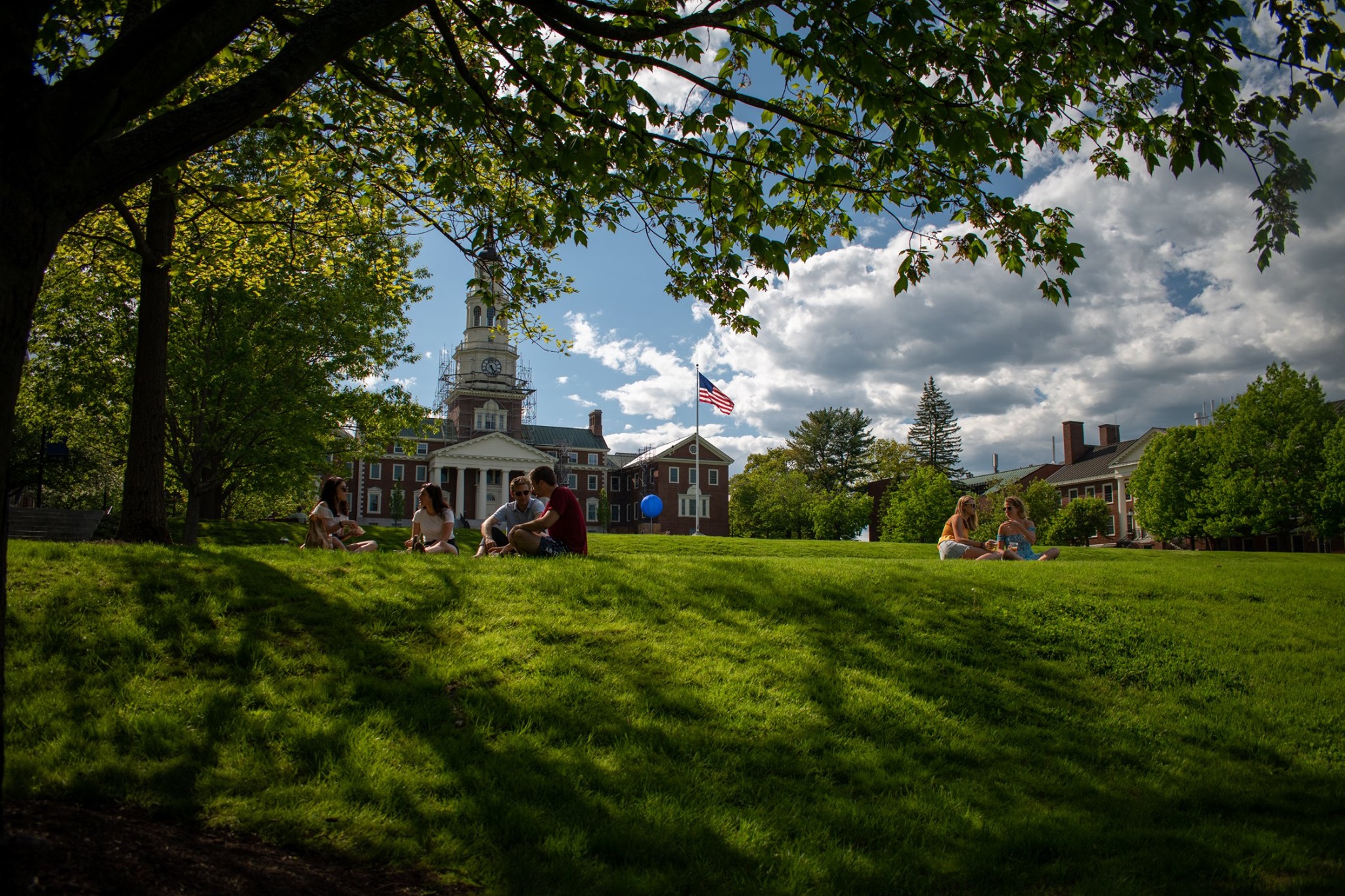
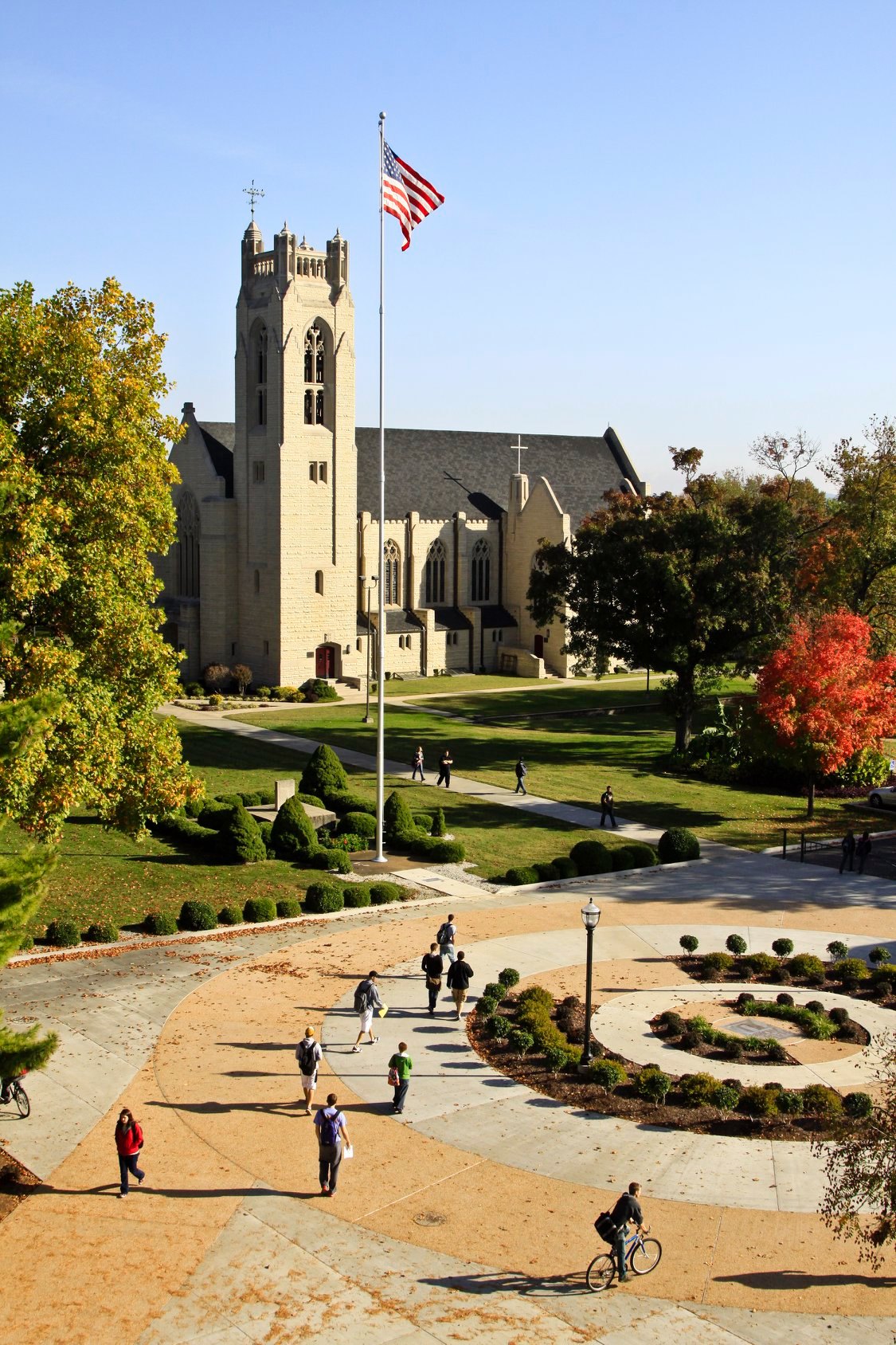
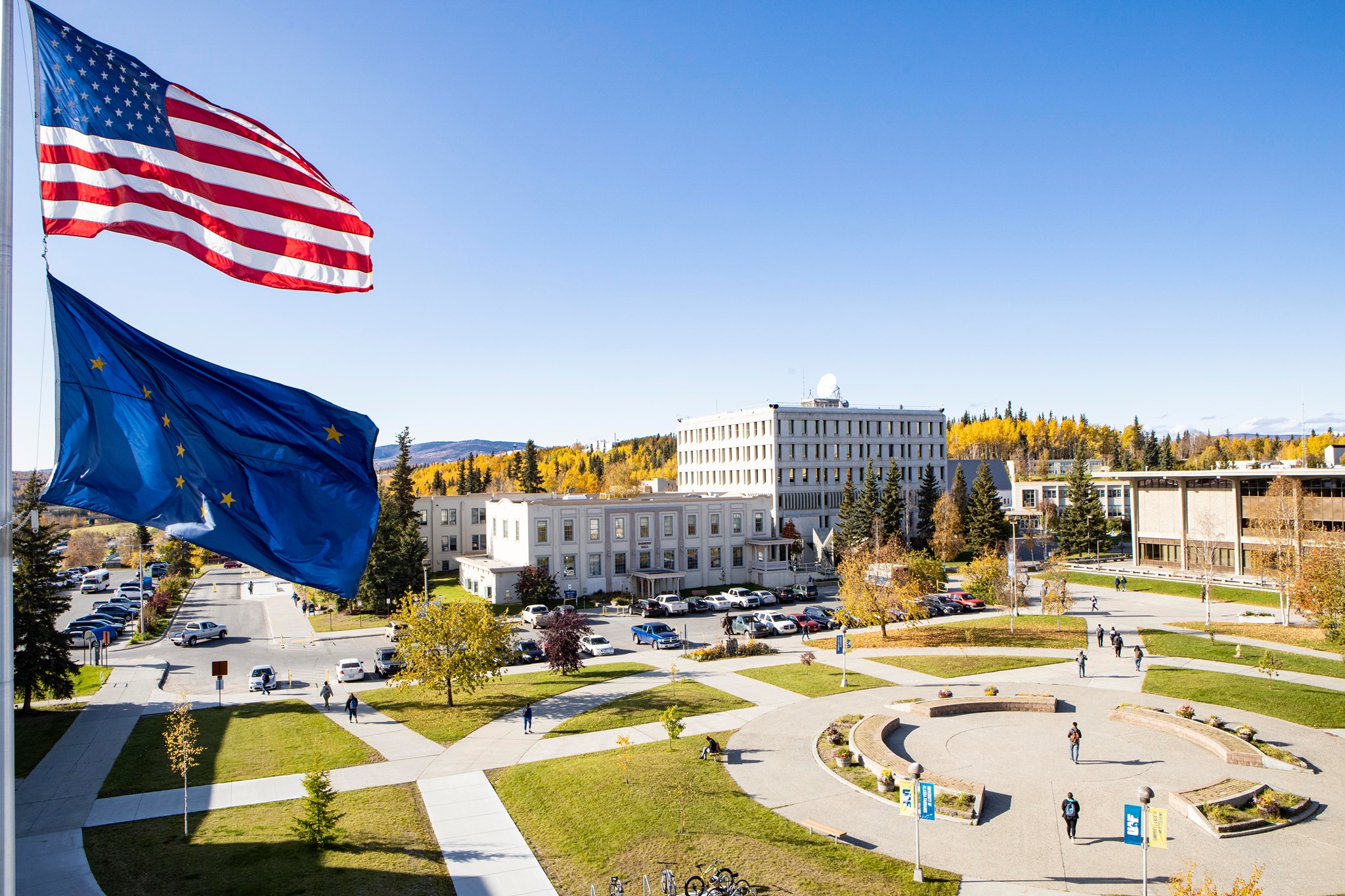
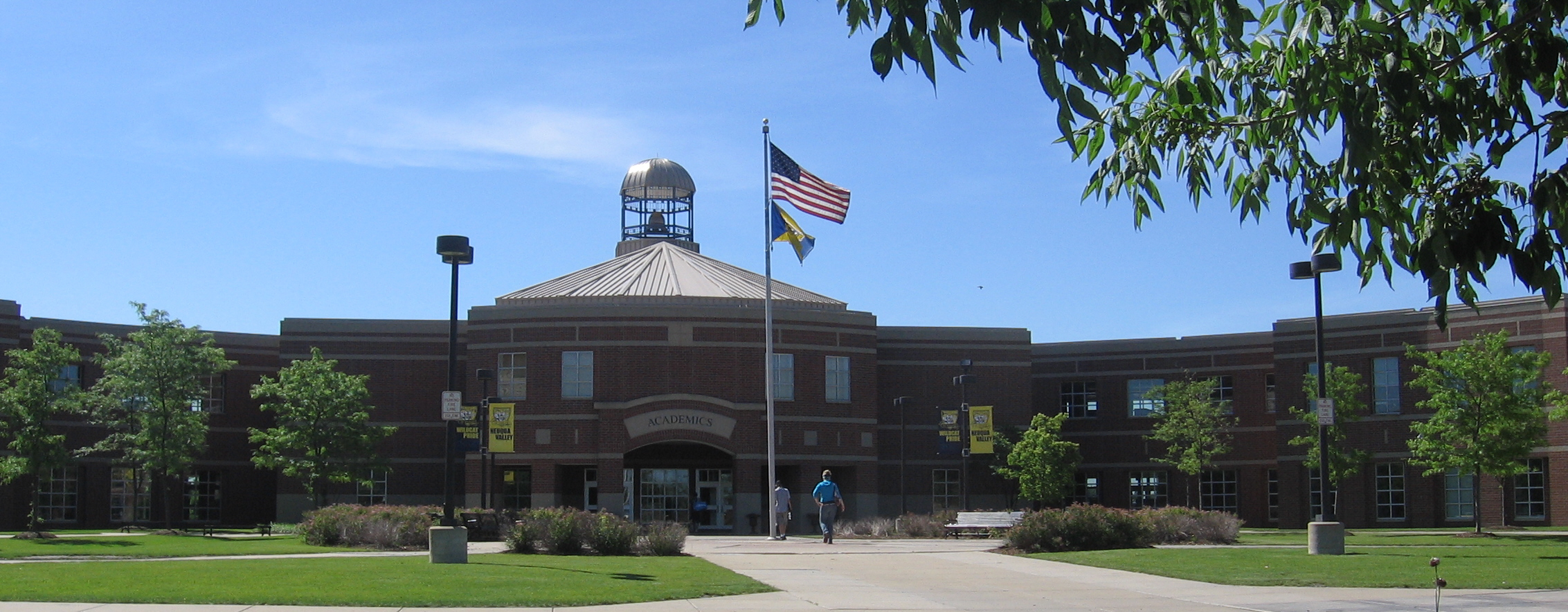
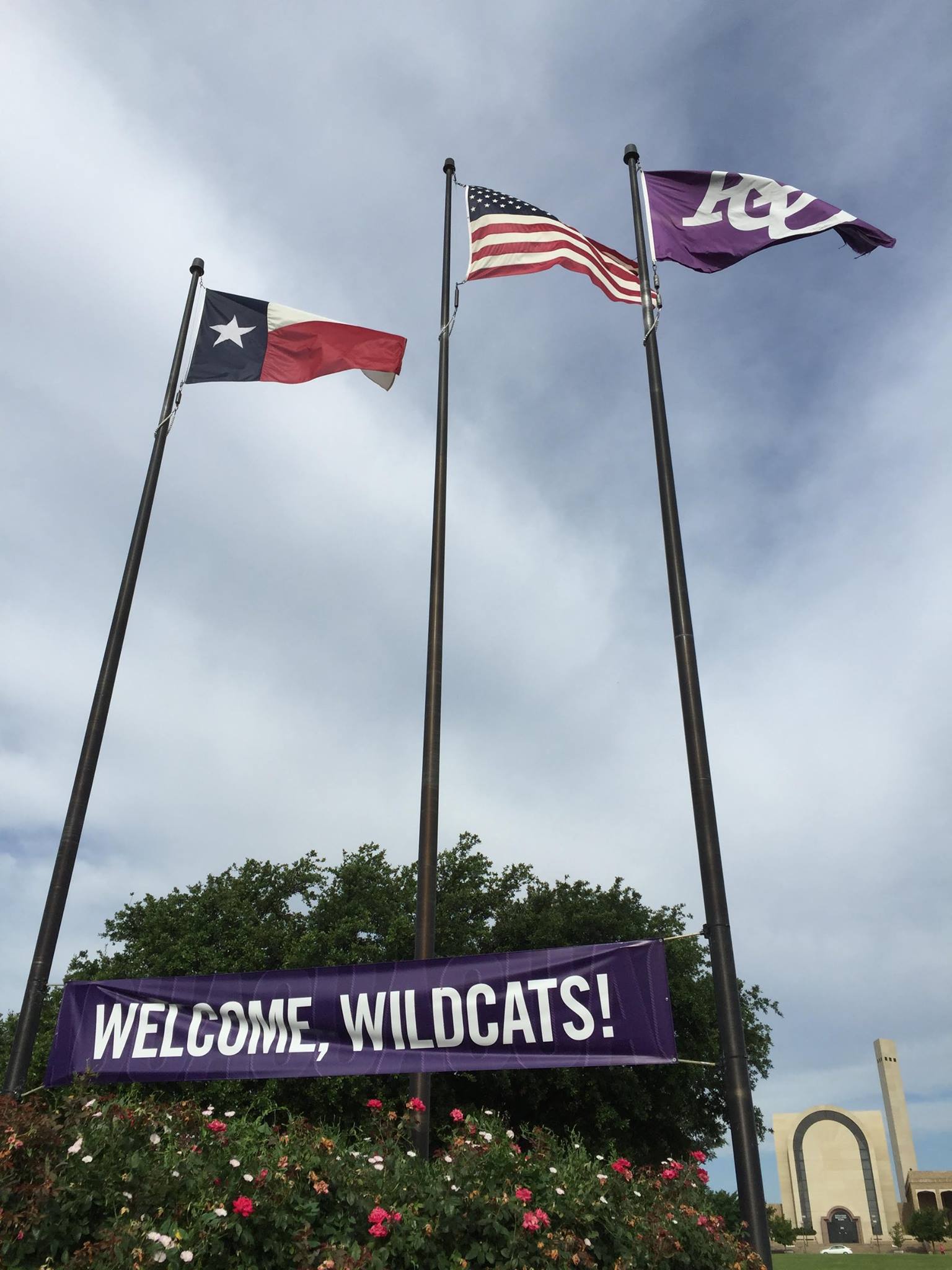
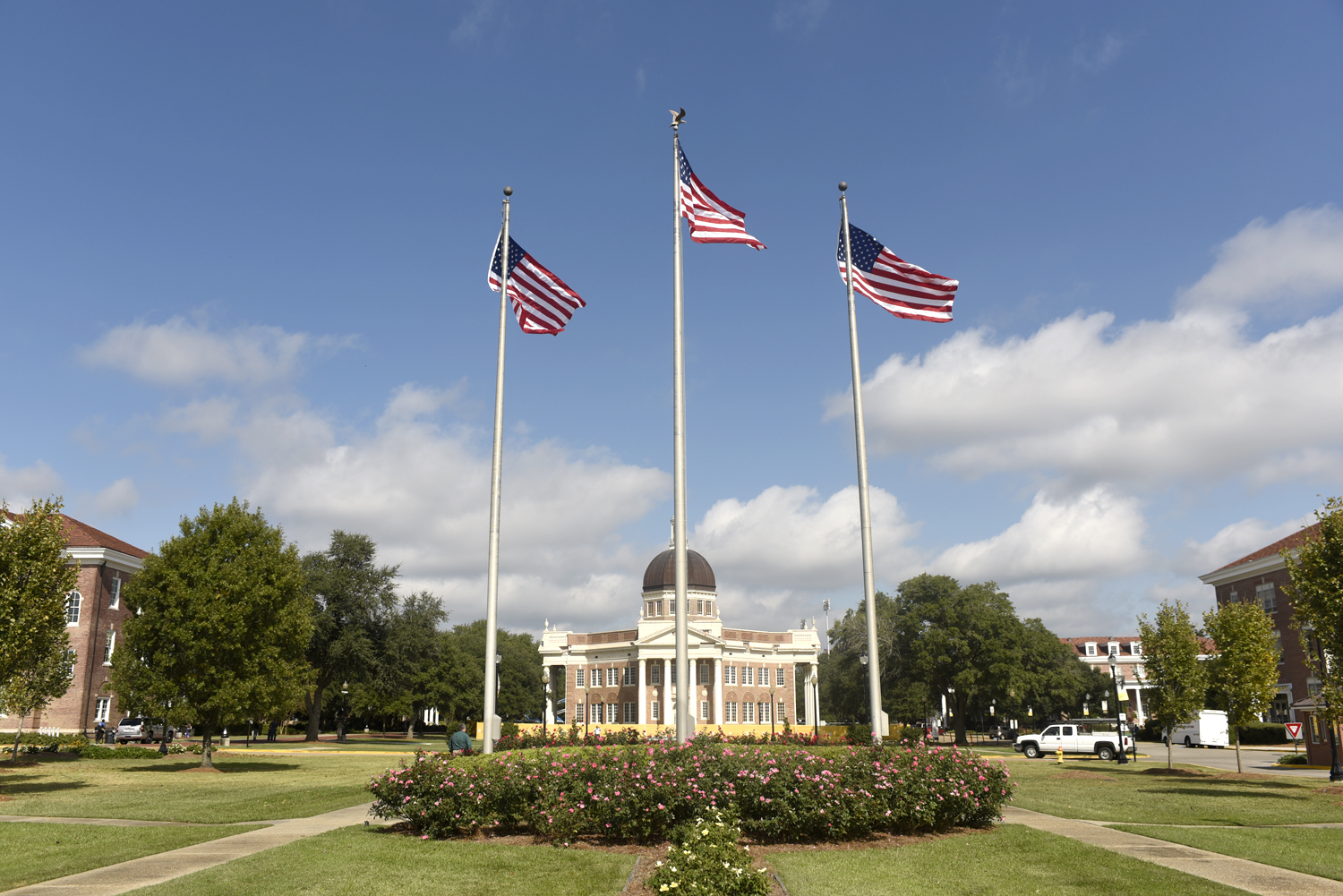
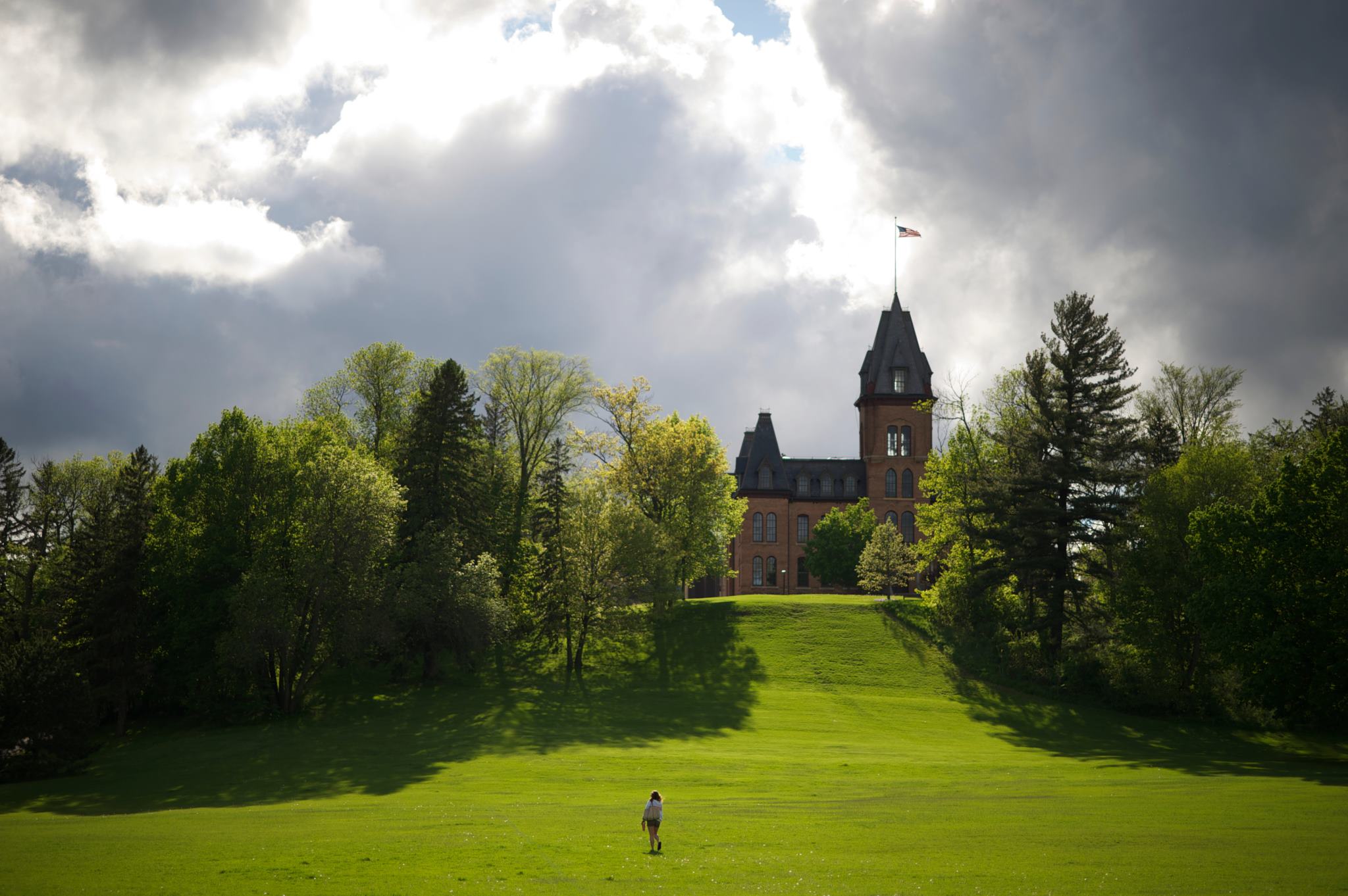
There are no rigorous standard heights for flagpoles displaying the American flag in educational settlements but there are general guidelines and recommendations.
Commercial Use: In commercial settings, flagpoles can vary widely depending on the size of the building and the surrounding landscape. They can range from 20 feet for smaller businesses to over 100 feet for large corporate buildings.
Government Buildings: Flagpoles at government buildings or public spaces often range from 30 to 60 feet or more, depending on the size and prominence of the building.
Proportions: A general guideline for the American flag is that the length of the flag should be about one-quarter to one-third the height of the flagpole.
Regulations: Some local ordinances or homeowner associations may have specific guidelines regarding flagpole height, so it’s a good idea to check local regulations before installing one.
Ultimately, the height of a flagpole for the American flag depends on the context and purpose of display, as well as practical considerations such as the size of the flag itself and local regulations.
NB: “The flag stands for a set of principles, not the lack of adherence to them.” ― Craig D. Lounsbrough. We are not sure about this source; nor the author. We have adapted the sentiment for our home page excerpt.
“Fireworks over Castel Sant’Angelo in Rome” | Jacob Philipp Hackert (1775)
At least twice a year, and during performances with flame effects, public safety departments in colleges and universities have an elevated concern about campus citizen safety, and the safety of the host community, when fireworks are used for celebration. We find very rigorous prohibitions against the use of fireworks, weapons and explosives on campus. Education and enforcement usually falls on facility and operation campus safety units.
That much said, we follow development, but do not advocate in NFPA 1123 Code for Fireworks Display, because it lies among a grouping of titles that set the standard of care for many college and university public safety departments that sometimes need to craft prohibitions with consideration for the business purposes of entertainment and celebration in education facilities. NFPA 1123 is not a long document — only 22 pages of core text — but it contains a few basic considerations for display site selection, clearances and permitting that campus public safety departments will coordinate with the host community. It references NFPA 1126, Standard for the Use of Pyrotechnics Before a Proximate Audience and NFPA 160 Standard for the Use of Flame Effects Before an Audience.
Something to keep an eye on. The home page for this code is linked below:
Observational comedy is a form of humor based on commonplace aspects of everyday life, especially small details and shared experiences. In a typical observational routine, the comedian highlights something familiar to the audience that is rarely discussed explicitly, often framed to emphasize recognition or relatability.
Good luck to our Eagles at the NCAA Championships! 👟@BCXC_TF‘s Mateo Bianchi ’26 is BC’s first steeplechaser in nearly 60 years and runs today, while Imogen Gardiner ’26 (1500m) and Sydney Segalla ’26 (400m) will race on Thursday. 🦅 pic.twitter.com/CKIScaQnBY
Last night, we celebrated the graduation of the 2nd class of Leadership GCISD! This incredible group of community members got a behind the scenes look at what makes GCISD thrive, and finished their semester-long program learning more from Finance, Human Resources and Technology. pic.twitter.com/CuMt95cZBm
What a sweet way to celebrate learning! About 40 Silver Lake students were honored with medals and treated to Kona Ice for reading at least 2,100 minutes this school year as part of their campuswide reading challenge. Nice job! pic.twitter.com/kkg7sDt7y5
The classic American breakfast of eggs, bacon, hash browns, toast, and coffee follows a foodway that begins on farms and plantations, moves through regional processing industries, and arrives at the home kitchen, campus dining room, hotel, or neighborhood diner.
Eggs come from poultry farms; bacon begins with hog production and curing; hash browns originate with potato farms; toast begins as wheat grown, milled, baked, sliced, and toasted; and coffee follows the longest path, from tropical farms to American roasters and breakfast tables.
Together, these foods converge through griddling, frying, toasting, and brewing into a familiar morning meal. It reflects American agriculture, transportation, refrigeration, food preservation, and regional specialization—an enduring symbol of hospitality, comfort, and a hearty start to the day.
The musical “Oklahoma!” opened on Broadway on March 31, 1943, at the St. James Theatre. Explores challenges of farmers & ranchers in newly settled territory; close coupled with the awakening of young love.
The University of North Carolina School of the Arts does a painstaking… pic.twitter.com/Rq7R7AJYdJ
The history of scones is believed to have originated in Scotland. The name “scone” is said to come from the Dutch word “schoonbrot,” which means “beautiful bread.” Scones have a long and interesting history that dates back several centuries.
Originally, scones were not the sweet, buttery treats we know today. Instead, they were simple unleavened oatcakes or griddle cakes made from barley, oats, or wheat. These early scones were baked on griddles or stovetops rather than being oven-baked.
As time went on, the recipe for scones evolved, and they became more commonly associated with Scotland and England. The Scottish version of scones was typically round and made with oats. They were cooked on a griddle or in a pan and then cut into triangular sections, which were known as “bannocks.” These bannocks were the ancestors of the modern scone.
In the 19th century, with the advent of baking powder and modern ovens, scones began to be baked instead of griddle-cooked. The addition of baking powder allowed scones to rise and become lighter and fluffier. The ingredients were refined to include flour, butter, milk or cream, and a leavening agent like baking powder. This marked the shift from the traditional oat-based scone to the more recognizable wheat-based scone we know today.
Scones’ popularity spread beyond Scotland and England, and they became a common teatime treat across the United Kingdom and other English-speaking countries. The addition of raisins, currants, or other dried fruits, as well as sugar, transformed scones into the sweet delicacies that are commonly enjoyed today, often served with clotted cream and jam in the classic English afternoon tea.
In the United States, scones have also become popular, with various regional and cultural variations. American scones may be larger, sweeter, and have a wider variety of flavor options, such as blueberry, cranberry-orange, or chocolate chip. Today, scones continue to be beloved treats enjoyed for breakfast, brunch, afternoon tea, or as a delightful snack with a cup of tea or coffee. Their history reflects centuries of evolution and cultural influence, making them a delightful and enduring part of baking traditions worldwide.
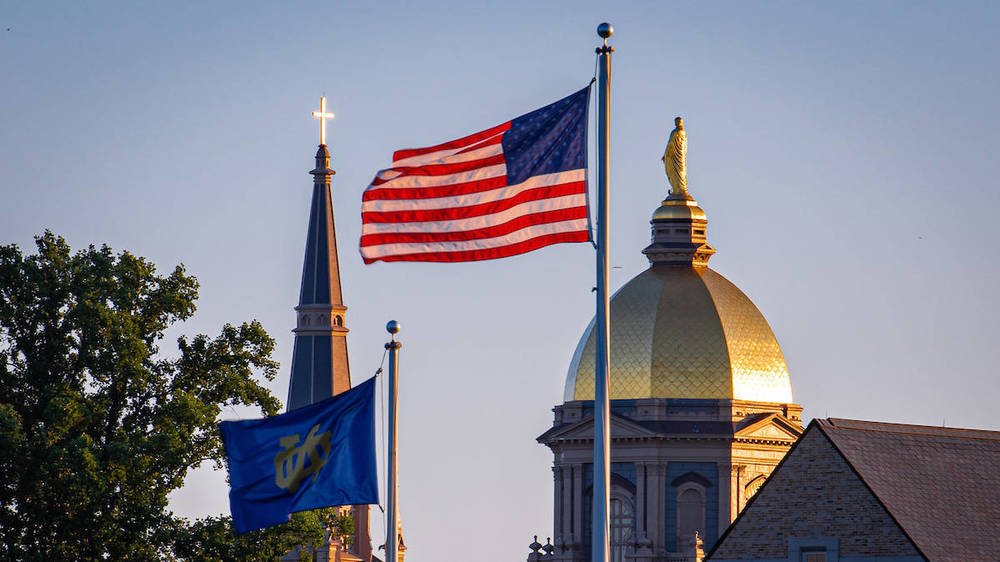
The University of Notre Dame stands as the preeminent center of Christian faith in higher education across the American Midwest. Founded in 1842 by the Congregation of Holy Cross in northern Indiana, it was established explicitly as a Catholic institution to serve immigrant communities and promote intellectual and moral formation rooted in the Gospel.
Its identity is embodied in iconic landmarks like the Basilica of the Sacred Heart, the Grotto of Our Lady of Lourdes, and the Golden Dome, which visibly integrate faith into campus life. With roughly 80-85% Catholic undergraduates, daily Masses, vibrant chaplaincy, and theology programs of national distinction, Notre Dame cultivates a disciplined synthesis of academic excellence and Catholic witness.
Under leaders like Theodore Hesburgh, it grew into a top-tier research university while remaining deeply committed to its religious mission. As the flagship Catholic institution in the heartland, Notre Dame influences regional Catholic education, ethics, and culture, offering a powerful model of faith-informed scholarship that attracts students nationwide.
The standard scone is a simple and versatile preparation that can be customized with various additions, such as dried fruits, nuts, or chocolate chips, to suit different tastes.
Here is a basic recipe for making standard scones:
Ingredients:
2 cups all-purpose flour
1/4 cup granulated sugar
1 tablespoon baking powder
1/2 teaspoon salt
1/2 cup cold unsalted butter, cut into small cubes
1/2 cup milk (plus more for brushing on top)
1 large egg
Optional: 1 teaspoon vanilla extract or other flavorings (e.g., almond extract, lemon zest)
Optional: Additions such as dried fruits, chocolate chips, or nuts (about 1/2 cup)
Instructions:
Preheat your oven to 400°F (200°C) and line a baking sheet with parchment paper.
In a large mixing bowl, whisk together the flour, sugar, baking powder, and salt until well combined.
Add the cold butter cubes to the flour mixture and use a pastry cutter or your fingers to work the butter into the flour until the mixture resembles coarse crumbs. The butter should be well distributed but still in small pieces.
If you’re adding any optional flavorings or additions, mix them into the dry ingredients at this stage.
In a separate small bowl, whisk together the milk, egg, and optional vanilla extract (or other flavorings) until well combined.
Create a well in the center of the dry ingredients and pour the wet mixture into it. Gently stir the ingredients together until just combined. Be careful not to overmix; the dough should be slightly crumbly but hold together.
Transfer the dough onto a lightly floured surface and shape it into a round disk, about 1 inch (2.5 cm) thick.
Use a sharp knife or a biscuit cutter to cut the dough into wedges or rounds, depending on your preference. Traditionally, scones are cut into triangular shapes.
Place the scones on the prepared baking sheet, leaving some space between them.
Brush the tops of the scones with a little milk to give them a nice golden color when baked.
Bake the scones in the preheated oven for about 15-20 minutes or until they are lightly golden on top.
Remove from the oven and let them cool slightly before serving. Scones are best enjoyed fresh and can be served with butter, clotted cream, jam, or any other toppings of your choice.
This standard scone recipe provides a classic and delicious base that you can experiment with by adding various flavors and mix-ins to create your own unique variations.
New update alert! The 2022 update to the Trademark Assignment Dataset is now available online. Find 1.29 million trademark assignments, involving 2.28 million unique trademark properties issued by the USPTO between March 1952 and January 2023: https://t.co/njrDAbSpwBpic.twitter.com/GkAXrHoQ9T