
Lorem ipsum


The crossover was inevitable — wine inspired coffee. Respecting today’s release of Beaujolais Nouveau in the Vallée de la Saône we reflect upon “enlightened” coffee varieties and preparations that classically “pair” with wine — either as contrast or complement. Anaerobic or carbonic-maceration coffees (very “winey” ferments). Many modern specialty lots taste like red fruit jam, Concord grape, or even Lambrusco. As with the wine itself: not for coffee snobs.
Beaujolais Nouveau is a young, light, fruity red wine made from Gamay grapes in the Beaujolais region of France (just south of Burgundy). Unlike most red wines that are aged for months or years, Beaujolais Nouveau is rushed from the vineyard to the bottle in just 6–8 weeks using a special fermentation technique called carbonic maceration (which gives it its signature banana/strawberry/candy-like flavors).
By French law, it cannot be released before one minute past midnight on the third Thursday of November. This has turned the release into a global marketing event that started in the 1970s–80s:
Reputation today
Beaujolais Nouveau Day celebrates the year’s freshest, fruitiest red wine released with maximum fanfare and zero pretension.
A commercial kitchen is a kind of laboratory
When the student surpasses the teacherpic.twitter.com/ZfyxpL2YzS
— Wolf of X (@tradingMaxiSL) January 7, 2026
Fried chicken with sweet sauce and cabbage, mid sized portion of rice, okra with mustard and shredded chicken, sweet egg omelette with waffles and cream at Ritsumeikan University in Kyoto, Japan 🇯🇵
💶 752yen (~5,25€) pic.twitter.com/4jKnpNrQEy
— Mensa Scran (@MensaScran) October 30, 2022

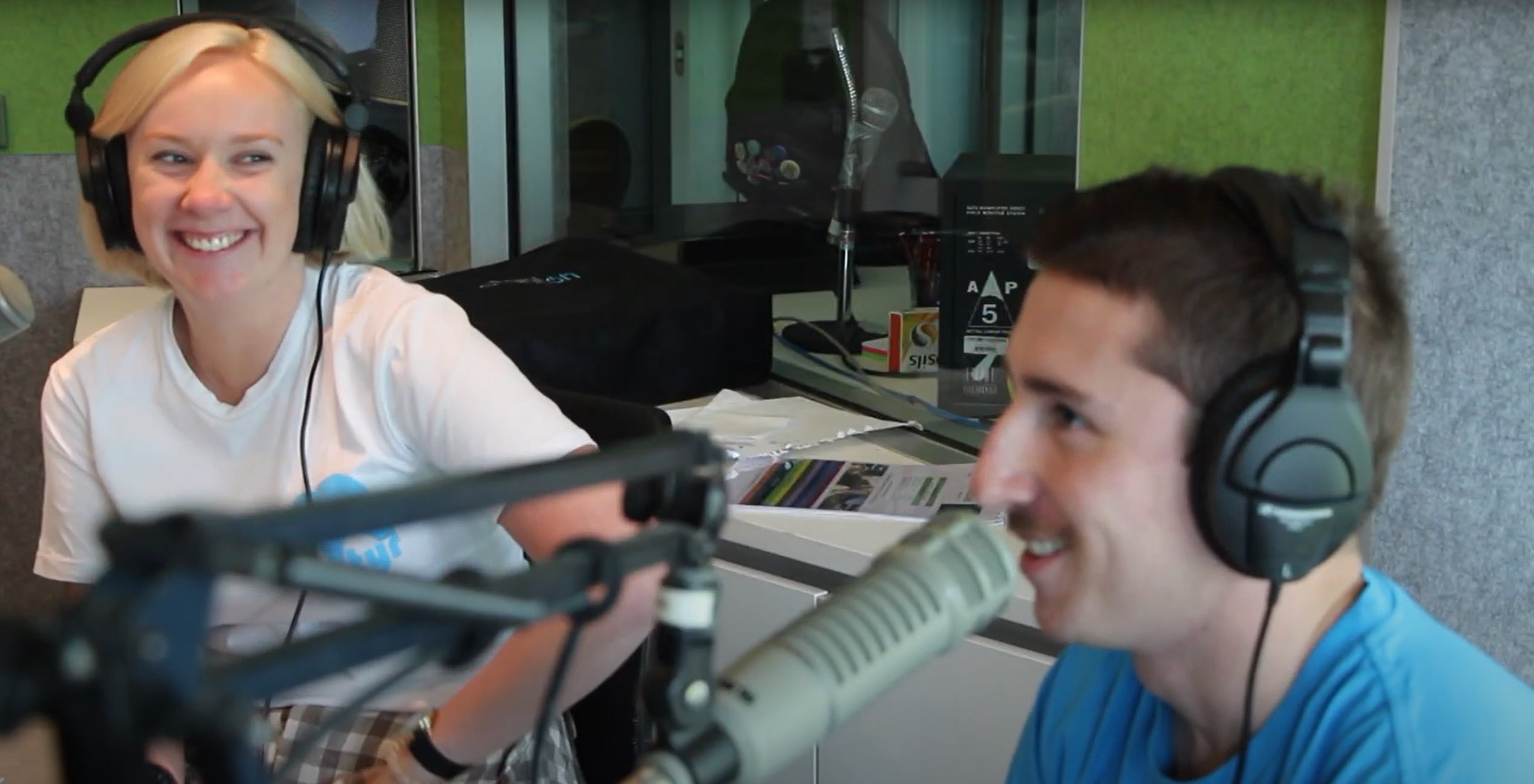
CLICK IMAGE to access livestream
“Tune!FM is our very own, student-driven radio station, located at our Armidale campus. Our high-power, open narrowcasting service is operated by the legendary team from UNE Life alongside dedicated UNE students. The station services the University, our students globally, UNE staff and the greater Armidale community.”
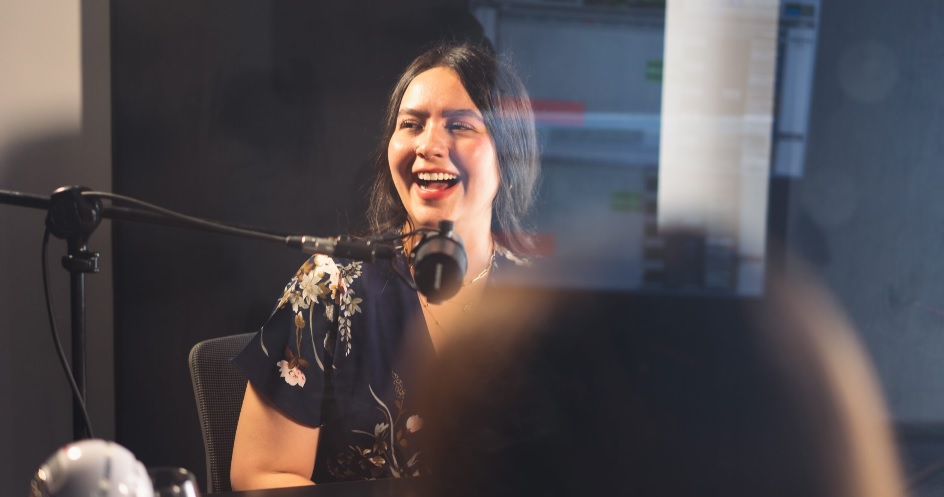
About Us

MTRX5700: Experimental Robotics

This content is accessible to paid subscribers. To view it please enter your password below or send mike@standardsmichigan.com a request for subscription details.
#IWD2024 Today, as we celebrate the incredible achievements of women around the world, we’re excited to share a special video that highlights some amazing women in our organisation discussing #InpireInclusion💪🌐 pic.twitter.com/roClQFbBlY
— Standards Australia (@standardsaus) March 8, 2024
NSW Government | Department of Primary Industries
“Helen Pluckrose outlines some of the arguments later explored in depth in her bestselling 2020 book, Cynical Theories (co-authored with James Lindsay). The essay charts the pernicious influence of postmodernist thinking on two generations of academics and activists. If you want to understand how we got to a place where microaggressions are denounced as violence but the brutal terrorism of an intifada is considered righteous, this is an important primer.”
“A smooth sea never made a skilled sailor.”
— Franklin D. Roosevelt
University of Melbourne Estate Plan
The criteria and process for declaring a state of emergency can vary depending on the country and its legal framework. However, governments generally consider certain factors and criteria when making such declarations. Here are some common elements that governments use to determine whether to declare a state of emergency:
It’s important to note that the specific criteria and procedures for declaring a state of emergency can vary significantly between countries. The legal provisions and powers granted to the government during a state of emergency also vary, including the duration, scope of authority, and measures that can be implemented. It’s advisable to consult the specific laws and regulations of the country in question to understand the precise criteria and process involved in declaring a state of emergency.
New update alert! The 2022 update to the Trademark Assignment Dataset is now available online. Find 1.29 million trademark assignments, involving 2.28 million unique trademark properties issued by the USPTO between March 1952 and January 2023: https://t.co/njrDAbSpwB pic.twitter.com/GkAXrHoQ9T
— USPTO (@uspto) July 13, 2023
Standards Michigan Group, LLC
455 East Eisenhower Parkway, Suite 300
Ann Arbor, MI 48108 USA
888-748-3670
 |
 |
|
 |
 |
|
 |
 |