


Washington State University Net Position Increase of $162M | $1.452B revenue over $1.290B expenses
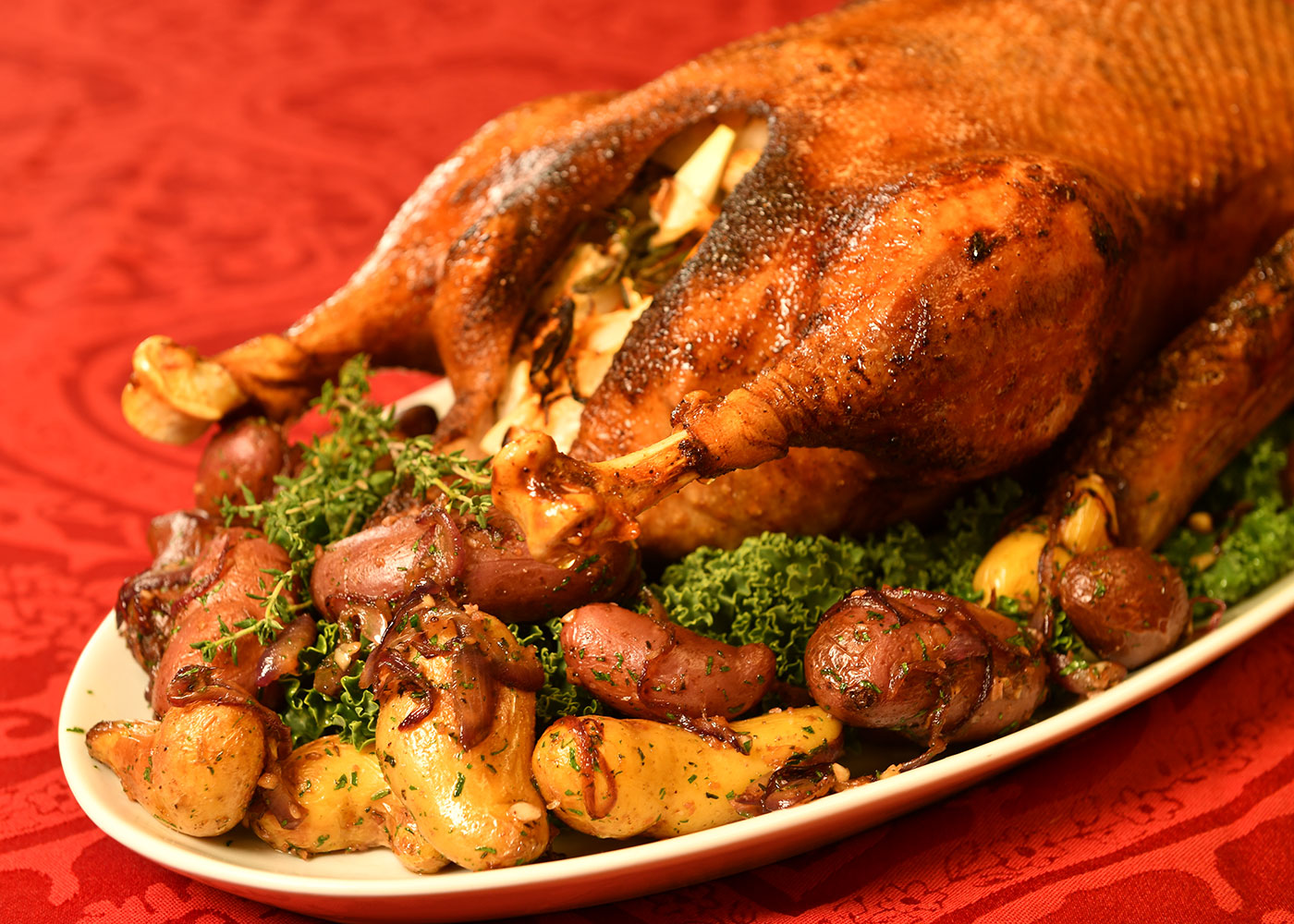
Dinner recipe for Advent Sundays from the School of Hospitality Business Management at WSU’s Carson College of Business. Executive Chef Jamie Callison developed the recipe for Washington State Magazine’s November 2019 issue. He was assisted by Chef de Cuisine Jason Butcherite and Student Culinary Lead Justin Walker. Recipe features local honey and seasoning.
It’s #FeatureFriday with @WSUPullman! The flagship campus was founded in 1890, and is nestled in the rolling hills of the Palouse. #WSUPullman offers more than 200 undergraduate, graduate, and professional degree programs. ➡️https://t.co/KGU4RYcRiR #WSU #GoCougs pic.twitter.com/U68puWvO1M
— WSU System (@wsu) September 20, 2024
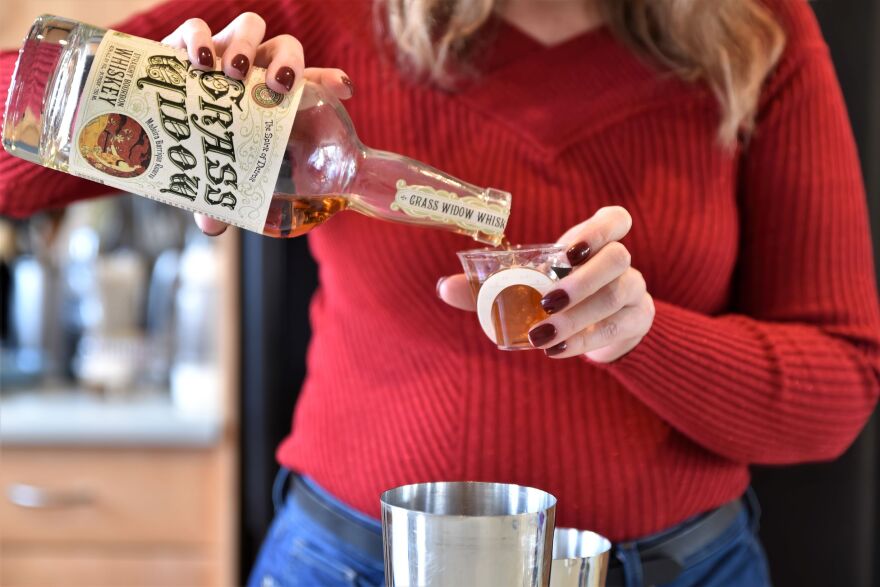
December is National Eggnog Month
Historians’ best guess as to the origin of eggnog dates back to the English Middle Ages, where a warm, milky ale called ‘posset’, was consumed. Posset was often consumed with eggs and figs; eggs, figs, dairy, and sherry were products that only the wealthy could afford to enjoy at the time. Eggnog was thought to have arrived in the U.S. prior to the revolutionary war. Whereas most of the eggnog consumed in Britain was by the upper class (with sherry), as eggnog advanced throughout the U.S. like a milky river of frothy delight, it was generally consumed with rum or bourbon.
Because the agricultural-based colonies were flush with chickens and cows, the consumption of eggnog was not limited to crusty upper class Brits, but rather a drink that most people throughout the American colonies could enjoy. In fact, food historian, Emelyn Rude (2015), author of “How Eggnog (Almost) Changed the World”, explains that consumption of eggnog was a popular holiday pastime of many, even including West Point cadets, such as Edgar Allen Poe and Jefferson Davis.
Makowiec is a poppy seed roll evolving from East European baking tradition that is commonly served during the Christmas season. It is a sweet pastry filled with a mixture of ground poppy seeds, honey, nuts, and sometimes raisins. The roll is often braided or shaped into a log and can be dusted with powdered sugar.
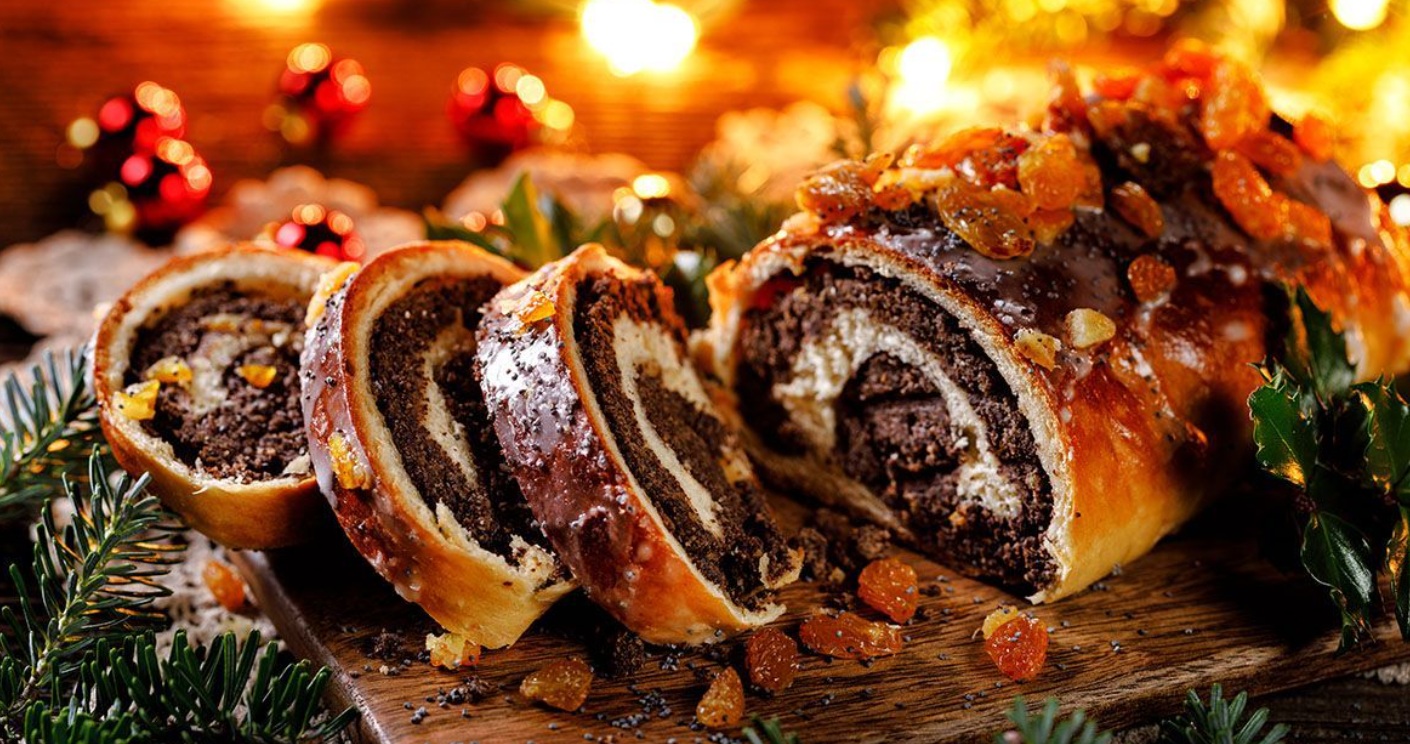
‘Makowiec’ (poppy seed cake), photo: Zbigniew Lewczak/Getty Images
University of Michigan Slavic Languages and Literatures: Polish
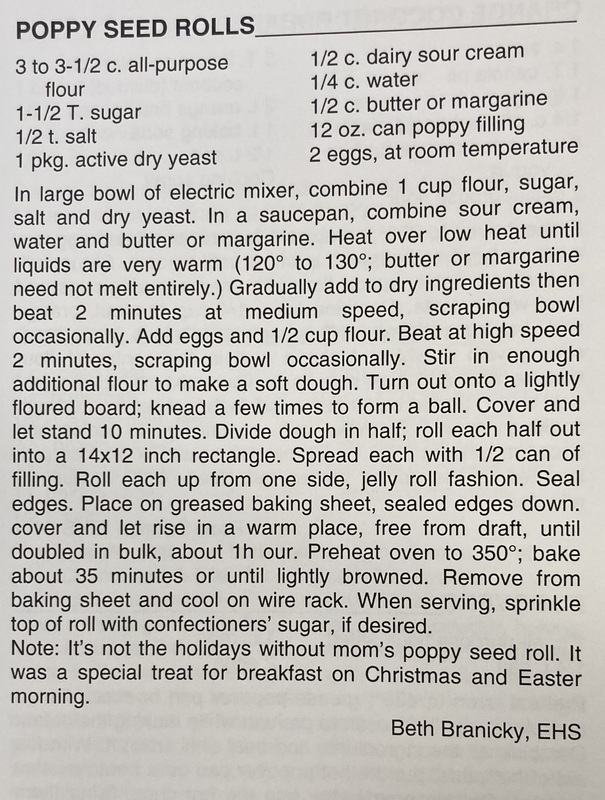
Incomprehensible link to University of Michigan Social Justice Movement
Anna’s Food Blog: Polish Your Kitchen
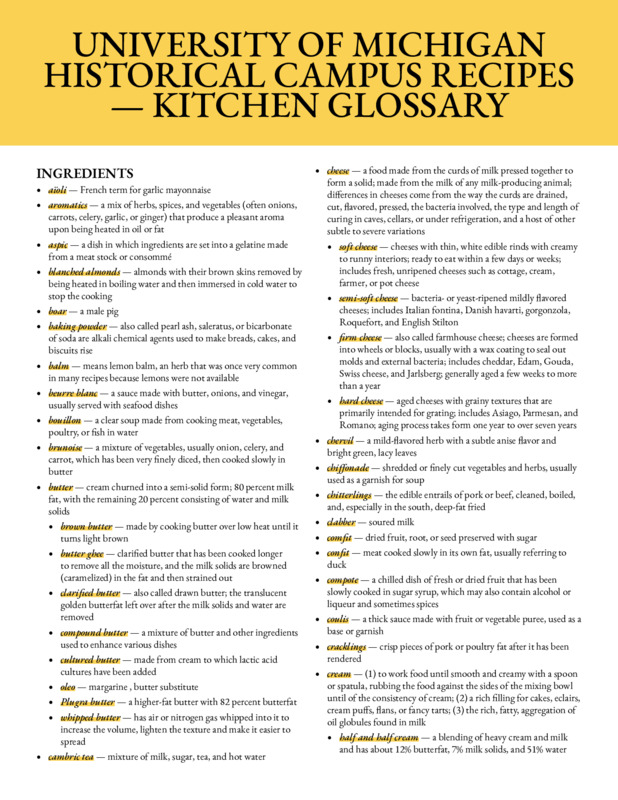
The Role of Work at the New England Literature Program
Related:
Two square miles: The Evolution of Hamtramck as “Little Poland”
Womb Army: “How Hamtramck, a small town within Detroit, became America’s first Muslim-majority city”
How Hamtramck, a small town within Detroit, became America’s first Muslim-majority city https://t.co/62HOvETkUd
— Detroit Free Press (@freep) May 27, 2025
All That Remains:

“Having visited my great grandmother, Omi, in Germany multiple times growing up, I’ve always had a special connection to German baked goods. While I have yet to find the perfect German pretzel in the U.S. or a recipe that yields a decent replica, I have discovered that stollen — a traditional German Christmas bread — is relatively easy to recreate in my own kitchen.” — Alison Tashima, Class of 2024
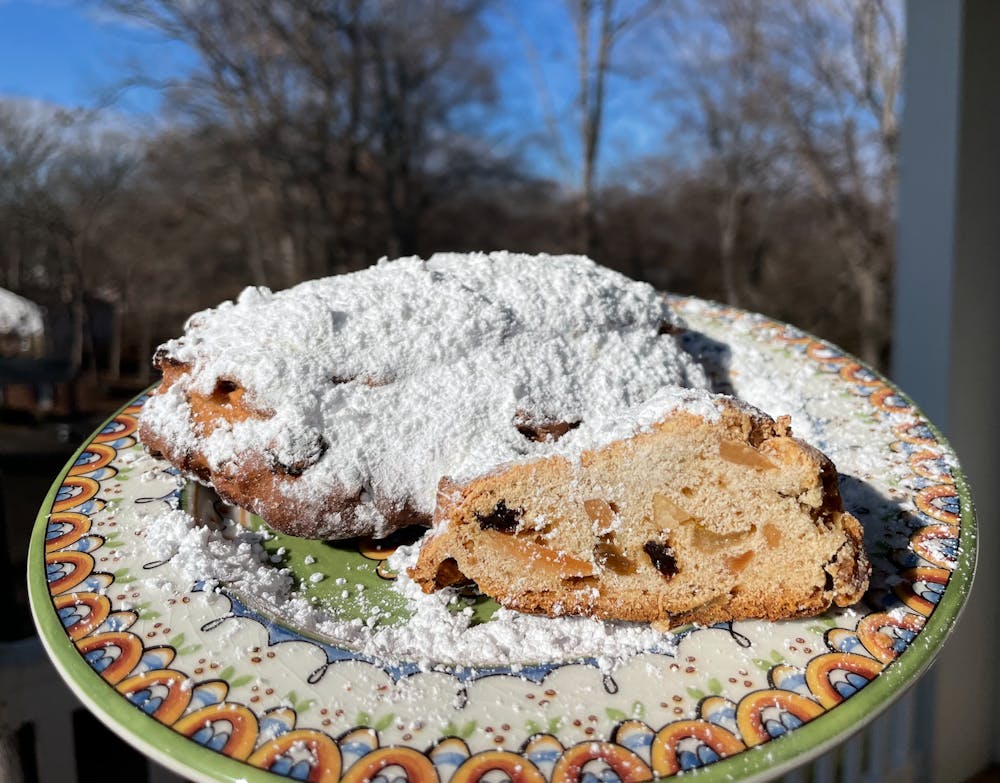
Click image for recipe
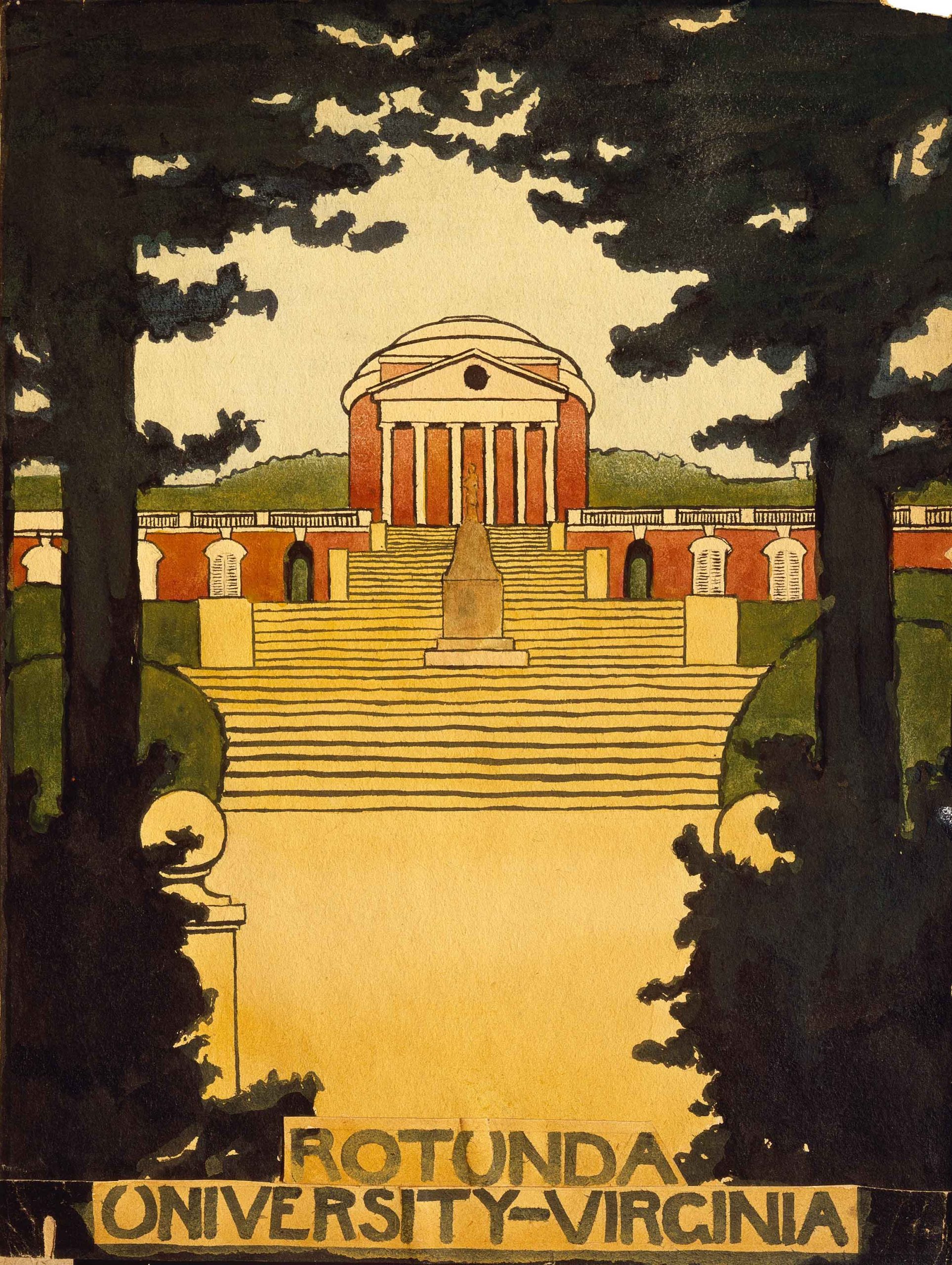
More:
Thomas Jefferson’s Masterpiece
Thomas Jefferson & the University of Virginia
University of Virginia Financial Report: 2023 Net Position $12.580B
University of Virginia Capital Construction & Renovations
Lyrics, Augustus Toplady 1776 | Calvin University Hymnary Kent County Michigan
Today’s weather is ‘snow’ joke! ❄️ pic.twitter.com/JXxwEN6Vll
— Brown University (@BrownUniversity) December 20, 2024

Internet Archive: “Catcher in the Rye” 1951 , J.D. Salinger
Harold Bloom’s Catcher in the Rye Critical Readings
Selected quotes:
“I’m quite illiterate, but I read a lot.”
“It’s funny. All you have to do is say something nobody understands and they’ll do practically anything you want them to.”
“The mark of the immature man is that he wants to die nobly for a cause, while the mark of the mature man is that he wants to live humbly for one.”
“I like it when somebody gets excited about something. It’s nice.”
“If a girl looks swell when she meets you, who gives a damn if she’s late? Nobody.”
Related:
“For Esme, with Love and Squalor” 1950, J.D. Salinger
— Edward Elderman (@edwereddie) November 26, 2025
BSI Group: Consumer, Retail & Food Standards
Higher Education (Freedom of Speech) Act 2023

This British festive pastry has origins dating back to the 13th century when European Crusaders returned from the Middle East with recipes containing meats, fruits, and spices. These early pies, known as “mincemeat pies,” combined minced meat (usually mutton), suet, fruits, and spices such as cinnamon, cloves, and nutmeg, symbolizing the gifts of the Magi. In the 16th century, the pies were rectangular, representing Jesus’ crib.
Over time, the meat content reduced, and by the Victorian era, the recipe had evolved to primarily include dried fruits, suet, and spices, aligning with the modern version of the mince pie. Traditionally enjoyed during the Christmas season, mince pies are now small, round pastries filled with a mixture called mincemeat, which typically contains no meat but a blend of dried fruits, sugar, spices, and sometimes brandy or other spirits.
Good luck to all candidates doing their Oxford interviews over the next couple of weeks 🤞
📷 Instagram | Juncao_Oxford#ApplyingToOxford pic.twitter.com/sqj0LpKdgD
— University of Oxford (@UniofOxford) December 9, 2024
Last night, after a 3 year break, we were delighted to once again host our Festive Networking Drinks 🎄 in person, at the Oxford & Cambridge Club, London.
We had a great turn out with almost 60 fellows, students & alumni braving the cold to socialise & network with their peers. pic.twitter.com/WX7aVskMsi— Kellogg College, University of Oxford (@KelloggOx) December 14, 2022
New update alert! The 2022 update to the Trademark Assignment Dataset is now available online. Find 1.29 million trademark assignments, involving 2.28 million unique trademark properties issued by the USPTO between March 1952 and January 2023: https://t.co/njrDAbSpwB pic.twitter.com/GkAXrHoQ9T
— USPTO (@uspto) July 13, 2023
Standards Michigan Group, LLC
455 East Eisenhower Parkway, Suite 300
Ann Arbor, MI 48108 USA
888-748-3670
 |
 |
|
 |
 |
|
 |
 |