Observational comedy is a form of humor based on commonplace aspects of everyday life, especially small details and shared experiences. In a typical observational routine, the comedian highlights something familiar to the audience that is rarely discussed explicitly, often framed to emphasize recognition or relatability.
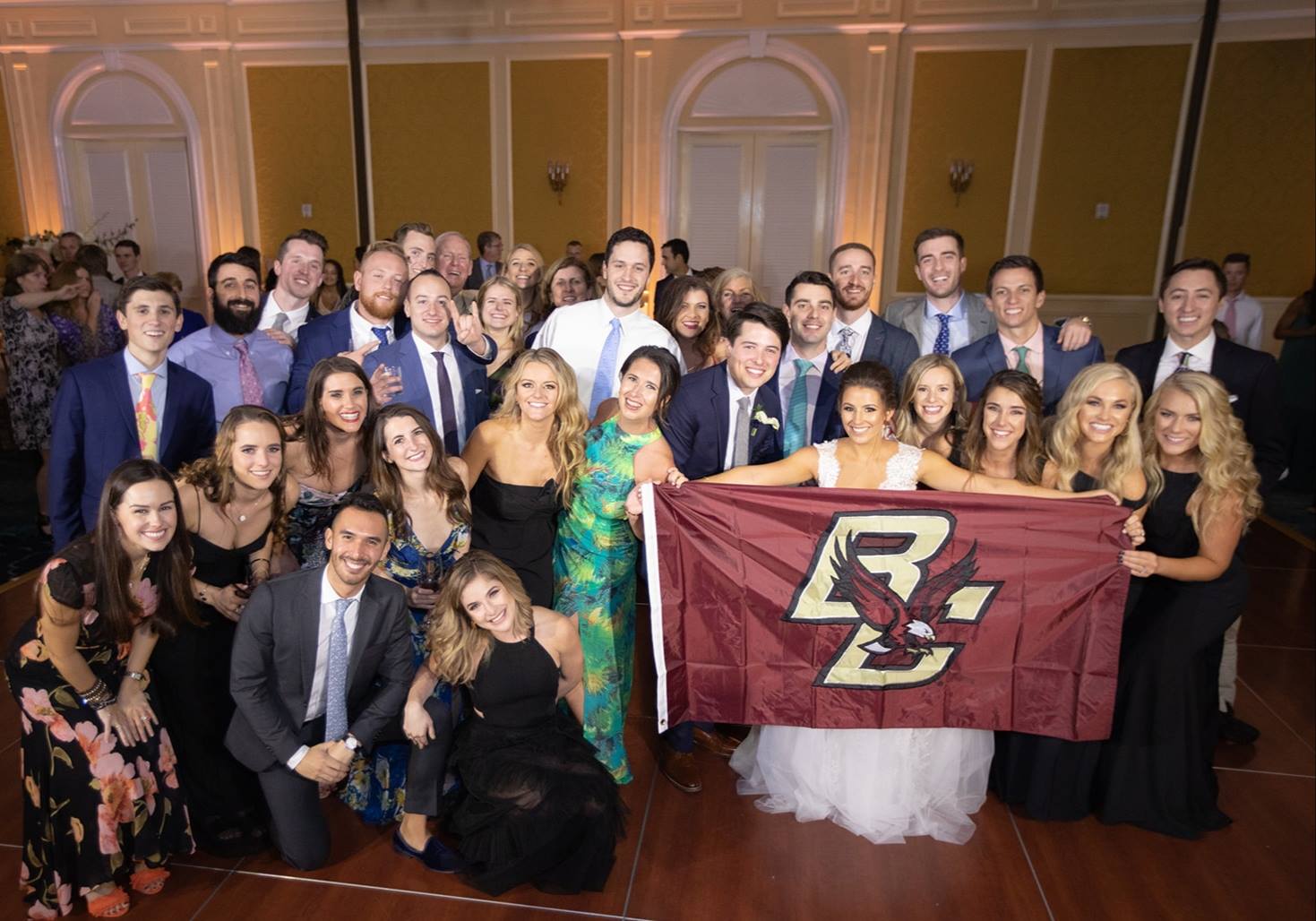
Good luck to our Eagles at the NCAA Championships! 👟@BCXC_TF‘s Mateo Bianchi ’26 is BC’s first steeplechaser in nearly 60 years and runs today, while Imogen Gardiner ’26 (1500m) and Sydney Segalla ’26 (400m) will race on Thursday. 🦅 pic.twitter.com/CKIScaQnBY
“And though all the winds of doctrine were let loose to play upon the earth,, so Truth be in the field, we do injuriously, by licensing and prohibiting, to misdoubt her strength. Let her and Falsehood grapple; who ever knew Truth put to the worse in a free and open encounter?” — “Areopagitica” 1644 John Milton
“The university is a home of the human spirit, and when it is ruled by bureaucracy and mediocrity, the spirit is killed.”
— Roger Scruton
“This Is My Song” is a hymn that was written by Lloyd Stone in 1934, with music composed by Jean Sibelius, a Finnish composer. The hymn was originally titled “A Song of Peace” and was written during a time of global unrest, just before World War II. Lloyd Stone was an American minister, and he wrote the lyrics to express his desire for peace and unity among nations.
The hymn gained popularity for its message of peace and hope during a turbulent period in world history. Over the years, it has been included in various hymnals and sung in churches and gatherings around the world. The combination of Stone’s heartfelt lyrics and Sibelius’s stirring music has made it a beloved hymn that continues to be sung to this day. The hymn is often used in interfaith and ecumenical settings to promote the idea of peace among all nations and people.
New update alert! The 2022 update to the Trademark Assignment Dataset is now available online. Find 1.29 million trademark assignments, involving 2.28 million unique trademark properties issued by the USPTO between March 1952 and January 2023: https://t.co/njrDAbSpwBpic.twitter.com/GkAXrHoQ9T