
Tag Archives: michc
- Home
- Posts tagged "michc" (Page 4)



Eggnog

December is National Eggnog Month
Historians’ best guess as to the origin of eggnog dates back to the English Middle Ages, where a warm, milky ale called ‘posset’, was consumed. Posset was often consumed with eggs and figs; eggs, figs, dairy, and sherry were products that only the wealthy could afford to enjoy at the time. Eggnog was thought to have arrived in the U.S. prior to the revolutionary war. Whereas most of the eggnog consumed in Britain was by the upper class (with sherry), as eggnog advanced throughout the U.S. like a milky river of frothy delight, it was generally consumed with rum or bourbon.
Because the agricultural-based colonies were flush with chickens and cows, the consumption of eggnog was not limited to crusty upper class Brits, but rather a drink that most people throughout the American colonies could enjoy. In fact, food historian, Emelyn Rude (2015), author of “How Eggnog (Almost) Changed the World”, explains that consumption of eggnog was a popular holiday pastime of many, even including West Point cadets, such as Edgar Allen Poe and Jefferson Davis.

Makowiec
Makowiec is a poppy seed roll evolving from East European baking tradition that is commonly served during the Christmas season. It is a sweet pastry filled with a mixture of ground poppy seeds, honey, nuts, and sometimes raisins. The roll is often braided or shaped into a log and can be dusted with powdered sugar.

‘Makowiec’ (poppy seed cake), photo: Zbigniew Lewczak/Getty Images
University of Michigan Slavic Languages and Literatures: Polish
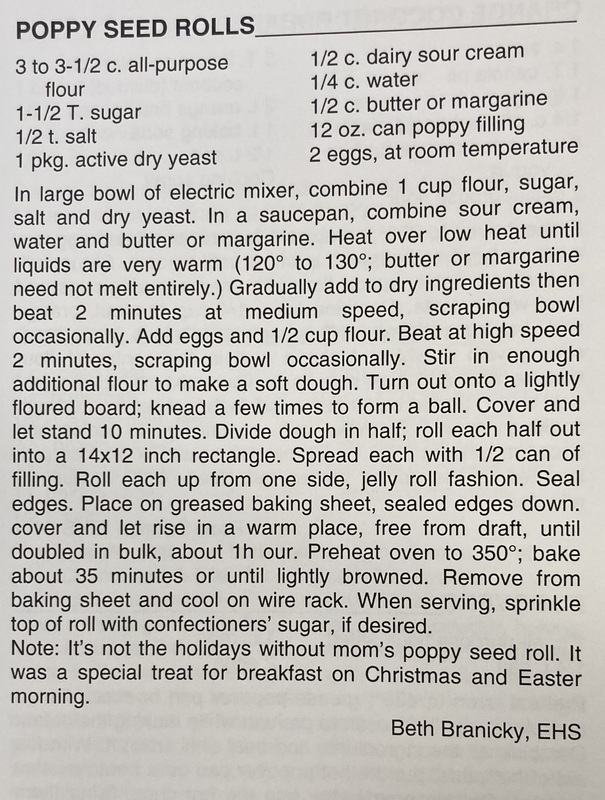
Incomprehensible link to University of Michigan Social Justice Movement
Anna’s Food Blog: Polish Your Kitchen
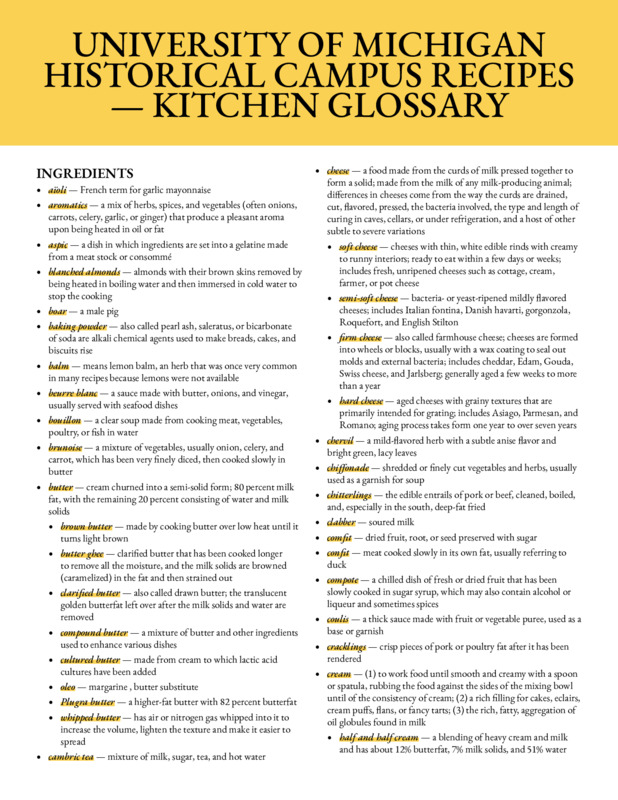
The Role of Work at the New England Literature Program
Related:
Two square miles: The Evolution of Hamtramck as “Little Poland”
Womb Army: “How Hamtramck, a small town within Detroit, became America’s first Muslim-majority city”
How Hamtramck, a small town within Detroit, became America’s first Muslim-majority city https://t.co/62HOvETkUd
— Detroit Free Press (@freep) May 27, 2025
All That Remains:

Ralph Vaughan Williams “Sea Symphony”
This is his RVW’s first completed symphony and one of the earliest major choral symphonies in English music. Setting poetry from Walt Whitman’s Leaves of Grass, it explores the sea as both a literal and spiritual metaphor for exploration and human destiny. Premiered at the Leeds Festival, it signaled Vaughan Williams’s move toward a distinctly English symphonic voice, blending expansive orchestration with modal harmonies and visionary choral writing. The work’s significance lies in its ambition: it established him as a leading British composer and opened a new path for English symphonic and choral expression.

Boosting Equality in Brewing
How Do You Measure the Percentage of Alcohol in Beer, Wine and Other Beverages?
Readings:
Pew Research Center: “Childlessness Up Among All Women; Down Among Women with Advanced Degrees”
Business Insider: More and more women just don’t want children: ‘Kids are expensive and sticky’
BBC: The adults celebrating child-free lives
How To Cope With The Loneliness Of Being Single: Being Single in the 21st Century
The Historical Role of Women in Higher Education
“Buttergate”
Adam Lock: Associate Chair for Farm Operations, Michigan State University
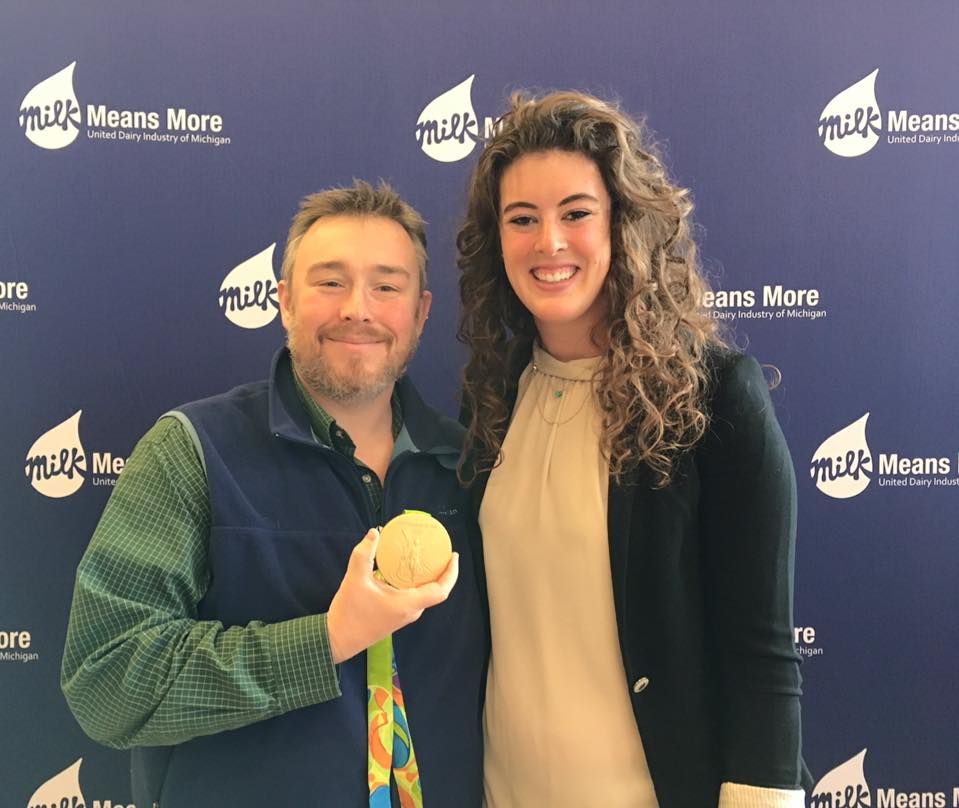

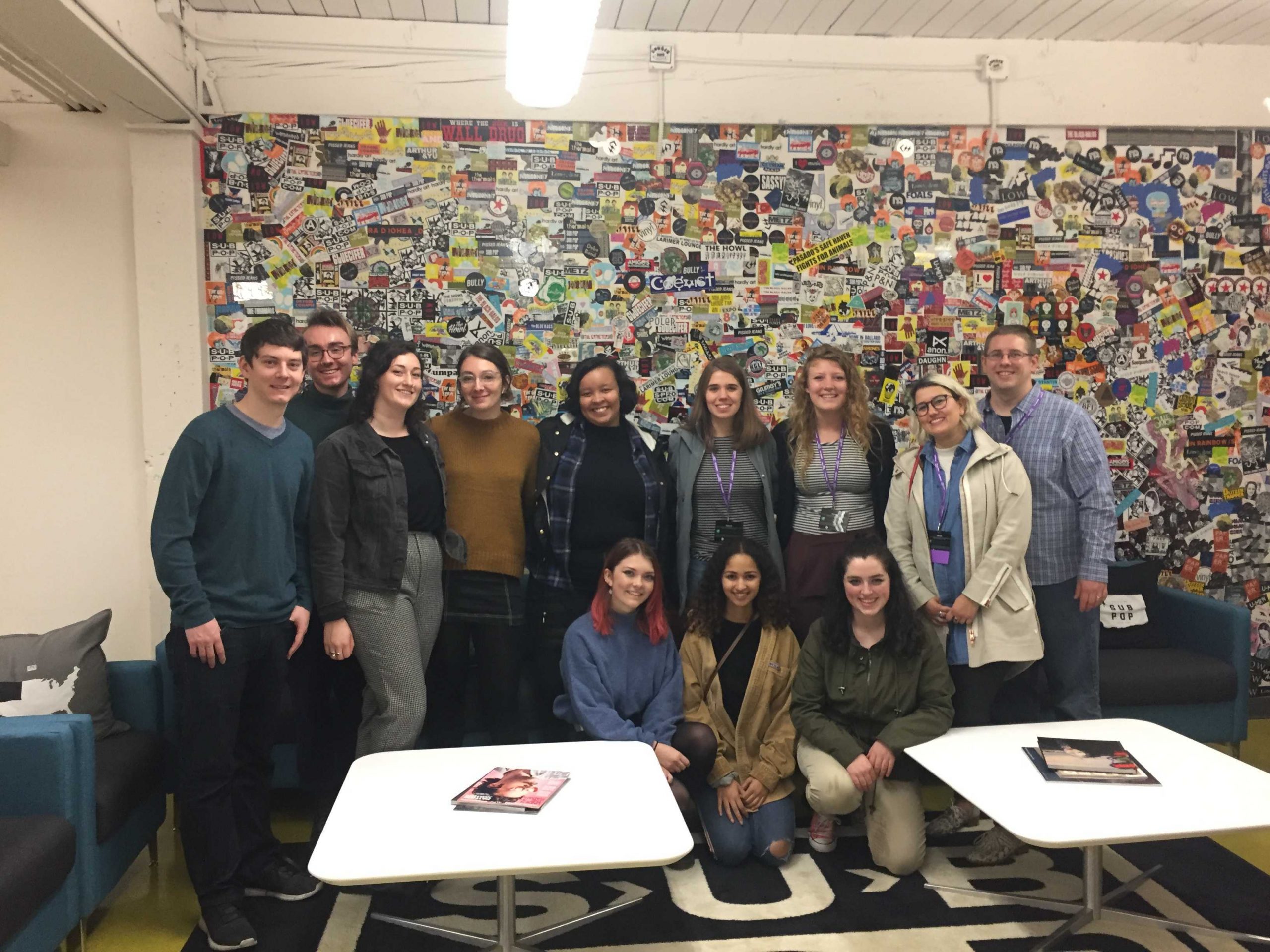
Michigan State University Student Radio | WDBM 88.9 FM

Sleigh Ride


Let’s do it again @MSU_Basketball 🟢⚪️🏀 #GoGreen pic.twitter.com/S3l4cKQNcx
— Spartan Brass (@MSUSpartanBrass) March 19, 2022
New update alert! The 2022 update to the Trademark Assignment Dataset is now available online. Find 1.29 million trademark assignments, involving 2.28 million unique trademark properties issued by the USPTO between March 1952 and January 2023: https://t.co/njrDAbSpwB pic.twitter.com/GkAXrHoQ9T
— USPTO (@uspto) July 13, 2023
Standards Michigan Group, LLC
455 East Eisenhower Parkway, Suite 300
Ann Arbor, MI 48108 USA
888-748-3670
DIRECTIONS
 |
 |
|
 |
 |
|
 |
 |