
Tag Archives: michc

Loading
loading..

Job Site

This content is accessible to paid subscribers. To view it please enter your password below or send mike@standardsmichigan.com a request for subscription details.

Christ Chapel

Michigan West

“De re aedificatoria”Leon Battista Alberti

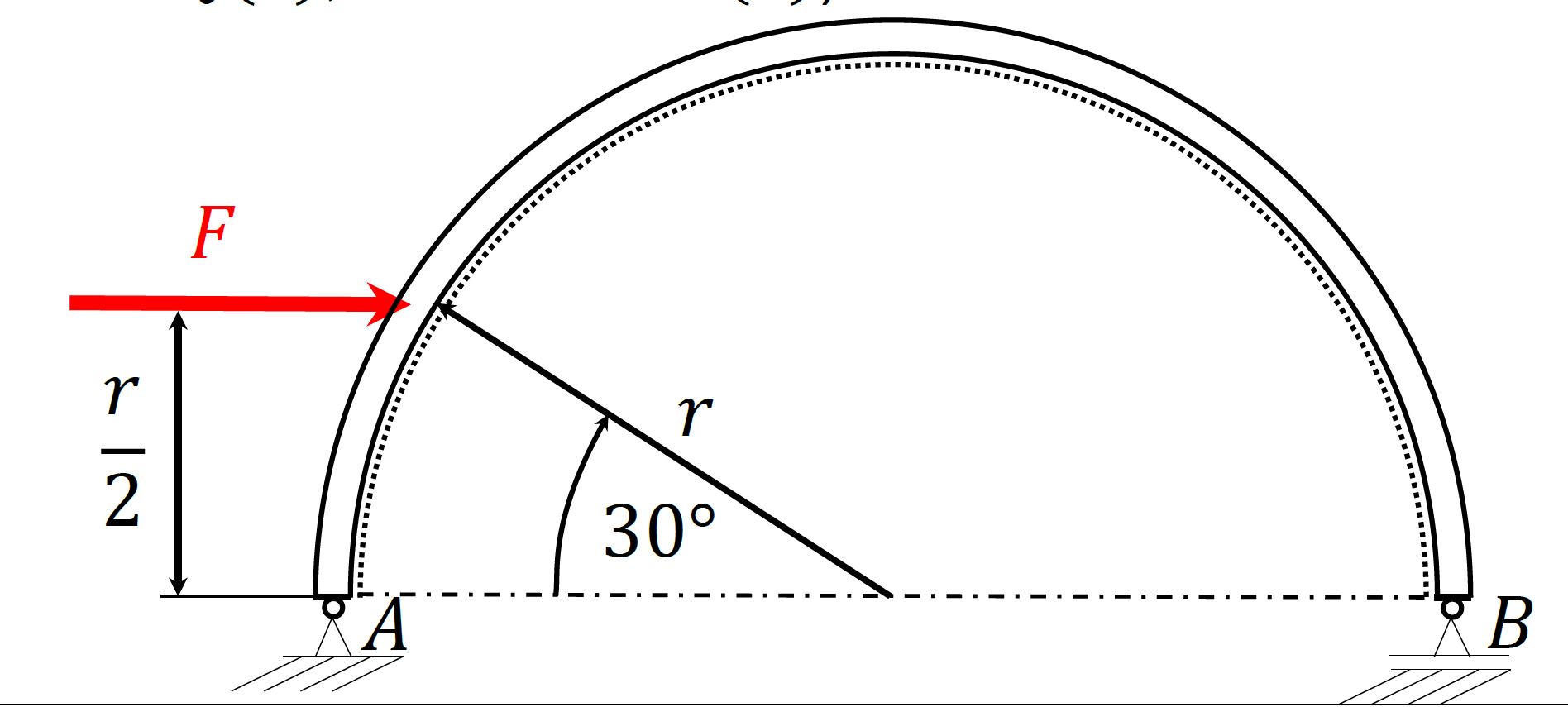
Compute the stress curves for the half-circular arch beam

Duncan Stroik Architect

Sacred Spaces

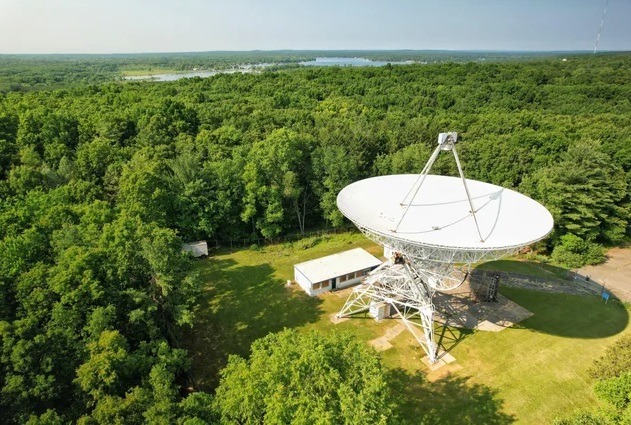
Peach Mountain Radio Observatory

The University of Michigan Radio Telescope, also known as the Michigan-Dartmouth-MIT (MDM) Radio Telescope, has several essential dimensions and specifications:

Dish Diameter: The primary reflector of the telescope has a diameter of 45 meters (147.6 feet). This large size allows it to collect radio waves effectively.

Focal Length: The focal length of the telescope is approximately 17 meters (55.8 feet). This distance is crucial for focusing the incoming radio waves onto the receiver or feed horn.

Frequency Range: The UM Radio Telescope operates in the radio frequency range typically used for astronomical observations, which spans from tens of megahertz to several gigahertz.

Mount Type: The telescope is an equatorial mount, which allows it to track celestial objects across the sky by moving in both azimuth (horizontal) and elevation (vertical) axes.

Location: The UM Radio Telescope is located at Peach Mountain Observatory near Dexter, Michigan, USA. Its geographical coordinates are approximately 42.39°N latitude and 83.96°W longitude.

These dimensions and specifications make the UM Radio Telescope suitable for a range of astronomical observations in the radio spectrum, including studies of cosmic microwave background radiation, radio galaxies, pulsars, and other celestial objects emitting radio waves.

Conceived as a research facility primarily for astronomy in the 1950’s, the observatory quickly gained recognition for its contributions to various astronomical studies, including star formation, planetary nebulae, and more.

“Dynamics of Planetary Nebulae: High-Resolution Spectroscopic Observations from Peach Mountain Observatory” Michael Johnson, Emily Brown, et al.

“Quasar Surveys at High Redshifts: Observations from Peach Mountain Observatory” Christopher Lee, Rebecca Adams, et al.

“Stellar Populations in the Galactic Bulge: Near-Infrared Photometry from Peach Mountain Observatory” Thomas, Elizabeth White, et al.

“Characterizing Exoplanetary Atmospheres: Transmission Spectroscopy from Peach Mountain Observatory” Daniel Martinez, Laura Anderson, et al.

Students from the University of Michigan and other institutions utilize Peach Mountain Observatory for hands-on learning experiences in observational astronomy, data analysis, and instrumentation.

Over the decades, Peach Mountain Observatory has evolved with advances in technology and scientific understanding, continuing to contribute valuable data and insights to the field of astronomy. Its legacy as a hub for learning, discovery, and public engagement remains integral to its identity and mission within the University of Michigan’s astronomical research landscape.

Spring Break

Michigan Central


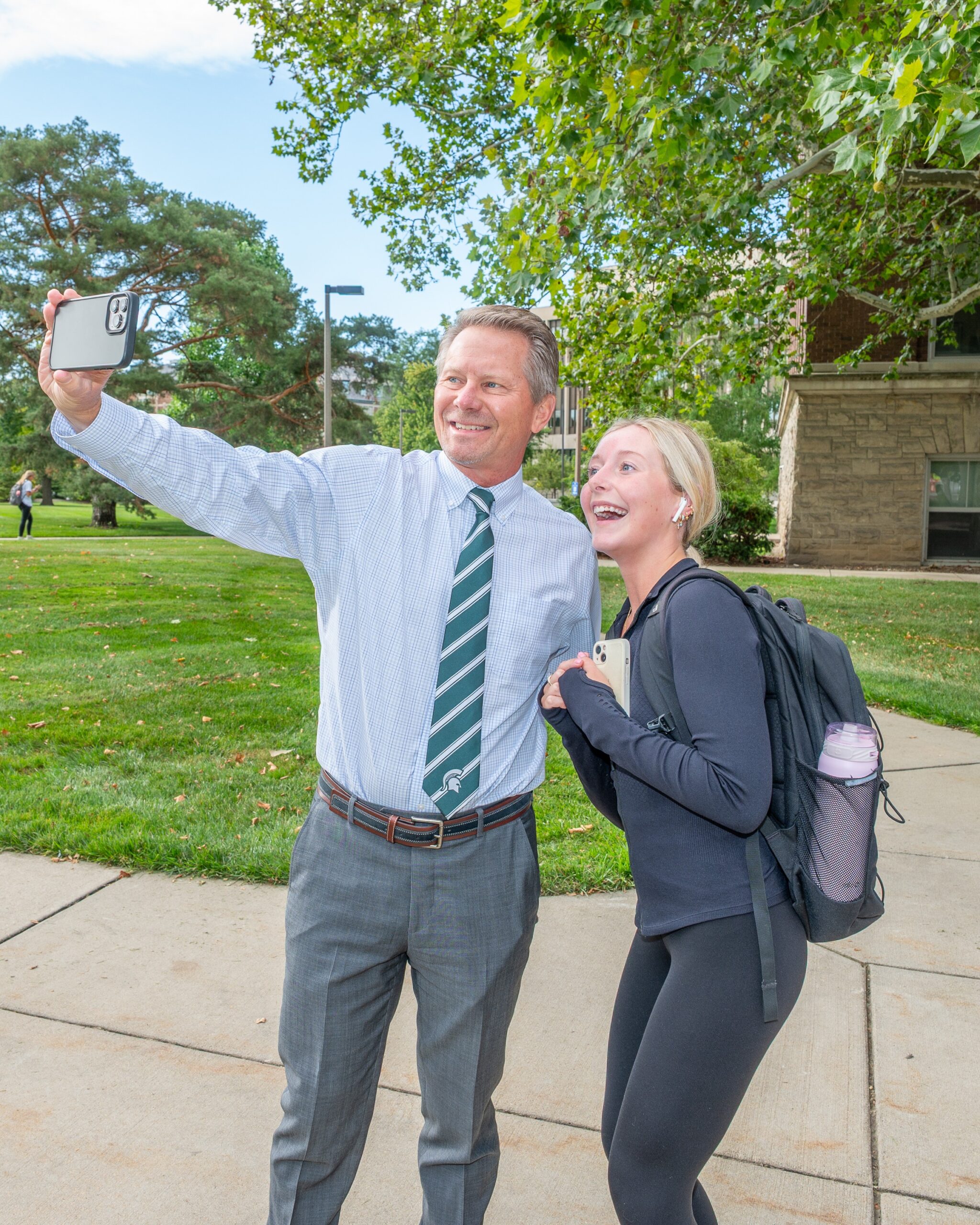
One MSU Professor Singlehandedly Started Spring Break

Hillsdale to Hilltop: The Story of Michigan Lass Kat Timpf

🐦Homophily Michigan 🐦

“You’d get married? Well, what about school?”

“Girls like me weren’t built to be education. We were made to have children. That’s my ambition: to be a walking talking baby factory”


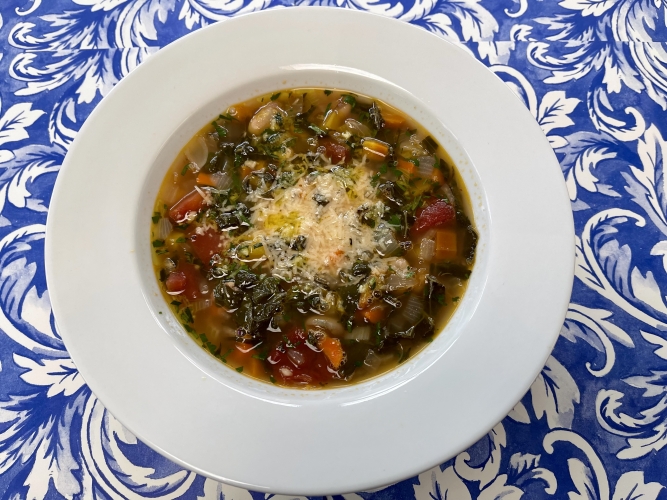
Tuscan Bean Soup

Standards Michigan Central | MHealthy Recipes*

Ribollita origin traces back to the Middle Ages in rural Tuscany, Italy, as an example of cucina povera (poor people’s cooking). Peasants and servants repurposed leftovers to avoid waste: after feudal lords ate meals served on large slices of bread (used as trenchers), the soaked, stale bread was collected and combined with vegetables, beans (especially cannellini), and greens like lacinato kale or cabbage. The mixture was boiled, often reboiled the next day with more bread added for thickness, improving flavor and heartiness. This thrifty habit of reheating and extending the dish gave it its name.

Click for recipe

Michigan Maple Syrup

This content is accessible to paid subscribers. To view it please enter your password below or send mike@standardsmichigan.com a request for subscription details.

Friday Coffee Talk

This content is accessible to paid subscribers. To view it please enter your password below or send mike@standardsmichigan.com a request for subscription details.

Green Spaghetti

This content is accessible to paid subscribers. To view it please enter your password below or send mike@standardsmichigan.com a request for subscription details.

Hot chocolate vs. hot cocoa

Michigan Central  

2026 General Fund Revenue & Expenditures: $1.738B $ Integrated Facilities and Land Use

MSU receives record-breaking $401 million commitment

Why Does The Modern World Make No Sense?

“…Hot cocoa and hot chocolate are terms that we often used interchangeably. Technically, hot cocoa and hot chocolate are as different as milk chocolate and bittersweet chocolate. Hot cocoa is made with cocoa powder, the way my mother made it when I was a kid. Hot chocolate is made from melting chocolate bars into cream…”


Plant science at your dinner table: Hot chocolate vs. hot cocoa


How to make the chemically perfect hot chocolate

Milk


Steve and Amy Van Andel Graduate School of Government

This content is accessible to paid subscribers. To view it please enter your password below or send mike@standardsmichigan.com a request for subscription details.

Layout mode
Predefined Skins
Custom Colors
Choose your skin color
Patterns Background
Images Background
Standards Michigan
error: Content is protected !!
Skip to content