

Wheaton College Illinois

Related:


This content is accessible to paid subscribers. To view it please enter your password below or send mike@standardsmichigan.com a request for subscription details.
Seeking Donor(s): New Football Operations Center
University of Miami: Condensed Statement of Financial Position 2023 ($7.02B)
Florida: Municipal Securities Issuers
Facilities Operation & Planning: Significant Completed Projects
.jpg)
“Red Shirt, Homosassa Florida” (1904) | Winslow Homer

The Border, DEI, Trump, Islam, BLM & the Misinterpretation of Data
Good luck on finals, Canes! 🙌 pic.twitter.com/mZb2Pfynra
— University of Miami (@univmiami) April 30, 2025
The Historic Rutgers Tomato Gets Re-invented in University’s 250th Anniversary Year

Rutgers University Institutional Planning and Operations
Speaking of storms…Photo of an apple orchard in Ireland after a storm.
by Tony Egan pic.twitter.com/EFWQzCtUkz— Edward Elderman (@edwereddie) October 10, 2024
POV : your Midwest neighbor said they have a few extra vegetables they’re gonna bring over pic.twitter.com/lF0818HaPX
— Midwest vs. The Rest (@midwestern_ope) August 11, 2026
2023 Financial Report & Audit | $1.092B
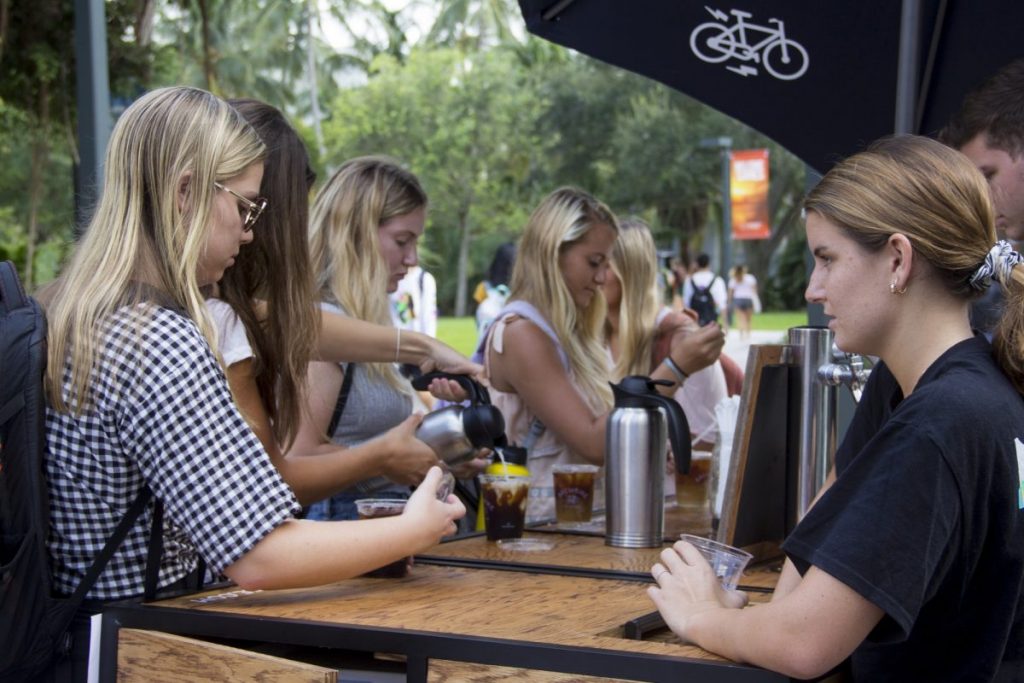
The United States Food and Drug Administration and the National Coffee Association recommended standard temperature for safe hot coffee is around 160°F to 165°F (71°C to 74°C). This temperature range is considered hot enough to be enjoyable while minimizing the risk of scalding or burning.
These agencies do not have specific regulations or guidelines solely dedicated to cold brew coffee. However, there are general principles and best practices for handling and storing perishable food products that can be applied to cold brew coffee to ensure safety.*
|
Cold brew coffee typically requires more time to prepare than traditional hot brew coffee. While hot brew coffee can be made in just a few minutes, cold brew coffee is made by steeping coffee grounds in cold water for an extended period of time, usually between 12 to 24 hours. The longer steeping time allows the coffee to extract more slowly and results in a smoother, less acidic coffee concentrate. After steeping, the coffee grounds are usually filtered out and the resulting concentrate can be diluted with water, milk, or other liquids and served over ice. While cold brew coffee does require more time to prepare, many coffee drinkers prefer its smoother, less bitter taste and lower acidity compared to hot brewed coffee. Additionally, the longer shelf life of cold brew coffee concentrate makes it a popular choice for those who like to prepare coffee in advance and have it ready to drink throughout the day. |
The Sacred Myths of Liberalism | Eric Kaufman (University of Buckingham)
Elon University Facilities Management

We cover the technical standards applicable to small to medium sized coffee preparation installations in a cross-cutting way during our Kitchens 200 colloquium.
Relevant IEEE Research:
COVID-19 pandemic affected on coffee beverage decision and consumers’ behavior
Using Digital Marketing to Enhance Sustainability in The Coffee Business
* These recommendations are based on general food safety practices:
Water quality: Start with clean, potable water to brew your cold brew coffee. Make sure the water source is safe and free from contaminants.
Brewing process: Follow good manufacturing practices and ensure that your brewing equipment and utensils are clean and sanitized. Cold brew coffee is typically brewed using room temperature or cold water over an extended period. Ensure that the brewing container is properly sealed and protected from any potential sources of contamination.
Filtration: After the brewing process, filter the cold brew coffee to remove any sediment or particles. This can be done using a fine-mesh sieve or a dedicated filtration system.
Storage: Store the cold brew coffee in a clean, airtight container in the refrigerator. This helps to inhibit the growth of bacteria and maintain the quality of the coffee. Cold brew coffee can typically be stored for a few days to a couple of weeks, depending on the specific recipe and preparation method.
Temperature control: Keep the cold brew coffee refrigerated at a temperature below 41°F (5°C) to prevent the growth of harmful bacteria.
Serve safely: When serving cold brew coffee, use clean and sanitized utensils, containers, and dispensing equipment to avoid cross-contamination. If you add any additional ingredients like milk or sweeteners, ensure that they are stored properly and do not exceed their recommended storage times.
Congratulations to our Lumen Scholars who are going out into the world and making a difference. Learn more about the projects they worked on during their time at Elon and what’s next here: https://t.co/iuh9wQ16NB pic.twitter.com/NJ3RiNTVS3
— Elon University (@elonuniversity) June 18, 2025
This content is accessible to paid subscribers. To view it please enter your password below or send mike@standardsmichigan.com a request for subscription details.
University System of Maryland | $12.225B
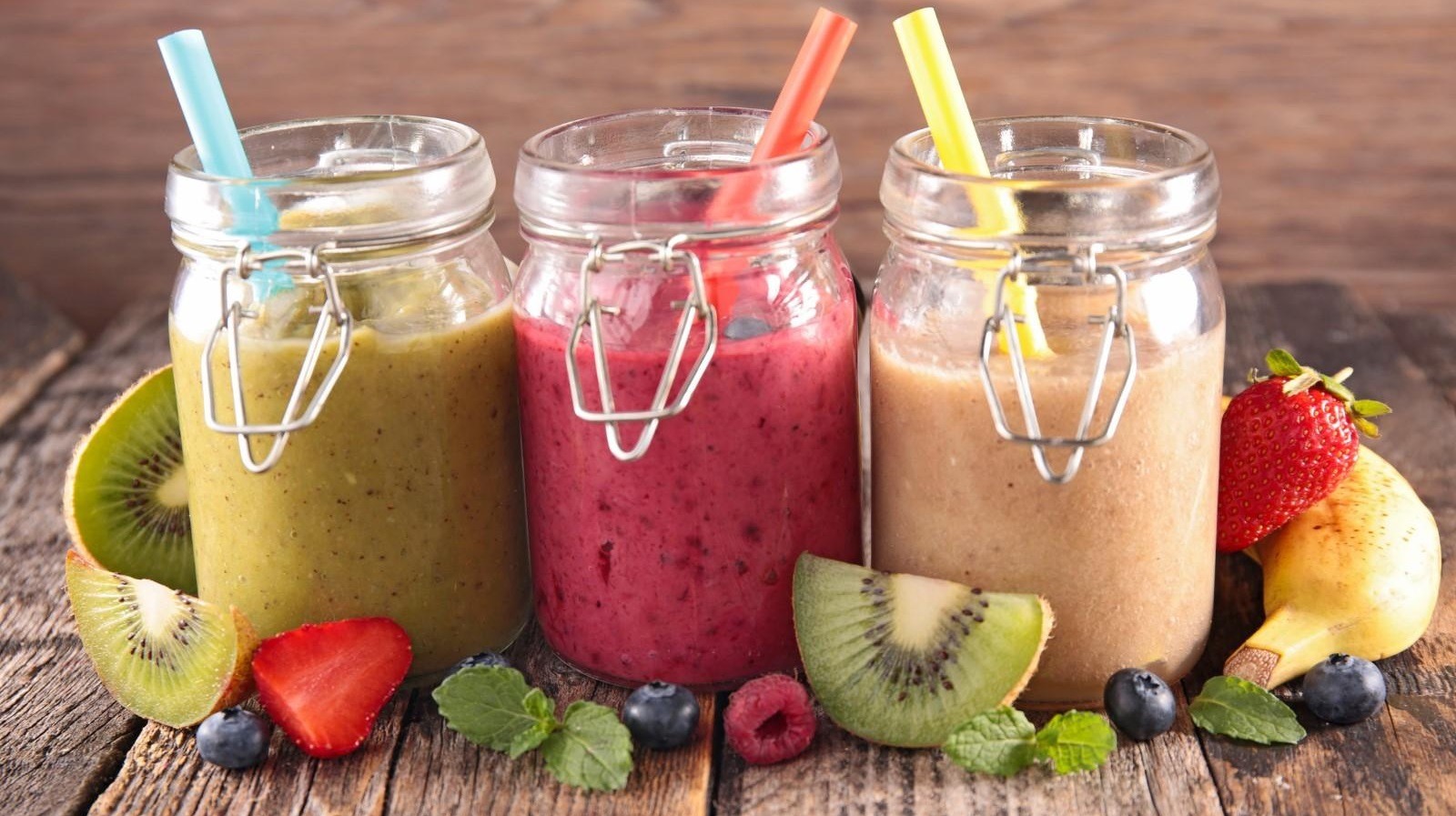
University of Maryland Extension

The choice of red, white, and blue in national flags often carries historical, cultural, and political significance. Here are some reasons why various nations have chosen these colors:
The exact reasons can vary, but often the colors reflect a mix of historical alliances, cultural heritage, and political ideals.
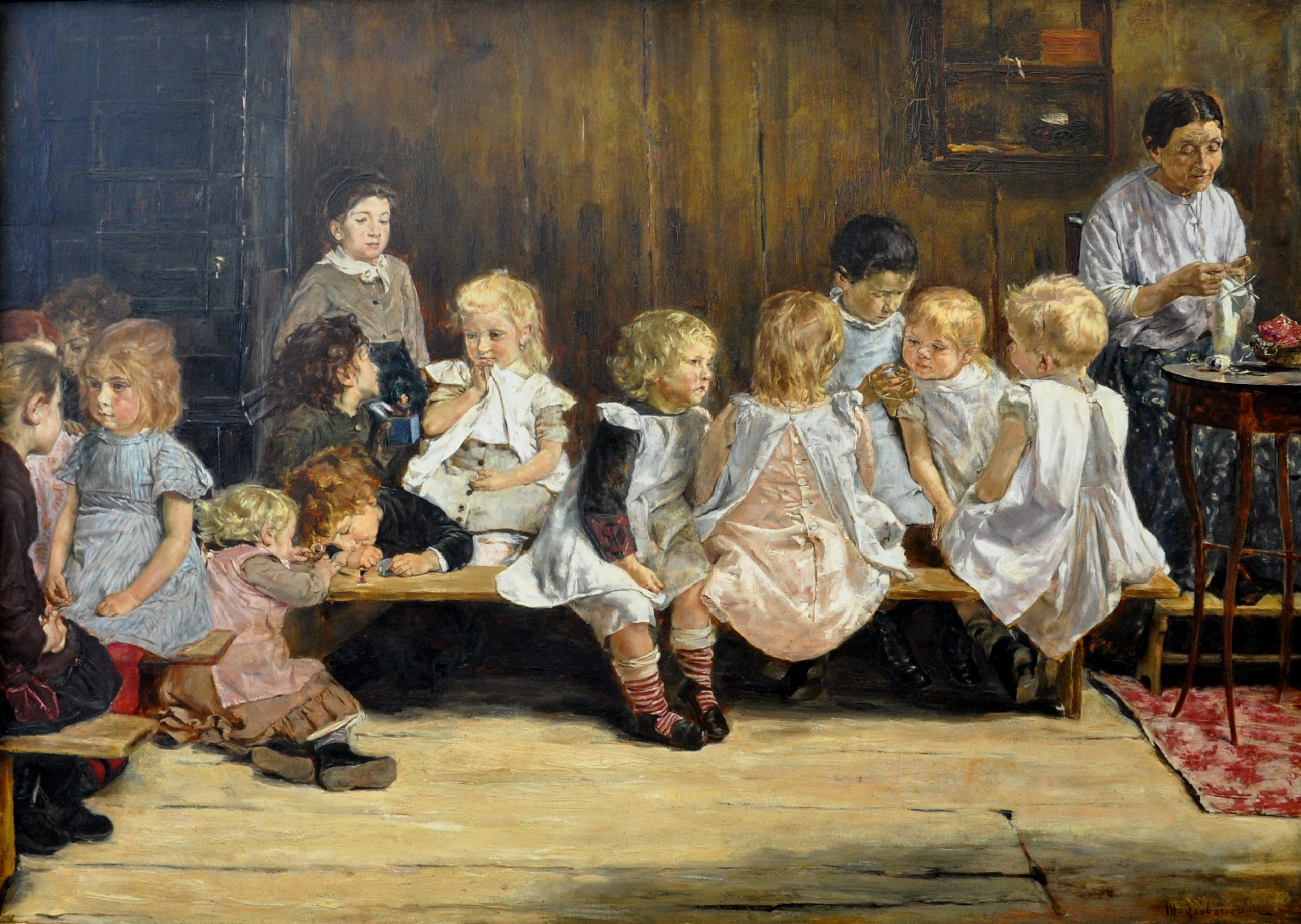
Today at the usual hour we review a selection of global building codes and standards that guide best practice for safety, accessibility, and functionality for day care facilities; with special interest in the possibilities for co-locating square footage into the (typically) lavish unused space in higher education facilities.
Use the login credentials at the upper right of our home page.
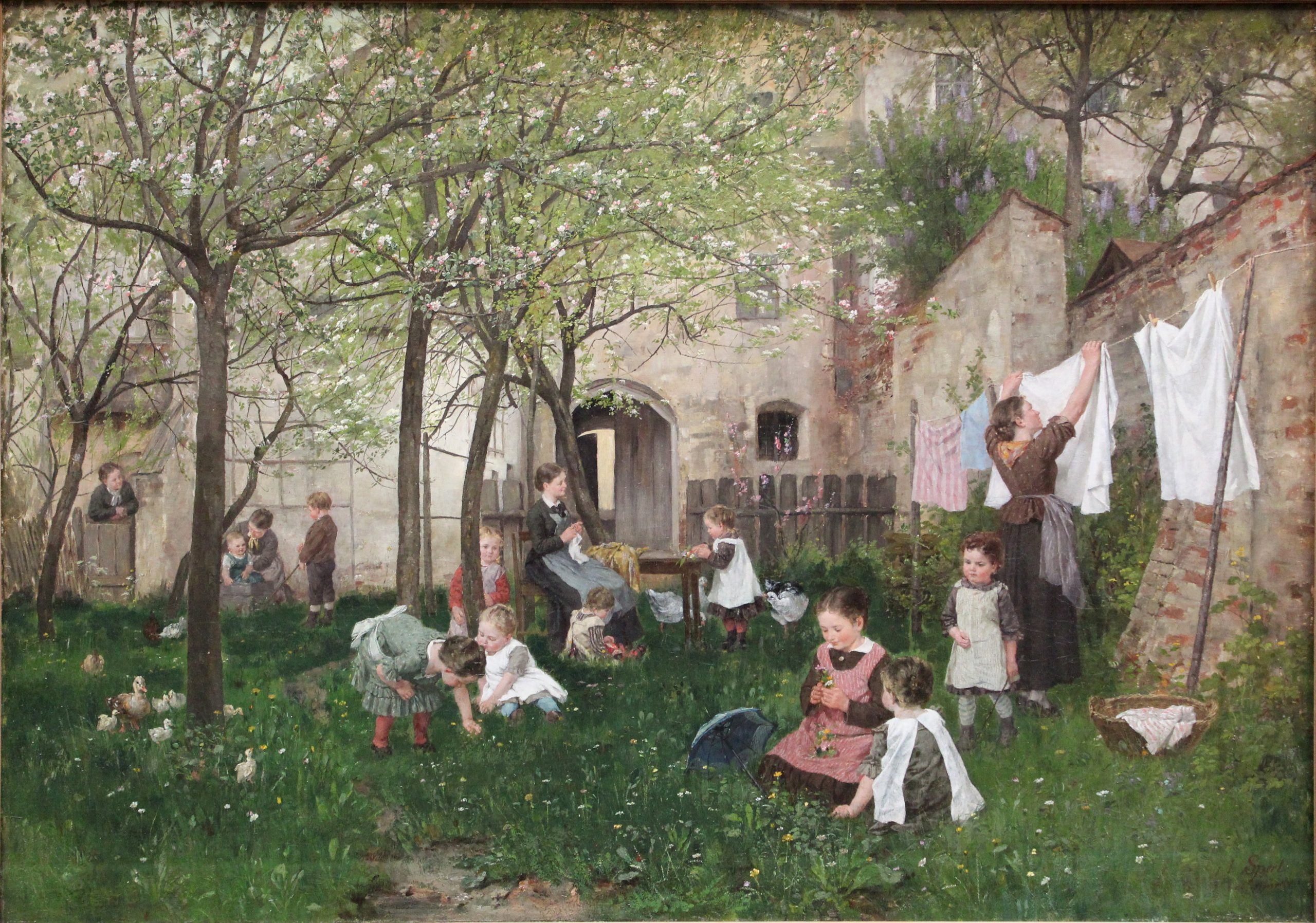
“Kindergarten” 1885 Johann Sperl
“A Group of Children Playing the Game ‘Oranges and Lemons’ in a Domestic Interior”
Harry Brooker (1848-1940)https://t.co/YpxsSUf8nV pic.twitter.com/kjhgJvYxPs— Standards Michigan (@StandardsMich) February 24, 2025
New update alert! The 2022 update to the Trademark Assignment Dataset is now available online. Find 1.29 million trademark assignments, involving 2.28 million unique trademark properties issued by the USPTO between March 1952 and January 2023: https://t.co/njrDAbSpwB pic.twitter.com/GkAXrHoQ9T
— USPTO (@uspto) July 13, 2023
Standards Michigan Group, LLC
455 East Eisenhower Parkway, Suite 300
Ann Arbor, MI 48108 USA
888-748-3670
 |
 |
|
 |
 |
|
 |
 |