The pomegranate is a significant symbol in Jewish tradition, particularly during Rosh Hashanah, the Jewish New Year. Its symbolism is rooted in both its physical characteristics and its cultural and spiritual associations.
Abundance and Fertility: Pomegranates are filled with numerous seeds, which symbolize abundance, fertility, and prosperity. During Rosh Hashanah, a time of renewal and hope for a sweet and bountiful year, eating pomegranates reflects the wish for a year filled with blessings and plenty.
Mitzvot and Righteousness: Jewish tradition often associates the pomegranate’s many seeds—traditionally said to number 613—with the 613 commandments (mitzvot) in the Torah. Consuming pomegranates during Rosh Hashanah expresses the hope that one’s life will be filled with good deeds and adherence to these commandments in the coming year.
Renewal and New Beginnings: Rosh Hashanah marks the start of the Jewish year, a time for introspection, repentance, and setting intentions for personal growth. The pomegranate, as a fruit that ripens around this season in the Mediterranean region, symbolizes renewal and the potential for a fresh start.
Connection to the Land of Israel: Pomegranates are one of the seven species (Shivat Haminim) mentioned in the Torah as special products of the Land of Israel (Deuteronomy 8:8). Their inclusion in Rosh Hashanah celebrations reinforces the connection to the land and its blessings, evoking gratitude and a sense of rootedness in Jewish heritage.
Hope and Sweetness: On Rosh Hashanah, it is customary to eat sweet foods to symbolize the hope for a sweet year. While pomegranates have a tart-sweet flavor, they are often included in the festive meal or ritual foods, accompanied by a blessing such as: “May it be Your will, O Lord our God, that our merits be as numerous as the seeds of a pomegranate.”
During Rosh Hashanah, pomegranates may be eaten fresh, incorporated into dishes, or displayed as part of the festive table. Some communities recite a specific blessing or prayer when eating the pomegranate, emphasizing its symbolic meaning. The fruit’s vibrant red color and seed-filled interior make it a powerful visual and spiritual emblem for the holiday’s themes of hope, abundance, and spiritual growth. This symbolism aligns with the broader themes of Rosh Hashanah: reflection, renewal, and the aspiration for a year filled with goodness and divine favor.
“One Hundred Children Playing in the Spring” | Su Hanchen 蘇漢臣
Safety and sustainability for any facility begins with an understanding of who shall occupy the built environment and how. University settings, with mixed-use phenomenon arising spontaneously and temporarily, often present challenges. Educational communities are a convergent settings for families; day care facilities among them. First principles regarding occupancy classifications for day care facilities appear in Section 308 of the International Building Code, Institutional Group I; linked below:
The ICC Institutional Group I-4 classification includes buildings and structures occupied by more than five persons of any age who received custodial care for fewer than 24 hours per day by persons other than parents or guardian, relatives by blood, marriage or adoption, and in a place other than the home of the person cared far. This group includes both adult and child day care.
We maintain focus on child day care. Many educational communities operate child day care enterprises for both academic study and/or as auxiliary (university employee benefit) enterprises.
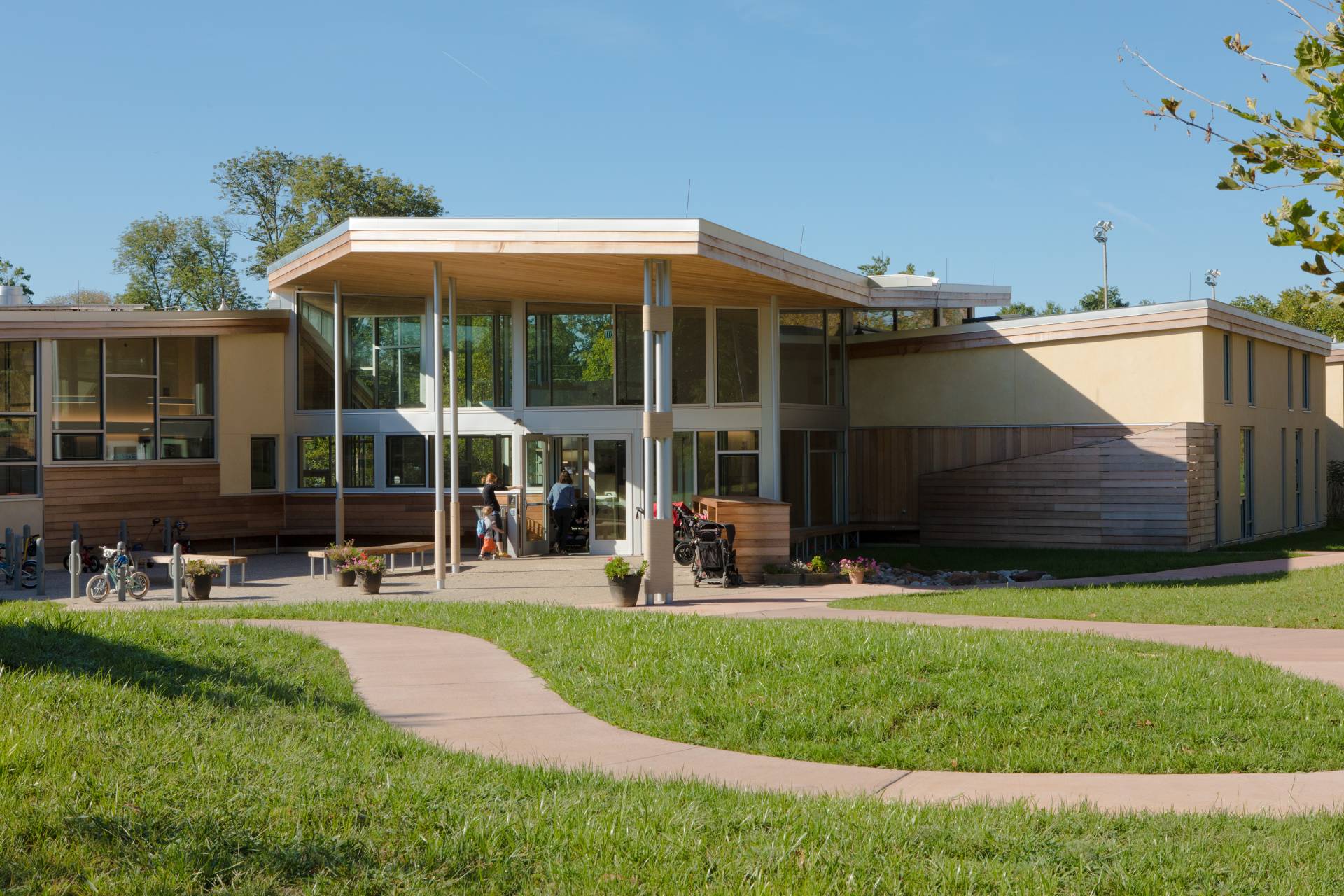
Princeton University Child Care Center
Each of the International Code Council code development groups fetch back to a shared understanding of the nature of the facility; character of its occupants and prospective usage patterns.
The Group B developmental cycle ended in December 2019. The 2021 revision of the International Building code is in production now, though likely slowed down because of the pandemic. Ahead of the formal, market release of the Group B tranche of titles, you can sample the safety concepts in play during this revision with an examination of the documents linked below:
Search on the terms “day care” and “daycare” to get a sample of the prevailing concepts; use of such facilities as storm shelters, for example.
“The Country School” | Winslow Homer
We encourage our safety and sustainability colleagues to participate directly in the ICC Code Development process. We slice horizontally through the disciplinary silos (“incumbent verticals”) created by hundreds of consensus product developers every week and we can say, upon considerable authority that the ICC consensus product development environment is one of the best in the world. Privately developed standards (for use by public agencies) is a far better way to discover and promulgate leading practice than originating technical specifics from legislative bodies. CLICK HERE to get started. Contact Kimberly Paarlberg (kpaarlberg@iccsafe.org) for more information.
There are competitor consensus products in this space — Chapter 18 Day-Care Occupancies in NFPA 5000 Building Construction and Safety Code, for example; a title we maintain the standing agenda of our Model Building Code teleconferences. It is developed from a different pool of expertise under a different due process regime. See our CALENDAR for the next online meeting; open to everyone.
This content is accessible to paid subscribers. To view it please enter your password below or send mike@standardsmichigan.com a request for subscription details.
Rosh Hashanah, the Jewish New Year, is a time for festive meals and traditional foods that carry symbolic meanings. Some common foods served during Rosh Hashanah include:
Apples and Honey: This combination symbolizes the hope for a sweet year ahead. Apples are dipped in honey and eaten as a blessing for a sweet and fruitful year.
Challah: Challah is a special braided bread traditionally eaten on Shabbat and holidays, including Rosh Hashanah. On this occasion, the challah is sometimes shaped into a round to symbolize the cycle of the year.
Pomegranates: Pomegranates are another symbol of sweetness and fertility because of their many seeds. They are often eaten or their juice is used as a symbolic part of the meal.
Round Foods: Many of the foods served are round to symbolize the cycle of the year. This includes round challah, as mentioned above, as well as foods like round gefilte fish.
Honey Cake: Honey cake is a sweet dessert made with honey and spices, often served as a symbol of a sweet year.
Tzimmes: Tzimmes is a sweet, slow-cooked dish made from carrots and sometimes sweet potatoes or prunes. It represents the hope for a sweet and prosperous year.
Fish: Fish, particularly the head of a fish, is often served, symbolizing the desire to be “the head” and not “the tail” in the coming year.
Leeks and Gourds: In some traditions, leeks and gourds are eaten, and their names in Hebrew sound similar to the words for “destroy” and “annihilate,” symbolizing the hope that enemies will be removed in the new year.
Black-Eyed Peas: In some Jewish communities, particularly Sephardic Jews, black-eyed peas are eaten for luck on Rosh Hashanah.
Wine: Wine is traditionally used for blessings during the meal, and it’s common to make a special blessing over a cup of wine called “Kiddush.”
These are just some of the traditional foods served during Rosh Hashanah. The exact dishes and customs can vary among Jewish communities and families, but the overall theme is to wish for a sweet, happy, and prosperous new year.
New update alert! The 2022 update to the Trademark Assignment Dataset is now available online. Find 1.29 million trademark assignments, involving 2.28 million unique trademark properties issued by the USPTO between March 1952 and January 2023: https://t.co/njrDAbSpwBpic.twitter.com/GkAXrHoQ9T