For centuries, Sunday bells have called communities from the ordinary business of the week toward a common hour of worship. On a college campus, the summons carries across walks, gardens, residence halls and playing fields, briefly gathering a scattered community by sound.
Some bells mark the hour; others are rung by hand, continuing a practice older than the institutions around them. The sound requires no screen, notice or invitation. It simply travels. On a quiet Sunday morning, chapel bells remain one of the oldest ways an educational settlement announces that another week is about to begin.
Philanthropy sometimes begins with conversation rather than campaign. In 2002, Donne Bentley Wright of Chattanooga and her husband, Spencer Wright, heard Sewanee registrar Paul Engsberg describe the English change-ringing tradition he had encountered at Durham.
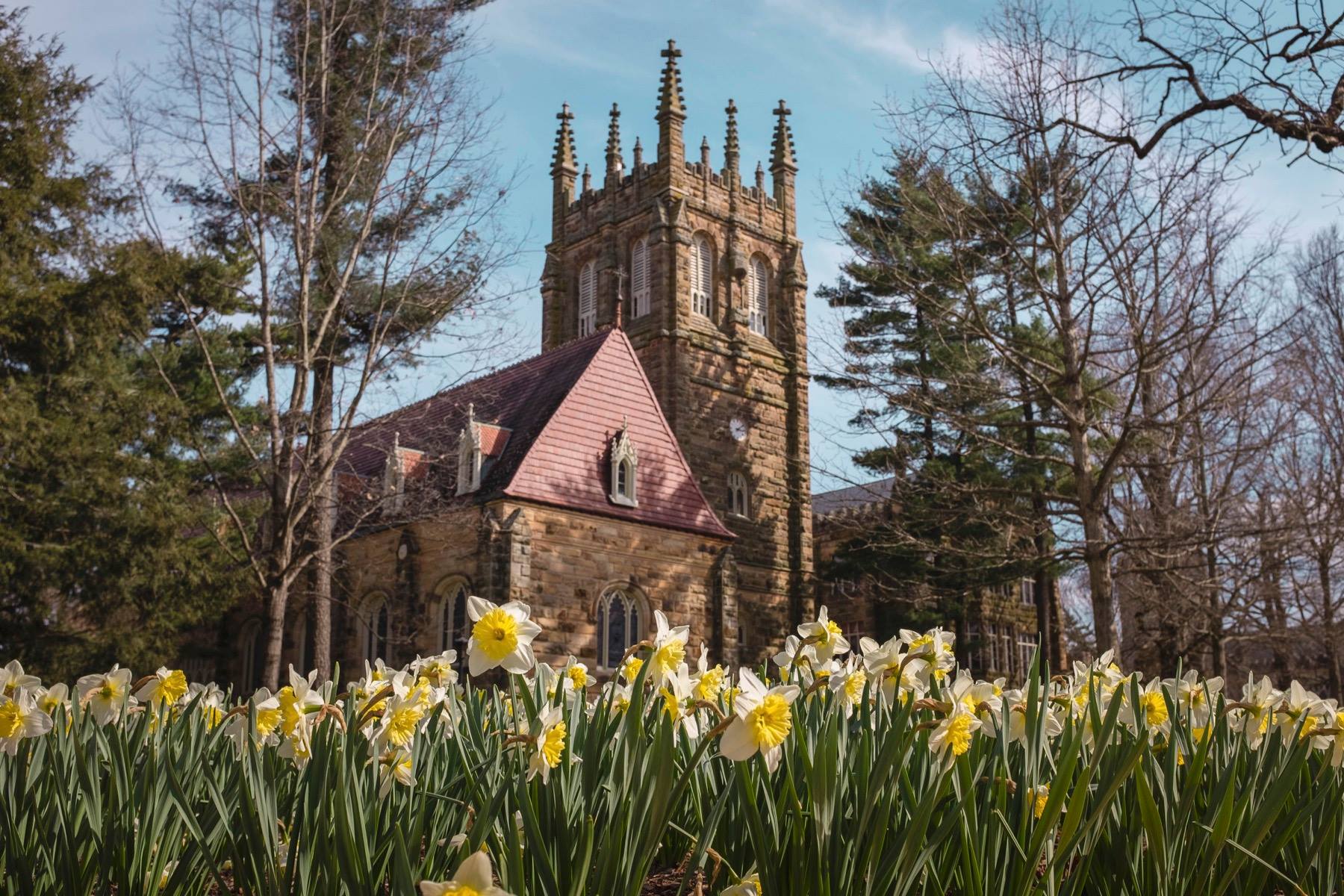
The Wrights offered to fund a ring for Sewanee. Eight bells were cast at London’s Whitechapel Bell Foundry on July 4, 2003 and installed in historic Breslin Tower the following year. Named for members of the family, including Donne Wright’s parents, Mildred and George Bentley, the bells became more than a memorial. Students learned to ring them, and every Sunday they still summon the community to worship.
Construction keeps on rocking and rolling on our campus. Soon, music will be filling the halls of the Surack-Sweetwater Music Industry Building. pic.twitter.com/us9Ppj7fNO
— Purdue University Fort Wayne (@purduefw) June 4, 2026
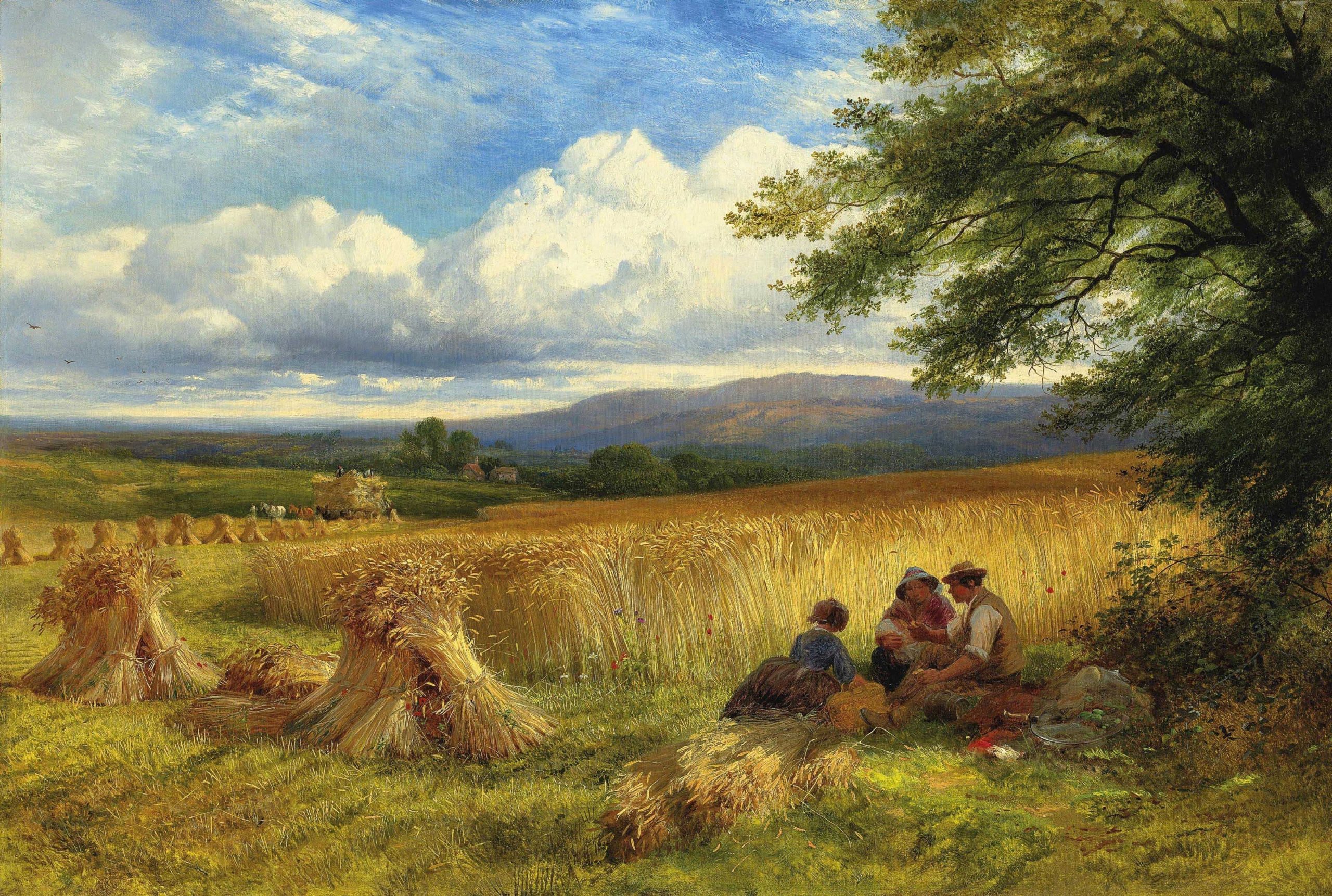
The lyrics were originally written in German by poet Matthias Claudius in 1782 as part of a larger work titled “Paul Erdmanns Fest” which reflects an appreciation for the agricultural cycle. The hymn was later translated into English by Jane Montgomery Campbell in 1861. The melody most commonly associated with the hymn is a traditional German tune, adapted by Johann Abraham Peter Schulz.
The hymn expresses gratitude for the earth’s bounty and acknowledges God as the ultimate provider of all good things. Its verses celebrate the act of sowing and reaping, emphasizing the cooperation between human effort and divine blessing. “We Plow the Fields and Scatter” has become a staple in Christian liturgy, particularly during harvest celebrations and Thanksgiving services, symbolizing a collective acknowledgment of and thanks for God’s abundant gifts.
Enjoyed welcoming graduating students from Havergal College to Parliament Hill
https://t.co/vJvaFlo5DN
https://t.co/hLZKjLiEBR
https://t.co/MNkXdsqLUX https://t.co/Dw6advw93I
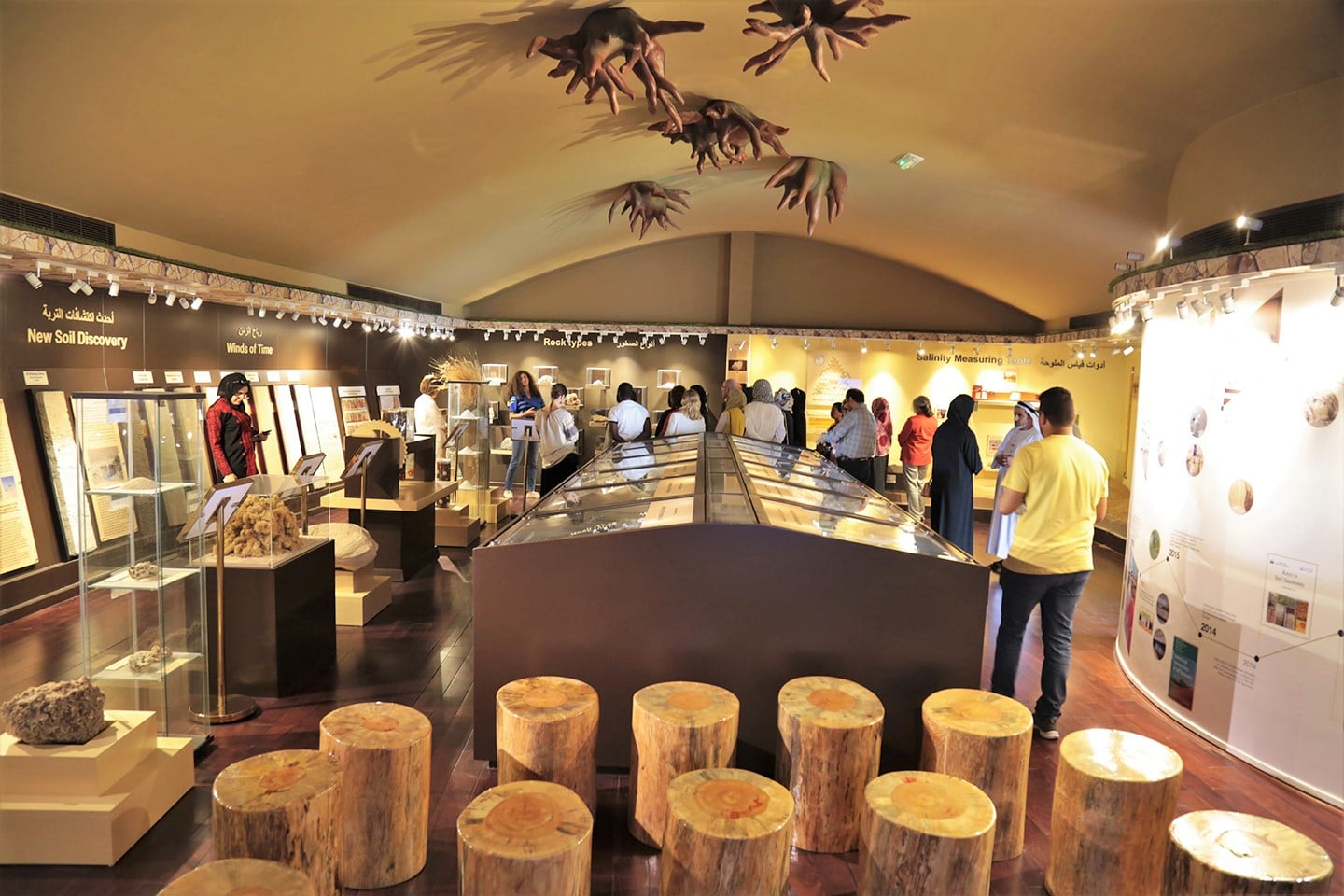
The World Soil Museum hosts a range of educational programs and workshops for students, researchers, and other visitors who are interested in learning more about soil science. These programs cover topics such as soil classification, soil management, and soil conservation, and they are designed to help people understand the vital role that soils play in supporting agriculture, ecosystems, and human societies around the world.
The cool parts of this job are the facilities I see – even the UWNR that I’ve operated before and still have labs to take with!!! pic.twitter.com/YCoNqV8gkJ
Although most closely associated with All Saints’ Day, “For All the Saints” is often sung throughout the year in Anglican churches and collegiate chapels because its theme is not confined to a single feast. It celebrates the Church as a continuing fellowship across generations, encouraging Christians in the ordinary work of discipleship. In that respect, it speaks naturally to the long green season of Ordinary Time
Music is the oldest continuously evolving grammar of ordered relationships in the Western intellectual tradition.
For all the saints, who from their labours rest, Who thee by faith before the world confessed, Thy Name, O Jesus, be for ever blessed. Alleluia, Alleluia!
Thou wast their Rock, their Fortress and their Might; Thou, Lord, their Captain in the well-fought fight; Thou, in the darkness drear, their one true Light. Alleluia, Alleluia!
O may thy soldiers, faithful, true and bold, Fight as the saints who nobly fought of old, And win, with them, the victor’s crown of gold. Alleluia, Alleluia!
O blest communion, fellowship divine! We feebly struggle, they in glory shine; Yet all are one in thee, for all are thine. Alleluia, Alleluia!
And when the strife is fierce, the warfare long, Steals on the ear the distant triumph song, And hearts are brave again and arms are strong. Alleluia, Alleluia!
The golden evening brightens in the west; Soon, soon to faithful warriors cometh rest; Sweet is the calm of Paradise the blest. Alleluia, Alleluia!
But lo! there breaks a yet more glorious day; The saints triumphant rise in bright array; The King of Glory passes on his way. Alleluia, Alleluia!
From earth’s wide bounds, from ocean’s farthest coast, Through gates of pearl streams in the countless host, Singing to Father, Son and Holy Ghost: Alleluia, Alleluia!
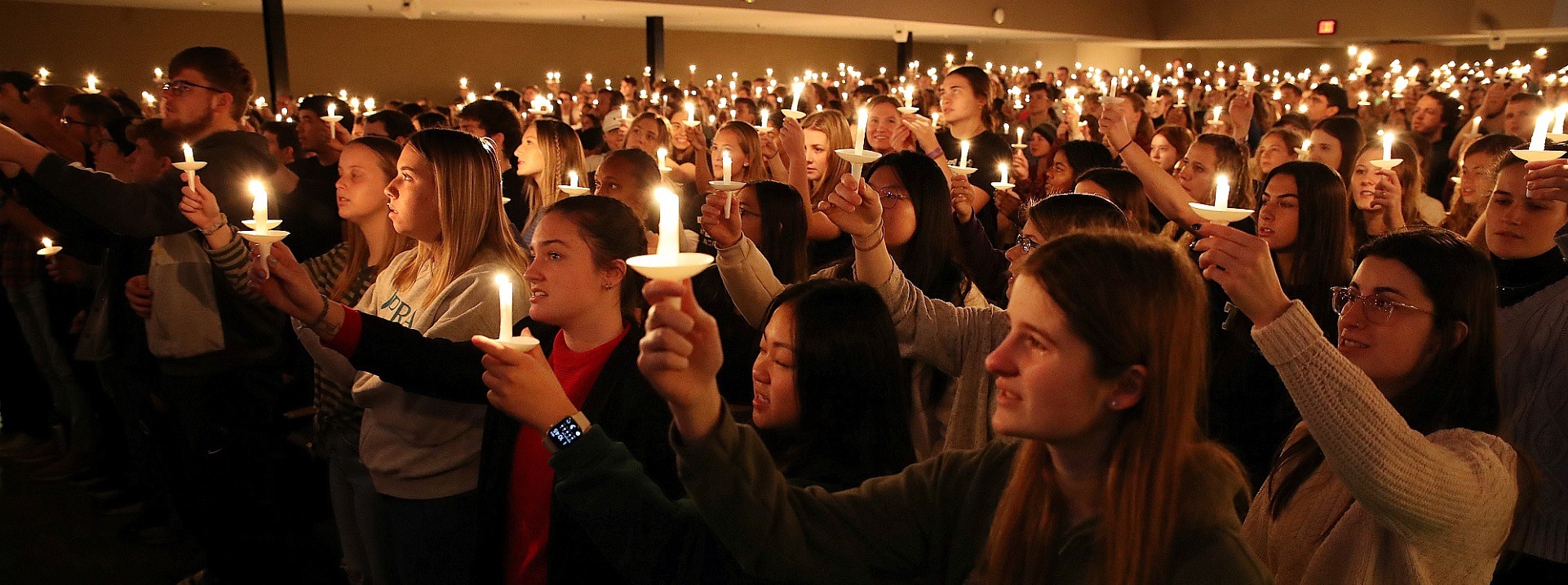
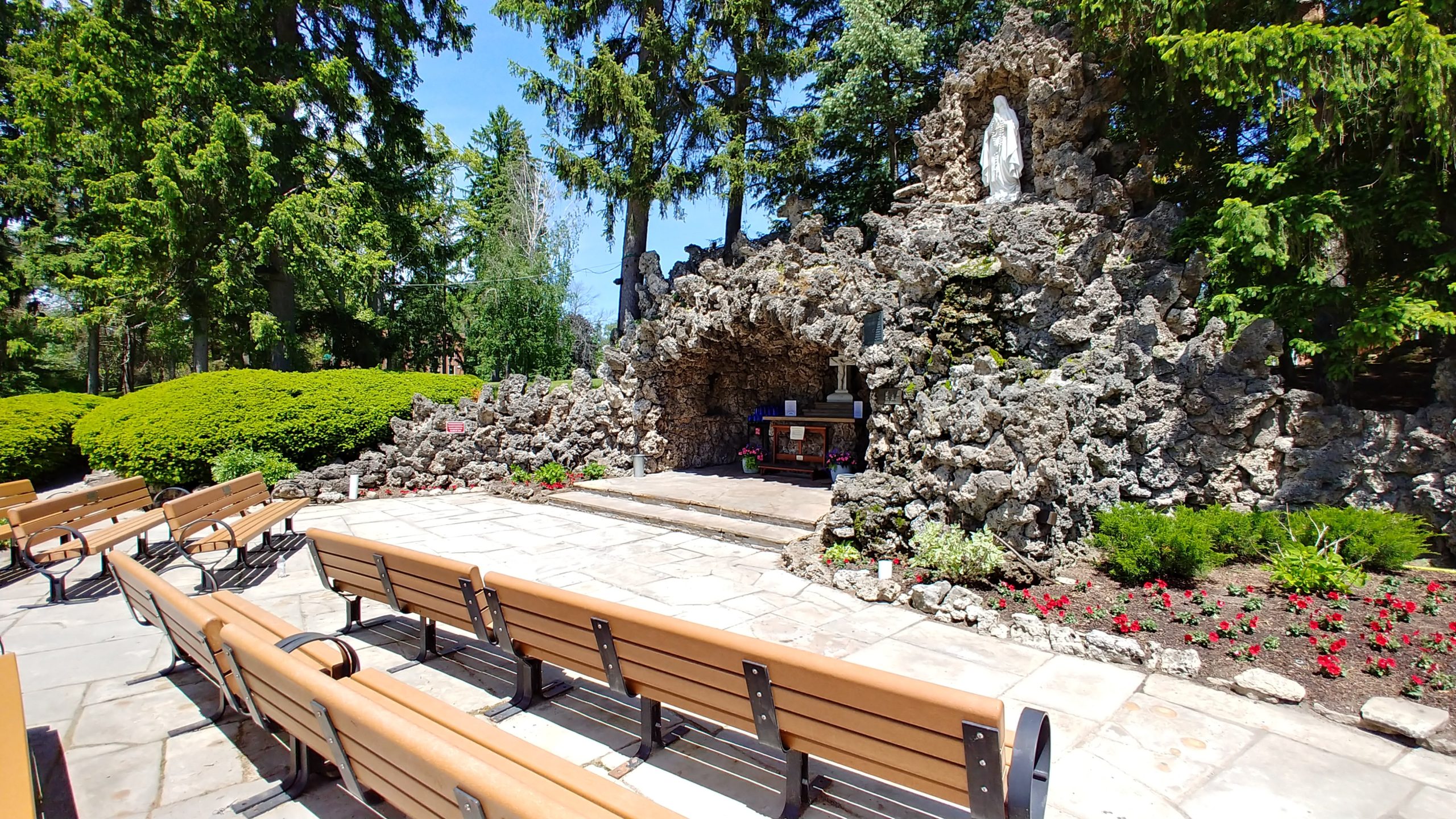
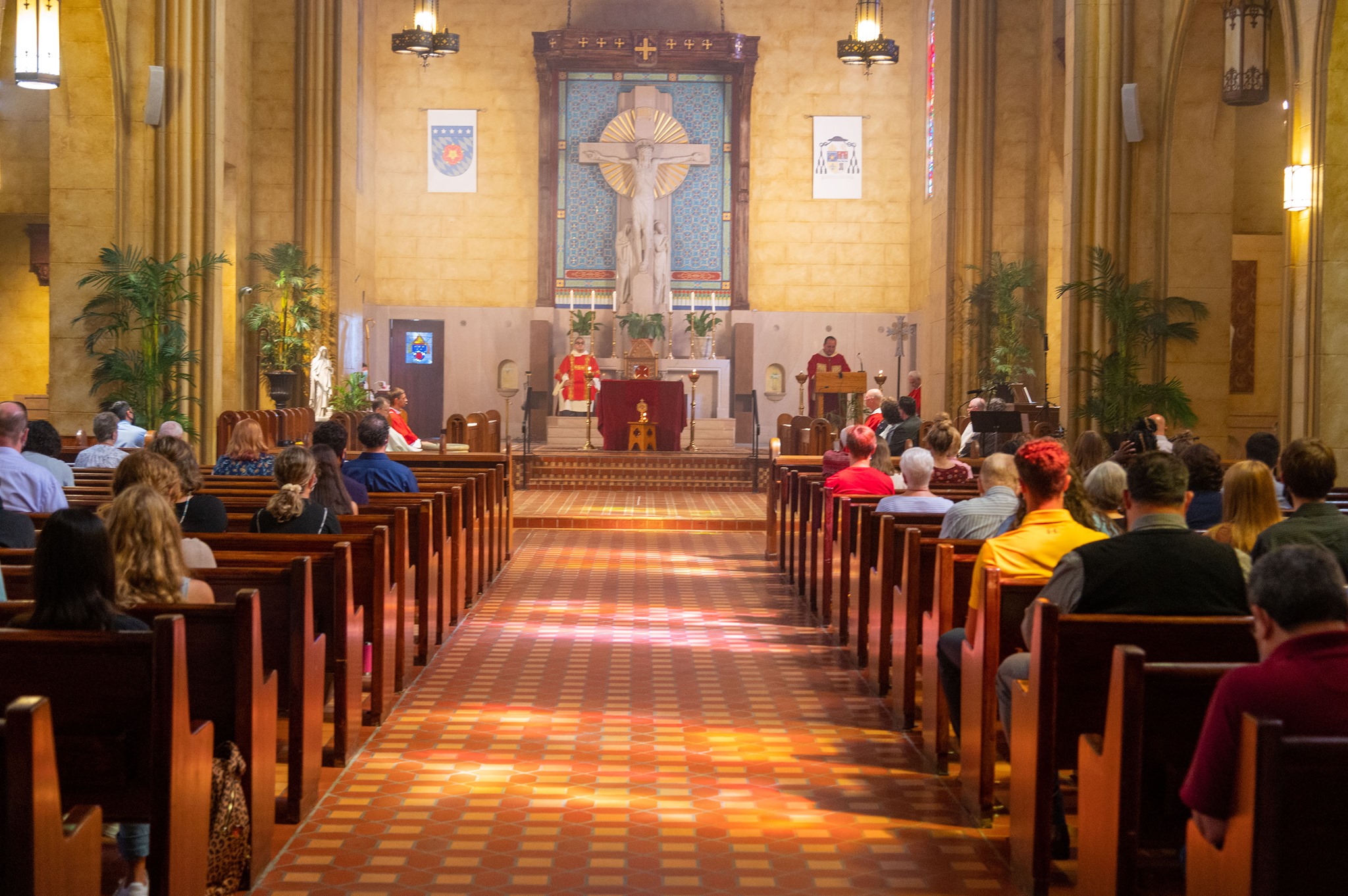
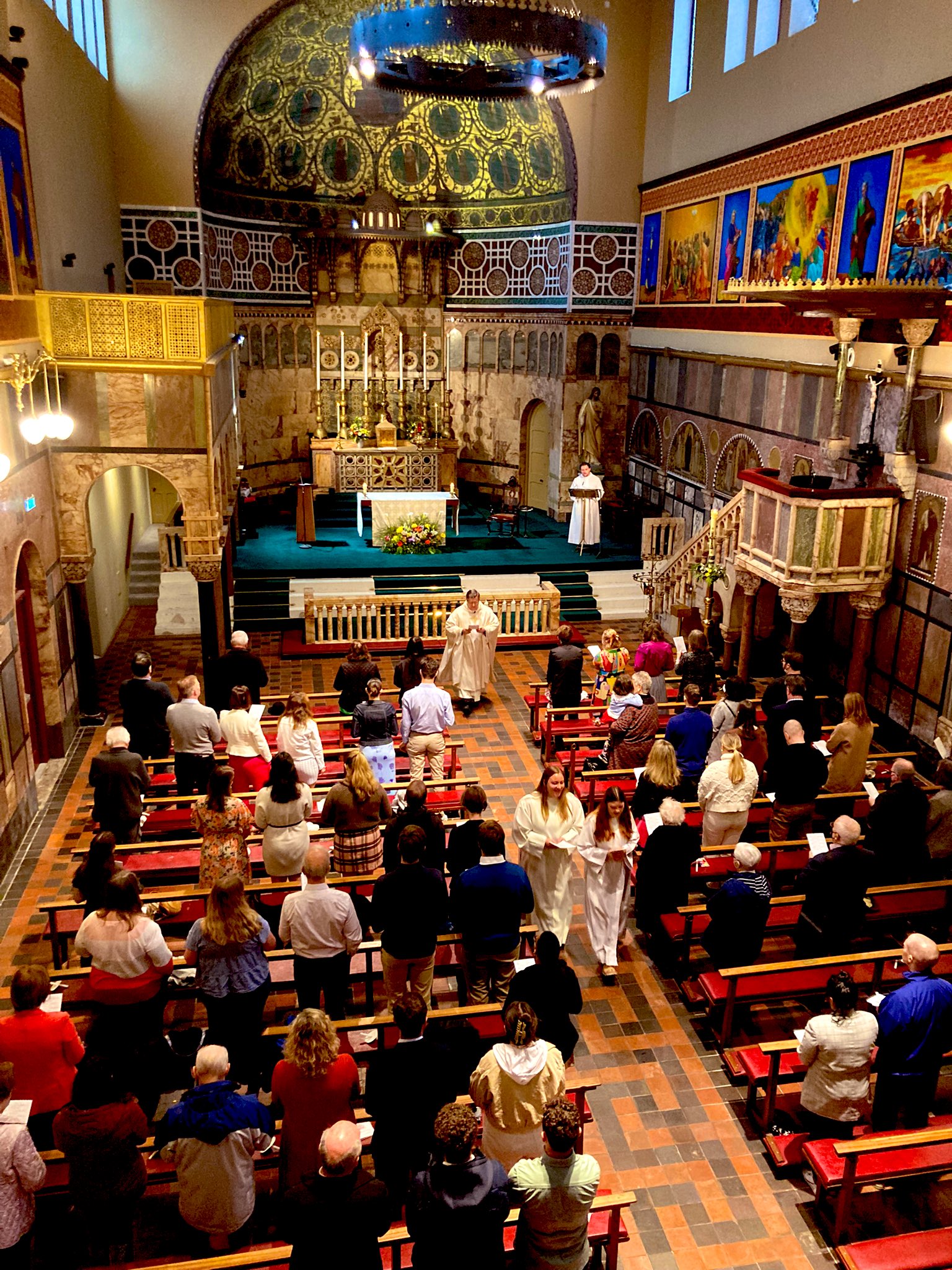
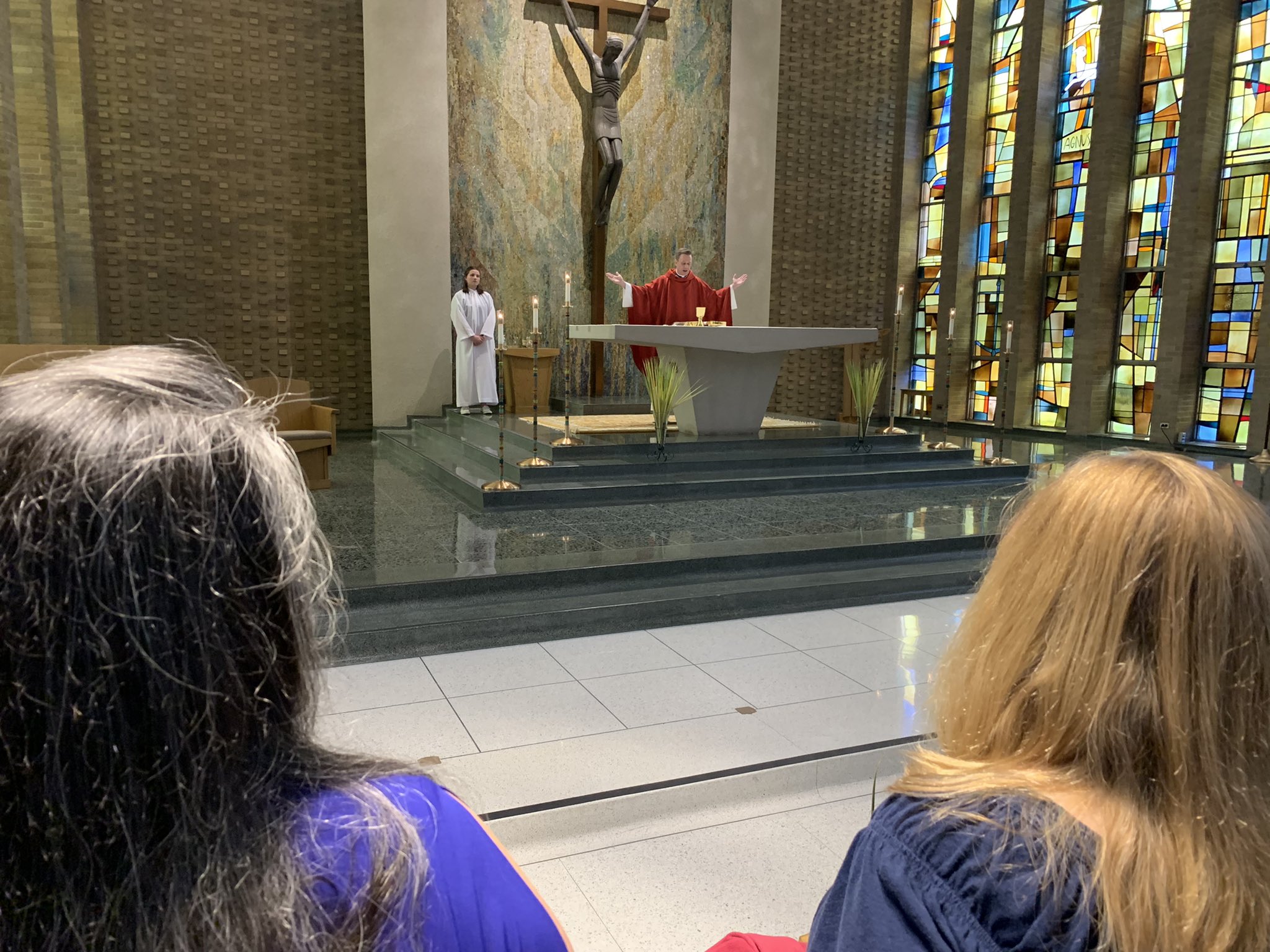
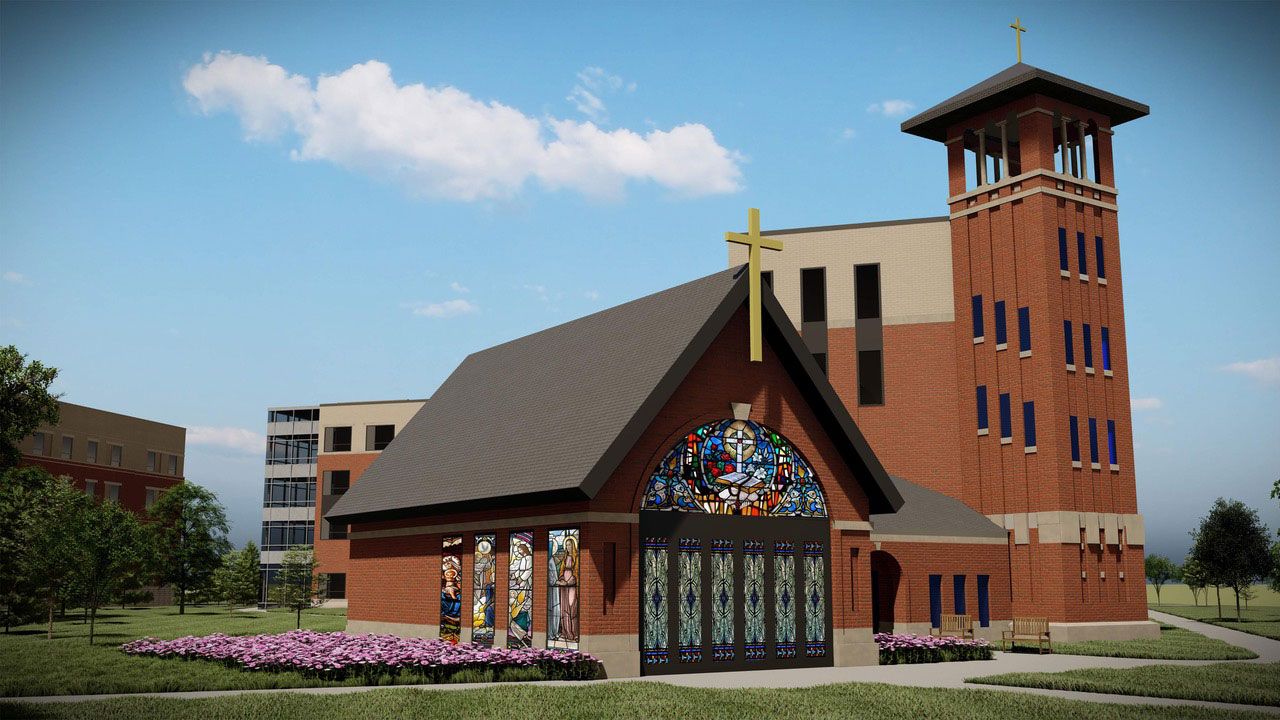
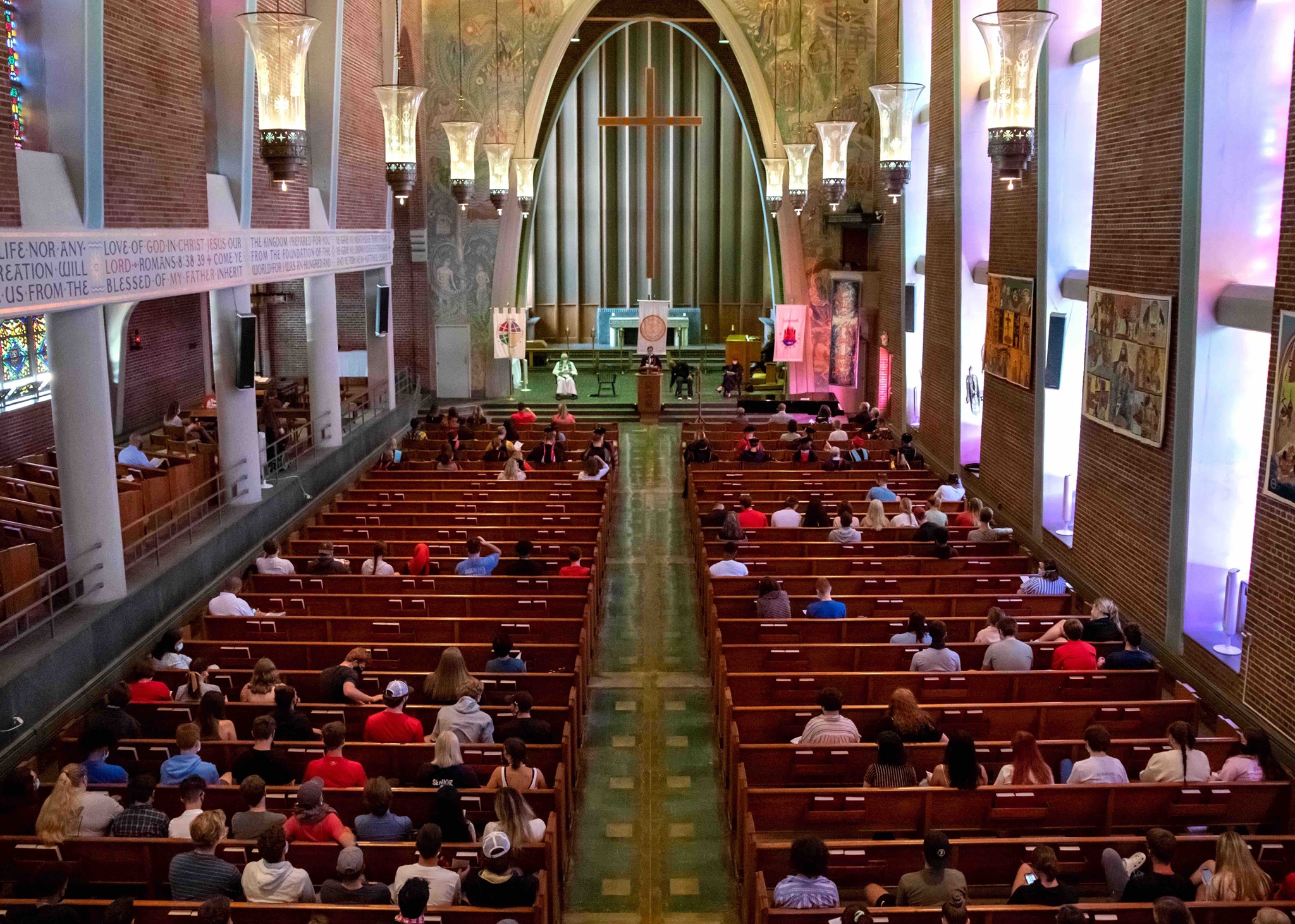
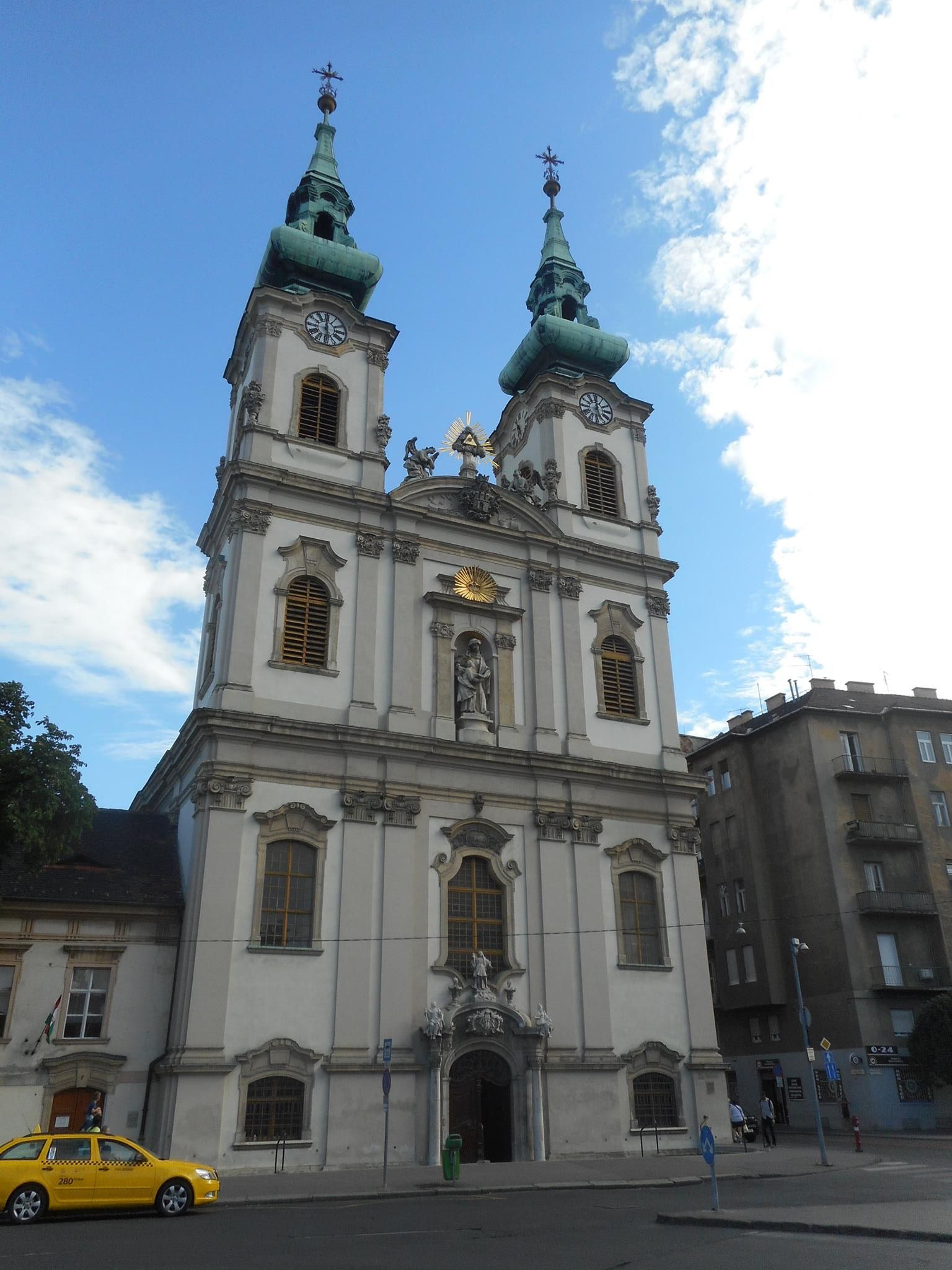
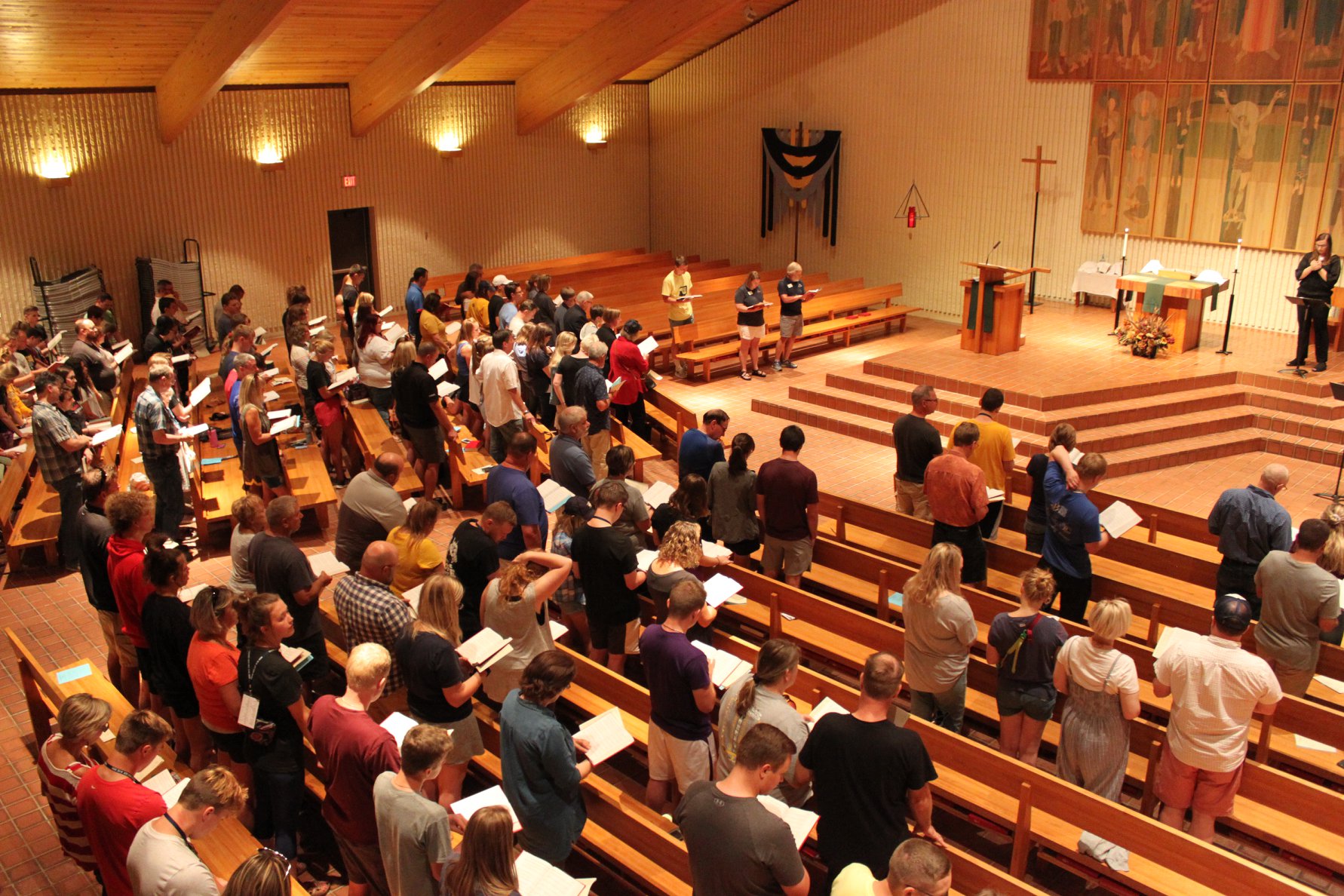
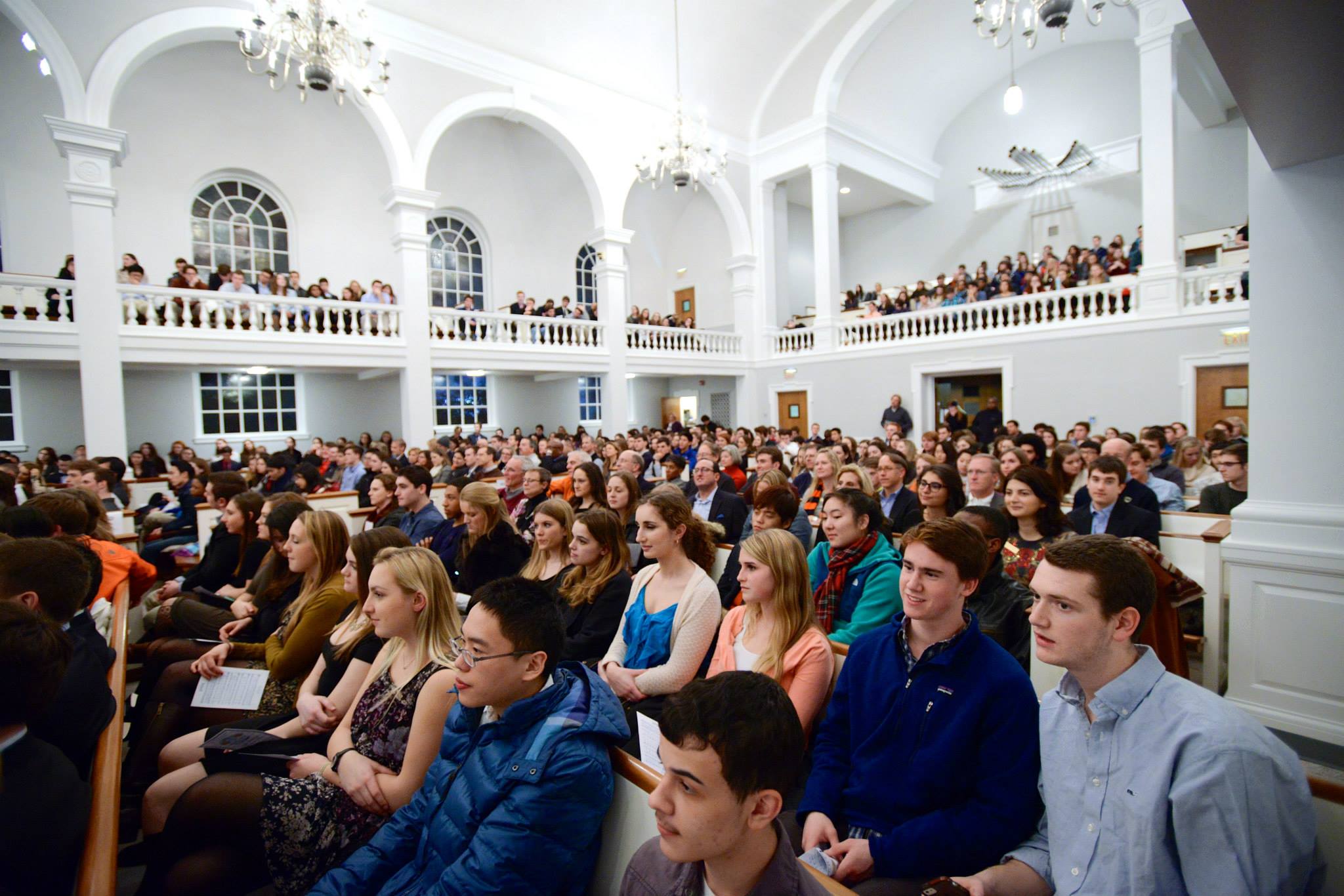
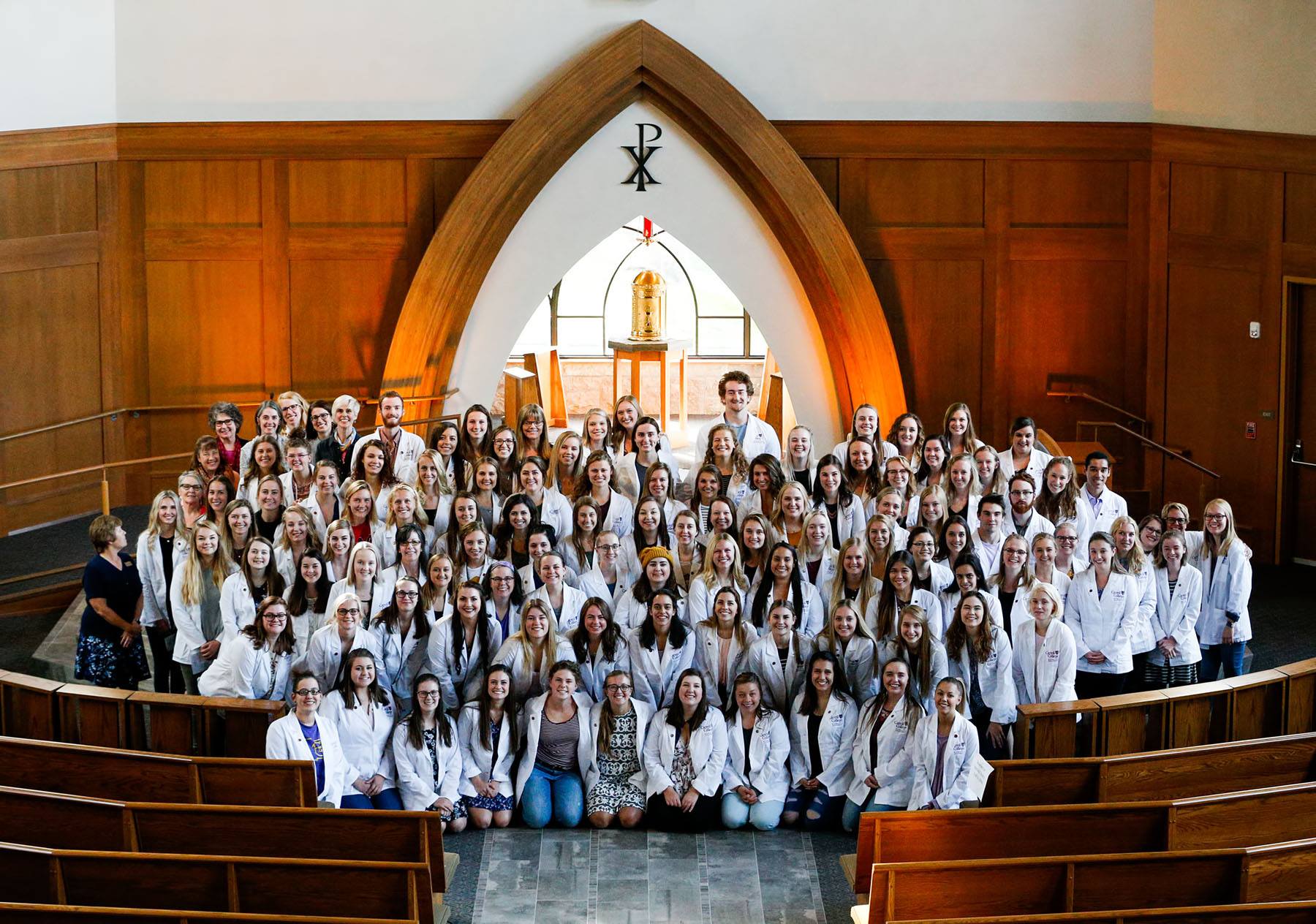
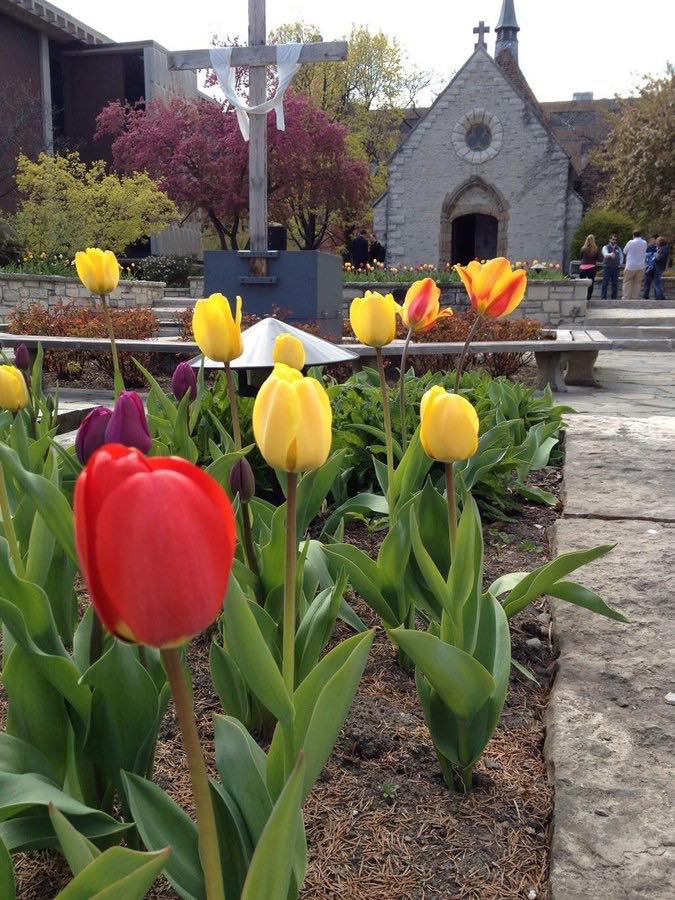
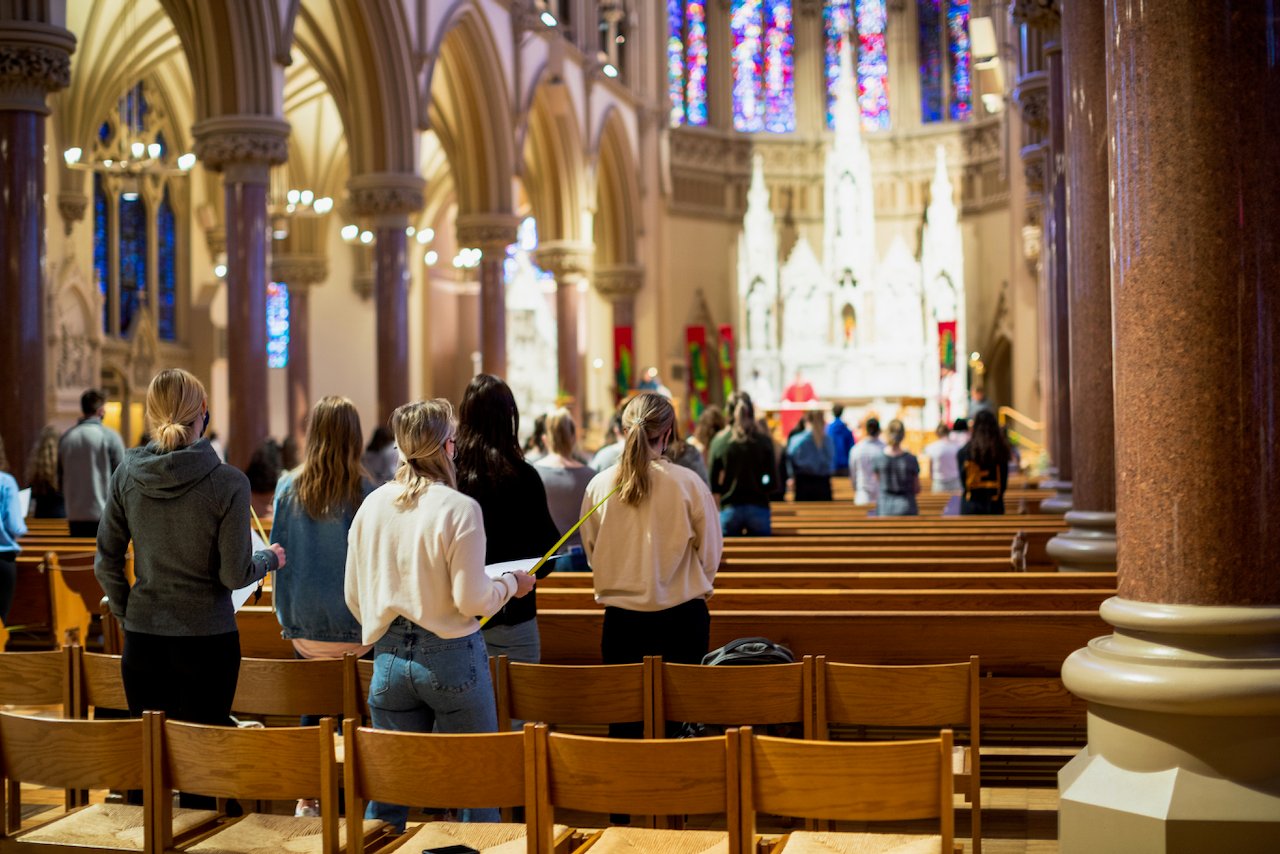
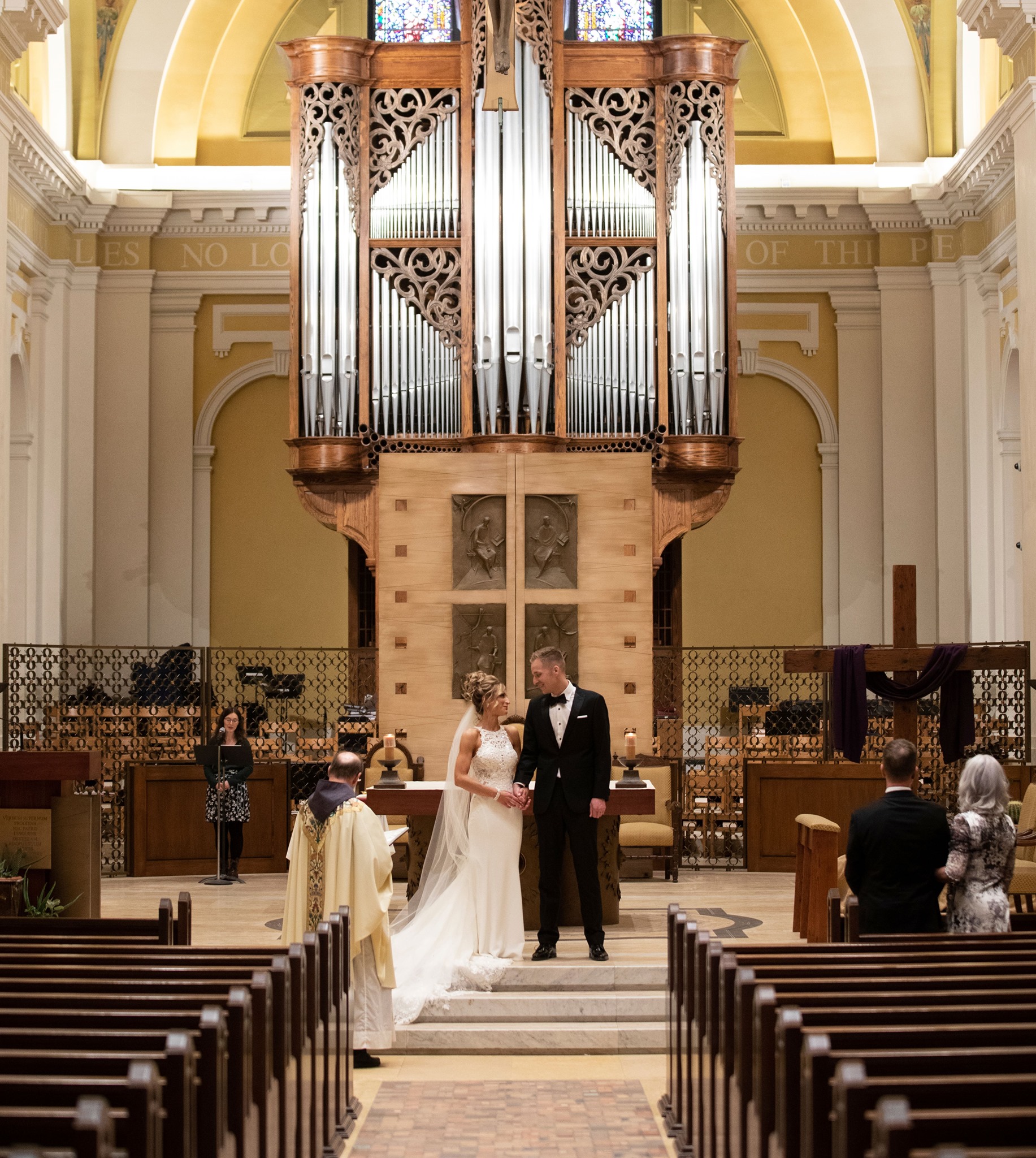
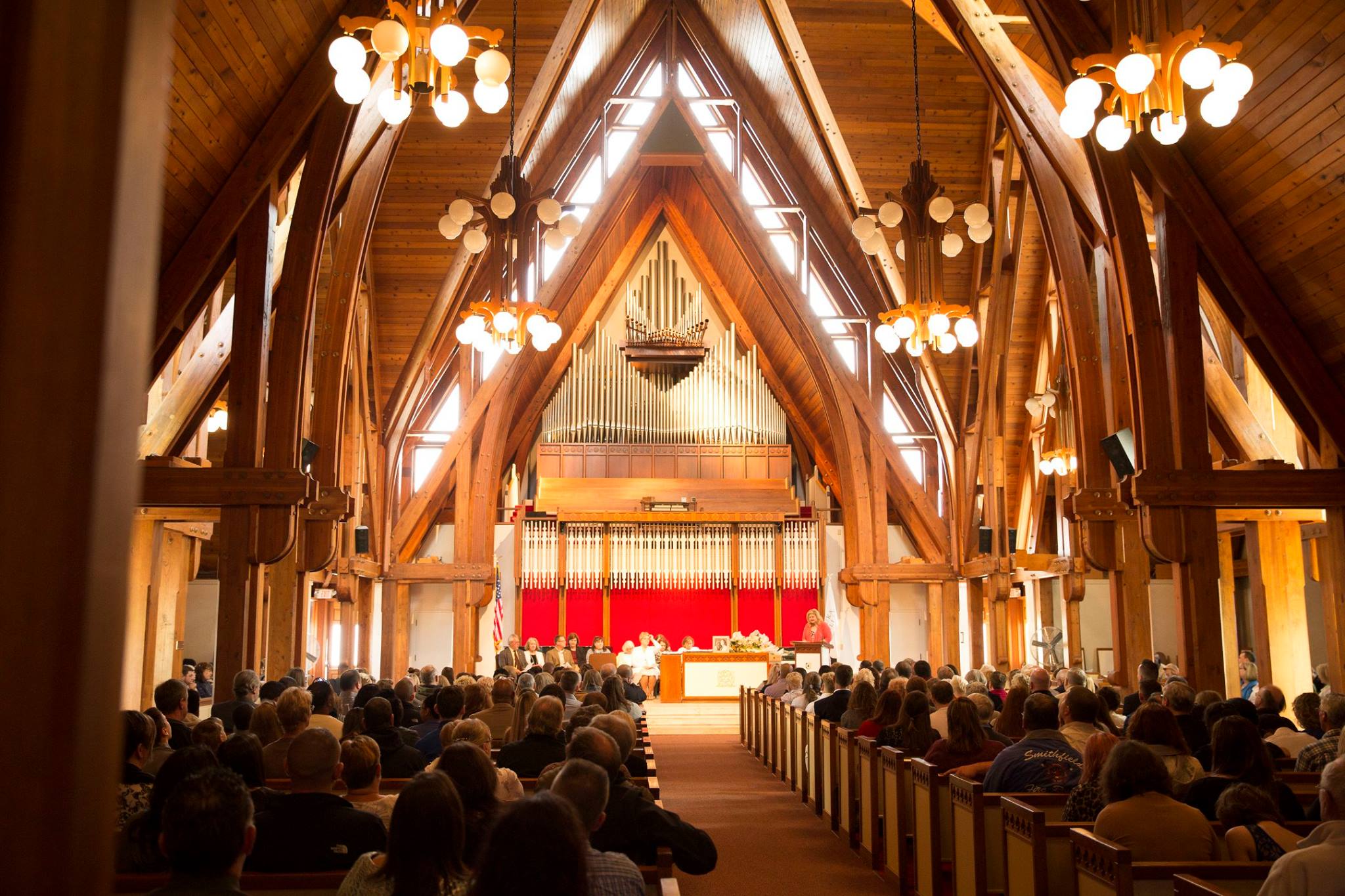
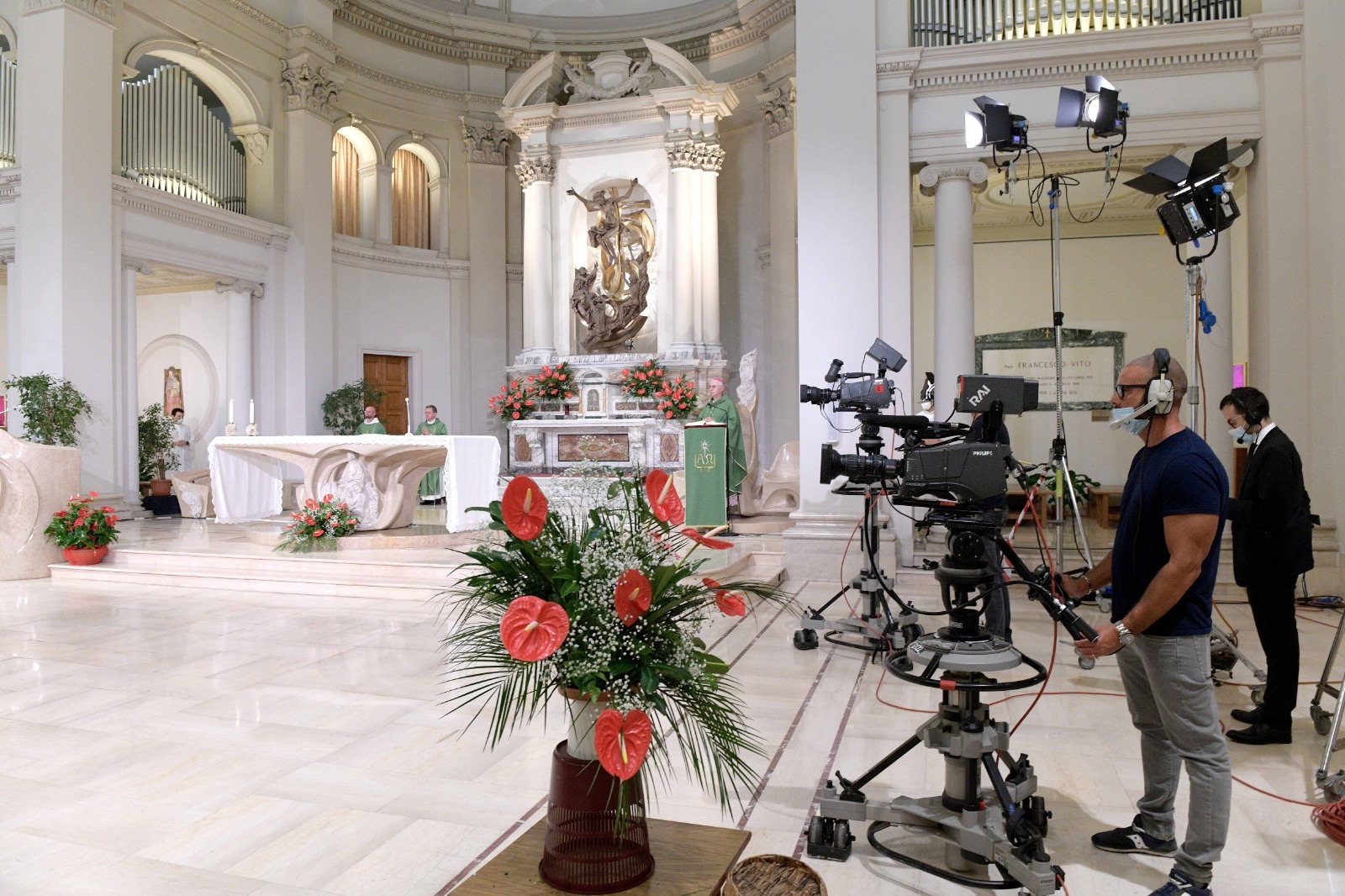
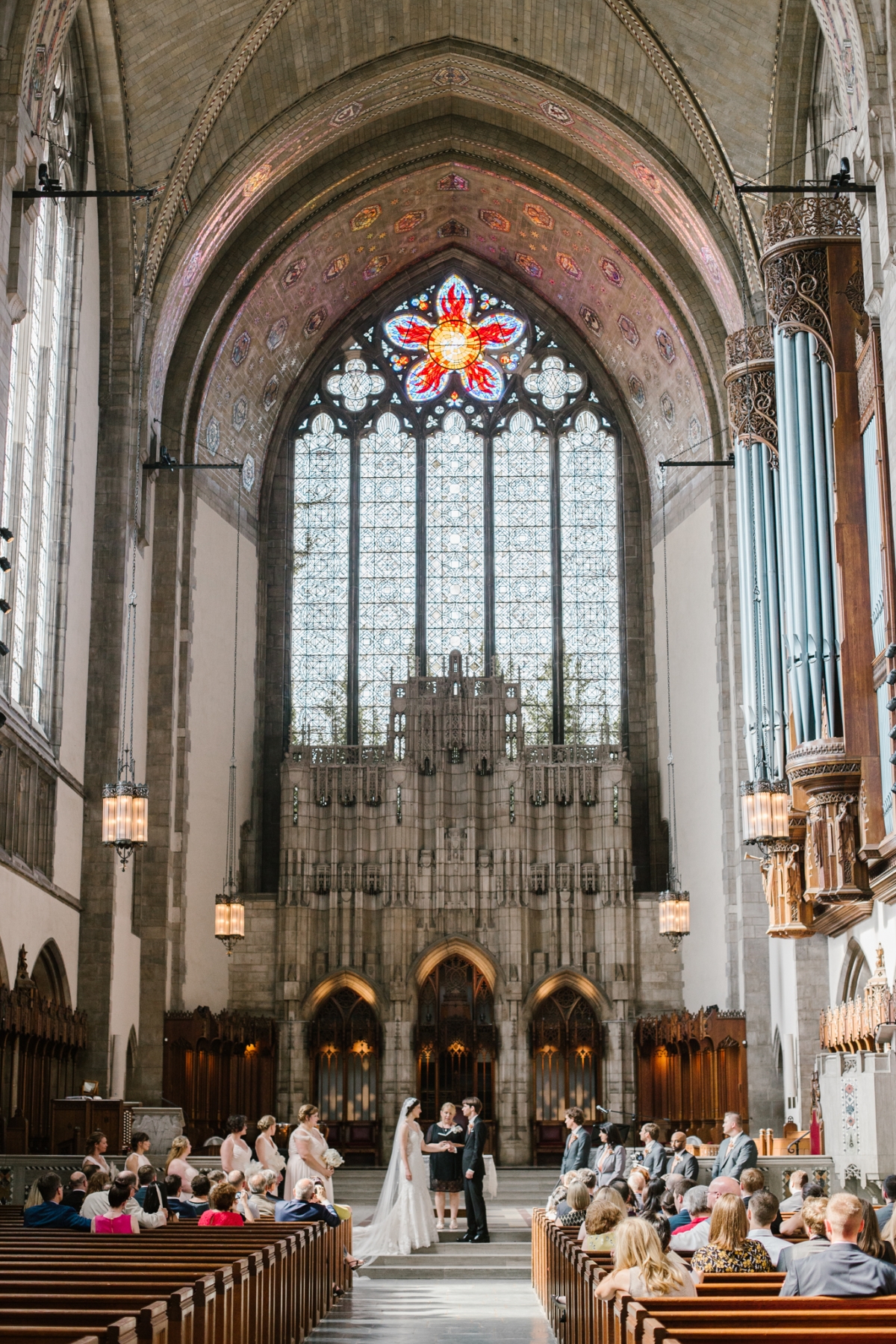
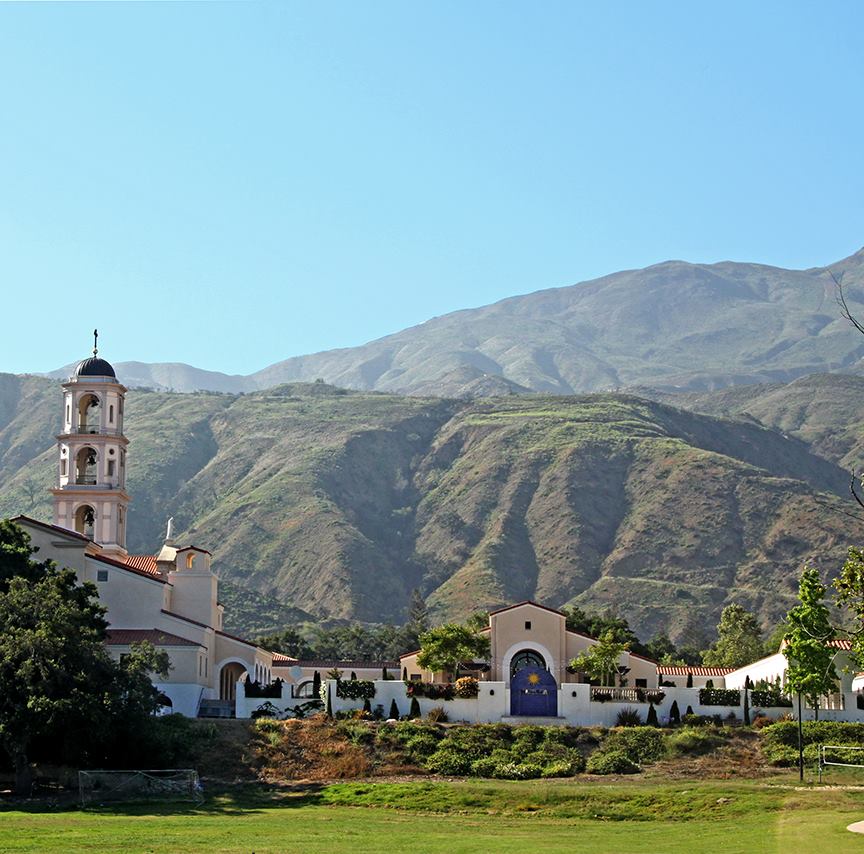
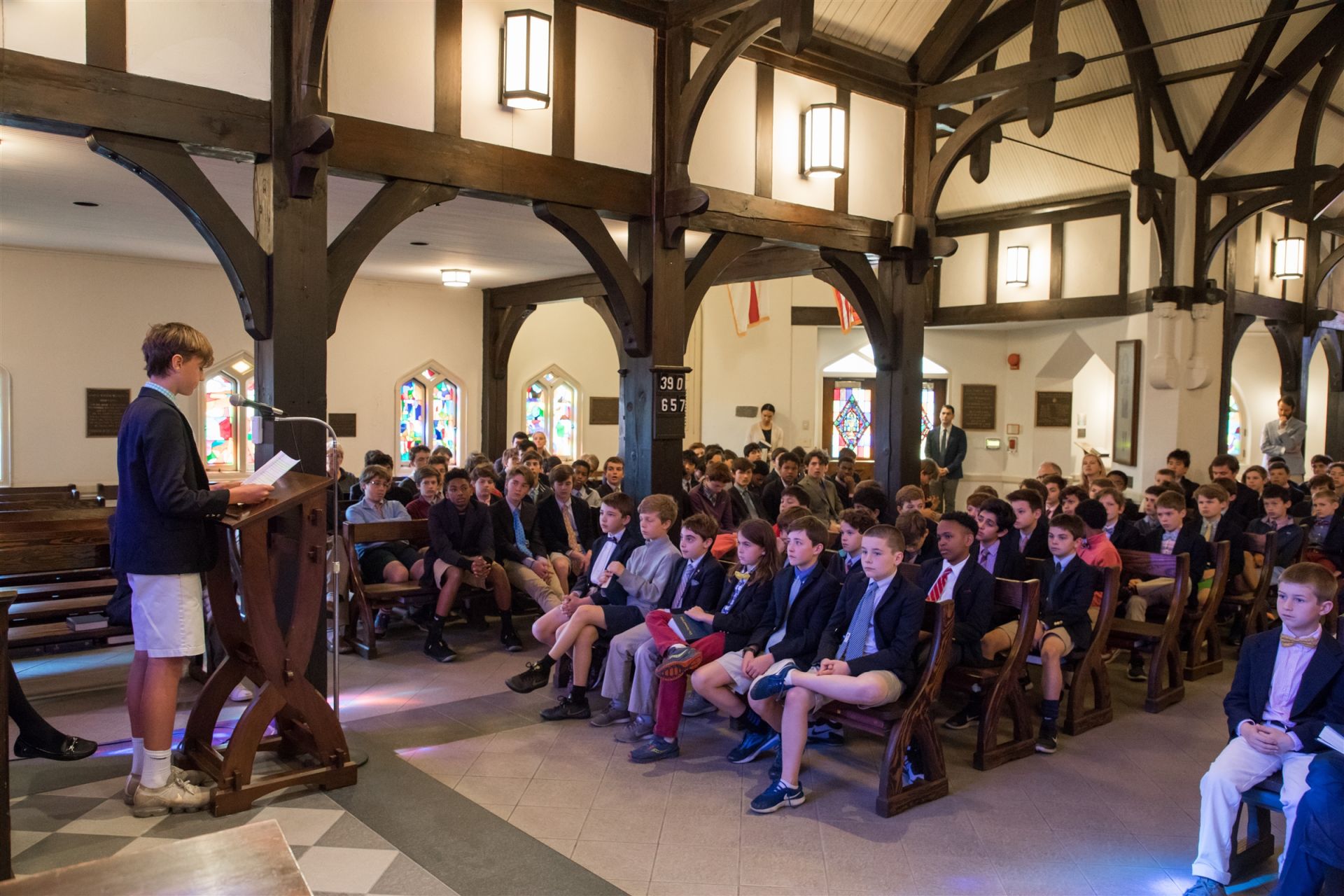
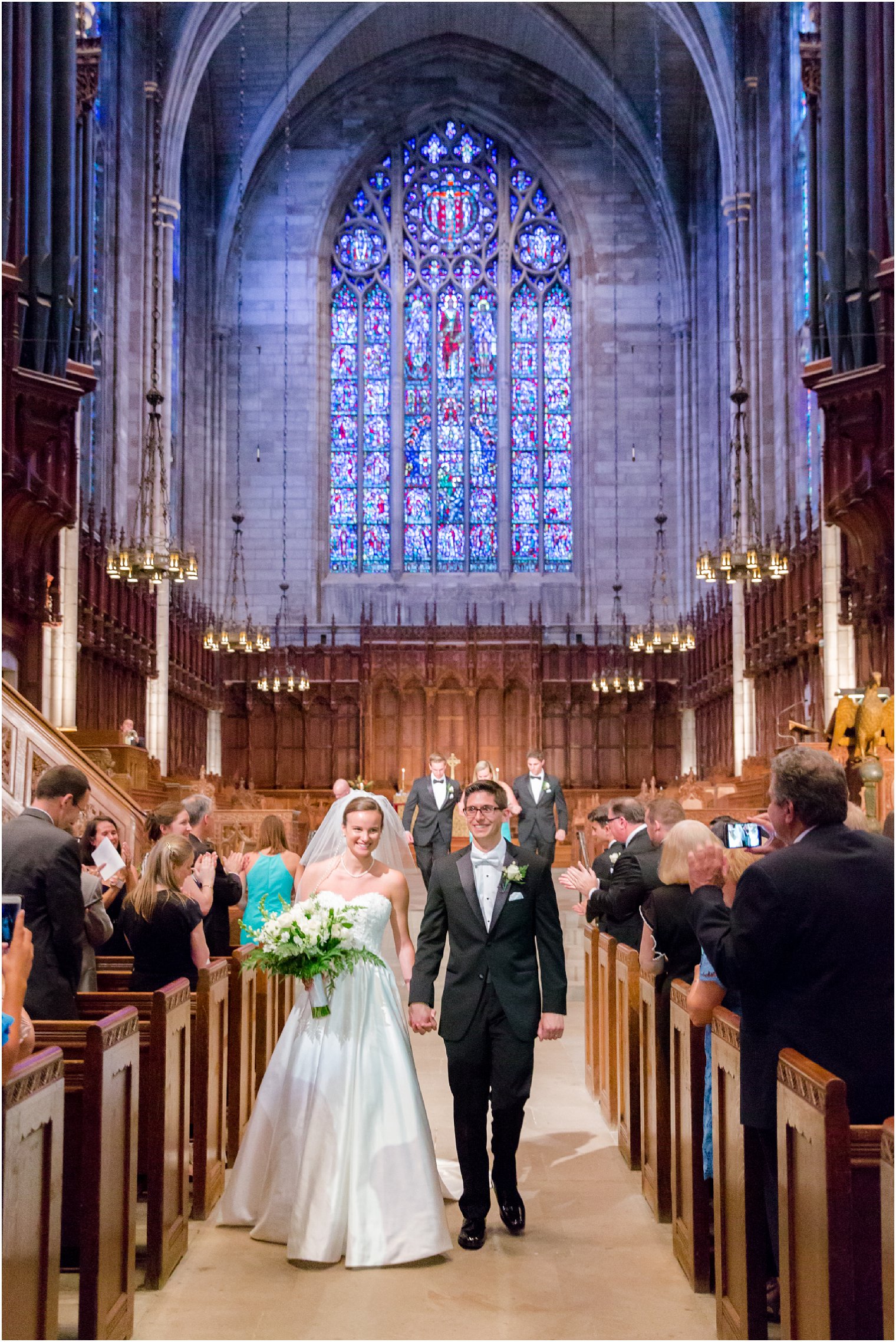
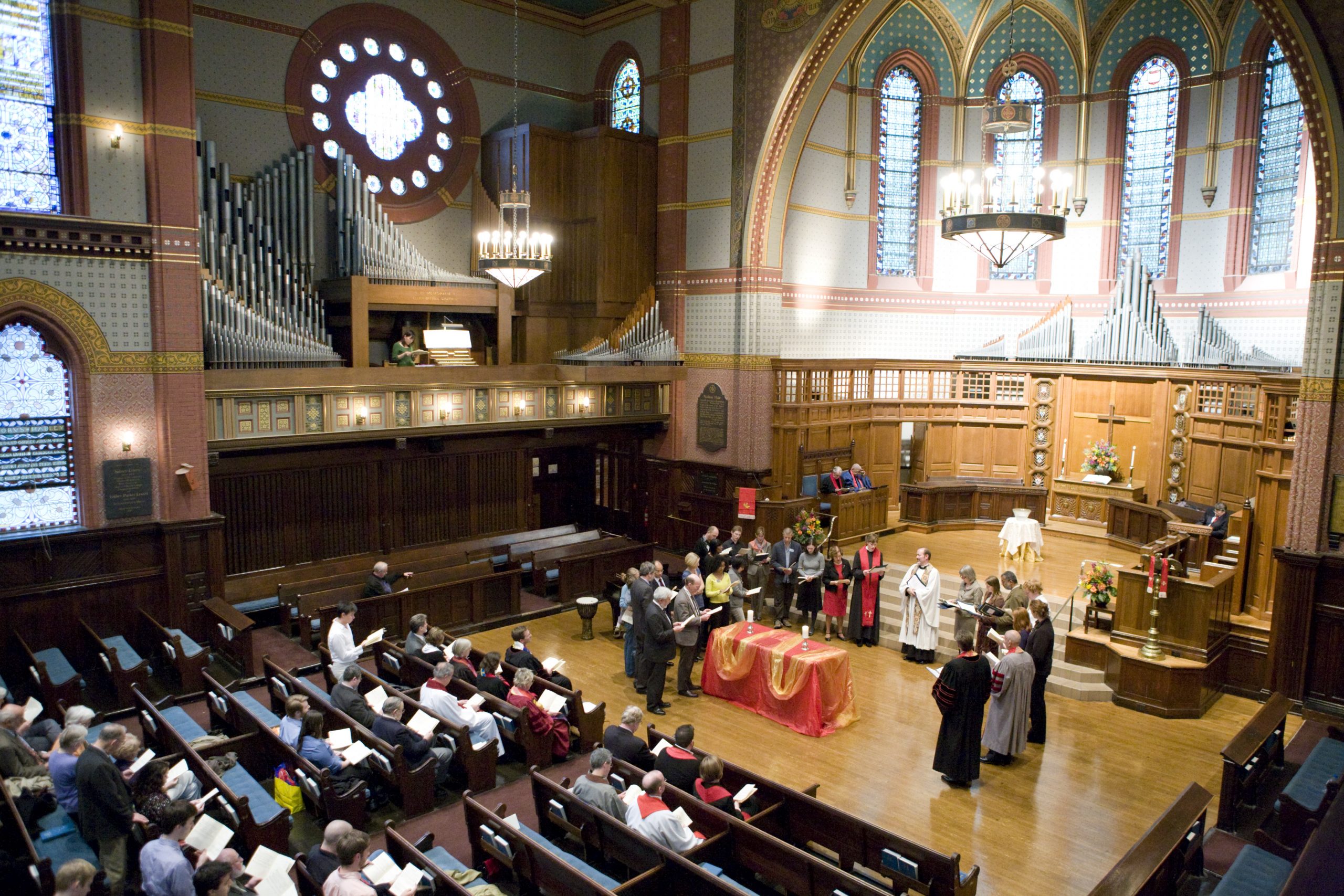
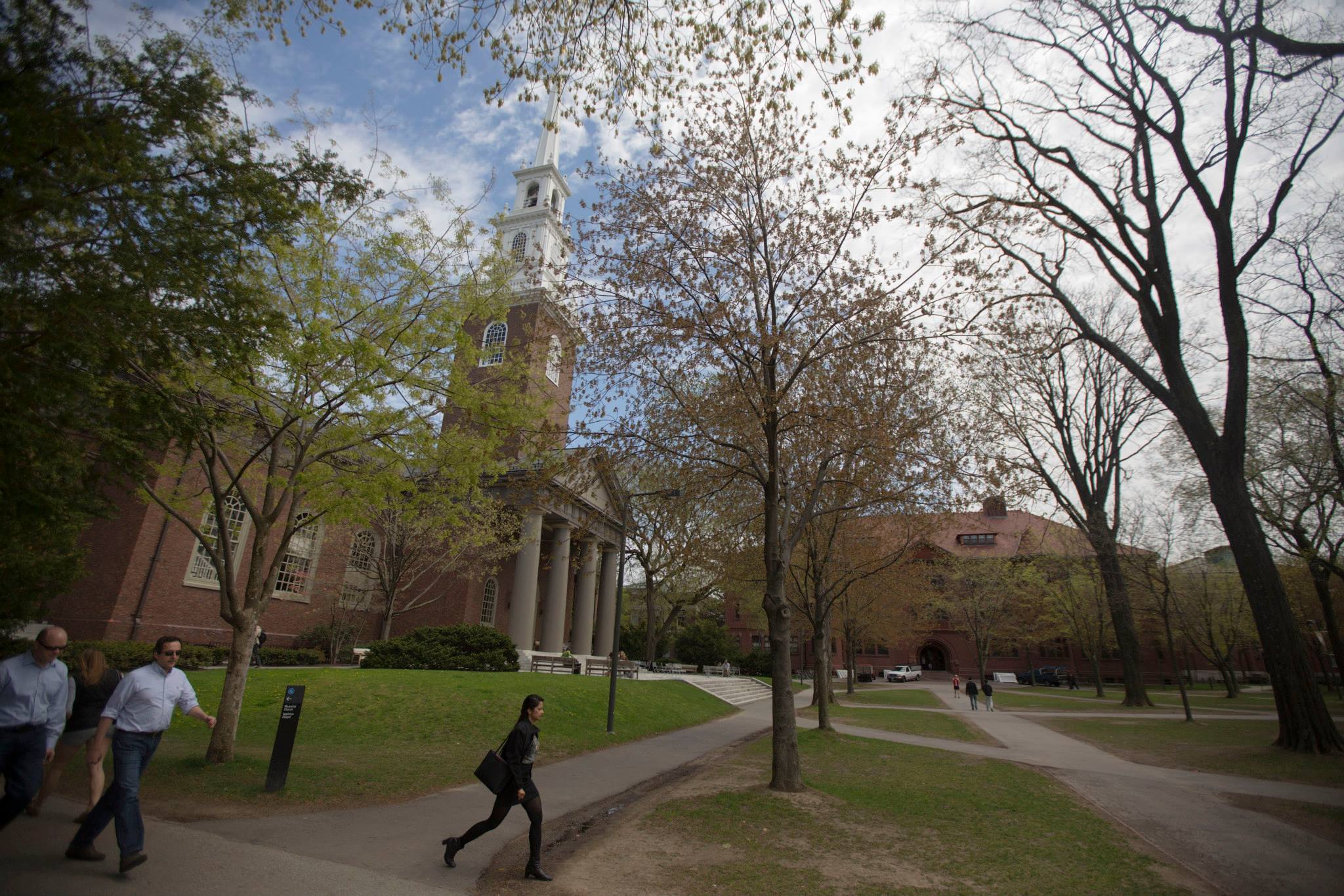
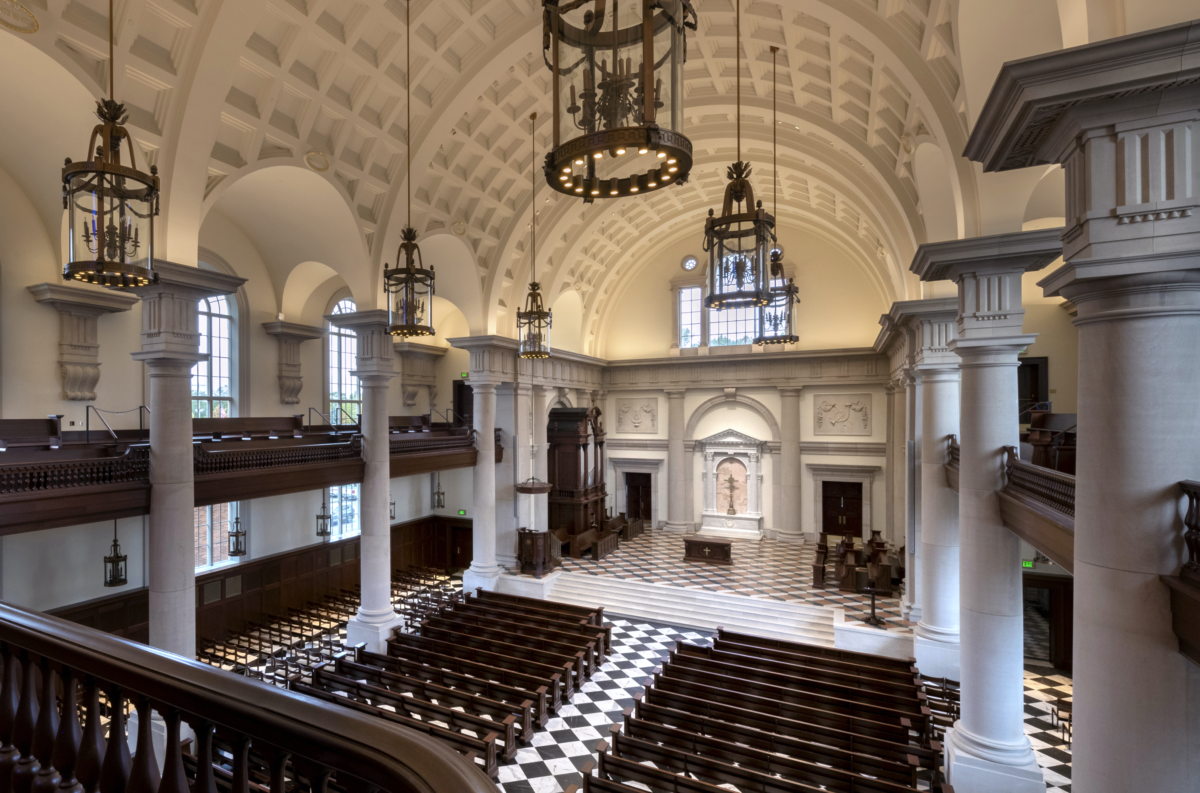
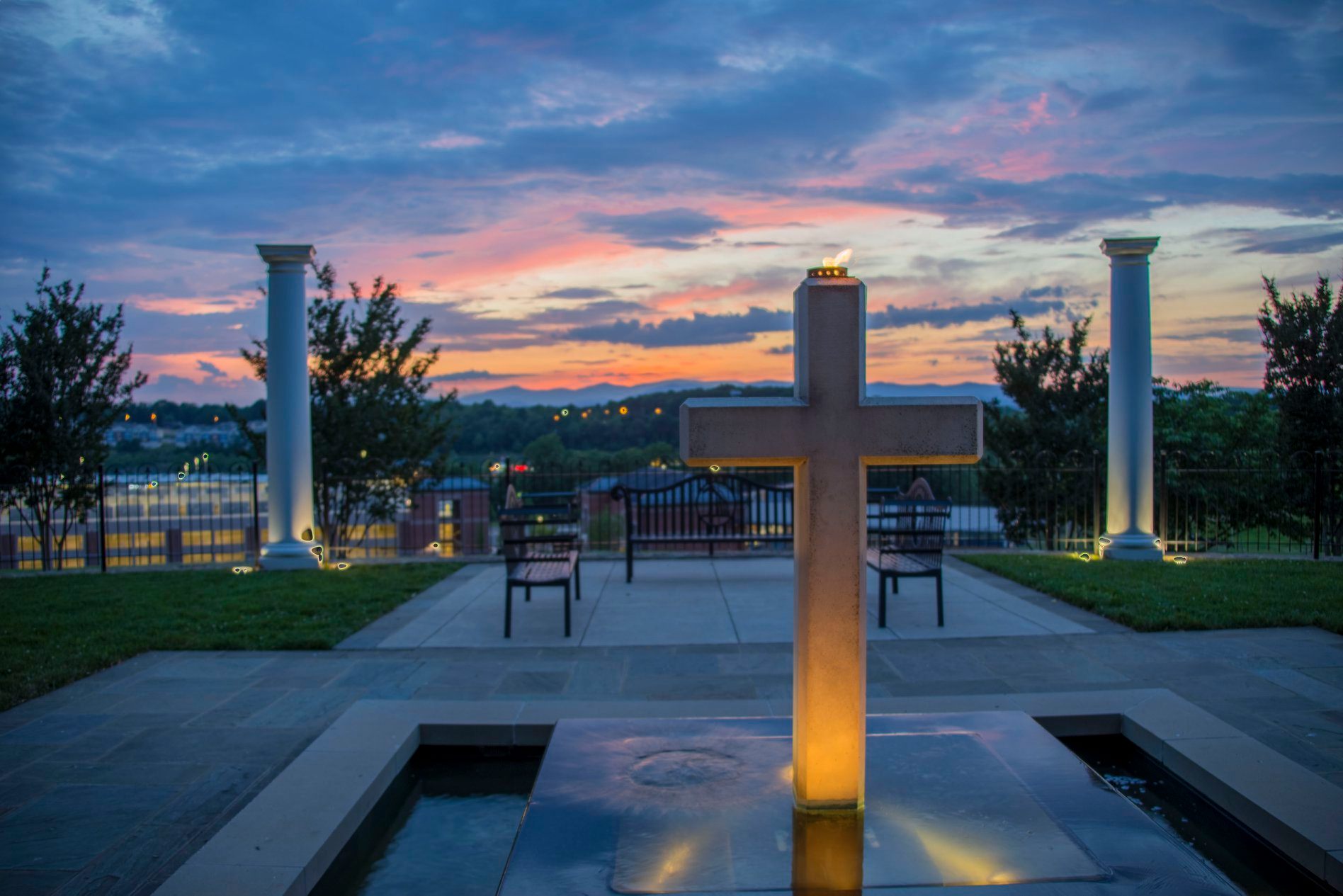
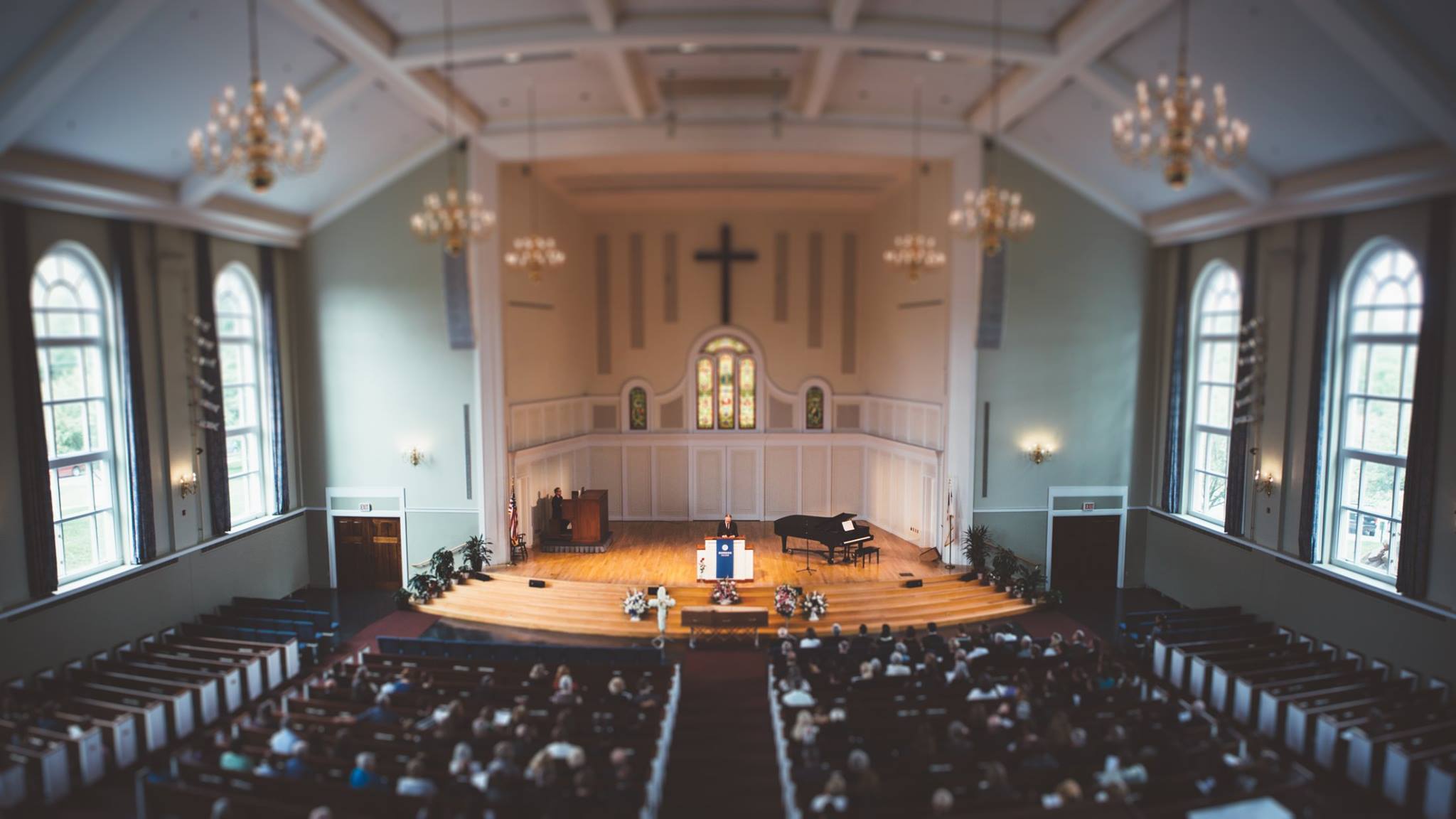
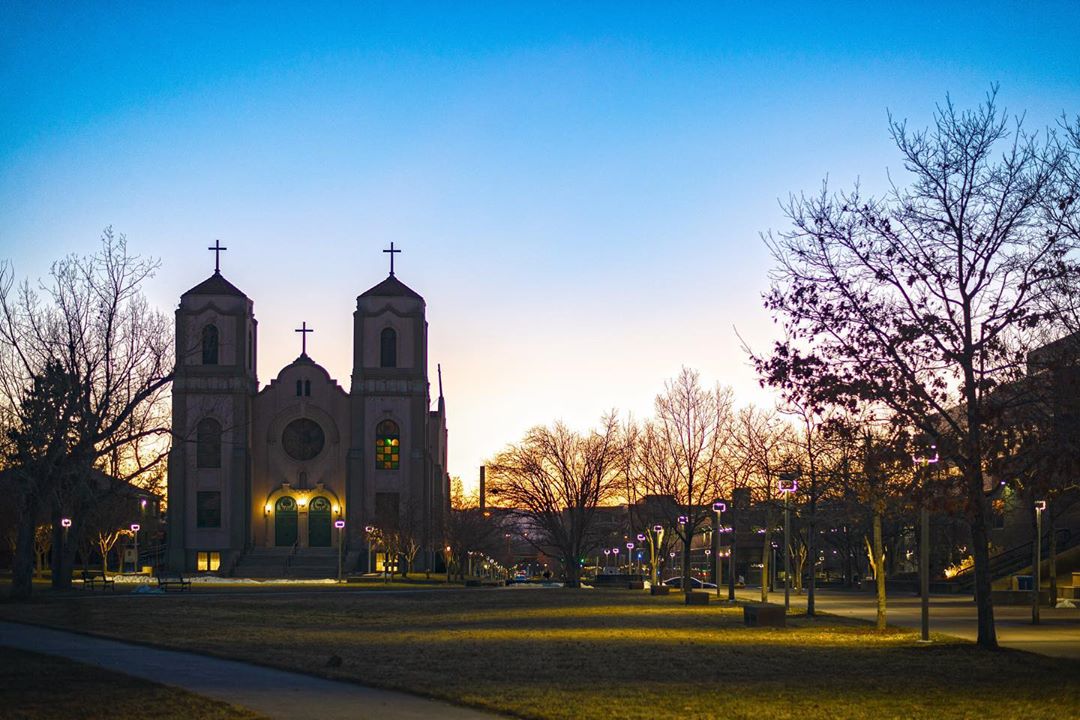
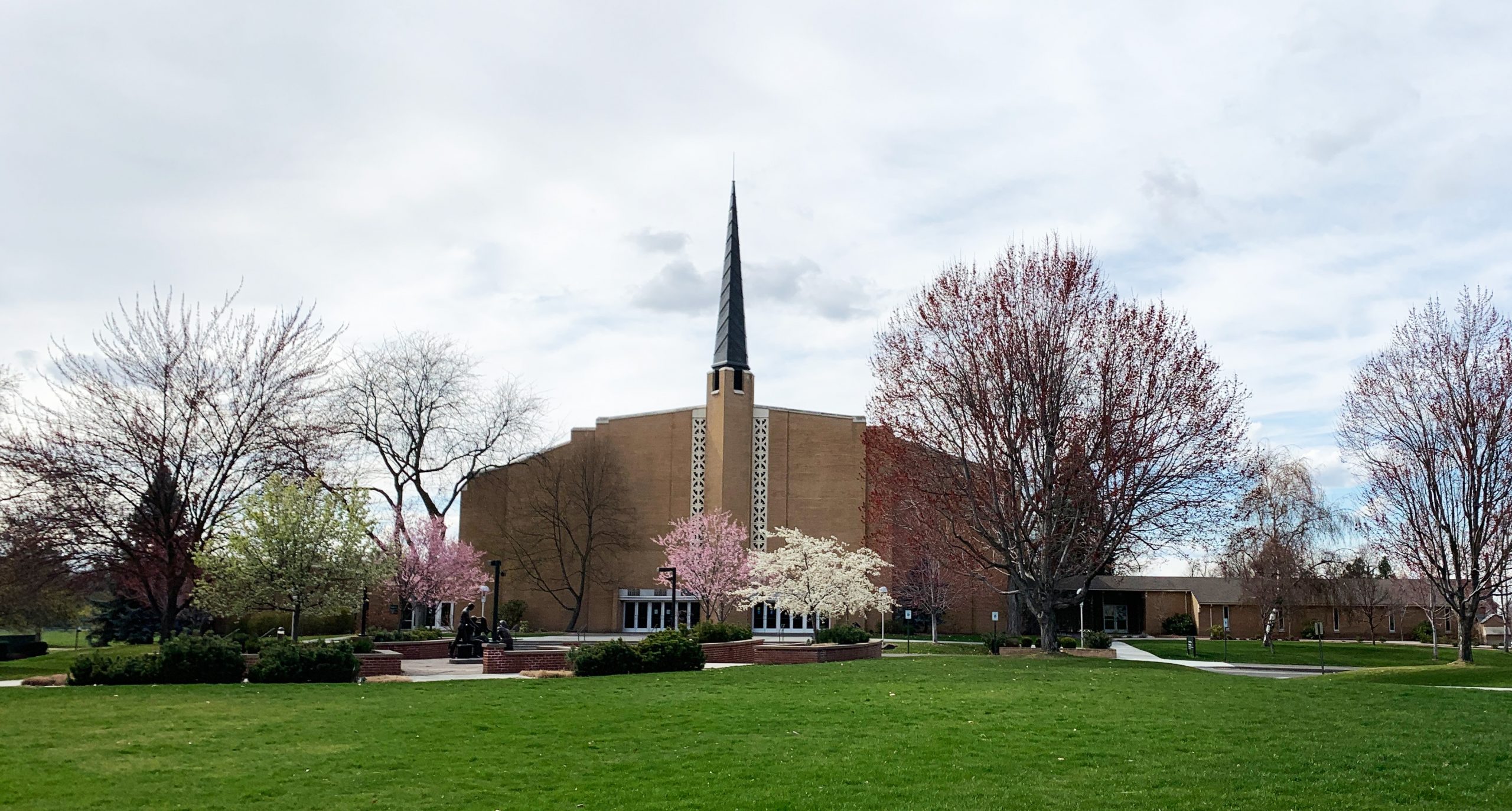
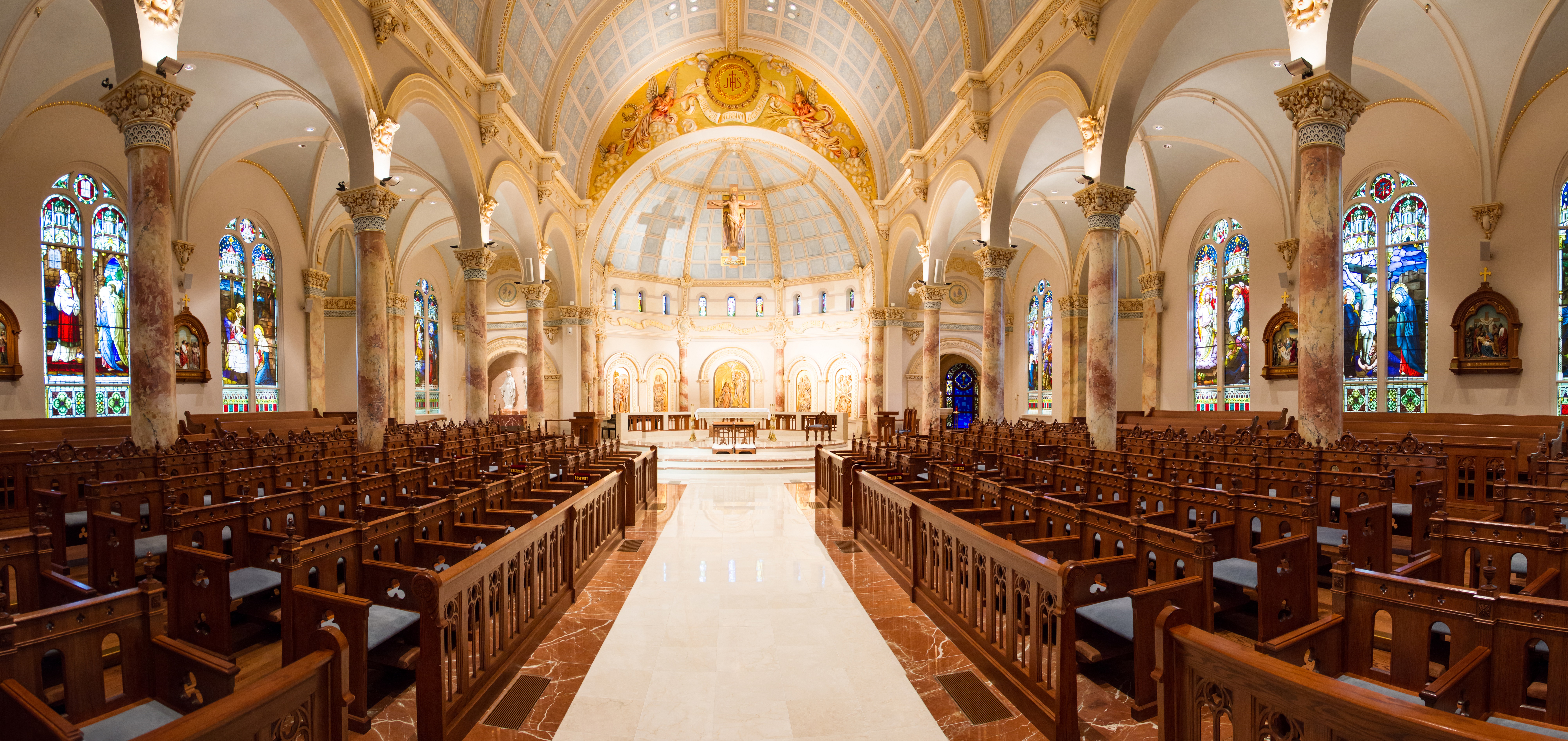
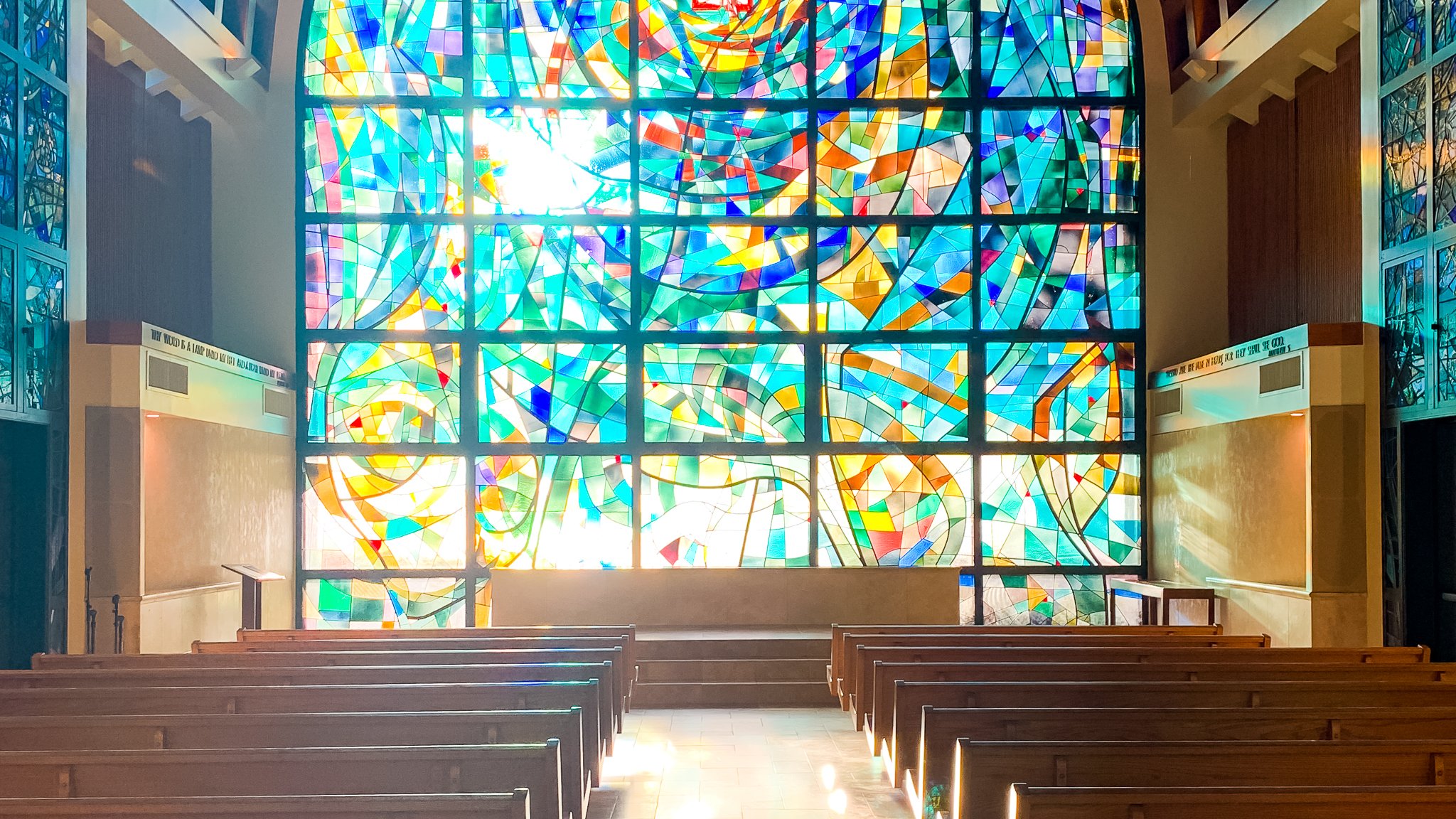
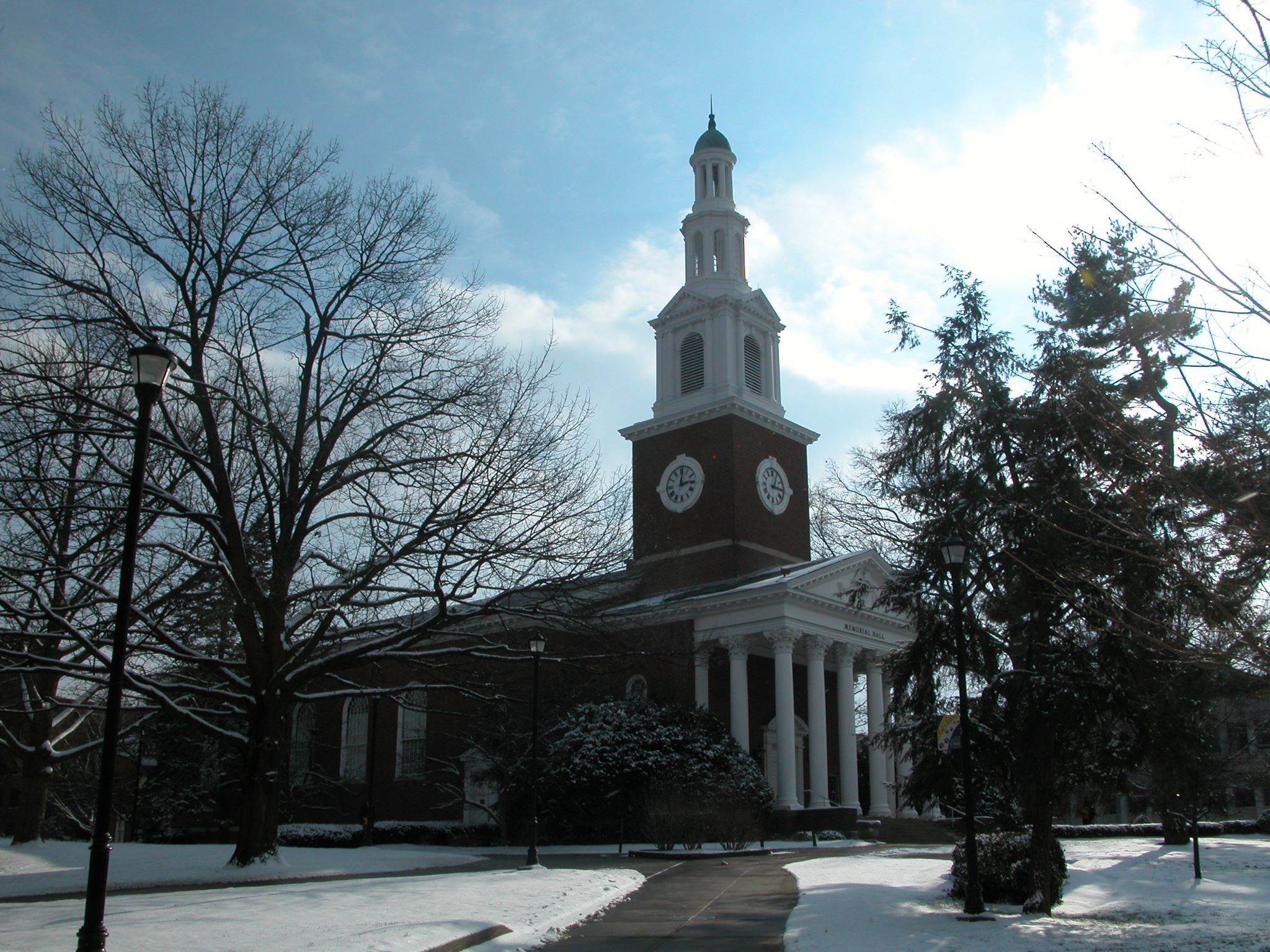
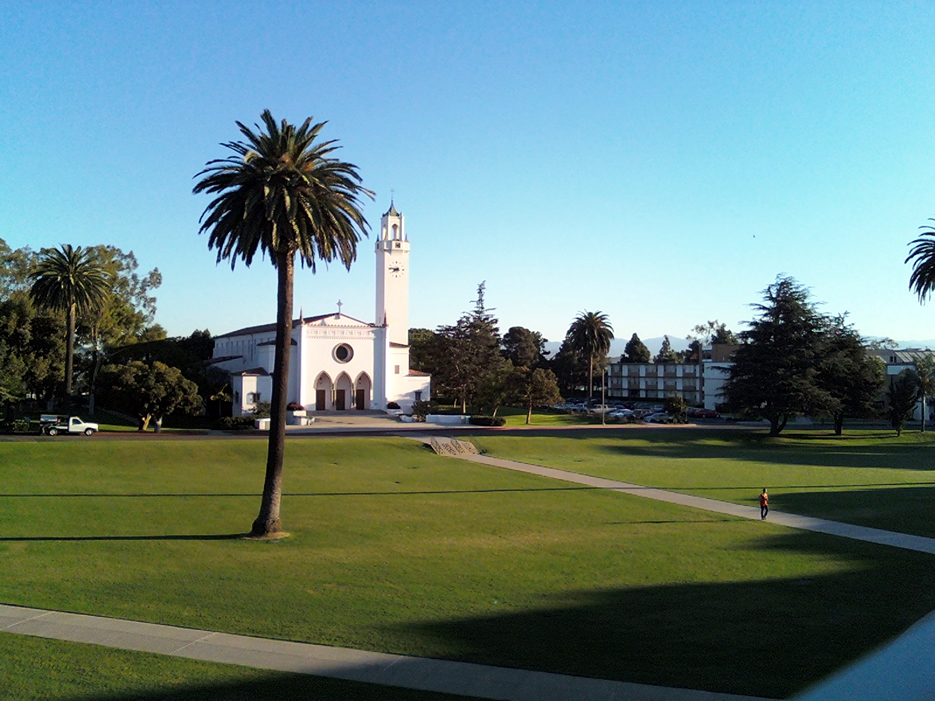
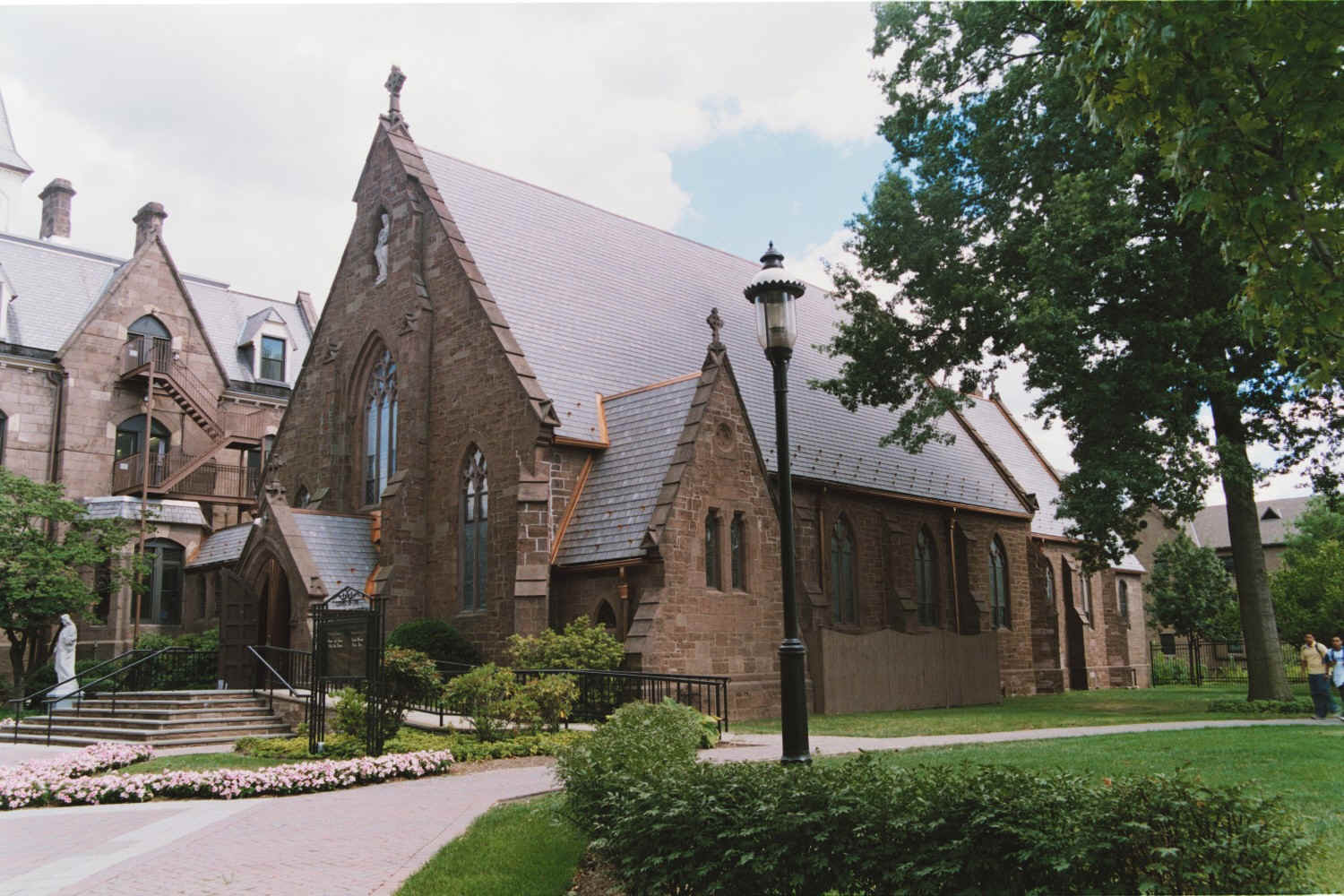
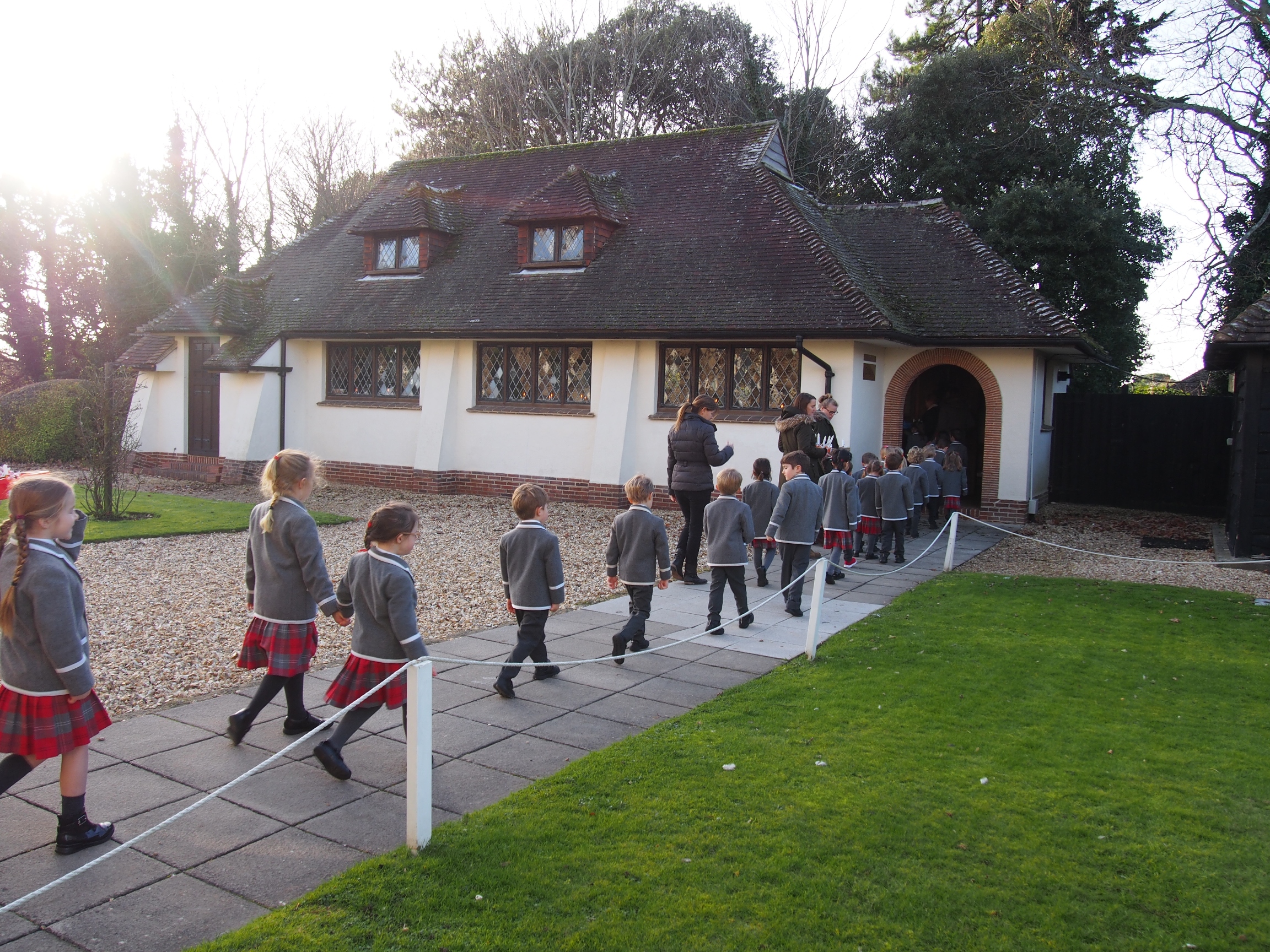
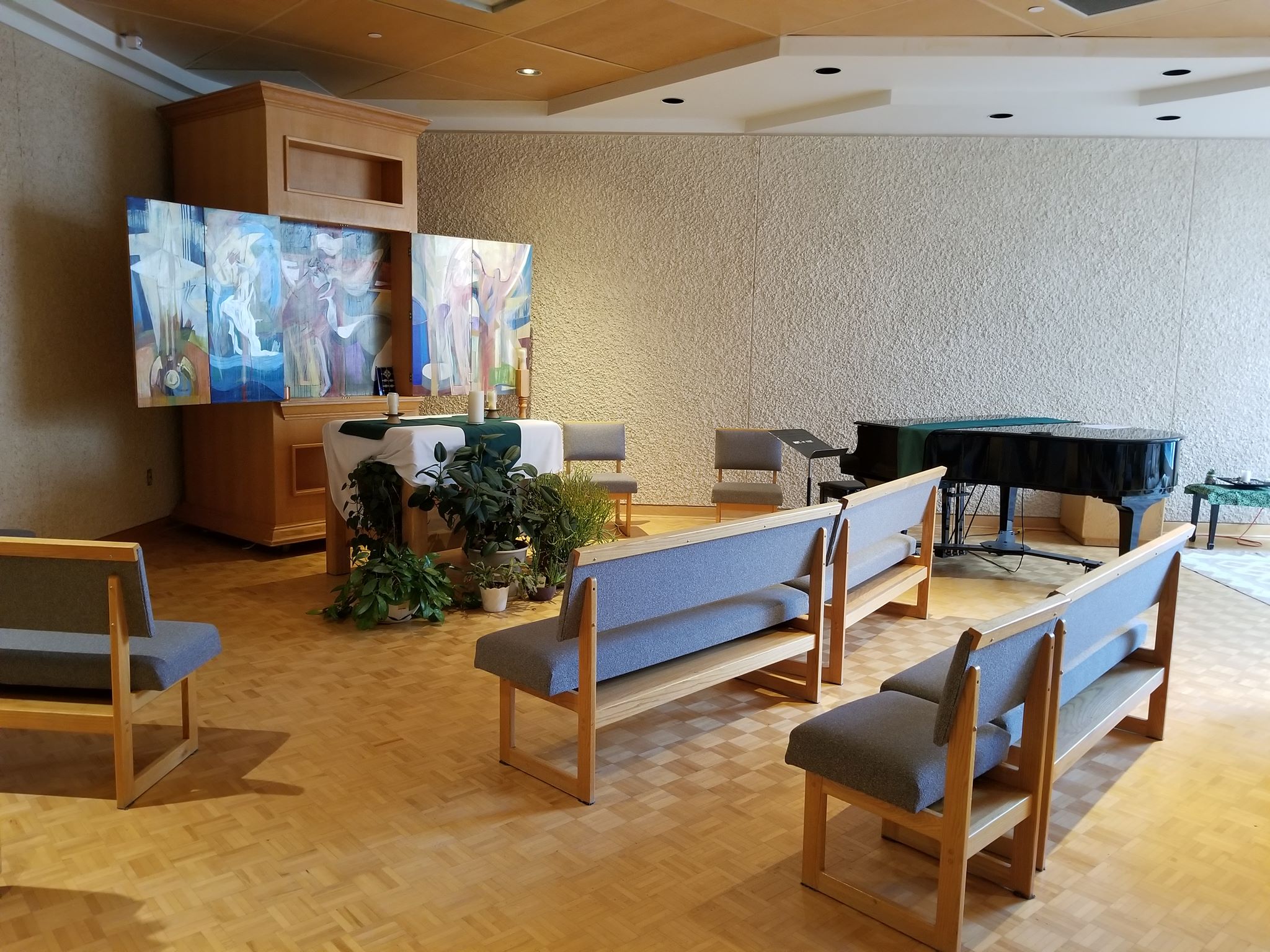
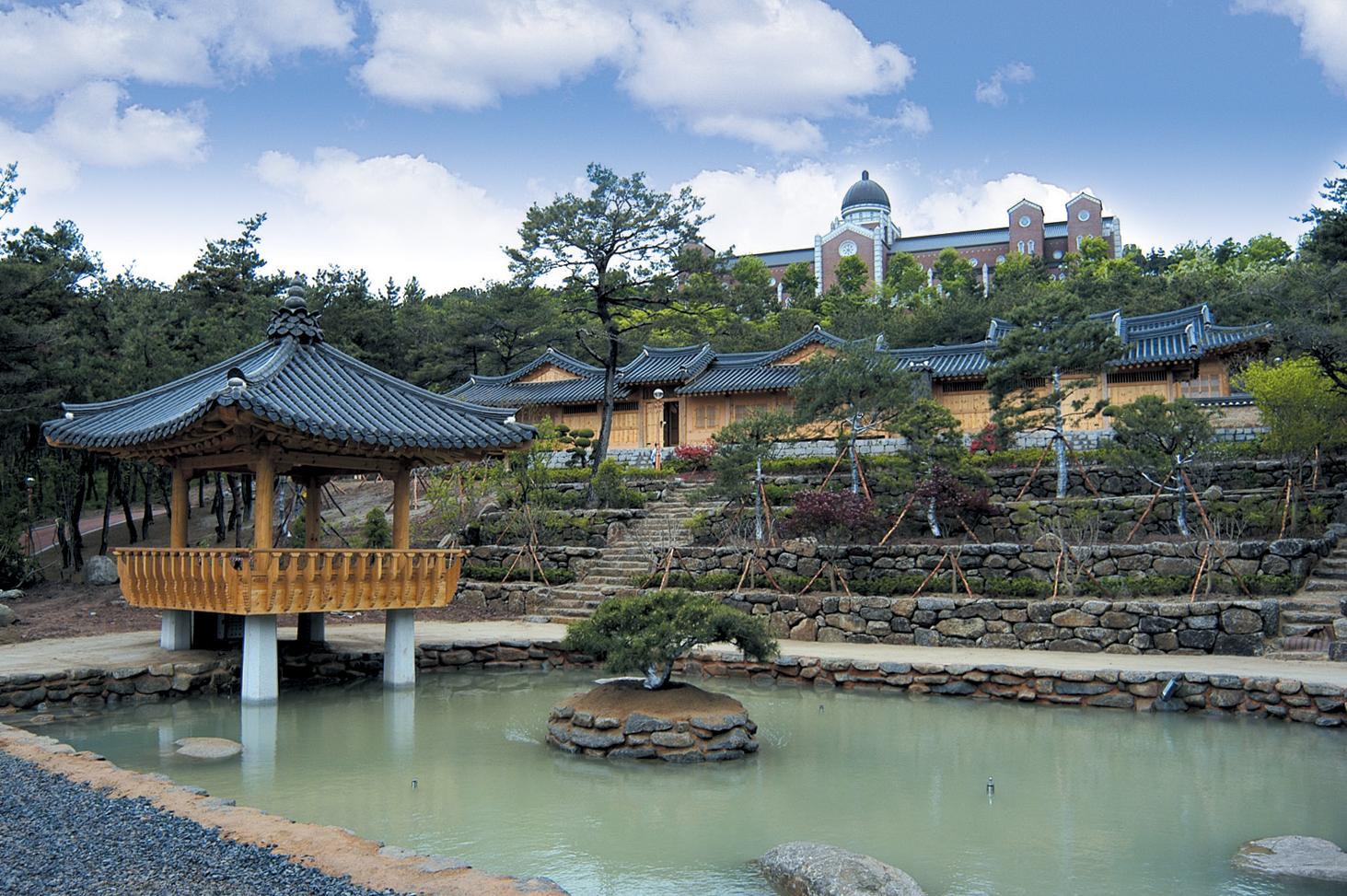
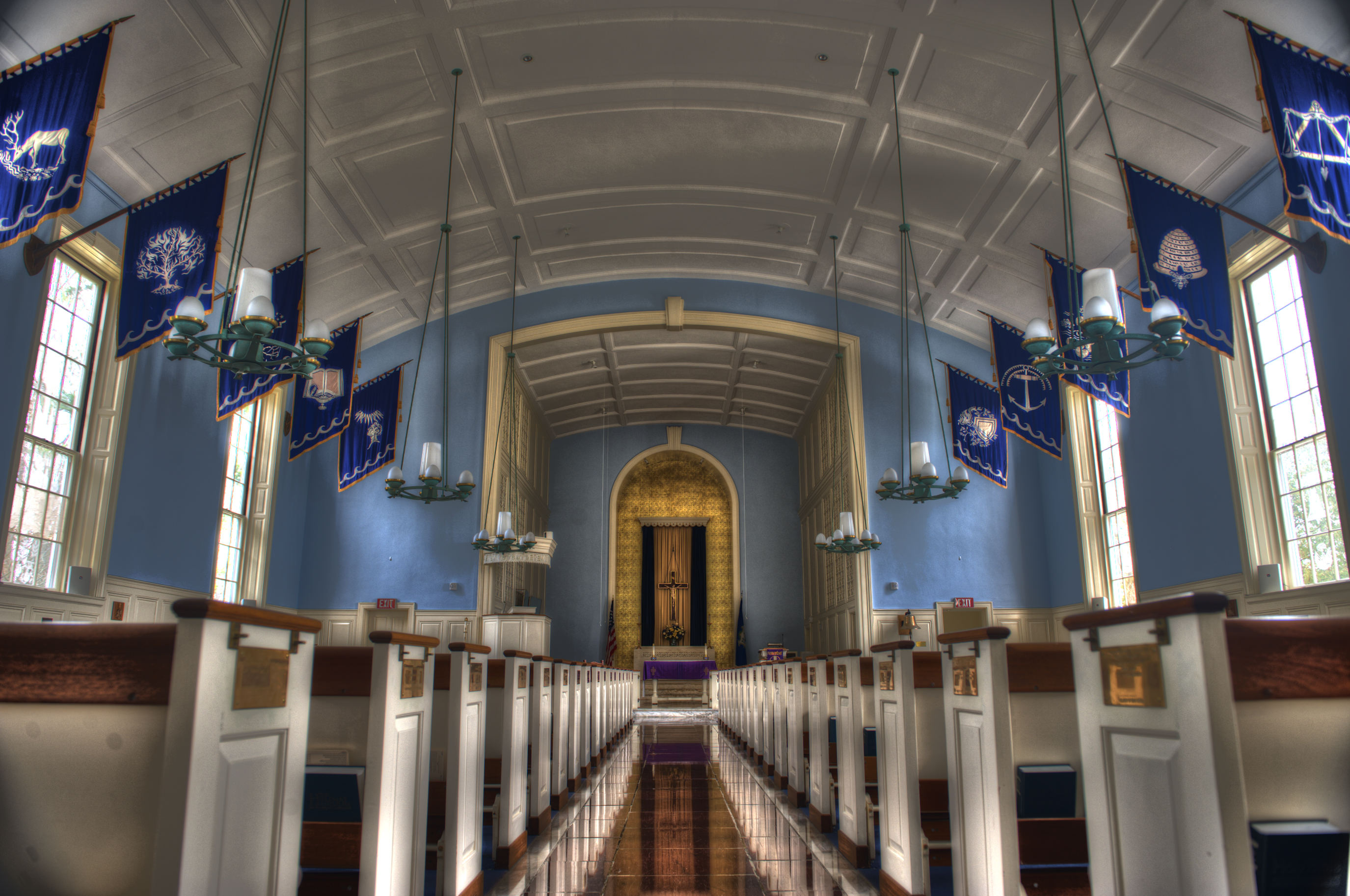
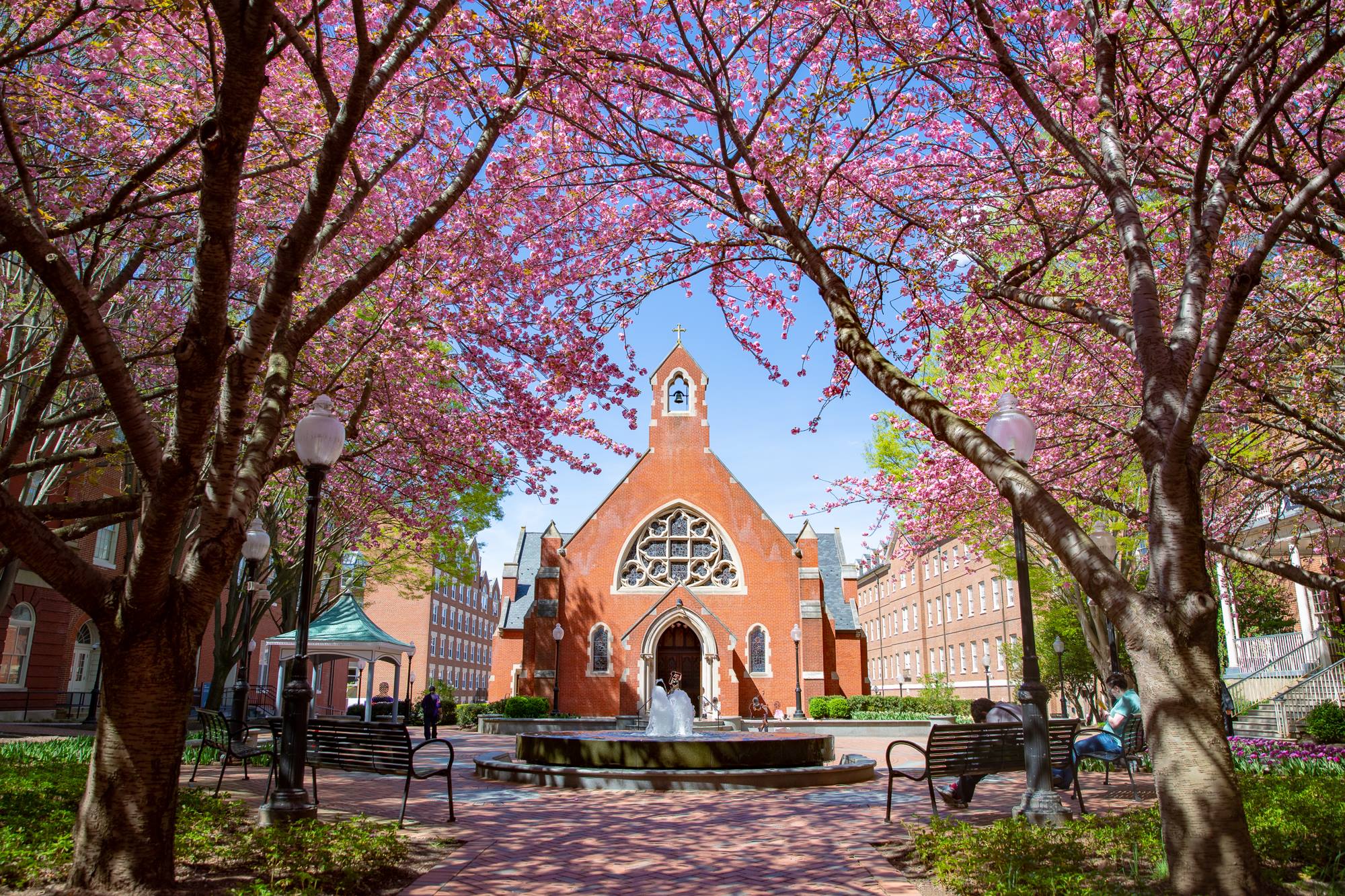
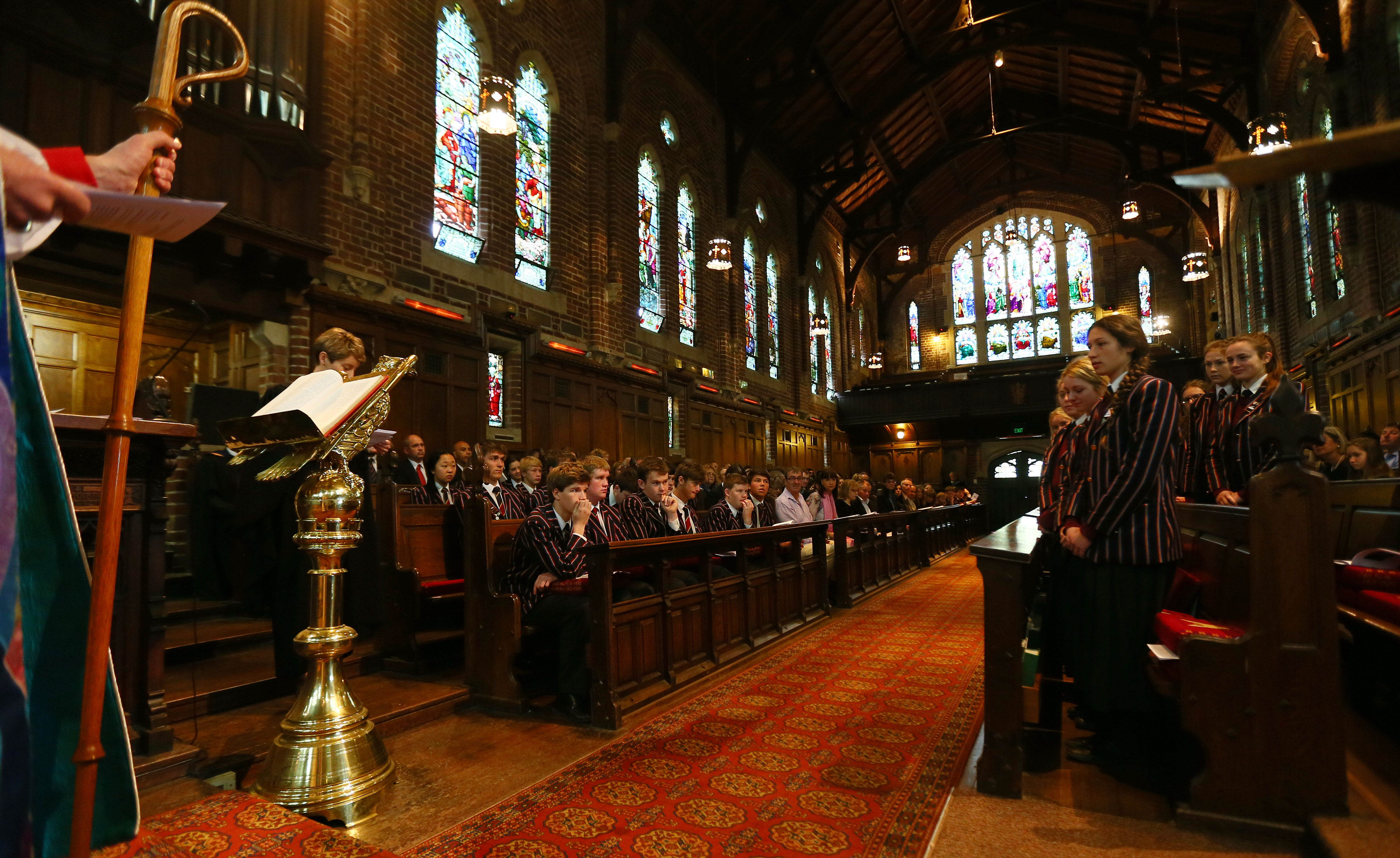
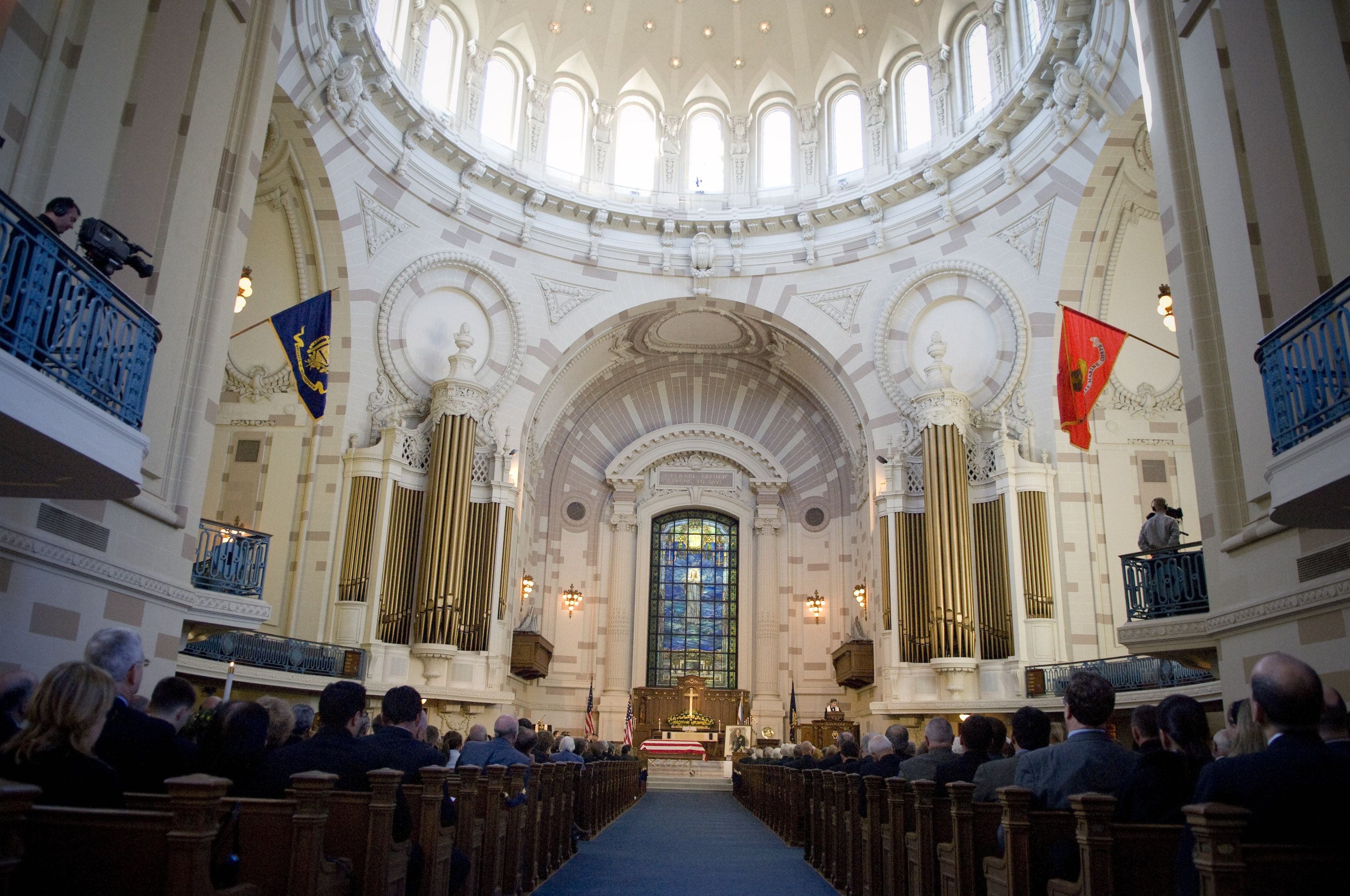
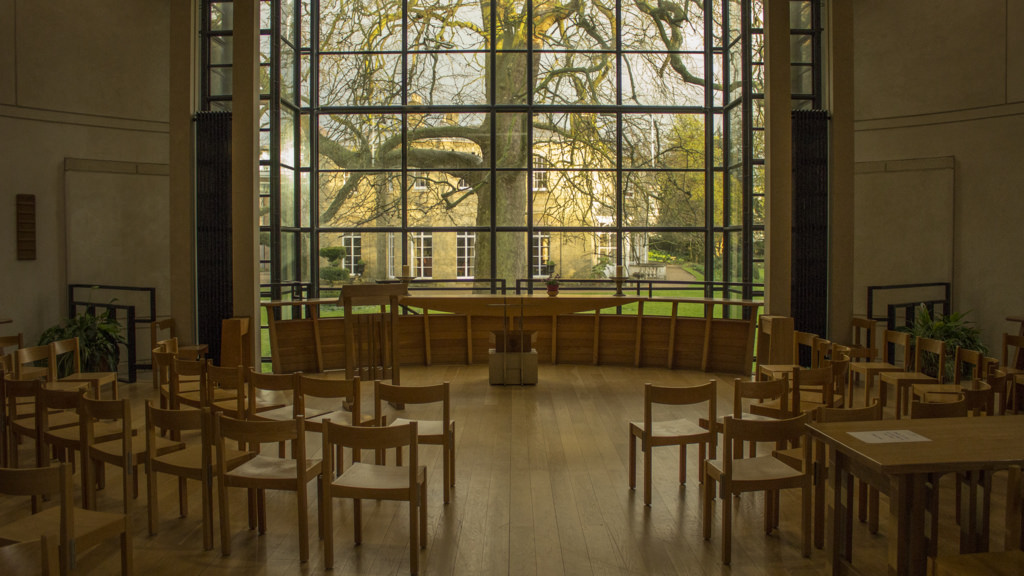
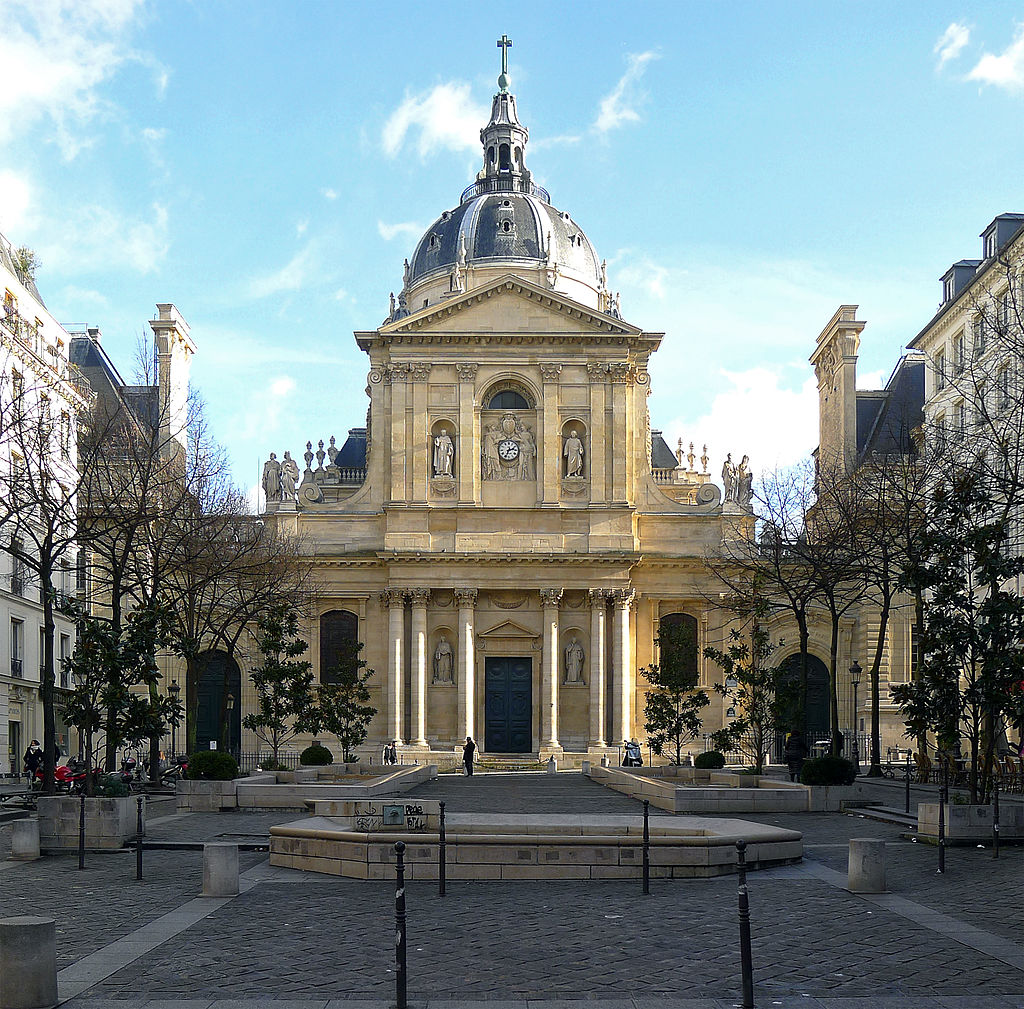
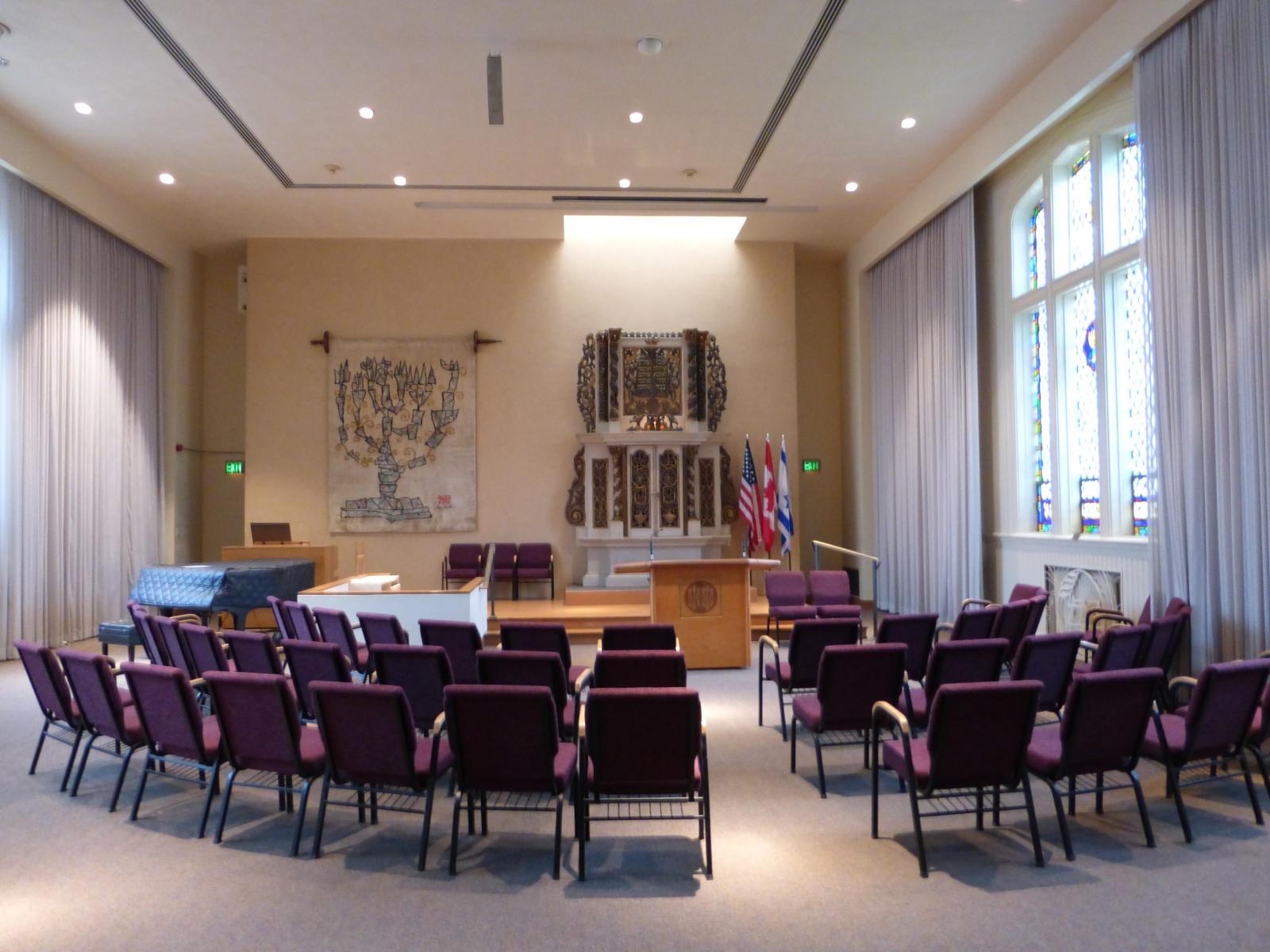
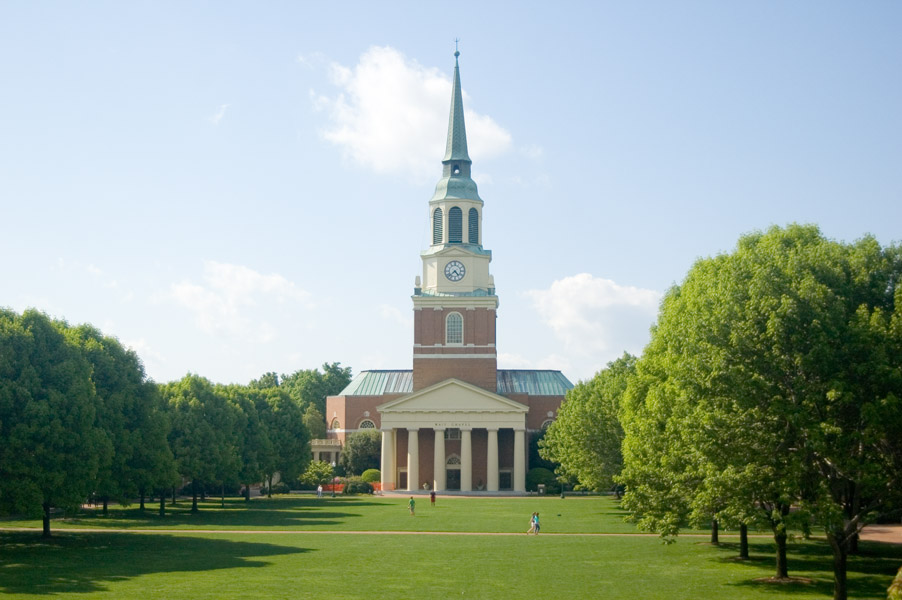
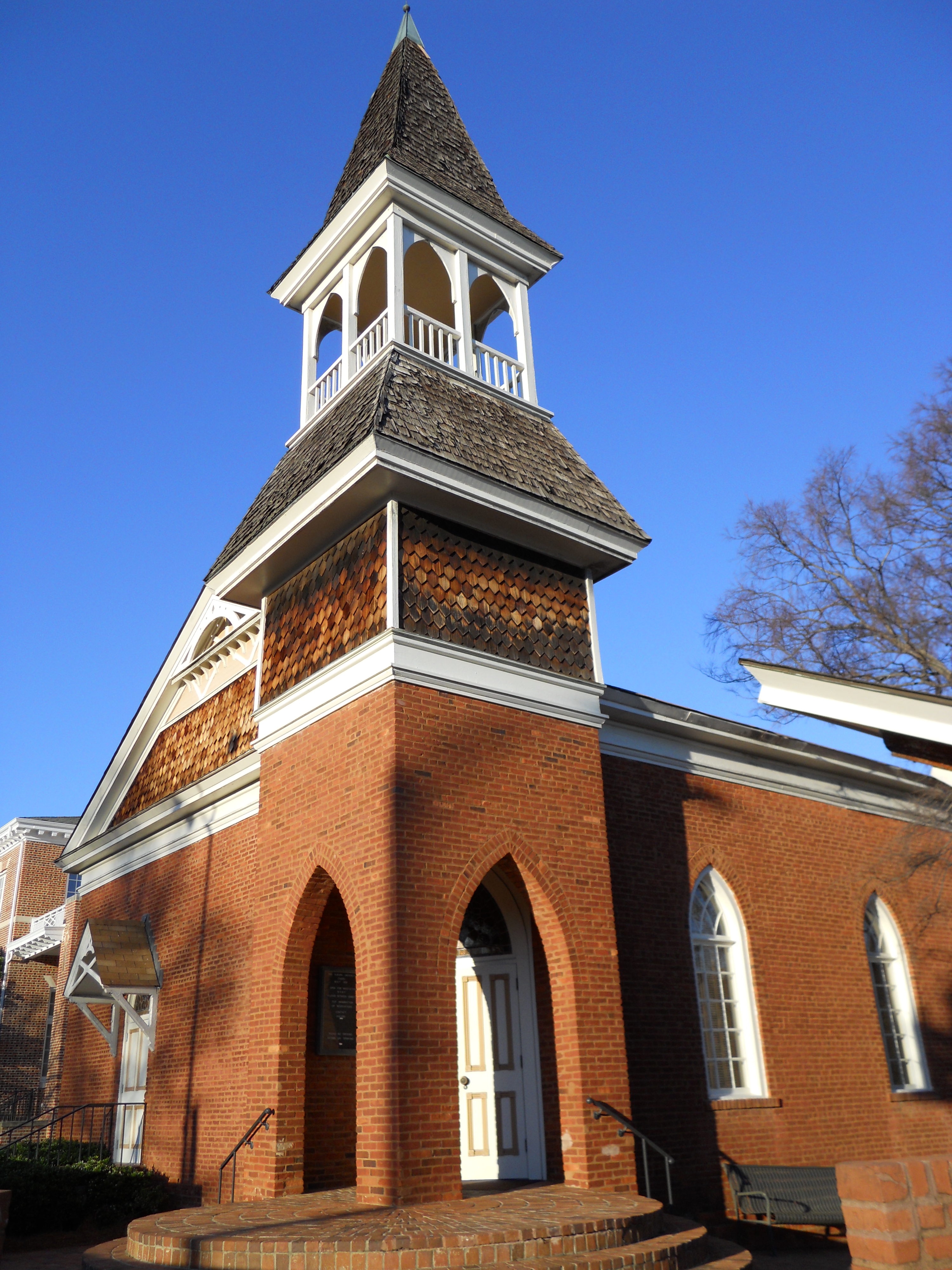
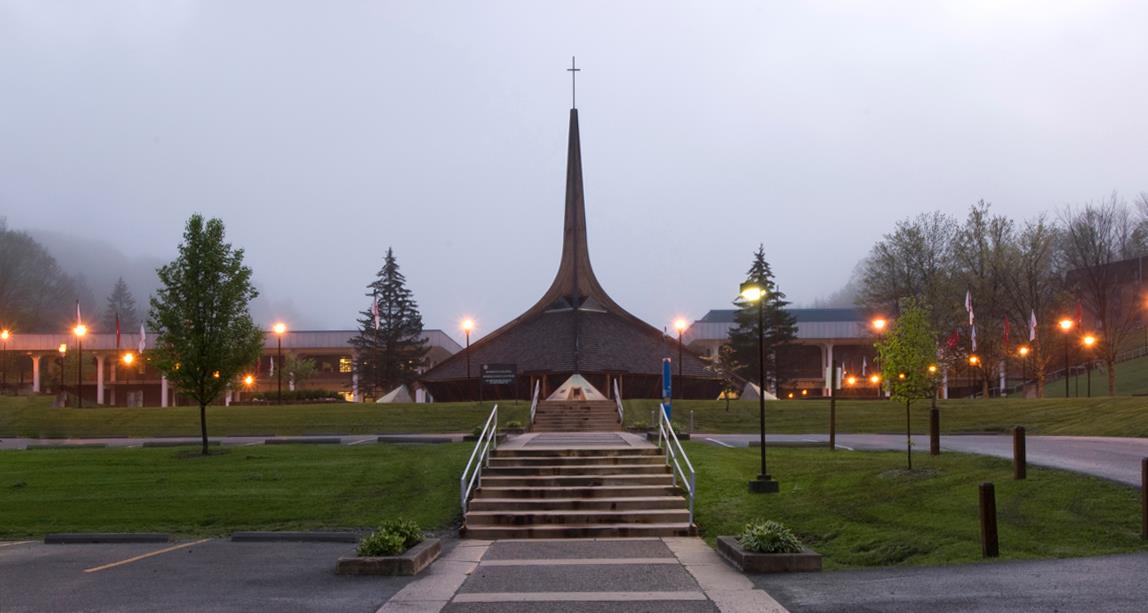
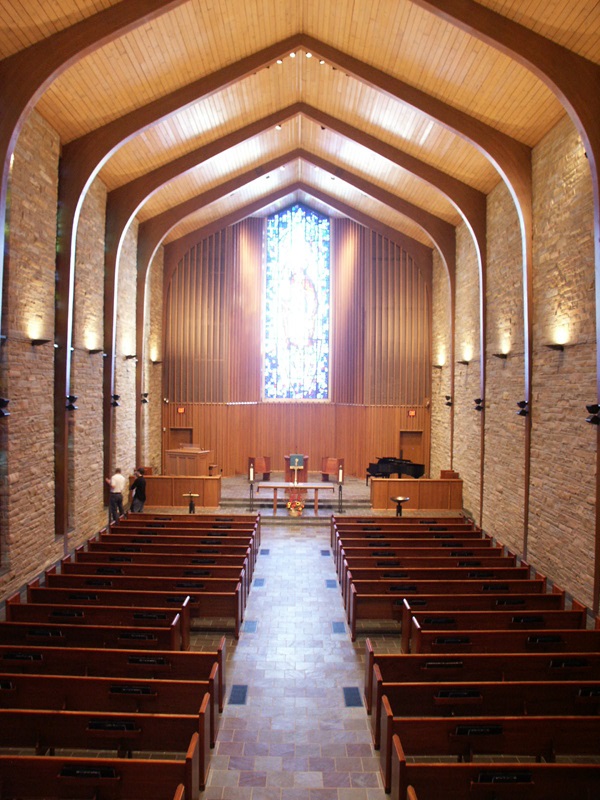
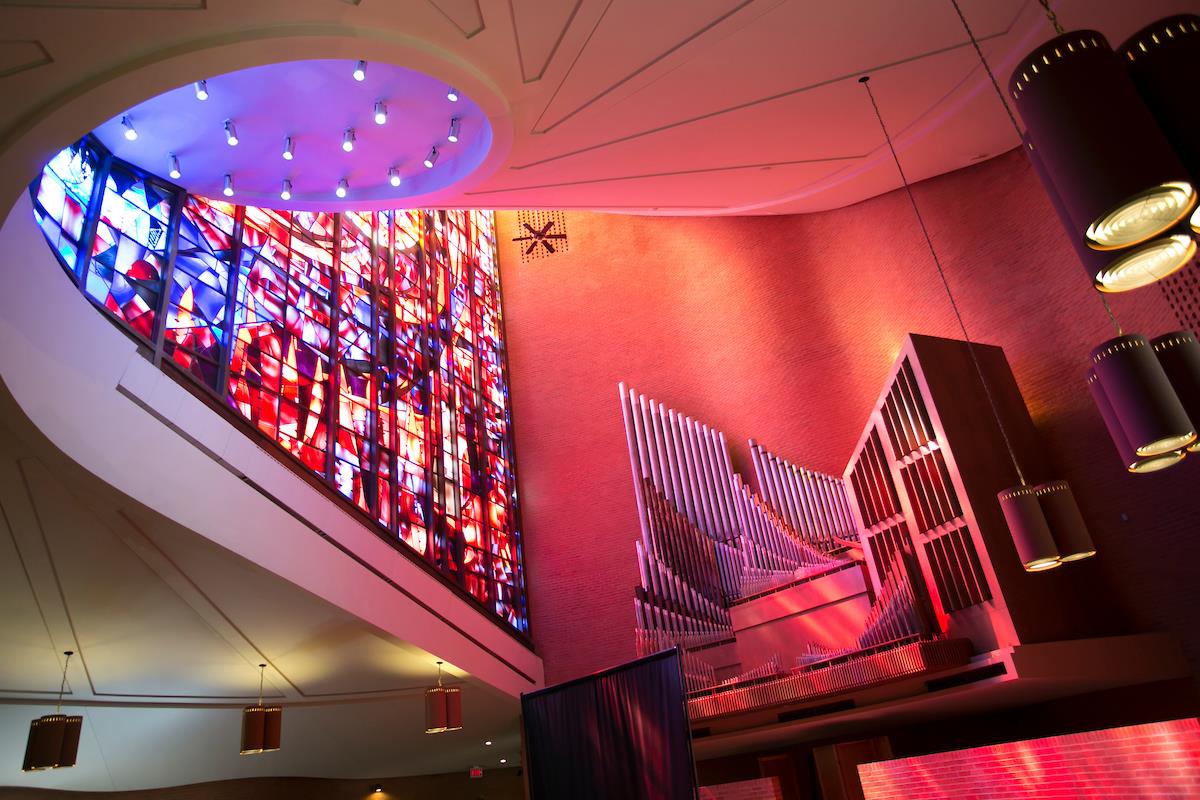
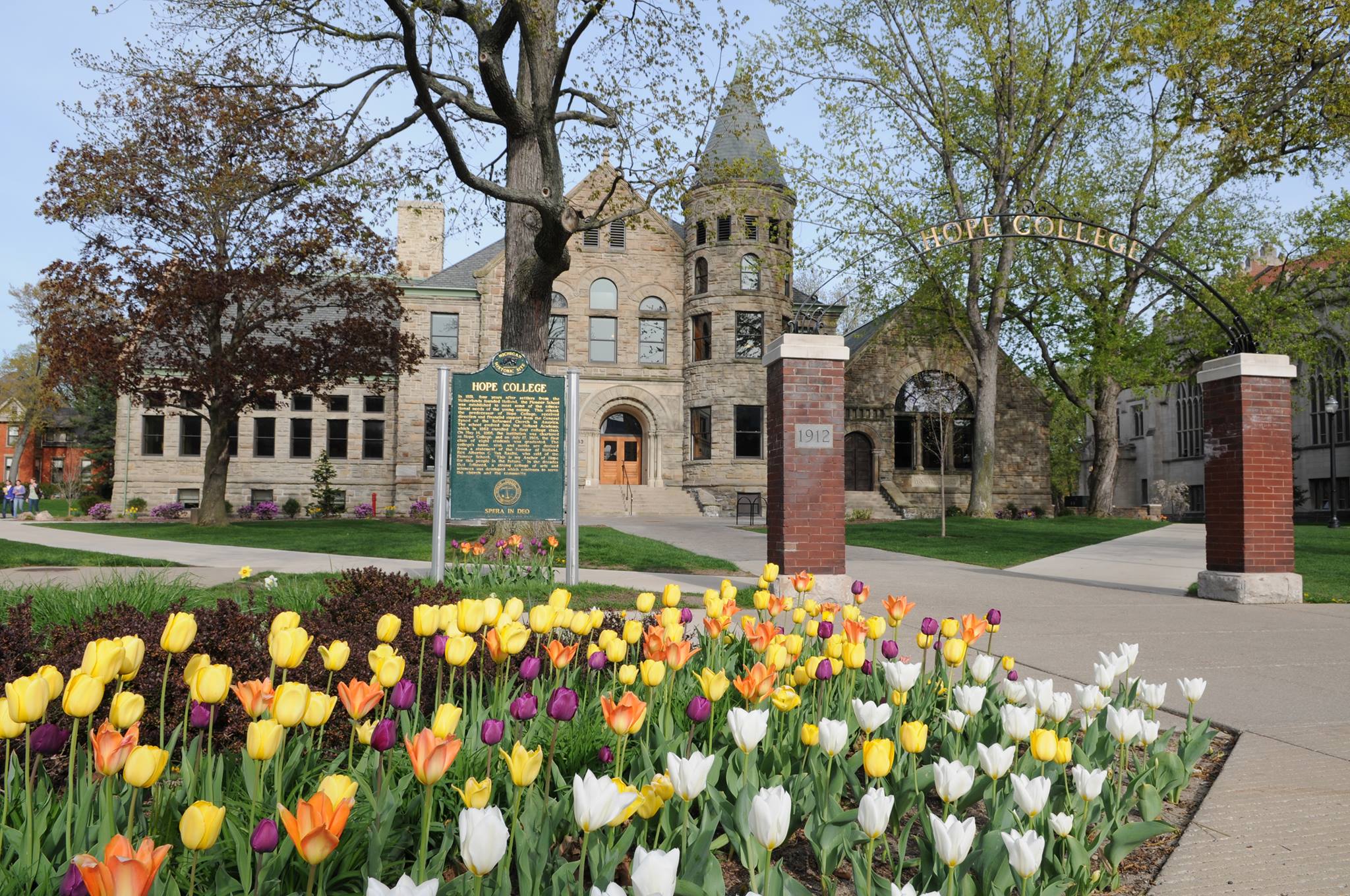
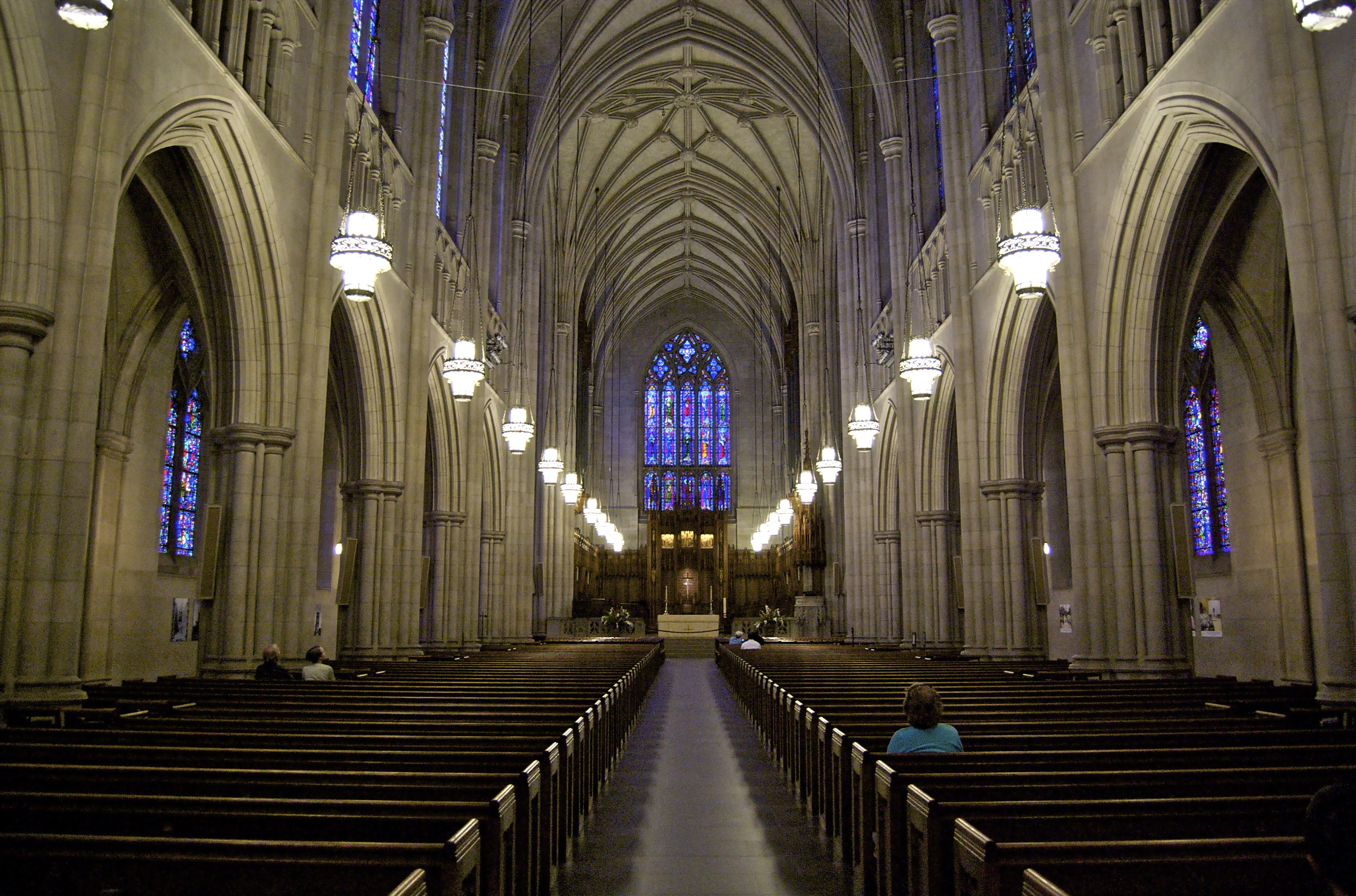
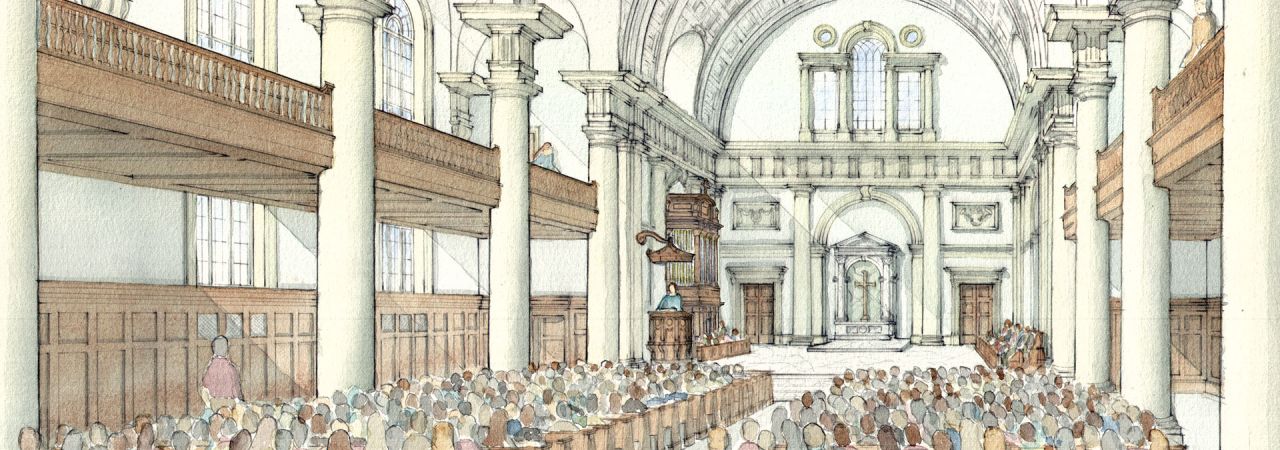
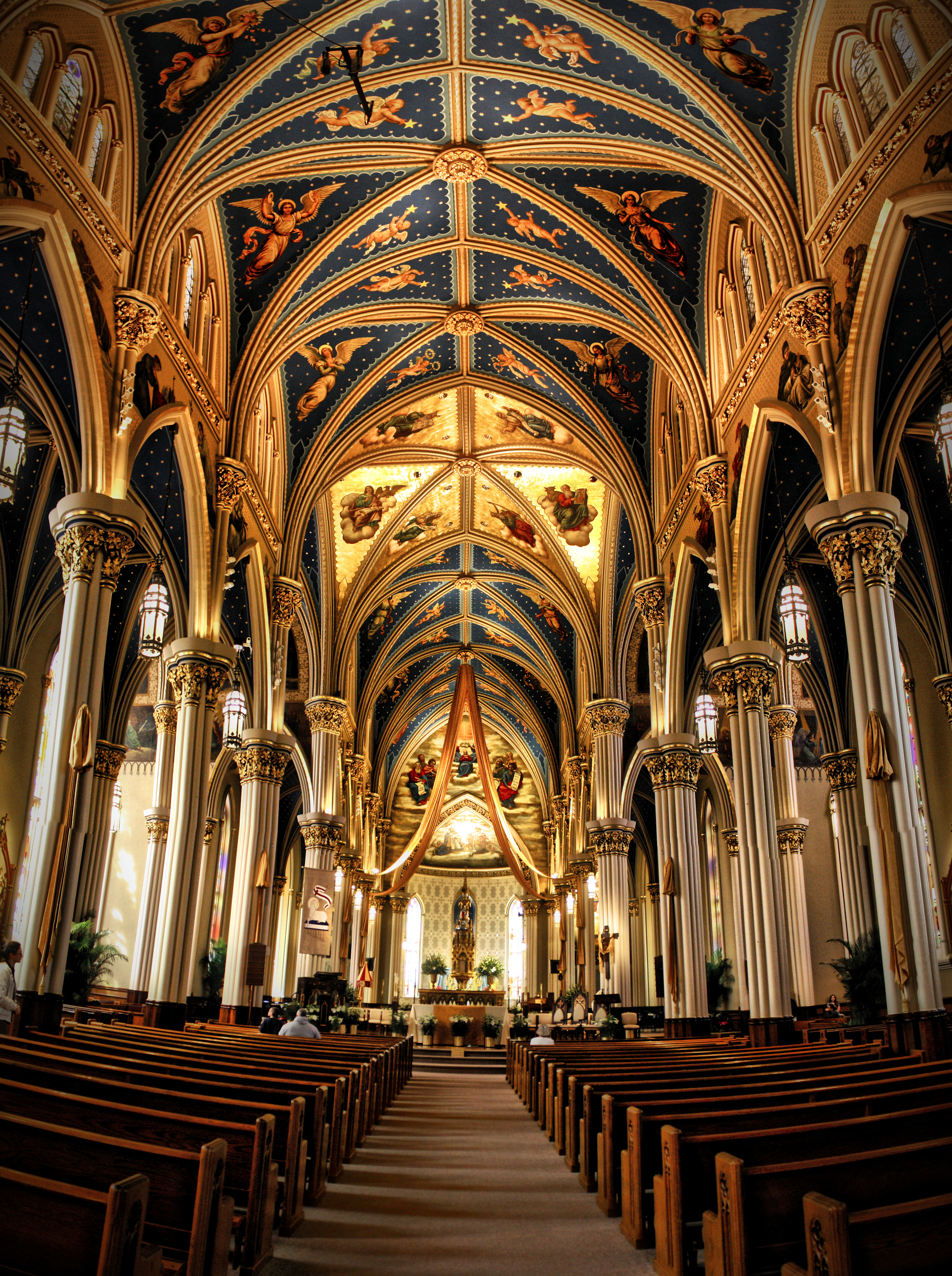
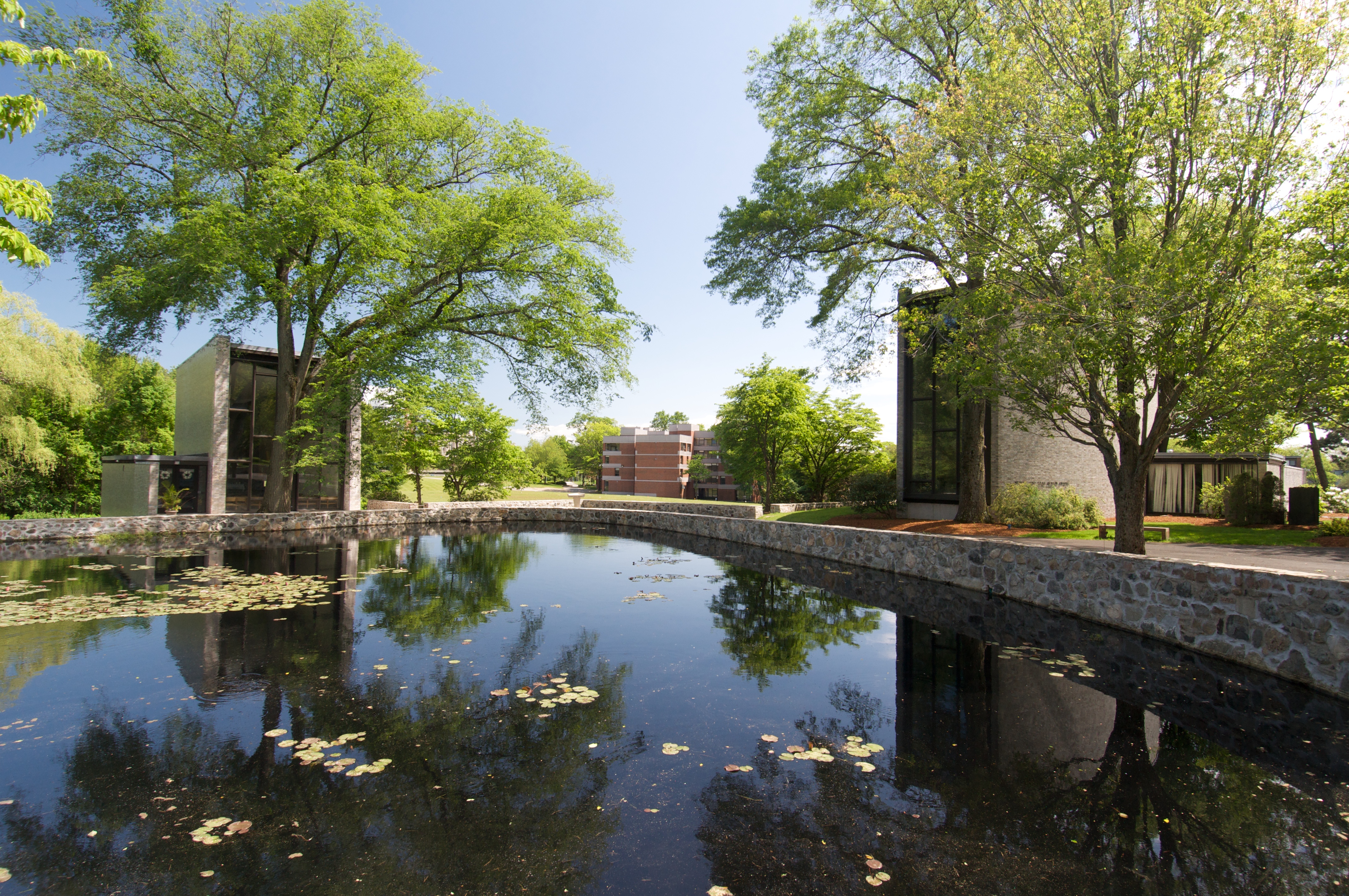
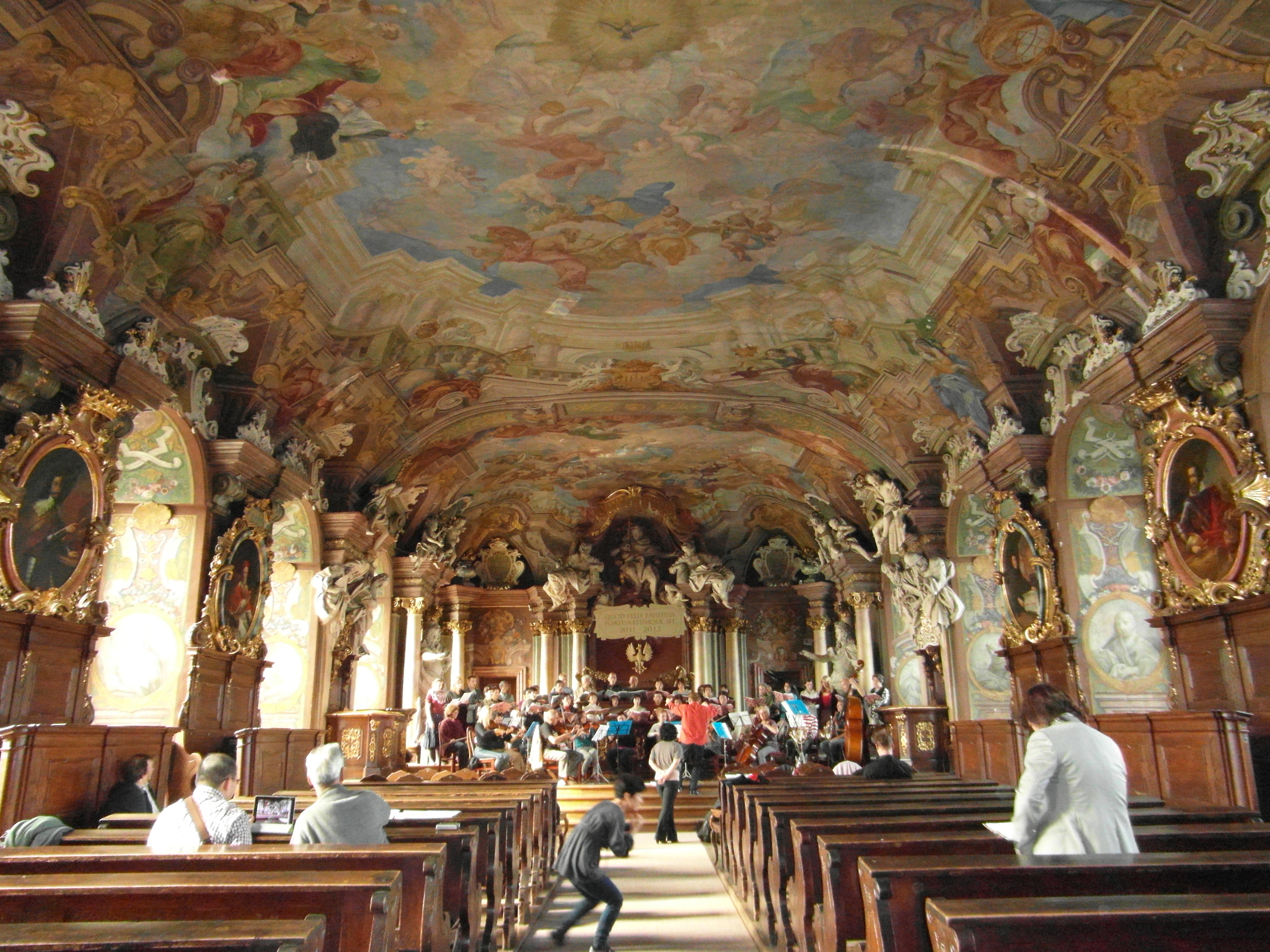
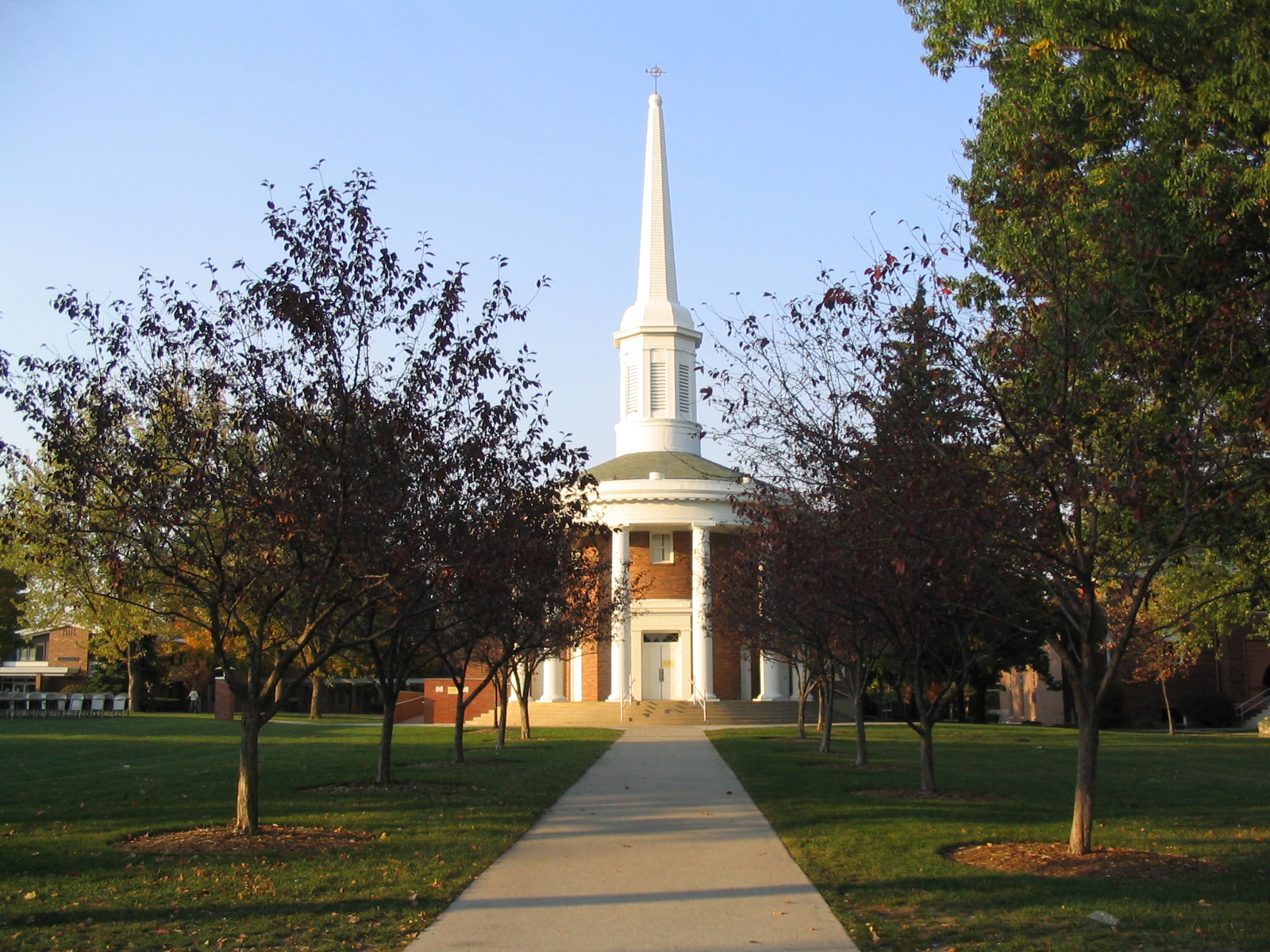
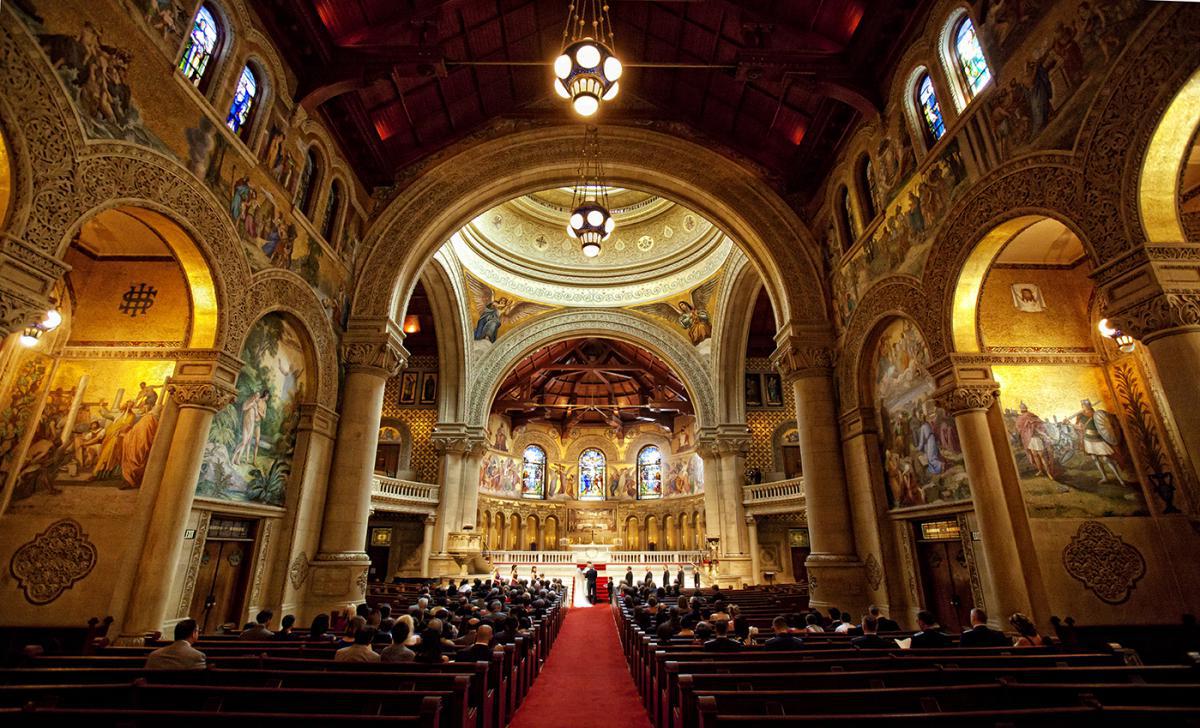
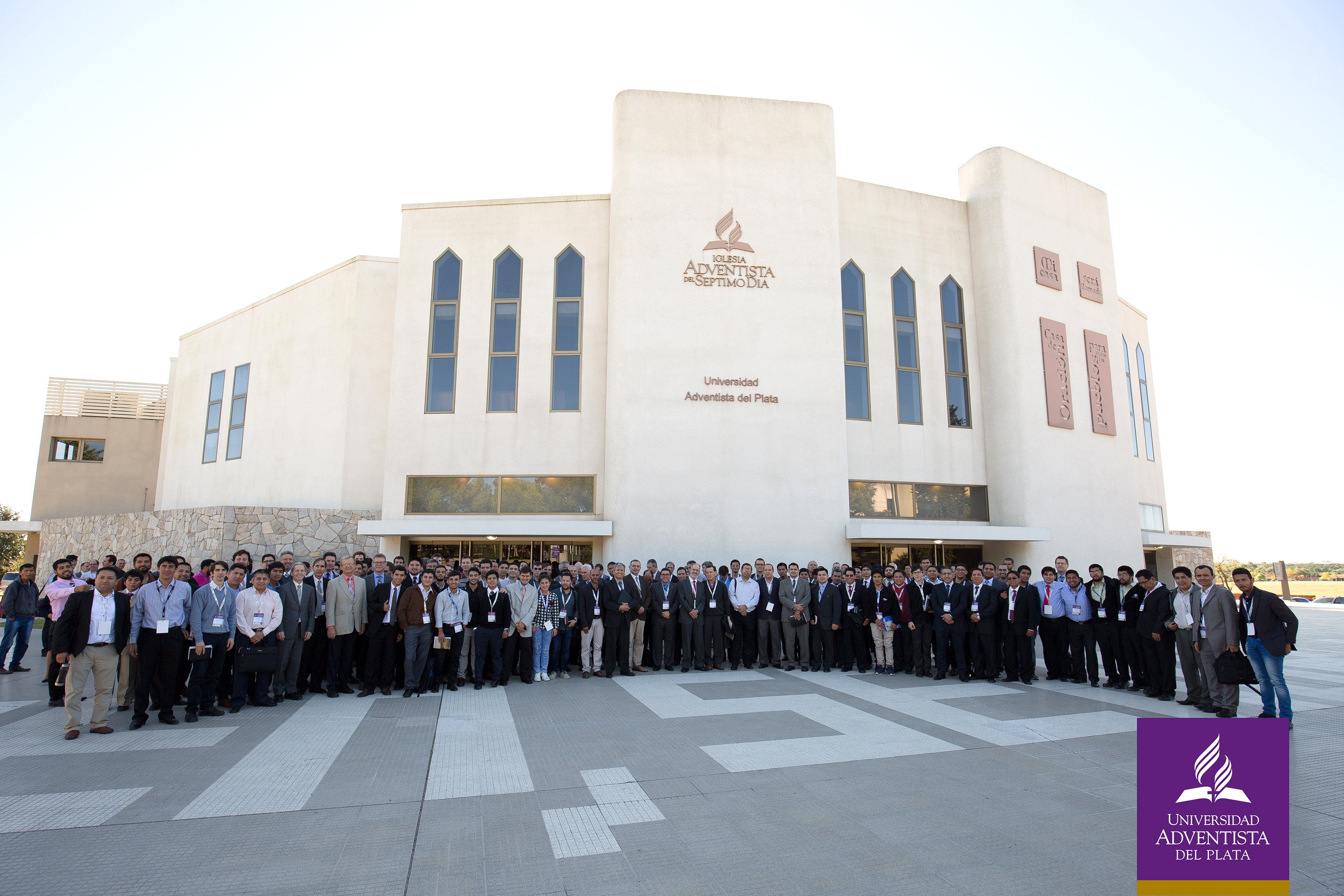
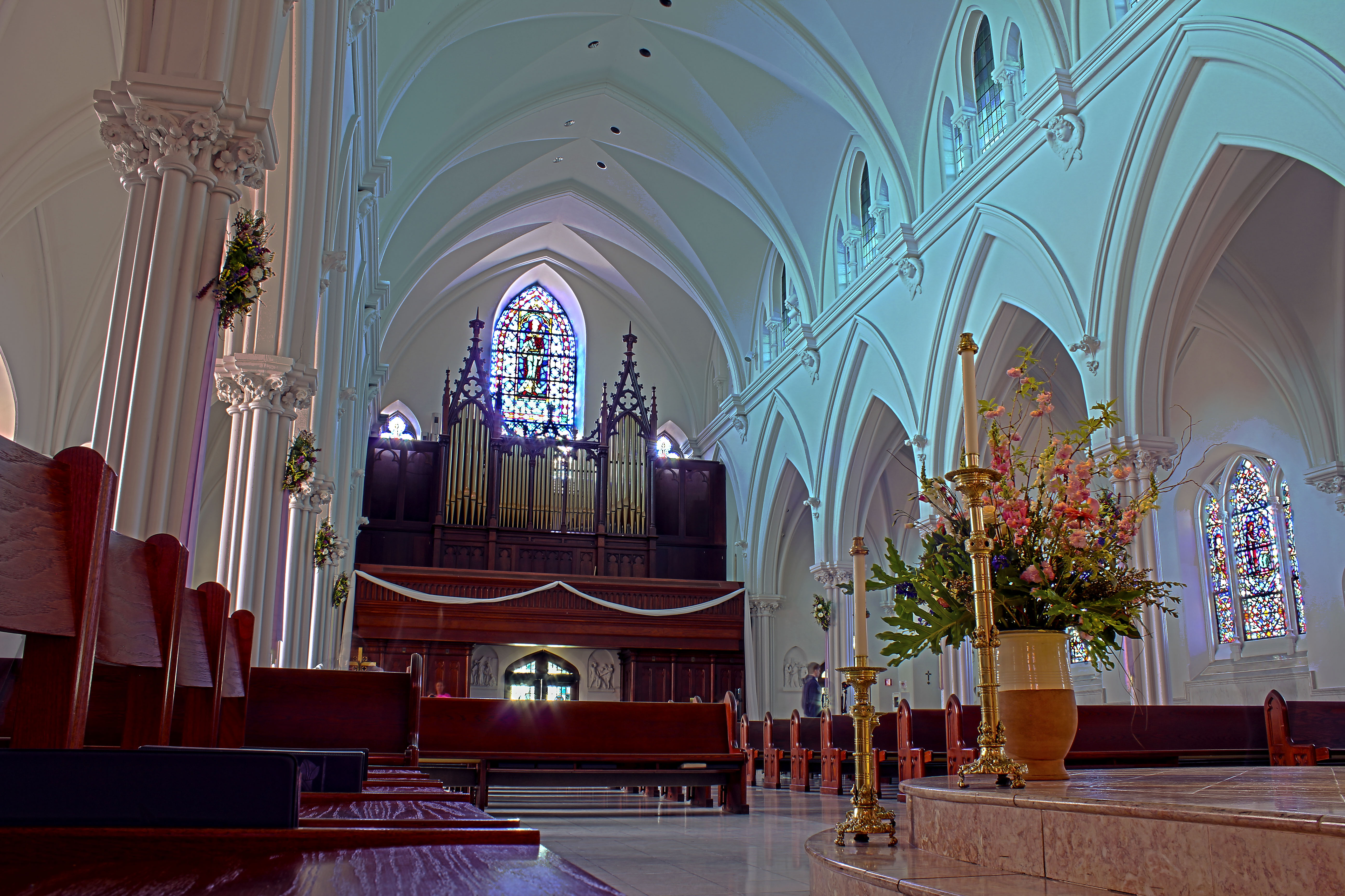
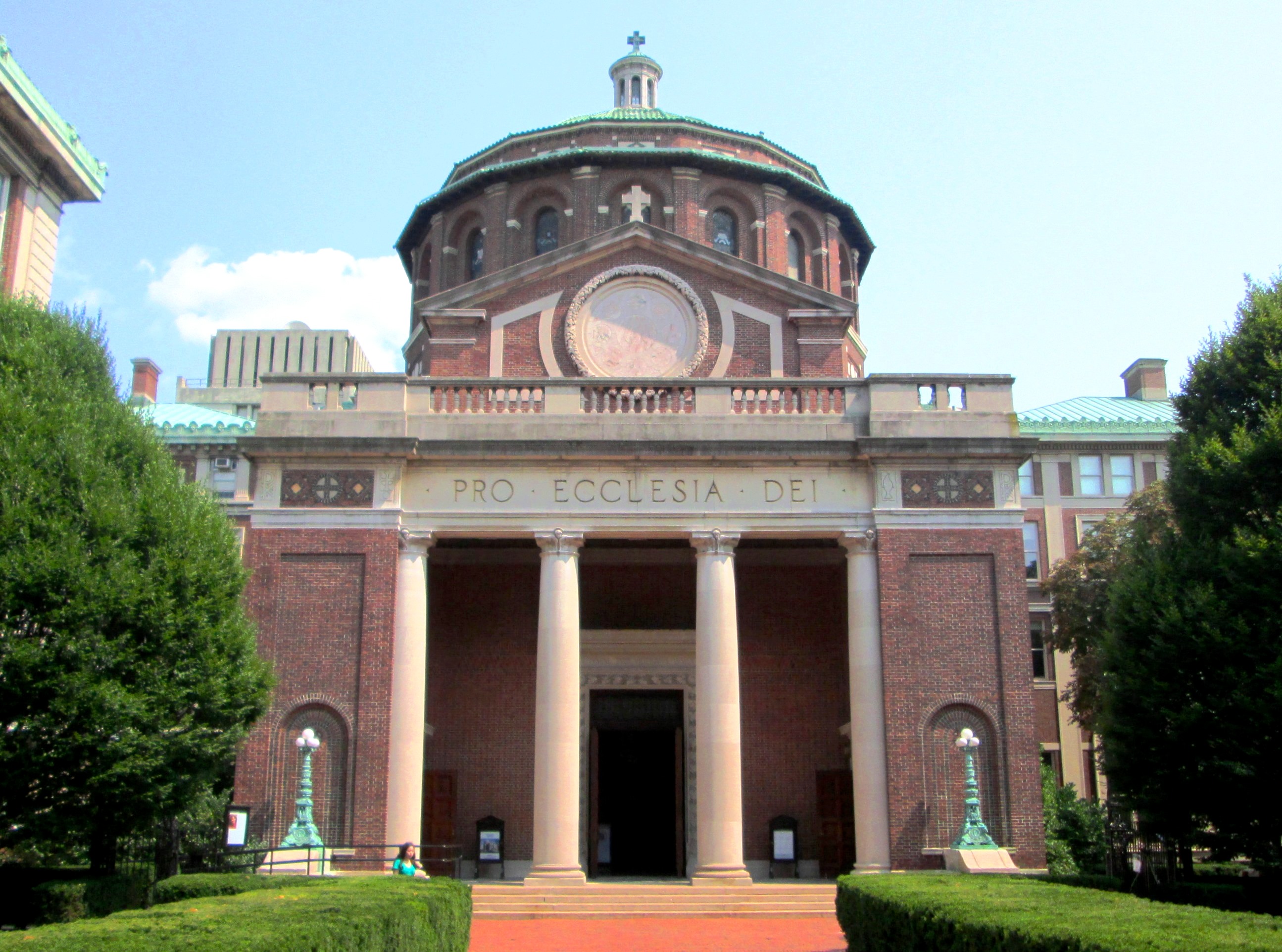
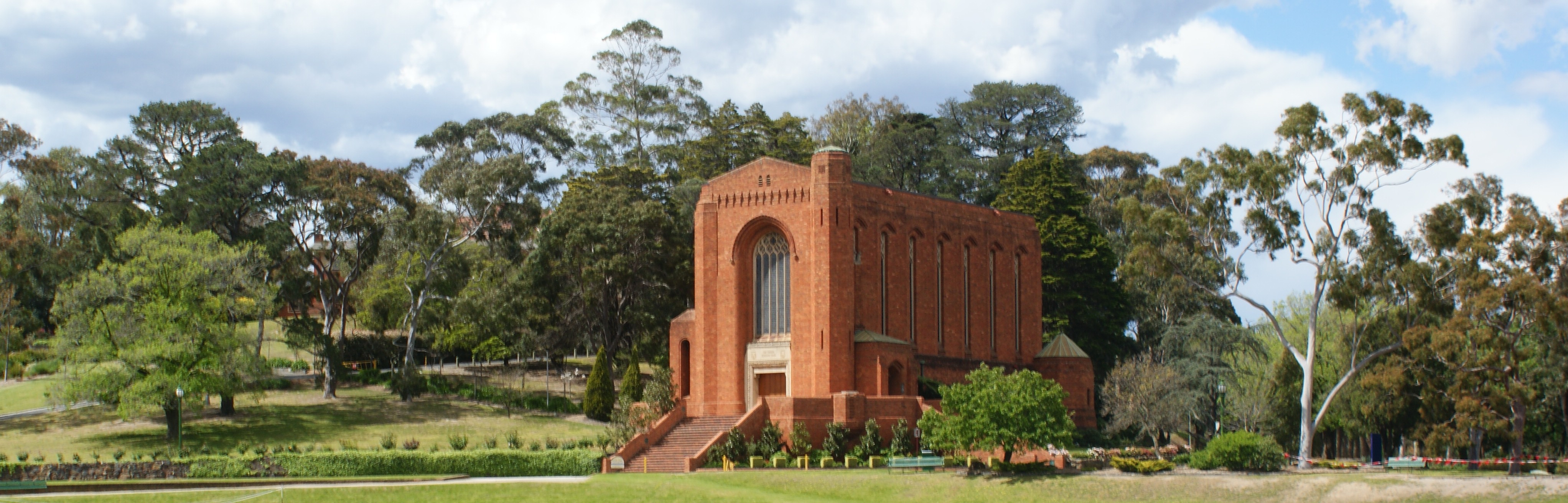
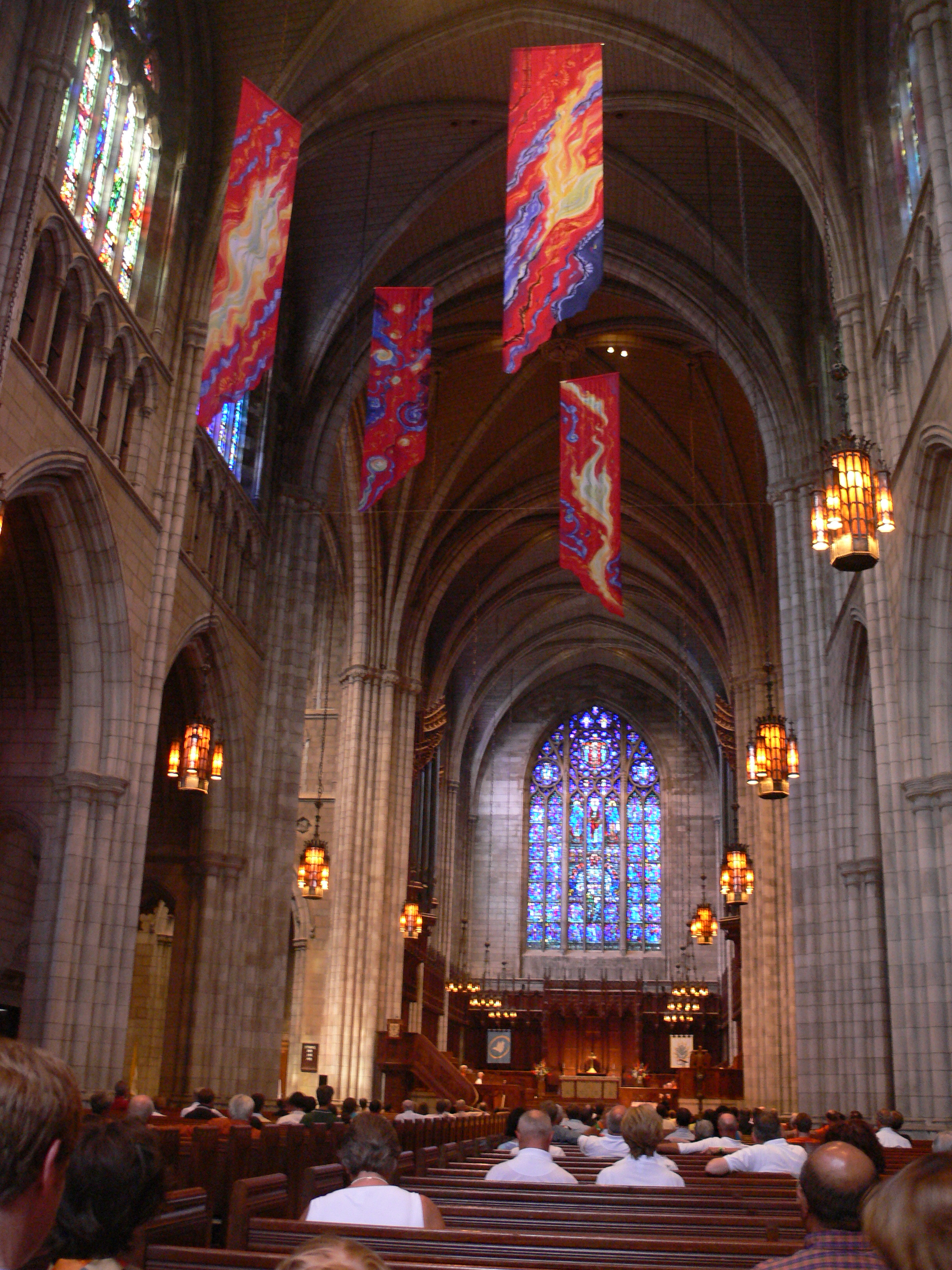
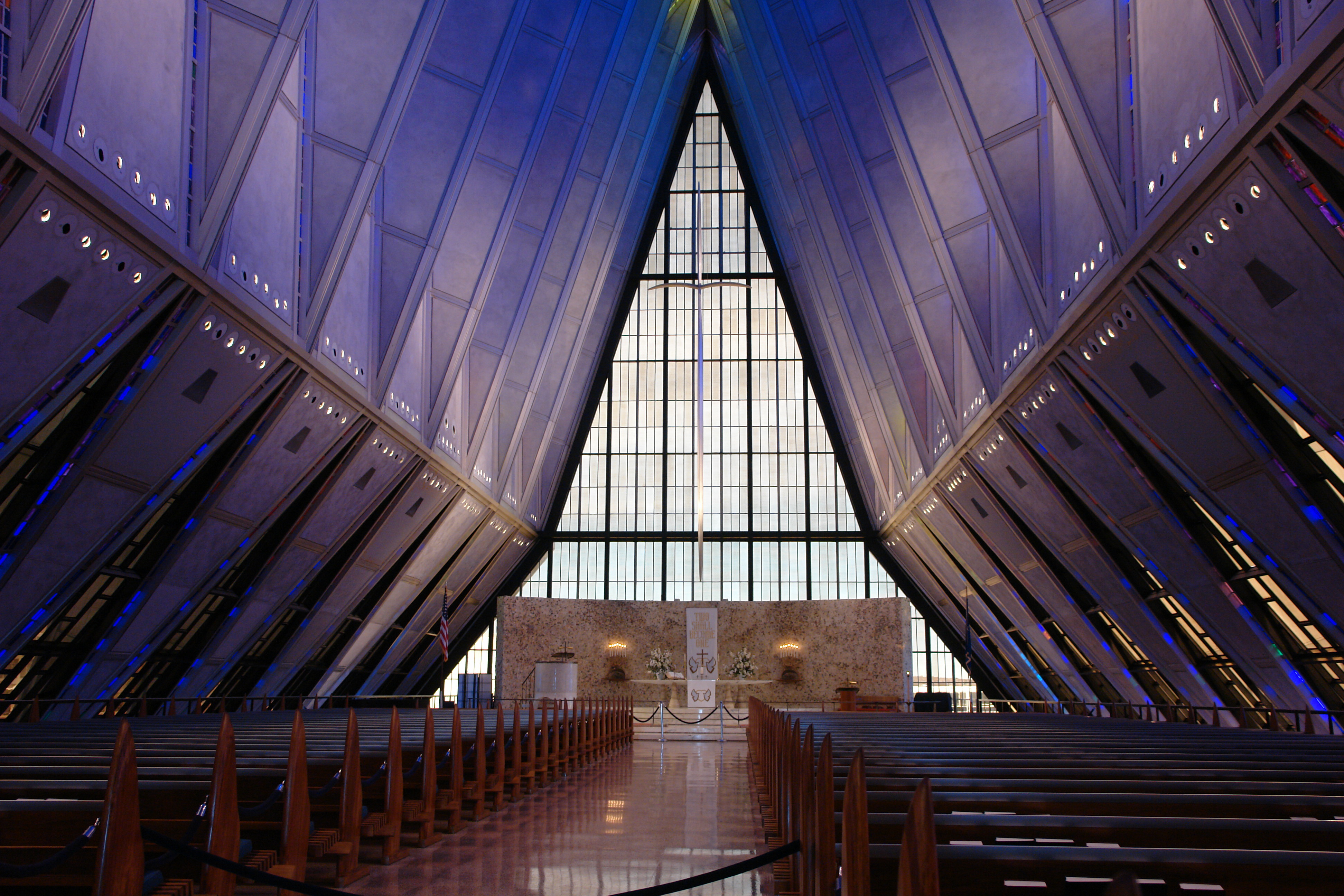
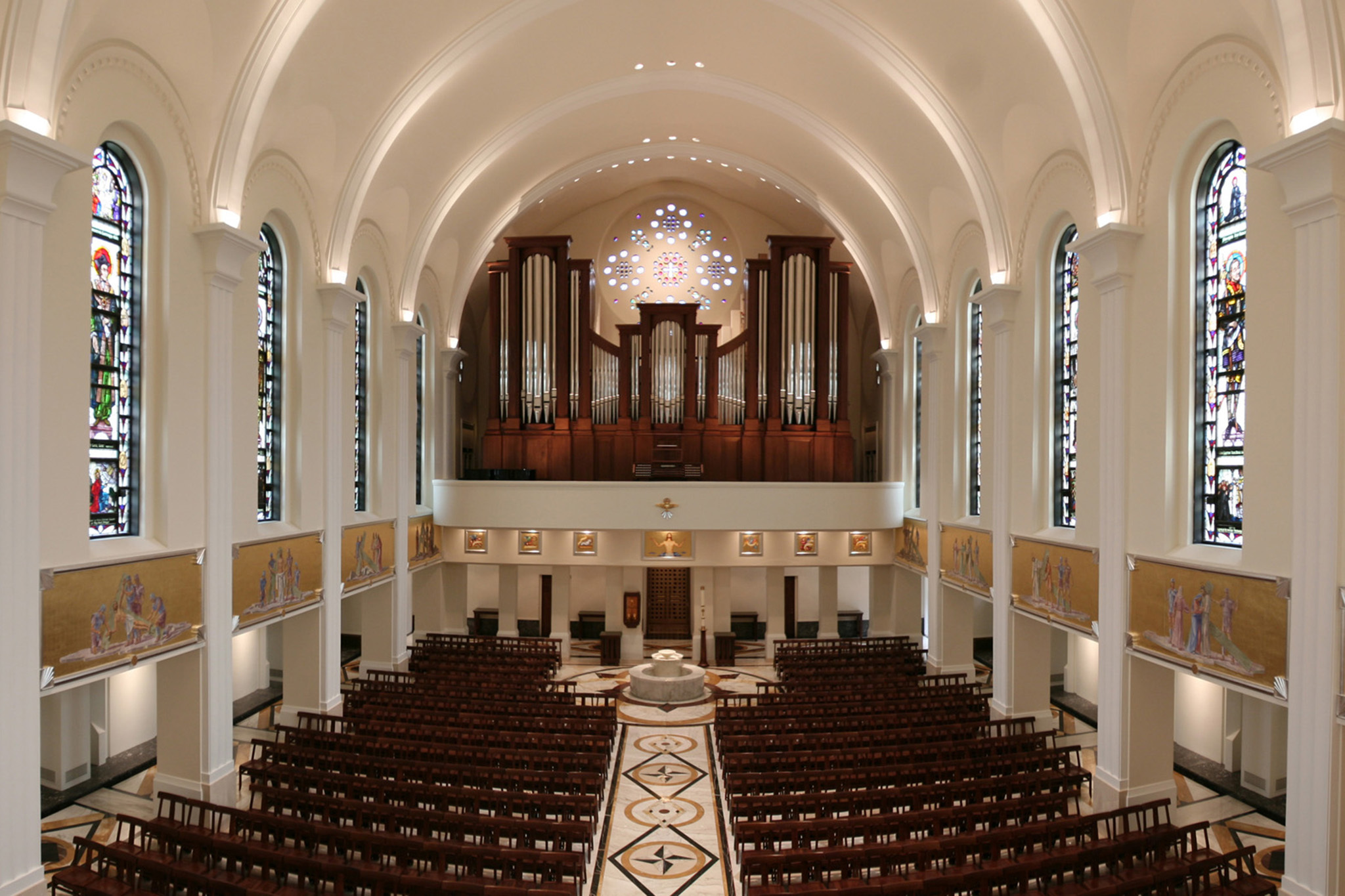
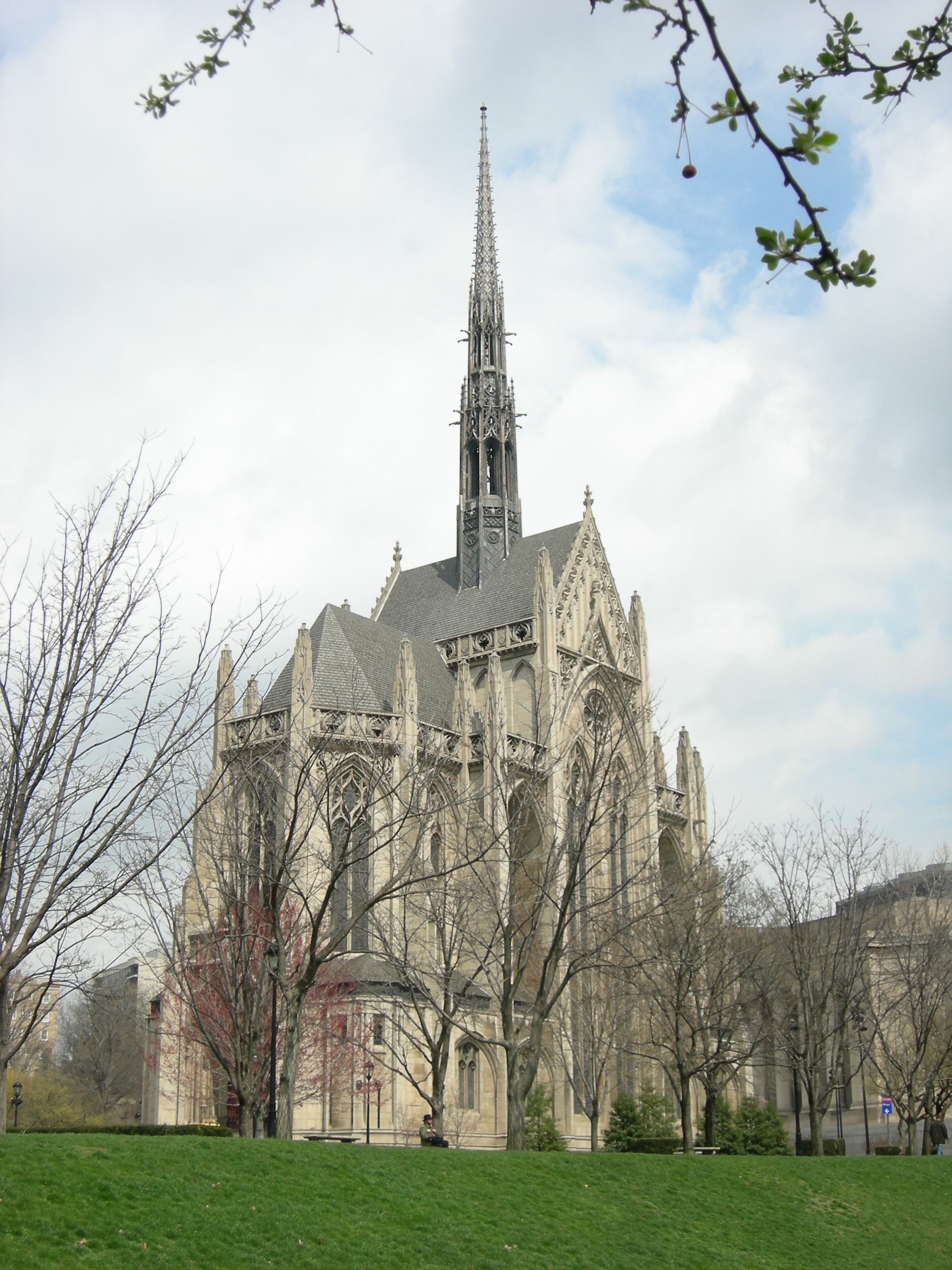
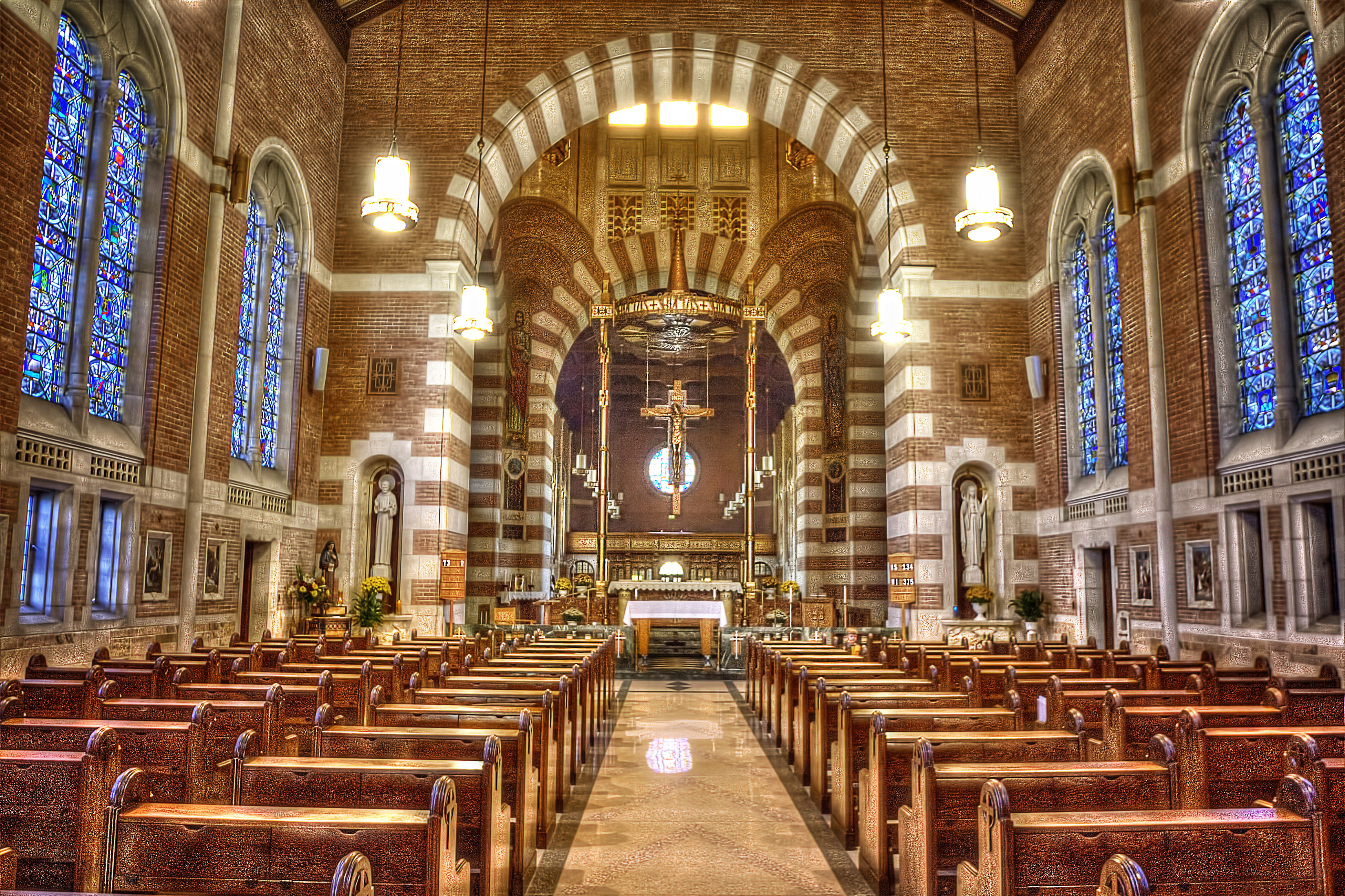
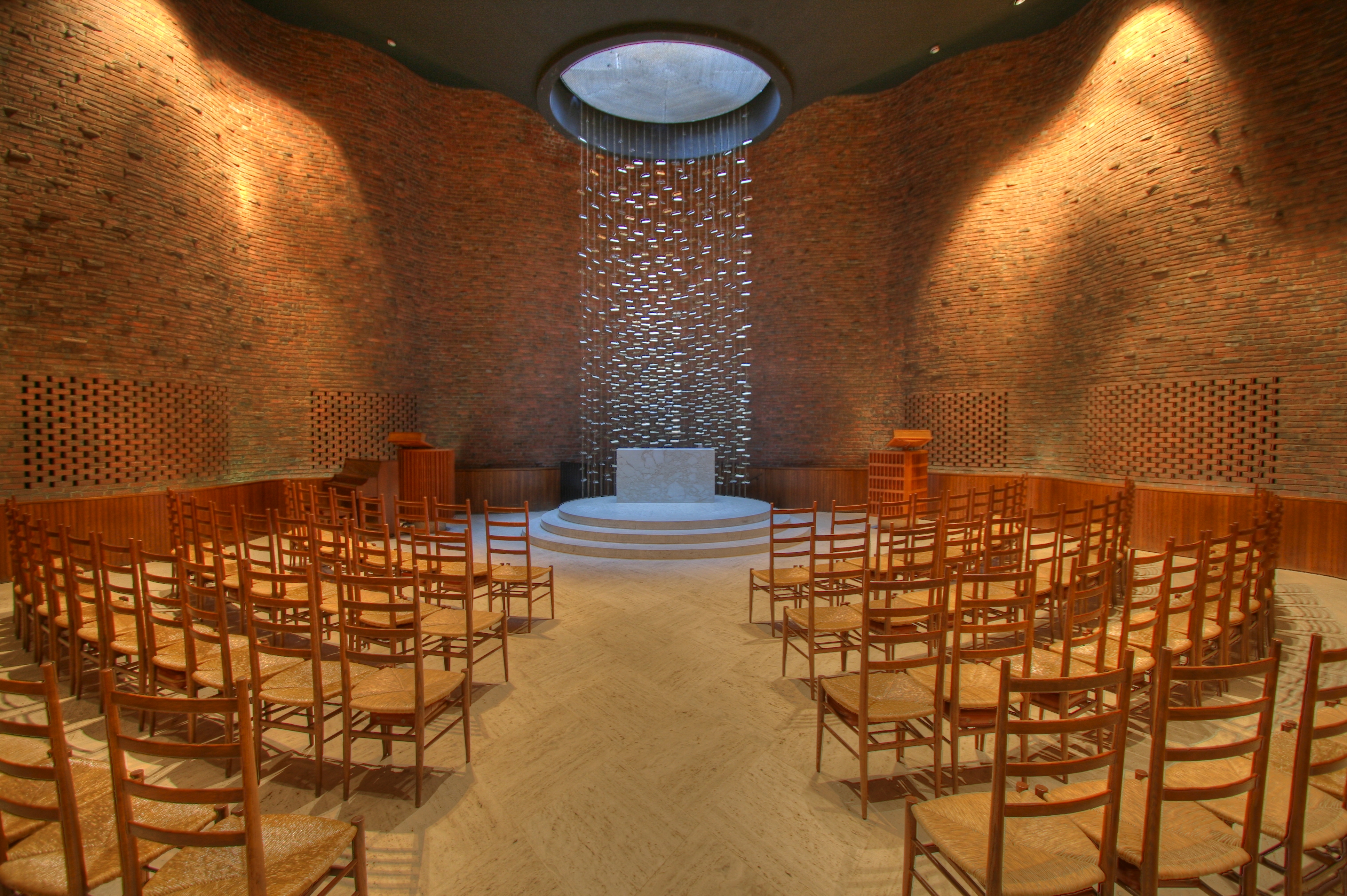
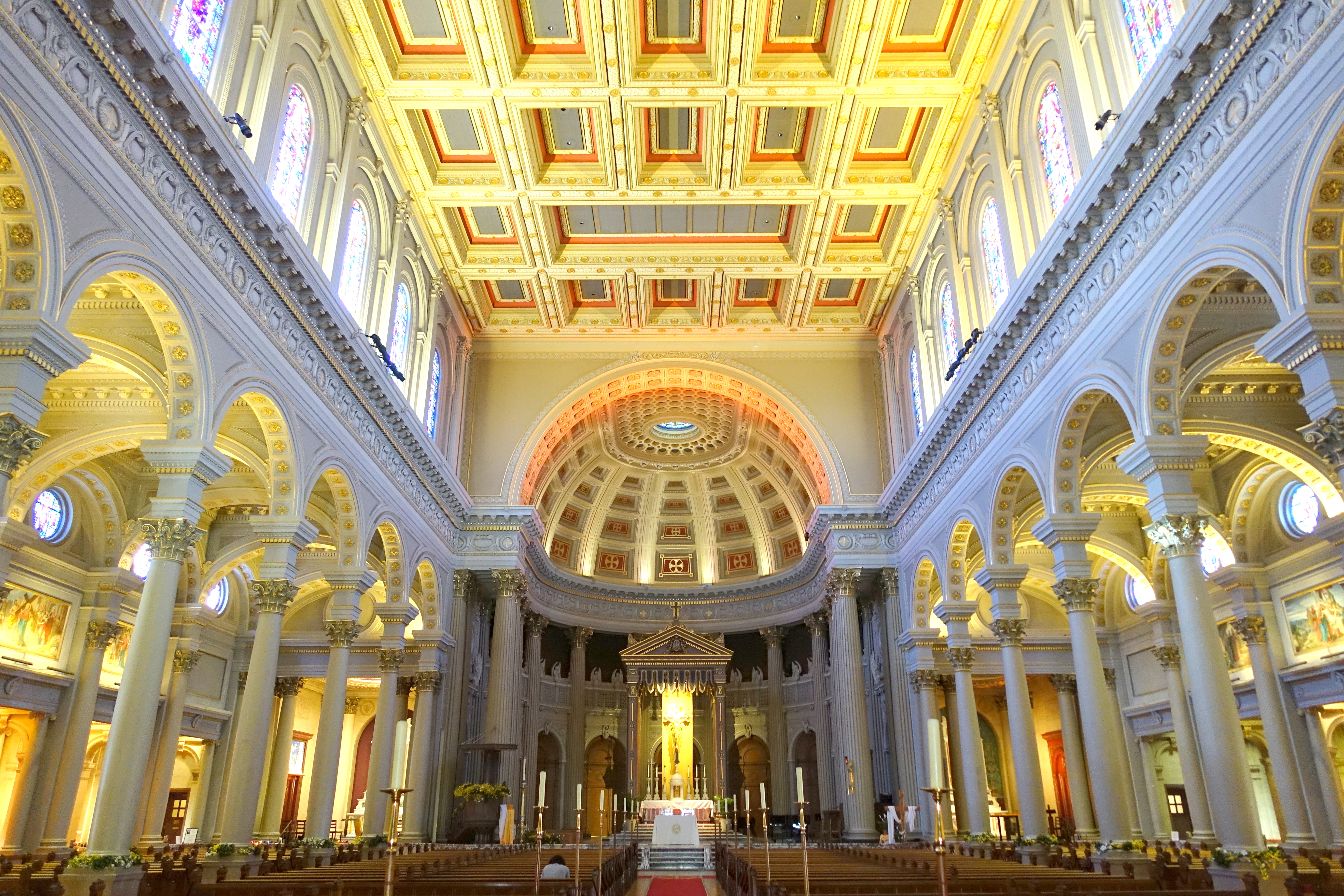
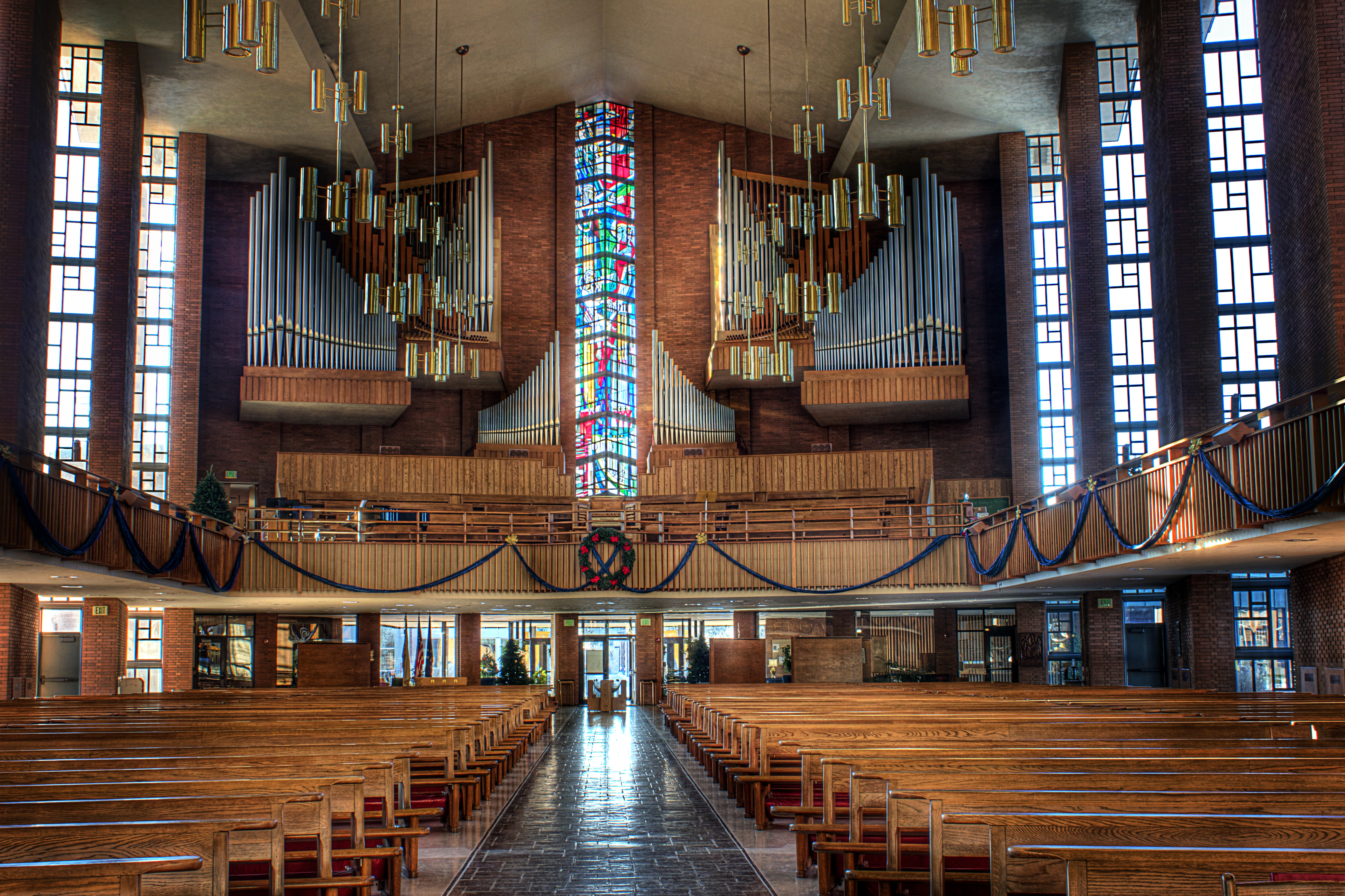
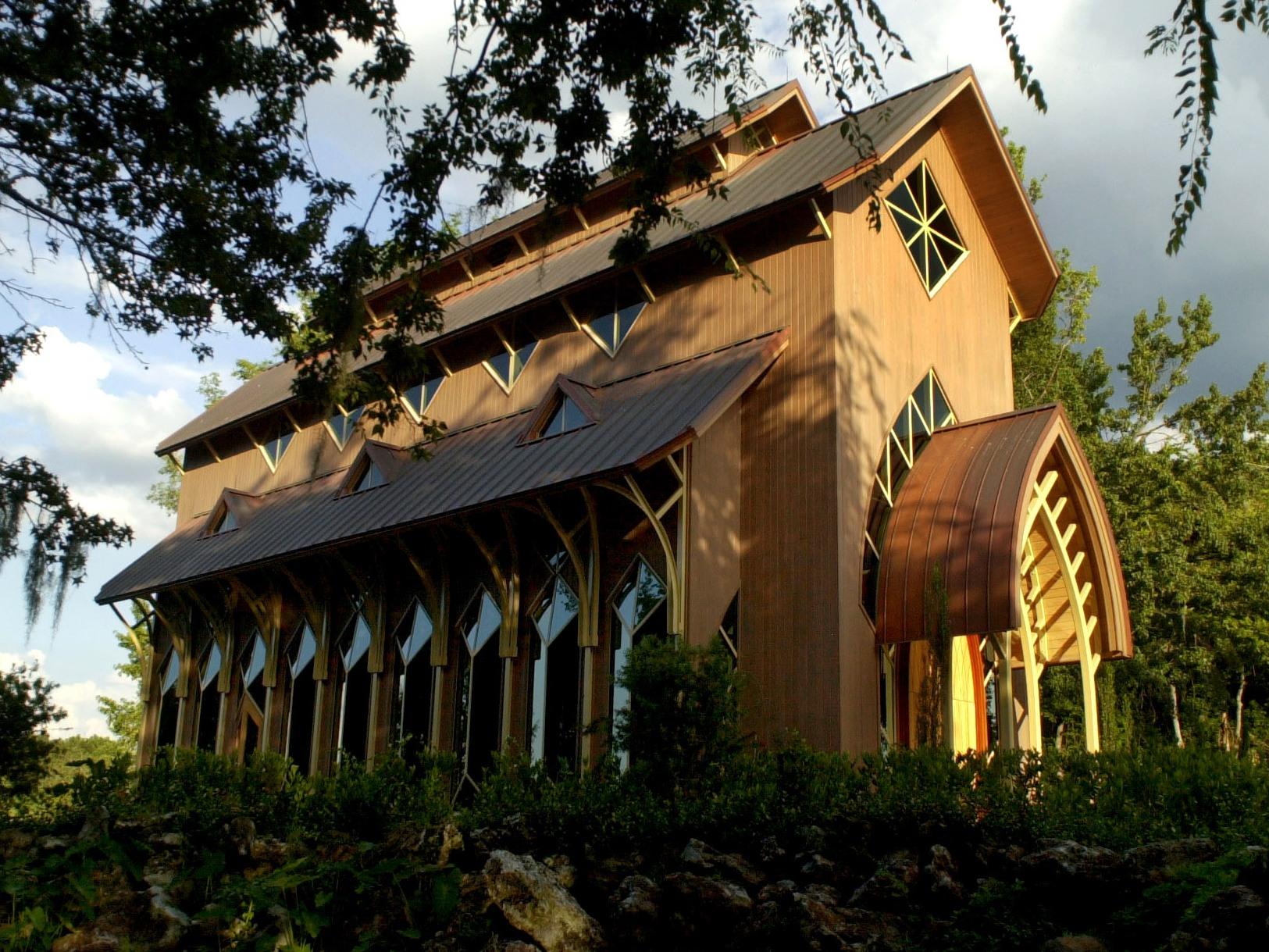

The founding of many education communities is inspired by faith communities. In many of them the place of worship was the very first building. College and university chapels are central places of worship for students, staff and faculty, and provide a space for solitude and reflection. A place for feeling at home in the world.
There are several hundred technical standards, or parts of standards, that govern how churches and chapels are made safe and sustainable. Owing to innovations in construction, operation and management methods, those standards move, ever so slightly, on a near-daily basis. They are highly interdependent; confounded by county-level adaptations; and impossible to harmonize by adoption cycle. That movement tracked here as best we can within the limit of our resources and priorities. That’s why it’s best to simply click into our daily colloquia if you have a question or need guidance.
Richard Miniter observes that the United States was founded as four distinct religious utopias, each originating from different regions and historical periods in England (and the broader British Isles). These groups, shaped by conflicts like the English Civil War, brought competing visions of society, governance, and faith that continue to influence American culture and politics today.1. New England Puritans (from East Anglia): Strict, communal Calvinists seeking a “city upon a hill” with moral oversight and collective piety.
2. Cavalier culture in Virginia and the South (from southwest England): Hierarchical, Anglican/Royalist tradition emphasizing order, honor, and aristocratic values.
3. Middle States (influenced by the West Midlands): More tolerant, pluralistic Quaker and other nonconformist approaches fostering commerce and individual liberty.
4. Appalachian borderlands (from the English-Scottish border): Scots-Irish Presbyterian folkways stressing independence, martial honor, and anti-authoritarian egalitarianism.These enduring subcultures create ongoing tensions over freedom, authority, and religion in America.
Today is the Feast of Corpus Christi.
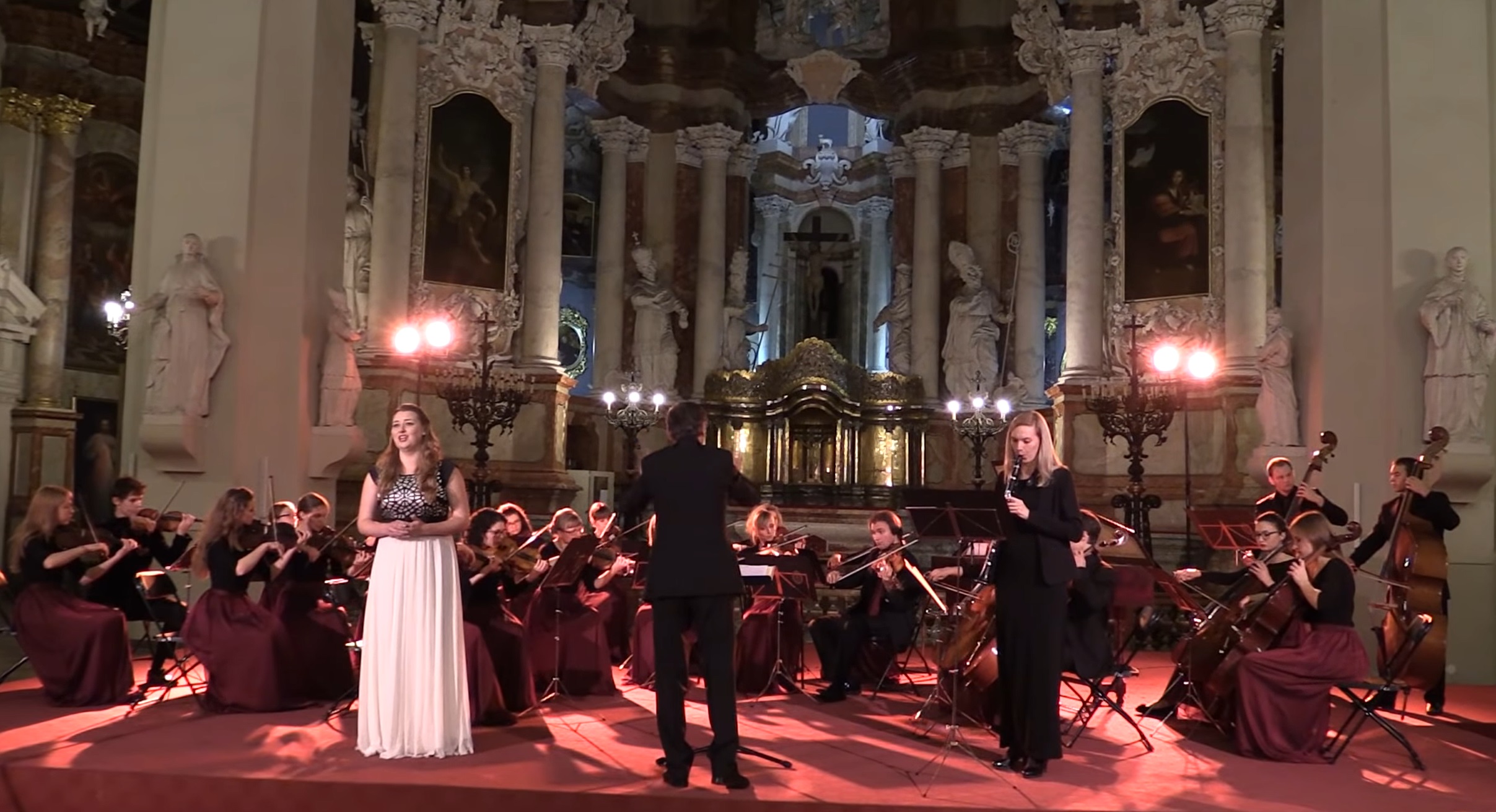
The 13th century Eucharistic chant of Ave verum corpus was set to music by Mozart in 1791 to be sung especially to celebrate the feast day.
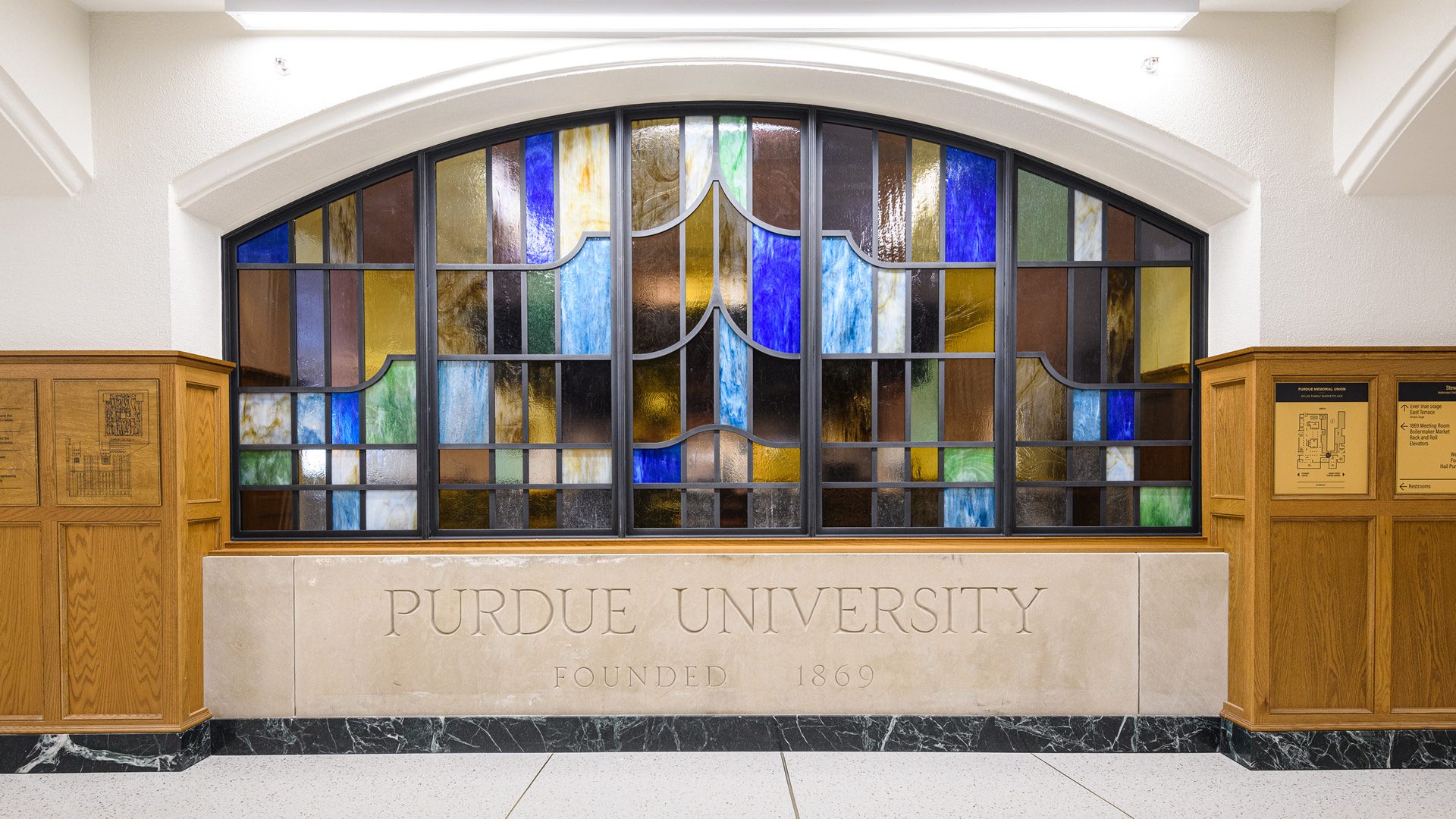
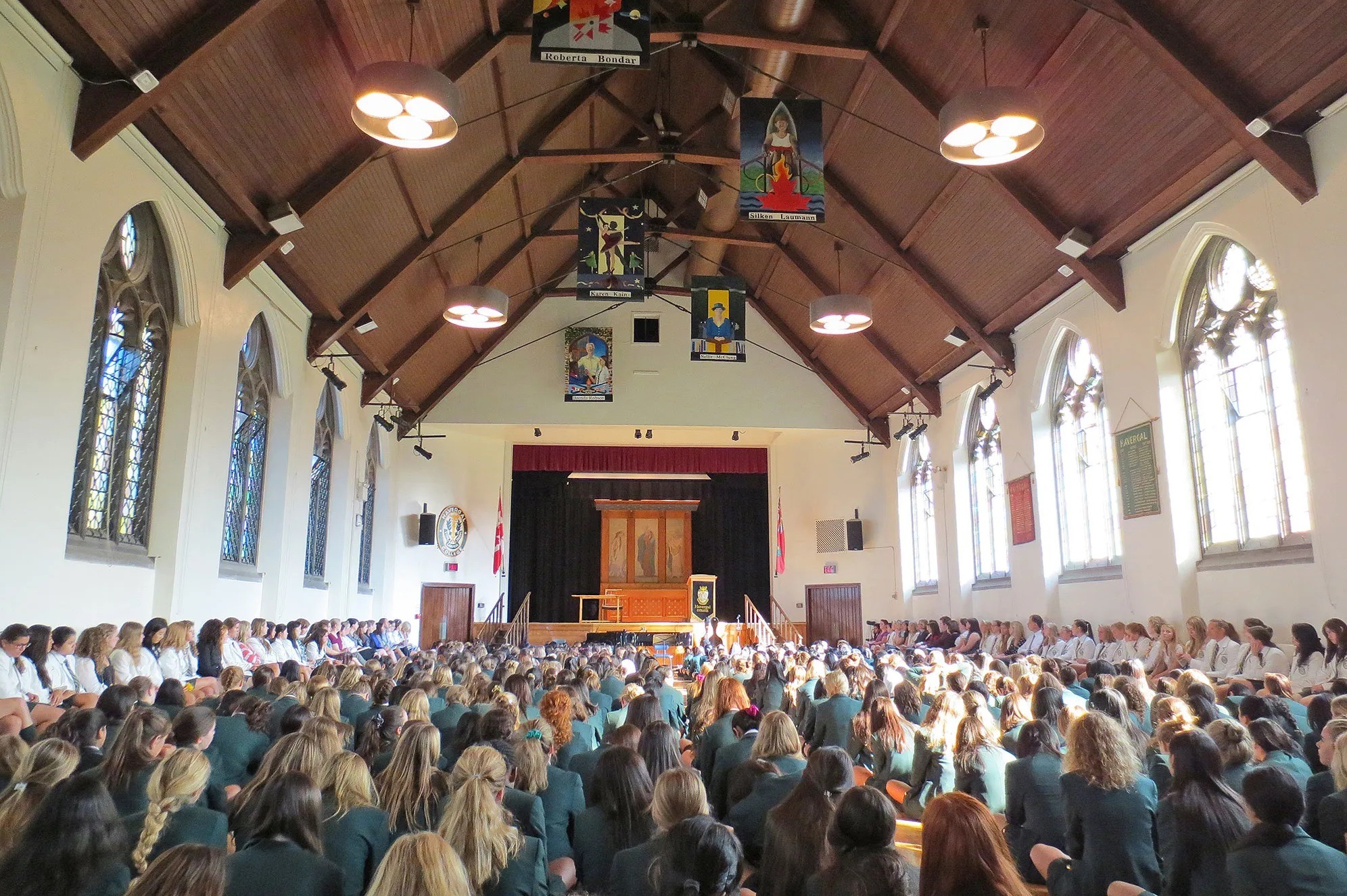
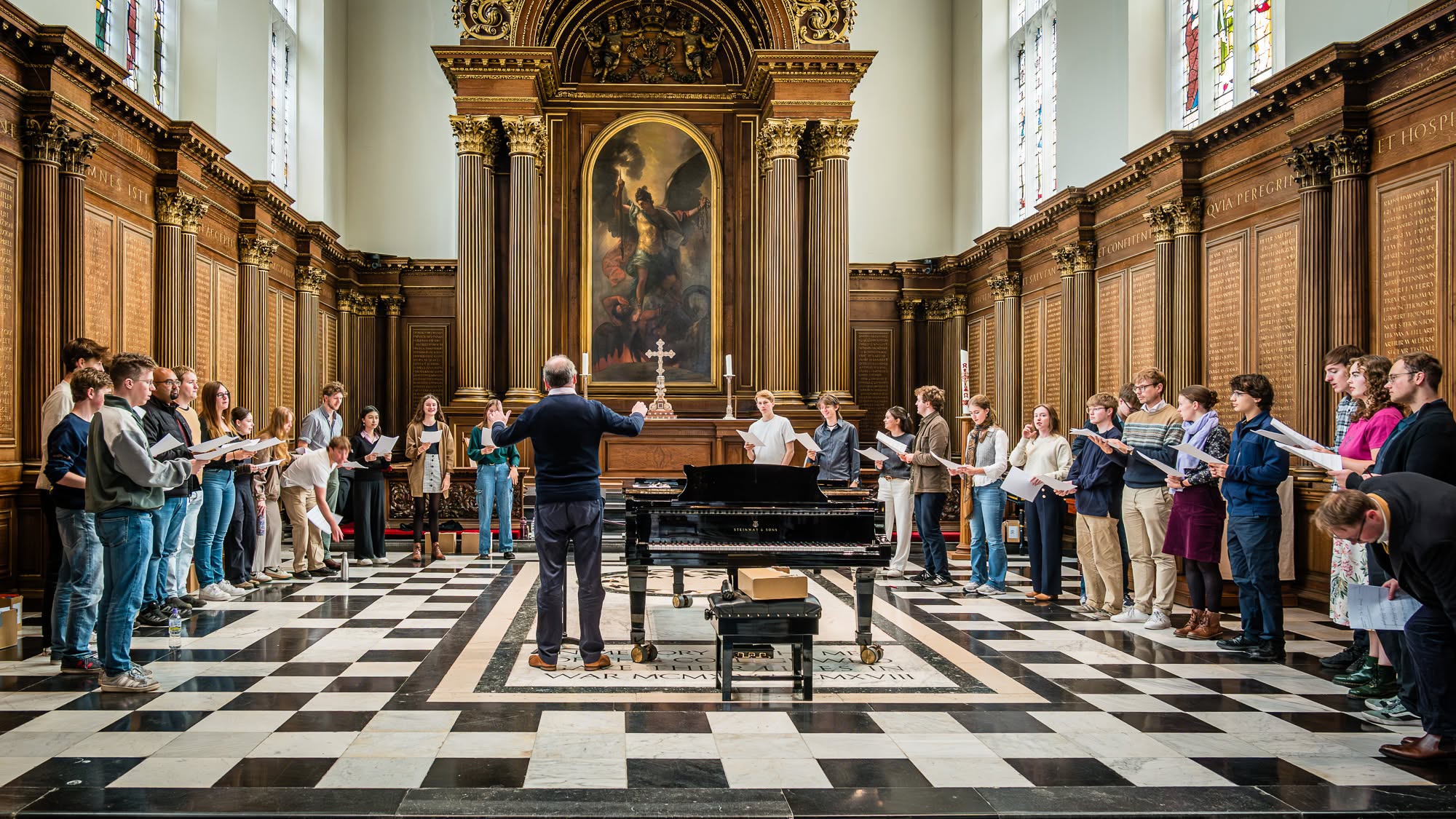
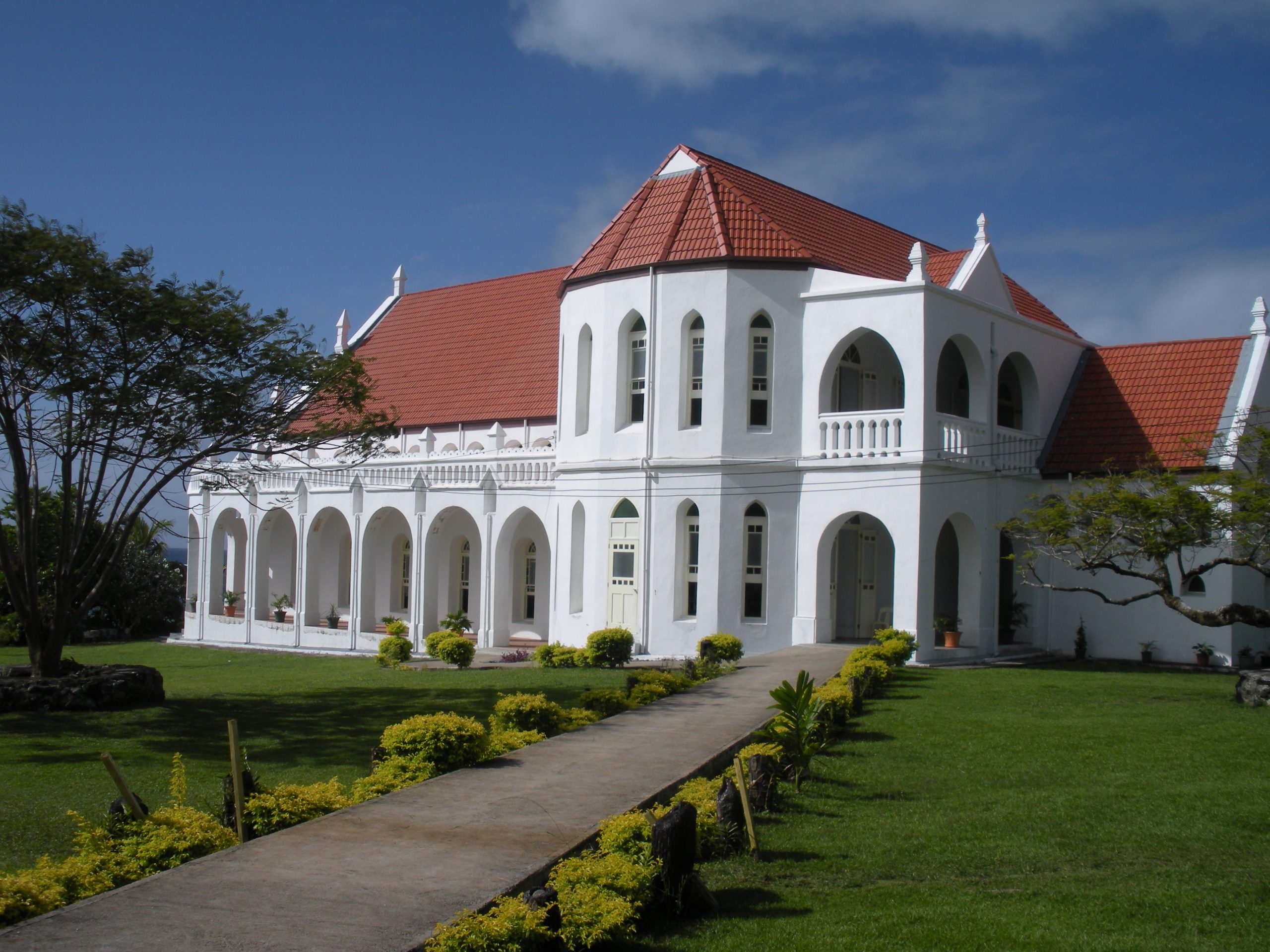
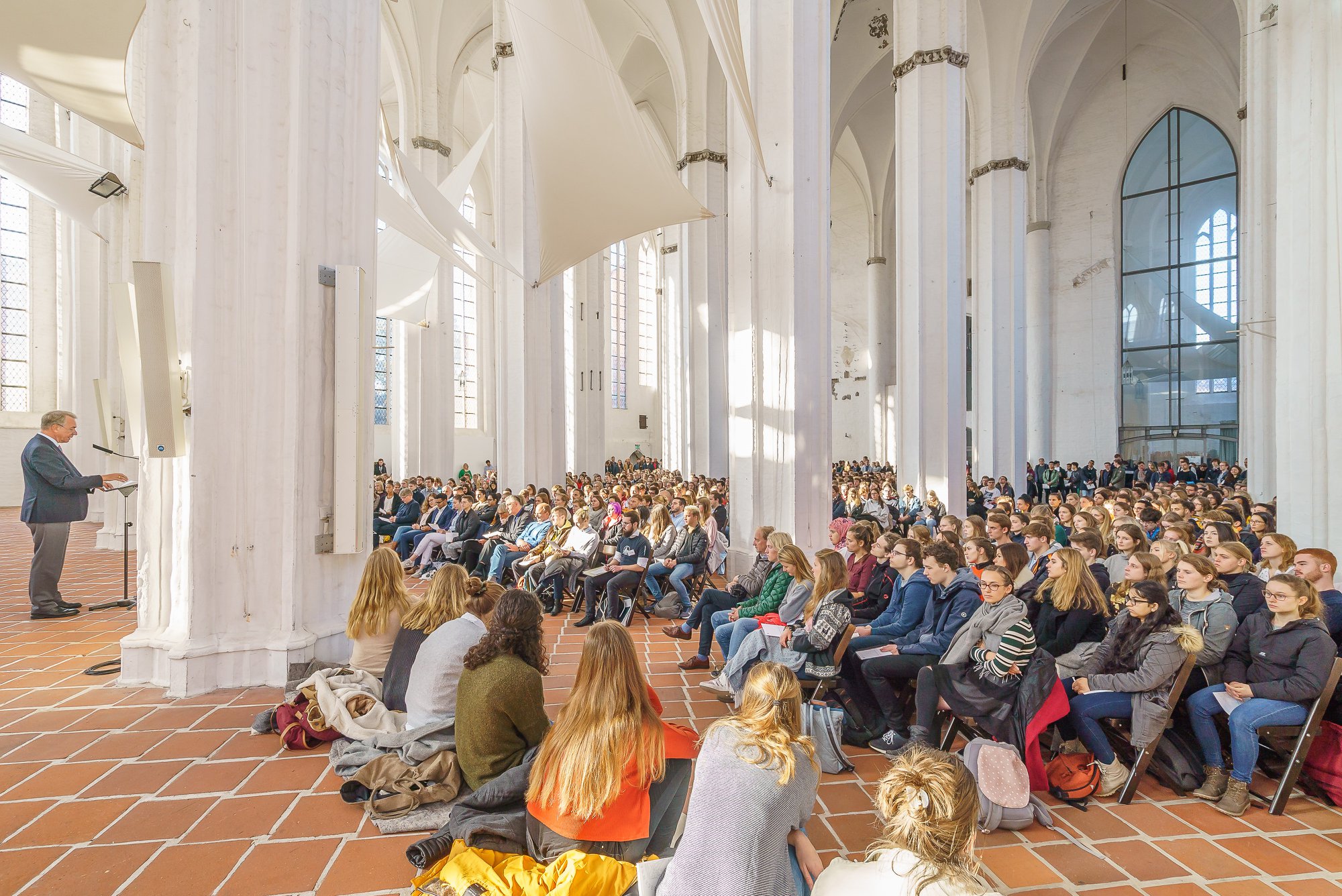
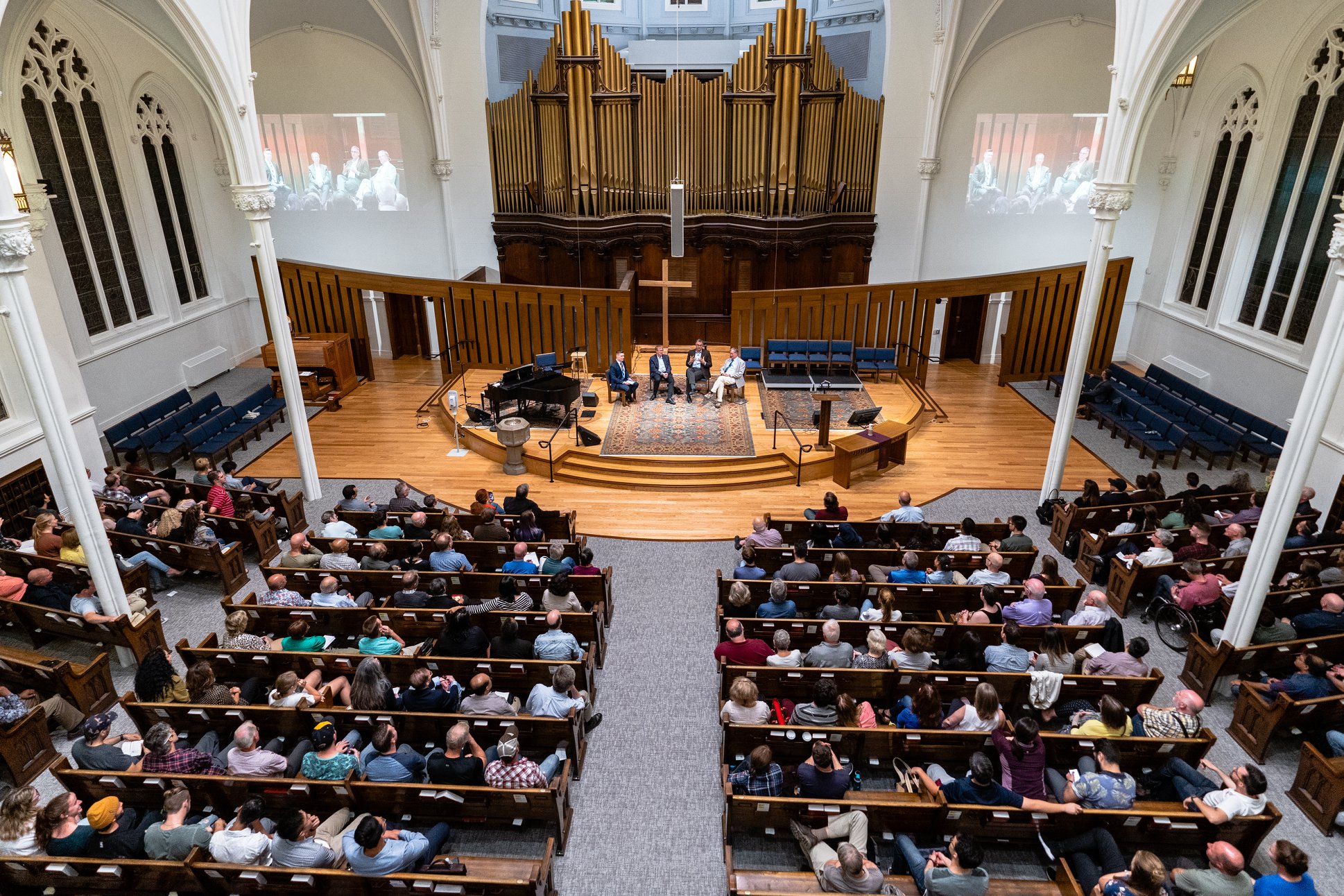
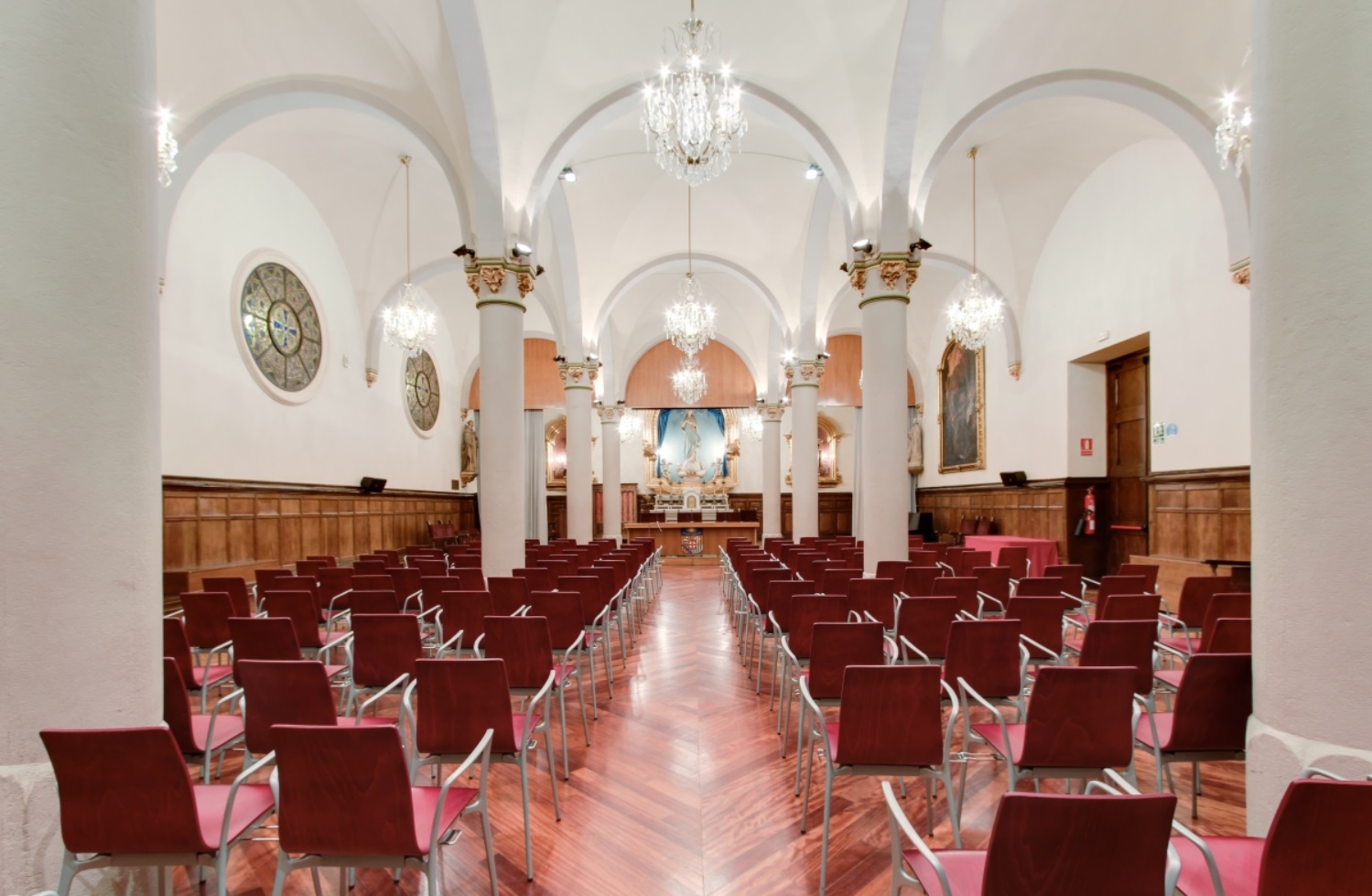
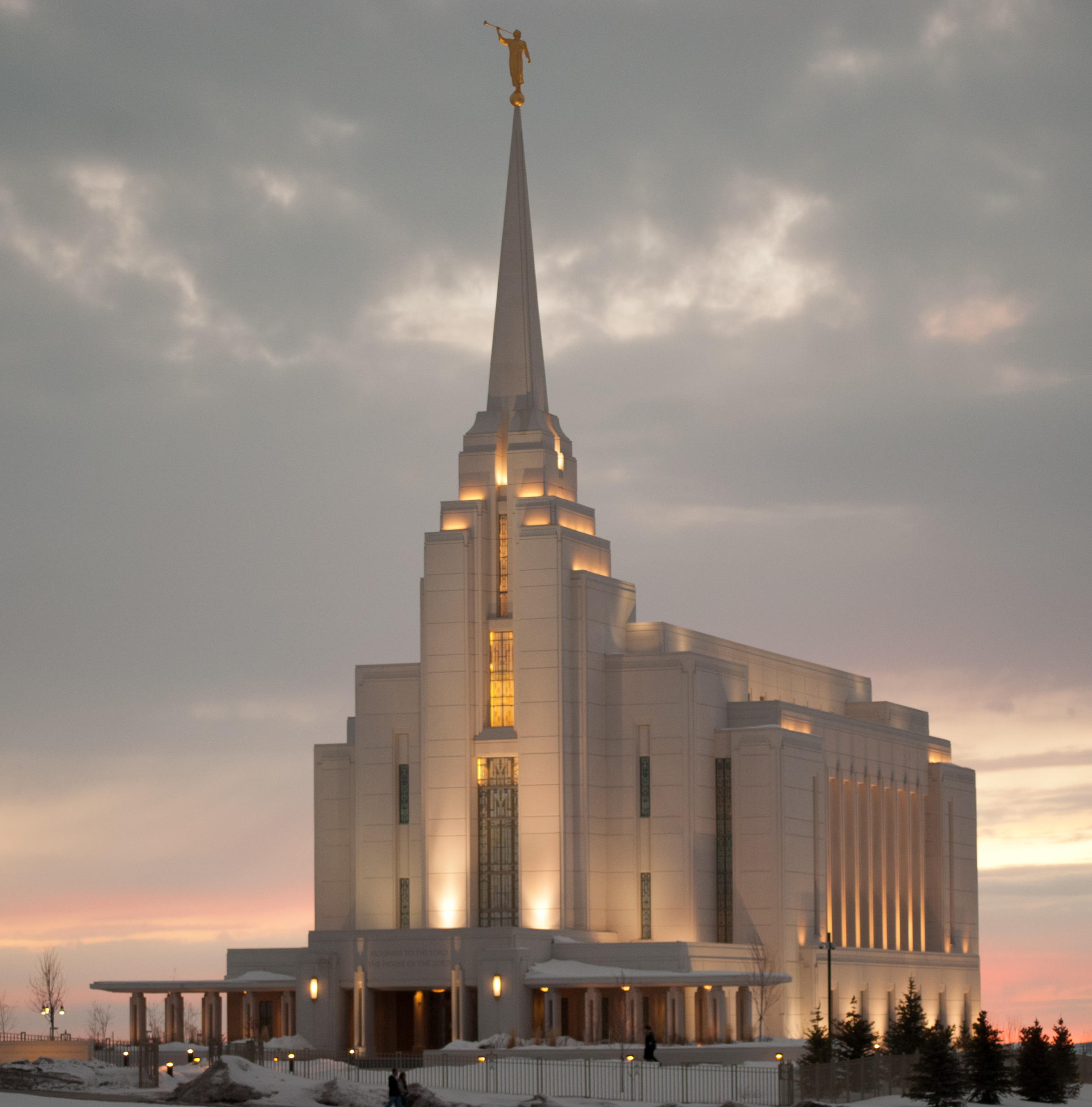
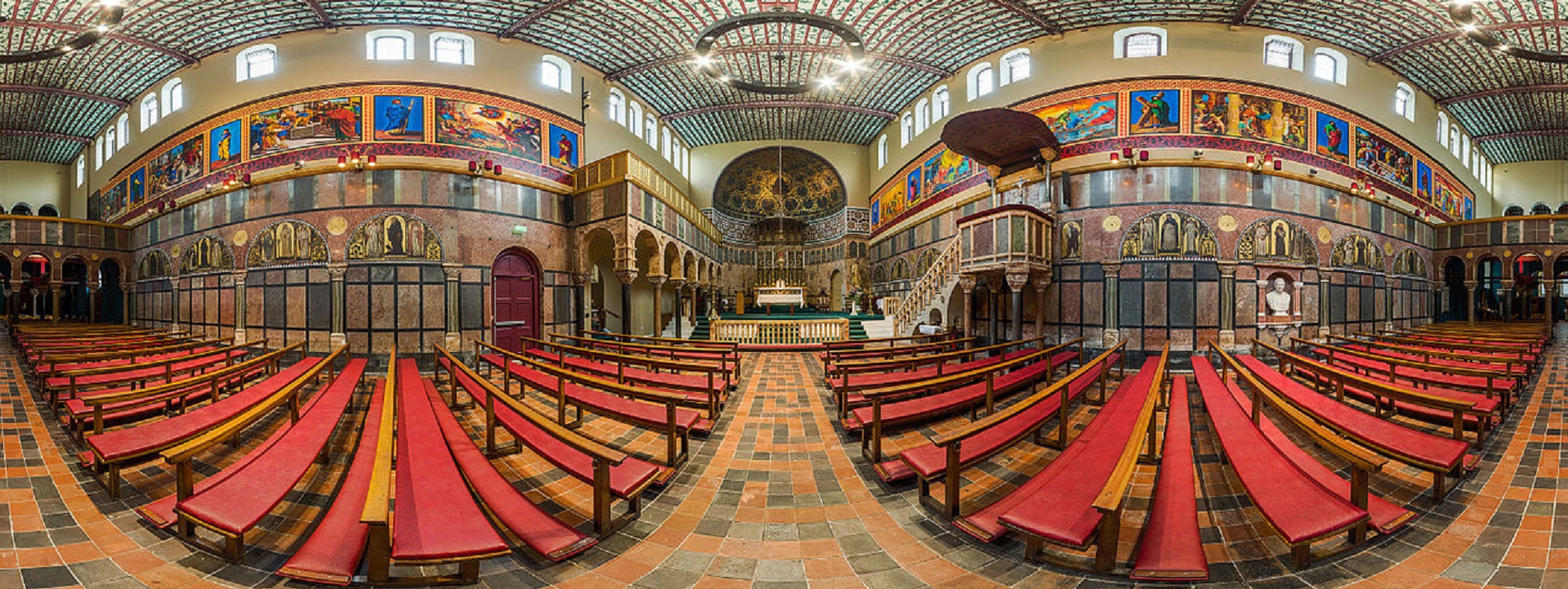
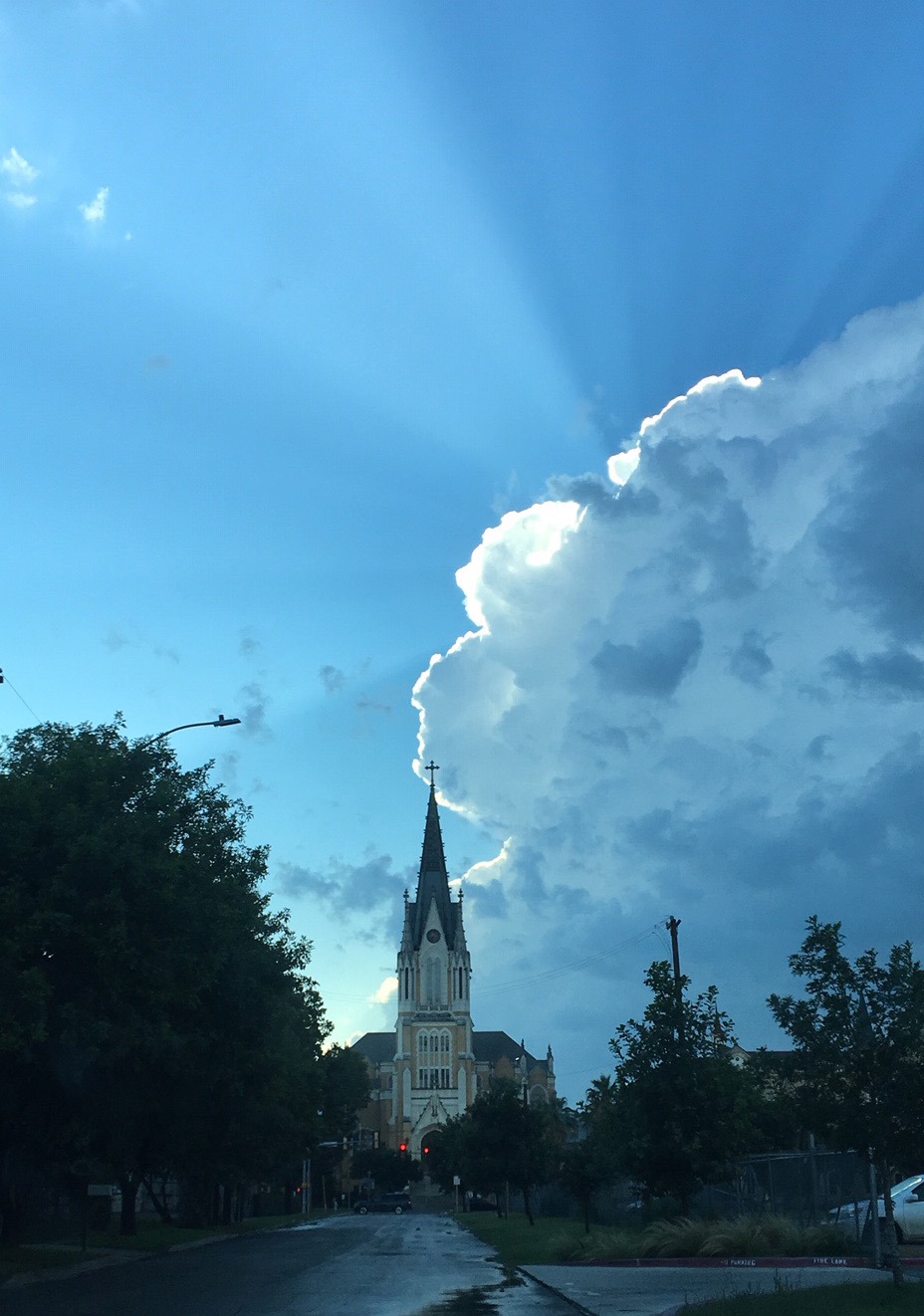
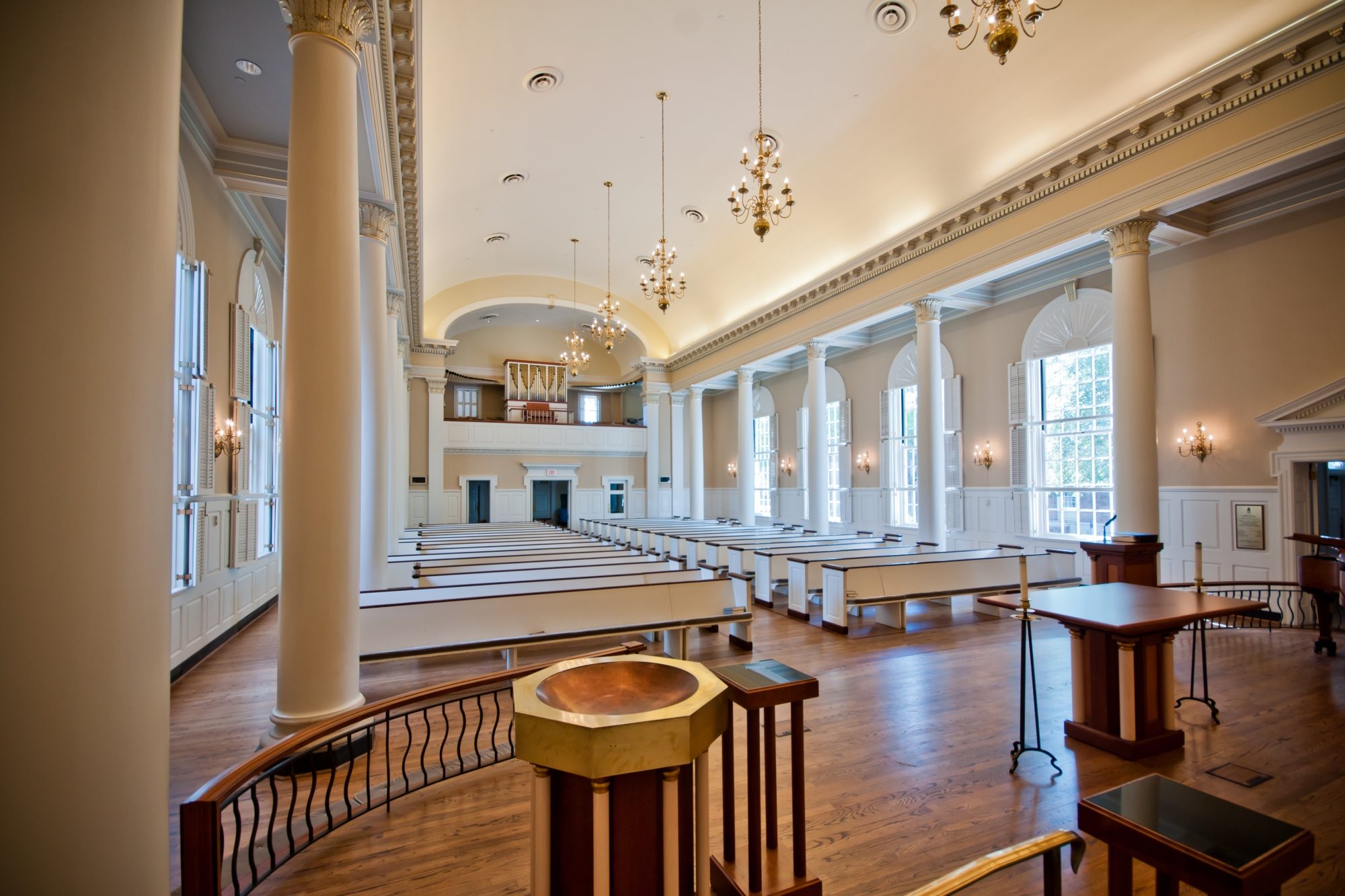
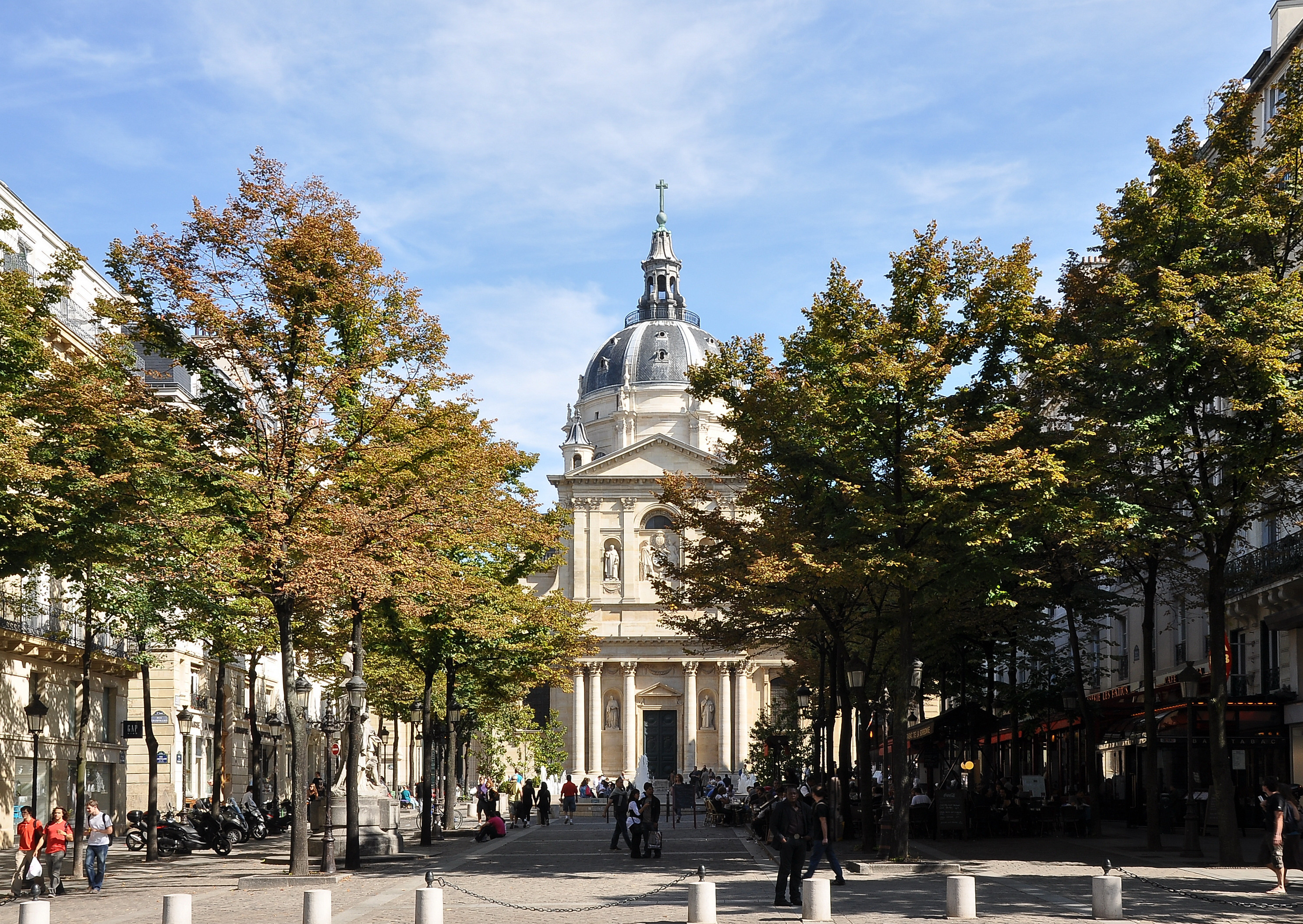
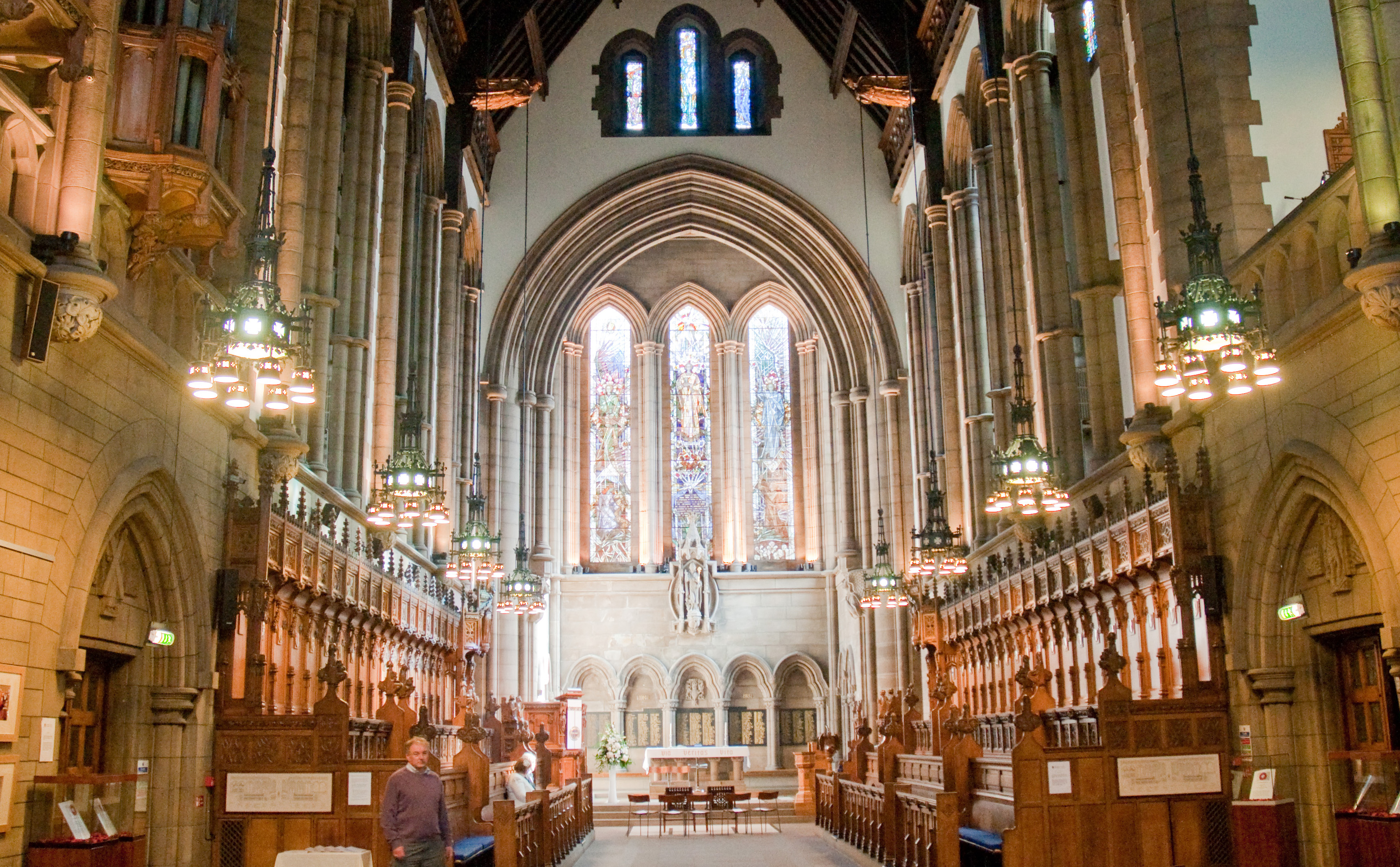
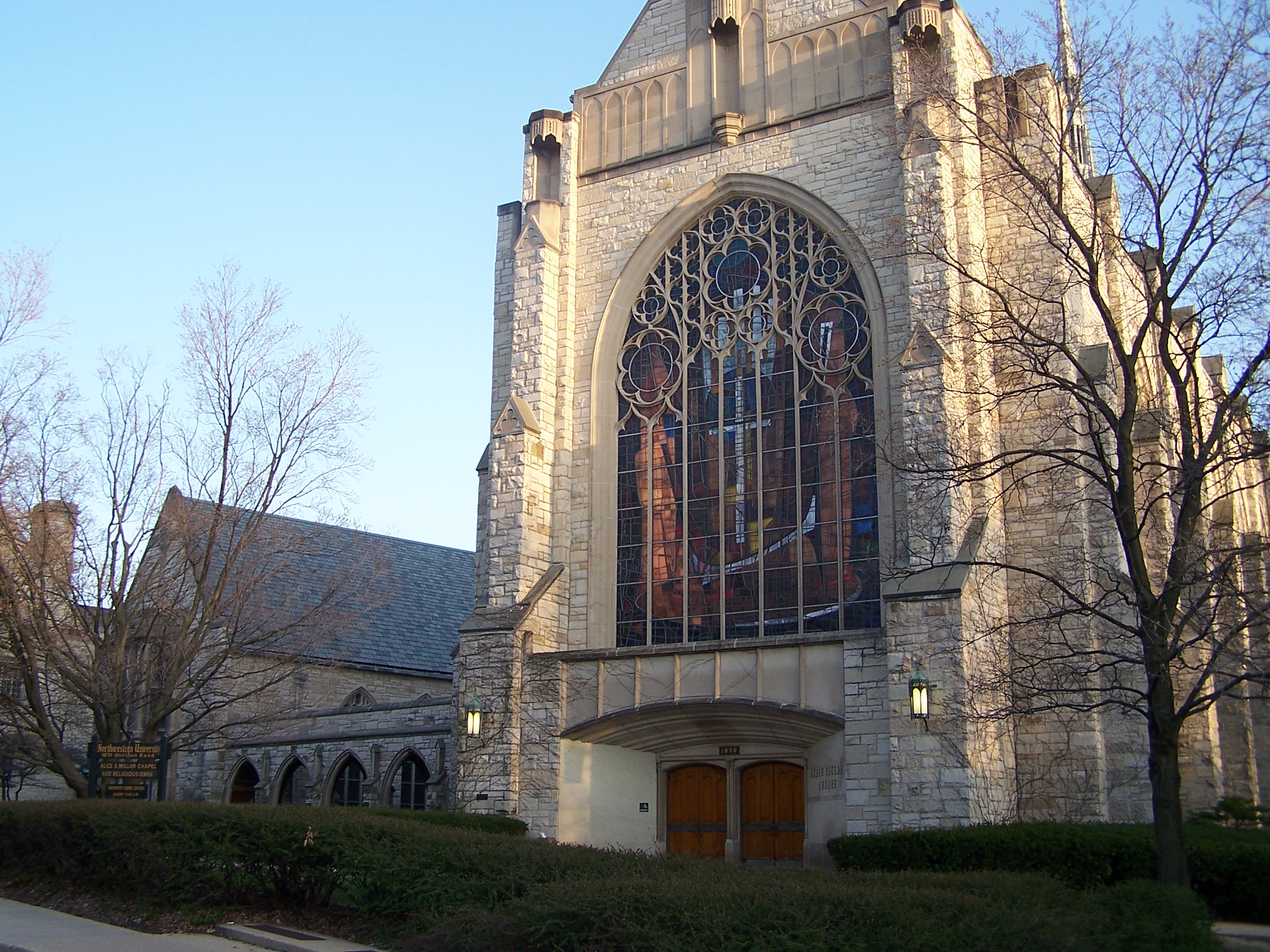
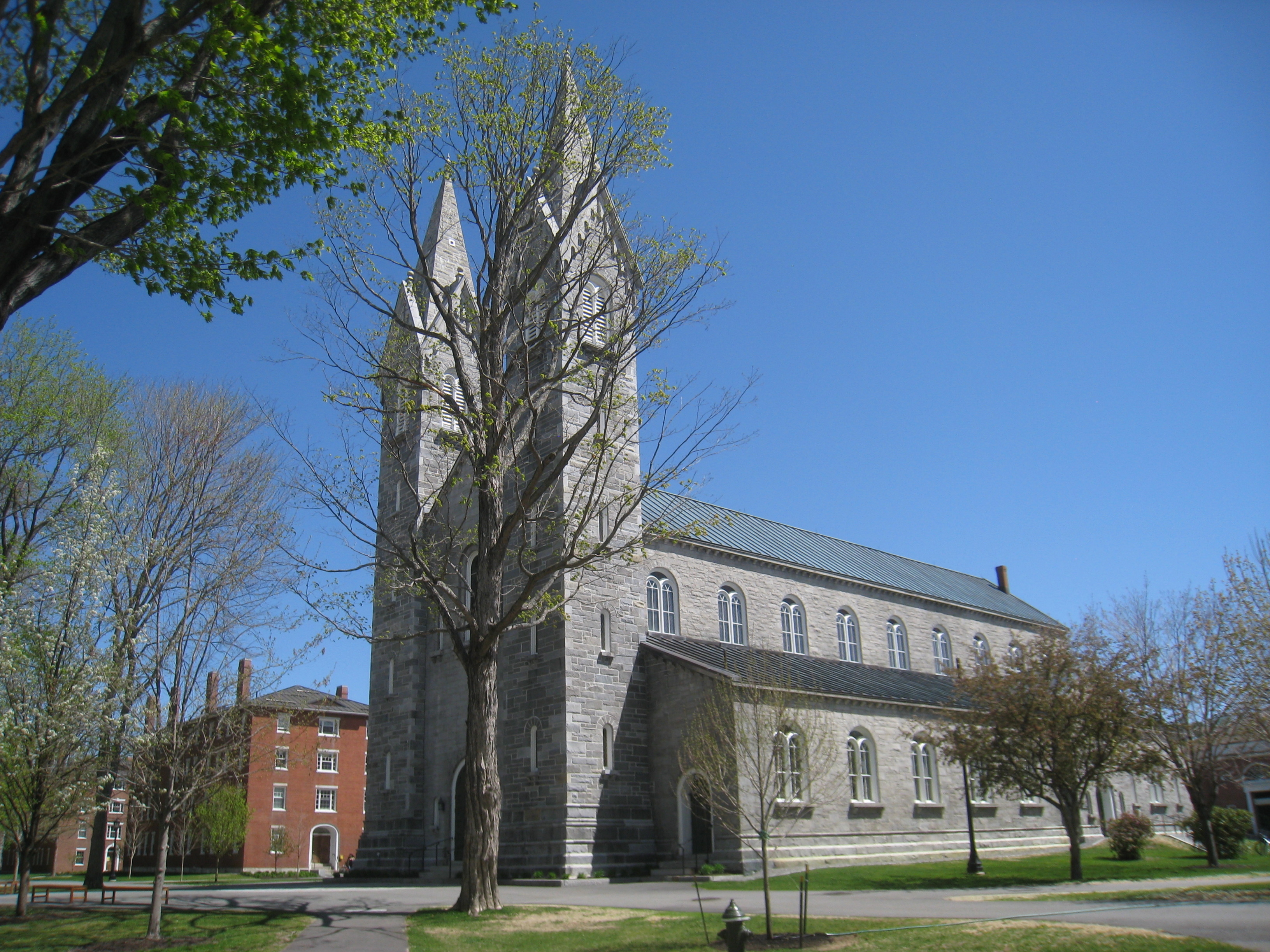
The image criteria of our WordPress theme does not permit many images of college and university chapels to be shown fully-dimensioned on sliders or widget galleries. We reproduce a few of the outsized images here and leave the complexities of financing, designing, building and maintaining of them in a safe and sustainable manner for another day. CLICK HERE for the links to our Sacred Space Standards workspace.
Click on any image for author attribution, photo credit or other information*.
UAL is Europe’s largest specialist university for art, design, fashion, communication, and performing arts. It ranks 2nd globally in Art and Design (QS World University Rankings 2023). Formed in 2004 from historic colleges dating back to the 19th century, UAL is a collegiate federation of six renowned institutions:
Camberwell College of Arts
Central Saint Martins (famous for alumni like Alexander McQueen and Stella McCartney)
Chelsea College of Arts
London College of Communication
London College of Fashion
Wimbledon College of Arts
With over 18,000 students from more than 130 countries, UAL offers pre-degree to postgraduate courses, fostering innovation through professional practitioners as tutors. Its graduates dominate creative industries, including Turner Prize winners and British Designer of the Year recipients. Campuses span London, immersing students in the world’s creative capital…’
New update alert! The 2022 update to the Trademark Assignment Dataset is now available online. Find 1.29 million trademark assignments, involving 2.28 million unique trademark properties issued by the USPTO between March 1952 and January 2023: https://t.co/njrDAbSpwBpic.twitter.com/GkAXrHoQ9T