
Today at the usual hour we revisit previous coverage of standards action affecting the essential works of educational settlements and bring them forward. We will also review open public consultations on standards incorporated by reference into public law. Use the login credentials at the upper right of our home page.

Author Archives: mike@standardsmichigan.com
- Home
- Articles posted by mike@standardsmichigan.com (Page 2)

loading...

Excellence in Facilities Management
“By much slothfulness the building decayeth; and through idleness of the hands the house droppeth through.”
— Ecclesiastes 10:18


IEEE JTC PES/IAS NFPA 70 Update
We’re running into file access problems. As soon as they are available the results will be posted here.

Facility Management
“The work of the eyes is done.
Go now and do the heart-work
on the images imprisoned within you.”
— Rainer Maria Rilke (1929 “Letters to a Young Architect”)

“Architect’s Dream” 1840 | Thomas Cole

The internationalization of the education industry continues at a brisk pace and so do the enterprises that support the primary business of learning, teaching and discovering. Educational campuses, and related university-affiliated medical research and healthcare enterprises, represent one of the largest assets owned and operated by any state.
In a state such as the State of Michigan, for example, with a gross state product of about $500 billion, the value of public real property assets may be on the order of $50 billion*. If taking 2 percent off the cost owning, operating and maintaining those assets every year resulted in a savings of $1 billion million every year simply because conformance to a standard that reduced destructive competition and redundancy is meaningful, then those agencies should pay attention. Alas, they do not, or not yet; a condition we describe in our ABOUT.
There is no reason to believe that internationalization of campus facility management practices cannot be as transformative to an industry as the ISO 9000 catalog of management standards were to, say, to the Michigan automobile industry 50-odd years ago. In other words, the Michigan experience with globalization of its core industry was hastened precisely because of the conformance template that the ISO-9000 suite provided.
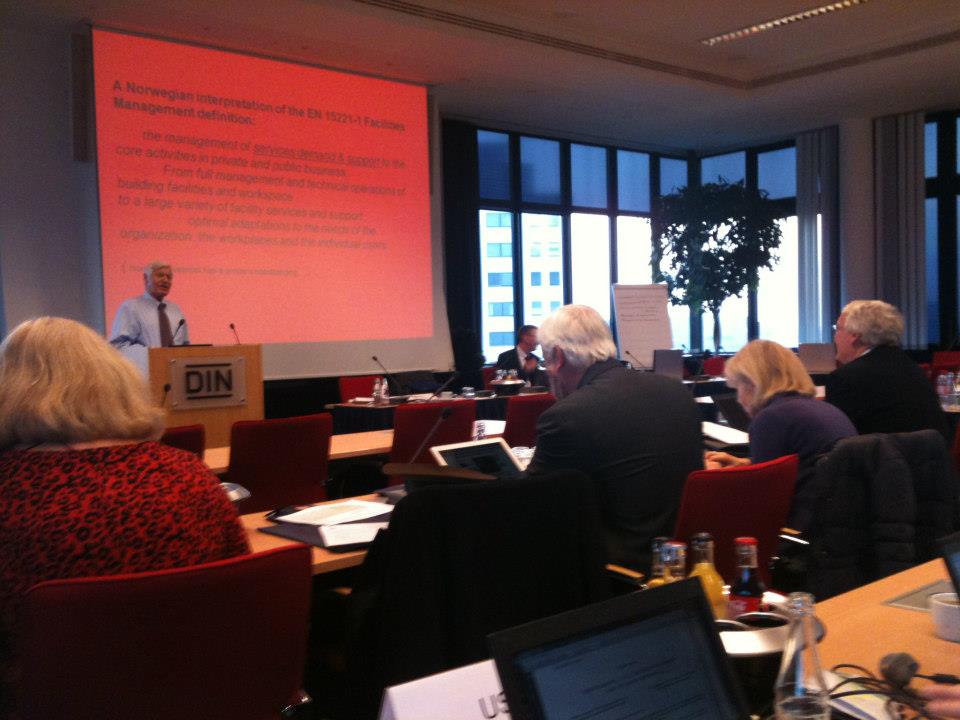
ISO/TC 267 Project Kickoff Meeting | Berlin 2012 | The University of Michigan was the first US university to participate in the launch of this standard and acted as a technical liaison for IFMA.
The business plan for this committee is linked below and provides a high level overview of committee goals and organization:
ISO/TC 267 / Facility Management / EXECUTIVE SUMMARY
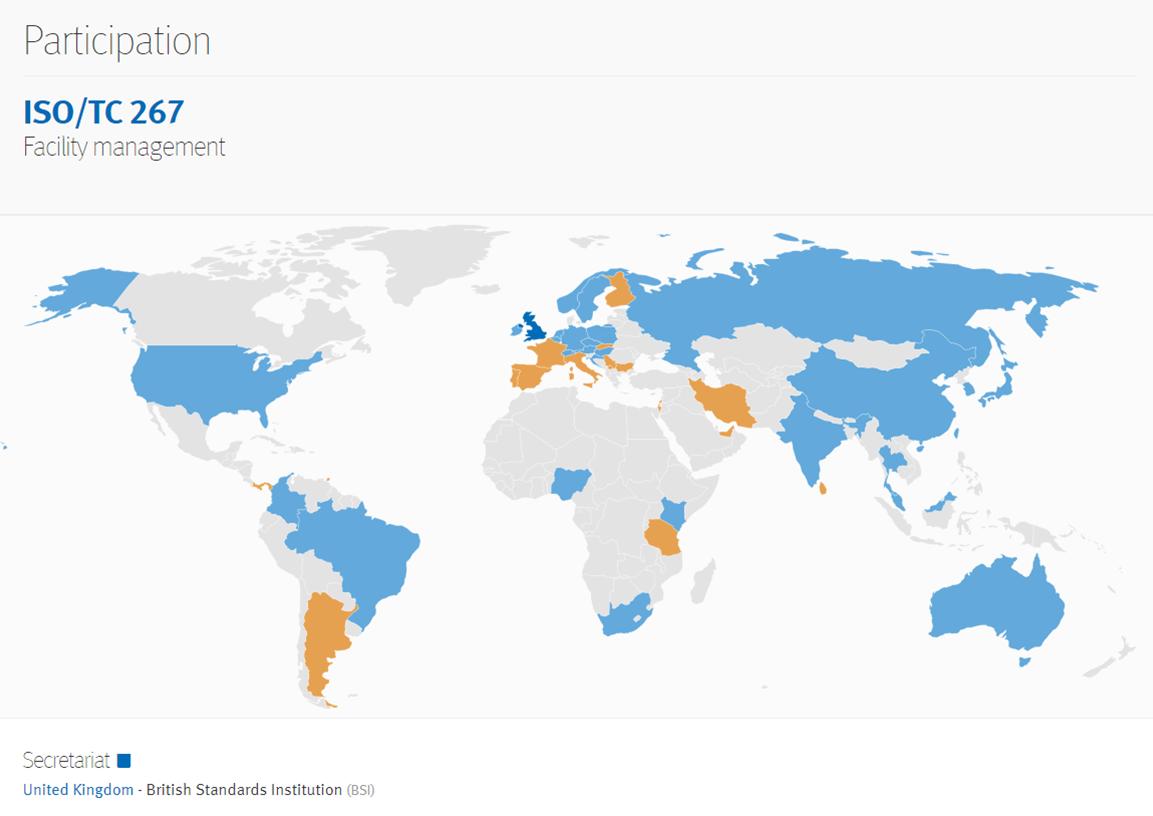
CLICK ON IMAGE
The landing page for this committee is linked below:
The list of work ISO/TC 267 titles are listed in the link below. Four are published standards and two are currently under development:
ISO 267 Facility Management Standards Catalogue
Note that ISO 41018 — Facility management — Development of a facility management policy — was published in July 2022.
At the moment ANSI has identified the US TAG Administrator as the International Facility Management Association however direct management of the US delegation is also being supported by ANSI staff. You are encouraged to communicate directly with ANSI’s US Technical Advisory Group leader to TC 267. Contacts at ANSI are Jason Knopes <JKnopes@ansi.org> and Rachel Hawthorne <rhawthorne@ansi.org>.
We place ISO/TC 267 consensus products on each of our monthly Management, and International Standards. See our CALENDAR for next online meetings, open to everyone.
Issue: [11-33]
Category: Facility Asset Management, International
Colleagues: Mike Anthony, Christine Fischer, Jack Janveja, Richard Robben
LEARN MORE:
ISO Focus January 2015 Anthony-Robben – Education Enterprise pp 33-37

Graduation, Dating, Engagements, Weddings, Births & Obituaries

“The family is one of nature’s masterpieces.”
— George Santayana
“Happy families are all alike; every unhappy family is unhappy in its own way.”
— Leo Tolstoy, Anna Karenina, trans. Constance Garnett
“In 1964, in Albuquerque, New Mexico, a 17-year-old girl gave birth to a son. The school administrators had told her she couldn’t finish high school. She pushed back anyway.
Her name was Jacklyn Gise. And the baby she was determined to raise would one day become one of the most… pic.twitter.com/O1NYzRh1Gr— Crazy Vibes (@CrazyVibes_1) August 9, 2026
Congrats to our senior captain Gage Sefton and his fiancée Anna on their engagement! pic.twitter.com/6huNJpbttN
— Grace Basketball (@GraceBasketball) August 3, 2026
On Friday this group Facetimed me. This is their yearly get together. They tell me that they “are connected for life.” When you commit to something bigger than yourself you don’t just give yourself a better chance to win, the bonds you build are for life. pic.twitter.com/mSc4BECrb3
— Kelly Sheffield (@KellyPSheffield) May 31, 2026
My parents got me a cake from local bakery, I had 5 friends over and got 100 bucks. How times have changed pic.twitter.com/GkkNNEjfLL
— NRM84 (@Mappy6984) June 1, 2026
You might notice a new shiny piece of jewelry this morning! WE’RE ENGAGED!!💍🤭✨ pic.twitter.com/4rOQgHYUQS
— Ashley Stanley (@wxashleystanley) May 24, 2026
‘In the end, it is character that decides . things, not intellect alone.’ (C.P. Snow, ‘The Masters’, 1951)
So proud of our girl pic.twitter.com/8GXV4bFMFs
— Ingrid Vandebosch (@ivandebosch) May 20, 2026
Proud to be a Hillsdalian. pic.twitter.com/pMVaXVmZcl
.
— Reagan Reese (@reaganreese_) May 10, 2026
Prom season has arrived! 💙🤍🖤 #dgspride pic.twitter.com/CJ3j1ZGDRE
— Elizabeth Lukes (@Mrs_Lukes) April 26, 2026
“After the Prom” | Saturday Evening Post May 25, 1957. https://t.co/CSDcxfiVjShttps://t.co/AKQWx0nEZShttps://t.co/dndrFwduSF pic.twitter.com/FALcOgOfqo
— Standards Michigan (@StandardsMich) May 10, 2025
Scarlett’s Prom, 2026. pic.twitter.com/bvd99R4Vgx
— Jonny ✝️🙏🏻⛪️ (@mackjon010) April 25, 2026
Congrats to JJ McCarthy on his wedding to Katya Kuropas in Cabo San Lucas pic.twitter.com/Gflt2oBzXL
— Swanky Wolverine (@swankywolverine) April 12, 2026
starting 2026 off right pic.twitter.com/VpEhe6xc0i
— Liam McCollum (@MLiamMcCollum) January 10, 2026
I can confirm that @GreenPlusAnE spent part of his wedding reception discussing entitlement reform. And the new Mrs. Greene is possibly the most elegant Tocqueville scholar in existence. https://t.co/XRfnxJ027G
— Elle Bernstein (@ellebernstein) December 30, 2025
Incredible. Football star Matthew Stafford hugs his 4 daughters on the field, highlighting the blessing of children
This is what being RICH looks like. pic.twitter.com/PwE2c9zrOH
— Anna Lulis (@annamlulis) December 30, 2025
Merry Christmas from the Roundtree family! ❤️🎄 pic.twitter.com/IXPkwOpTFG
— Roy Roundtree (@WRTreezy) December 25, 2025
In non soccer, non portal, non athletic news, our family just grew by one 😀 we gained a future son in law!!! So happy for Madison and Dylan. #weddingplans pic.twitter.com/3DNx0tNr5D
— Darren Ambrose (@Darren__Ambrose) December 24, 2025
Congrats to my son for graduating with Honors from Eastern Michigan – don’t blink time flies – so so proud of what he’s accomplished & love him to pieces 💙🎉🥳 pic.twitter.com/qAj2ndRVwA
— M (@bakingmom14) December 14, 2025
We need a reality dating show called “Average SEC Couples” that’s just 15 Average Joe’s from the South wooing 15 gorgeous women with generational wealth. pic.twitter.com/hhNGYUPw3S
— College Sports Only (@CSOonX) October 15, 2025
She didn’t even look at the ring… Brother won at life.✨
— Kevin W. (@Brink_Thinker) December 6, 2025
This boy has the best friend in the world 😊 pic.twitter.com/8DkaUfWdcQ
— This Account Makes You Happy (@FeelYouHappy) December 1, 2025
Entering December a wife-to-be. ♥️ pic.twitter.com/zdlVY9nZSS
— Miss Gauld (@miss_gauld) November 30, 2025
I got to go to church AND my little baby bump is bumping today 🤎 pic.twitter.com/zokhXkn7cf
— mrs. dobbins ☕️🪶 (@mrsdobbins_) November 30, 2025
Congratulations on your baptism, Rosalie Diane! pic.twitter.com/kmyLinIUwj
— St. Joseph Shrine (@StJosephShrineD) November 30, 2025
Since I’m making happy announcements, Anne and I are expecting our first grandchild (a grandson we’re told) in February. We’re very proud of and happy for our oldest son Aedan and his wife Addy. Thanks be to God! pic.twitter.com/3xFXGYaes0
— Matt Kennedy (@lambeth981) November 24, 2025
Ben Marrow asked Emma, our first, to marry him tonight and she said yes. pic.twitter.com/qO63wJf1hp
— Matt Kennedy (@lambeth981) November 24, 2025
1 day in and our honeymoon has been amazing.
Listen young men, saving yourself is so worth it! When 2 equally yoked believers of Christ become one it is the most beautiful thing!
Do your best to stay away from worldly desires. Gods rule book is the best outline! pic.twitter.com/4HQvDVB629
— Bo (@dittletv) November 23, 2025
💙Last middle school dance💙
Time is flying, but I’ve loved every moment of this phase — shopping for his unique style, the cologne hunts, the late-night talks, and watching him chase what he loves. Keep being authentically you, GT!💥 pic.twitter.com/glH8AHyid4— Taylor Williams (@twilliams12711) November 2, 2025

Michigan State University
Love this! pic.twitter.com/zUfYeeS0lR
— Hayes Holly (@HayesHolly2) November 2, 2025
Your 2025 Homecoming Parade float winner! Congratulations to Alpha Gamma Rho & Delta Phi Epsilon 💜#TarletonState #BleedPurple #TarletonHomecoming pic.twitter.com/TsEKa085IM
— Tarleton State University (@TarletonState) October 18, 2025
Ladies and gentlemen… your 2025 Springfield Homecoming Royalty, King and Queen, Logan Goodrick and Emma Scheuer 👑 pic.twitter.com/r0t1Hr2lXw
— Springfield School District (@AllThingsBluSF) October 18, 2025
Another look at your 2025 Homecoming Court! pic.twitter.com/pkA7KXtYl2
— Maine-Endwell (@MECSDSpartans) October 18, 2025
Senior #hoco2025 💜 pic.twitter.com/grlzcSK7Tr
— Sloane Phillips (@SloaneJPhillips) October 13, 2025
Bulldog win in San Diego and my girl Madden is 3 months. A great weekend of football and family! pic.twitter.com/KgyZR9A0P4
— Kyle Kempt (@CoachKyleKempt) October 12, 2025
12 years ago, she drove 3.5 hrs without hesitation to save me from deep in the trenches of postpartum.
Last night, we got to celebrate this beautiful human. Baby H hit the mama jackpot. 💛 pic.twitter.com/ef6mn2RiI3
— Melissa Evans (@mrs_melevans) October 13, 2025
Our family grew by one this last week.
God is good 🙌 pic.twitter.com/ZlyMuCTO0e— Oliver – Blue Line Futures (@OliverSloup) October 3, 2025
Homecoming for my girls… time flies pic.twitter.com/2F5n36OvxR
— Lawrence Bubeck (@BubeckLawrence) October 4, 2025
Senior year prom! We all had such a great time. pic.twitter.com/v7e0yRdHsg
— Morgan Maske (@MorganMaske2026) October 5, 2025
Hoco ‘25 with the BEST! 💚🖤@MyersParkHS #JuniorSeason pic.twitter.com/VTshvISaUY
— Regan Godman ‘27 (@Regan55Godman) October 5, 2025
One week postpartum with the sweetest baby ever. I am blessed beyond measure to have had my 5th successful home birth and a very smooth recovery. God is so good! pic.twitter.com/bWBqAtOUkj
— Jenny (@rosary2battle) September 20, 2025
A South African man who recently picked up an abandoned baby in Mpumalanga suburb of Emalahleni is now applying for court permission to adopt the boy and get him a birth certificate
The man has two daughters and is now happy to have a boy pic.twitter.com/z9kPW3s1w5
— African Hub (@AfricanHub_) September 14, 2025
Top 10 proposal for sure pic.twitter.com/u8HZdOhwYy
— Dudes Posting Their W’s (@DudespostingWs) September 19, 2025
t5rtrtr
Ten years after our wedding, our triplets have finally arrived… Thank you to everyone who sent us congratulations. These are our most precious treasures. #fblifestyle pic.twitter.com/AXKOj7vL7Q
— Maria Rose 🇱🇷 (@fuzia09) September 16, 2025
What a cute baby announcement! 🥰
🎥: dakotabaker84 on TT. pic.twitter.com/94cTKNLXr9
— Positive Side of 𝕏 (@positivesideofx) September 21, 2025
Yesterday was a dream.
So happy to officially be Mrs. Dasovic! pic.twitter.com/pwR41ZTq9V
— olivia dasovic (@oliviadasovic) September 7, 2025
Congrats, just have someone to yell what too. #farmlife #farmlifebestlife pic.twitter.com/k58Fd35VBT
— Natalie Cooper Kovarik (@natalie_kovarik) August 30, 2025
My mom got us a gift before we got married of a framed photo the reads
“If you want to go fast, go alone. If you want to go far, go together.”
We have been doing our best to follow that advice for the last 13 years
Happy Anniversary to my forever wife pic.twitter.com/jdySWrHR8r
— Andrew Bragg (@AndrewBragg5555) August 31, 2025
“Beauty is needed only at a wedding, the mind – every day.”
Tatar proverb
🪡🧶
Good night pic.twitter.com/7Z5iLeF0b2— Cursive (@Pergament_F) April 7, 2025
No longer MissBuryTeach… but Mrs Jackson-Bury Teach? pic.twitter.com/I86fJmupet
— Miss Bury ⭐ (@MissBuryTeach) August 2, 2025
Some personal news:
Time to get married, have some Jewish babies, and raise them to love America. pic.twitter.com/Sqgu6g9PYh
— Jesse Arm (@Jesse_Leg) July 18, 2025
The body of 8-year-old Mystic camper Virginia Hollis was found along the Guadalupe River earlier this week, more than a week after the July 4 floods in Texas.
Yesterday, this angel’s favorite horse followed her casket through the streets to bid her farewell. 😭 pic.twitter.com/T8f8O6n4q3
— Marina Medvin 🇺🇸 (@MarinaMedvin) July 18, 2025
Miss Italia Finals 🇮🇹 pic.twitter.com/3XgPWvZ6Lo
— TastefulLindy (@LindyTasteful) July 19, 2025
Remember what they took away from us pic.twitter.com/Dnzzk1Quzc
— ☩ 𝕁𝕄𝕋 ☩ (@SecretFire79) July 12, 2025
After 15 years of marriage, the first child is actually twins! 🥳Maybe no one will say it, but we want to share this joy anyway. 🌹 pic.twitter.com/T60zPJZ0tT
— Sania Obaid 🇺🇲 (@afra_art56) July 12, 2025
I’m in tears. Watch how respectful every firefighter is greeting Trump, taking their hat off for Melania
America has a True Leader who cares about each and every American again. These Firefighters feel it
Mainstream media will never show this pic.twitter.com/KxWNrry7dC
— MAGA Voice (@MAGAVoice) July 11, 2025
Women are the same at all ages😂 pic.twitter.com/x4Y95x7xQq
— The King (@xxxxTheKing) July 12, 2025
Taking a 12 hour sabbatical from the portal to get this young lady married tonight! pic.twitter.com/GXLzZWmdKA
— Ryan Gaines (@ryankgaines) June 28, 2025
He was with me almost every day for 12 years. The best living creature I’ve ever known including humans.
He protected children and loved his job out here.
I hope I can be half the man this dog was to our world. I buried him last evening in his beloved woods.Warrior
GUS🪓 pic.twitter.com/011cffq1xS
— Cattleman🪓 (@cattleguy92) June 29, 2025
Congratulations to my brother on graduating high school.
I can’t wait to see all the amazing things you accomplish at American University. ❤️ pic.twitter.com/UZJxVP56ro
— Isabella Maria DeLuca (@IsabellaMDeLuca) June 29, 2025
When your daughter wants to play catch instead of a first dance after she says I do. 🥺 pic.twitter.com/yjnobxxfcn
— Ryan Gaines (@ryankgaines) June 29, 2025
Married Friday, planting wheat on Monday! pic.twitter.com/GKqXA7SlMP
— FarmerDan (@farmerdan97) September 27, 2021
Enjoying every moment with my boyfriend 💕 pic.twitter.com/cKMsLIFgqm
— Ms. Jachymiak (@MsJachymiak) June 15, 2025
A heartfelt surprise for her best friend on graduation day.. She didn’t expect it because they hadn’t seen each other in so long, ever since her friend moved to another citypic.twitter.com/3pxswYFVNt
— Wolf of X (@tradingMaxiSL) June 7, 2025
Non-food post: It’s Prom Season! Our oldest daughter is off to McGill University this Fall. Two out of the house, two still at home.
Love ya, sweetie. pic.twitter.com/hwvQ5svT5Z
— The Food Professor (@FoodProfessor) June 8, 2025
Norman ROCKWELL • American 1894-1978
“𝖢𝗈𝗎𝗋𝗍𝗂𝗇𝗀 𝖢𝗈𝗎𝗉𝗅𝖾 𝗎𝗇𝖽𝖾𝗋 𝗍𝗁𝖾 𝖢𝗅𝗈𝖼𝗄 𝖺𝗍 𝖬𝗂𝖽𝗇𝗂𝗀𝗁𝗍”@NRockwellMuseumhttps://t.co/eccEsvTUsR pic.twitter.com/dkSIjuJu2N— Standards Michigan (@StandardsMich) March 8, 2025
My best experiment yet ❤️ pic.twitter.com/ymxggYZmTv
— César de la Fuente (@delafuentelab) April 9, 2025
It’s 6:53pm and I wish I had a little baby sleeping on my chest right now.
One day God willing. pic.twitter.com/Zbg0xfbDOJ
— 𝐿𝑜𝓊𝒾𝓈𝑒 (@crunchycozygirl) April 11, 2025
The Catholic Church has a new member today 🤍 pic.twitter.com/MviMoRMEUJ
— Kendall 🌷 (@kciolane) April 12, 2025
From couple matching to couple chief-ing!!!thrilled and honored to serve as chief residents together at the program that shaped us. Grateful for the journey and excited for what’s ahead! #HUH pic.twitter.com/lClrJpGABW
— Girma Moges, MD (@Girma_M_Ayele) April 10, 2025
Life in one picture ❤️ pic.twitter.com/LkZXvKcwCI
— Os 🧘🏾♂️ (@LifeOfBoch) March 22, 2025
20th March 2010
A couple – just married – choose to cycle from the church to their reception.
From my book ‘Cambridge – Town & Gown’. pic.twitter.com/Y9zzcUsHh4— A Cambridge Diary (@acambridgediary) March 20, 2025
Married 39 years today! Time flies pic.twitter.com/aiNxbxUBKB
— Pat Vanheule (@pvanheule) March 15, 2025
Got engaged today 🙂
Praise God! pic.twitter.com/fgWEKgSuME
— Peter Day (@Telerithis) March 15, 2025
She said yes. pic.twitter.com/iBnhNyzTs5
— RyanFJBLGB🇺🇸🦅 (@RyanPatrick1991) March 15, 2025
We got him moved into the new house! His bride-to-be is helping him decorate and put things away and will be joining him there on their wedding night! Today, only a few tears were shed (out of his sight). We are beyond happy for them! @BrandonLansdown pic.twitter.com/NSNmzg8hyG
— Kassy Lansdown (@Good_and_Glory) March 15, 2025
Naistenpäivän kunniaksi haluan jakaa, että minulla on onni ja siunaus odottaa omaa tytärtä. Toivon näyttäväni hänelle samanlaista naisen mallia kuin oma äitini on näyttänyt minulle. Nainen voi olla vahva ja lempeä, sitkeä ja kaunis, herkkä ja periksiantamaton. Nainen voi olla… pic.twitter.com/MivsLRh1wJ
— Martta Tervonen (@marttatervonen) March 8, 2025
The years go by. pic.twitter.com/gMtnRyeT0Y
— Brendan O’Sullivan 🇮🇪🇪🇺 (@ImtaBrendan) March 8, 2025
So a thing happened recently … 🥂 💍 pic.twitter.com/nClcEIHlQ3
— The Phoenix (@sueranson) March 8, 2025
I can confirm: she is beautiful.
‘The Birth of Venus’ by Botticelli (c. 1485) pic.twitter.com/JCWv0EGQXI
— Katherine Everitt 💥 (@katherineveritt) January 14, 2025
Happy almost 10 month wedding anniversary @AbdNicholasC
That chrism on her head smells amazing pic.twitter.com/WroqiDDLXc
— Erin Callaghan (@drerincallaghan) February 8, 2025
The only thing better than reading is holding a baby while reading. pic.twitter.com/jqlPdgHobg
— Michelle Kelso Kafer (@michellekafer) February 1, 2025
She had no idea…pic.twitter.com/COnW7TDmCg
— Be Believing (@Be_Believing) February 1, 2025
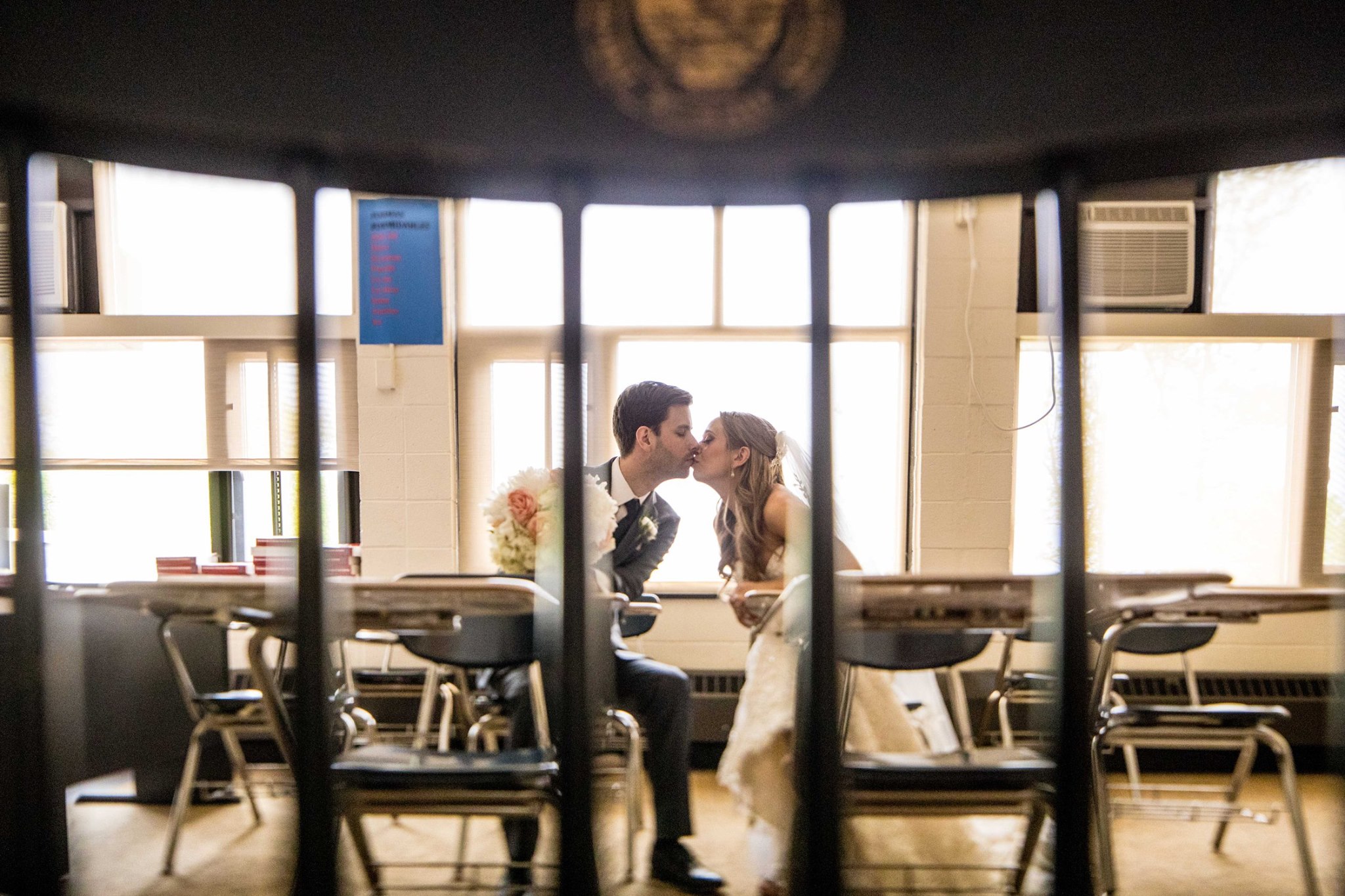
Hun School Of Princeton
I earnestly hope you have the opportunity one day to sit in a sunlit room with a baby in your arms, gently rocking in an old wooden chair.
I have traveled the world, climbed mountains, and had adventures I dare not tell you about.
This, however, is the peak. pic.twitter.com/IsRGf0N6FM
— Old Hollow Tree (@OldHollowTree) January 27, 2025
Good morning from East Tennessee.
It’s 33 degrees and raining on the mountain.
Have a great Monday.☕😊 pic.twitter.com/vGu9QqoOLg
— Tennessee Lady (@TennesseeLady85) January 27, 2025
27 years old.
A mom to a new baby.
The youngest person to serve as White House Press Secretary@karolineleavitt pic.twitter.com/5S1fmkGbqy
— Anna Lulis (@annamlulis) January 29, 2025
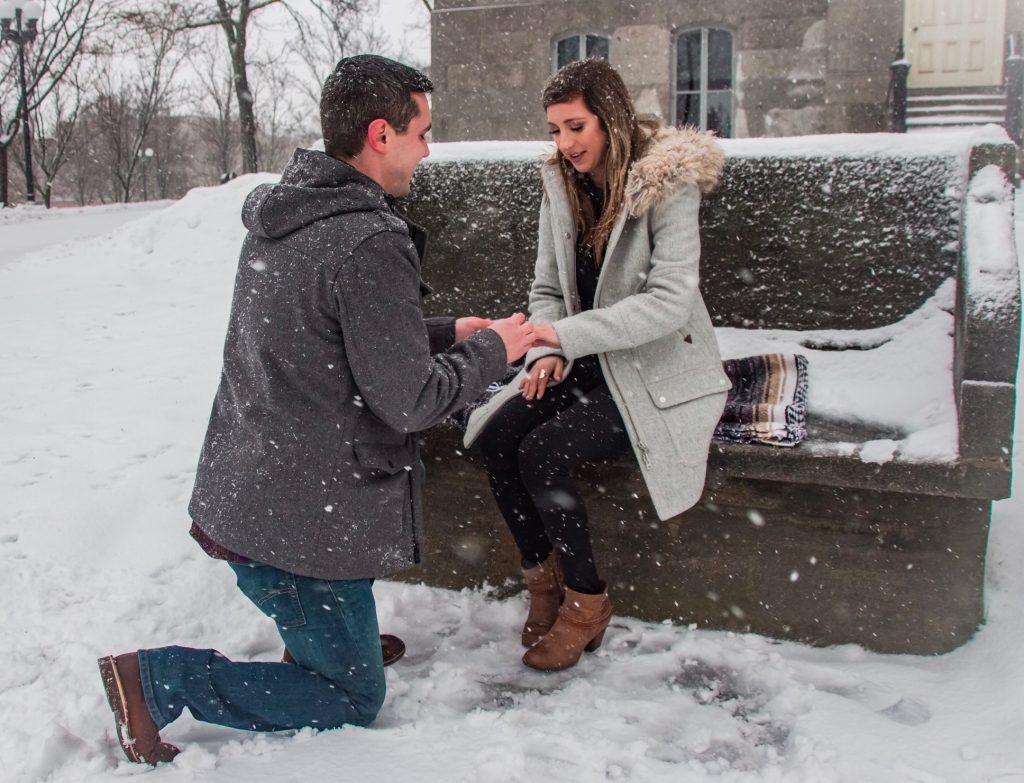
Several colleges and universities have “kissing benches” or similar traditions tied to romance on campus.
Michigan State University Beaumont Tower: Nick and Myra Kanillopoulos
Syracuse University. Kissing Bench: This bench on the Quad is steeped in tradition. Legend has it that if a couple kisses on the bench, they will eventually marry. Conversely, if a single person sits there alone, they risk staying single forever.
University of Idaho. Hello Walk and Kissing Rock: While not a bench, this area on campus features a large rock where students have historically kissed. It’s a romantic tradition for couples at the university.
Florida State University Kissing Bench
University of North Carolina at Chapel Hill
Clemson University Lover’s Lane
University of Cambridge: St. John’s College Bridge of Sighs
University of Oxford: The Bridge of Sighs
University of Bath Somerset County: Sham Castle

For members of Binghamton University’s Ballroom Dance Association, dance isn’t just a hobby; it’s an expressive, stress-relieving act. 💃🕺https://t.co/xrm8IIwalX pic.twitter.com/VRUMj9OeAC
— Binghamton University (@binghamtonu) January 17, 2020
It is so rare for people to see a normal, white family that lefties think it gives ”Third Reich vibes”. This really tells us that we need to make it less rare.
More babies! pic.twitter.com/j192eWhev5
— Evelina Hahne (@EvelinaHahne) February 15, 2025

Sport News

Tom Brady joins Delta Air Lines as strategic adviser in first-of-its-kind multiyear partnership
Our Seniors! 💛💙#GoBlue pic.twitter.com/HUhV2shkY5
— Michigan Volleyball (@umichvball) August 17, 2026
You just got invited to a social kick with Destin, Josh, and Rylee. 📸 pic.twitter.com/vMejpZp1HI
— USA Swimming (@USASwimming) August 8, 2026
Ryan Erisman had quite the week in Irvine. Three national titles and a ton of momentum for the future. pic.twitter.com/rYxQhMFSm0
— USA Swimming (@USASwimming) August 2, 2026
and then everything changed https://t.co/iLLS9moeVW pic.twitter.com/oIReleWqNs
— m. (@wcsstallvn) July 30, 2026
𝟐𝟎𝟐𝟔 𝐂𝐍𝐅𝐑 𝐖𝐨𝐦𝐞𝐧’𝐬 𝐓𝐞𝐚𝐦 𝐂𝐡𝐚𝐦𝐩𝐢𝐨𝐧𝐬 🏆👏
Roger Hanagriff, Texas Aggie Rodeo Head Coach, talks with Shelby about the week at CNFR and the blessing it was to be there competing.
🎧 Listen to the full episode TODAY pic.twitter.com/VmVeUzxKtd
— Learfield College Rodeo (@LearfieldRodeo) July 29, 2026
Check out Fever guard Sophie Cunningham having some fun at her kids camp, recreating the “pointing” meme that went viral last week. pic.twitter.com/eCPkzx0IEt
— WISH-TV News (@WISHNews8) July 19, 2026
The Harvard women’s hockey team is going viral because they look nothing like people expected pic.twitter.com/mhuId0EVpp
— Matt Wallace (@MattWallace888) July 13, 2026
Freestyler Henry Anstine Selects Michigan Wolverines For 2027 – https://t.co/kgaRhVEKPz @umichswimdive pic.twitter.com/O6pmBSPPYo
— Swimming World (@SwimmingWorld) July 12, 2026
Tennis whites only pic.twitter.com/VdBlllNLDE
— Prep Propaganda 👔 (@prep_propaganda) July 12, 2026
GOAT🐐
🇨🇦Summer McIntosh now holds four individual long course World Records:
400Fr 3:54.18 WR
200Fly 2:01.65 WR
200IM 2:05.70 WR
400IM 4:23.65 WRShe is the first woman since 🇭🇺Katinka Hosszú to hold four individual long course world records at the same time. pic.twitter.com/zQxqL74ky0
— 競泳NEWS (@swimcoverage) July 6, 2026
🚨 WORLD RECORD ALERT 🚨
Gretchen Walsh posts a stunning 23.55 in the Women’s 50m Freestyle in Rome, lowering the recently set World Record held by Kate Douglass 🇺🇸#swimming #worldrecord pic.twitter.com/E3y93IXn4f
— World Aquatics (@WorldAquatics) June 28, 2026
everybody pulled on the same rope 🎥 pic.twitter.com/un3RZrBBw3
— Oklahoma Baseball (@OU_Baseball) June 26, 2026
It’s a Tar Heel 🆚 Sooner Championship #MCWS matchup! ⚾️
➡️ https://t.co/NdxRoTqbEk
📲 https://t.co/ZUEUkZyAP0
🎟️ https://t.co/okExvEs7lg… pic.twitter.com/GqmIR2Awx2— NCAA Baseball (@NCAABaseball) June 18, 2026
Pure entertainment down to the line! 🍿
Addy Wiley battled Tsige Duguma down the final stretch of the Doha Diamond League 800m and took the win in a season’s best of 1:57.98.#DiamondLeague and #DohaDL coverage presented by @on_running and @FleetFeetSports pic.twitter.com/ld4jtiWcxF
— FloTrack (@FloTrack) June 19, 2026
“Man’s life is brief, but through contests he touches the eternal.”
— Pindar, ‘Nemean Ode 6.23-24’
From fabulous races to NCAA podium finishes Kate Stewart-Barnett has done it all as a Spartan! Thanks Kate!#GoGreen pic.twitter.com/F4LkHjCpKY
— MSU Track & Field/Cross Country (@MSU_TFXC) June 14, 2026
BACK-TO-BACK OUTDOOR TRACK & FIELD NATIONAL CHAMPIONS 🧹🧹
Georgia Bulldogs complete the 2026 track & field season sweep and add another trophy to their collection. #NCAATF pic.twitter.com/6QyRNULheI
— NCAA Track & Field (@NCAATrackField) June 14, 2026
NCAA Outdoor Championships | Heptathlon 🤘
Tabea Eitel finishes seventh overall with a career-best 5,948 points‼️
It’s the ninth-best performance ever for a Longhorn and strengthens her hold as the No. 3 performer in UT history.#FloKnows x #HookEm pic.twitter.com/xiw8SrFVLV
— Texas T&F/XC (@TexasTFXC) June 14, 2026
— Standards Michigan (@StandardsMich) June 13, 2026
On Friday this group Facetimed me. This is their yearly get together. They tell me that they “are connected for life.” When you commit to something bigger than yourself you don’t just give yourself a better chance to win, the bonds you build are for life. pic.twitter.com/mSc4BECrb3
— Kelly Sheffield (@KellyPSheffield) May 31, 2026
This is what it feels like to have a gf pic.twitter.com/O0W8aXM7gA
— Second City Bureaucrat (@CityBureaucrat) June 1, 2026
Bringing some hardware back to Rocky Top#GBO🍊 pic.twitter.com/JE5FVaRjXI
— Tennessee Rowing (@Vol_Rowing) May 31, 2026
She’s incredible pic.twitter.com/s38fPn8TL6
— Massimo (@Rainmaker1973) May 10, 2026
🚨 SCHOOL RECORD ALERT 🚨
Sydnee Sinn, Sarah Forsyth, Olivia Millen and Kate Stewart-Barnett run 8:33.40 in the 4x800m relay to break the school record at Penn Relays!🟢⚪ pic.twitter.com/y6VQFJVrMT
— MSU Track & Field/Cross Country (@MSU_TFXC) April 25, 2026
Make that 4️⃣ #B1GWTennis Tournament Championships in the last five seasons for @UMichWTennis 〽️ pic.twitter.com/v6ojYdDRHS
— Big Ten Network (@BigTenNetwork) April 26, 2026
Wow. In these troubled times, the physical and artistic achievements of human beings have never felt more important … pic.twitter.com/xDi3nVM0Xn
— Geoff Barton (@RealGeoffBarton) April 26, 2026
Trump was once scouted by the Philadelphia Phillies during his time playing first base at the New York Military Academy.
Most people have never heard about this. pic.twitter.com/yWqLwG3OKQ
— johnny maga (@johnnymaga) April 26, 2026
Moments before she shocked the world pic.twitter.com/7br4w8ARqo
— USA NEWS 🇺🇸 (@usanewshq) April 20, 2026
The History of the Michigan Helmet. 〽️ pic.twitter.com/Q7e1cpm9WD
— A〽️aizing History (@JoeReynoldsAH2) April 17, 2026
Riley Gaines is a beautiful example of the joy of motherhood.
From championing women’s sports to working out women with her daughter, Margot, she shows how motherhood deepens purpose and fills life with unmatched love.
Strong, principled, and now embracing the most meaningful… pic.twitter.com/BsakOi937N
— Kelly (@kellytx2) April 17, 2026
Equipo de Hockey femenino Argentino 🇦🇷
Qué notan? pic.twitter.com/9J5debhSl1
— Pato Bonato (@patobonato) April 17, 2026
Can’t spell CHAMPIONS without PIOS 🏆#MFrozenFour x @DU_Hockey pic.twitter.com/4cQD8ICstE
— NCAA Ice Hockey (@NCAAIceHockey) April 12, 2026
I know absolutely NOTHING about NCAA hockey… but that was an incredible game with Denver vs Michigan.
I watched all of the 3rd period, OT, & 2OT and that was THRILLING.
Denver takes down #1 seed Michigan. As a non hockey fan Frozen Four is sick.
pic.twitter.com/dyZVUsY7yt— Garrett Armbrust (@4thandsaturday) April 10, 2026
HALF of the teams in the round of 16 will come from the states in red
College hoops runs through the midwest pic.twitter.com/fCQTjaWUFa
— BetMGM 🦁 (@BetMGM) March 23, 2026
These beautiful Dutch will not be around if they keep on importing Muslims pic.twitter.com/YsRYQp1YgD
— Evil Feynman (@evilfeynman) March 22, 2026
It’s good day to be a Wolverine fan 🙌
📺 ABC#MarchMadness x @umichwbball pic.twitter.com/5XkMqJwrr5
— NCAA March Madness (@MarchMadnessWBB) March 22, 2026
The moment Caroline Harvey became a Patty Kazmaier Award winner 😊 pic.twitter.com/kkNNXIl4MF
— Wisconsin Hockey (@BadgerWHockey) March 21, 2026
Two national championships in two days. FENCING SCHOOL!!
@NDFencing pic.twitter.com/ajoFANtKJE
— Reilly Fangman (@reillyfangman) March 22, 2026
🏆🏆🏆🏆🏆🏆🏆🏆 + 🏆 =
🏆🏆🏆🏆🏆🏆🏆🏆🏆
Our kind of math.#WFrozenFour x @BadgerWHockey pic.twitter.com/wXdrocJ8mz
— NCAA Ice Hockey (@NCAAIceHockey) March 23, 2026
“Your 2026 collegiate champions, the University of Utah‼️”#GoUtes 🏆 pic.twitter.com/fi1Pm3iQD8
— Utah Ski Team (@utahskiteam) March 14, 2026
CUE COUNTRY ROADS!!! 🎶 pic.twitter.com/hhXwEAG9bO
— WVU Rifle (@WVURifle) March 14, 2026
Ran it back 🏆
For the 21st time, the Mountaineers are National Champions! pic.twitter.com/dZhPqJv0QS
— WVU Rifle (@WVURifle) March 14, 2026
The joy on her face was amazing, God bless her.💖 pic.twitter.com/iT6akwcA4K
— Love Music (@khnh80044) March 12, 2026
Built for it 🧱
Mountaineers head to NCAA National Championship Friday and Saturday
📰 https://t.co/iFf311G4pH#HailWV pic.twitter.com/a5joy93OyC
— WVU Rifle (@WVURifle) March 12, 2026
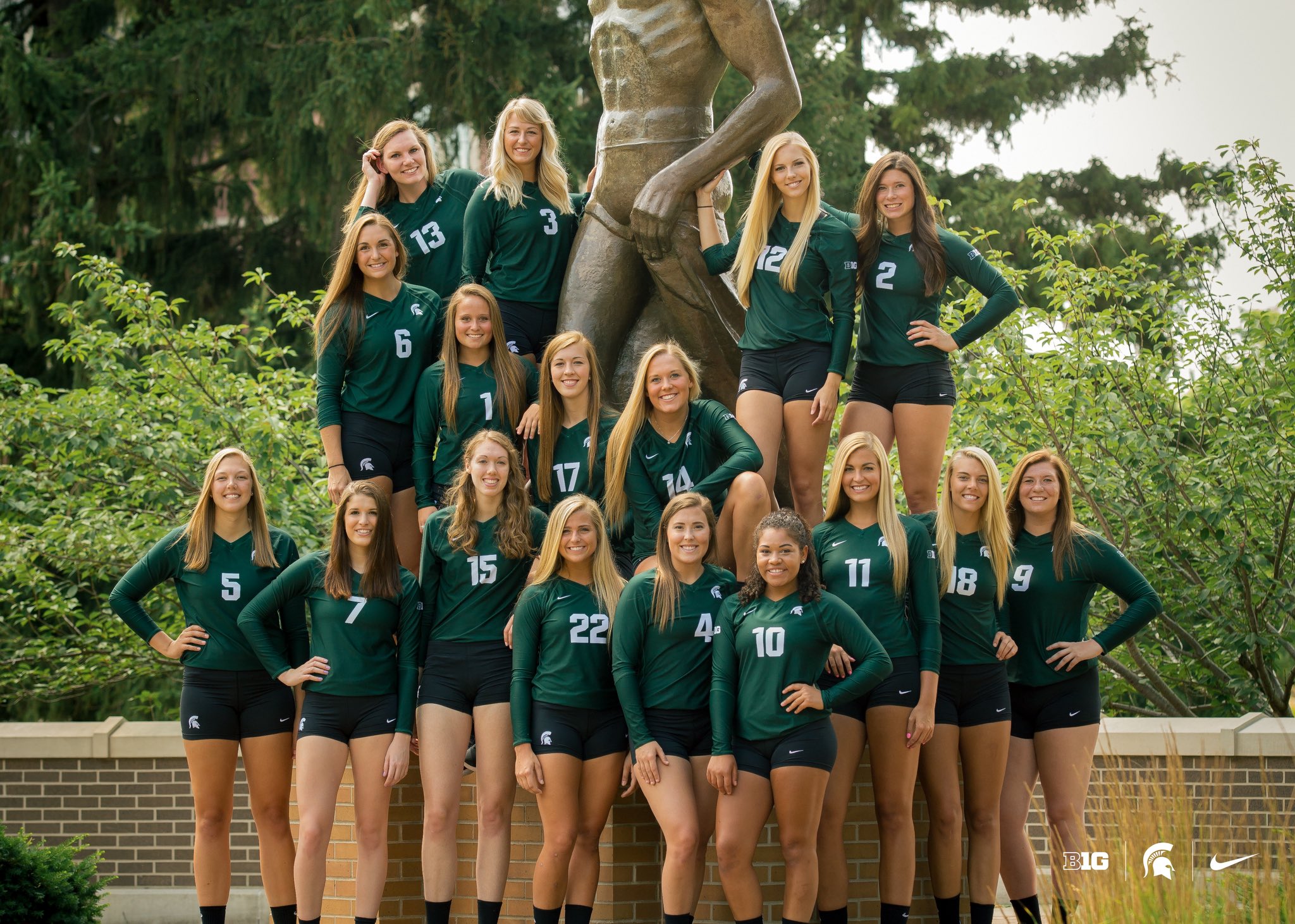
Michigan State University | Ingham County
📣 NSAI is seeking new members for our standards committees
We are establishing new technical committees on Light Gauge Steel, Mass Engineered Timber, and the National Annex for Eurocode 5 (structural fire design).
We’re inviting designers, consultants, academics, and… pic.twitter.com/wiv17lXgp9
— NSAI (@NSAI_Standards) March 2, 2026
Coming home with a lot of hardware 🏆 pic.twitter.com/Vv9L4REmsc
— WVU Rifle (@WVURifle) March 2, 2026
5 YEARS IN A ROW! 🏆#TidalTown pic.twitter.com/gXx9I7zcM3
— uncwswimdive (@uncwswimdive) March 1, 2026
Michigan roots. Unshakable heart. A golden finish. 🥇 https://t.co/nZmHF319nE
— Pure Michigan (@PureMichigan) February 22, 2026
Once was fun, twice is very nice! UVM Olympian Ben Ogden has done it again, capturing silver in the men’s cross-country team sprint w/teammate Gus Schumacher! This is the first medal for Team USA in this event and makes Ogden the team’s most decorated men’s cross-country skier. https://t.co/0SxTfMnKQI
— University of Vermont (@uvmvermont) February 18, 2026
Charlie Stramel sealed the game for @MSU_Hockey with his third of the game in OT 💥 pic.twitter.com/gwOUobsi10
— Big Ten Hockey (@B1GHockey) January 31, 2026
Danya Spoor – Clemson Track and Field pic.twitter.com/uAK3Hjx1ca
— World Athletes (@world_athelete) January 31, 2026
I’m not even an Indiana fan, but I never get tired of watching this. It’s one of the best things I’ve ever seen in football.
I hope somebody makes a movie out of it with Jerry Goldsmith writing the score.
— Denny Burk (@DennyBurk) January 23, 2026
Rocky Mountain Intercollegiate Skiing Association
RMISA Announces 2026 Alpine Schedule Changes https://t.co/sWwus8EY74
— Standards Michigan (@StandardsMich) January 11, 2026
Raw emotion from freshman Abbey Hayes following Creighton’s loss to Kentucky in the Elite Eight.
You can tell how badly she wanted this one for her older teammates. 💙@KETV | #GoJays pic.twitter.com/GqSh5qKtHK
— Matt Sottile (@MSottileTV) December 13, 2025
JUST IN: Indiana quarterback Fernando Mendoza honors his mother during his speech after winning the Heisman Trophy.
Mendoza’s mother suffers from Multiple Sclerosis (MS).
“Mom, this is your trophy as much as it is mine. You’ve always been my biggest fan … Your sacrifices,… pic.twitter.com/wYC8qZJHFj
— Collin Rugg (@CollinRugg) December 14, 2025
19.72M FOR AXELINA. 🤯
COLLEGIATE RECORD.
SWEDISH NATIONAL RECORD.
SCHOOL RECORD. pic.twitter.com/wxuCayNG0M— Nebraska Track & Field/Cross Country (@HuskerTFXC) December 12, 2025
Fernando Mendoza’s post game interview after winning the Big Ten
byu/justletmeregisteryou insports
JANE. HEDENGREN. 🤯
✅ SCHOOL RECORD
✅ NCAA RECORD (by 8 seconds btw)
✅ 10TH FASTEST 5000M BY AN AMERICAN
✅ 11TH INDOOR 5000M TIME IN THE WORLD
✅ FIRST COLLEGIATE WOMAN TO RUN SUB 14:50 (indoor AND outdoor)ARE. YOU. KIDDING???!!! pic.twitter.com/pKDqexpUkH
— BYU Track & Field/Cross Country (@BYUTFXC) December 6, 2025
Ending the fall season with a dub 🎯 pic.twitter.com/tmjIff6hIx
— Ole Miss Rifle (@OleMissRifle) November 23, 2025
Best thing about being 12-0… pic.twitter.com/jfGpEnTXVu
— Ohio State Football (@OhioStateFB) December 1, 2025
The highest single-season hit percentage in @b1gvolleyball history. ✍️@aandijackson has capped B1G play with a .559 hit%! pic.twitter.com/9tqusyW28J
— Nebraska Volleyball (@HuskerVB) December 1, 2025
@UNC_BearsVB @BigSkyConf Champions! Go Bears! pic.twitter.com/oNCWBGY2RH
— Andy Feinstein (@PresFeinstein) November 27, 2025
CHASE DOWN❗️ Şilan Ayyildiz finishes 9th individually at the cross country national championship to lead the Ducks to a 3rd place finish. Ayyildiz went from 18th to 9th place over the final K 😮💨 #GoDucks pic.twitter.com/spP7A0UEmo
— oregontf (@OregonTF) November 23, 2025
Dominic Zvada postgame walk off celebration 〽️#GoBlue pic.twitter.com/uTpJWX0l8n
— Michigan Football on UMGoBlue (@UMGoBlog) November 15, 2025
The future of college cross country is no longer about coaching but about recruiting.
Foreigners are recruited to take American scholarships. Many of the runners are older than your typical college age athlete.
Then they are called American Champions. Shame. pic.twitter.com/x8uEahTOX6
— Maggs (@aspen_lindsay) November 23, 2025
History was made at the Yale Bowl.
Yale topped previously undefeated Harvard in the 141st playing of The Game, earning a share of the Ivy League title and the league’s first-ever automatic bid to the NCAA FCS playoffs.
Highlights from @YaleAthletics: https://t.co/yzDxolHzpB pic.twitter.com/EvueCJDcej
— Yale University (@Yale) November 23, 2025
Rachel Forsyth’s season isn’t done yet! She will compete in her second-straight NCAA Championship! 🟢⚪ pic.twitter.com/Vz9sMgFdSH
— MSU Track & Field/Cross Country (@MSU_TFXC) November 15, 2025
Great chemistry between these dancers! Excellent.💃🕺❤️ pic.twitter.com/YNWsVt1PrB
— Love Music (@khnh80044) November 15, 2025
❤️🔥 Jason Colacino and Katie Boyle – Honky Tonk Now THAT’S what I call pure elegance, charm, and undeniable heat!! 🔥💖 pic.twitter.com/AgxGaFELpL
— Love Music (@khnh80044) November 14, 2025
BYU’s Jane Hedengren just beat the defending 5K and 10K national champion by 42 seconds head-to-head at regionals. FORTY-TWO SECONDS! We are witnessing greatness. 🏃♀️ pic.twitter.com/6ELw3anmhL
— BoozeCougs (@BoozeCougs) November 14, 2025
LEm’s absolute banger of a nanny, all in the latest 🙌🙌 pic.twitter.com/W7HH63mEZo
— Fishing Niche (@FishingNiche) November 16, 2025
A moment @sacredheartwsoc will remember for a lifetime 🏆❄️☃️
And those snow angels and penguin slides?? 10/10 way to celebrate punching your second @NCAA Tournament ticket in program history‼️#NCAASoccer x 🎥 @MAACSports pic.twitter.com/KM17KIH2Rv
— NCAA Soccer (@NCAASoccer) November 9, 2025
— MythoAmerica 🌲 (@MythoAmerica) August 31, 2024
It was a great day at Forest Akers East hosting our first Big Ten Cross Country Championship since 2012! pic.twitter.com/hYEyyaeUyD
— MSU Track & Field/Cross Country (@MSU_TFXC) November 1, 2025
The Best Thing You’ll See Today@umichfootball & @Coach_SMoore made dreams come true yesterday for our guy Luke 💙💛@Dream_On_3 pic.twitter.com/drZoFXWFwp
— Blue By 90 (@bluebyninety) November 1, 2025
Another milestone in our College history reached – we’re proud to present our first ever official College golf team! pic.twitter.com/4hCTJVZhPA
— Bishop’s Stortford College (@BSCollege) October 17, 2025
The beats that get us dialed in 🎧🔥 pic.twitter.com/VvHFDurett
— Ole Miss Rifle (@OleMissRifle) October 15, 2025
Led by senior Chad Perrine and junior Luke Skuratowicz, three Hope College men’s cross country runners finished in the Top 30 of the 167-runner field at the Muskegon Community College Jayhawk Invitational on Saturday. Read the meet recap on the Hope Athletics website. #d3xc pic.twitter.com/Dynob8mVrX
— Hope College Athletics (@HopeAthletics) October 11, 2025
Freshmen check. Call your parents, kids! pic.twitter.com/oMTRgFlRmk
— Bobby Guntoro (@bobbygunt) September 27, 2025
Another Top 🔟 on Tour ⭐️
You’ve made the Auburn Family incredibly proud. #WarEagle | #AuburnBeingAuburn pic.twitter.com/fPYfM5FULq
— Auburn Men’s Golf (@AuburnMGolf) September 15, 2025
OQXC Girls @ Troy XC Invitational! #sd113a pic.twitter.com/5VLmByUE3z
— Ms. McCormick (@MsMcCormickOQMS) September 20, 2025
Seeing a game at Oklahoma is awesome (outside of the outcome)
An A+ experience and awesome fans…
Apples to apples it’s light years better than a Texas home game
Great parking, great tailgating, street of bars a block from stadium
Awesome. Would highly recommend pic.twitter.com/i6NB7SvMPW
— James T. Yoder (@JamesYoder) September 7, 2025
Sebastian Moniz connects on this corner kick recently propelling our boys’ soccer team. Great stuff! #BPSoccer ⚽️⚽️🥅⚽️⚽️ @BayPathSuper pic.twitter.com/M3bRFHQXS2
— BPPrincipalVT Co-Moderator @UnlockTheMiddle (@BPPrincipalVT) September 6, 2025
These are the male cheerleaders America wants.pic.twitter.com/lfA5Pn6BpG
— Bill Mitchell (@mitchellvii) August 30, 2025
Ryker Comstock is your Student Athlete of the Week!
🌟 Great news, @CCHS_Gladiators fans! Your amazing support has helped us win the @TMobile #FN5GL $5K Fridays #sweepstakes 🙌 We’re so proud of our @clarkecentral spirit! pic.twitter.com/HJosLUtXtL
— CCHS Athletics (@CCHS_Gladiators) August 31, 2025
WORLD. CHAMPION. 🥇🤩
Luca Urlando grabs the 200 fly world title and becomes the SECOND AMERICAN EVER to go 1:51. Unreal swim. #AQUASingapore2025 pic.twitter.com/LHoq7vZTxQ
— USA Swimming (@USASwimming) July 30, 2025
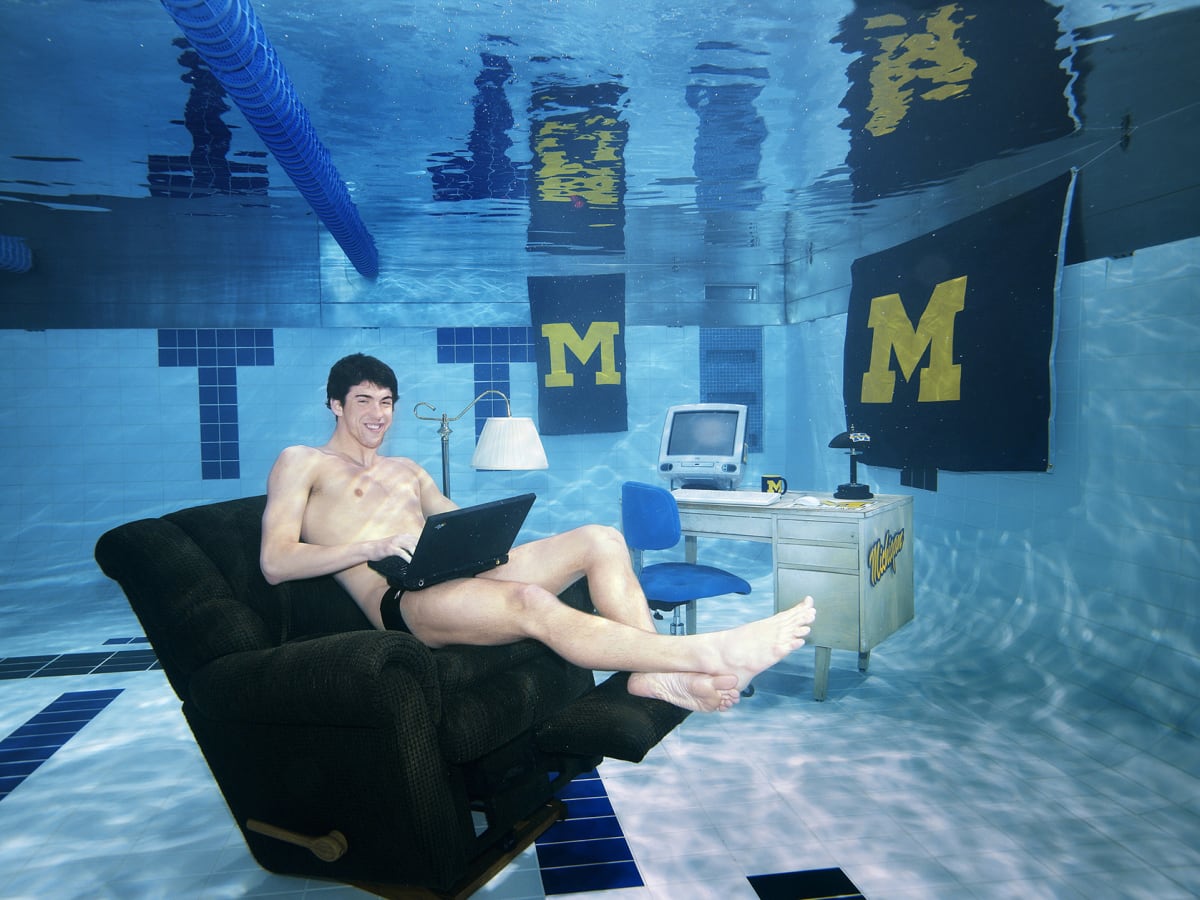
Michigan Girl, Our Michigan Girl….
Hail the victor 〽️🇨🇦
Savannah Sutherland captures the women’s 400m crown at Canadian Champs in 5️⃣1️⃣.5️⃣1️⃣ seconds.
📸: Sean Burges/Mundo Sports Image pic.twitter.com/62fOGNFQL4
— DyeStat (@DyeStat) August 1, 2025
🚨 NEW WORLD RECORD 🚨
TEAM USA JUST SMASHED THE MIXED 400 FREESTYLE RELAY WORLD RECORD!!!
Jack Alexy – 46.91 👀
Patrick Sammon – 46.70 👀
Kate Douglass – 52.43
Torri Huske – 52.44 pic.twitter.com/5VZcPu50KM— Kyle Sockwell (@kylesockwell) August 2, 2025
WHAT. A WAY. TO CLOSE.
The U.S. grabs gold AND a world record in the last event of #AQUASingapore2025 to end the meet ON TOP of the gold and total medal table 🔥🔥 pic.twitter.com/mdaooxhGY2
— USA Swimming (@USASwimming) August 3, 2025
Northwest High School junior Cooper Lutkenhaus has run the fastest 800-meter race in the world for any athlete younger than 18! Cooper set the new U18 world best at the USA Track & Field Outdoor Championships by running a time of 1:42.27 to earn silver. pic.twitter.com/5imZ9yZHLN
— Northwest ISD (@NorthwestISD) August 3, 2025
🏅History made.
The U.S. men’s four won gold for the first time at the U23 World Championships. Ryan Martin, Wilson Morton, Sam Sullivan, and Lyle Donovan are victorious in the A Final, winning by 2.25 seconds. pic.twitter.com/2fAtSEwewA
— USRowing (@usrowing) July 26, 2025
Kate Douglass just threw down a 52.04 split on the 4×100 free relay 🥶
The U.S. will be top seed tonight after the group’s 3:33.57 in prelims.#AQUASingapore2025 pic.twitter.com/H4Mke7NpZN
— USA Swimming (@USASwimming) July 27, 2025
Over the weekend, Anhelina Khmil earned a second place finish at the CEV Nations Cup Final in Portugal as part of the Ukrainian team! pic.twitter.com/2zuEa9wk9c
— TCU Beach Volleyball (@TCUBeachVB) July 20, 2025
The bottom of the ground was nothing for Emily Beisel! She moves into the Top 4 of her set by almost two tenths of a second to lock in her place at the Cheyenne Frontier Days Semifinals. pic.twitter.com/1uDeztOlZM
— The Cowboy Channel (@Cowboy_Channel) July 20, 2025
He swims like the art of poetry. pic.twitter.com/rrhMP83DQD
— The Figen (@TheFigen_) July 12, 2025
Catherine giving trophies to Amanda, who is the runner-up and Iga the ladies single winner! pic.twitter.com/rZSntPOGig
— Sabirah Lohn 💕🦕🦖 (@SabirahLohn) July 12, 2025
While other kids are learning TikTok dances, she just set a record tying a goat in 7 seconds flat. pic.twitter.com/ZPELIagdxv
— Desiree (@DesireeAmerica4) July 13, 2025
THE TIGERS ARE NATIONAL CHAMPIONS pic.twitter.com/0sk6iV8gRc
— LSU Baseball (@LSUbaseball) June 22, 2025
Savannah Sutherland d capped an incredible career at Michigan with her second NCAA title and has been named the 2024-25 Female Michigan Athlete of the Year! 〽️ #LeadersAndBest
THE TIGERS ARE NATIONAL CHAMPIONS pic.twitter.com/0sk6iV8gRc
— LSU Baseball (@LSUbaseball) June 22, 2025
INFO » https://t.co/Caza1OyrCy | #GoBlue pic.twitter.com/YD6HTdYd0p— Michigan Track & Field / Cross Country (@UMichTrack) June 23, 2025
𝐀𝐔𝐁𝐔𝐑𝐍 𝐁𝐄𝐈𝐍𝐆 𝐀𝐔𝐁𝐔𝐑𝐍
Our list of Fences Riders of the Year is getting long…
✔️ 2025: Avery Glynn (SEC & NCEA ROTY); Kate Hagerty (SEC Freshman ROTY)
✔️ 7-straight SEC ROTY awards
✔️ 4 of the last 7 NCEA ROTY honors
✔️ 7 SEC Freshman ROTY awards#WarEagle pic.twitter.com/1bRaWk4ytY— Auburn Equestrian (@AuburnEQ) June 23, 2025
When you realize you’re the national champion AND you set the collegiate record 🥹 pic.twitter.com/BPUEuZmZMP
— Michigan Track & Field / Cross Country (@UMichTrack) June 15, 2025
Last practice before Eugene. #NCAATF x 🎥 @BYUTFXC
pic.twitter.com/3kNxStxS9Z— NCAA Track & Field (@NCAATrackField) June 6, 2025
Feelin’ Super 🦸♂️
🖥️ https://t.co/vUbrNtVRPX
🎟️ https://t.co/i73Q25MuVk
📲 https://t.co/D9Ga3efNbI#RoadToOmaha pic.twitter.com/1dpxaU8SEG— NCAA Baseball (@NCAABaseball) June 3, 2025
Kate Douglass and Shaine Casas are your #ToyotaNationals high point winners! 🙌 pic.twitter.com/bA9JJSWxEP
— USA Swimming (@USASwimming) June 8, 2025
💨💨💨
Savannah Sutherland sets the Hodges Stadium facility record and for the second straight year she sets the NCAA East First Round record in the 400H! pic.twitter.com/u48jsKv3Zm
— Michigan Track & Field / Cross Country (@UMichTrack) June 1, 2025
Meanwhile at the airport.. 😂 pic.twitter.com/BKRrslNY7x
— Buitengebieden (@buitengebieden) May 29, 2025
Kävin varastamassa rikkailta rahat ja nyt jakelen ne köyhille. Kenelle laitetaan ja paljonko? pic.twitter.com/AFUva64UPN
— Päivi Ekdahl 🇫🇮🇺🇦 (@EkdahlPaivi) May 31, 2025
Our medalist boats!!! 🥉🥉🥉🥉 #RowBlue pic.twitter.com/5qcjoirtmj
— Michigan Rowing (@umichrowing) May 18, 2025
Michigan just won the men’s gymnastics National Championship. pic.twitter.com/FYCWB4a9eK
— Scott Bell (@sbell021) April 20, 2025
Iconic.
Michigan ties its uneven bars record with a 49.725 in the first rotation of the evening.#GoBlue pic.twitter.com/6V5UKAkRDj
— Michigan Women’s Gymnastics (@UMichWGym) March 18, 2023
This Sunday, watch live on the BBC on in-person in our free Fan Parks.
Raw, unscripted live sport. This is The Boat Race. pic.twitter.com/foS7NqdOYL
— The Boat Race (@theboatrace) April 6, 2025
Ivan Puskovitch is a NATIONAL CHAMPION 🏆
He captures a start-to-finish victory in the #OWNats 5K! pic.twitter.com/LS3wRPGeqw
— USA Swimming (@USASwimming) April 6, 2025
— Navy Athletics (@NavyAthletics) March 29, 2025
Oh the beauty of @MorayGC & the @ScotStuSport Golf Championships. The perfect fit! pic.twitter.com/RQ7fX3Wsvx
— College Links Golf (@CLG_Scotland) March 29, 2025
The men got next 👊👊
Tune in to ESPN+ from March 26-29 to catch the men’s @NCAA Division I Swimming & Diving Championships. pic.twitter.com/JytMBGFJHS
— USA Swimming (@USASwimming) March 26, 2025
Our special guest for puck drop, @taylorheise9 🏒#WFrozenFour pic.twitter.com/re7L1gpRGU
— NCAA Ice Hockey (@NCAAIceHockey) March 23, 2025
The Broncos take the Last Call in Saint Paul and #FrozenFaceoff title in double OT! 🙌#NCHChockey // #BroncosReign pic.twitter.com/Nki7IvKLPr
— The NCHC (@TheNCHC) March 23, 2025
Sliding into the weekend like…🛷❄️ pic.twitter.com/GoSpxcuAcj
— AccuWeather (@accuweather) March 21, 2025
Your Duke family is proud of you guys! Dom and Gavin both fared well in the state tournament!! Dom went 2-2, and Gavin went 7-1! Gavin finished 3rd overall in his weight class!! Congratulations to both boys!! @WEVSD_sports @whsladydukes @AndyPeltz pic.twitter.com/5yEMNYkU7Q
— Robert Figuly (@RobertFiguly) March 23, 2025
Another @MSU_Hockey BIG10 Championship! What an exciting night at Munn Arena for our Spartan players, coaches, students and fans. Go Green!! pic.twitter.com/u9ZWUTeBVc
— Kevin Guskiewicz (@KevinGuskiewicz) March 23, 2025
Molly Miller making sure plenty of Lopes are involved when she cuts down the nets. @MollyMiller33 @GCU_WBB pic.twitter.com/2BhbuCDe48
— Jordan Hamm (@JordyHamm) March 15, 2025
Damn. Big Ten tournament champion in his first year as head coach. Let the dancing begin! #GoBlue pic.twitter.com/Zd57LBUwJF
— Santa Ono (@SantaJOno) March 16, 2025
Men’s 400m Champion
🥇 Will Floyd (@UGATrack)
📊 45.43#NCAATF x 🎥 ESPN+ pic.twitter.com/lcIb0zTYMX— NCAA Track & Field (@NCAATrackField) March 15, 2025
Every Thursday, coach Brandon runs men’s IM threshold practice and Coach Sarah & I run the women’s IM group. It’s one of those “all hands on deck” type of day. Last night, in the 400 IM the men went 1-2-3-5-10-11 and the women went 2-3-4-5-6-10-17-22. pic.twitter.com/pCfhLWSvoA
— Bobby Guntoro (@bobbygunt) March 1, 2025
TRE HOLLOMAN FOR THE WIN!!!!!
What a shot at the buzzer! Michigan State pulls off the win at Maryland, 58-55. #Spartans have won four games in a row, including three straight against ranked opponents.pic.twitter.com/1NMM6xdH46
— Hobie Artigue (@HeyItsMeHobie) February 27, 2025
Amanda Moll just broke the @NCAATrackField Pole Vault record with a height of 16-1.25 (4.91-meters)🤯#B1GTF x @UWTrack pic.twitter.com/5OUCmOS2QW
— Big Ten Network (@BigTenNetwork) March 1, 2025
Recapping Day ✌ of #MWITF https://t.co/7jbGnmF65r
— Air Force Track & Field/XC (@AF_TFXC) March 1, 2025
EASTON TALT 😱#NCAABaseball x 📹 FloBaseball / @BeaverBaseball pic.twitter.com/RUsWYVFOxi
— NCAA Baseball (@NCAABaseball) March 1, 2025
Great day in the weight room at Weatherford High School! We have football, basketball, girls and boys track programs working hard. We are blessed with the best facilities in the state! pic.twitter.com/gvH85GZmoM
— Rick Weaver (@rickweaver98) February 21, 2025
Peak German engineering pic.twitter.com/BxyzCVFSdU
— miss white (@cinecitta2030) February 22, 2025
The Revere Varsity Competition Squad traveled to Big Walnut High School today to compete in the OASSA State of Ohio Cheerleading Championships! They finished in fourth place, D3 Non Build Division!!! We are so proud of you ladies! @RevereLocal pic.twitter.com/evF06thfAD
— Doug Faris (@DougFaris) February 23, 2025
Wow! What an amazing couple of weeks for ‘OE’ Justin Davies. He broke the Welsh indoor 800m record at the Keely Klassic and then went on to become the British champion at the UK Indoor Championships! #uptherose 🌟🏅 pic.twitter.com/fgFq5AOX09
— Sport & PE | King Edward’s School (@KESBathSport) February 24, 2025
My girl shot her first ever perfect 5 bullseyes at her county tournament today
Great job girl! pic.twitter.com/Xhyl1bEK0R— kelli chalfant (@cf_farms7) February 22, 2025
NCAA Rifle 🤝 Historic Memorial Coliseum
Rifle National Championships
📅 March 14-15
🏟️ Historic Memorial Coliseum
🎟️ https://t.co/MgMeX9j7ER #T37 #WeAreUK pic.twitter.com/mDooaFpvfu— UK Rifle (@UKRifle) February 14, 2025
A new ASTM standard addresses safety elements of #PoleVaulting areas. It establishes safety, performance, and maintenance recommendations for indoor/outdoor, and private-use pole vault facilities. https://t.co/pq1pCCQZRE pic.twitter.com/oz08sWDt4l
— ASTM International (@ASTMIntl) February 13, 2025
“With this executive order, THE WAR ON WOMEN’S SPORTS IS OVER.” –President Donald J. Trump 🇺🇸 pic.twitter.com/g97jV4eEPW
— The White House (@WhiteHouse) February 6, 2025
“We’re putting every school receiving taxpayer dollars on notice that if you let men take over women’s sports teams or invade your locker rooms, you will be investigated for violations of Title IX and risk your federal funding.” –President Donald J. Trump 🇺🇸 pic.twitter.com/MUd6FAetWr
— President Donald J. Trump (@POTUS) February 6, 2025
Draw two is in the books at the #OUA Men’s Curling Championship! 🥌
The @queensgaels got the better of the @LUVoyageurs 6-3, scoring 3 in the first end to take an early lead, while the @tmubold scored early and often to beat the @OT_Ridgebacks 10-1.
The @brockbadgers took down… pic.twitter.com/mc6CndjeZ9
— Ontario University Athletics (@OUAsport) February 7, 2025
👟 Our Gryphon Track and Field team heads to the state of the New York for today’s meet in the Cornell Upstate Challenge!
📅 Sat. Jan 17
📍 @CornellSports (Ithaca, NY)#GryphonPride pic.twitter.com/ahH5AuzEZE— Guelph Gryphons (@guelph_gryphons) January 18, 2025
Sunrise swim with @uncwswimdive on Saturday morning! pic.twitter.com/q7PExy1pWe
— Bobby Guntoro (@bobbygunt) January 11, 2025
Remember when it was so cold the rivers and lakes iced over? Our college wild swimmers certainly do – they took the plunge (without wetsuit insulation) and lived to report back! 🥶 pic.twitter.com/CKyLK0ySMu
— Trinity College (@TrinityOxford) January 17, 2025
“We’re feeling confident in our performance so far. We’re being challenged, but so far have managed to stay sharp.” – Catherine Clifford, third
This quote sums up the Canadian women’s performance thus far at the World University Games, as they remain undefeated after two wins on… pic.twitter.com/jetQK1TtbH
— Curling Canada (@CurlingCanada) January 18, 2025
A B1G @HuskerWBB WIN ‼️#B1GWBBall on @BigTenNetwork 📺 pic.twitter.com/1sjIY2H4Ri
— Big Ten Women’s Basketball (@B1Gwbball) January 17, 2025
Track and Field Collects Seven Wins at SVSU Classic https://t.co/UpoAphESGe
— svsuathletics (@svsuathletics) January 18, 2025
“Rowing is more poetry than sport.” — George Pocock (‘Boys in the Boat’ 2024), a British-born boat builder, rowing coach, and influential figure in American rowing, best known for his craftsmanship of racing shells and his philosophical approach to the sport.
“There is no greater glory for a man than that which he wins with his own hands and feet.” (Homer, Iliad c. 8th Century BCE)

Fountains

“Temple, Fountain and Cave in Sezincote Park” | Thomas Daniell (1819) | Yale Center for British Art
From time to time we break from our interest in lowering the cost of our “cities-within-cities” to enjoy the work of our colleagues responsible for seasonal ambience and public art. We have a dedicated post that celebrates the accomplishments of our gardeners and horticultural staff. Today we dedicate a post to campus fountains–a focal point for gathering and a place for personal reflection for which there is no price.
Alas, we find a quickening of standards developing organizations growing their footprint in the spaces around buildings now. They used to confine the scopes of their standardization enterprises to the building envelope. That day will soon be behind us as an energized cadre of water rights social justice workers, public safety, sustainability and energy conservation professionals descend upon campus fountains with prescriptive requirements for evaporation rates, bromine concentrations, training, certification and inspections. In other words regulators and conformity functionaries will outnumber benefactors and fountain designers 1 million to 1.
We will deal with all that when the day comes. For the moment, let’s just enjoy them.
We are happy to walk you through the relevant structural, water safety, plumbing and electrical issues any day at 11 AM EST during our daily standing online teleconferences. Click on any image for author attribution, photo credit or other information.

Purdue University

The Great Court at Trinity College, Cambridge

Regent University

University of Washington

Hauptgebäude der Ludwig-Maximilians-Universität München, Bayern, Deutschland

College of the Desert / Palm Desert, California

California Institute of Technology

Berry College
_(2).jpg)
Utah Valley University

Universitat d’Alacant / Sant Vicent del Raspeig, Spain

Collin County Community College / Plano, Texas

University of Toledo
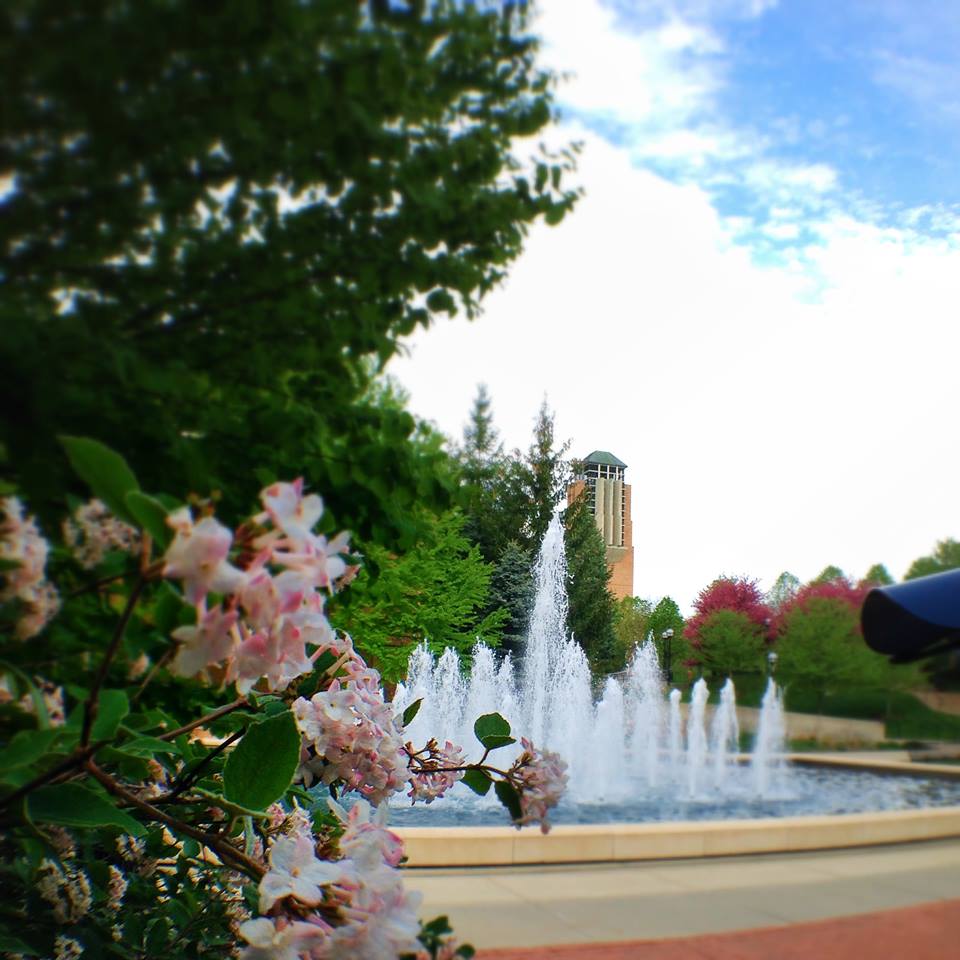
University of Michigan College of Engineering
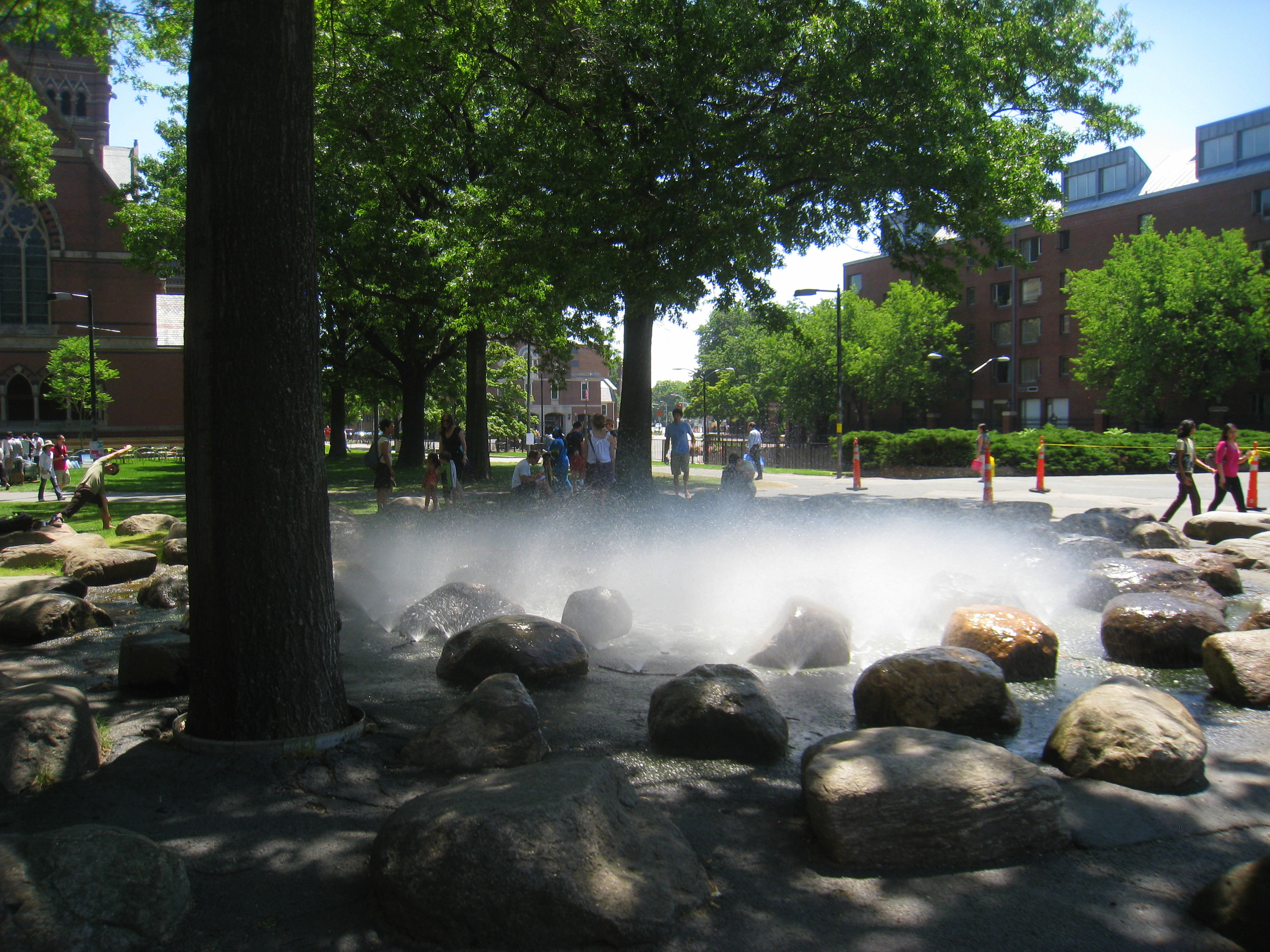
Harvard University

Florida State University
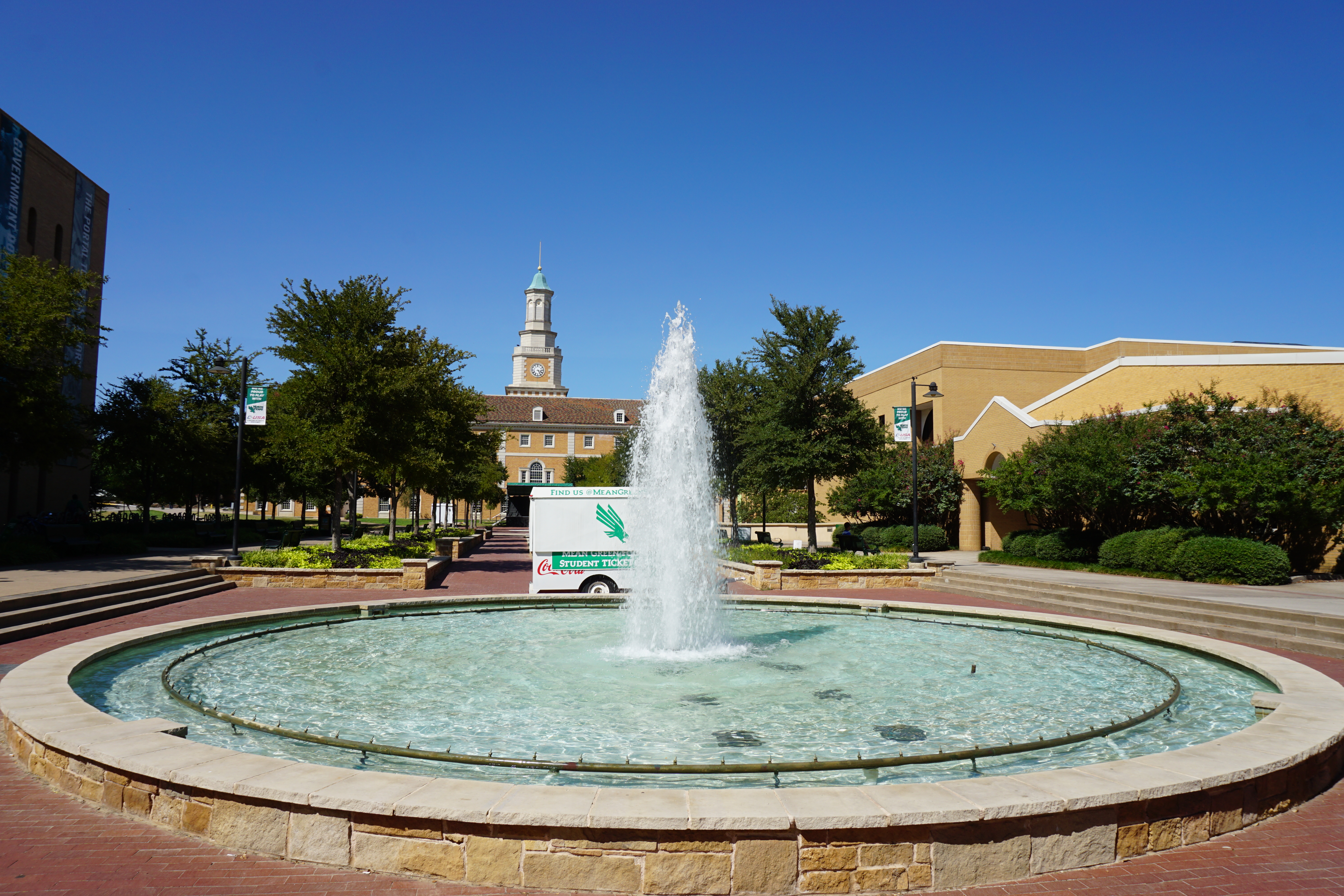
University of North Texas

Abiit sed non oblitus | Iowa
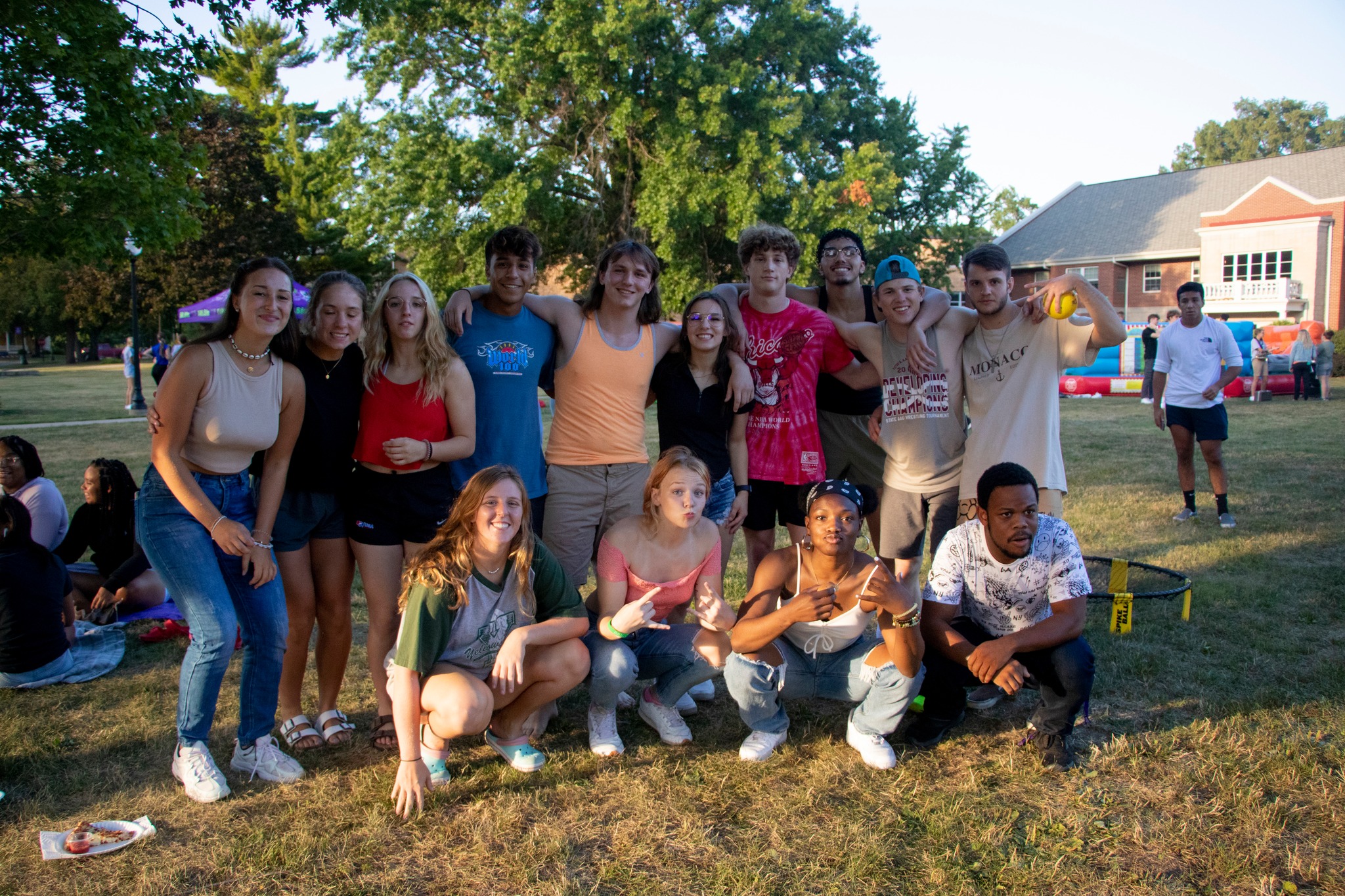
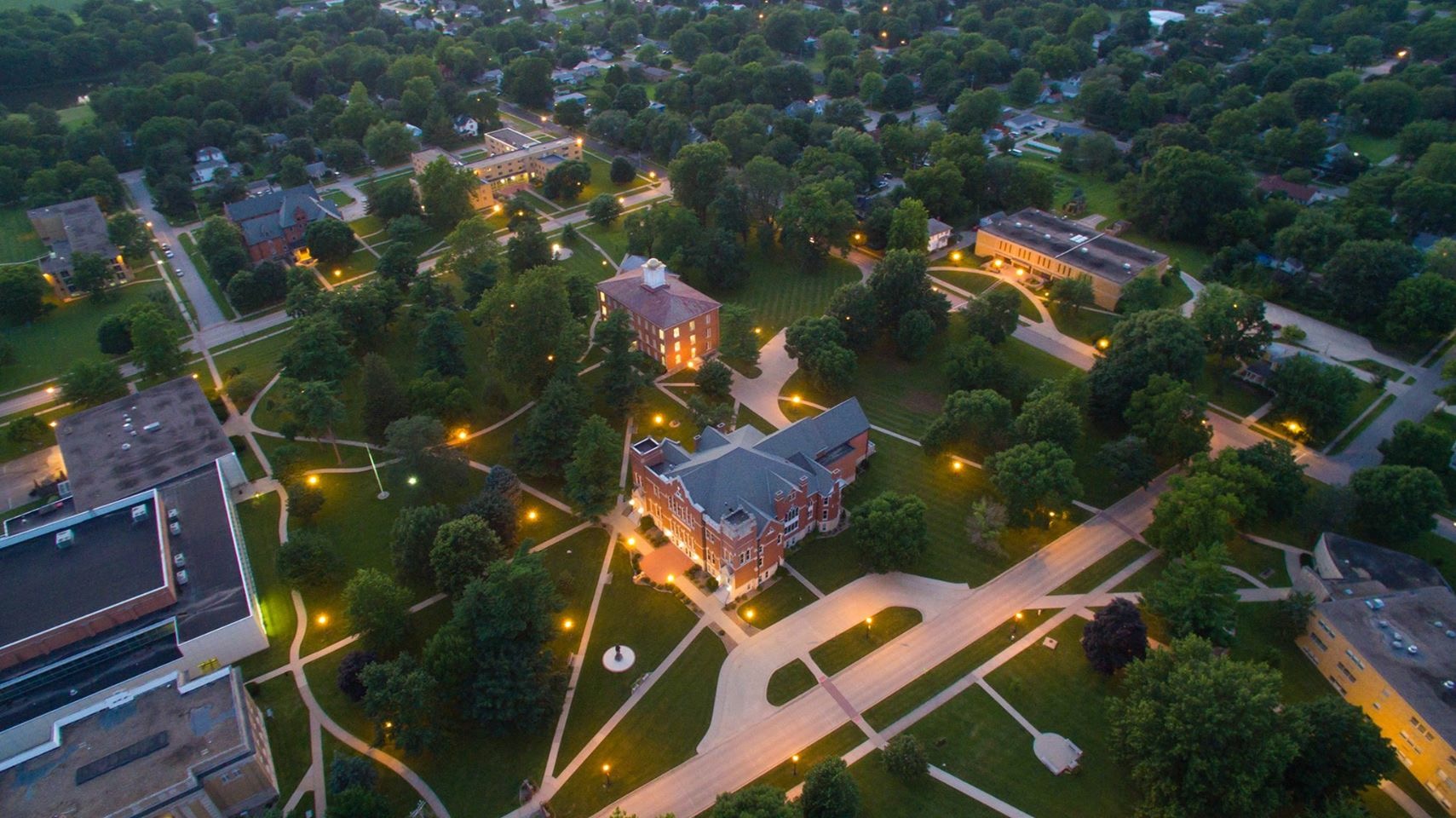
Iowa Wesleyan University is a private university in Mount Pleasant, Iowa with a founding affiliation with the United Methodist Church. It is Iowa’s first co-educational institution of higher learning and the oldest of its type west of the Mississippi River. It is one of several colleges and universities in the United States funded through the National Institute of Food and Agriculture program. These institutions receive funding for research, education, and outreach programs related to agriculture, food, and natural resources.
With an enrollment consistently below 1000 students the university will close at the end of the 2022–23 academic year owing to financial challenges.
More:
Iowa Wesleyan University to close after nearly 2 centuries
Long-struggling Iowa Wesleyan to close due to budget shortfall; USDA to take over campus
Owing $26 million to the USDA, Iowa Wesleyan University announces closure
This poem about Julian of Norwich from WOUND is one of the most meaningful to me, written at the height of pandemic spring.
I am so grateful to @GrantaMag for giving it an online home: pic.twitter.com/k4SveIBAJh
— Dr. Maya C. Popa (@MayaCPopa) May 23, 2023
A History of Ballooning in America
Around the World in 80 Days | Those Magnificent Men in Their Flying Machines
MIT News:
MIT students see the Earth's curvature in reborn AeroAstro intro course.https://t.co/Mrsb18ICMl@MIT
A History of Ballooning in Americahttps://t.co/7ck7xMRQdf@ClementsLibrary pic.twitter.com/InTZ30g3Oe— Standards Michigan (@StandardsMich) August 21, 2026


New update alert! The 2022 update to the Trademark Assignment Dataset is now available online. Find 1.29 million trademark assignments, involving 2.28 million unique trademark properties issued by the USPTO between March 1952 and January 2023: https://t.co/njrDAbSpwB pic.twitter.com/GkAXrHoQ9T
— USPTO (@uspto) July 13, 2023
Welcome
Standards Michigan Group, LLC
455 East Eisenhower Parkway, Suite 300
Ann Arbor, MI 48108 USA
888-748-3670
DIRECTIONS
 |
 |
|
 |
 |
|
 |
 |
Layout mode
Predefined Skins
Custom Colors
Choose your skin color
Patterns Background
Images Background
error: Content is protected !!
Skip to content