
The Rossborough Inn
- Home Page 194


Funeral Potatoes
Funeral potatoes are a tradition in Utah, especially within the Latter-day Saints community. This food is typically served at gatherings following funerals, providing warmth and solace to grieving families.The dish is a casserole made with hash brown potatoes, sour cream, cream of chicken soup, cheese, and a topping, often cornflakes or crushed potato chips. Its origins date back to the mid-20th century, when practical, easily-prepared meals were essential for feeding groups quickly.The name “funeral potatoes” reflects their frequent appearance at post-funeral luncheons, but they are also enjoyed at other gatherings and holidays. The dish embodies the spirit of community and support, symbolizing the care and comfort shared among friends and family during difficult times.
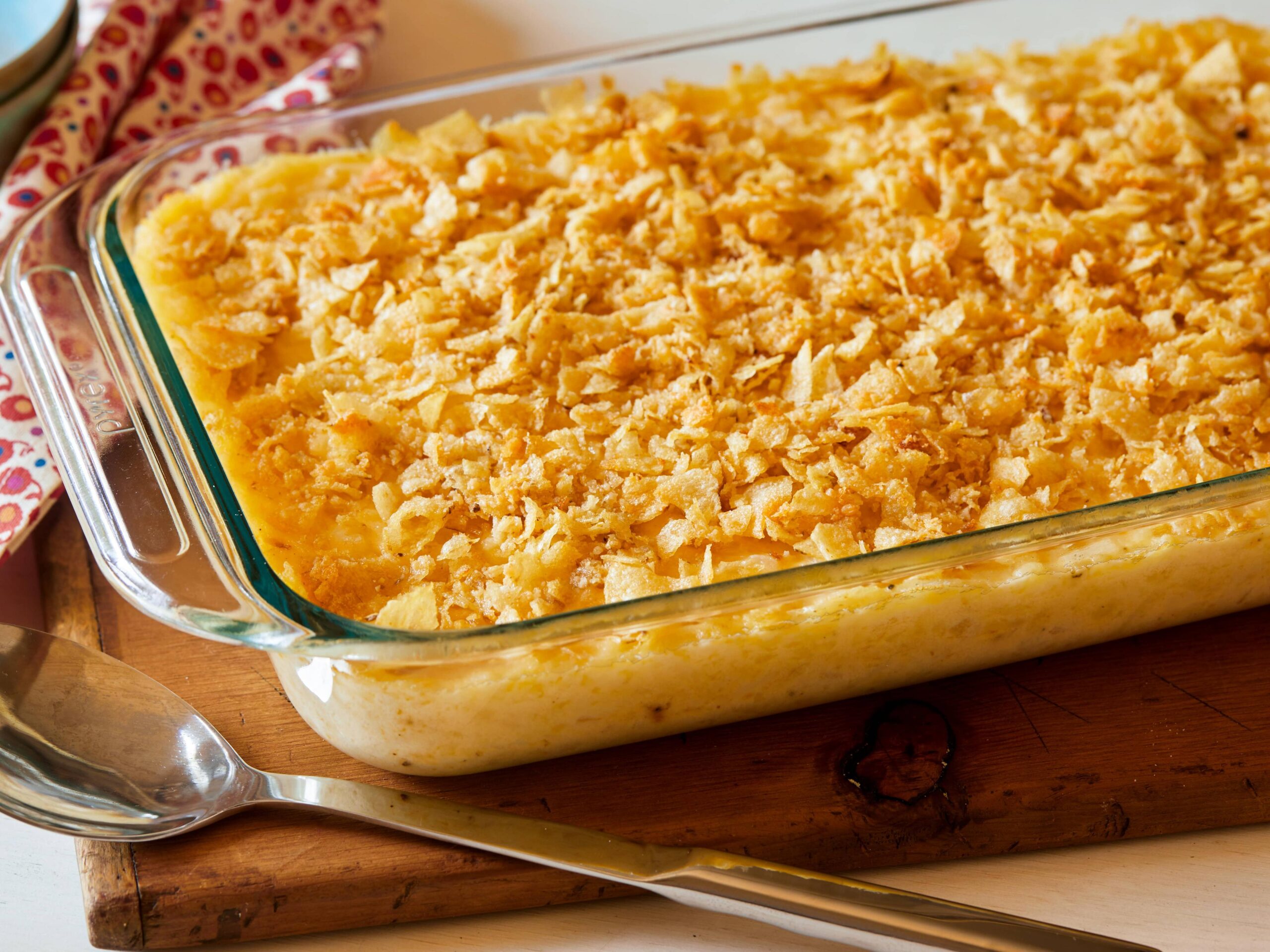
Recipe: Mormon Mortician in the Kitchen
Heart Greek Theatre
This content is accessible to paid subscribers. To view it please enter your password below or send mike@standardsmichigan.com a request for subscription details.

Agriculture

“Harvest Rest” | George Cole
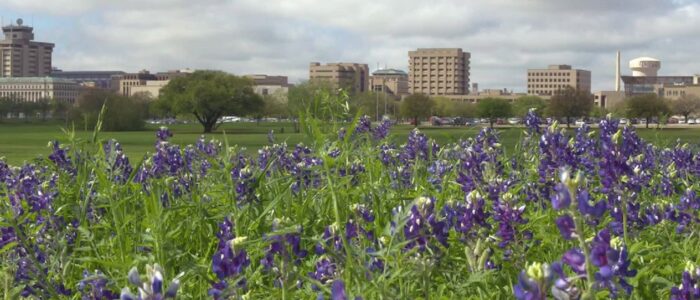
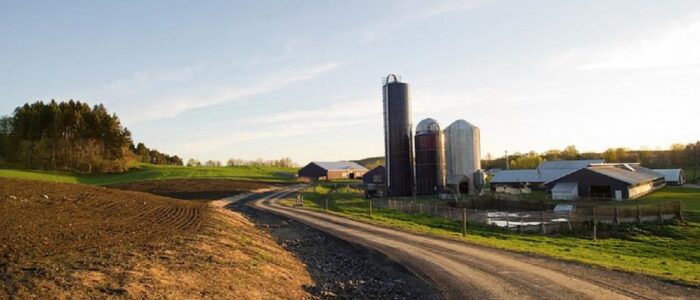
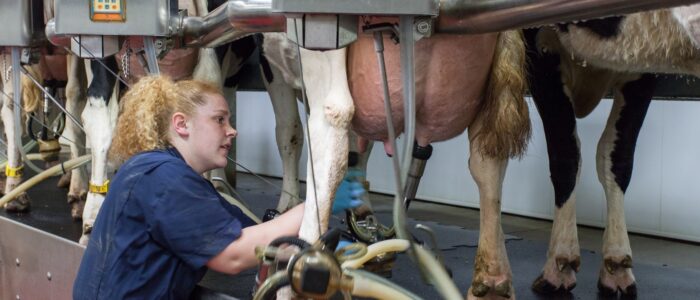
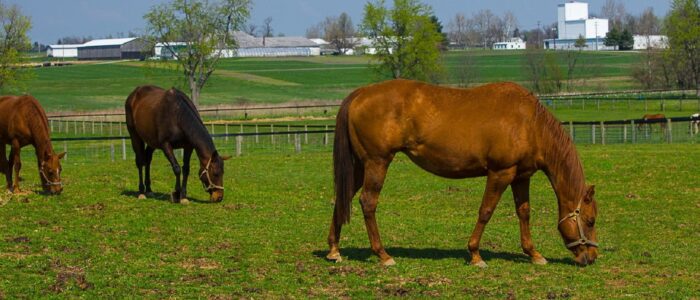
One characteristic of the “customer experience” of school children, dormitory residents, patients in university-affiliated hospitals and attendees of large athletic events is the quality of food. School districts and large research universities are responsible for hundreds of food service enterprises for communities that are sensitive to various points along the food supply chain.
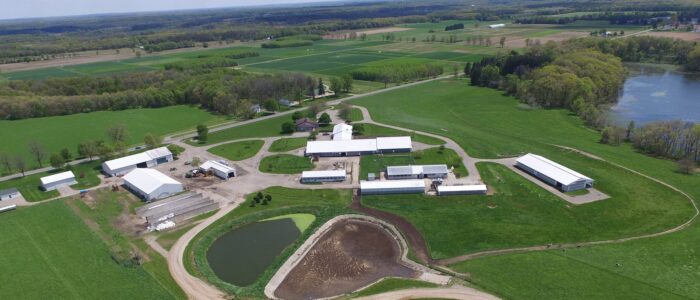
The American Society of Agricultural and Biological Engineers (ASABE) is one of the first names in standards setting for the technology and management of the major components of the global food supply chain. It has organized its ANSI-accredited standards setting enterprise into about 200 technical committees developing 260-odd consensus documents*. It throws off a fairly steady stream of public commenting opportunities; many of them relevant to agricultural equipment manufacturers (i.e, the Producer interest where the most money is) but enough of them relevant to consumers (i.e. the User interest where the least money is) and agricultural economics academic programs that we follow the growth of its best practice bibliography.
A few of the ASABE consensus documents that may be of interest to faculty and students in agricultural and environmental science studies are listed below:
- Safety for Farmstead Equipment
- Safety Color Code for Educational and Training Laboratories
- Recommended Methods for Measurement and Testing of LED Products for Plant Growth and Development
- Distributed Ledger Technology applications to the global food supply chain
The ASABE bibliography is dominated by product-related standards; a tendency we see in many business models of standards setting organizations because of the influence of global industrial conglomerates who can bury the cost of their participation into a sold product. Our primary interest lies in the movement of interoperability standards — much more difficult — as discussed in our ABOUT.
The home page for the ASABEs standards setting enterprise is linked below:


As of this posting we find no live consultation notices for interoperability standards relevant to educational settlements. Sometimes you can find them ‘more or less concurrently’ posted at the linked below:
We always encourage our colleagues to participate directly in the ASABE standards development process. Students are especially welcomed into the ASABE Community. Jean Walsh (walsh@asabe.org) and Scott Cederquist (cedarq@asabe.org) are listed as contacts.
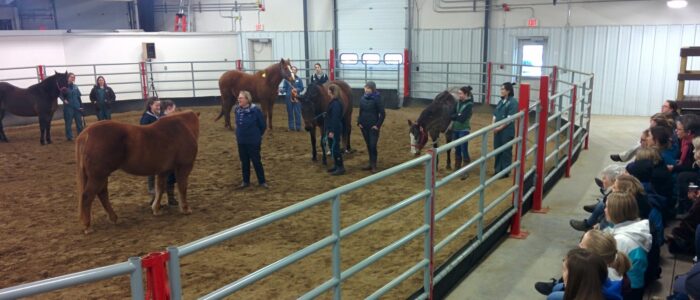
You’ll rarely need a doctor, lawyer, or policeman
But every day, three times a day, you need a farmer pic.twitter.com/X4CTPe11eT
— Conor Lynch (@c_k_lynch) July 25, 2022
Category: Food
Colleagues: Mike Anthony, Jack Janveja, Richard Robben
Meet Raley Kirk from San Saba, TX. Raising hair sheep and Spanish goats in the Texas Hill Country, Raley is proud to play a part in providing the food and fiber our country depends on every day.
For her, National Ag Week is about highlighting that meaningful work and ensuring… pic.twitter.com/9KKC4pzRgC
— Dept. of Agriculture (@USDA) March 19, 2026
More
Why Industry Standards Matter https://t.co/Nn7CgfEdAV
— Scott Cedarquist (@CedarquistASABE) March 4, 2019
Lovely 1873 view of New York. Source: https://t.co/rixNirgB8S pic.twitter.com/tQz6SsXUv9
— Simon Kuestenmacher (@simongerman600) January 27, 2025

Morrill Land-Grant Act
IEEE Rural Electric Power Conference | Agricultural Extension Offices
“Harvest Rest” 1865 George Cole
“Agriculture is our wisest pursuit, because it will in the end
contribute most to real wealth, good morals, and happiness.”
— Thomas Jefferson
From the Wikipedia: Land-grant university
“…A land-grant university (also called land-grant college or land-grant institution) is an institution of higher education in the United States designated by a state to receive the benefits of the Morrill Acts of 1862 and 1890.
The Morrill Acts funded educational institutions by granting federally controlled land to the states for them to sell, to raise funds, to establish and endow “land-grant” colleges. The mission of these institutions as set forth in the 1862 Act is to focus on the teaching of practical agriculture, science, military science, and engineering (though “without excluding… classical studies”), as a response to the industrial revolution and changing social class. This mission was in contrast to the historic practice of higher education to focus on a liberal arts curriculum. A 1994 expansion gave land grant status to several tribal colleges and universities….”
Link to the original legislation:
THIRTY-SEVENTH CONGRESS / Approved July 2, 1862

The Morrill Land-Grant Act has not undergone significant changes in its core structure within the past decade. However, there have been important developments and discussions surrounding its implementation, particularly regarding the use of land originally designated under the Act.
One key area of focus has been the ongoing management of trust lands associated with land-grant universities. Investigations have revealed that many of these lands continue to generate substantial revenue, often through activities such as fossil fuel production, mining, timber sales, and agriculture.
For instance, between 2018 and 2022, trust lands associated with land-grant universities generated over $6.7 billion in revenue. These investigations have also highlighted the historical context of how these lands were acquired, often from Indigenous nations, sparking ongoing debates about equity and restitution.
📢 REMINDER
If you are seeking eligibility for the Farmer Bridge Assistance Program, ensure your 2025 acreage reporting is factual and accurate by 5 PM ET on Dec. 19, 2025. Qualifying FBA payments are scheduled to be released by Feb. 28, 2026. https://t.co/ABBRK1b9xh pic.twitter.com/cLHZI2zeLq
— Dept. of Agriculture (@USDA) December 15, 2025
Several universities associated with the Morrill Land-Grant Act continue to generate significant revenue from fossil fuels, timber, and agricultural activities. Here are some examples:
- Washington State University (WSU): WSU benefits from timber sales on its trust lands, which have generated over $1.1 billion in revenue from 1889 to 2022. These lands are used for timber production, grazing, and other activities (Grist).
- University of Arizona: The university’s trust lands are involved in grazing, timber, and fossil fuel production. These lands generate revenue through leases for activities such as mining and oil extraction (Grist).
- University of Texas: The Permanent University Fund, which includes land-grant lands, generates revenue primarily through oil and gas production. The University of Texas system benefits significantly from these fossil fuel activities (Grist).
- University of Wyoming: Like other land-grant institutions, the University of Wyoming manages trust lands that produce revenue through activities like coal mining and grazing (Grist).
These activities raise important questions about the environmental and ethical implications of continuing to use land-grant trust lands in this manner, especially given the historical context of how these lands were acquired.
Point / Counterpoint

Peach’s
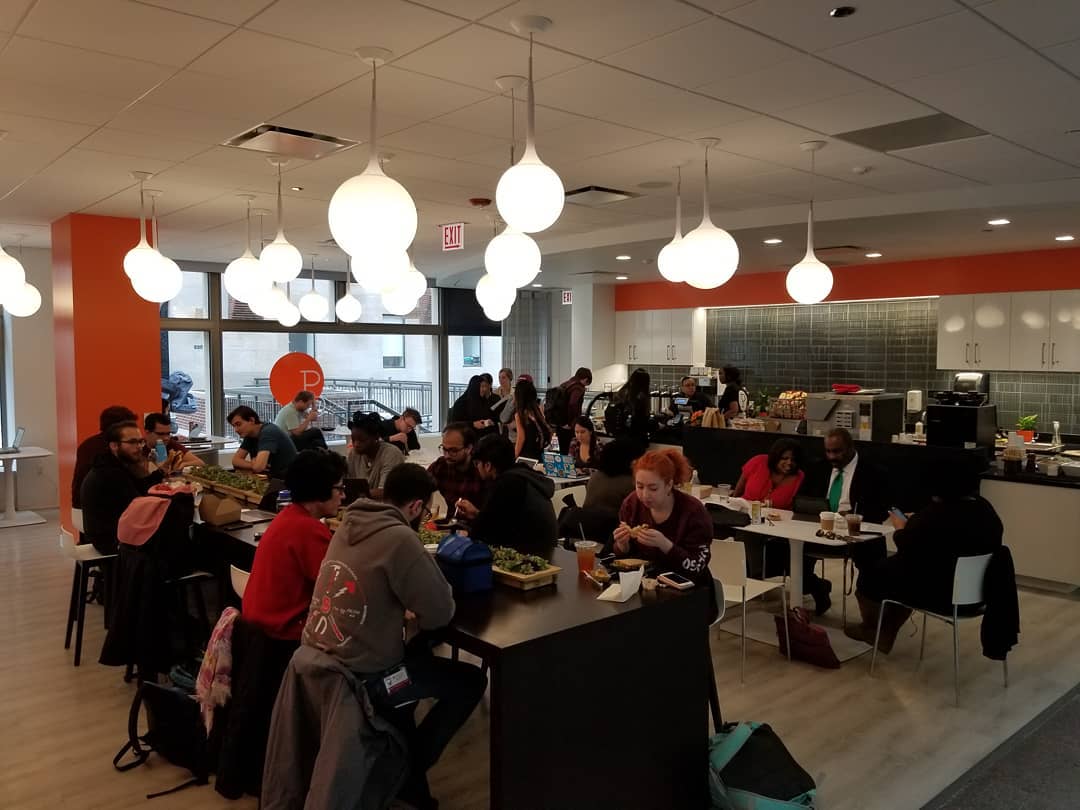
University of Chicago Consolidated Balance Sheets | $19.837B
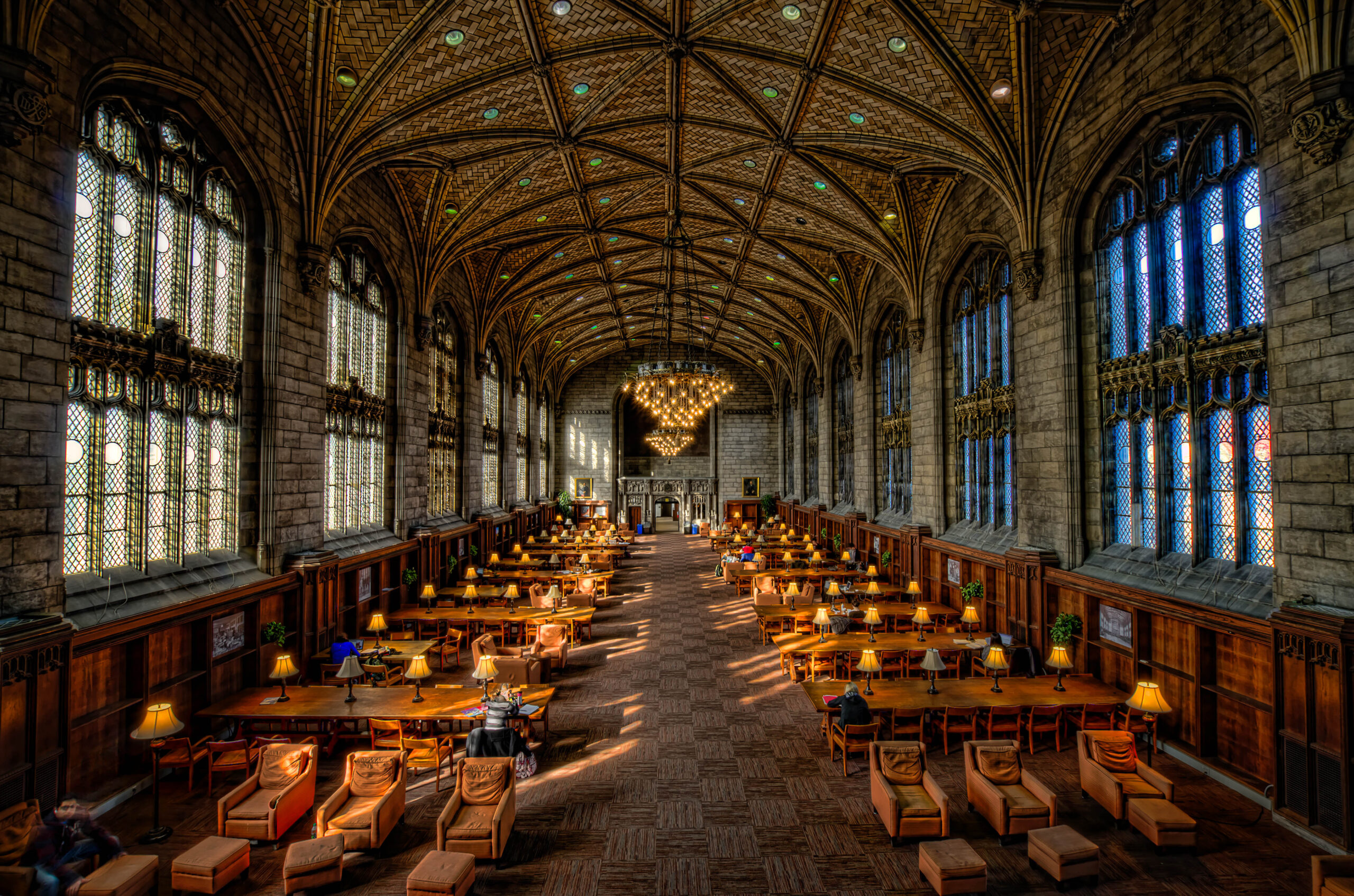
“Everydayness is not only a mode of being but a dimension of existence.”
Martin Heidegger “Being and Time”:

Relevant OSHA Action
This content is accessible to paid subscribers. To view it please enter your password below or send mike@standardsmichigan.com a request for subscription details.

Arenas, Lecture Halls & Theaters
National Fire Protection Association | 2022 Revenue $82M
2026 NEC Code Panel 15 Public Input Report with Committee Response
Note in the transcript above that the four proposals submitted by Standards Michigan relate to healthcare facilities. Code Panel 15 receives proposals for healthcare and assembly occupancy wiring safety concepts.

Marcel Jambon for an 1895 Paris production of Giuseppe Verdi’s Otello.
The standard of care for electrical system safety in dramatic art facilities in the education, and other industries, is largely established in Articles 518 through Article 540 of the National Electrical Code (NEC). In some instances, dramatic art activity takes place in athletic arenas so we are mindful of parent standards for assembly occupancies generally; found in Chapter 3 of the International Building Code.
Free public access to the current 2023edition of the NEC is linked below:
Of particular interest is the “technical power system” found in Article 640: Audio Signal Processing, Amplification, and Reproduction Equipment.
Access to the International Building Code on “related” occupancies is linked below (Chapter 3 Occupancy Classification and Use):
2021 International Building Code
Note the imperfect correlation between the NFPA and ICC occupancy definitions. This never happens by design but is sometimes necessary. Some risk aggregations have to be understood as terms of art; to be understood by seasoned experts in context. Also, keep in mind that the NEC is a wiring installation safety code.
Proposals for revisions to assembly-related installations in the for 2023 is linked below:
NFPA 70 Public Input Report for 2023 Assembly Occupancies
Second Draft Report for all articles assigned to CMP-15
The so called “song and dance” sections of the NEC have been fairly “stable” in recent cycles. Changes to these articles in the NEC 2020 revision are incremental — i.e clarifications on grounding, wiring methods, cord wiring, illumination — and helpful for designers and inspectors. Nothing budget busting. Convergence of fire safety, mass notification, environmental air and visual experiences continues as once-independent technologies continue integration.
2026 National Electrical Code Workspace
We collaborate with the IEEE Education & Healthcare Facilities Committee which meets 4 times monthly in Europe and the Americas. See our CALENDAR for the next online teleconferences; open to everyone.
Issue: [Various]
Category: Sport, Electrical, Telecommunications, Fire Protection, Arts & Entertainment Facilities, Lively Art
Colleagues: Mike Anthony, Matt Dozier, Jim Harvey
LEARN MORE:


Fall Watersport
Athletic Competition Timing Standards
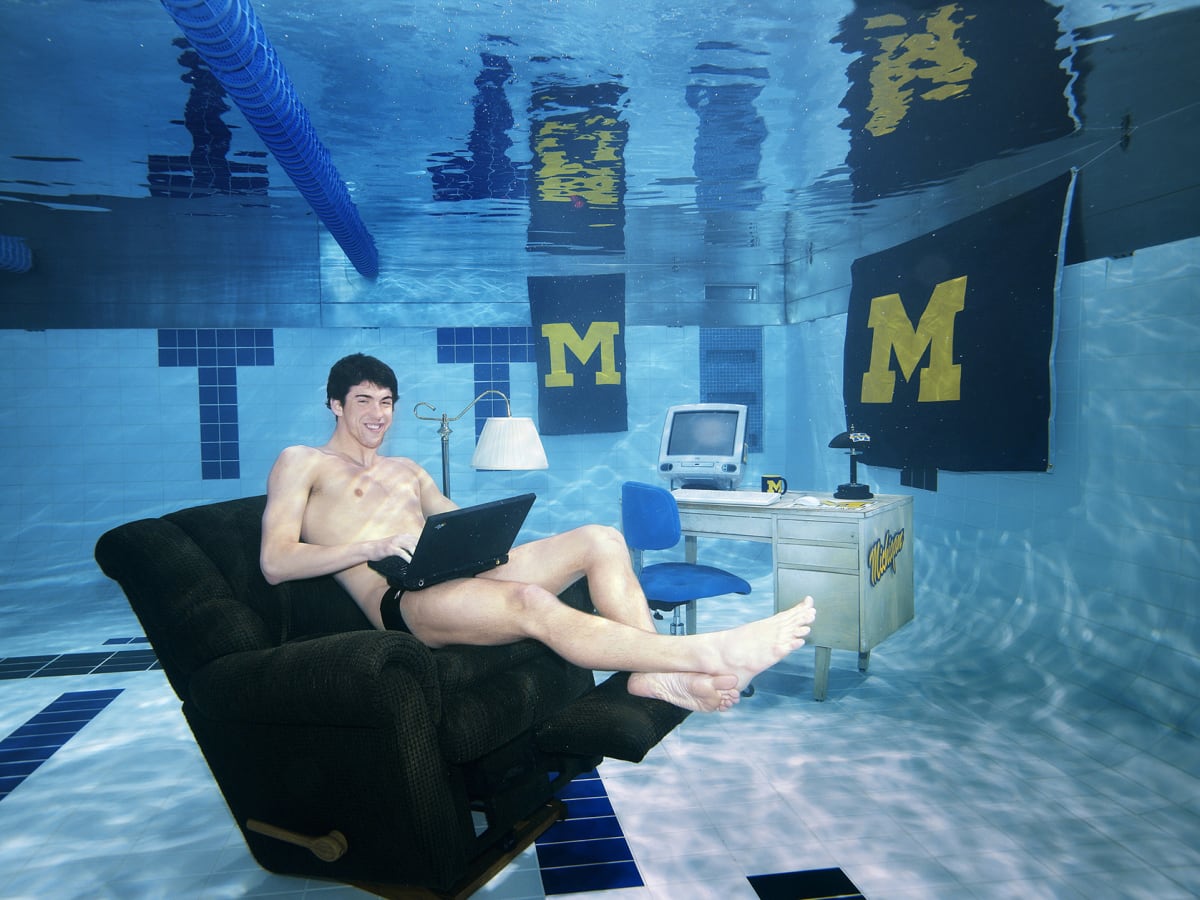
Today we update our understanding of best practice catalogs for outdoor and indoor watersport; primarily swimming and rowing. Use the login credentials at the upper right of our home page.
Michael Phelps Named No. 1 Athlete of Century By ESPN – https://t.co/ABuAyuQJBy pic.twitter.com/0swFlxT6ei
— Swimming World (@SwimmingWorld) July 18, 2024
Swimming like a poem …pic.twitter.com/zT2YUVEzoP
— Figen (@TheFigen_) September 21, 2024
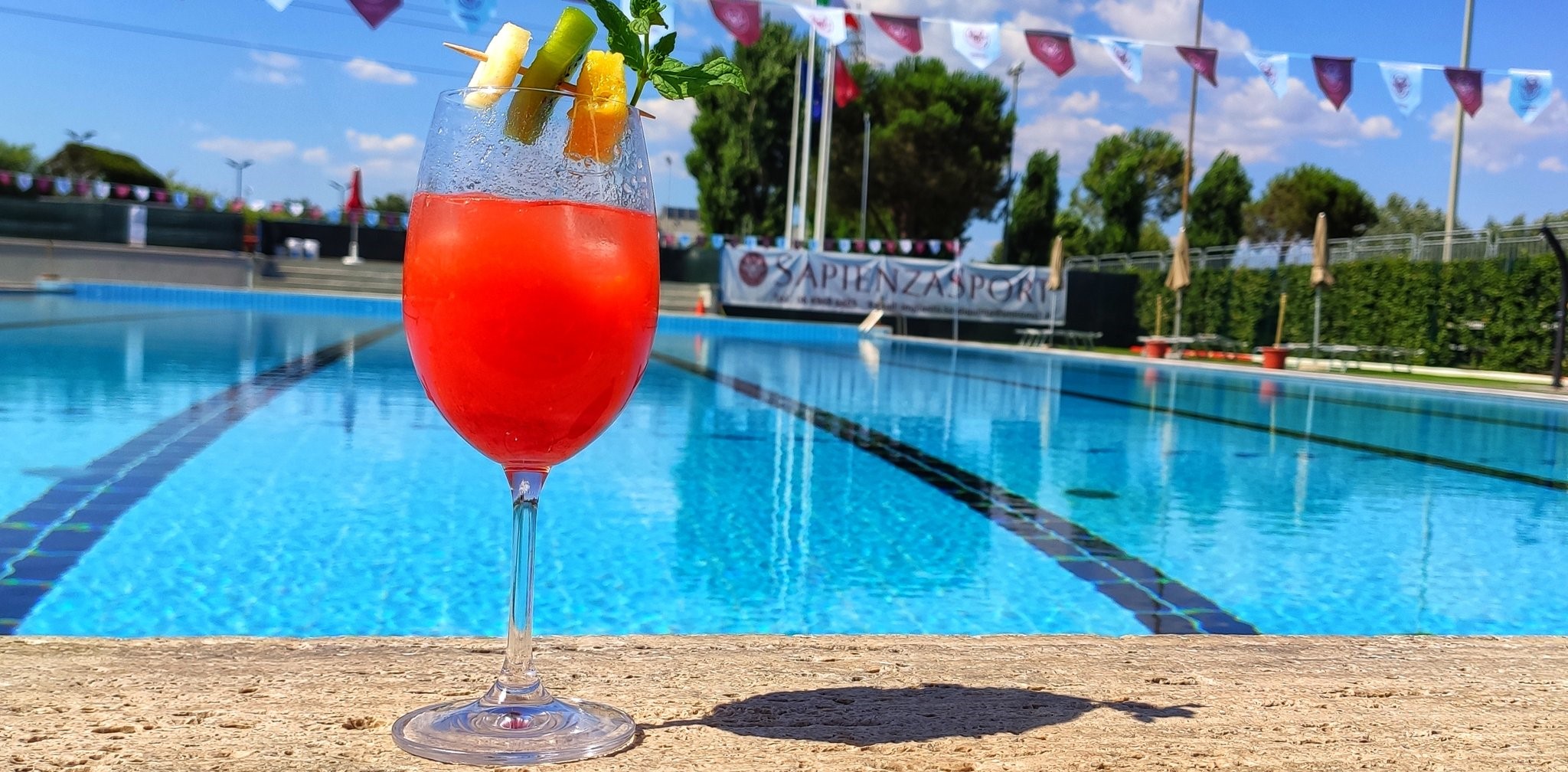
Sapienza – Università di Roma

USA Swimming and the National Collegiate Athletic Association Swimming are two distinct organizations that oversee different aspects of competitive swimming in the United States. USA Swimming governs competitive swimming in the United States across all age groups and skill levels, while NCAA Swimming specifically focuses on collegiate-level swimming and diving competitions within the NCAA framework. Both organizations play crucial roles in the development and promotion of swimming in the United States.
Governing Body:
USA Swimming is the national governing body for the sport of swimming in the United States. It is responsible for overseeing competitive swimming at all levels, from grassroots programs to elite national and international competitions.
NCAA Swimming: NCAA Swimming is part of the National Collegiate Athletic Association (NCAA), which governs intercollegiate sports in the United States. NCAA Swimming specifically deals with collegiate-level swimming competitions among universities and colleges.
Scope:
USA Swimming is responsible for organizing and regulating competitive swimming for all age groups and skill levels, from youth swimmers to Masters swimmers (adults). It oversees swim clubs, hosts competitions, and develops national teams for international events.
NCAA Swimming: NCAA Swimming focuses exclusively on college-level swimming and diving competitions. It sets the rules and guidelines for swimming and diving programs at NCAA member institutions.
Membership:
Individuals, swim clubs, and teams can become members of USA Swimming, allowing them to participate in USA Swimming-sanctioned events, access coaching resources, and benefit from the organization’s development programs.
NCAA Swimming: NCAA Swimming is composed of collegiate athletes who compete for their respective universities and colleges. Athletes are typically student-athletes who represent their schools in NCAA-sanctioned competitions.
Competition Format:
USA Swimming hosts a wide range of competitions, including local, regional, and national meets, as well as Olympic Trials and international events. Swimmers compete as individuals, representing their swim clubs or teams.
NCAA Swimming: NCAA Swimming primarily consists of dual meets, invitational meets, and conference championships at the collegiate level. Swimmers represent their respective universities or colleges, earning points for their teams in dual meets and competing for conference and national titles.
Scholarships:
USA Swimming itself does not offer scholarships. Scholarships for competitive swimmers are typically awarded by colleges and universities based on an athlete’s performance and potential.
NCAA Swimming: NCAA member institutions offer scholarships to talented student-athletes in various sports, including swimming. These scholarships can cover tuition, room, board, and other expenses, making NCAA swimming an avenue for athletes to receive financial support for their education.
Turning our pool deck into a GYM 🤙🏋️♀️ pic.twitter.com/vfilShA8Ef
— Bobby Guntoro (@bobbygunt) September 25, 2023
Your call 📱 pic.twitter.com/4ubIUklHCi
— uncwswimdive (@uncwswimdive) July 9, 2024
The moment a father consoles daughter after missing out on olympics medal
pic.twitter.com/kSHd4AIH4Z— Science girl (@gunsnrosesgirl3) August 8, 2024
New update alert! The 2022 update to the Trademark Assignment Dataset is now available online. Find 1.29 million trademark assignments, involving 2.28 million unique trademark properties issued by the USPTO between March 1952 and January 2023: https://t.co/njrDAbSpwB pic.twitter.com/GkAXrHoQ9T
— USPTO (@uspto) July 13, 2023
Standards Michigan Group, LLC
2723 South State Street | Suite 150
Ann Arbor, MI 48104 USA
888-746-3670
DIRECTIONS
 |
 |
|
 |
 |
|
 |
 |