


Tag Archives: D5
- Home
- Posts tagged "D5"

loading..

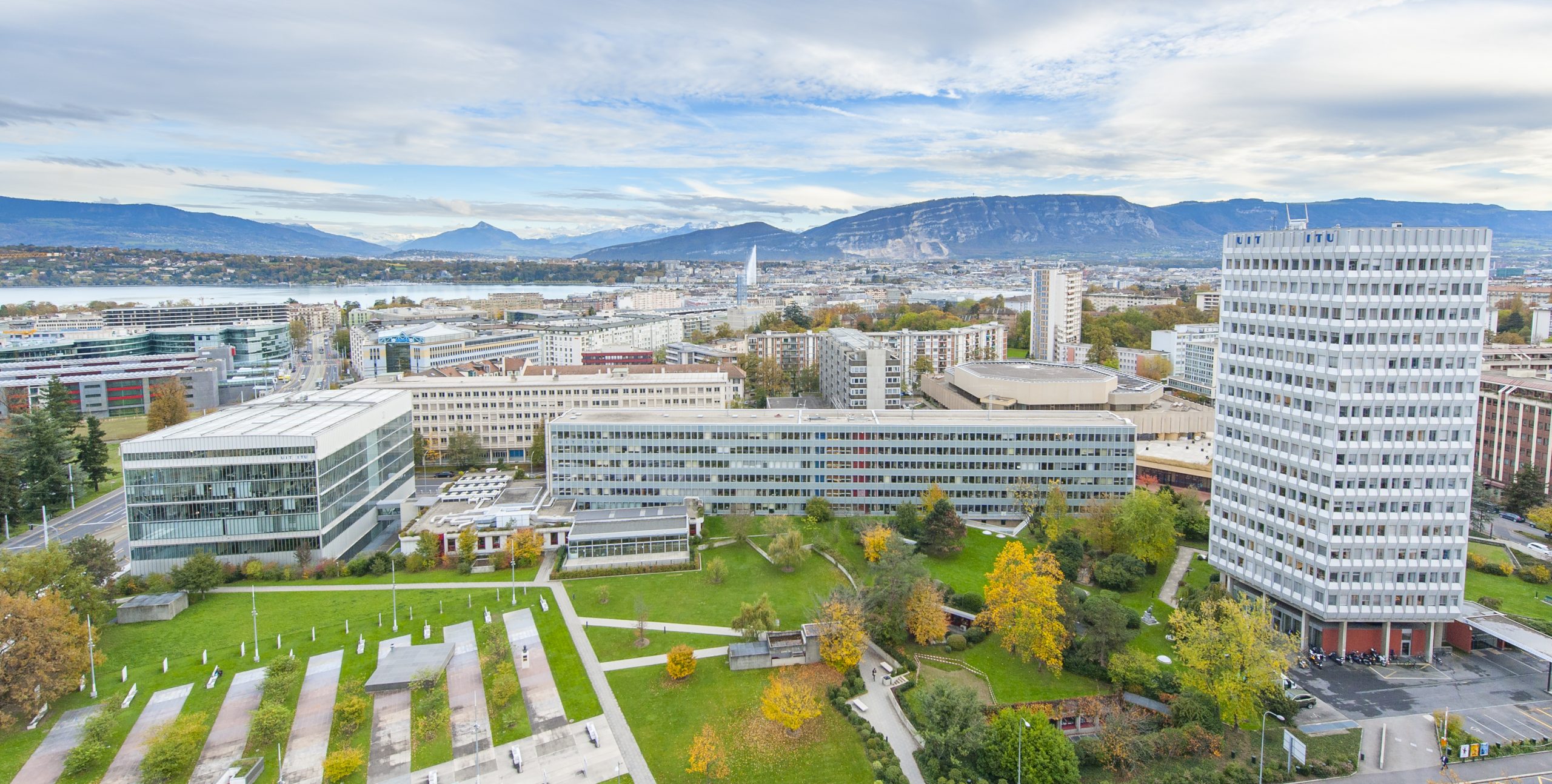

Amphitheaters

“Panoramic View of the Greek Amphitheatre at Syracuse” 18th Century Abraham Louis Rodolphe Ducros
From from time to time — particularly in the months of fairer weather, when many events are hosted outdoors — we break form from the grind of responding to c0nsultations to simply enjoy these spaces See our CALENDAR for our periodic Lively c0lloquia when we drill down into technical specifics.
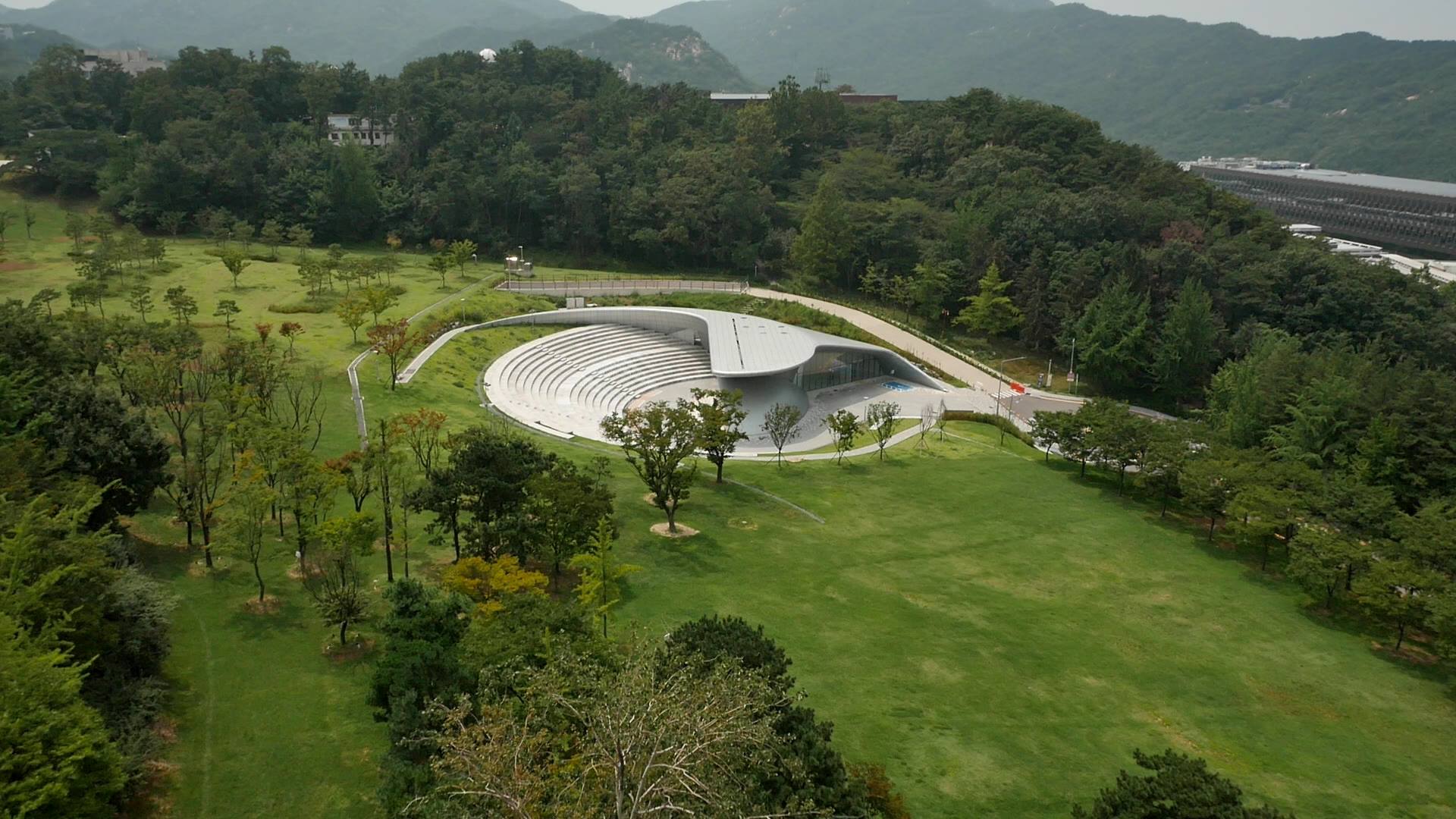
서울대학교

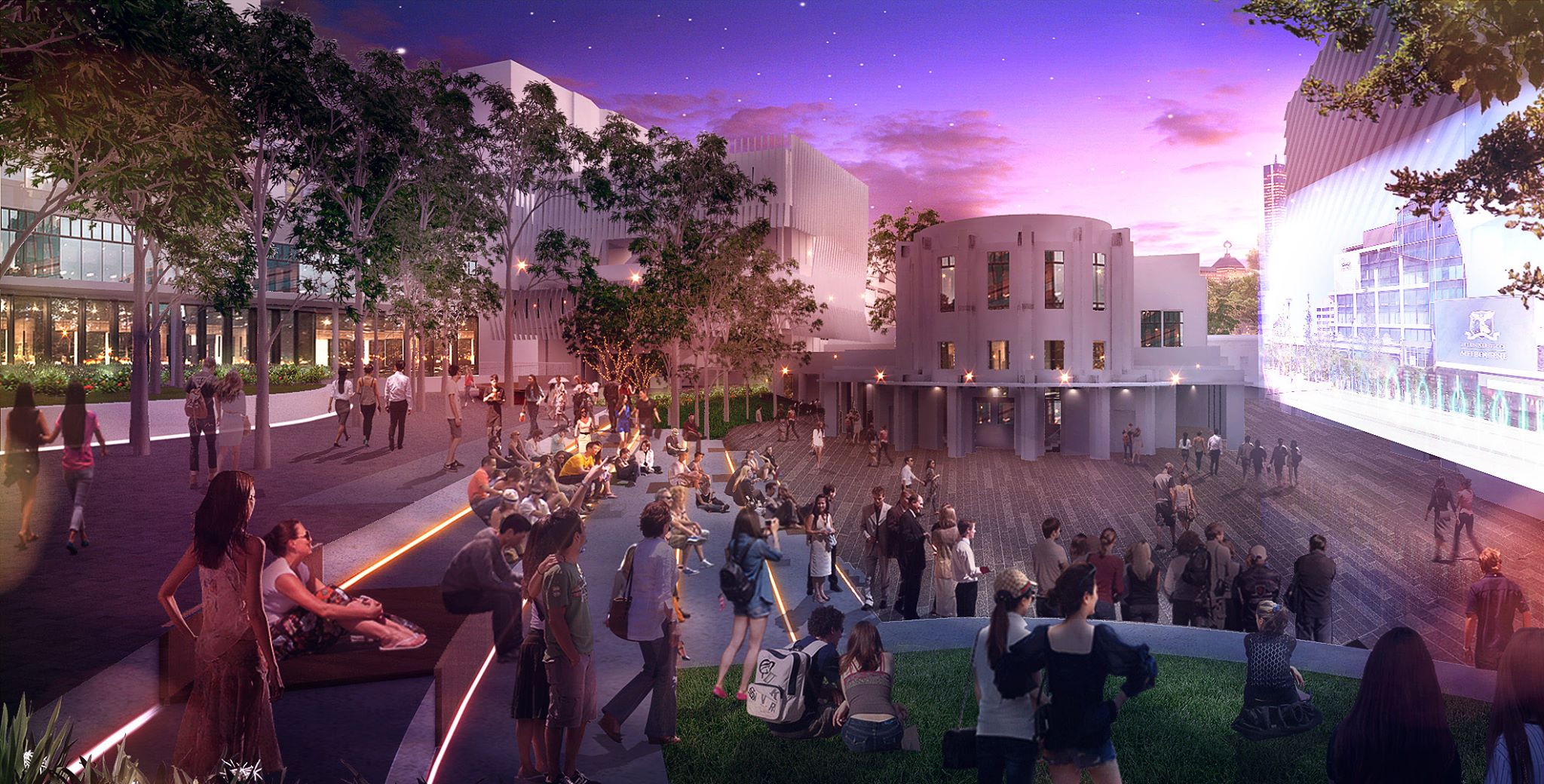
University of Melbourne (Architect rendering of project in process)
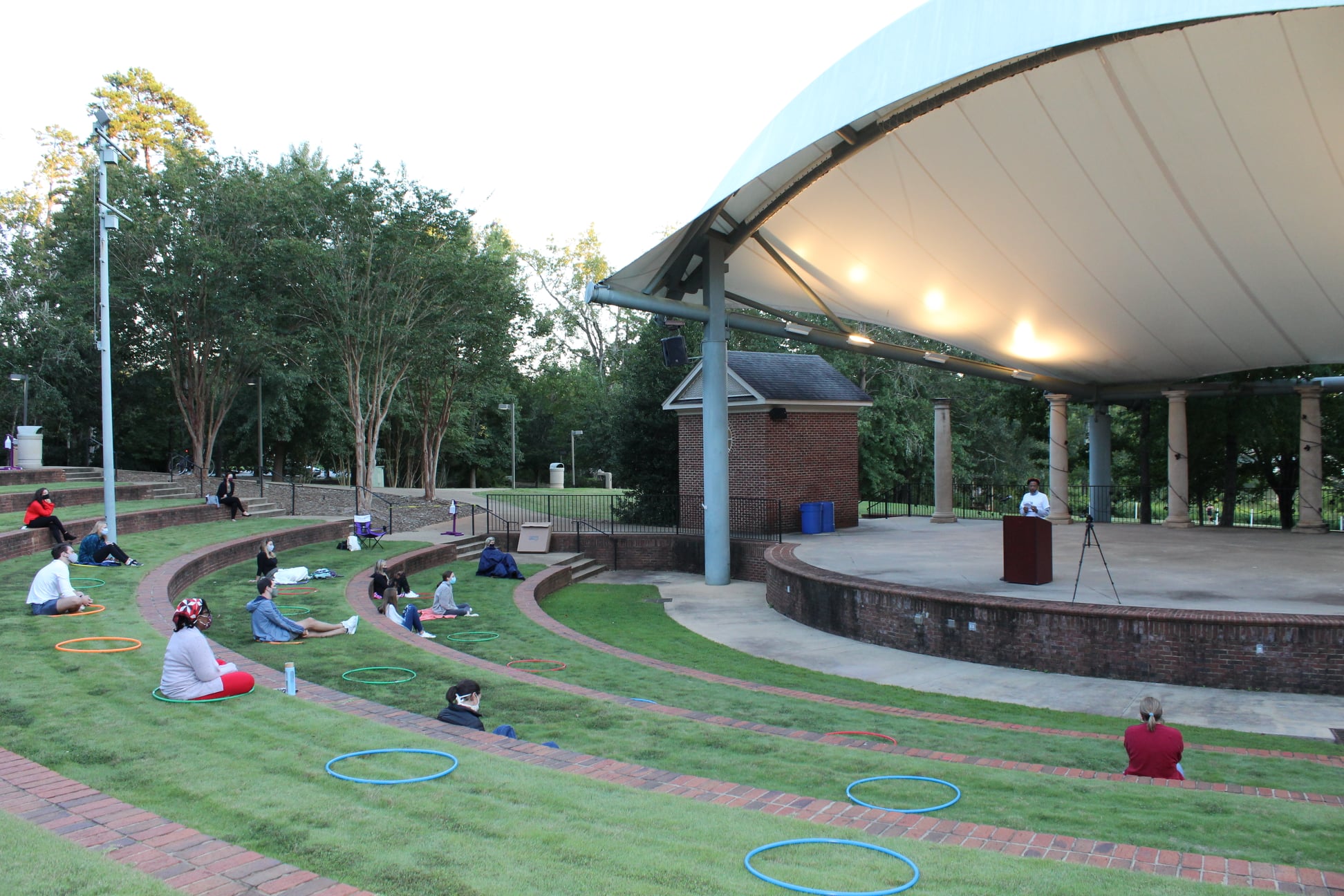
Furman University
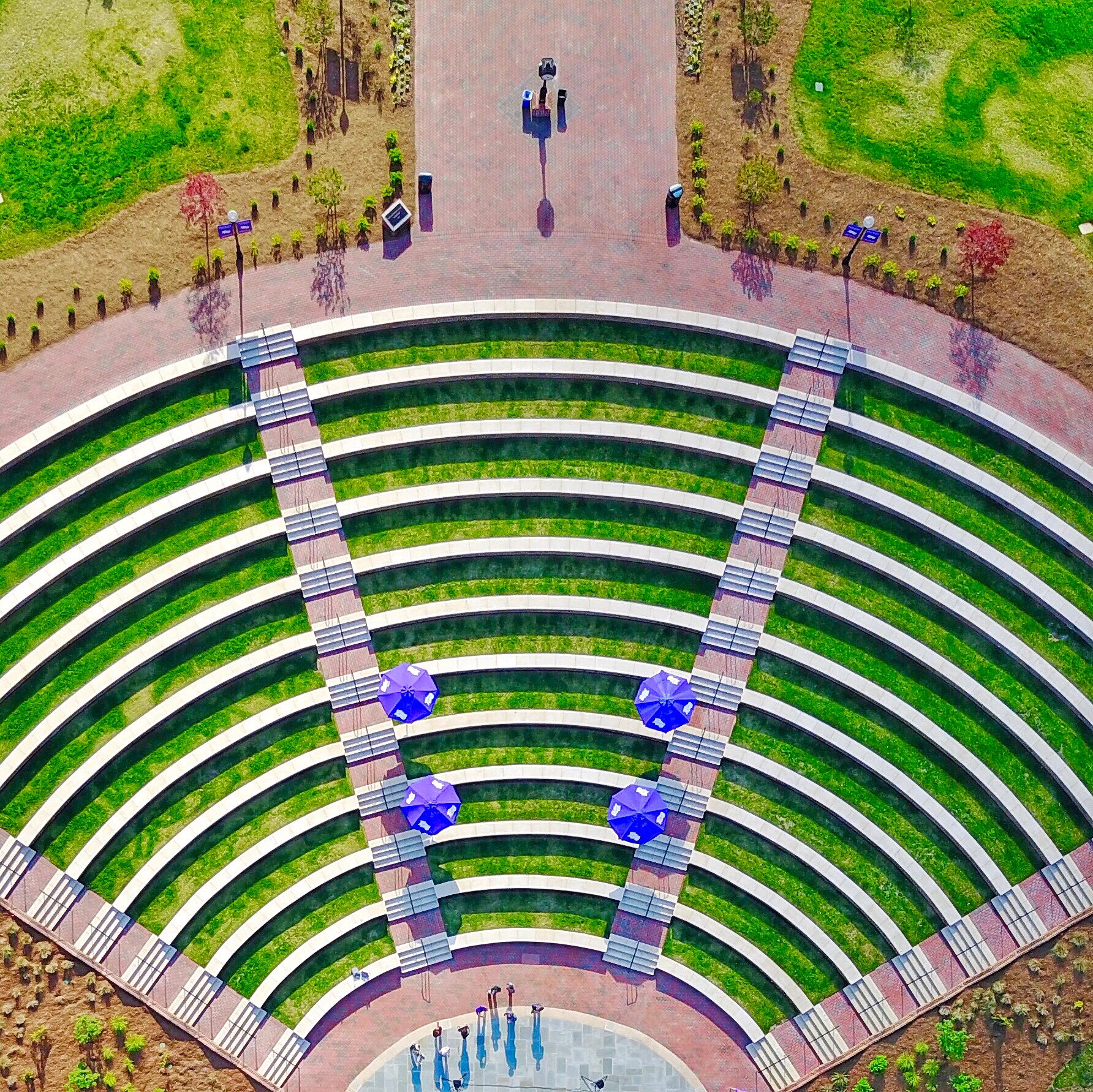
High Point University
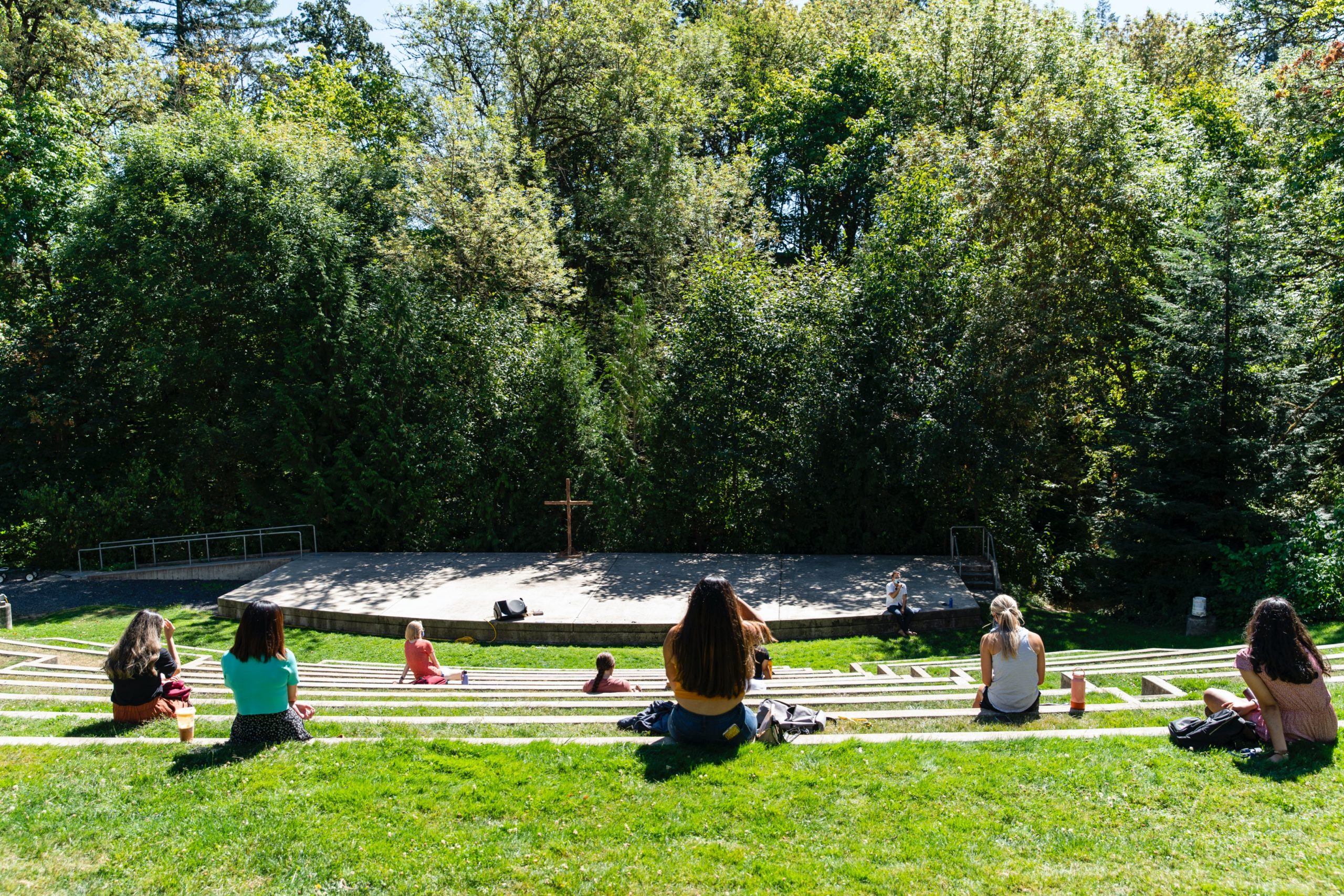
George Fox University Oregon
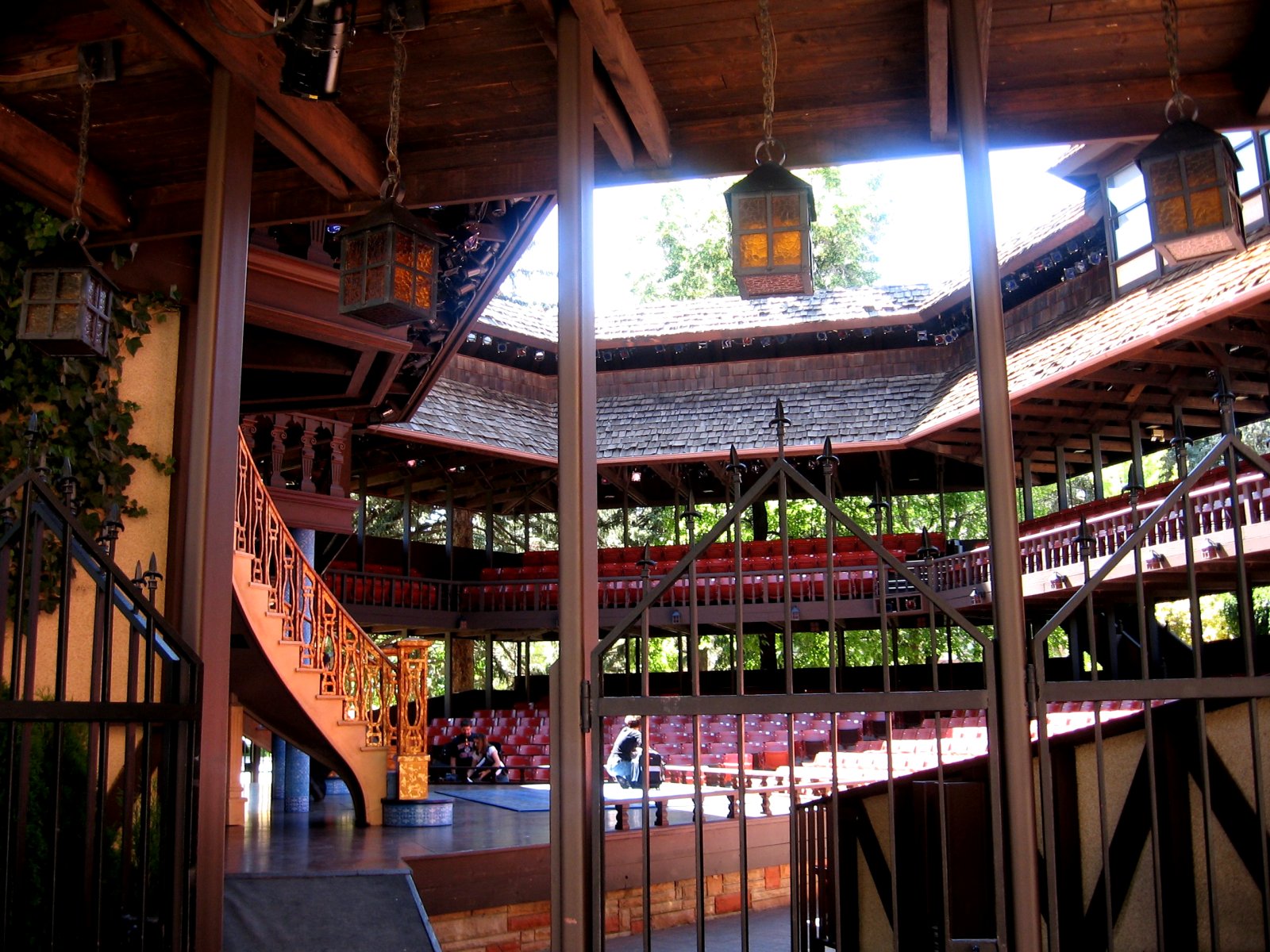
Globe Theater / Southern Utah University
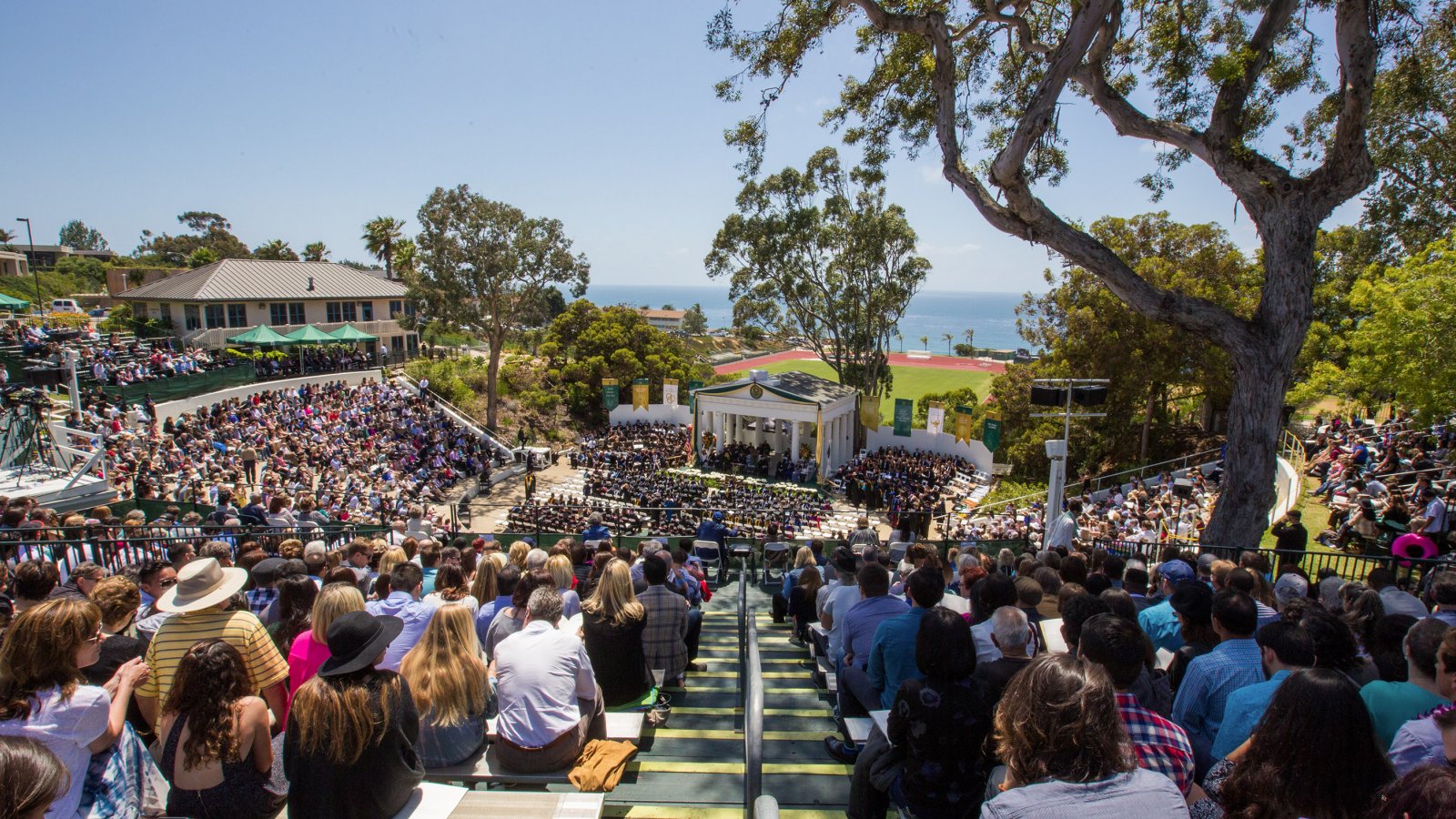
Point Loma Nazarene University
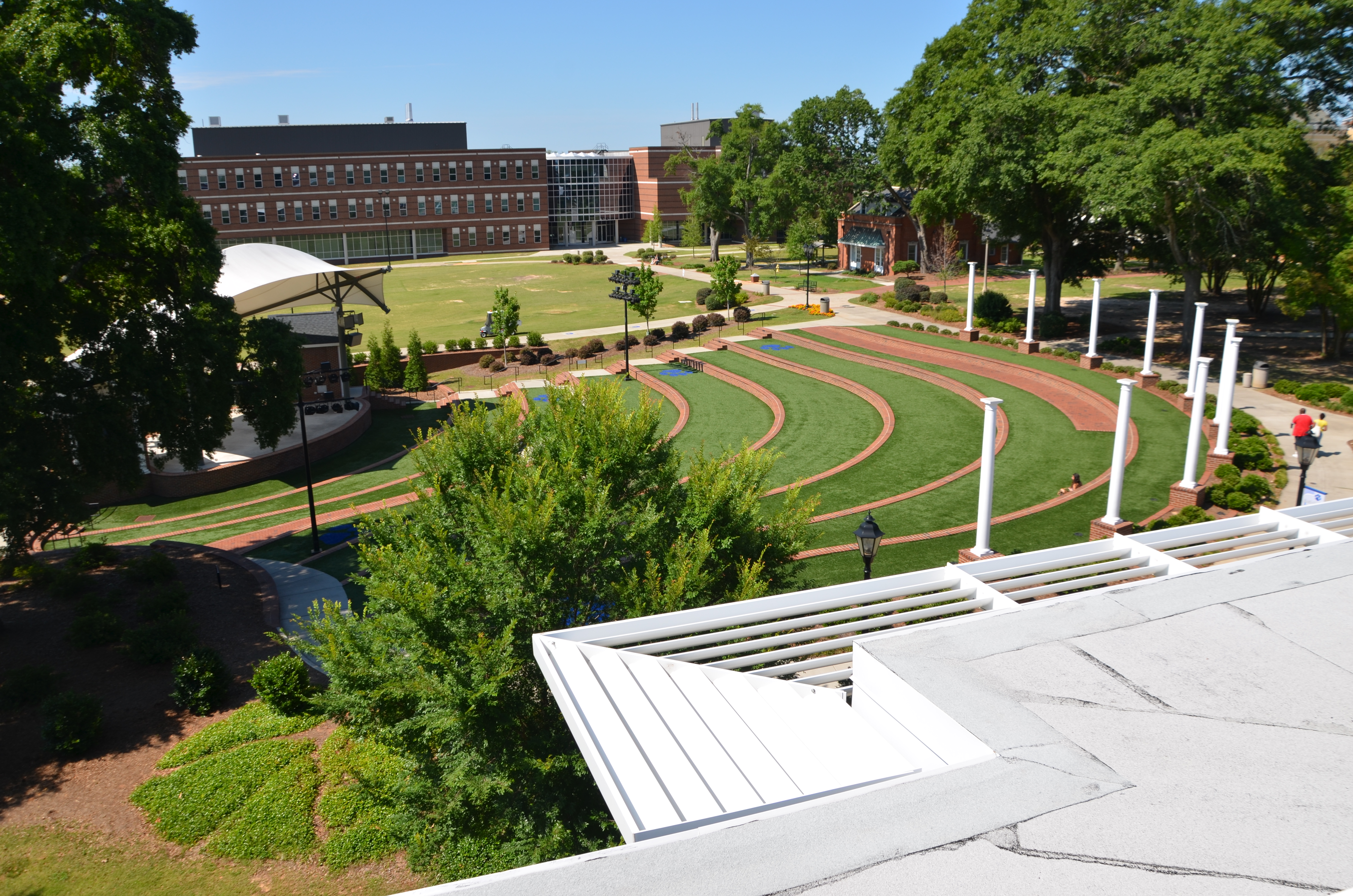
Augusta University / Georgia
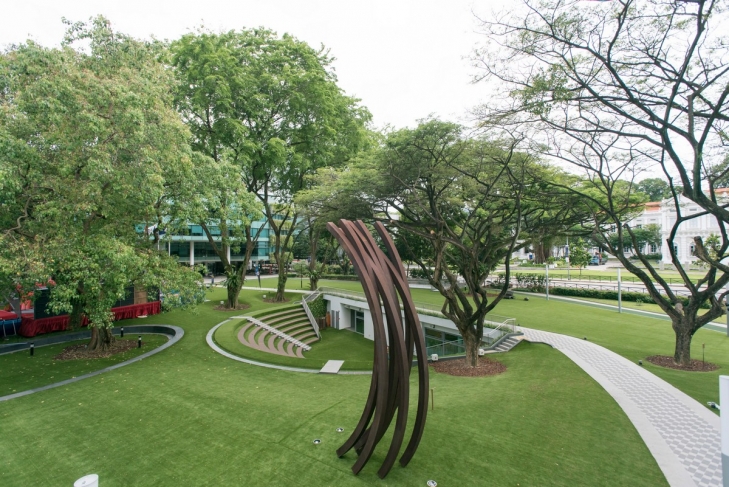
Singapore Management University
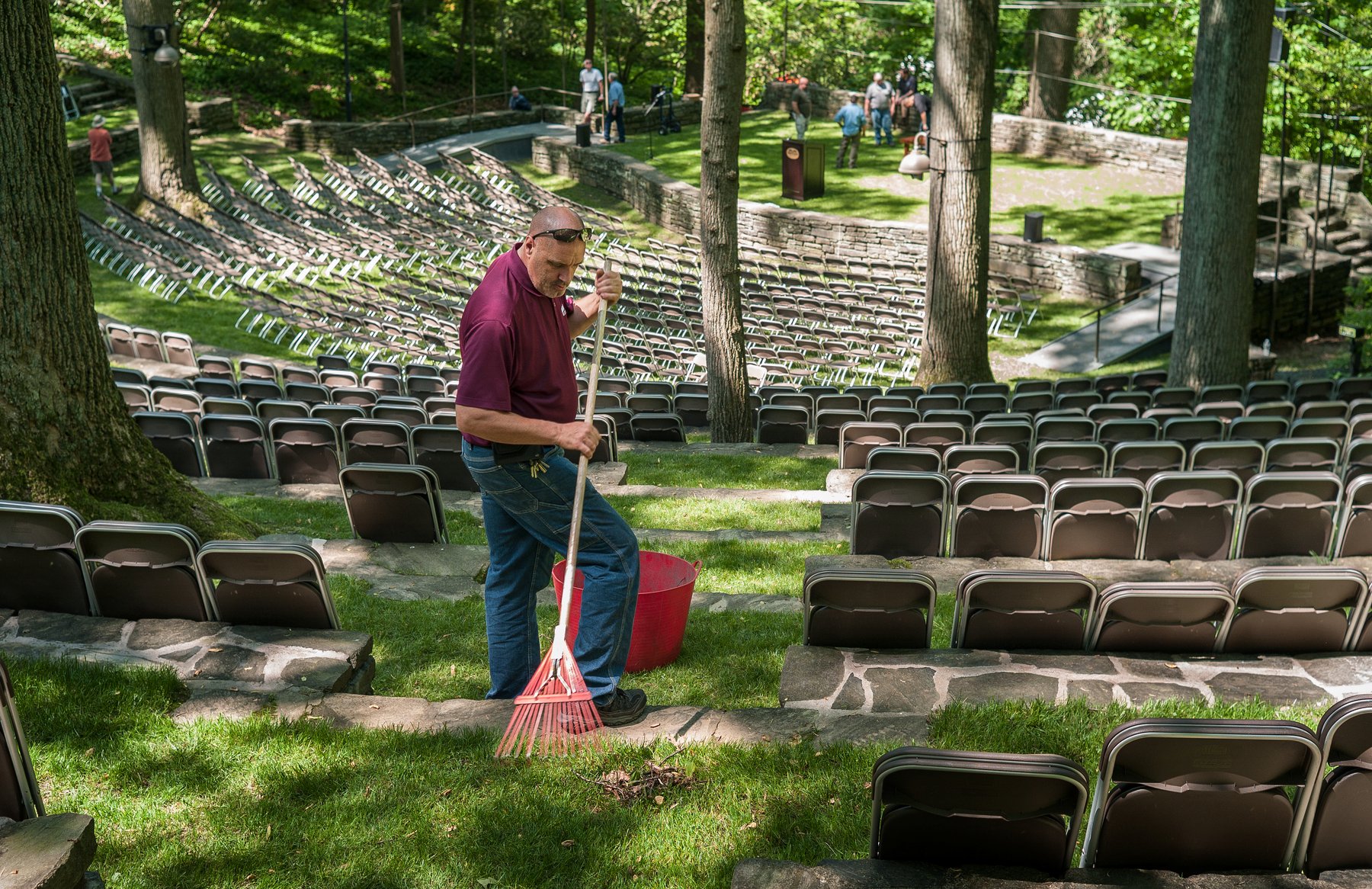
Swarthmore College
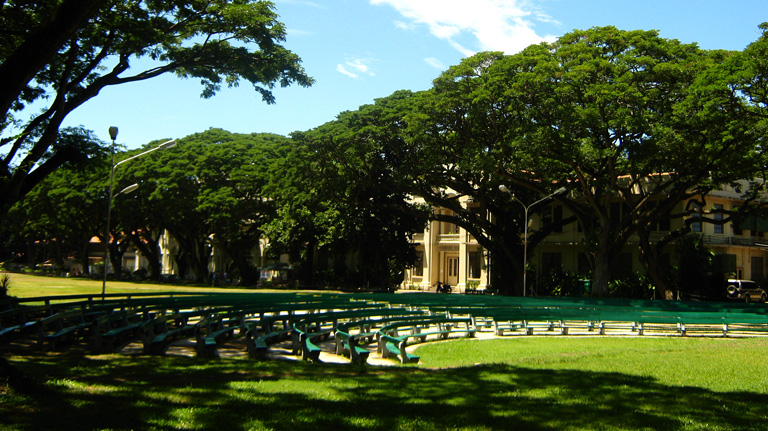
Silliman University Amphitheater / The Phillippines
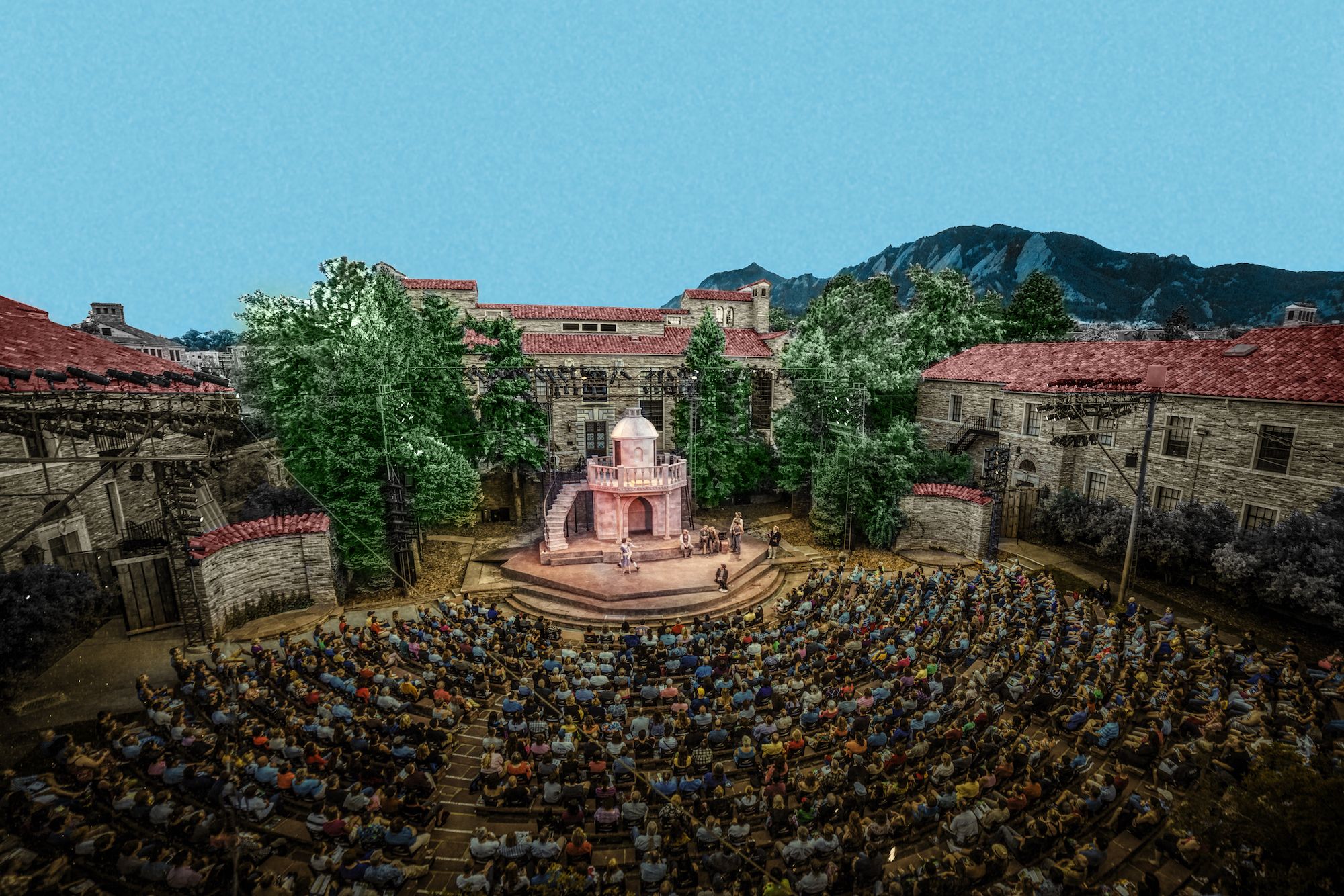
University of Colorado
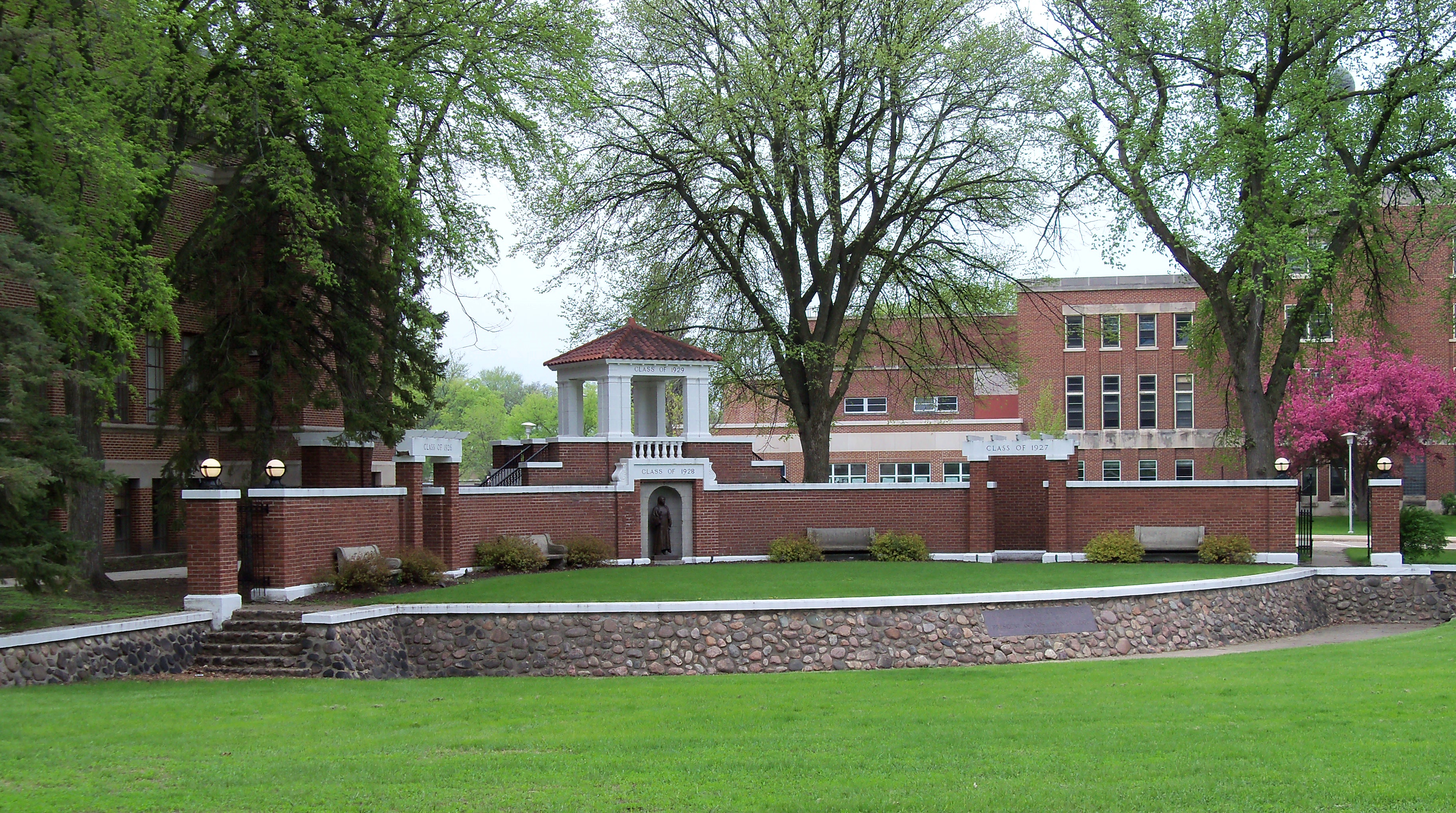
South Dakota State University
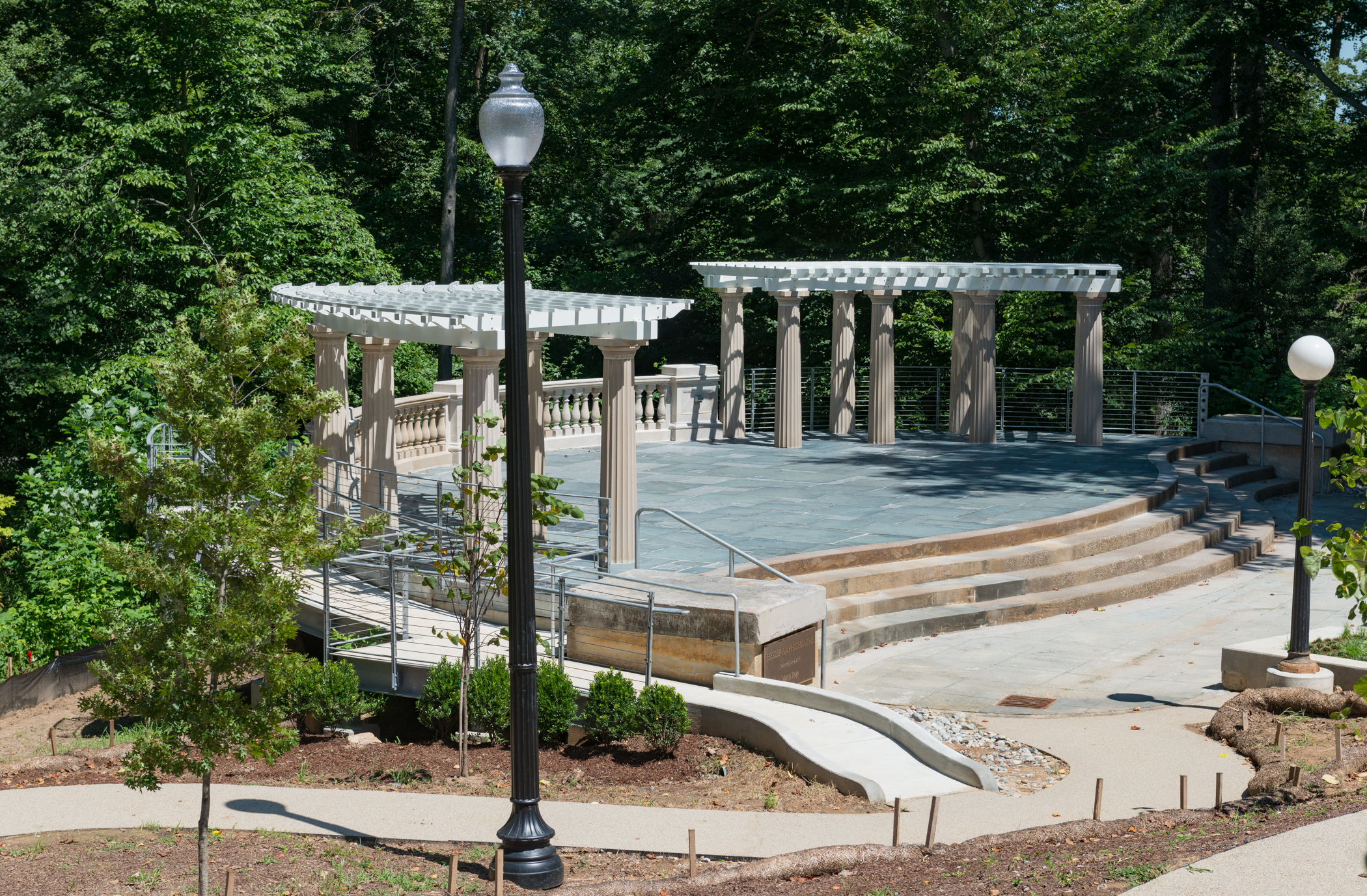
University of Mary Washington / Virginia
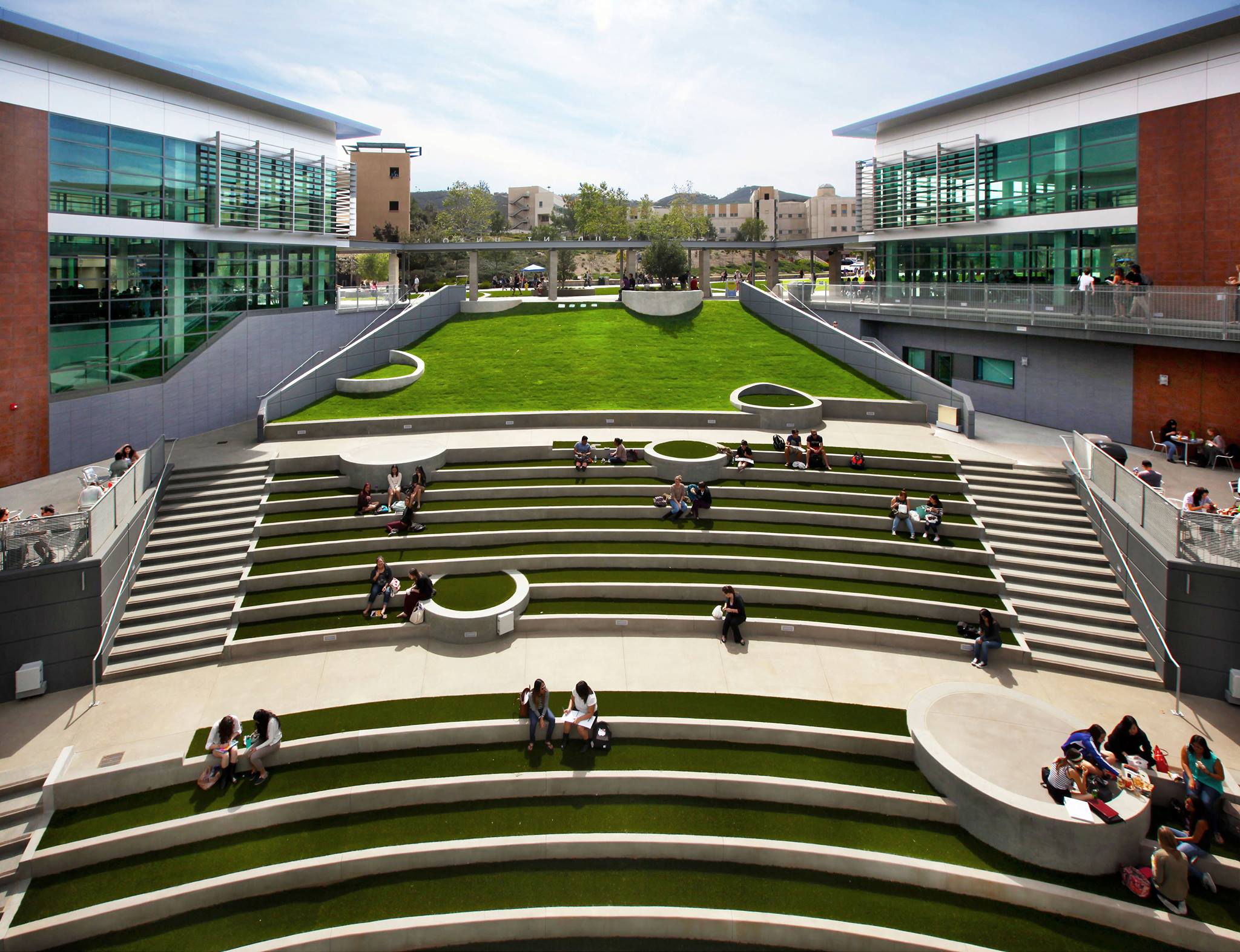
California State University San Marcos
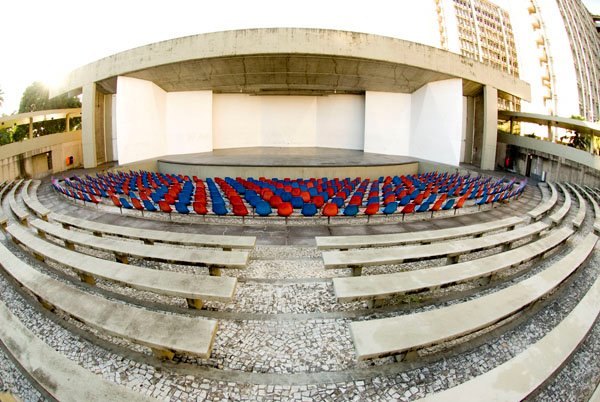
Universidade do Estado do Rio de Janeiro
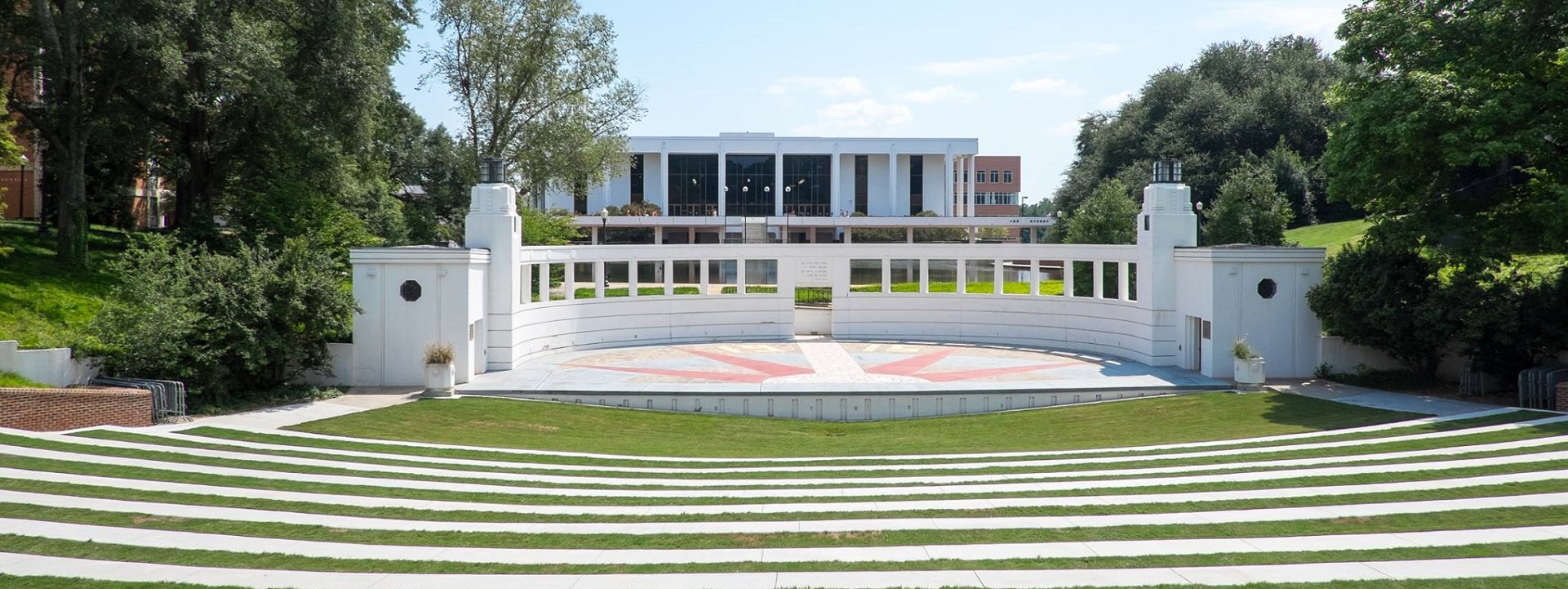
Clemson University
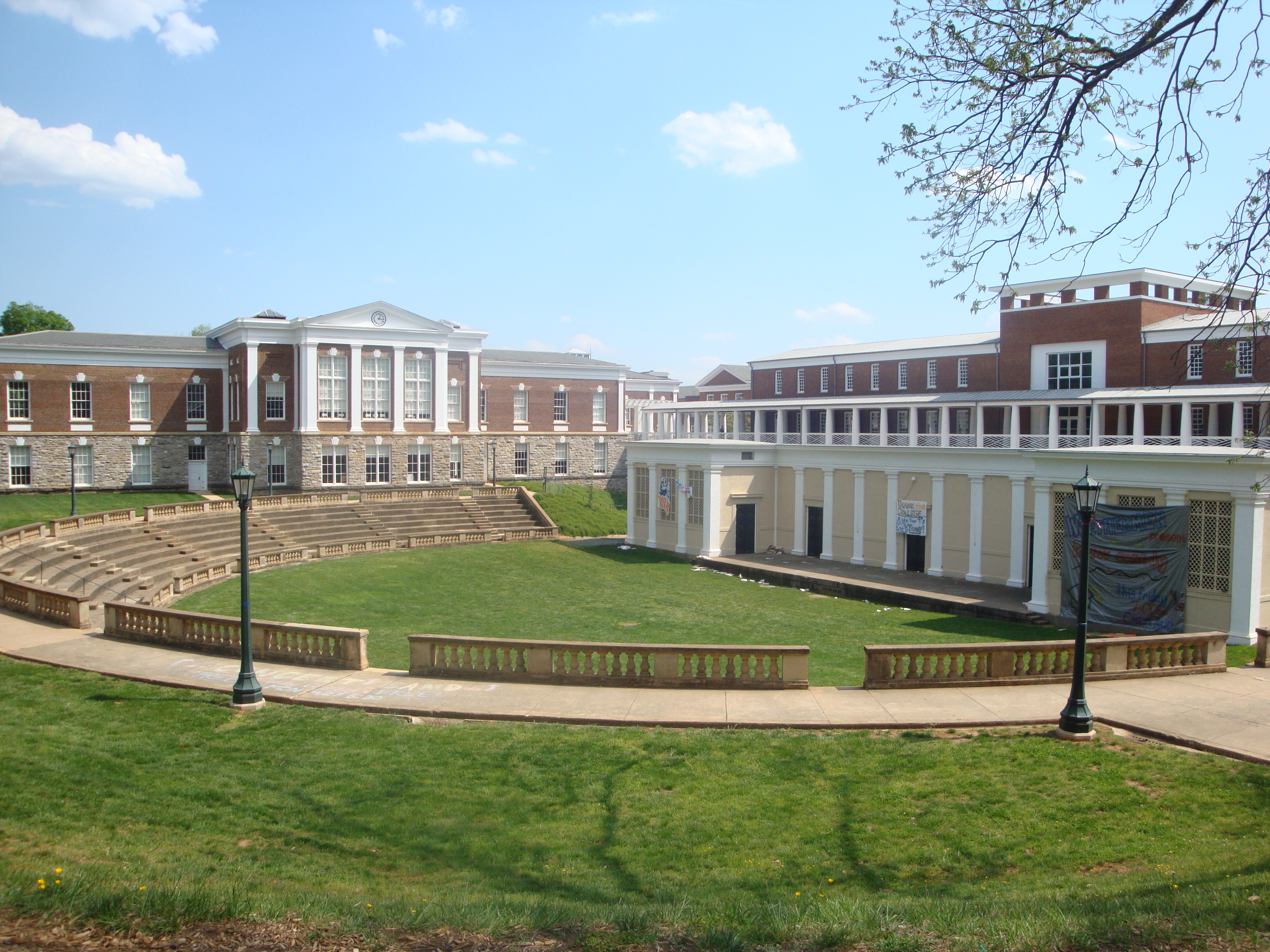
University of Virginia
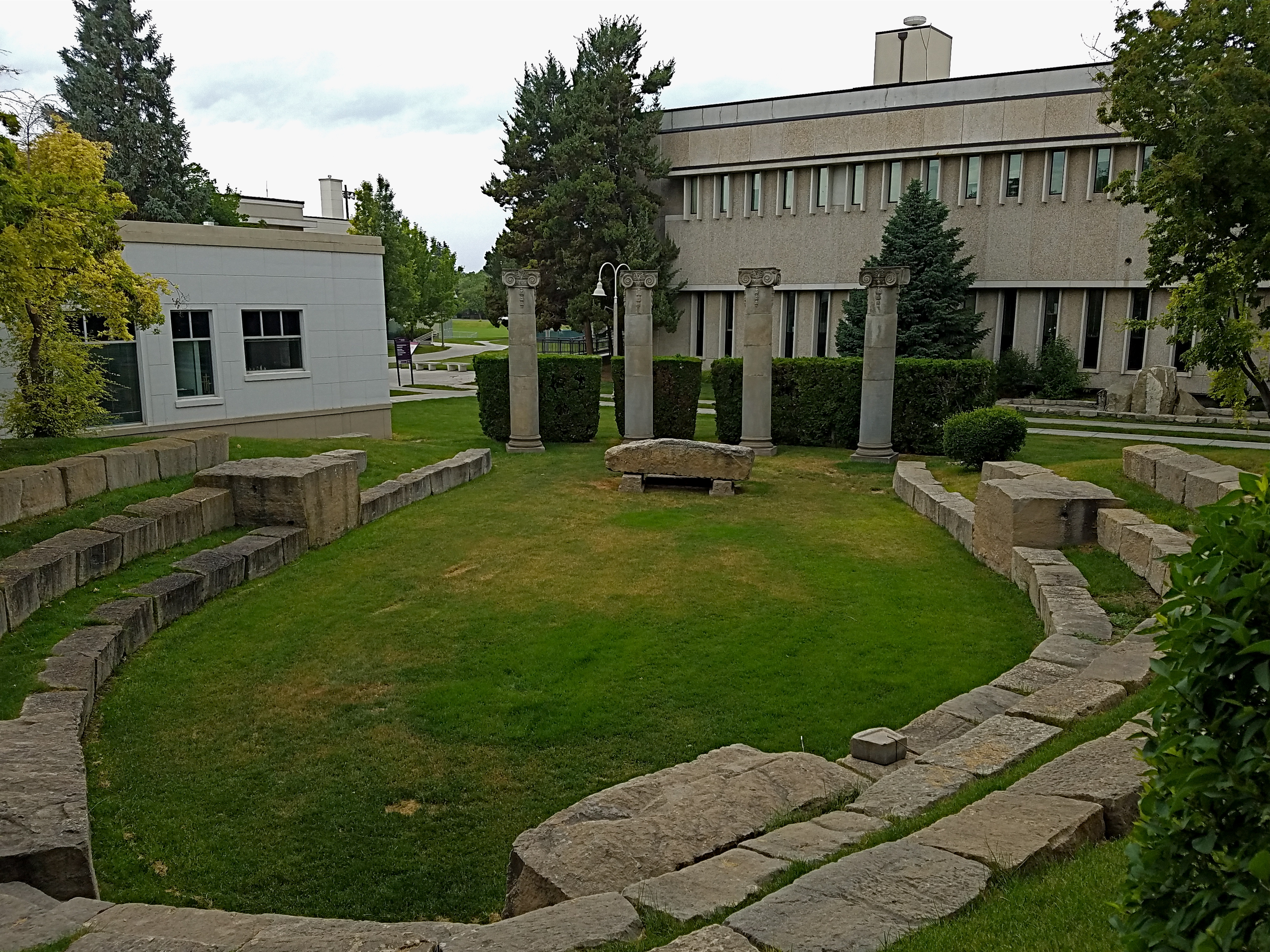
College of Idaho Centennial Amphitheater
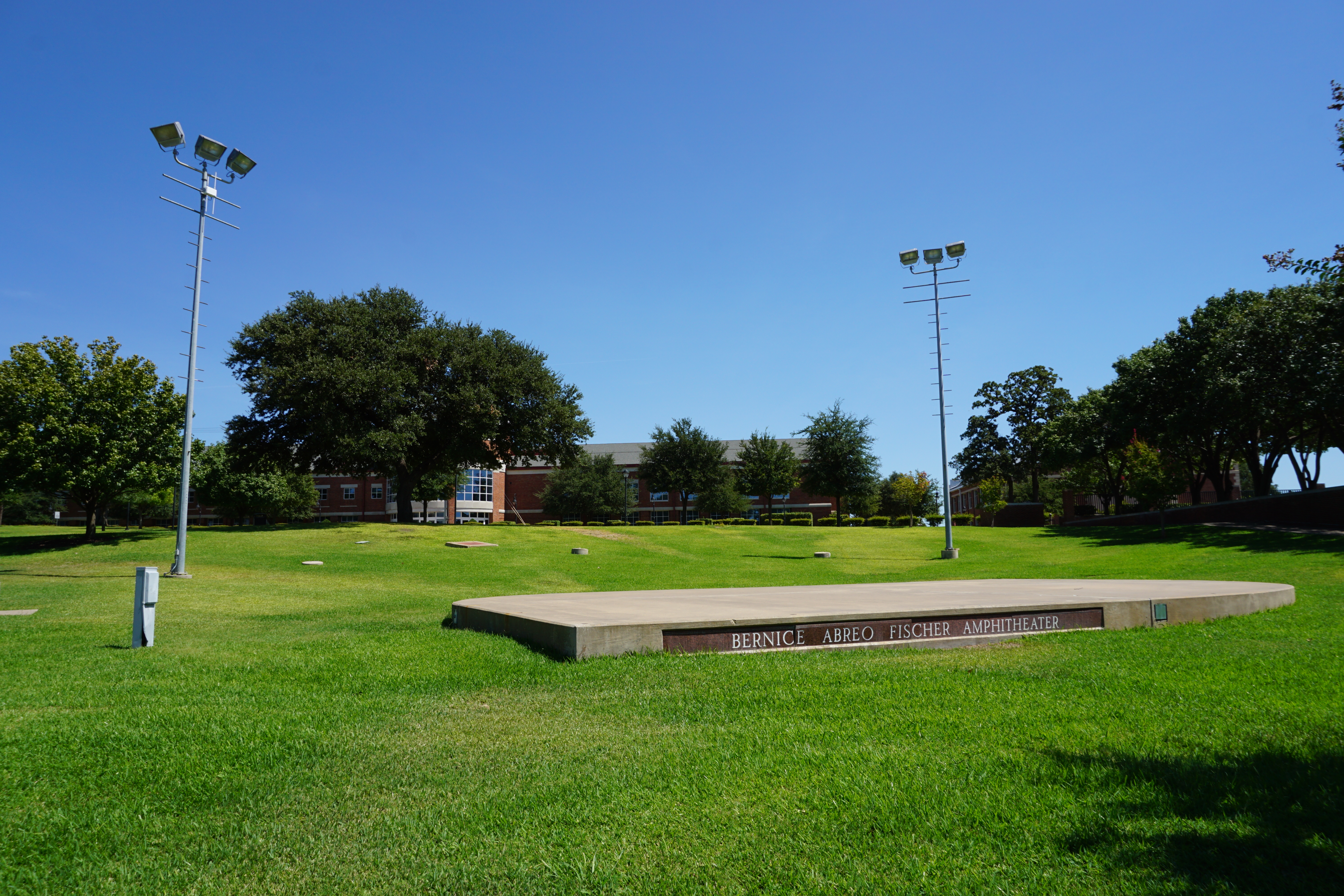
Texas Woman’s University
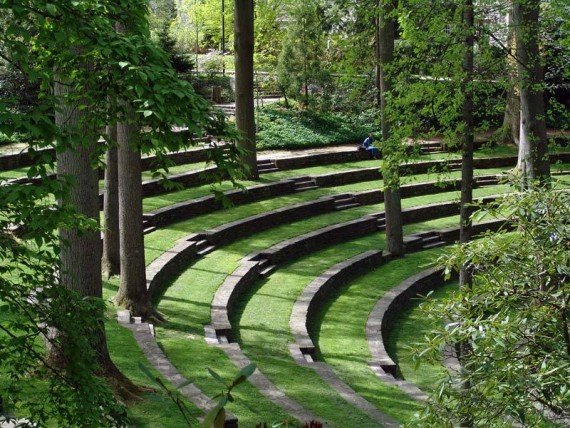
Swarthmore College
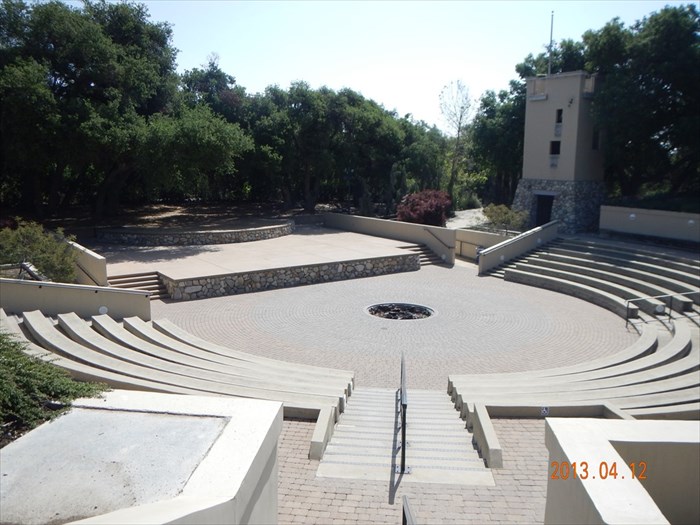
Pomona College
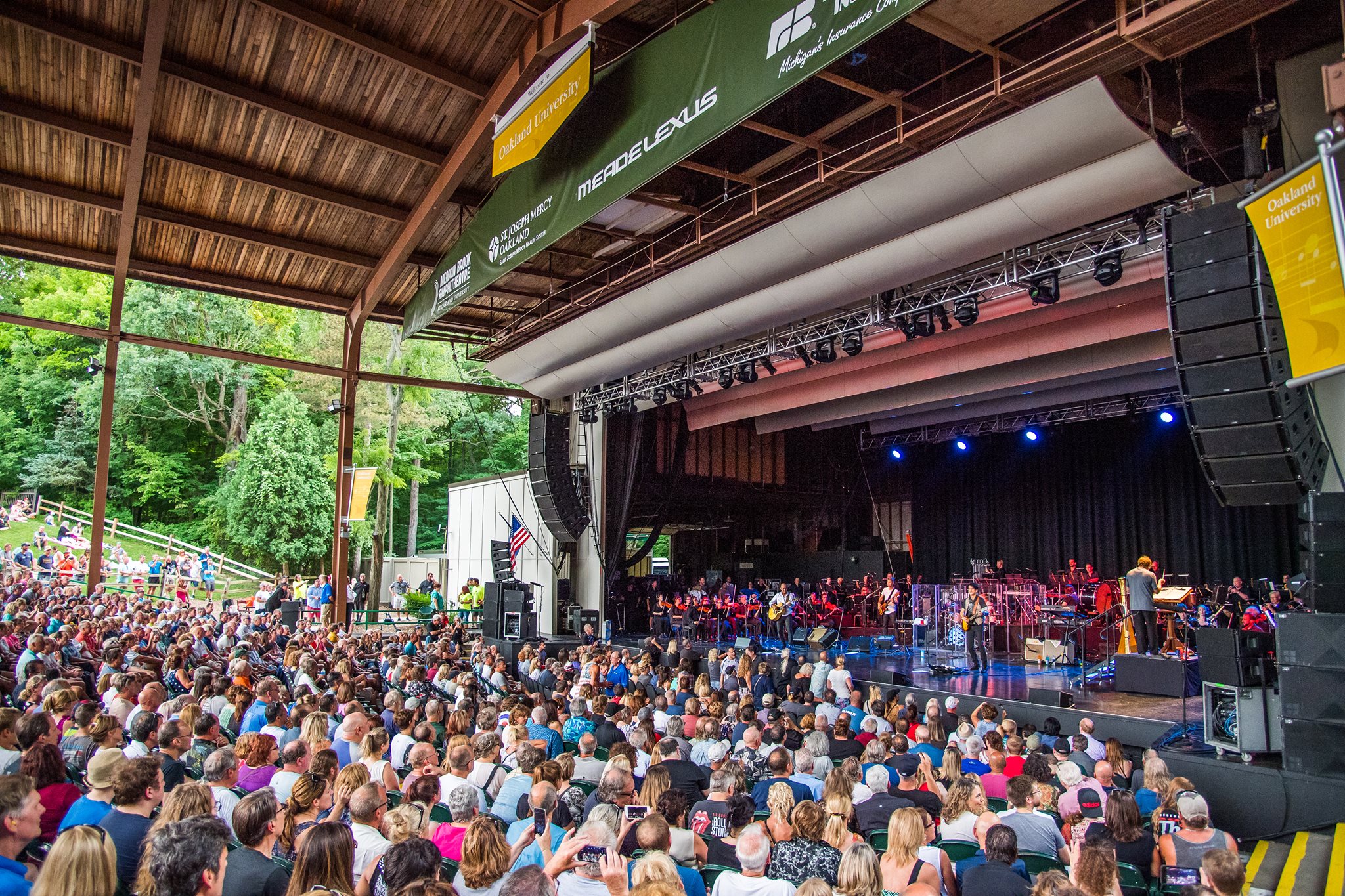
Oakland University Meadowbrook Theater / Rochester, Michigan
More coming
LEARN MORE:

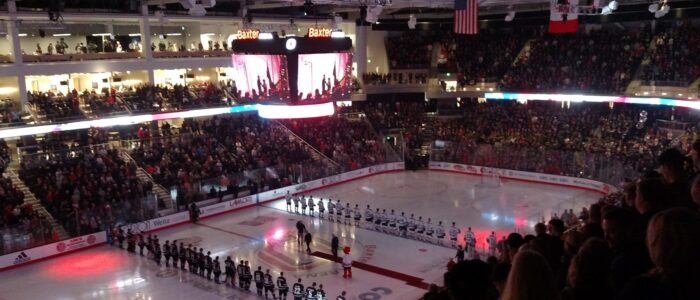
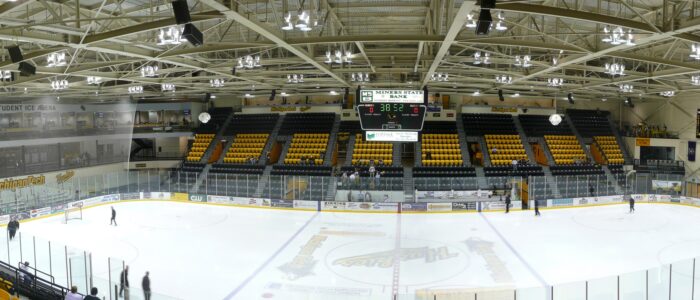
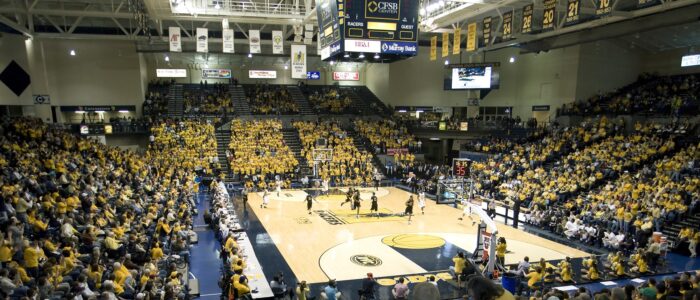
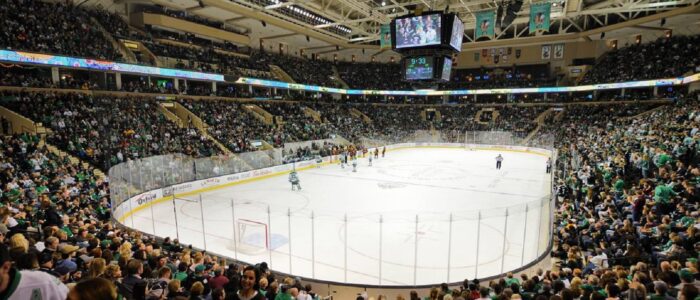
Bleachers, Folding Seating & Grandstands

“View of the Colosseum” 1747 Giovanni Paolo Panini
Play is the making of civilization—how one plays the game
more to the point than whether the game is won or lost.
We follow development of best practice literature for spectator seating structures produced by the International Code Council, the National Fire Protection Association (NFPA 102), the American Society of Civil Engineers Structural Engineering Institute (ASCE SEI-7). There are also federal regulations promulgated by the Consumer Product Safety Commission. (Note that some of the regulations were inspired by the several regional building code non-profits before the International Code Council was formed in year ~ 2000)
The parent standard from the International Code Council is linked below:
ICC 300 Standard on Bleachers, Folding and Telescopic Seating, and Grandstands
The development of this standard is coordinated with the ICC Group A Codes. We have tracked concepts in it previous revisions; available in the link below.
2024/2025/2026 ICC CODE DEVELOPMENT SCHEDULE
As always, we encourage our colleagues with workpoint experience to participate directly in the ICC Code Development process. CLICK HERE to get started.
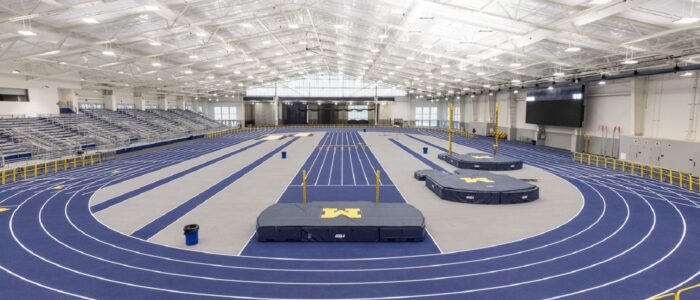
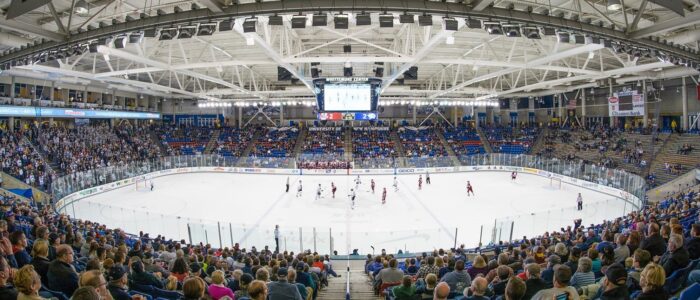
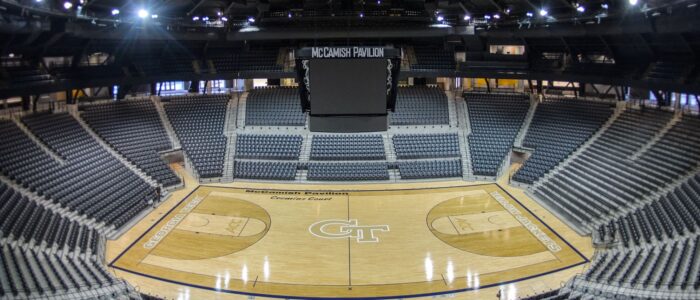
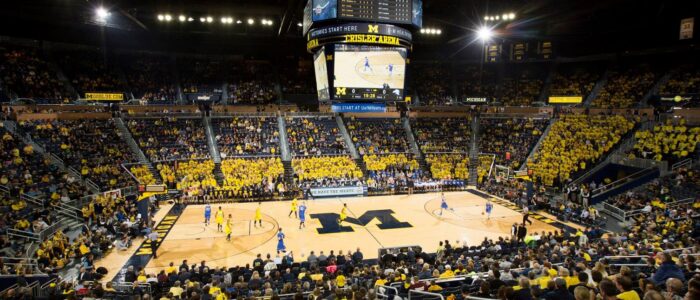
Issue: [15-283]
Category: Athletics & Recreation, Architectural, Public Safety
Contact: Mike Anthony, Jack Janveja, Richard Robben
Virtual reality technology in evacuation simulation of sport stadiums
LEARN MORE:
BREAKING NEWS: Woman spotted at the game has been voted by netizens as one of the most beautiful women in the world.
"I've never seen a woman as beautiful as her," one netizen shared. pic.twitter.com/sA1j8Ju3a7
— 🎼🌺Music Love♥️ (@ThoNg676733) June 7, 2026

National Center for Spectator Sports Safety and Security

The legacy of Merry Old England lives on in the American South. pic.twitter.com/ujnDUIz3Q3
— 𝒩𝒶𝓉𝒶𝓁𝒾𝒶 (@classicspilled) October 3, 2025
BREAKING NEWS: Woman spotted at the game has been voted by netizens as one of the most beautiful women in the world.
"I've never seen a woman as beautiful as her," one netizen shared. pic.twitter.com/sA1j8Ju3a7
— 🎼🌺Music Love♥️ (@ThoNg676733) June 7, 2026

Readings: The “30-30” Rule for Outdoor Athletic Events Lightning Hazard
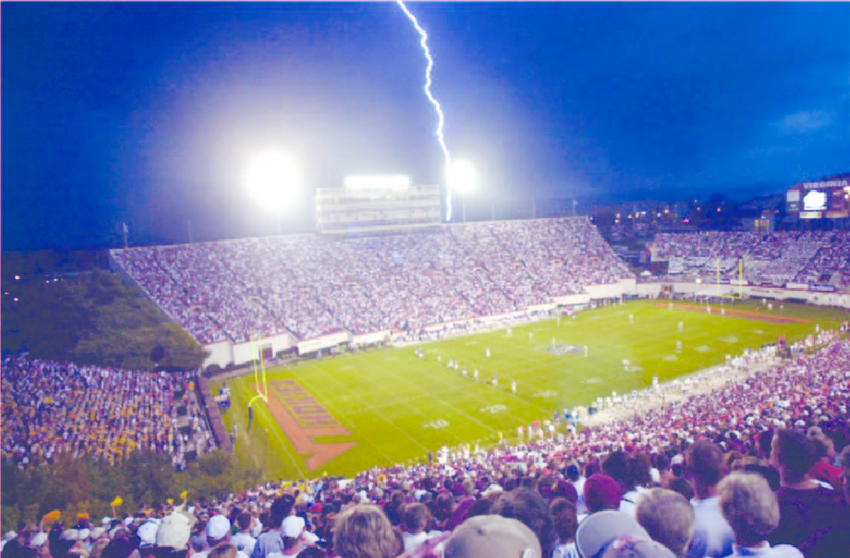
Thunderstorm | Shelter (Building: 30/30 Rule)
The standards for delaying outdoor sports due to lightning are typically set by governing bodies such as sports leagues, associations, or organizations, as well as local weather authorities. These standards may vary depending on the specific sport, location, and level of play. However, some common guidelines for delaying outdoor sports due to lightning include:
- Lightning Detection Systems: Many sports facilities are equipped with lightning detection systems that can track lightning activity in the area. These systems use sensors to detect lightning strikes and provide real-time information on the proximity and severity of the lightning threat. When lightning is detected within a certain radius of the sports facility, it can trigger a delay or suspension of outdoor sports activities.
- Lightning Distance and Time Rules: A common rule of thumb used in outdoor sports is the “30-30” rule, which states that if the time between seeing lightning and hearing thunder is less than 30 seconds, outdoor activities should be suspended, and participants should seek shelter. The idea is that lightning can strike even when it is not raining, and thunder can indicate the proximity of lightning. Once the thunder is heard within 30 seconds of seeing lightning, the delay or suspension should be implemented.
- Local Weather Authority Guidelines: Local weather authorities, such as the National Weather Service in the United States, may issue severe weather warnings that include lightning information. Sports organizations may follow these guidelines and suspend outdoor sports activities when severe weather warnings, including lightning, are issued for the area.
- Sports-Specific Guidelines: Some sports may have specific guidelines for lightning delays or suspensions. For example, golf often follows a “Play Suspended” policy, where play is halted immediately when a siren or horn is sounded, and players are required to leave the course and seek shelter. Other sports may have specific rules regarding how long a delay should last, how players should be informed, and when play can resume.
It’s important to note that safety should always be the top priority when it comes to lightning and outdoor sports. Following established guidelines and seeking shelter when lightning is detected or severe weather warnings are issued can help protect participants from the dangers of lightning strikes.
Noteworthy: NFPA titles such as NFPA 780 and NFPA 70 Article 242 deal largely with wiring safety, informed by assuring a low-resistance path to earth (ground)
There are various lightning detection and monitoring devices available on the market that can help you stay safe during thunderstorms. Some of these devices can track the distance of lightning strikes and alert you when lightning is detected within a certain radius of your location. Some devices can also provide real-time updates on lightning strikes in your area, allowing you to make informed decisions about when to seek shelter.
Examples of such devices include personal lightning detectors, lightning alert systems, and weather stations that have lightning detection capabilities. It is important to note that these devices should not be solely relied upon for lightning safety and should be used in conjunction with other safety measures, such as seeking shelter indoors and avoiding open areas during thunderstorms.

Animals 300
Office of Laboratory Animal Welfare
Guide for the Care and Use of Laboratory Animals
Kids raised right….
— Carissa (@njoyzgrl81) April 6, 2024

“The Peaceable Kingdom” 1833 Edward Hicks
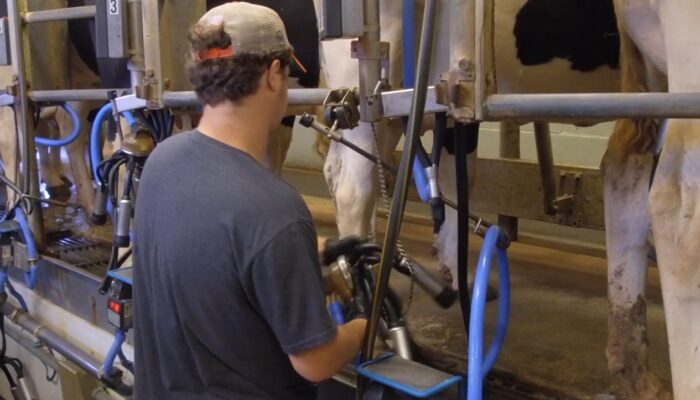
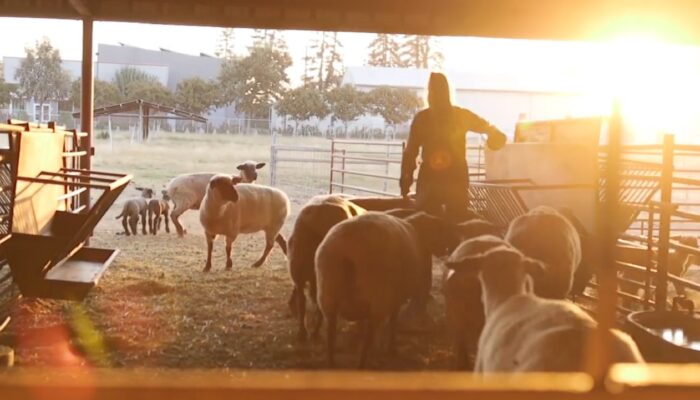
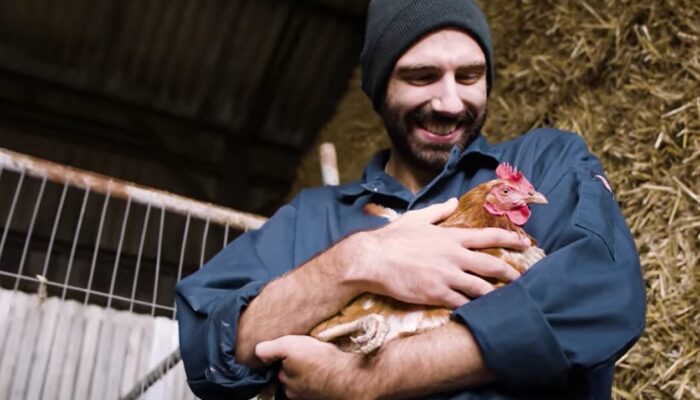
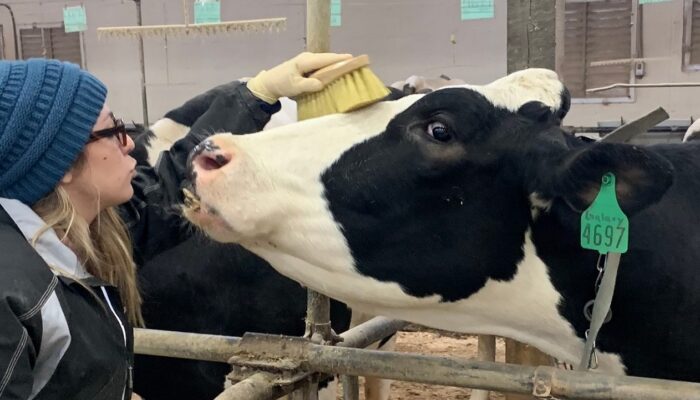
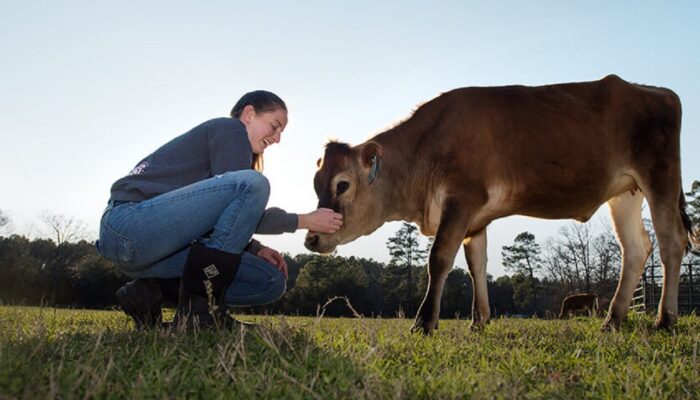
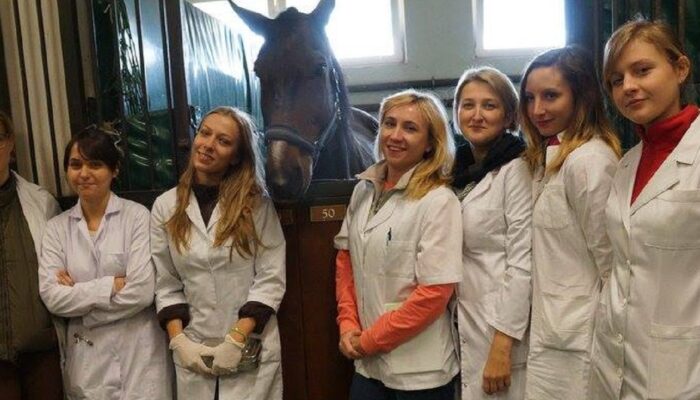
Today we scan the status of literature that informs the safety and sustainability of the built environment for animals large and small. Animals are found in education communities as pets. sporting partners, agricultural research and teaching settings, as medical research subjects and clinical care facilities. ANSI-Accredited standards developers with a footprint in this domain are listed below:
American Society of Agricultural and Biological Engineers
ASHRAE International
Institute of Electrical and Electronic Engineers
Animal Kingdom: A Large and Diverse Dataset for Animal Behavior Understanding
International Code Council
National Fire Protection Association
Underwriters Laboratories
Government agencies at all levels borrow from best practice recommendations in the catalog of the foregoing standards developers. Conversely, those same standards developers borrow from the best practice recommendations from the same government agencies.
Use the login credentials at the upper right of our home page.
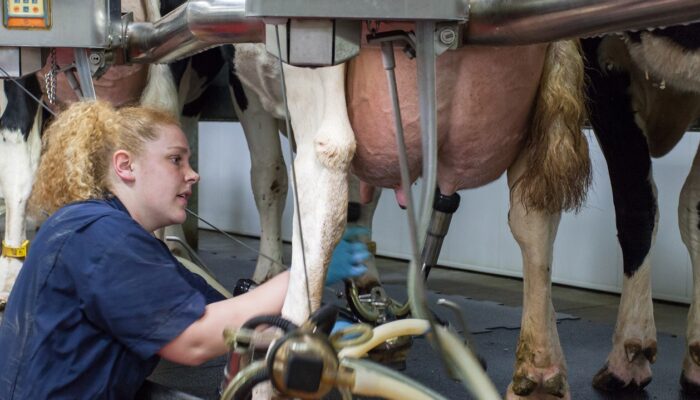
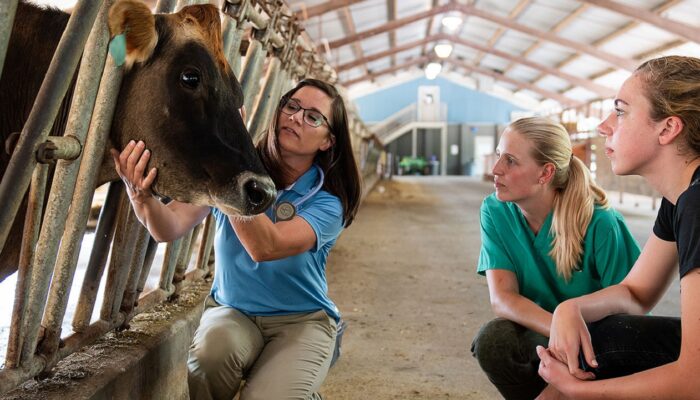
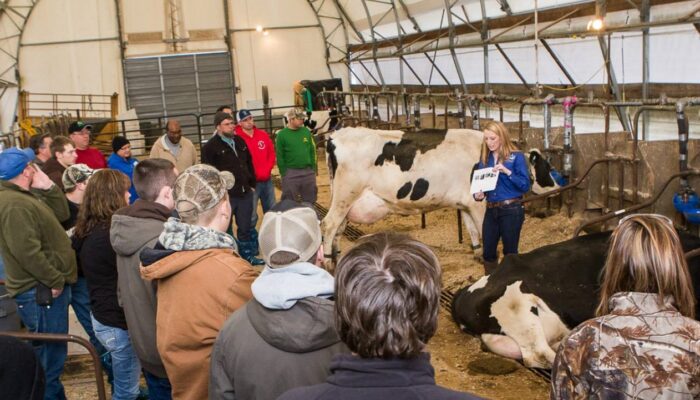
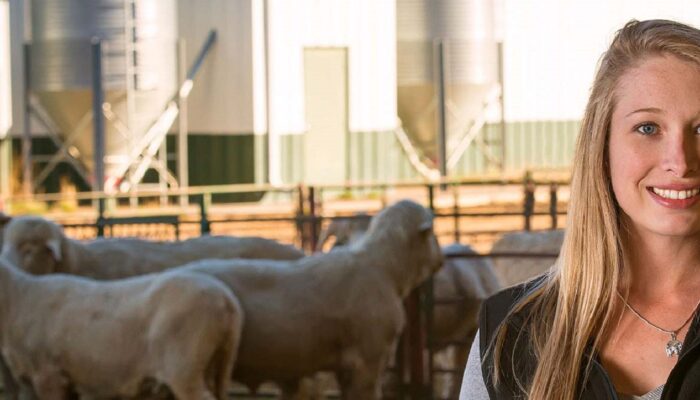
More
National Research Council: Guide for the Care and Use of Laboratory Animals
National Library of Medicine: Regulation of Animal Research
Most education communities use the foregoing regulations upon which to build their own standards. For example:
ICC 300 Bleachers, Folding Seating, Grandstands
COMPLETE MONOGRAPH: 2024 GROUP A PROPOSED CHANGES TO THE I-CODES
“View of the Colosseum” 1747 Giovanni Paolo Panini
Play is the making of civilization—how one plays the game
more to the point than whether the game is won or lost.
The purpose of this standard is to establish the minimum requirements to safeguard health, safety and general welfare through structural strength, means of egress facilities, stability and safety to life and property relative to the construction, alteration, repair, operation and maintenance of new and existing temporary and permanent bench bleacher, folding and telescopic seating and grandstands. This standard is intended for adoption by government agencies and organizations setting model codes to achieve uniformity in technical design criteria in building codes and other regulations.
FREE ACCESS: Standard on Bleachers, Folding and Telescopic Seating, and Grandstands
We are tracking the changes in the transcripts linked below:
ICC 300-2020 edition Public Input Agenda – January 2022
ICC 300-2017 edition Public Comment Draft – October 2017
Consensus Committee on Bleacher Safety (IS-BLE)
This title is on the standing agenda of our Sport, Olahraga (Indonesian), رياضة (Arabic), colloquia. You are welcomed to join us any day at with the login credentials at the upper right of our home page.
2024/2025/2026 ICC CODE DEVELOPMENT SCHEDULE
Virtual reality technology in evacuation simulation of sport stadiums
Code of Practice for Emergency Sound Systems at Sports Venues
Posted December 6, 2019
At the April International Code Council Group A Hearings there were three candidate code changes related to the safety standard of care for athletic venues:
E104-18 (§ 1017 regarding exit travel distances) | PDF Page 218 of the Complete Monograph
F9-18 (§ 304 regarding spaces under bleachers) | PDF Page 1021 of the Complete Monograph
F135-18 (§ 907 regarding communication systems for open air bleachers) | PDF Page 1296 of the Complete Monograph
These concepts will likely be coordinated with another ICC regulatory product — ICC 300 – Standard on Bleachers, Folding and Telescopic Seating, and Grandstands — covered here previously. ICC 300 is a separate document but some of the safety concepts track through both.
The ICC Public Comment Hearings on Group A comments in Richmond Virginia ended a few days ago (CLICK HERE). The balloting is being processed by the appropriate committee and will be released soon. For the moment, we are happy to walk through the proposed changes – that will become part of the 2021 International Building Code — any day at 11 AM Eastern time. We will walk through all athletic and recreation enterprise codes and standards on Friday, November 2nd, 11 AM Eastern time. For access to either teleconference, click on the LIVE Link at the upper right corner of our home page.
Issue: [15-283]
Category: Athletics & Recreation, Architectural, Public Safety
Contact: Mike Anthony, Richard Robben, Jack Janveja
LEARN MORE:
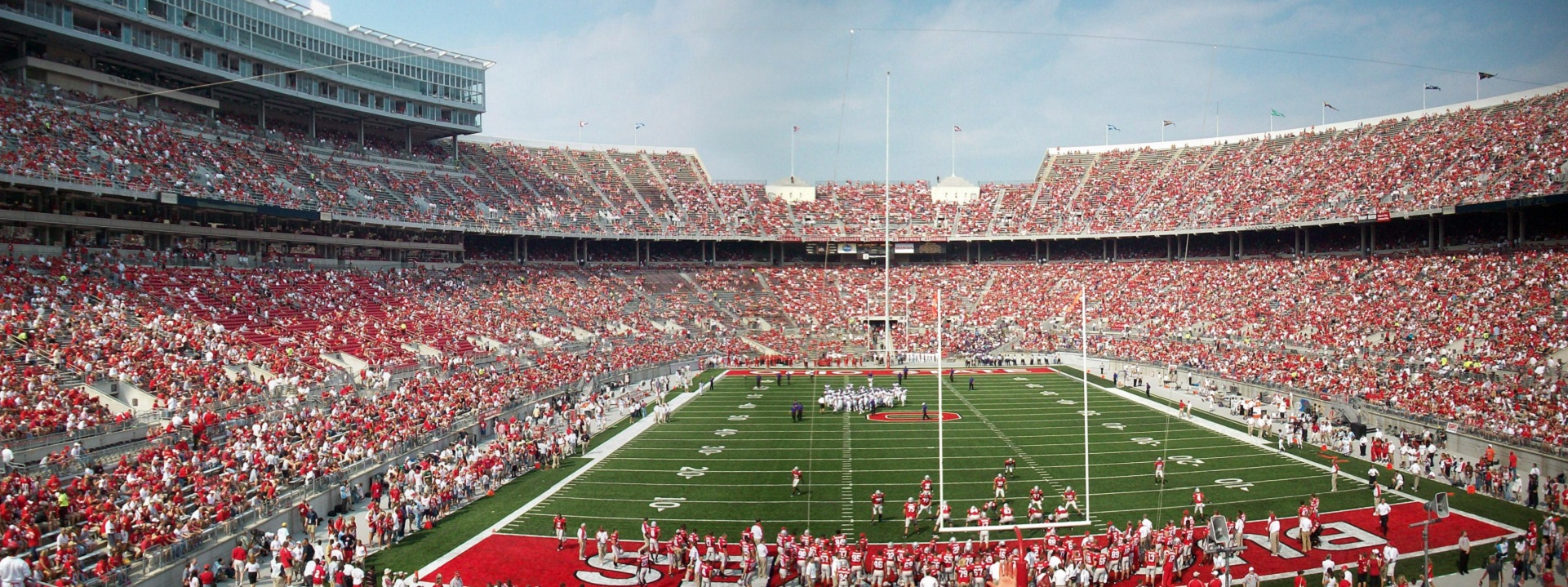
BREAKING NEWS: Woman spotted at the game has been voted by netizens as one of the most beautiful women in the world.
"I've never seen a woman as beautiful as her," one netizen shared. pic.twitter.com/sA1j8Ju3a7
— 🎼🌺Music Love♥️ (@ThoNg676733) June 7, 2026
Posted October 19, 2017
The International Code Council has launched a new revision cycle for its consensus document — ICC 300 – Standard on Bleachers, Folding and Telescopic Seating, and Grandstands. The purpose of the effort is the development of appropriate, reasonable, and enforceable model health and safety provisions for new and existing installations of all types of bleachers and bleacher-type seating, including fixed and folding bleachers for indoor, outdoor, temporary, and permanent installations. Such provisions would serve as a model for adoption and use by enforcement agencies at all levels of government in the interest of national uniformity.
Comments are due December 4th. The document is free. You may obtain an electronic copy from: https://www.iccsafe.org/codes-techsupport/standards/is-ble/. Comments may be sent to Edward Wirtschoreck, (888) 422-7233, ewirtschoreck@iccsafe with copy to psa@ansi.org)
* With some authority, we can claim that without Standards Michigan, many education industry trade associations would not be as involved in asserting the interest of facility managers in global consensus standards development processes. See ABOUT.

May Ball
| May Balls are typically organized by committees of students from the hosting college, who plan and coordinate various aspects of the event, including the theme, decorations, catering, entertainment, and ticket sales.
The proceeds from May Balls go towards charitable causes or to support college funds. The event provides an opportunity for students to celebrate the end of the academic year, socialize with peers, alumni, and guests, and create lasting memories of their time at Cambridge. |
Cambridge University Estates Division
Relevant codes and standards:
Electricity – Systems in Buildings
Ventilation: Approved Document F
Key Updates on Fire Safety Standards
— Dr. Maya C. Popa (@MayaCPopa) May 26, 2023
New update alert! The 2022 update to the Trademark Assignment Dataset is now available online. Find 1.29 million trademark assignments, involving 2.28 million unique trademark properties issued by the USPTO between March 1952 and January 2023: https://t.co/njrDAbSpwB pic.twitter.com/GkAXrHoQ9T
— USPTO (@uspto) July 13, 2023
Welcome
Standards Michigan Group, LLC
2723 South State Street | Suite 150
Ann Arbor, MI 48104 USA
888-746-3670
DIRECTIONS
 |
 |
|
 |
 |
|
 |
 |
Layout mode
Predefined Skins
Custom Colors
Choose your skin color
Patterns Background
Images Background
error: Content is protected !!
Skip to content