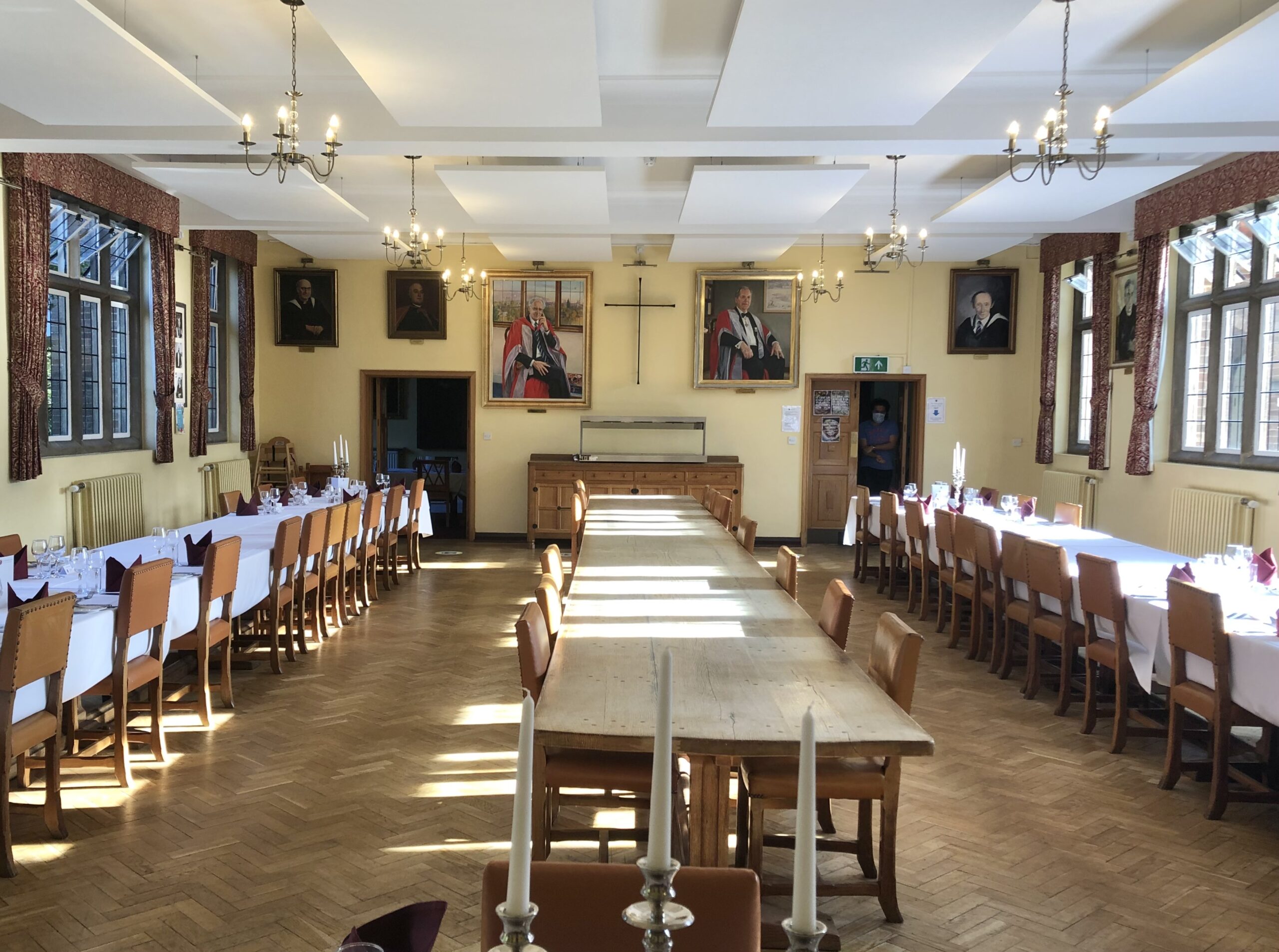
St. Edmund’s Dining Hall | Home Page


“All Glory, Laud and Honour” is a hymn written by Theodulf of Orléans around 820 AD, originally in Latin as “Gloria, laus et honor.” Composed during his imprisonment in Angers, France, it was meant for Palm Sunday, celebrating Jesus’ triumphal entry into Jerusalem.
The hymn became part of liturgical traditions, sung during processions. Translated into English by John Mason Neale in 1854, it gained widespread use in Anglican and other churches. Its enduring melody, often paired with the text, is attributed to Melchior Teschner (1615). The hymn remains a staple in Christian worship, especially during Holy Week.
We resume our regular sung services starting with Evensong tonight here in King’s. Details of all Lent Term services available here:https://t.co/2F6WWRayl8 pic.twitter.com/Y6f07GBwFc
— King’s College Choir (@ChoirOfKingsCam) January 16, 2024


Remarks:
Department of Justice | June 24, 2004
The average professional in this country wakes up in the morning, goes to work, comes home, eats dinner, and then goes to sleep, unaware that he or she has likely committed several federal crimes that day. Why? The answer lies in the very nature of modern federal criminal laws, which have exploded in number but also become impossibly broad and vague.
In Three Felonies a Day, Harvey A. Silverglate reveals how federal criminal laws have become dangerously disconnected from the English common law tradition and how prosecutors can pin arguable federal crimes on any one of us, for even the most seemingly innocuous behavior.
The volume of federal crimes in recent decades has increased well beyond the statute books and into the morass of the Code of Federal Regulations, handing federal prosecutors an additional trove of vague and exceedingly complex and technical prohibitions to stick on their hapless targets.
The dangers spelled out in Three Felonies a Day do not apply solely to “white collar criminals,” state and local politicians, and professionals. No social class or profession is safe from this troubling form of social control by the executive branch, and nothing less than the integrity of our constitutional democracy hangs in the balance.

Related:
Have you been certified to do that work?
See Also: Cato Institute
Join EdSoc & IEEE Educational Activities for our upcoming free webinar: The Vital Importance of Having Fun While Learning! 🎮
📅 Thursday, 5 February 2026
🕚 11:00 AM EST
📍 Virtual via Airmeet🔗 Learn more & register: https://t.co/U6o6gZ7hgH pic.twitter.com/7QRuSx04fQ
— IEEE Education Society (@IEEE_EduSoc) January 31, 2026
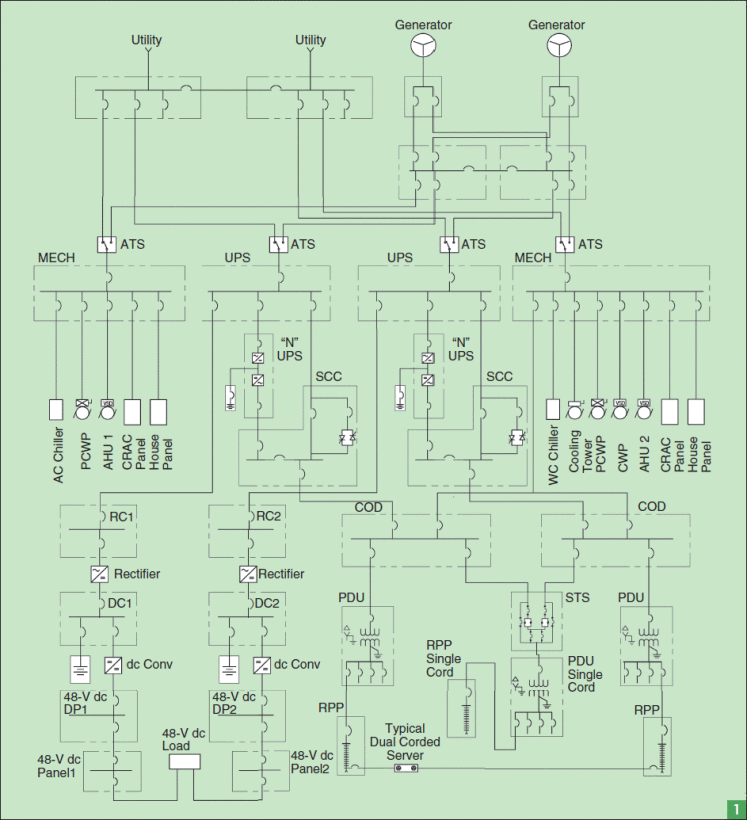
DLB Associates | Chicago, Illinois
Abstract. The key feature of this article is the application of quantitative method for evaluating risk and conveying the results into a power system design that is scaled according to hazards present in any given emergency management district. These methods employ classical lumped parameter modeling of power chain architectures and can be applied to any type of critical facility, whether it is a stand-alone structure, or a portion of stand-alone structure, such as a police station or government center. This article will provide a risk assessment roadmap for one of the most common critical facilities that should be designated as COPS per NEC 708-a 911 call center. The existing methods of reliability engineering will be used in the risk assessment.
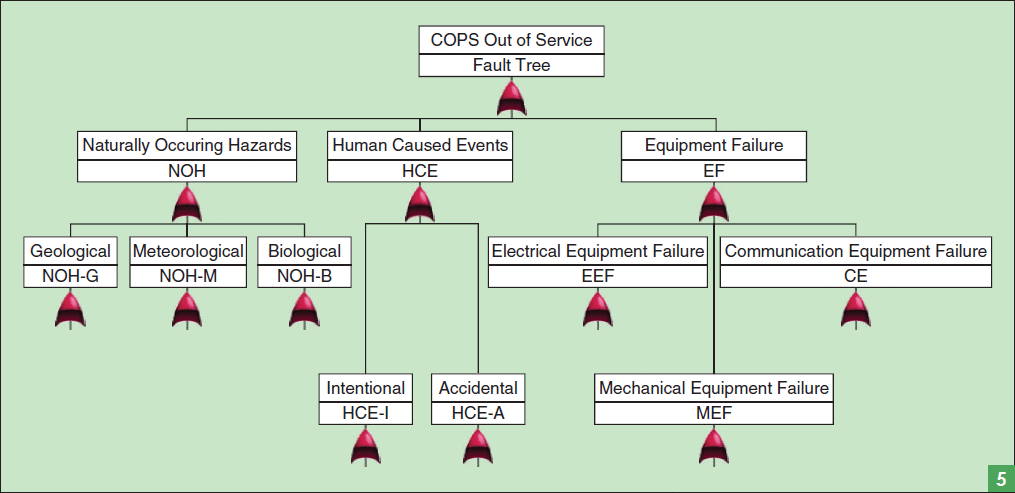

* Robert Schuerger is the lead author on this paper
CLICK HERE to order complete article: IEEE Industry Applications Magazine | Volume 19 Issue 5 • Sept.-Oct.-2013
Architect and Engineers Data Sheet Download | Updates January 2026
These are generally downloads. We are happy to pick through the changes to the Electrical stack depending upon interest.
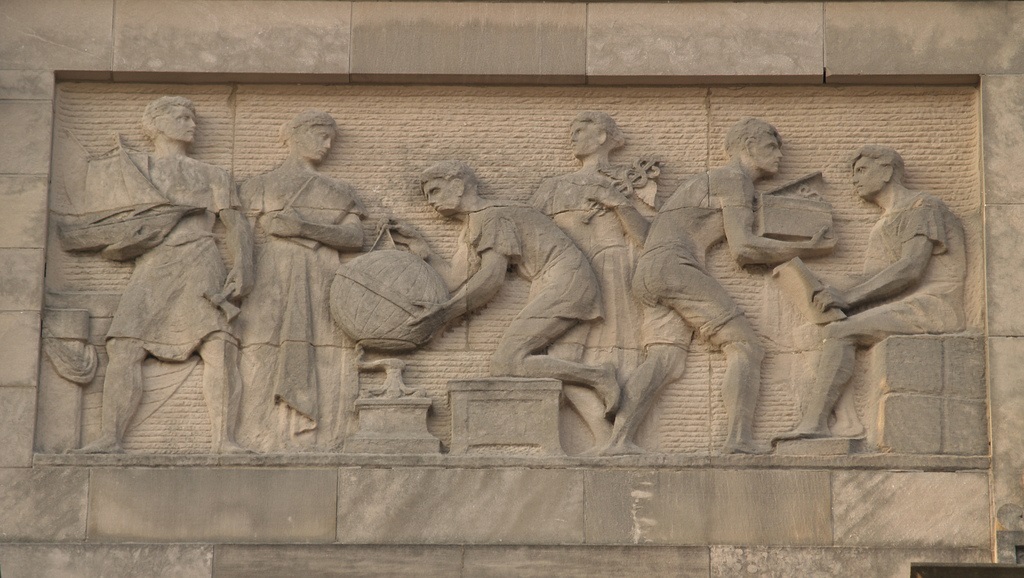
Left Panel Of George Julian Zolnay’s Allegorical “Academic, Business & Manual Education” Granite Frieze At Francis L. Cardozo High School (Washington, DC)
All fifty United States have their own “signature” disaster with which to reckon; some more than others. California has earthquakes, Florida has hurricanes, Missouri has floods; and so on, Life and property loss are preventable; but losses will persist because technical solutions notwithstanding, culture determines human behavior. It is impossible to be alive and safe.
FM Global is one of several organizations that curate privately developed consensus products that set the standard of care for many industries; education communities among them. These standards contribute to the reduction in the risk of property loss due to fire, weather conditions, and failure of electrical or mechanical equipment. They incorporate nearly 200 years of property loss experience, research and engineering results, as well as input from consensus standards committees, equipment manufacturers and others.
If you want FMGlobal as your insurance carrier, or to supplement your organization’s self-insurance program, then you will likely be assigned an FMGlobal conformity professional.
A scan of its list data sheets indicate a number of noteworthy updates of documents establishing minimum requirements for safety technologies common in education facilities:
Technical Reports Supporting Code Change
Note that the bulk of the safety concepts in the foregoing titles incorporate by reference the safety concepts that cross our radar every day FM Global provides direct access to the full span of its documents at this link:
FM GLOBAL PROPERTY LOSS PREVENTION DATA SHEETS
Note FM Global updates its standards every three months:
To respond to calls for public consultation you will need to set up (free) access credentials.
We keep FMGlobal titles — and the literature of other property insurers involved in standards setting — on the standing agenda of our Risk, Snow and Prometheus colloquia. See our CALENDAR for the next meeting.
Issue: [Various]
Category: Risk, Facility Asset Management
More
Deloitte University: Innovation in Insurance
University of Pennsylvania demonstrates the critical importance of sprinklers in dormitories
Syracuse University presents an eclectic mix of risk management challenges
Representative force majeure clauses.
Example 1: Basic Force Majeure Clause
“Neither party shall be liable for any failure or delay in performance of its obligations under this agreement due to events beyond its reasonable control, including but not limited to acts of God, war, terrorism, civil commotion, labor strikes, and natural disasters. The affected party shall promptly notify the other party of the force majeure event and take reasonable steps to mitigate its impact on performance. During the continuance of such events, the obligations of the affected party shall be suspended, and the time for performance shall be extended.”
Example 2: Detailed Force Majeure Clause
“In the event that either party is unable to perform its obligations under this agreement due to a force majeure event, the affected party shall promptly notify the other party in writing, specifying the nature and anticipated duration of the force majeure event. Force majeure events shall include, but are not limited to, acts of God, strikes, lockouts, government action or inaction, war, terrorism, epidemics, and natural disasters. The affected party shall use reasonable efforts to overcome or mitigate the effects of the force majeure event. If the force majeure event continues for a period of [specified duration], either party may terminate this agreement by providing written notice to the other party.”

“Winterlandschaft” | Aert van der Neer (1655)
The mission of the National Floor Safety Institute (NFSI) is to aid in the prevention of slips, trips-and-falls through education, research, and standards development. NFSI provides a wide range of services including independent product testing and certification, educational training, and standards development. Its consensus product library is linked below:
We track several NFSI products for the education facility industry; one of which is linked below:
B101.6 STANDARD GUIDE FOR COMMERCIAL ENTRANCE MATTING IN REDUCING SLIPS, TRIPS AND FALLS.
At the moment the 2012 edition linked above appears to be the current version. User-interests in the education facility industry — custodial mangers and staff, for example –are encouraged to communicate directly with Russell Kendzior at NFSI, P.O. Box 92607, Southlake, TX 76092, (817) 749-1700, russk@nfsi.org.
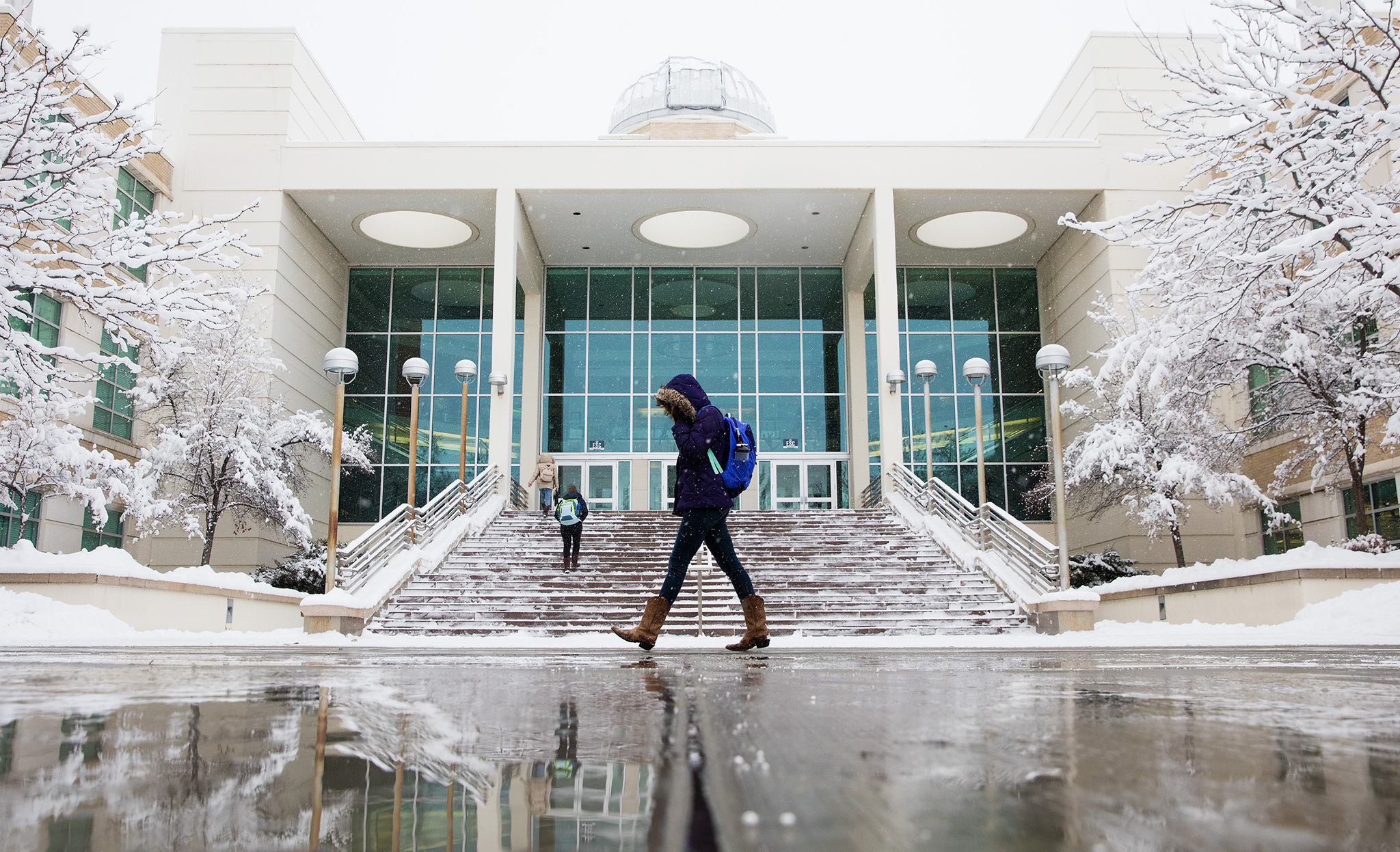
Brigham Young University
There are several accredited standards developers in this space and our algorithm tracks them all. We place this product suite on the standing agenda of our monthly Interior Fixture & Hygiene online meeting; open to everyone. Use the login credentials at the upper right of our home page to log in.
Issue: [18-193]
Category: Risk Management, Interior Fixtures & Hygiene, Facility Asset Management
Colleagues: John Lawter, Richard Robben
More:
NFSI Board of Directors Terminates Relationship with ANSI, January 31, 2020
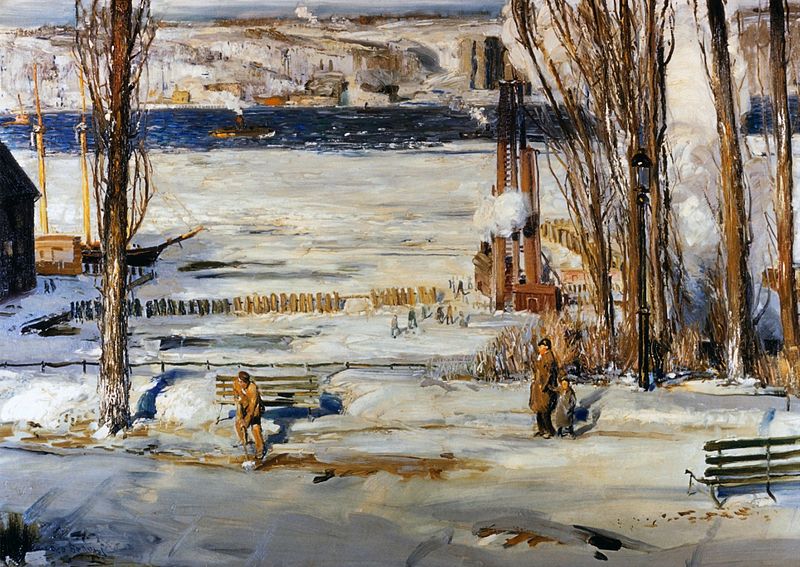
“A Morning Snow–Hudson River” 1910 George Wesley Bellows | Smithsonian American Art Museum
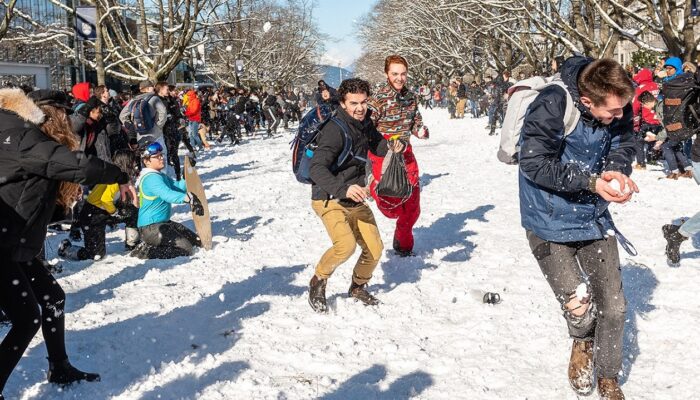
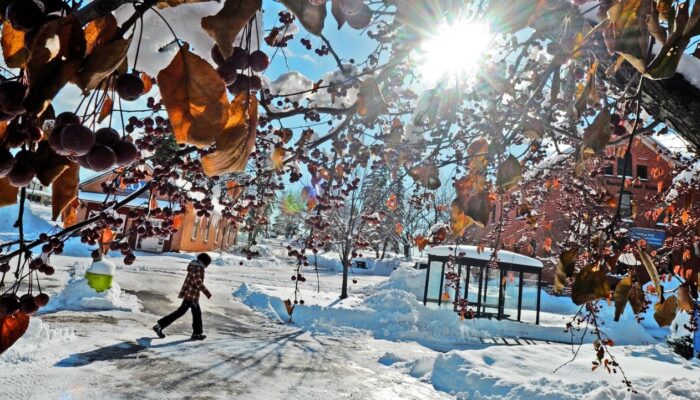
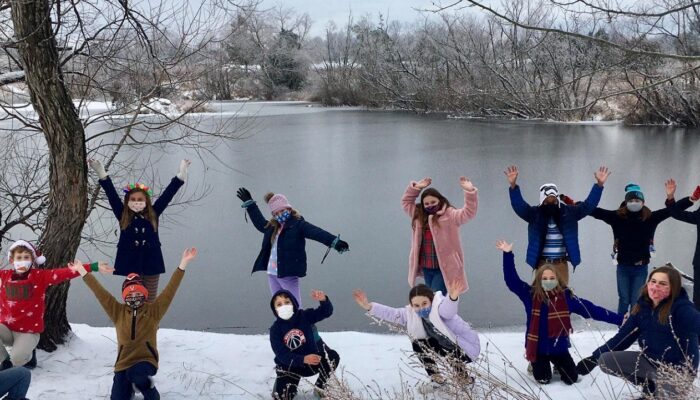
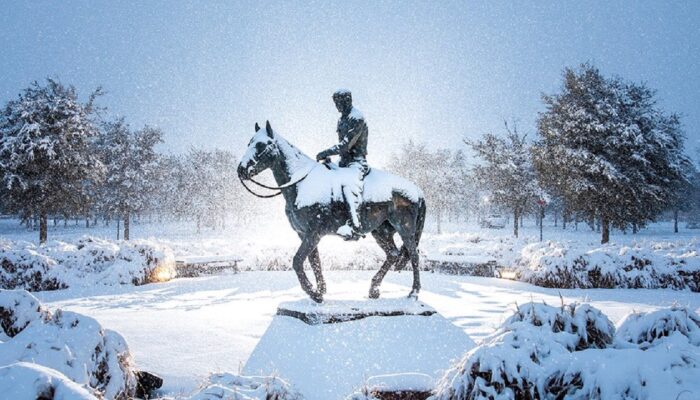
This time of year in the Northern Hemisphere we keep an eye on snow management standards; among them titles developed by the Accredited Snow Contractors Association. The barriers to entry into this domain are relatively low and, arguably undisciplined; hence the need for standards setting. Even when only partially adopted, use of ANSI accredited standards reduces the “wheel reinvention” that is common to the business side of the education industry when new initiatives, or continuous improvement programs are undertaken without consideration of already existing leading practice discovery by ANSI-accredited technical committees. Start here:
The parent title for the emergent ASCA bibliography is System Requirements for Snow and Ice Management Services; free to ASCA members. The current version is dated 2014 and will likely be updated and/or re-affirmed. The circumstances of the pandemic has slowed the work of many standards setting committees. The safety and sustainability concepts remain intact, however. Among them:

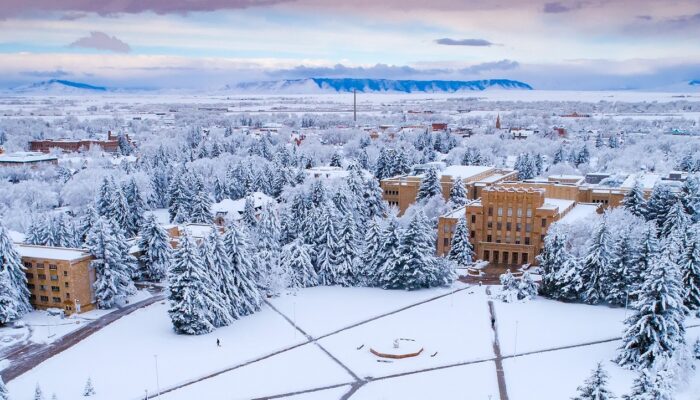
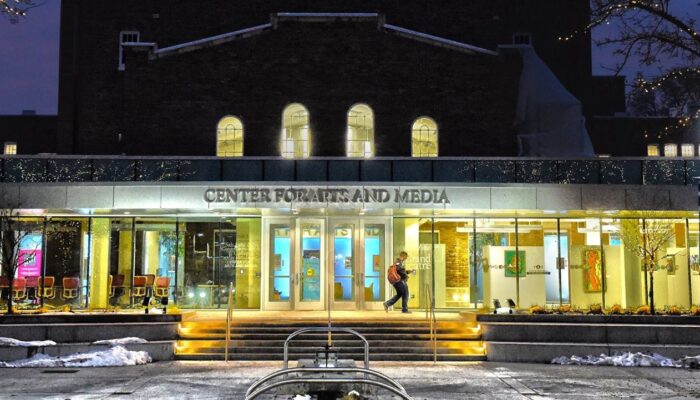

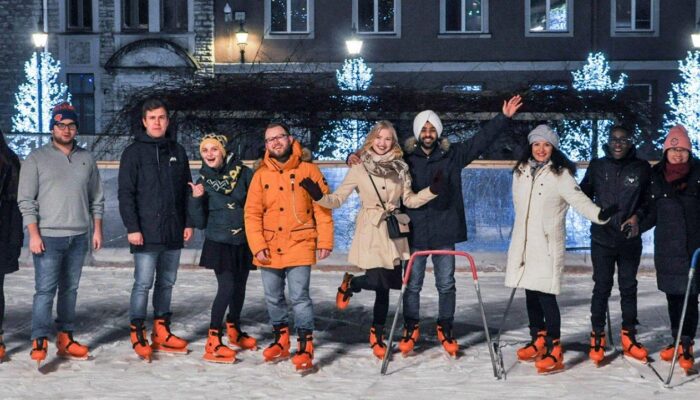
ASCA has more recently released another title — Standard Practice for Procuring and Planning Snow & Ice Management Services — that seems (by its title alone) to be a companion consensus product. From its prospectus:
This standard of practice covers essential procuring and planning for snow and ice management services. Standards for procuring and planning are essential for business continuity and to improve safety for patrons, tenants, employees, and others in the general public. Knowing how to describe service requirements in a snow and ice management request for proposal (RFP) is an important component to providing effective services, particularly where winter weather is a variable. This standard practice provides guidance on the snow and ice management procurement and planning process to aid in the creation of RFPs, contracts, agreements, and monitoring procedures. This standard will not be submitted for consideration as an ISO, IEC, or ISO/IEC JTC-1 standard.
Apart from these titles, we do not see any recent happening in the ASCA standards setting enterprise. We will pass information along as it becomes available. Alternatively, you may communicate directly with ASCA, 5811 Canal Road Valley View, OH 44125, Ph: (800) 456-0707. Most education communities employ a combination of permanent and contract staff for these services.
We maintain the ASCA bibliography on our Snow & Ice colloquia See our CALENDAR for the next online meeting; open to everyone.
Issue: [13-104]
Category: Grounds and Landscaping, Exterior, Public Safety, Risk Management
Colleagues: John Lawter, Richard Robben
More>>
Natural gas systems are deeply integrated into educational settlements: providing fuel to district energy plants, hospital backup power systems, hot water systems to residence halls and kitchens to name a few. The American Gas Association catalog is fairly stable; reflected in the relative reliability of the US natural gas distribution network. Still, the door is open for discovering and promulgating best practice; driven largely by harmonization with other standards and inevitable “administrivia”. The current edition of the National Fuel Gas Code (ANSI Z223.1) is dated 2024 and harmonizes with NFPA 54.

Poster showing benefits of gas lighting and heating (Italy, 1902)
Why did WTI Crude oil price crash?
1) Because America’s main WTI oil storage is in Cushing in Oklahoma state. Cushing was at 77% capacity on April 17th. Storage would be full by May 1st week. Cushing is landlockded and 800 km from sea. So storing oil on a ship is not possible. pic.twitter.com/Ye2h8XI3jB
— Kiran Kumar S (@KiranKS) April 22, 2020
Most school districts, colleges, universities and university-affiliated health care systems depend upon a safe and reliable supply of natural gas. Owing to safety principles that have evolved over 100-odd years you hardly notice them. When they fail you see serious drama and destruction.
One of the first names in standards setting for the natural gas industry in the United States is the American Gas Association (AGA) which represents companies delivering natural gas safely, reliably, and in an environmentally responsible way. From the AGA vision statement:
“….(AGA) is committed to leveraging and utilizing America’s abundant, domestic, affordable and clean natural gas to help meet the nation’s energy and environmental needs….”
We do not advocate in natural gas standards at the moment but AGA standards do cross our radar because they assure energy security to the emergent #SmartCampus. We find AGA standards referenced in natural gas service contracts (for large district energy plants, for example) or in construction contracts for new buildings. As with all other energy technological developments we keep pace with, improvements are continual even though those improvements are known to only a small cadre of front line engineers and technicians.
AGA has released seventeen redlines containing proposed changes to one of its parent documents for natural gas delivery” GPTC Z380.1 Guide for Gas Transmission, Distribution, and Gathering Piping Systems. The redlines are listed in the link below:
American Gas Association Standards Public Review Home Page
Public consultation on the 2027 National Fuel Gas Code closes June 4, 2024.
You may obtain an electronic copy from: https://www.aga.org/research/policy/ansi-public-reviews/. Comments should be emailed to Betsy Tansey GPTC@aga.org, Secretary, ASC GPTC Z380. Any questions you may have concerning public reviews please contact Betsy Tansey (btansey@aga.org) as well.
.jpg)
University of Michigan Central Heating Plant
We meet online every day at 11 AM Eastern time to march through technical specifics of all technical consensus products open for public comment. Feel free to click in. Also, we meet with mechanical engineering experts from both the academic and business side of the global education community once per month. See our CALENDAR for our next Mechanical Engineering monthly teleconference; open to everyone.
Issue: [19-27]
Category: Energy, Mechanical, Risk Management
Colleagues: Mike Anthony, Richard Robben, Larry Spielvogel
New update alert! The 2022 update to the Trademark Assignment Dataset is now available online. Find 1.29 million trademark assignments, involving 2.28 million unique trademark properties issued by the USPTO between March 1952 and January 2023: https://t.co/njrDAbSpwB pic.twitter.com/GkAXrHoQ9T
— USPTO (@uspto) July 13, 2023
Standards Michigan Group, LLC
2723 South State Street | Suite 150
Ann Arbor, MI 48104 USA
888-746-3670
 |
 |
|
 |
 |
|
 |
 |