Tag Archives: D7

Loading
loading..

print(“Python”)

Active Python Releases


“Python is the programming equivalent

of a Swiss Army Knife.”

— Some guy


The Python Standard Library

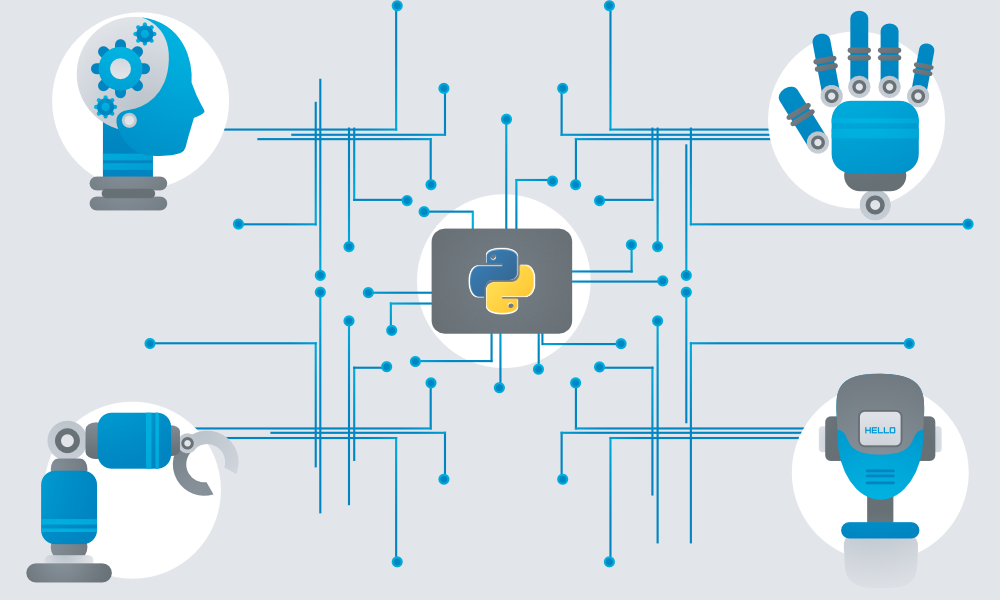
Open source standards development is characterized by very open exchange, collaborative participation, rapid prototyping, transparency and meritocracy.   The Python programming language is a high-level, interpreted language that is widely used for general-purpose programming. Python is known for its readability, simplicity, and ease of use, making it a popular choice for beginners and experienced developers alike.  Python has a large and active community of developers, which has led to the creation of a vast ecosystem of libraries, frameworks, and tools that can be used for a wide range of applications. These include web development, scientific computing, data analysis, machine learning, and more.

Another important aspect of Python is its versatility. It can be used on a wide range of platforms, including Windows, macOS, Linux, and even mobile devices. Python is also compatible with many other programming languages and can be integrated with other tools and technologies, making it a powerful tool for software development.  Overall, the simplicity, readability, versatility, and large community support of Python make it a valuable programming language to learn for anyone interested in software development including building automation.

As open source software, anyone may suggest an improvement to Python(3.X) starting at the link below:

Python Enhancement Program

Python Download for Windows

Python can be used to control building automation systems. Building automation systems are typically used to control various systems within a building, such as heating, ventilation, air conditioning, lighting, security, and more. Python can be used to control these systems by interacting with the control systems through the building’s network or other interfaces.

There are several Python libraries available that can be used for building automation, including PyVISA, which is used to communicate with instrumentation and control systems, and PyModbus, which is used to communicate with Modbus devices commonly used in building automation systems. Python can also be used to develop custom applications and scripts to automate building systems, such as scheduling temperature setpoints, turning on and off lights, and adjusting ventilation systems based on occupancy or other variables. Overall, Python’s flexibility and versatility make it well-suited for use in building automation systems.

Subversion®

Building Automation & Control Networks

Unified English Braille


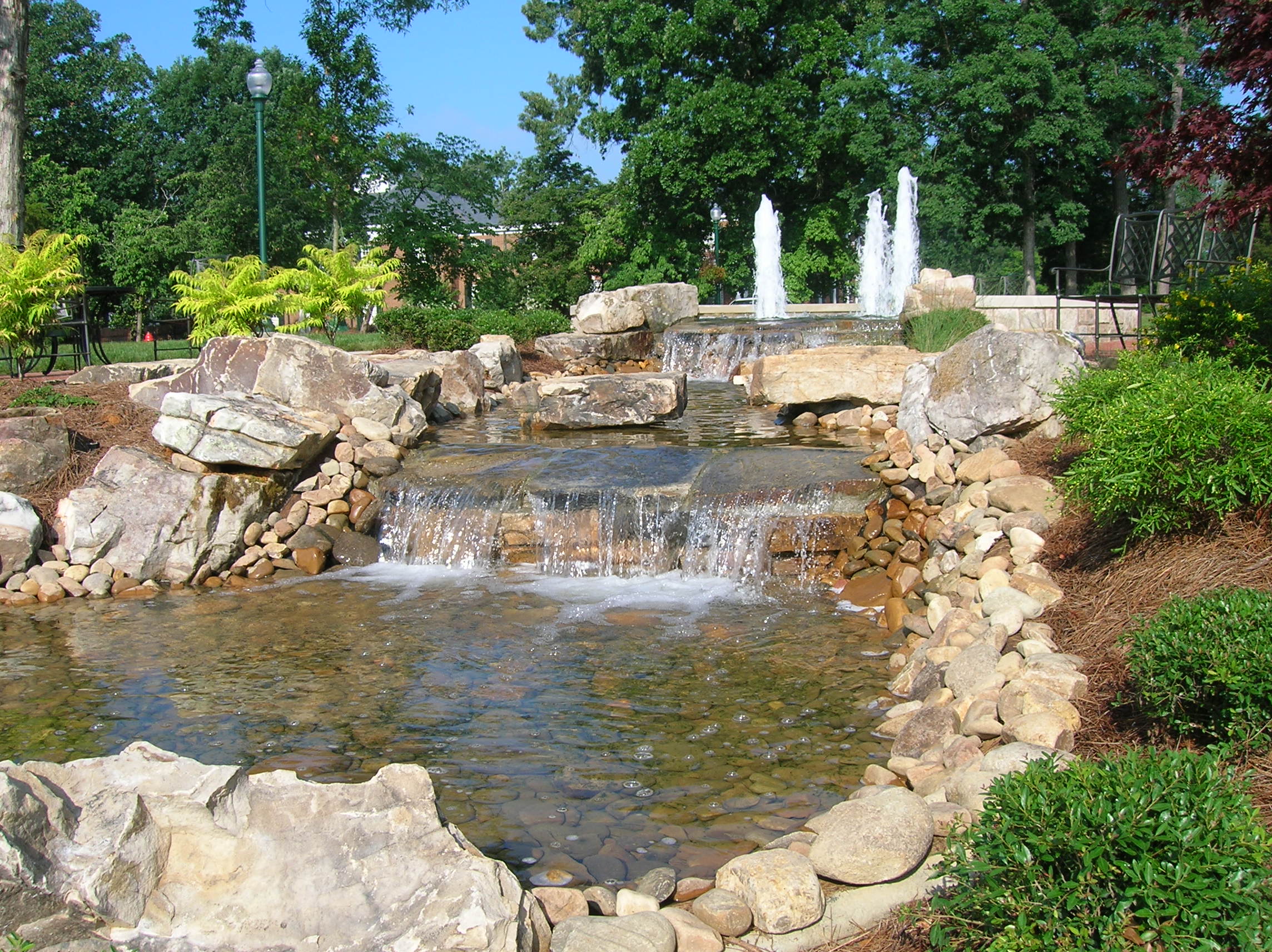
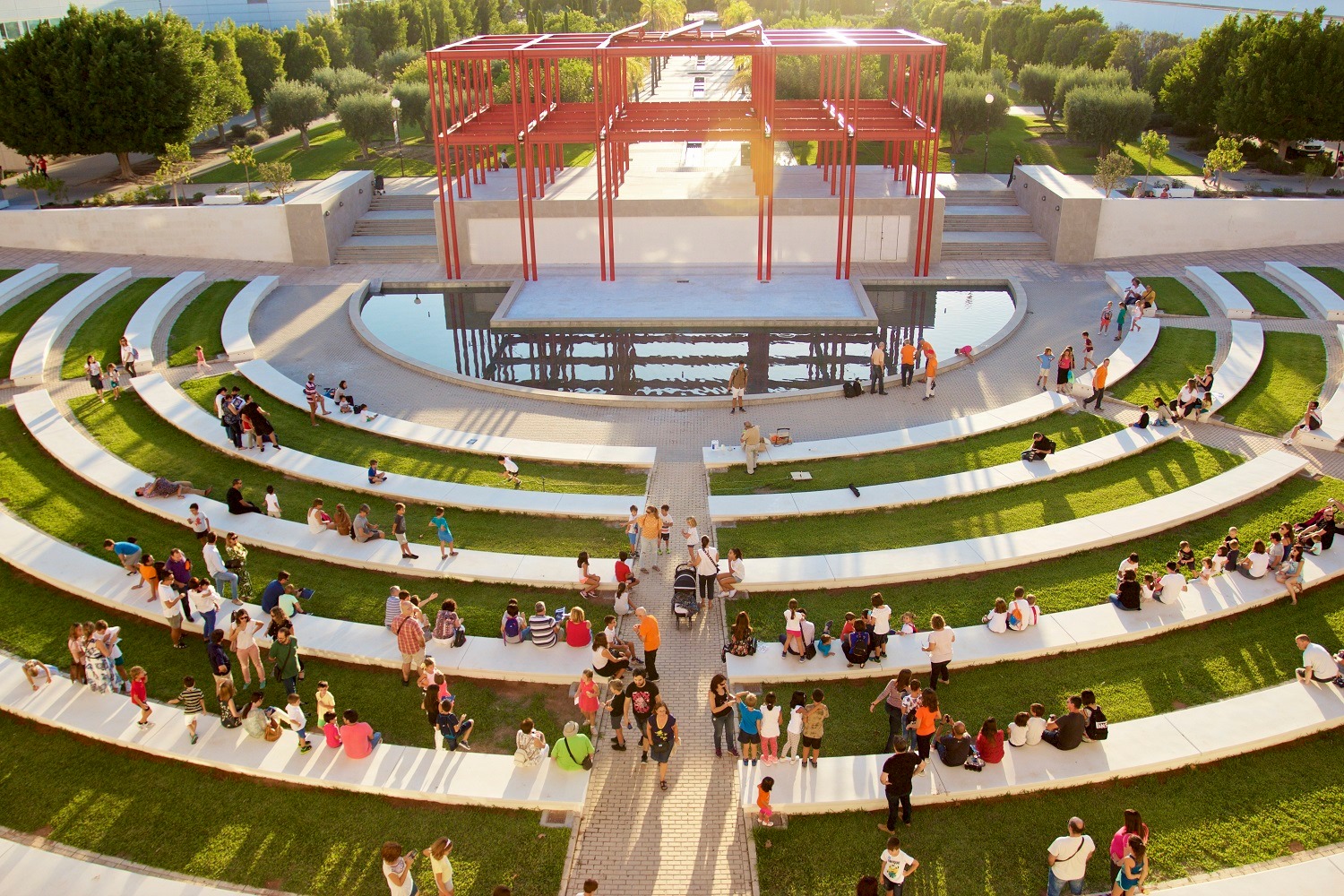
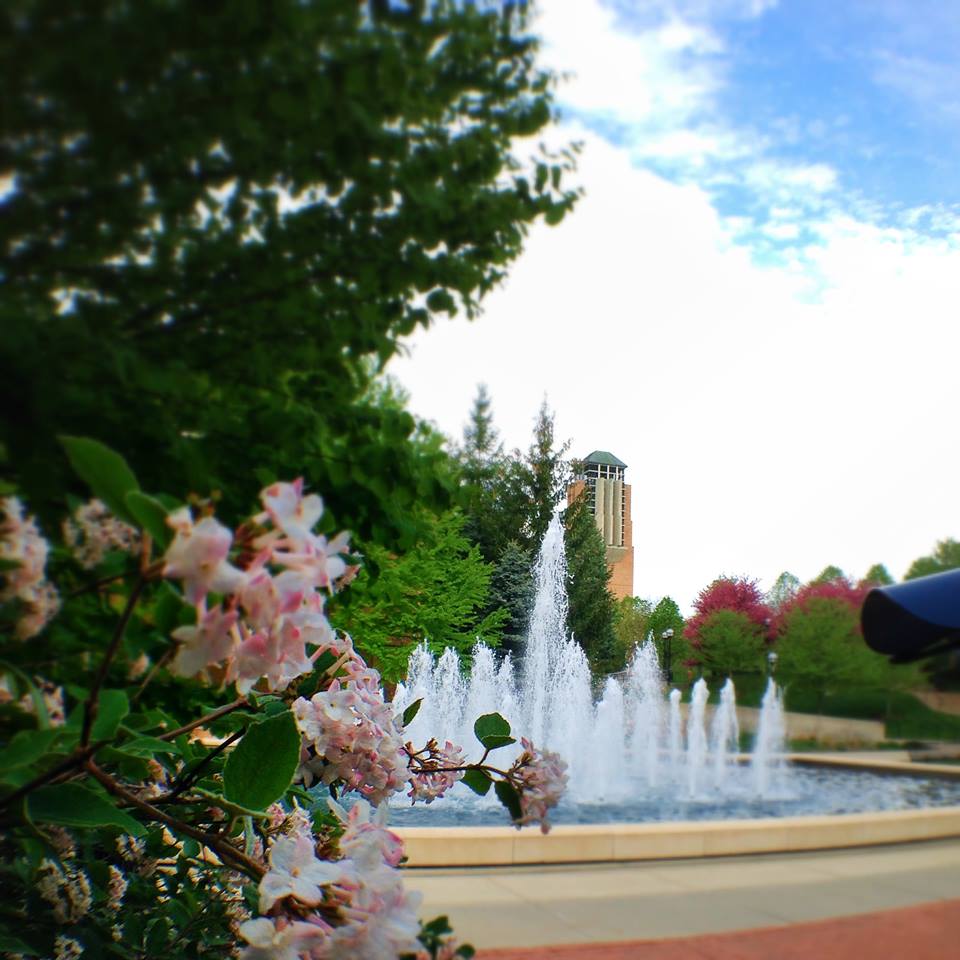
Fountains

“Temple, Fountain and Cave in Sezincote Park” | Thomas Daniell (1819) | Yale Center for British Art

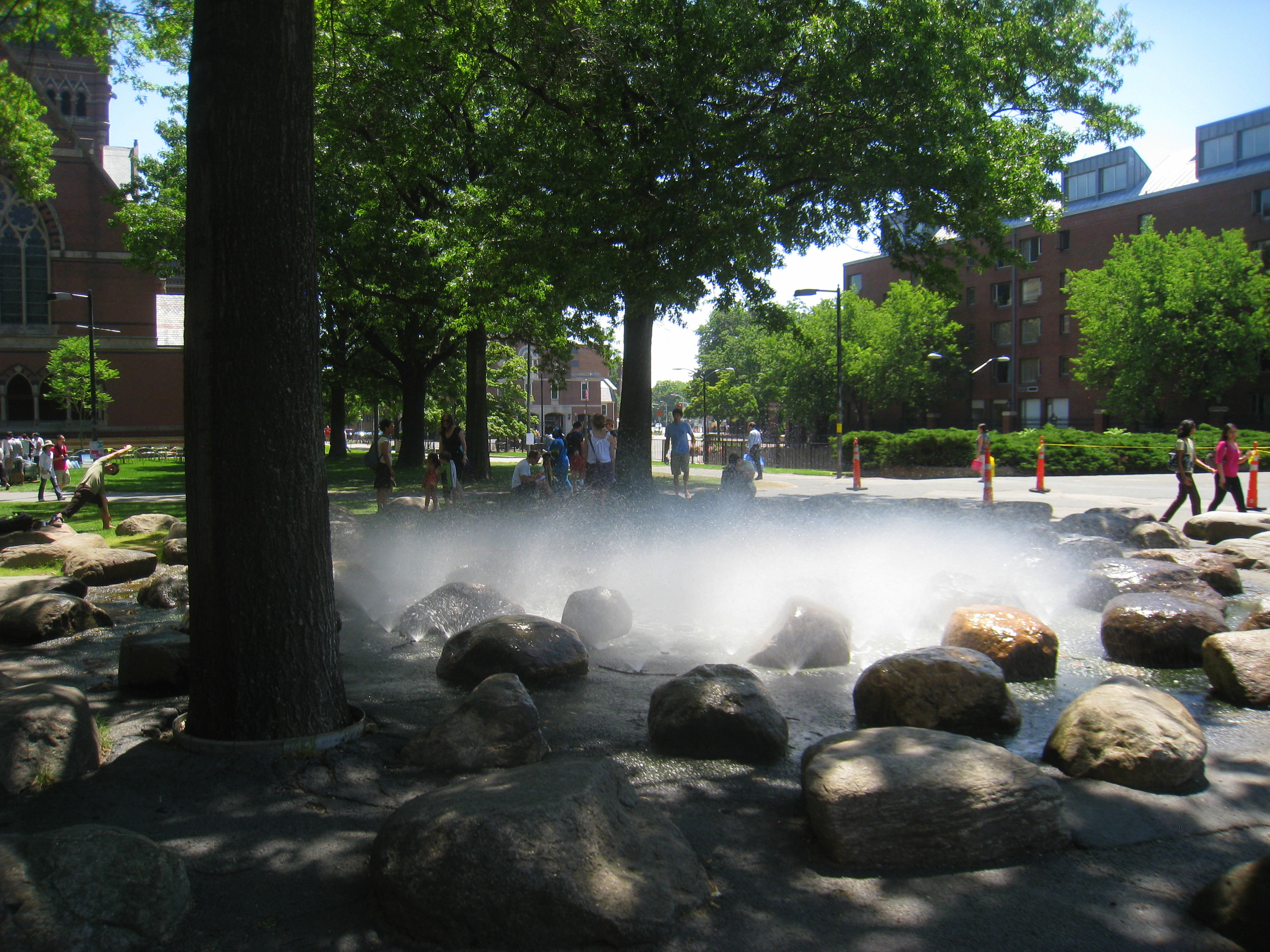
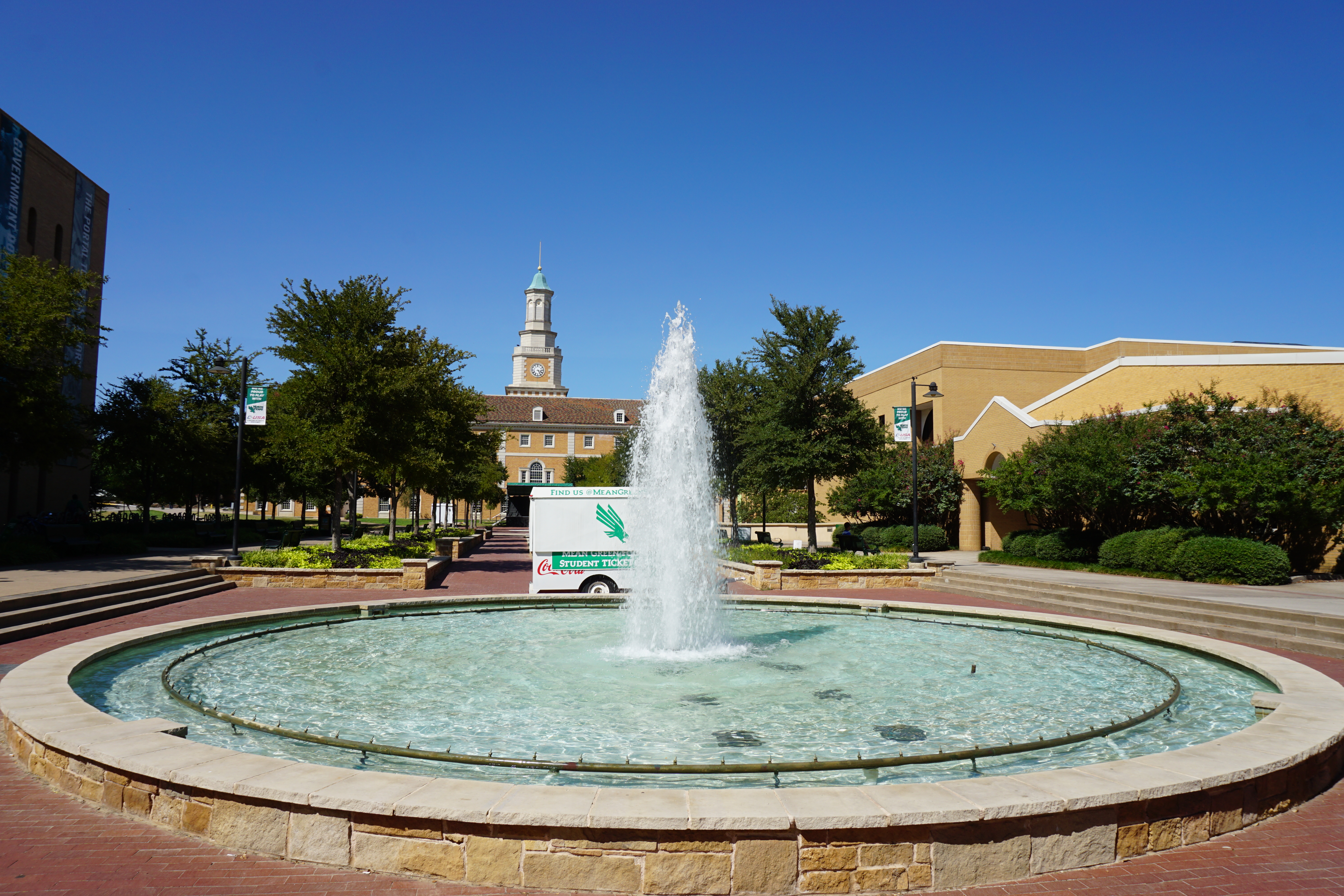
From time to time we break from our interest in lowering the cost of our “cities-within-cities” to enjoy the work of our colleagues responsible for seasonal ambience and public art.  We have a dedicated post that celebrates the accomplishments of our gardeners and horticultural staff.   Today we dedicate a post to campus fountains–a focal point for gathering and a place for personal reflection for which there is no price.

Alas, we find a quickening of standards developing organizations growing their footprint in the spaces around buildings now.  They used to confine the scopes of their standardization enterprises to the building envelope.  That day will soon be behind us as an energized cadre of water rights social justice workers, public safety, sustainability and energy conservation professionals descend upon campus fountains with prescriptive requirements for evaporation rates, bromine concentrations, training, certification and inspections.  In other words regulators and conformity functionaries will outnumber benefactors and fountain designers 1 million to 1.

We will deal with all that when the day comes.  For the moment, let’s just enjoy them.

We are happy to walk you through the relevant structural, water safety, plumbing and electrical issues any day at 11 AM EST during our daily standing online teleconferences.   Click on any image for author attribution, photo credit or other information.

Purdue University

The Great Court at Trinity College, Cambridge

Regent University

University of Washington

Hauptgebäude der Ludwig-Maximilians-Universität München, Bayern, Deutschland

College of the Desert / Palm Desert, California

California Institute of Technology

Berry College

Utah Valley University

Universitat d’Alacant / Sant Vicent del Raspeig, Spain

Collin County Community College / Plano, Texas

University of Toledo

University of Michigan College of Engineering

Harvard University

Florida State University

University of North Texas


Lightning Protection Systems

2026 Public Input Report | 2026 Public Comment Report

FEMA National Risk Index: Lightning

“Benjamin Franklin Drawing Electricity from the Sky” 1816 Benjamin West


Benjamin Franklin conducted his famous experiment with lightning on June 10, 1752.

He used a kite and a key to demonstrate that lightning was a form of electricity.

This experiment marked an important milestone in understanding the nature of electricity

and laid the foundation for the development of lightning rods and other lightning protection systems.


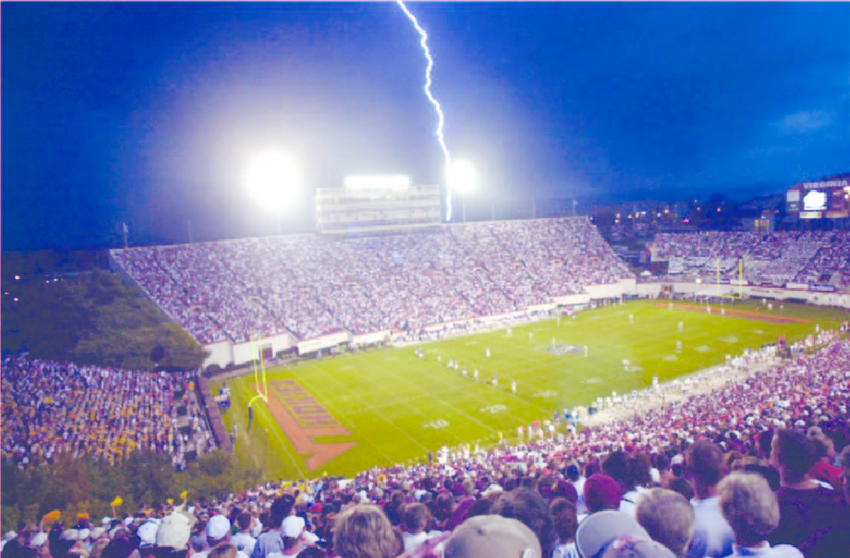
Seasonal extreme weather patterns in the United States, resulting in damages to education facilities and delays in outdoor athletic events — track meets; lacrosse games, swimming pool closures and the like — inspire a revisit of the relevant standards for the systems that contribute to safety from injury and physical damage to buildings: NFPA 780 Standard for the Installation of Lightning Protection Systems

FREE ACCESS

To paraphrase the NFPA 780 prospectus:

  • This document shall cover traditional lightning protection system installation requirements for the following:
       (1) Ordinary structures

       (2) Miscellaneous structures and special occupancies
       (3) Heavy-duty stacks
       (4) Structures containing flammable vapors, flammable gases, or liquids with flammable vapors
       (5) Structures housing explosive materials
       (6) Wind turbines
       (7) Watercraft
       (8) Airfield lighting circuits
       (9) Solar arrays
  • This document shall address lightning protection of the structure but not the equipment or installation requirements for electric generating, transmission, and distribution systems except as given in Chapter 9 and Chapter 12.

(Electric generating facilities whose primary purpose is to generate electric power are excluded from this standard with regard to generation, transmission, and distribution of power.  Most electrical utilities have standards covering the protection of their facilities and equipment. Installations not directly related to those areas and structures housing such installations can be protected against lightning by the provisions of this standard.)

  • This document shall not cover lightning protection system installation requirements for early streamer emission systems or charge dissipation systems.

“Down conductors” must be at least #2 AWG copper (0 AWG aluminum) for Class I materials in structures less than 75-ft in height

“Down conductors: must be at least 00 AWG copper (0000 AWG aluminum) for Class II Materials in structures greater than 75-ft in height.

Related grounding and bonding  requirements appears in Chapters 2 and Chapter 3 of NFPA 70 National Electrical Code.  This standard does not establish evacuation criteria.  

University of Michigan | Washtenaw County (Photo by Kai Petainen)

The current edition is dated 2023 and, from the transcripts, you can observe concern about solar power and early emission streamer technologies tracking through the committee decision making.  Education communities have significant activity in wide-open spaces; hence our attention to technical specifics.

2023 Public Input Report

2023 Public Comment Report

Public input on the 2026 revision is receivable until 1 June 2023.

We always encourage our colleagues to key in their own ideas into the NFPA public input facility (CLICK HERE).   We maintain NFPA 780 on our Power colloquia which collaborates with IEEE four times monthly in European and American time zones.  See our CALENDAR for the next online meeting; open to everyone.

Lightning flash density – 12 hourly averages over the year (NASA OTD/LIS) This shows that lightning is much more frequent in summer than in winter, and from noon to midnight compared to midnight to noon.

Issue: [14-105]

Category: Electrical, Telecommunication, Public Safety, Risk Management

Colleagues: Mike Anthony, Jim Harvey, Kane Howard


More

Installing lightning protection system for your facility in 3 Steps (Surge Protection)

IEEE Education & Healthcare Facility Electrotechnology

Readings: The “30-30” Rule for Outdoor Athletic Events Lightning Hazard

Churches and chapels are more susceptible to lightning damage due to their height and design. Consider:

Height: Taller structures are more likely to be struck by lightning because they are closer to the cloud base where lightning originates.

Location: If a church or chapel is situated in an area with frequent thunderstorms, it will have a higher likelihood of being struck by lightning.

Construction Materials: The materials used in the construction of the building can affect its vulnerability. Metal structures, for instance, can conduct lightning strikes more readily than non-metallic materials.

Proximity to Other Structures: If the church or chapel is located near other taller structures like trees, utility poles, or buildings, it could increase the chances of lightning seeking a path through these objects before reaching the building.

Lightning Protection Systems: Installing lightning rods and other lightning protection systems can help to divert lightning strikes away from the structure, reducing the risk of damage.

Maintenance: Regular maintenance of lightning protection systems is essential to ensure their effectiveness. Neglecting maintenance could result in increased susceptibility to lightning damage.

Historical Significance: Older buildings might lack modern lightning protection systems, making them more vulnerable to lightning strikes.

The risk can be mitigated by proper design, installation of lightning protection systems, and regular maintenance. 

Virginia Tech

Animal Safety

University of Minnesota: Evaluating biosecure entry and exit protocols and education methods in a mock livestock facility

Evacuation Drills for Horses

“One of the Family” 1880 | Frederick George Cotman

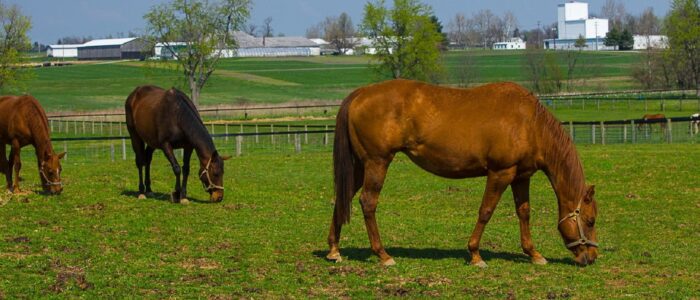
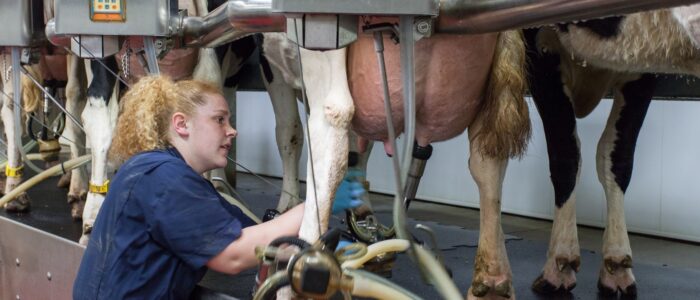
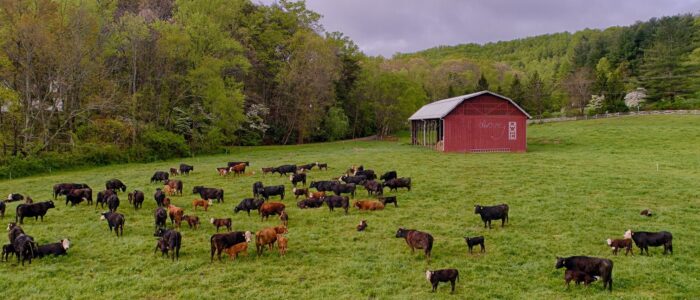
NFPA 150 Fire and Life Safety in Animal Housing Facilities Code has entered its s025 revision cycle.   Many education communities are responsible for animal safety in academic units, research enterprises. museums and even — as in the United Kingdom — large farm animals that wander freely on campus with students, faculty and staff.  The number of colleges and universities that permit students to live with their pets has expanded; and with it the responsibilities of university administration.

From the document scope:

This standard shall provide the minimum requirements for the design, construction, fire protection, and classification of animal housing facilities.  The requirements of NFPA 150 recognize the following fundamental principles:

(1) Animals are sentient beings with a value greater than that of simple property.

(2) Animals, both domesticated and feral, lack the ability of self-preservation when housed in buildings and other structures.

(3) Current building, fire, and life safety codes do not address the life safety of the animal occupants. The requirements found in NFPA 150 are written with the intention that animal housing facilities will continue to be designed, constructed, and maintained in accordance with the applicable building, fire, and life safety codes.

The requirements herein are not intended to replace or rewrite the basic requirements for the human occupants. Instead, NFPA 150 provides additional minimum requirements for the protection of the animal occupants and the human occupants who interact with those animals in these facilities. 


A full description of the project is linked below:

Fire and Life Safety in Animal Housing Facilities Code

Access to the 2025 Edition is linked below:

FREE ACCESS NFPA 150

We provide the transcript of the back-and-forth on the current 2022 edition to inform how education communities can contribute to the improvement of this title; a subject that stirs deep feelings about animal safety in research enterprises.

NFPA 150 First Draft Agenda

NFPA 150 Second Draft Report

Public comment on the Second Draft of the 2025 Edition will be received until March 27, 2024.   

We have been advocating risk-informed animal safety concepts in this document since the 2013 Edition and have found that it is nearly impossible to overestimate the sensitivity of educational communities to the life safety of animals — either for agriculture or medical research.

We maintain the entire NFPA catalog on the standing agenda of our Prometheus colloquia.  See our CALENDAR for the next online meeting; open to everyone.

"i thank You God for most this amazing day:for the leaping greenly spirits of trees and a blue true dream of sky;and for everything which is natural which is infinite which is yes" -- e.e.cummings ('Seventy-One Poems' 1950)


Issue: [11-1] and [19-5]

Category: Fire Protection, Facility Asset Management, Academic, Risk Management

Colleagues: Mike Anthony, Josh Elvove, Joe DeRosier

More:

Protecting Animals When Disaster Strikes

Animals 300


Bibliography:

25 Most Pet-Friendly Colleges

National Institute of Health: Policy on Humane Care and Use of Laboratory Animals

International Building Code: Section 304 (Business Group B): Animal hospitals, kennels and pounds

Terrestrial Animal Health Code

IEEE Guide for Animal Deterrents for Electric Power Supply Substations

ASHRAE Animal Facilities

IEEE Livestock Monitoring System

Ventilation Design Handbook on Animal Research Facilities

HVAC Design in Animal Facilities

USDA Animal Welfare Information Center

ISO Assistance Dogs

US Department of Agriculture: Animal Welfare Act and Animal Welfare Regulations

S. 4288: Reducing Animal Testing Act

Guaranteeing safety of animals under risk of fire: conceptual framework and technical issues analysis

Protecting Animals When Disaster Strikes


2025-2026 Student Paper Competition

ANSI Rebrands Flagship Conference: ANSI Innovation Summit Replaces World Standards Week

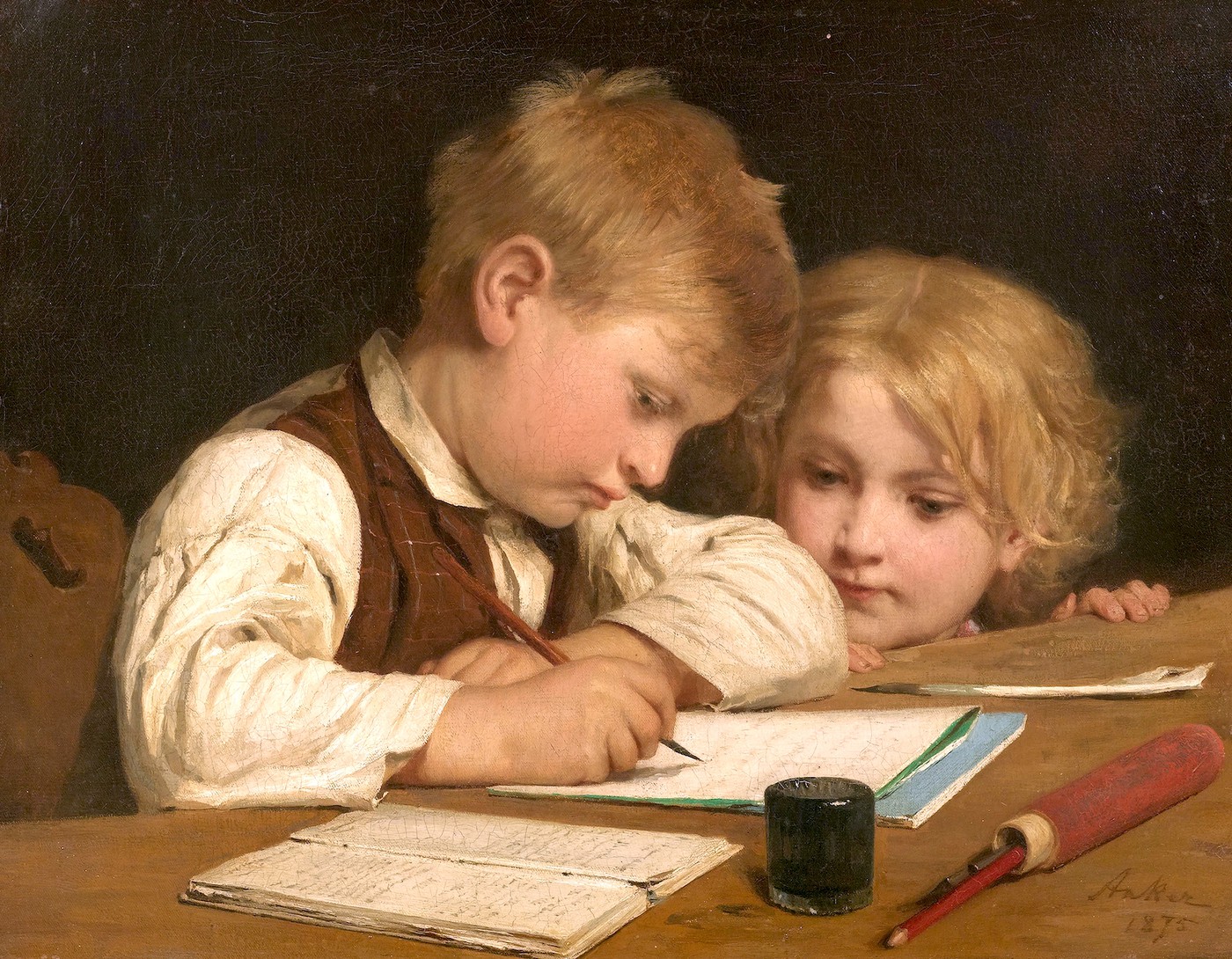
“Boy Writing with Sister” 1875 Albert Anker


ANSI Student Paper Competition paused for 2025

No award for the 2024 cycle (per COE Chairperson)

“A Girl Writing; The Pet Goldfinch” 1870 Henriette Browne


The Society for Standardization Professionals Paper Competition 2025


Updated January 7, 2024


For nearly twenty years now,  the American National Standards Institute Committee on Education administers a student paper competition intended to encourage understanding of the global standards system that also provides a solid prize — in the $1000 to $5000 range.  The topic of the 2024 Student Paper Competition will be What Role Do or Could Standards Play in Safe and Effective Implementation of Artificial Intelligence Applications/Systems?

Student Paper Competition Flyer 2024 – Entries due 7 June 2024

For the past six years Standards Michigan has hosted Saturday morning workshops to help students (and faculty) interested in entering the contest.   We will soon post those dates on our CALENDER.  We typically host them — three sessions ahead of the deadline — on Saturday mornings.

We provide links to previous paper winners and refer you to Lisa Rajchel: lrajchel@ansi.org for all other details.

Related:


“Normal” Things Americans Do That The Rest Of The World Will Never Understand

ANSI Accredited Standards Developers | Contact Information

2023 Student Paper Competition

2022 Student Paper Competition

2020 Student Paper Winner / Remanufacturing

2020 Student Paper Winner / Road Traffic Safety

ANSI 2019 Student Paper Winner: Cybersecurity & Ukraine Power Grid Attack

2019 Student Paper Winner / Standards in Crisis Prevention & Response:

2018 ANSI Student Paper Winner / Internet of Things

2017 ANSI Student Paper Winner / Cyborg Gen 2330

2016 Student Paper Winner | Life, Liberty and Pursuit of Happiness

2016 Student Paper Winner / World Without Standards

United States Standards Strategy

Working Dogs

Standards Wyoming | School Facilities Commission

Standards Wyoming

Animals 300

Evensong “Simple Gifts”

Standards Maryland

University of Maryland Symphony Orchestra: “Appalachian Spring” Aaron Copland, 1944


Standards Maryland

Layout mode
Predefined Skins
Custom Colors
Choose your skin color
Patterns Background
Images Background
Standards Michigan
error: Content is protected !!
Skip to content