Tag Archives: Weekend

Loading
loading..

Red, White and Blue Smoothie

University System of Maryland | $12.225B

Strawberries

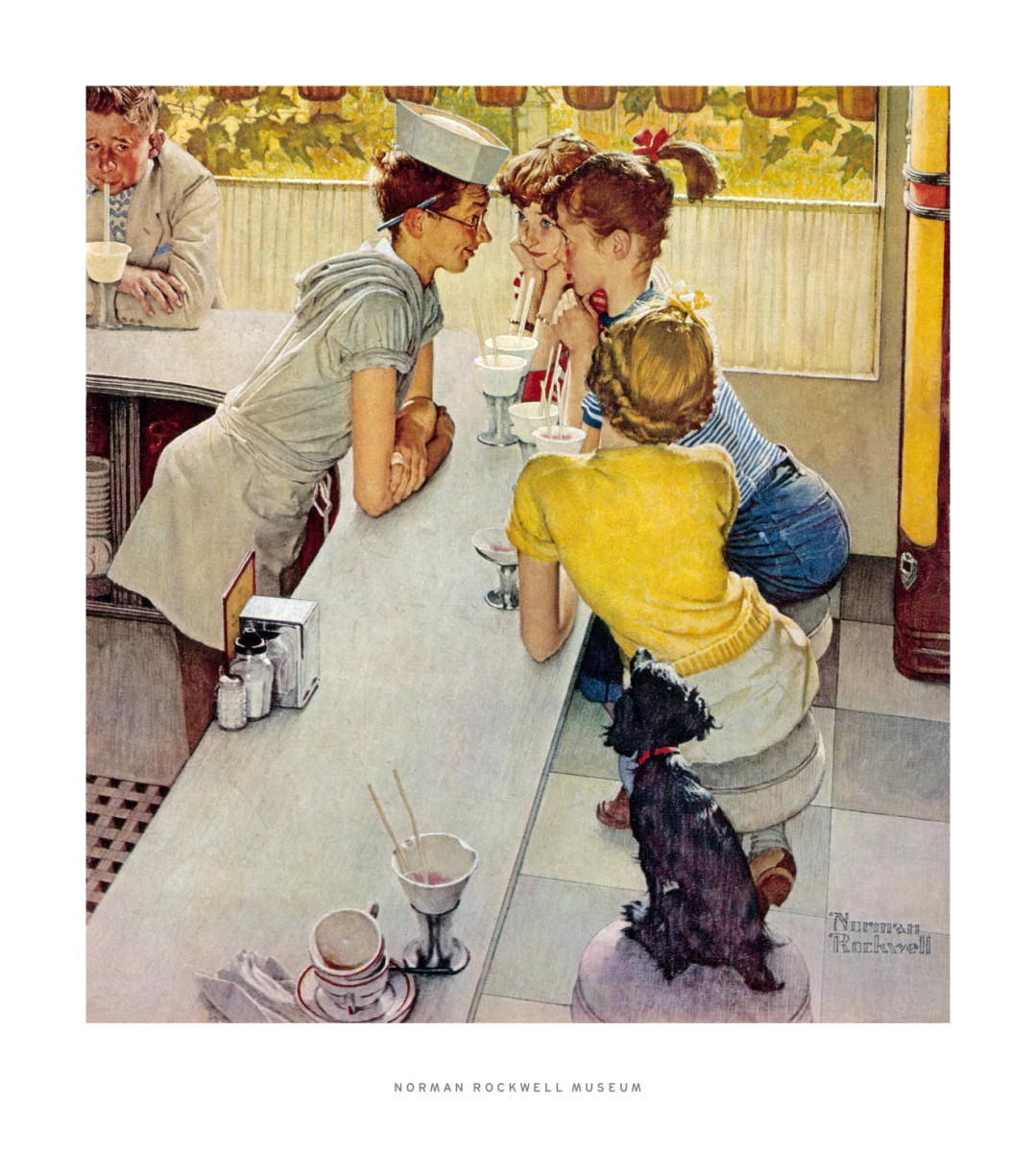
Soda Jerk, 1953 by Norman Rockwell - Paper Print - Norman ...

Blueberries

University of Maryland Extension

Standards Maryland

The choice of red, white, and blue in national flags often carries historical, cultural, and political significance. Here are some reasons why various nations have chosen these colors:

  1. Historical Connections:
    • United States: The colors were chosen for their flag in 1777 and have been interpreted to symbolize valor (red), purity (white), and justice (blue). The colors were influenced by the British Union Jack.
    • France: The Tricolour flag adopted during the French Revolution represents liberty (blue), equality (white), and fraternity (red).
    • United Kingdom: The Union Jack combines elements from the flags of England (red and white), Scotland (blue and white), and Ireland (red and white).
  2. Cultural and Political Significance:
    • Russia: The flag’s colors were adopted from the Dutch flag, symbolizing pan-Slavism (red for bravery, blue for faithfulness, and white for honesty).
    • Netherlands: The Dutch flag’s colors (originally derived from the Prince’s Flag) have historical roots, symbolizing the struggle for independence and liberty.
    • Czech Republic and Slovakia: Both countries use red, white, and blue to represent their Slavic heritage.
  3. Influence and Inspiration:
    • Chile, Costa Rica, and Panama: These countries were influenced by the colors and symbolism of other flags (e.g., the French and American flags) during their independence movements.
    • Australia and New Zealand: Both countries incorporate the Union Jack in their flags, reflecting their colonial history with the United Kingdom.
  4. Symbolism:
    • Croatia, Serbia, and Slovenia: The colors are traditional pan-Slavic colors, representing freedom and national unity.
    • Iceland and Norway: The colors reflect their historical and cultural ties to other Scandinavian countries.

The exact reasons can vary, but often the colors reflect a mix of historical alliances, cultural heritage, and political ideals.


 

Family Names

BSI Group: The Role of Standards in Shaping Careers and a Fairer Future

Growth for tech innovation in Bristol as Future Space expands

“Immoderate Greatness: Why Civilizations Fail, and Apologies to the Grandchildren” | William Ophuls

…”Your children are not your children.
They are the sons and daughters of Life’s longing for itself.
They come through you but not from you,
And though they are with you yet they belong not to you.
You may give them your love but not your thoughts,
For they have their own thoughts.
You may house their bodies but not their souls,
For their souls dwell in the house of tomorrow,
which you cannot visit, not even in your dreams…”
Michigan State University: Great Lakes Lighthouses

Gallery: Great Lakes

The Great Lakes contain enough fresh water to cover the land area of the entire United States under 3 meters of water.

We collect 15 video presentations about Great Lake water safety and sustainability prepared by the 8 Great Lake border state colleges and universities and their national and international partners in Canada.

Tour Around Lake Superior


In a state whose land mass was formed by glaciers, has there been climate change in its 10,000 – 15,000 year past? Did the glaciers melt because of sport utility vehicles made in Detroit? We refer you to the Academy of Projectors described in Book Three of Jonathan Swift’s 1726 satire on academia in “Gulliver’s Travels”

Open water swimming: No sharks or jellyfish


Water 100


When the wicked problems of peace and economic inequality cannot be solved, political leaders, and the battalions of servile administrative muckety-mucks who report to them, resort to fear-mongering about an imagined problem to be solved centuries hence assuming every other nation agrees on remedies of its anthropogenic origin.  We would not draw attention to it were it not that large tranches of the global academic community are in on the grift costing hundreds of billions in square-footage for research and teaching hopelessness to our children and hatred of climate change deniers.

Before the internet is scrubbed of information contrary to climate change mania, we recommend a few titles:

“Gulliver’s Travels” Jonathan Swift | Start at Chapter 5, PDF page 235

The Mad, Mad, Mad World of Climatism: Mankind and Climate Change Mania

Climate Change Craziness Exposed: Twenty-One Climate Change Denials of Environmentalists

Climate Psychosis

Gallery: Other Ways of Knowing Climate Change


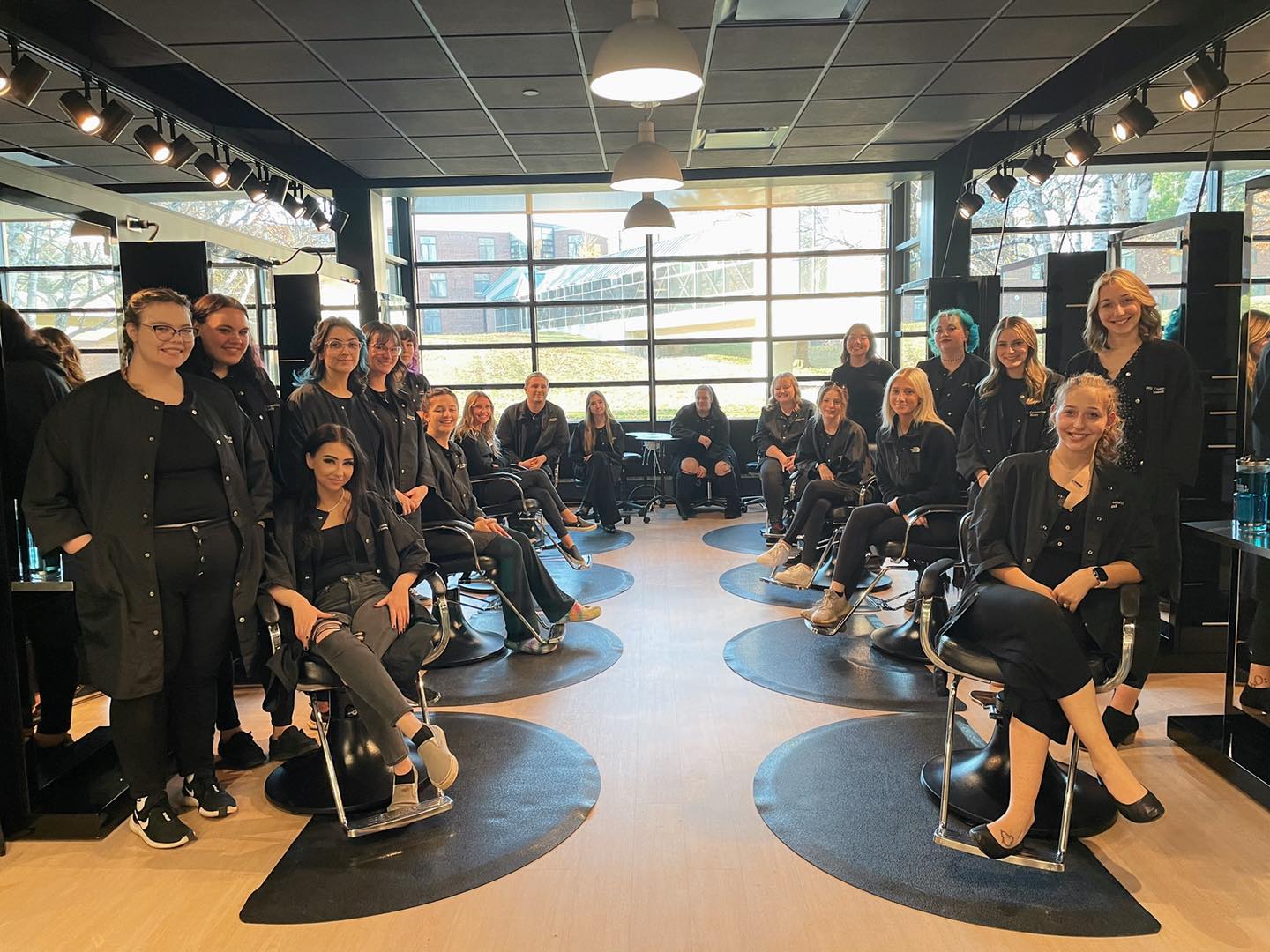
Barbering & Cosmetology Academies

‘The Barber of Seville’ by Luis Alvarez Catalá

Codes, standards and licensing for barbering schools and cosmetology academies are governed by local regulations; or local adaptations of national standards-setting organizations.  

Northern Michigan University | Marquette County

Building Codes

  1. Minimum Floor Space
    • Schools must provide adequate space for instruction and practice. For example, California requires a minimum of 3,000 square feet for cosmetology schools (which often include barbering), with at least 2,000 square feet dedicated to working, practice, and classroom areas. Additional space (e.g., 30 square feet per student beyond the first 50) may be required as enrollment increases.
    • Rooms for practical work must be sized appropriately, such as at least 14 feet wide for one row of barber chairs or 20 feet for two rows (California standard).
  2. Ceiling Height
    • Practice and classroom areas often require a minimum ceiling height, such as 9 feet, to ensure proper ventilation and comfort (e.g., California Building Code).
  3. Floor Finish
    • Floors in areas like restrooms or workspaces must be made of nonabsorbent materials (e.g., tile) to facilitate cleaning and maintain hygiene.
  4. Separation from Other Uses
    • Barbering schools must be distinct entities, not combined with residential spaces or unrelated businesses (e.g., Nevada’s NAC 643.500).
  5. Compliance with Local Building and Zoning Codes
    • Facilities must adhere to local ordinances for construction, occupancy, and zoning, ensuring the building is structurally sound and legally permitted for educational use (e.g., Virginia’s 18VAC41-20-270).
  6. Accessibility
    • Buildings must comply with accessibility standards (e.g., ADA in the U.S.), providing ramps, wide doorways, and accessible restrooms.

Occupational Safety and Health Administration: Bloodborne Pathogen Safety Standards


Safety

  1. Fire Safety
    • Compliance with the State Uniform Fire Prevention and Building Code (e.g., New York’s 19 NYCRR Parts 600-1250) or equivalent, including fire exits, extinguishers, and alarms.
    • Emergency exits must be clearly marked and unobstructed.
  2. Electrical Safety
    • All electrical equipment (e.g., clippers, dryers) must be regularly inspected (e.g., PAT testing in some regions) to prevent shocks or fires.
  3. Ventilation and Temperature Control
    • Adequate ventilation systems are required to maintain air quality and a safe working temperature, protecting students and instructors from fumes or overheating.
  4. First Aid and Emergency Preparedness
    • A stocked first aid kit must be available, and schools should have protocols for handling accidents or emergencies.
  5. Equipment Safety
    • Tools and workstations (e.g., chairs, sinks) must be maintained in good condition to prevent injuries. Hazardous tools like razor-edged implements for callus removal are often prohibited (e.g., California regulations).
  6. Occupational Safety
    • Compliance with OSHA (Occupational Safety and Health Administration) or state equivalents, such as Virginia’s Department of Labor and Industry standards, to protect against workplace hazards like chemical exposure or repetitive strain.


Hygiene

  1. Sanitation of Facilities
    • Schools must be kept clean and sanitary at all times, including floors, walls, furniture, and workstations (e.g., Virginia’s 18VAC41-20-270).
  2. Disinfection of Tools
    • Each student or instructor must have a wet disinfection unit at their station for sterilizing reusable tools (e.g., combs, shears) after each use. Disinfectants must be EPA-registered and bactericidal, virucidal, and fungicidal.
    • Single-use items (e.g., razor blades) must be discarded after each client in a labeled sharps container.
  3. Hand Hygiene
    • Practitioners must wash hands with soap and water or use hand sanitizer before services (e.g., Texas Rule 83.102).
  4. Client Protection
    • Sanitary neck strips or towels must be used to prevent capes from contacting clients’ skin directly (e.g., California regulations).
    • Services cannot be performed on inflamed, broken, or infected skin, and practitioners with such conditions on their hands must wear gloves.
  5. Product Safety
    • Cosmetic products containing FDA-banned hazardous substances are prohibited, and all products must be used per manufacturer instructions (e.g., Virginia’s 18VAC41-20-270).
  6. Waste Management
    • Proper disposal of soiled items (e.g., hair clippings) and hazardous waste (e.g., blades) is required, often daily or after each client.
  7. Health Department Compliance
    • Schools must follow state health department guidelines and report inspection results (e.g., Virginia requires reporting to the Board of Barbers and Cosmetology).
  8. Self-Inspection
    • Annual self-inspections must be documented and retained for review (e.g., Virginia mandates keeping records for five years).


Discussion

  • State-Specific Variations: Always consult your state’s barbering or cosmetology board for exact requirements. For instance, Texas (TDLR) emphasizes signage and licensing display, while California focuses on detailed sterilization methods.
  • Inspections: Schools are subject to regular inspections by state boards or health departments to ensure compliance.

Cosmetology (as time allows)


Gallery: Graduation Commencement Speeches

“It is at leaving the college and entering the world that the education of youth begins…

It is less uniform than that of childhood but more dependent on chance, and doubtless more important.

The youth is then attacked by a greater number of sensations: all that surrounds him strikes him,

and strikes him forcibly.”

—  Claude-Adrien Helvétius (A Treatise on Man)


Constructor University (formerly, Jacobs University Bremen Germany) Graduation Band: “Freebird”

Intercollegiate Studies Institute | What Makes the West Strong (Sir Roger Scruton)

Jerry Seinfeld @ Duke University 2026


“It’s hard to think without a future.” | C.P. Snow (The Masters, 1951)

Pros and Cons of Owning A Dog During College

Getting a dog during college can be an exciting thought for many students who are leaving home and are experiencing their first taste of true freedom; However, many young adults fail to consider the responsibilities and obligations that come with owning a dog while in school.

Apart from the necessity as companions for students with disabilities; consider the following:

Pros:

They can lead to decreased stress.

Dogs have the incredible ability to make you feel more relaxed and less stressed. A study actually found that when people took care of dogs for just three months, they showed significant drops in blood pressure and reactivity to stress. There’s no better feeling than coming home after a long day to your furry best friend who’s thrilled to see you.

They help motivate you to exercise.

Daily exercise is an essential part of a dog’s well-being and absolutely cannot be neglected. However, this requirement becomes mutually beneficial because it also ensures that you’re getting outside daily, intaking sunlight, and getting your own exercise. Even if you’re having a rough day and don’t feel like doing much, your dog will make sure that you go outside and get moving.

They make great companions if you live alone.

Dogs can be fantastic companions for students who choose to live alone. Living by yourself can be lonely. Your pet can serve as a companion to keep you occupied, as well as a solid guard dog when needed (or you can at least let them think they are).

Cons:

They require a time and patience.

If you’re thinking about getting a dog in college, be prepared to commit tons of time and attention to them. Training sessions will be vitally important in ensuring that your dog is potty-trained, can behave on a leash, and can be trusted around other dogs. You’ll also have to make time for vet appointments, play time, and letting them out on a consistent basis.

They can be expensive.

Dogs can be extremely expensive. Between vet bills, food, toys, and general dog supplies, the costs can quickly add up. Assessing your financial situation beforehand and determining whether or not now is the right time for you to get a dog, is absolutely essential.

They can cut into your social life; although can expand your social life with a starting point for common conversation with other dog lovers.

Like it or not, having a dog will cut into your social time with your friends. Staying out until 4 am on the weekends or being away from your house for 12 hours at a time is no longer feasible when your pet is waiting for you at home. Plan to make arrangements to fit your dog’s needs, which may mean missing out on social activities from time to time.


Readings

University of Michigan: Animals on Campus

North Central Michigan College

20 Pet Friendly Colleges

Standards Michigan: Animals

“Nipper” RCA Victor

Viticulture and Enology

Milan Cathedral Vector Illustration eps 8 file format

The Degree Course in Viticulture and Enology has the main objective of training oenological technicians with adequate skills to establish and manage wineries, enhancing both the agricultural product and the wine derived from it. This objective is pursued by providing, first, adequate basic scientific and cultural knowledge, based on mathematical, physical, chemical and biological sciences and, subsequently, professionalizing skills in the wine sector, aimed at developing operational skills of an agro-technological and managerial nature as well as framing the production activity from a historical, geographical, economic and environmental point of view….[Click image]

Grappoli d'uva

The University of Milan: A Multidisciplinary Campus


Castagne e cucina: ricette a base di castagne conservate


Un mondo fatto bene

“The Masters”

This content is accessible to paid subscribers. To view it please enter your password below or send mike@standardsmichigan.com a request for subscription details.

Bourbon Research

What Is A Standard Drink?


Greg Gutfeld and guests discuss how President Biden’s alcohol czar is warning that new guidance could be only two beers a week

Mint Julep University

Layout mode
Predefined Skins
Custom Colors
Choose your skin color
Patterns Background
Images Background
Standards Michigan
error: Content is protected !!
Skip to content