

Author Archives: mike@standardsmichigan.com
- Home
- Articles posted by mike@standardsmichigan.com (Page 22)

loading...

Gallery: Playgrounds
The Playground is officially OPEN! #RebelPride 🛝 pic.twitter.com/nkR2ebFqc3
— Dr. Kate Koch (@kwasnykate) October 10, 2023
While the students have been enjoying the playground since school began, it was a celebration getting to recognize everyone who made it happen. Thank you to Play! at Pierce, our donors, Rep. Stava-Murray, and the entire community for all of their efforts! #WEarePD58 #DG58Pride pic.twitter.com/eNZdPmjaI2
— Dr. Leland Wagner (@LWagnerDG58) November 8, 2023
In the soft light of a Notting Hill afternoon in 1958, the playground of a local day nursery becomes something closer to a sanctuary. Rows of small camp beds and folded rugs are neatly arranged beneath the open sky, each one cradling a sleeping child. The air carries the scent of… pic.twitter.com/L6i0HmcMmI
— Dr. M.F. Khan (@Dr_TheHistories) July 23, 2025
A new playground, a new school year, and a new 3R! That’s what I call AMAZING! 🍎🎉🛝#happyfirstdayofschool pic.twitter.com/kRYgn661HY
— Christine Reynolds (@5thgradeplaid) August 25, 2023




Management of Assets in Power Systems
From Case Studies to Standards
- Has anyone built this? (We hope so)
- Has anyone measured it?
- Has it failed anywhere?
- Can it be inspected; when an how often?
- Can it be maintained and can we train people to maintain it?
- Is the additional complexity justified? (Keep in mind Standards Michigan objective: Safer – Simpler – Lower Cost – Longer Lasting
- Can we write enforceable Code language that will not limit innovation?

“Mount Fuji from Lake Yamanaka” Takahashi Shōtei (1871-1945) | Los Angeles County Museum of Art
The Japanese Standards Association is the Global Secretariat for a standardization project devoted to the discovery and promulgation of common methods and guidelines for coordinated lifetime management of network assets in power systems to support good asset management. In addition, this may include the development of new methods and guidelines required to keep pace with development of electrotechnologies excluding generation assets; covered by other IEC standards.
There has, and will continue to be significant investment in electricity assets which will require ongoing management to realise value for the organizations. In the last 5 years, there has been USD 718 billion investment for electricity, spending on electricity networks and storage continued, reaching an all-time high of USD 277 billion in 2016. In the United States (17% of the total) and Europe (13%), a growing share is going to the replacement of ageing transmission and distribution assets. A more fully dimensioned backgrounder on the business environment that drives the market for this title is available in the link below:
IEC/TC 123 Strategic Business Plan
Begun in 2018, this is a relatively new project with three stabilized titles:
IEC 60050-693 ED1: Management of network assets in power systems – Terminology
IEC 63223-2 ED1: Management of network assets in power systems – Requirements
IEC TS 63224 ED1: Management of network assets in power systems – Practices and case studies
Electropedia: The World’s Online Electrotechnical Vocabulary
It is early in this project’s lifecycle; far too early to find it referenced in public safety and energy laws in the United States where it would affect #TotalCostofOwnership. Where we should, we follow the lead of the USNC/IEC for the United States, while still mindful that many of our IEEE colleagues follow the lead of their own national standards body.
Because this project fills an obvious gap in good practice literature we maintain this project on our 4 times monthly electrotechnology colloquium that we co-host with the IEEE Education & Healthcare Facilities Committee. See our CALENDAR for the next online meeting; open to everyone.
World Standards Day 2023 webinars on latest information technologies
The importance of functional safety | 2023-10-11 IEC Editorial Team


Red, White and Blue Smoothie
University System of Maryland | $12.225B



University of Maryland Extension

The choice of red, white, and blue in national flags often carries historical, cultural, and political significance. Here are some reasons why various nations have chosen these colors:
- Historical Connections:
- United States: The colors were chosen for their flag in 1777 and have been interpreted to symbolize valor (red), purity (white), and justice (blue). The colors were influenced by the British Union Jack.
- France: The Tricolour flag adopted during the French Revolution represents liberty (blue), equality (white), and fraternity (red).
- United Kingdom: The Union Jack combines elements from the flags of England (red and white), Scotland (blue and white), and Ireland (red and white).
- Cultural and Political Significance:
- Russia: The flag’s colors were adopted from the Dutch flag, symbolizing pan-Slavism (red for bravery, blue for faithfulness, and white for honesty).
- Netherlands: The Dutch flag’s colors (originally derived from the Prince’s Flag) have historical roots, symbolizing the struggle for independence and liberty.
- Czech Republic and Slovakia: Both countries use red, white, and blue to represent their Slavic heritage.
- Influence and Inspiration:
- Chile, Costa Rica, and Panama: These countries were influenced by the colors and symbolism of other flags (e.g., the French and American flags) during their independence movements.
- Australia and New Zealand: Both countries incorporate the Union Jack in their flags, reflecting their colonial history with the United Kingdom.
- Symbolism:
- Croatia, Serbia, and Slovenia: The colors are traditional pan-Slavic colors, representing freedom and national unity.
- Iceland and Norway: The colors reflect their historical and cultural ties to other Scandinavian countries.
The exact reasons can vary, but often the colors reflect a mix of historical alliances, cultural heritage, and political ideals.

Healthcare Organization Management
Open consultations:
US TAG is transferred to Association for the Advancement of Medical Instrumentation from InGenesis. Administrative details in process. Stay tuned.
ISO FDIS 16473 Healthcare organization pandemic response information management standard | Comments due September 4th
VF_40_2025_-_Re-allocation_of_ISO_TC_304_ | Comments due July 17th
ISO_DIS 20364 Pandemic Response Standard Draft Open for Public Consultation Comments due July 1
ISO Healthcare Management Comments on Smart Hospital Standard due January 15
Send Mike a message to coordinate comments (maanthon@umich.edu)
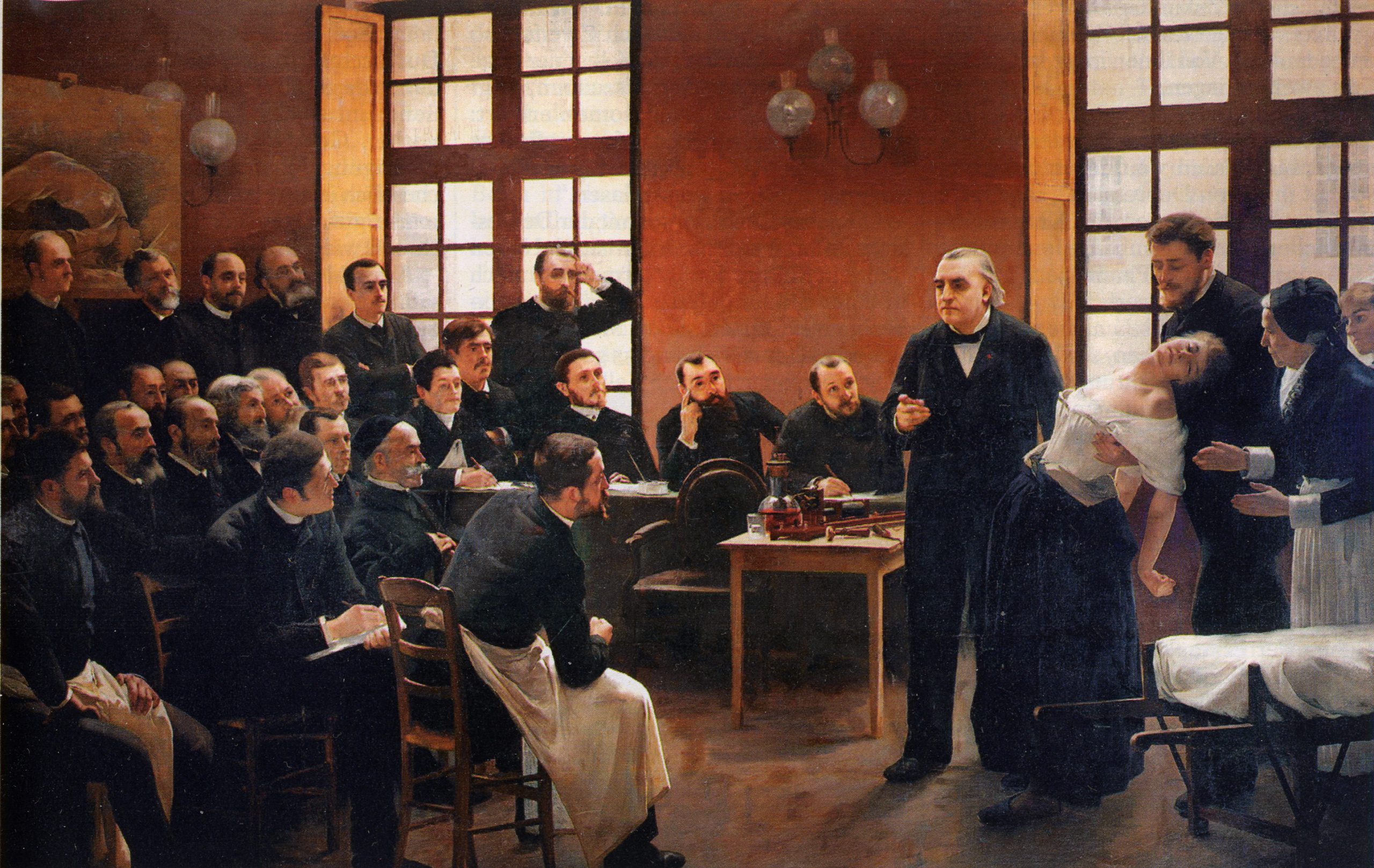
“Une leçon clinique à la Salpêtrière” 1887 André Brouillet
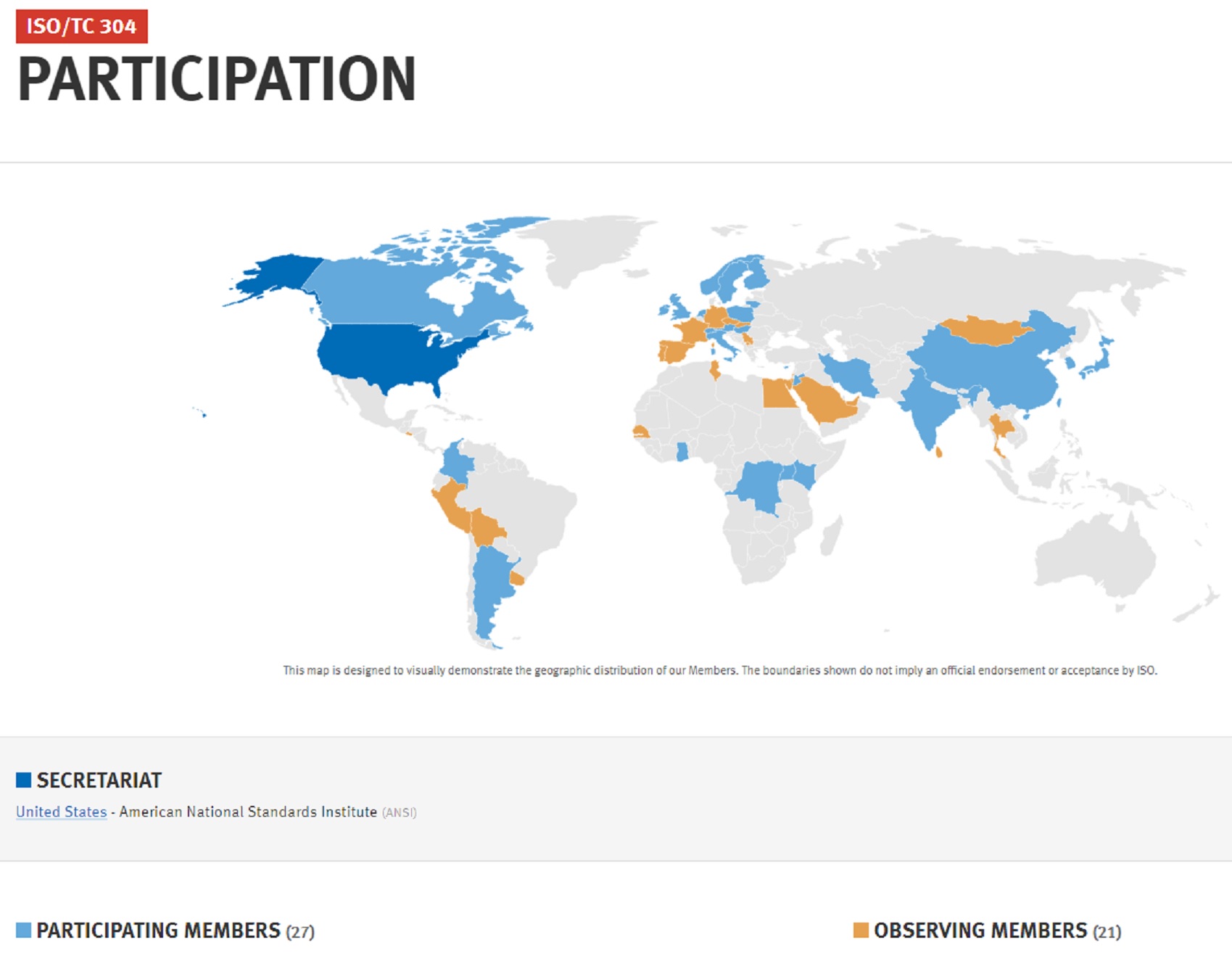
ISO Technical Committees | ANSI (U.S. Participation in ISO Activities)
Many large research universities have significant medical research and healthcare delivery enterprises. The leadership of those enterprises discount the effect of standards like this at their peril. It is easy to visualize that this document will have as transformative effect upon the healthcare industry as the ISO 9000 series of management standards in the globalization of manufacturing.
Standardization in the field of healthcare organization management comprising, terminology, nomenclature, recommendations and requirements for healthcare-specific management practices and metrics (e.g. patient-centered staffing, quality, facility-level infection control, pandemic management, hand hygiene) that comprise the non-clinical operations in healthcare entities.
Excluded are horizontal organizational standards within the scope of:
-
- quality management and quality assurance (TC 176);
- human resource management (TC 260);
- risk management (TC 262);
- facility management (TC 267), and;
- occupational health and safety management (TC 283).
Also excluded are standards relating to clinical equipment and practices, enclosing those within the scope of TC 198 Sterilization of health care products.
This committee is led by the US Technical Advisory Group Administrator —Ingenesis. The committee is very active at the moment, with new titles drafted, reviewed and published on a near-monthly basis,
DPAS ballot for ISO PAS 23617- Healthcare organization management: Pandemic response (respiratory) —Guidelines for medical support of socially vulnerable groups – Comments due 16 October
[Issue 14-99]
Contact: Lee Webster (lswebste@utmb.edu, lwebster@ingenesis.com), Mike Anthony (mike@standardsmichigan.com), Jack Janveja (jjanveja@umich.edu), Richard Robben (rrobben1952@gmail.com), James Harvey (jharvey@umich.edu), Christine Fischer (chrisfis@umich.edu), Dr Veronica Muzquiz Edwards (vedwards@ingenesis.com)
Category: Health, Global
More
ISO Focus Special Issue on Healthcare
ISO/TC 48 Laboratory equipment
ISO/TC 212 Clinical laboratory testing and in vitro diagnostic test systems
ISO/TC 198 Sterilization of health care products
Four years ago Mom made a surprise visit to the ‘Hyacinth Chen School of Nursing’. Was always her dream that young women, especially from poor families, fulfil theirs to become nurses. The students were ecstatic to actually see a lady they only knew as a painting on the wall. pic.twitter.com/LBHHCLVhKy
— Wayne Chen (@wcchen) June 1, 2022
- The American National Standards Institute — the Global Secretariat for ISO — does not provide content management systems for its US Technical Advisory Groups. Because of the nascent committee, inspired by the work of Lee Webster at the University of Texas Medical Branch needed a content management system, we have been managing content on a Google Site facility on a University of Michigan host since 2014.Earlier this spring, the University of Michigan began upgrading its Google Sites facility which requires us to offload existing content onto the new facility before the end of June. That process is happening now. Because of this it is unwise for us to open the content library for this committee publicly. Respecting copyright, confidentiality of ISO and the US Technical Advisory Group we protect most recent content in the link below and invite anyone to click in any day at 15:00 (16:00) UTC. Our office door is open every day at this hour and has been for the better part of ten years.

ICYMI: The University of Michigan Welcomes ANSI
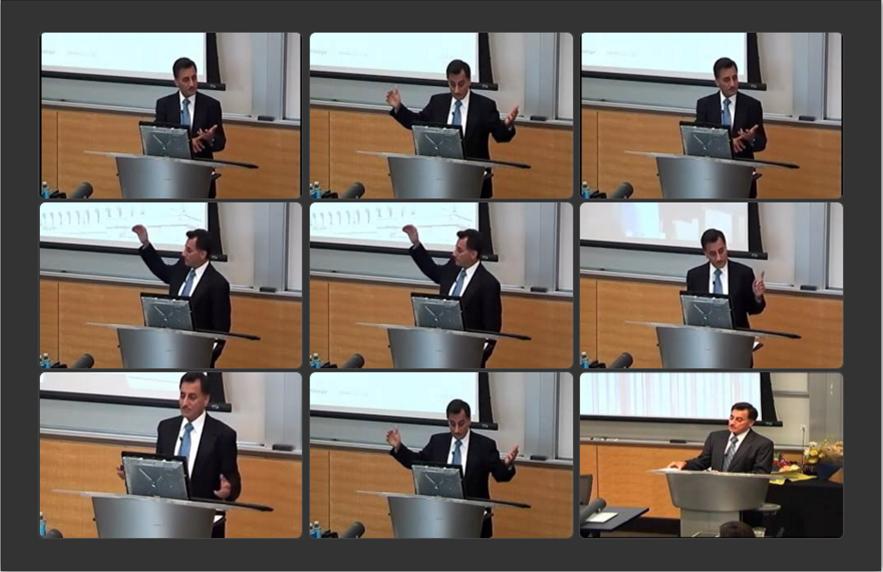
S. Joe Bhatia at UM Ross School of Business | ANSI Company Member Forum, May 2016
Related:
NIST Grant by Paul Green, University of Michigan
ARCHIVED (Ross Business School Media): University of Michigan Business School | ANSI CEO S. Joe Bhatia | October 2014

Electrical Power Reliability
Today at the usual hour we introduce the project which will require harvesting power reliability statistics from any and all educational settlements willing to share their data. As the links before demonstrate, we have worked in this domain for many years. Join us with the login credentials at the upper right of our home page.
Types of Probability Distribution & Representative Calculation
SDC3006_Power_System_Reliability_WG_Minutes_2024-05-20
WG Meeting Agenda August 2024_final
This paper introduced the concept of reliability theory and established a mathematical framework for analyzing system reliability in terms of lumped parameters. It defined important concepts such as coherent systems, minimal cut sets, and minimal path sets, which are still widely used in reliability engineering.
IEEE Recommended Practice for the Design of Reliable Industrial and Commercial Power Systems

“Railroad Sunset” | Edward Hopper
We are tooling up to update the failure rate tables of IEEE 493 Design of Reliable Industrial and Commercial Power Systems; collaborating with project leaders but contributing to an essential part of the data design engineers use for scaling their power system designs. The project is in its early stages. We are formulating approaches about how to gather data for assemble a statistically significant data set.
Today at the usual hour we introduce the project which will require harvesting power reliability statistics from any and all educational settlements willing to share their data. As the links before demonstrate, we have worked in this domain for many years.
Join us with the login credentials at the upper right of our home page.
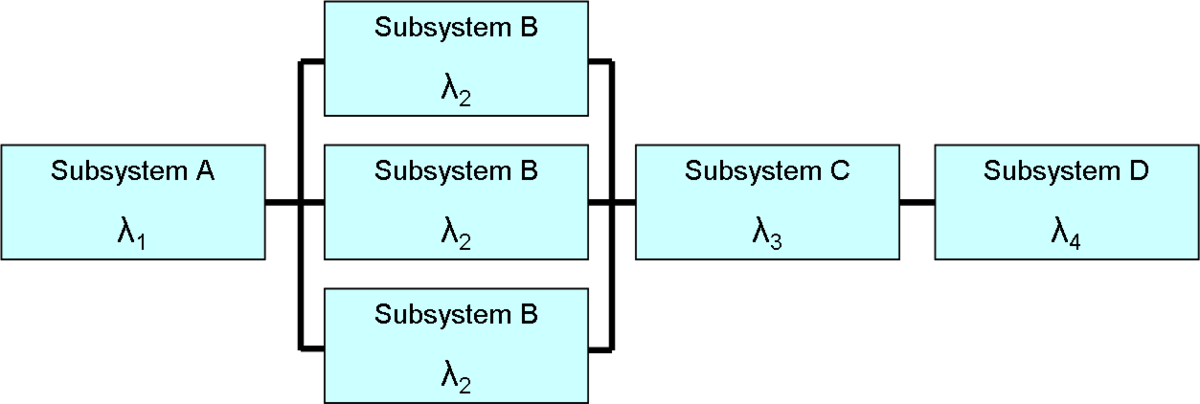
“On the Mathematical Theory of Risk and Some Problems in Distribution-Free Statistics” by Frank Proschan (1963): This paper introduced the concept of increasing failure rate (IFR) and decreasing failure rate (DFR) distributions, which are crucial in reliability modeling and analysis.
“Reliability Models for Multiple Failures in Redundant Systems” by John F. Meyer (1965): This paper addressed the problem of reliability analysis for redundant systems, which are systems with multiple components designed to provide backup in case of failure.
“Reliability of Systems in Series and in Parallel” by A. T. Bharucha-Reid (1960): This work analyzed the reliability of systems composed of components arranged in series and parallel configurations, which are fundamental building blocks of more complex systems.
“A Stochastic Model for the Reliability of Modular Software Systems” by John E. Gaffney, Jr. and Thomas A. Dueck (1980): This paper introduced one of the earliest models for software reliability, extending the concepts of reliability theory to the field of software engineering.
“Redundancy Techniques for Computing Systems” by John von Neumann (1956): This report by the pioneering computer scientist John von Neumann explored the use of redundancy techniques, such as triple modular redundancy, to improve the reliability of computing systems.
Open for Comment: Types of Reliability Probability Distributions

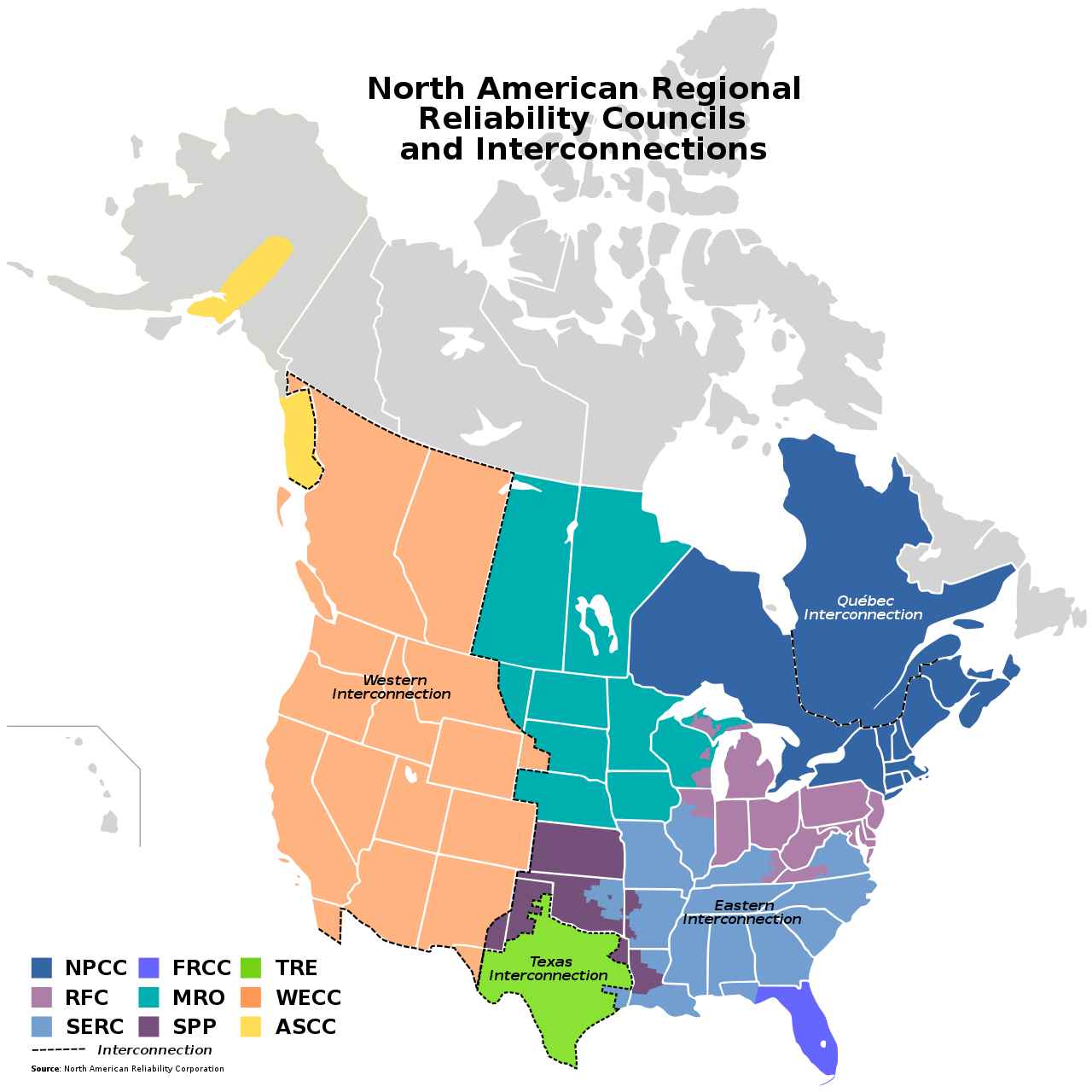
North American Electric Grid Reliability Standards
NERC Launches Project 2026‑02 to Address Reliability Risks from Computational Loads
Statement on FERC July 25, 2025 Open Meeting
Standards, Compliance, and Enforcement Bulletin June 26–July 4, 2023
Commissioner-Led Reliability Technical Conference | October 16, 10AM
General public consultation on FERC recommendations for Extreme Cold Weather Grid Operations, Preparedness, and Coordination closes July 14.
New update alert! The 2022 update to the Trademark Assignment Dataset is now available online. Find 1.29 million trademark assignments, involving 2.28 million unique trademark properties issued by the USPTO between March 1952 and January 2023: https://t.co/njrDAbSpwB pic.twitter.com/GkAXrHoQ9T
— USPTO (@uspto) July 13, 2023
Welcome
Standards Michigan Group, LLC
455 East Eisenhower Parkway, Suite 300
Ann Arbor, MI 48108 USA
888-748-3670
DIRECTIONS
 |
 |
|
 |
 |
|
 |
 |
Layout mode
Predefined Skins
Custom Colors
Choose your skin color
Patterns Background
Images Background
error: Content is protected !!
Skip to content