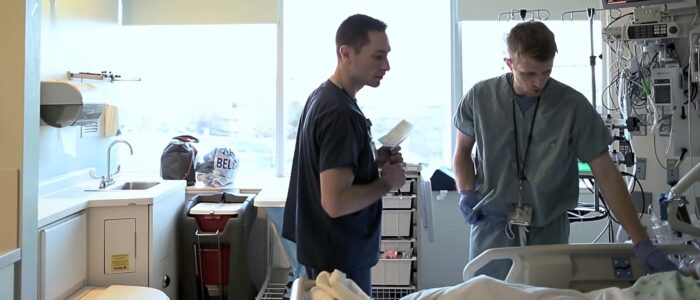
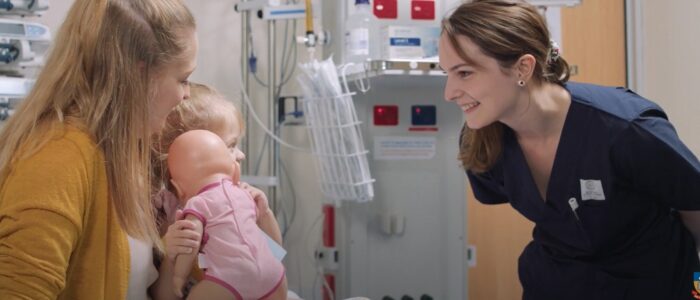
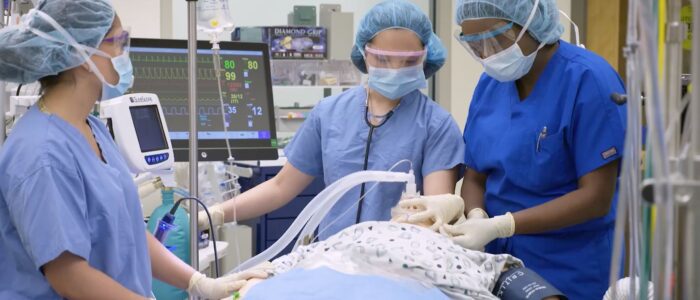
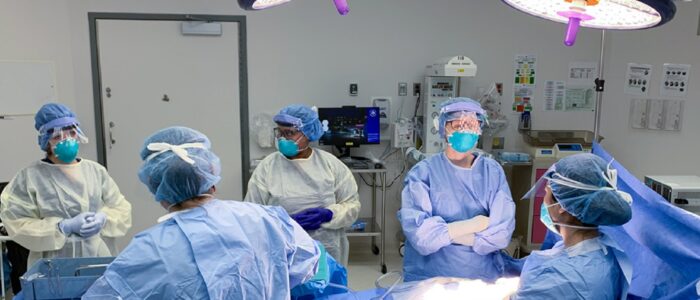
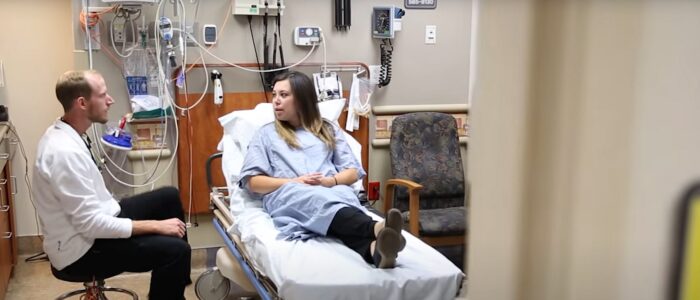
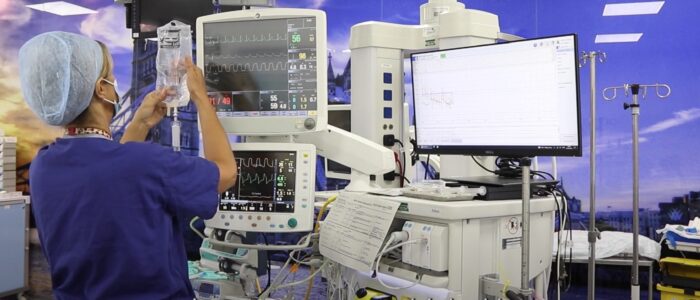
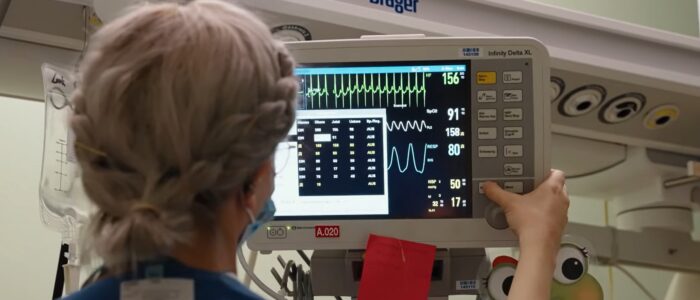
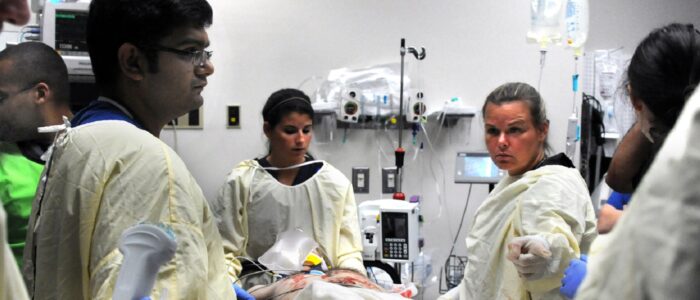
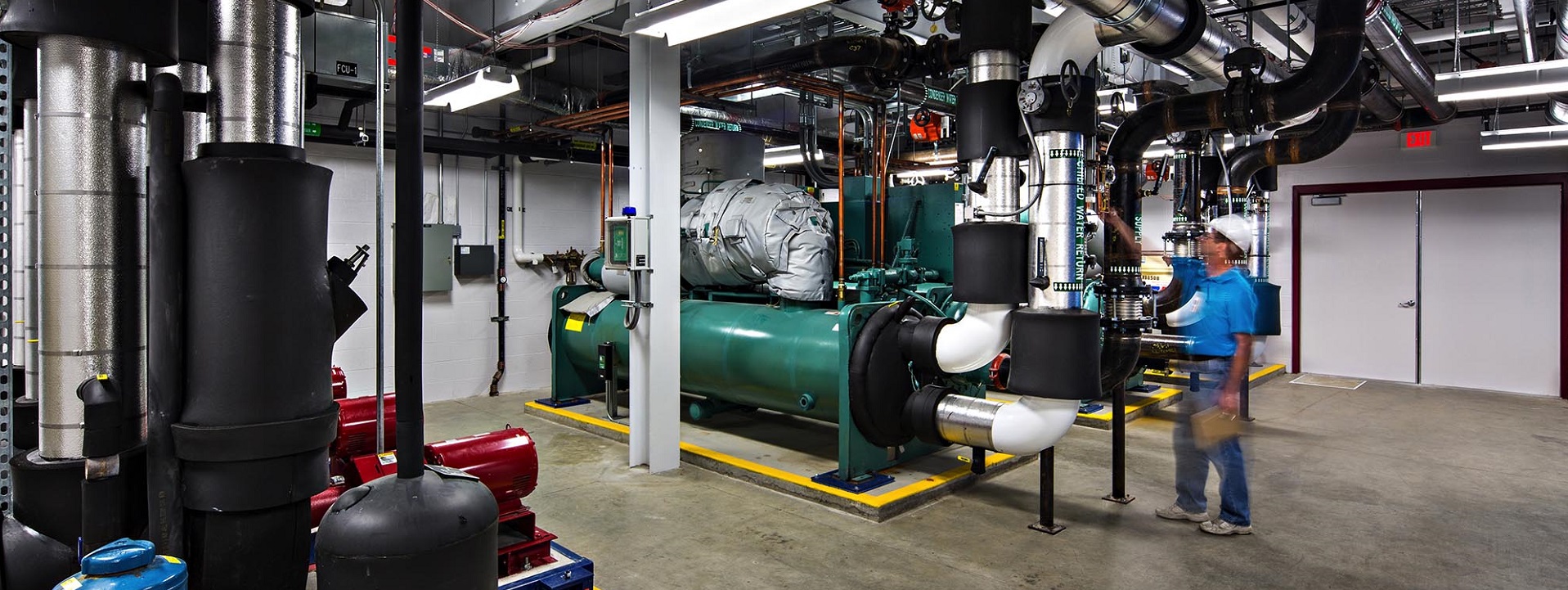
The pandemic provides background for the importance of ventilation systems in healthcare settings and reminder that there is plenty of work to do. The scope of ASHRAE 189.3 – Design, Construction and Operation of Sustainable High Performance Health Care Facilities — lies in this domain:
Purpose. The purpose of this standard is to prescribe the procedures, methods and documentation requirements for the design, construction and operation of high-performance sustainable health care facilities.
Scope.This standard applies to patient care areas and related support areas within health care facilities, including hospitals, nursing facilities, outpatient facilities, and their site. It applies to new buildings, additions to existing buildings, and those alterations to existing buildings that are identified within the standard. It provides procedures for the integration of sustainable principles into the health care facility design, construction and operation process including:
We maintain this title on the standing agenda of our periodic Health, Energy and Mechanical colloquia. See our CALENDAR for the online meeting; open to everyone.
October 9 Update
As of the date of this post, two redlines have been released for public consultation
Because this title is administered on ASHRAE’s continuous maintenance platform, public consultations run 30 to 45 days. You may also submit an original idea to the ASHRAE standards development enterprise. CLICK HERE to get started.
We maintain this title on the standing agenda of our periodic Health, Energy and Mechanical colloquia. See our CALENDAR for the online meeting; open to everyone.
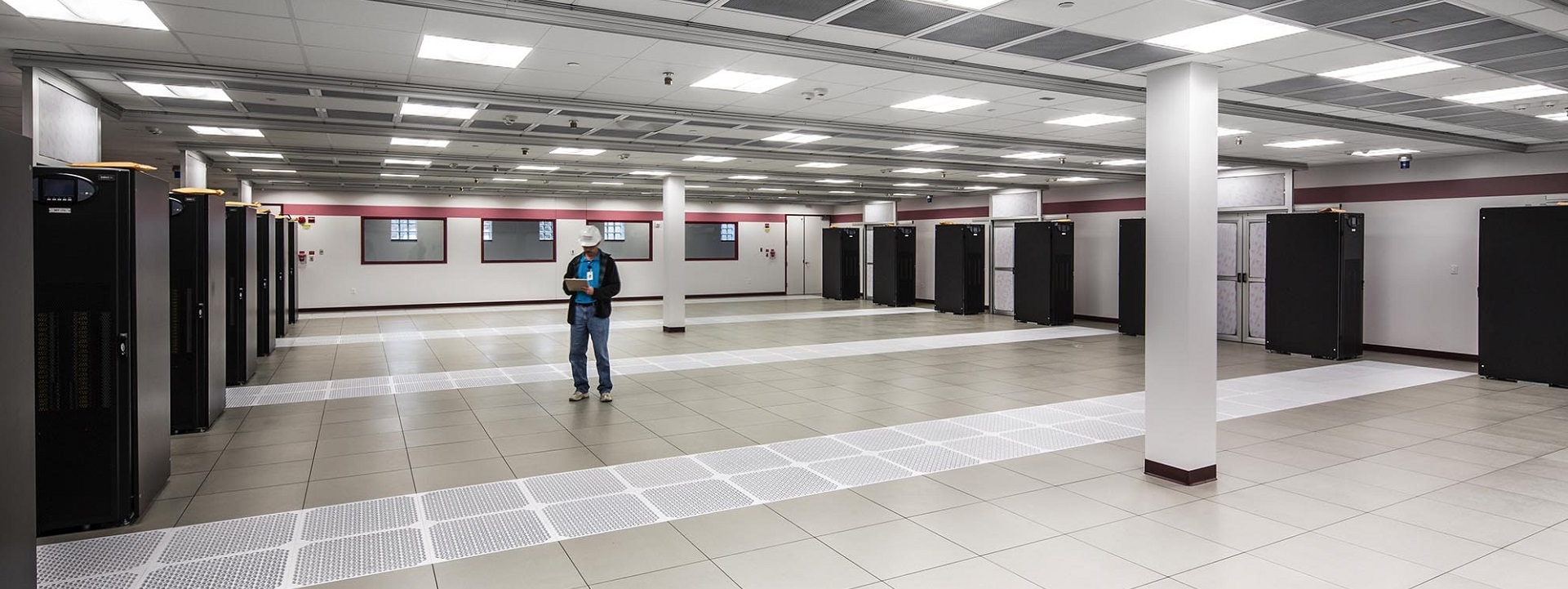
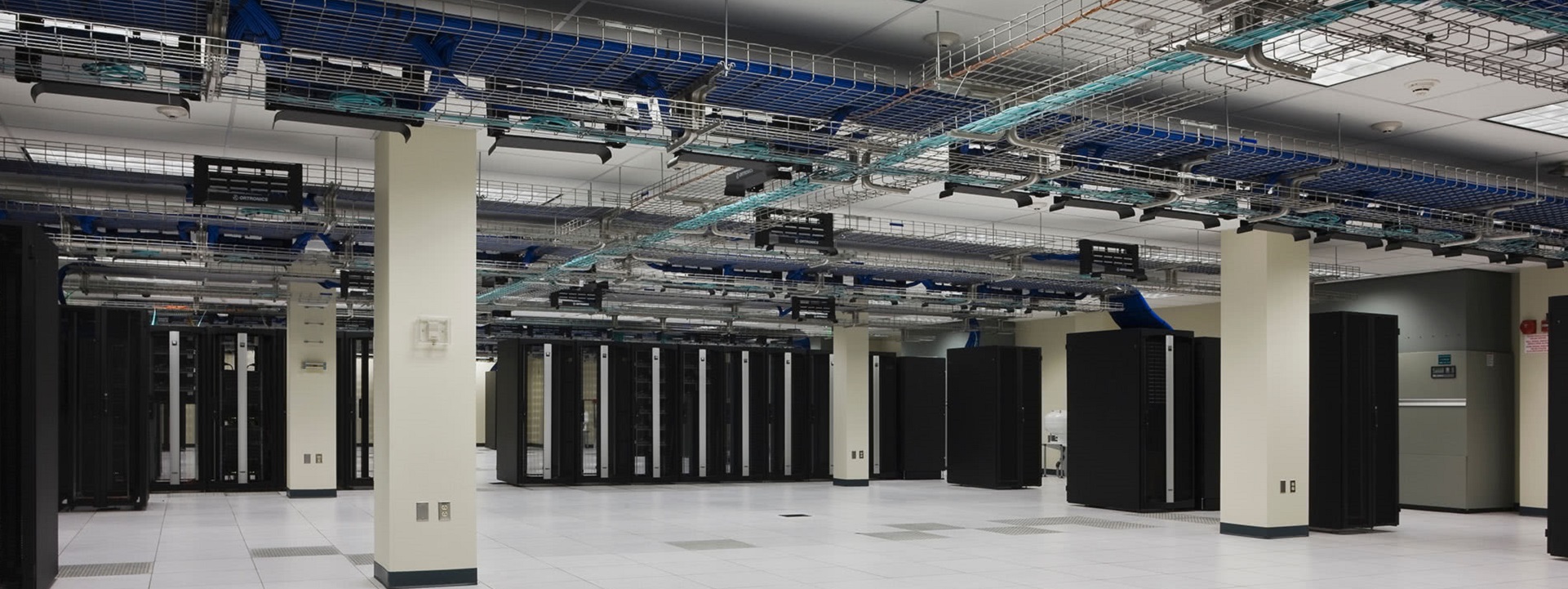
ASHRAE 90.4 defines an alternate compliance path, specific to data centers, while the compliance requirements for “non-data center” components are contained in ASHRAE 90.1 . The 90.4 structure also streamlines the ongoing maintenance process as well ensures that Standards 90.1 and 90.4 stay in their respective lanes to avoid any overlap and redundancies relating to the technical and administrative boundaries. Updates to ASHRAE 90.1 will still include the alternate compliance path defined in ASHRAE 90.4. Conversely the 2022 Edition of 90.4-2022 refers to ASHRAE 90.1-2022; cross-referencing one another synchronously
Links to noteworthy coverage from expert agencies on the 2022 revisions:
This title resides on the standing agenda of our Infotech 400 colloquium; hosted several times per year and as close coupled with the annual meetings of ASHRAE International as possible. Technical committees generally meet during these meetings make decisions about the ASHRAE catalog. The next all committee conference will be hostedJanuary 20-24, 2024 in Chicago. As always we encourage education industry facility managers, energy conservation workgroups and sustainability professionals to participate directly in the ASHRAE consensus standard development process. It is one of the better facilities out there.
Proposed Addendum g makes changes to definitions were modified in section 3 and mandatory language in Section 6 to support the regulation of process heat and process ventilation was moved in the section for clarity. Other changes are added based on comments from the first public review including changes to informative notes.
Consultation closes June 4th
Update: February 10, 2023
The most actively managed consensus standard for data center energy supply operating in education communities (and most others) is not published by the IEEE but rather by ASHRAE International — ASHRAE 90.4 Energy Standard for Data Centers (2019). It is not required to be a free access title although anyone may participate in its development. It is copyrighted and ready for purchase but, for our purpose here, we need only examine its scope and purpose. A superceded version of 90.4 is available in the link below:
It is likely that the technical committee charged with updating this standard are already at work preparing an updated version that will supercede the 2019 Edition. CLICK HERE for a listing of Project Committee Interim Meetings.
We maintain many titles from the ASHRAE catalog on the standing agenda of our Mechanical, Energy 200/400, Data and Cloud teleconferences. See our CALENDAR for the next online meeting; open to everyone.
Originally posted Summer 2020.
ASHRAE International has released four new addenda to its energy conservation consensus document ASHRAE 90.4-2016 Energy Standard for Data Centers. This document establishes the minimum energy efficiency requirements of data centers for design and construction, for the creation of a plan for operation and maintenance and for utilization of on-site or off-site renewable energy resources.
It is a relatively new document more fully explained in an article published by ASHRAE in 2016 (Click here). The addenda described briefly:
Addendum a – clarifies existing requirements in Section 6.5 as well as introduce new provisions to encourage heat recovery within data centers.
Addendum b – clarifies existing requirements in Sections 6 and 11 and to provide guidance for taking credit for renewable energy systems.
Addendum d – a response to a Request for Interpretation on the 90.4 consideration of DieselRotary UPS Systems (DRUPS) and the corresponding accounting of these systems in the Electrical Loss Component (ELC). In crafting the IC, the committee also identified several marginal changes to 90.4 definitions and passages in Section 8 that would add further clarity to the issue. This addendum contains the proposed changes for that aim as well as other minor changes to correct spelling or text errors, incorporate the latest ELC values into Section 11, and to refresh information in the Normative Reference.
Addendum e adds language to Section 11 intended to clarify how compliance with Standard 90.4 can be achieved through the use of shared systems.
Comments are due September 6th. Until this deadline you may review the changes and comment upon them by by CLICKING HERE
Education facility managers, energy conservation workgroups and sustainability professionals are encouraged to participate directly in the ASHRAE standard development process. Start at ASHRAE’s public commenting facility:
The ASHRAE catalog is a priority title in our practice. This title appears on the standing agenda of our Infotech sessions. See our CALENDAR for the next online meeting; open to everyone.
Kitchen cooking ranks high as the causes of fire hazard in the built environment. ASHRAE 154 provides design criteria for the performance of commercial cooking ventilation systems. Education communities have hundreds of food preparation enterprises in school districts, residence halls, hospitals and athletic venues. It is not intended to circumvent any safety, health or environmental requirement; however we find a fair amount of drama regarding the competing requirements of fire safety and sustainability among subject matter experts. The stabilized version is dated 2022.
“Dutch Kitchen” / Artist Unknown
A noteworthy title in the ASHRAE standards catalog is ASHRAE 154 Ventilation for Commercial Cooking Operations. Food preparation enterprises in school districts, residence halls, hospitals and athletic venues and central features in education communities. Access to the 2022 edition is linked below:
The purpose of ASHRAE 154 is to provide design criteria for the performance of commercial cooking ventilation systems. It covers kitchen hoods, exhaust systems and replacement air systems, It is not intended to circumvent any safety, health or environmental requirement; however we find a fair amount of drama between partisans of air movement controls and energy conservation interests. Fire safety and the sustainability advocates are well funded voices.
There are no open consultations at the moment; but you may track release of any at the link below:
Titles in the ASHRAE catalog move swiftly; many of them consultations lasting less than 45 days.
Interior environmental air safety is a concern that cuts across many professional disciplines. Accordingly, we maintain this title on the standing agendas of several colloquia — Mechanical Engineering, Energy and Housing. Starting 2022 we will break out this the subject of a separate, dedicated colloquium See our CALENDAR for the next online meeting; open to everyone.
Colleagues: David Conrad, Richard Robben, Larry Spielvogel
Kitchen cooking ranks high as the causes of fire hazard in the built environment. ASHRAE 154 provides design criteria for the performance of commercial cooking ventilation systems. Education communities have hundreds of food preparation enterprises in school districts, residence halls, hospitals and athletic venues. It is not intended to circumvent any safety, health or environmental requirement; however we find a fair amount of drama regarding the competing requirements of fire safety and sustainability among subject matter experts. The stabilized version is dated 2022.
The American Society of Heating, Refrigerating, and Air Conditioning Engineers (ASHRAE) is an ANSI-accredited continuous-maintenance standards developer (a major contributor to what we call a regulatory product development “stream”). Continuous maintenance means that changes to its consensus products can change in as little as 30 days so it is wise to keep pace.
Among the leading titles in its catalog is ASHRAE 90.1 Energy Standard for Sites and Buildings Except Low-Rise Residential Buildings. Standard 90.1 has been a benchmark for commercial building energy codes in the United States and a key basis for codes and standards around the world for more than 35 years. Free access to ASHRAE 90.1 version is available at the link below:
Redlines are released at a fairly brisk pace — with 30 to 45 day consultation periods. A related title — ASHRAE 189.1 Standard for the Design of High Performance Green Buildings — first published in 2009 and far more prescriptive in its scope heavily references parent title 90.1 so we usually them as a pair because 189.1 makes a market for green building conformance enterprises. Note the “extreme prescriptiveness” (our term of art) in 189.1 which has the practical effect of legislating engineering judgement, in our view.
Education estate managers, energy conservation workgroups, sustainability officers, electric shop foreman, electricians and front-line maintenance professionals who change lighting fixtures, maintain environmental air systems are encouraged to participate directly in the ASHRAE consensus standard development process.
We also maintain ASHRAE best practice titles as standing items on our Mechanical, Water, Energy and Illumination colloquia. See our CALENDAR for the next online meeting; open to everyone.
Issue: [Various]
Category: Mechanical, Electrical, Energy Conservation, Facility Asset Management, US Department of Energy, #SmartCampus
Colleagues: Mike Anthony, Larry Spielvogel, Richard Robben
* Many standards-developing organizations aim to broaden their influence by entering the product standard and certification domain. Although our primary focus is on interoperability standards (within a system of interoperable products), we also consider market dynamics when product performance specifications are incorporated by reference into public law.
To paraphrase Marc Andreessen: “Building standards are eating the world and ASHRAE is eating building standards” (– Mike Anthony, University of Michigan). Just when you thought ASHRAE’s claim to energy regulation could not get any larger, it has recently appropriated everything *between* buildings in its scope — that means all above-ground pathway lighting, steam, hot water communication cabling tunnels, water pumps, fire protections systems; among others.
The American Society of Heating, Refrigerating, and Air Conditioning Engineers (ASHRAE) is an ANSI-accredited continuous-maintenance standards developer (a major contributor to what we call a regulatory product development “stream”). Continuous maintenance means that changes to titles in its catalog can change in as little as 30-45 days. This is meaningful to jurisdictions that require conformance to the “latest” version of ASHRAE 90.1
Among the leading titles in its catalog is ASHRAE 90.1 Energy Standard for Sites and Buildings Except Low-Rise Residential Buildings. Standard 90.1 has been a benchmark for commercial building energy codes in the United States and a key basis for codes and standards around the world for more than 35 years. Free access to ASHRAE 90.1 version is available at the link below:
Chapter 9: Lighting, begins on Page 148, and therein lie the tables that are the most widely used metrics (lighting power densities) by electrical and illumination engineers for specifying luminaires and getting them wired and controlled “per code”. Many jurisdictions provide access to this Chapter without charge. Respecting ASHRAE’s copyright, we will not do so here but will use them during today’s Illumination Colloquium, 16:00 UTC.
Keep in mind that recently ASHRAE expanded the scope of 90.1 to include energy usage in the spaces between buildings:
Education industry facility managers, energy conservation workgroups, sustainability officers, electric shop foreman, electricians and front-line maintenance professionals who change lighting fixtures, maintain environmental air systems are encouraged to participate directly in the ASHRAE consensus standard development process.
Univerzita Karlova
We also maintain ASHRAE best practice titles as standing items on our Mechanical, Water, Energy and Illumination colloquia. See our CALENDAR for the next online meeting; open to everyone.
Issue: [Various]
Category: Mechanical, Electrical, Energy Conservation, Facility Asset Management, US Department of Energy, #SmartCampus
Colleagues: Mike Anthony, Larry Spielvogel, Richard Robben
N.B. We are knocking on ASHRAE’s door to accept proposals for reducing building interior power chain energy and material waste that we cannot persuade National Electrical Code committee to include in the 2026 revision of the National Electrical Code.
Metering for New Buildings: New buildings larger than 25,000 square feet must be equipped with metering to measure the electrical energy usage of the entire building.
Tenant Spaces: In buildings with tenant spaces, individual tenant spaces larger than 10,000 square feet must also be separately metered.
Subsystem Metering: Buildings with electrical loads exceeding specified thresholds must have additional metering to measure energy use for various subsystems, including:
HVAC systems
Lighting systems
Plug loads
Process loads
These metering requirements are intended to help building owners and operators monitor energy consumption, identify opportunities for energy savings, and comply with building energy codes and standards.
The American Society of Heating, Refrigerating, and Air Conditioning Engineers (ASHRAE) is an ANSI-accredited continuous-maintenance standards developer (a major contributor to what we call a regulatory product development “stream”). Continuous maintenance means that changes to titles in its catalog can change in as little as 30-45 days. This is meaningful to jurisdictions that require conformance to the “latest” version of ASHRAE 90.1
Among the leading titles in its catalog is ASHRAE 90.1 Energy Standard for Sites and Buildings Except Low-Rise Residential Buildings. Standard 90.1 has been a benchmark for commercial building energy codes in the United States and a key basis for codes and standards around the world for more than 35 years. Free access to ASHRAE 90.1 version is available at the link below:
Chapter 9: Lighting, begins on Page 148, and therein lie the tables that are the most widely used metrics (lighting power densities) by electrical and illumination engineers for specifying luminaires and getting them wired and controlled “per code”. Many jurisdictions provide access to this Chapter without charge. Respecting ASHRAE’s copyright, we will not do so here but will use them during today’s Illumination Colloquium, 16:00 UTC.
Keep in mind that recently ASHRAE expanded the scope of 90.1 to include energy usage in the spaces between buildings:
Education industry facility managers, energy conservation workgroups, sustainability officers, electric shop foreman, electricians and front-line maintenance professionals who change lighting fixtures, maintain environmental air systems are encouraged to participate directly in the ASHRAE consensus standard development process.
Univerzita Karlova
We also maintain ASHRAE best practice titles as standing items on our Mechanical, Water, Energy and Illumination colloquia. See our CALENDAR for the next online meeting; open to everyone.
Issue: [Various]
Category: Mechanical, Electrical, Energy Conservation, Facility Asset Management, US Department of Energy, #SmartCampus
Colleagues: Mike Anthony, Larry Spielvogel, Richard Robben
“Kleinkinderschule in Amsterdam” 1880 / Max Liebermann
This ASHRAE consensus product specifies conditions for acceptable thermal environments and is intended for use in design, operation, and commissioning of buildings and other occupied spaces. It is impossible to underestimate the difficulty of engineering an acceptable room temperature in an educational setting that satisfies all people all the time. Today, we simply identify the opportunity to ASHRAE Standard 55-2017, Thermal Environmental Conditions for Human Occupancy poststed on ASHRAE’s Public Review page:
ASHRAE’s standards development platform is one of the fastest in the United States so frequently there is scant time to respond; though we hope other user-interests will. As technical specifics relevant to the education facility industry become more clear we will develop this page accordingly.
All ASHRAE consensus products are on the agenda of our monthly 11 AM/ET Mechanical Engineering and Energy standards teleconferences. See our CALENDAR for the next online meeting; open to everyone.
Although specific temperature settings vary, gross anatomy labs are commonly kept at temperatures ranging from 55°F to 65°F (approximately 13°C to 18°C). This range balances the need for specimen preservation and the comfort and safety of individuals working in the lab. The 2022 Edition is widely incorporated by reference into public safety law; design, construction, maintenance operations best practice for laboratory health care occupancies.
Purpose: This standard specifies safe design, construction, installation and operation of refrigeration systems. It not apply to refrigeration systems using ammonia (R-717) as the refrigerant.
Scope: This standard establishes safeguards for life, limb, health, and property and prescribes safety requirements:
Design, construction, test, installation, operation, and inspection of mechanical and absorption refrigeration systems, including heat pump systems used in stationary applications;
Modifications including replacement of parts or components if they are not identical in function and capacity; and substitutions of refrigerant having a different designation.
This standard provides safety requirements for refrigeration systems, which are often used in cadaver storage facilities to maintain appropriate temperatures. It includes guidelines on system design, installation, operation, and maintenance to ensure safe and reliable performance. Student gross anatomy labs are typically kept at lower temperatures. Maintaining a cooler environment in these labs is important for several reasons:
Preservation of Specimens: Lower temperatures help preserve cadavers and anatomical specimens by slowing down the decomposition process. This is crucial for maintaining the quality and usability of the specimens over extended periods.
Control of Odors: Cooler temperatures can help minimize the release of odors from the preservation chemicals used, such as formaldehyde, which can be unpleasant and potentially harmful in higher concentrations.
Health and Safety: Maintaining a lower temperature can reduce the volatilization of formaldehyde and other chemicals, thereby lowering the concentration of potentially harmful vapors in the air. This contributes to a safer environment for students and faculty.
Comfort during Lab Sessions: Students and instructors often wear protective clothing, including lab coats and gloves, which can be uncomfortable in warmer environments. A cooler lab helps ensure comfort during extended periods of study and dissection.
While the specific temperature settings can vary, gross anatomy labs are commonly kept at temperatures ranging from 55°F to 65°F (approximately 13°C to 18°C). This range balances the need for specimen preservation and the comfort and safety of individuals working in the lab.
Craving the College Farm's wood-fired pizza and made-from-scratch soup? So are we! Now you can indulge in these mouthwatering treats without stepping foot off campus. https://t.co/7pxypmxb10pic.twitter.com/UYgxpDnms6
New update alert! The 2022 update to the Trademark Assignment Dataset is now available online. Find 1.29 million trademark assignments, involving 2.28 million unique trademark properties issued by the USPTO between March 1952 and January 2023: https://t.co/njrDAbSpwBpic.twitter.com/GkAXrHoQ9T