
Category Archives: @ashraenews
- Home
- Archive by category "@ashraenews" (Page 3)


Indoor Air Quality

June 14, 2021
This title has stabilized for the moment. The current 2019 edition of the integrated significant changes, including:
- New informative tables of ventilation rates per unit area for checking new and existing buildings ventilation calculations
- Simplified version of the Ventilation Rate Procedure improving calculations for system ventilation efficiency and zone air distribution effectiveness
- Modified Natural Ventilation Procedure calculation methodology
- Revised scope to specifically identify occupancies previously not covered
Additionally:
- Natural ventilation now requires considering the quality of the outdoor air and interaction of the outdoor air with mechanically cooledspaces.
- Humidity control requirements are now expressed as dew point and not as relative humidity.
Many organizations that administer technical committees have been impeded by the circumstances of the pandemic but the entire ASHRAE catalog is tracked on a near-hourly basis in our algorithm. We will pass along public consultation notices on this title when they are released.
CLICK HERE to obtain the most current copy.
The ASHRAE committee writing standards for ventilation and indoor air quality (ASHRAE 62.2) has released another addenda for public review. Any changes to ASHRAE 62.2 is important because because those changes find their way into ASHRAE 90.1 — Energy Standard for Buildings. ASHRAE 90.1 is referenced into the International Energy Conservation Code (IECC). The IECC is frequently found to be incorporated by reference into federal and state energy and air quality laws. Education communities own and operate significant real assets — boarding schools, residence halls, off-campus housing — in which assurance of indoor air quality is a responsibility.
Addendum b – Replaces the current definition of “readily accessible“ with a new definition that is intended to be less ambiguous and more compatible with building codes. The replaced definition of “readily accessible” is directly from the 2020 National Electrical Code (NEC). It also creates a new definition for “accessible” and makes edits in the standard to refer to one of the two definitions, where needed.
A definition of “Ready Accessible” has been on the agenda of National Electric Code committees for decades. Standards Michigan has been a participant in those discussions since 1996. The concept is deceptive in its simplicity; a topic covered in our Power teleconferences.
You will find the markup in its entirety at the link below:
ASHRAE’s Online Standards Action & Public Review
Comments are due September 6th.
We encourage subject matter experts in the education facility industry to comment — with special encouragement to design engineers, front line mechanics and HVAC shop foreman who are acclimated to the complexities of indoor air systems and have mastered best practice.
We maintain all ASHRAE best practice literature on the standing agenda of our Energy and Mechanical teleconferences. See our CALENDAR for the next online meeting.

Posted March 1, 2020
The ASHRAE committee writing standards for ventilation and indoor air quality (ASHRAE 62.1) has released another addenda for public review. Any changes to ASHRAE 62.1 is important because because those changes find their way into ASHRAE 90.1 — Energy Standard for Buildings. ASHRAE 90.1 is referenced into the International Energy Conservation Code (IECC). The IECC is frequently found to be incorporated by reference into federal and state energy and air quality laws.
Addendum a – clarifying that air density adjustments are permitted but are not required.
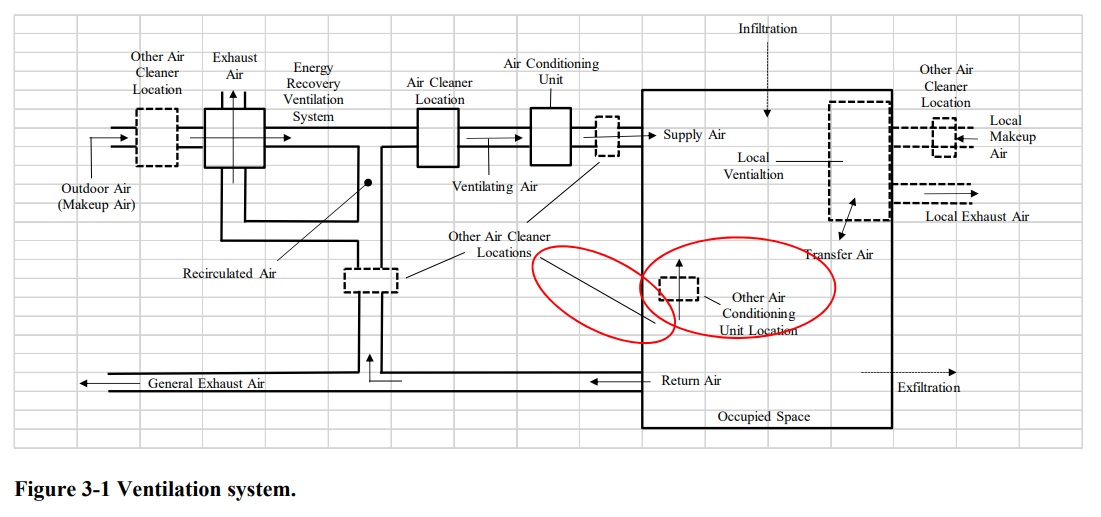
Addendum b – graphical re-circulated air definition in Figure 3-1:
ASHRAE’s Online Standards Action & Public Review
Comments are due March 22nd.
We encourage subject matter experts in the education facility industry to comment — with special encouragement to design engineers, front line mechanics and HVAC shop foreman who are acclimated to the complexities of indoor air systems and have mastered best practice.
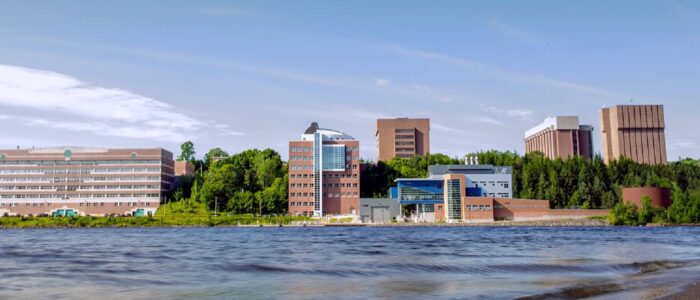
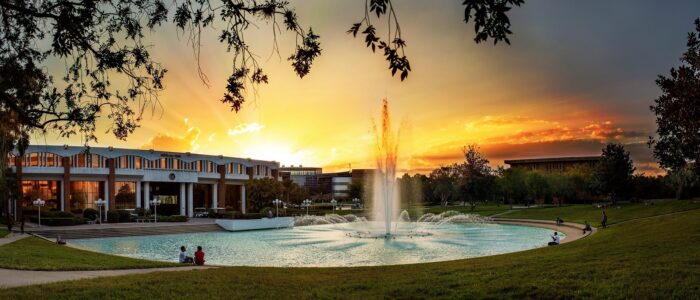
University of Minnesota

We are happy to discuss all standards action in the ASHRAE suite any week day at 11 AM Eastern time. We also devote one markup session per month to action in Mechanical Engineering and Energy standards. See our CALENDAR.for the next online meeting; open to everyone.
Howard Community College
Issue: [12-21]
Category Mechanical, Energy, Facility Asset Management
Colleagues: Eric Albert, Richard Robben, Larry Spielvogel
Archive / ASHRAE 62.1 Ventilation for Acceptable Indoor Air Quality

Ventilation of Health Care Facilities
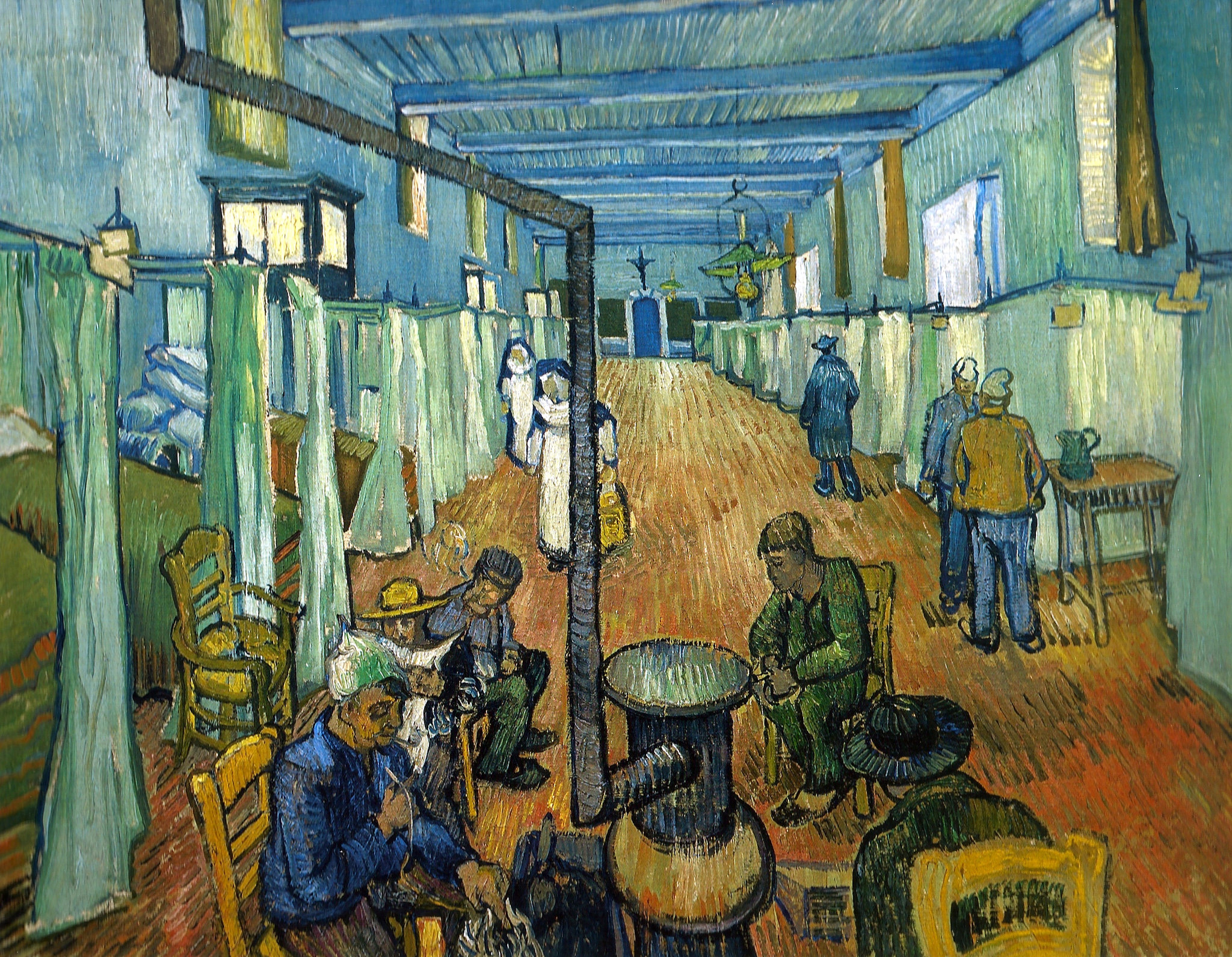
“Ward in the Hospital in Arles” | Vincent Van Gogh (1889)
It is wise to keep pace with this ASHRAE product because heightened interest in the complexity of environmental air management systems for in healthcare settings for treatment of contagious respiratory diseases. First, the scope statement from the ASHRAE 17o prospectus:
1. PURPOSE: The purpose of this standard is to define ventilation system design requirements that provide environmental control for comfort, asepsis, and odor in health care facilities.
2. SCOPE:
2.1 The requirements in this standard apply to patient-care areas and related support areas within health care facilities, including hospitals, nursing facilities, and outpatient facilities.
2.2 This standard applies to new buildings, additions to existing buildings, and those alterations to existing buildings that are identified within this standard.
2.3 This standard considers chemical, physical, and biological contaminants that can affect the delivery of medical care to patients; the convalescence of patients; and the safety of patients, health care workers, and visitors.
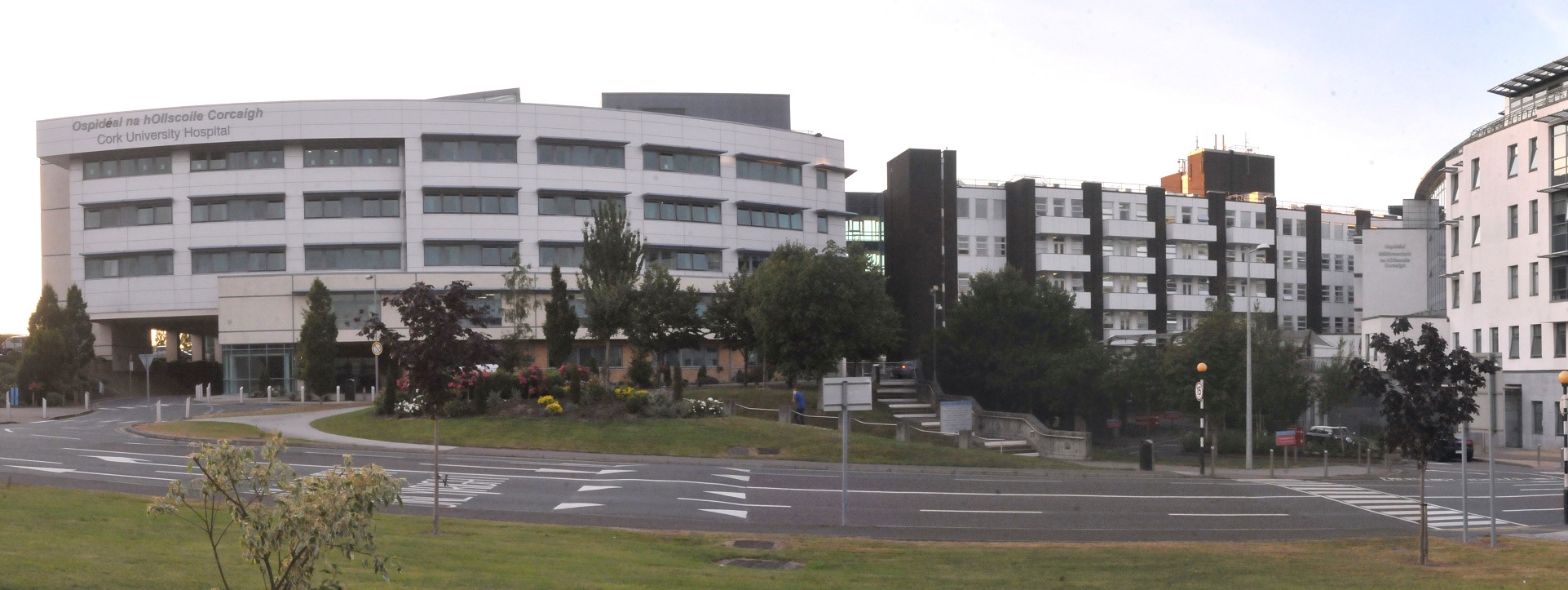
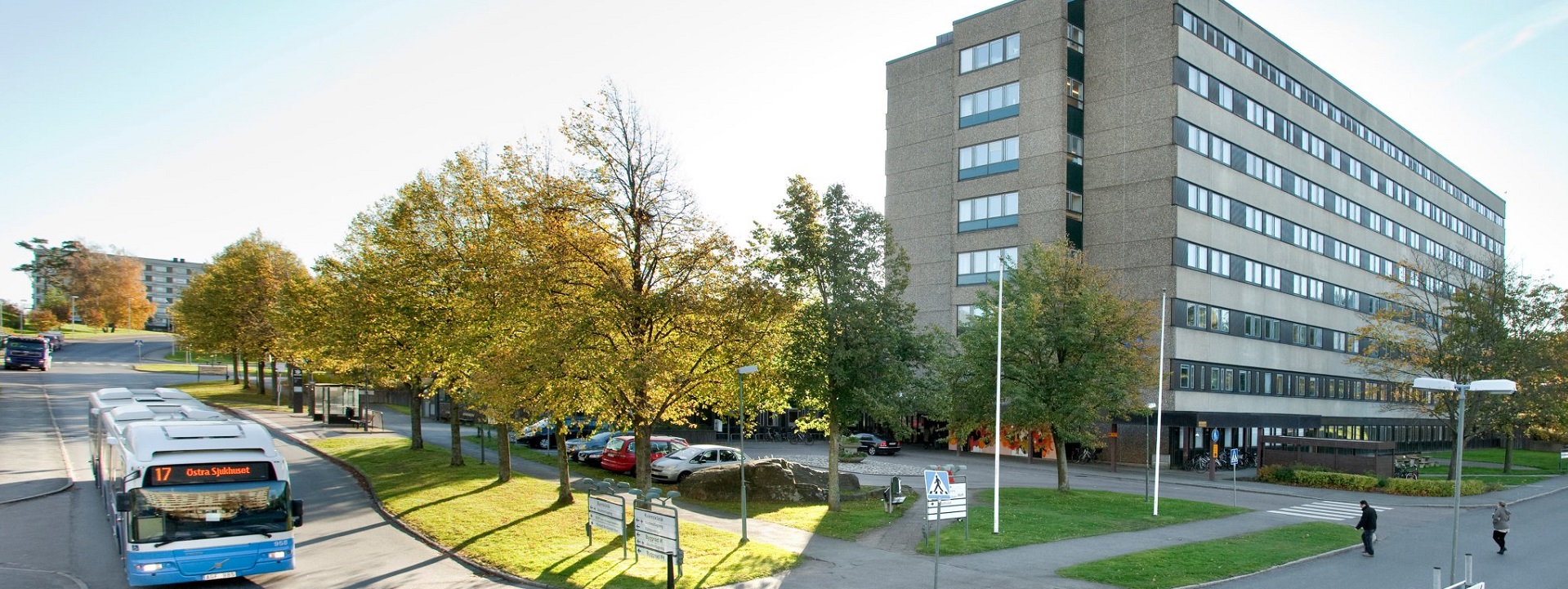
The standard of care for university-affiliated healthcare facilities is virtually identical to the standard for private, for-profit healthcare facilities though, as with all consensus products developed by accredited standards developers, out-of-step conditions in state level adaptions of all consensus products applicable to healthcare facilities is possible.
ASHRAE has not released any addenda for this title as of this posting but it is wise to maintain this title and most ASHRAE titles — on the standing agenda of our Mechanical, Health and Nota Bene colloquia. ASHRAE public consultations are continuously maintained — in 30 to 45 day intervals. See our CALENDAR for the next online meeting; open to everyone.

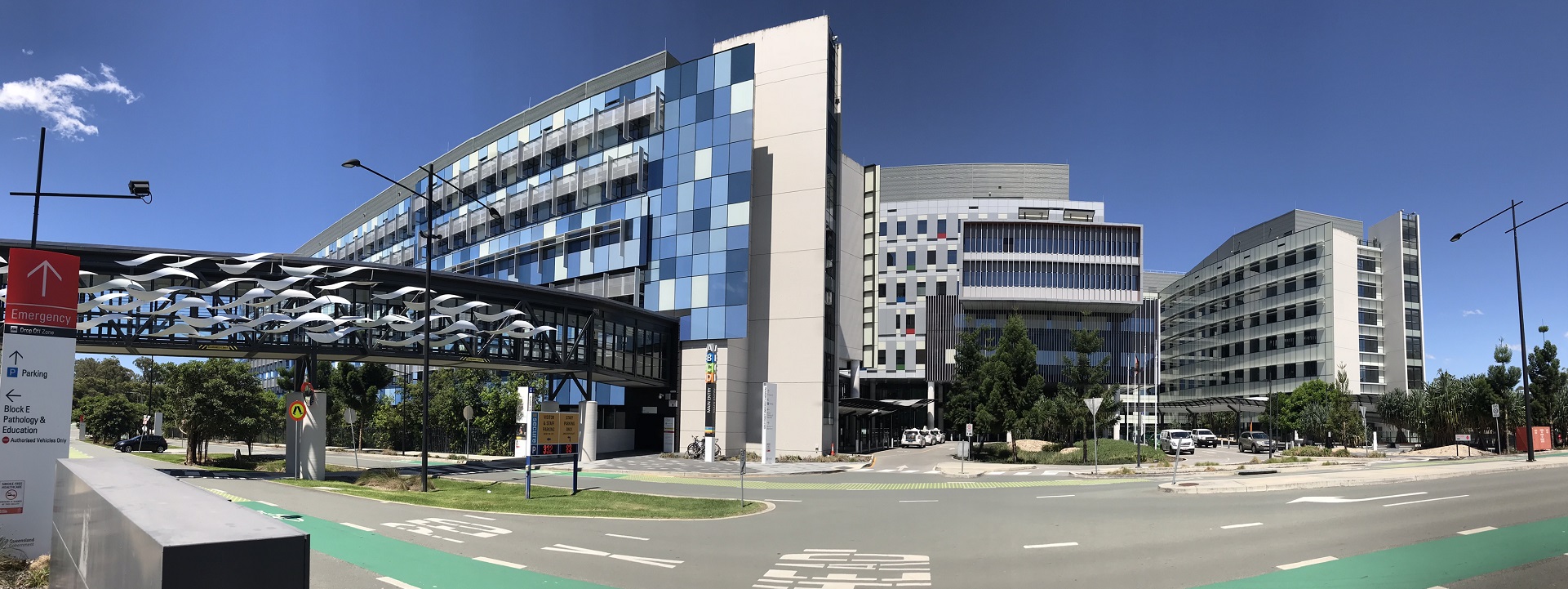
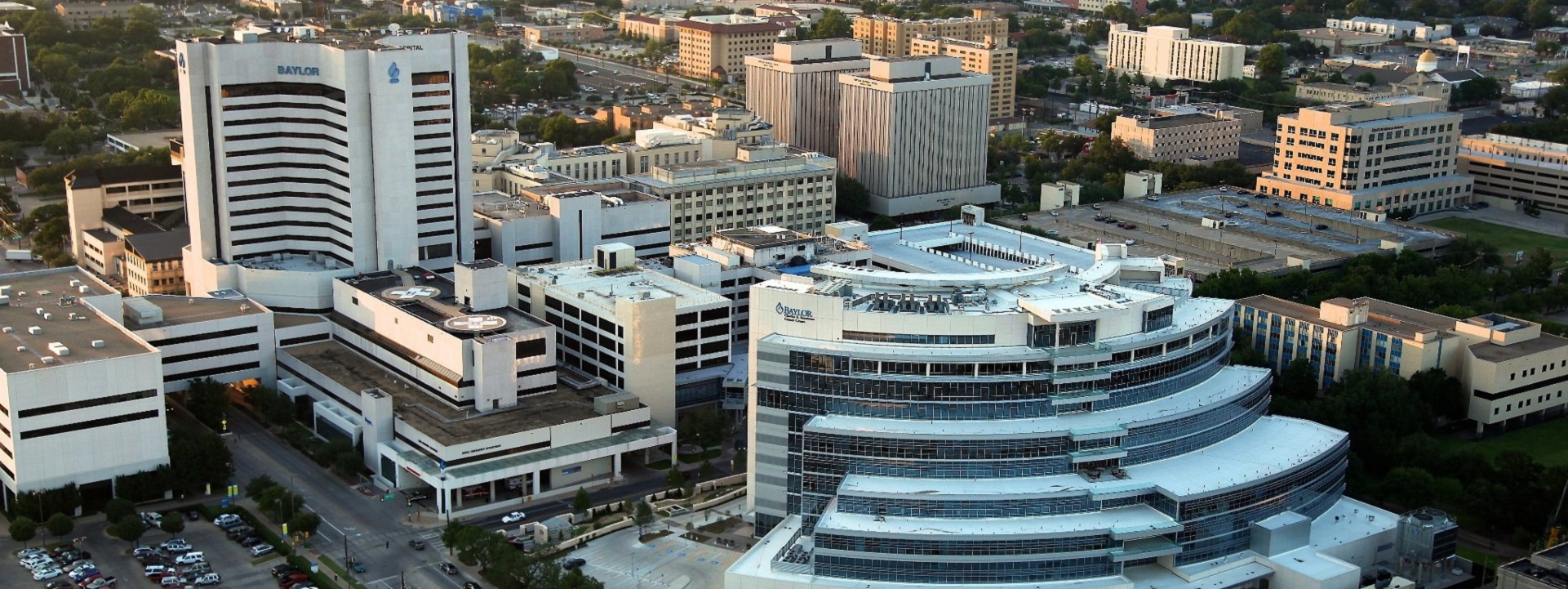
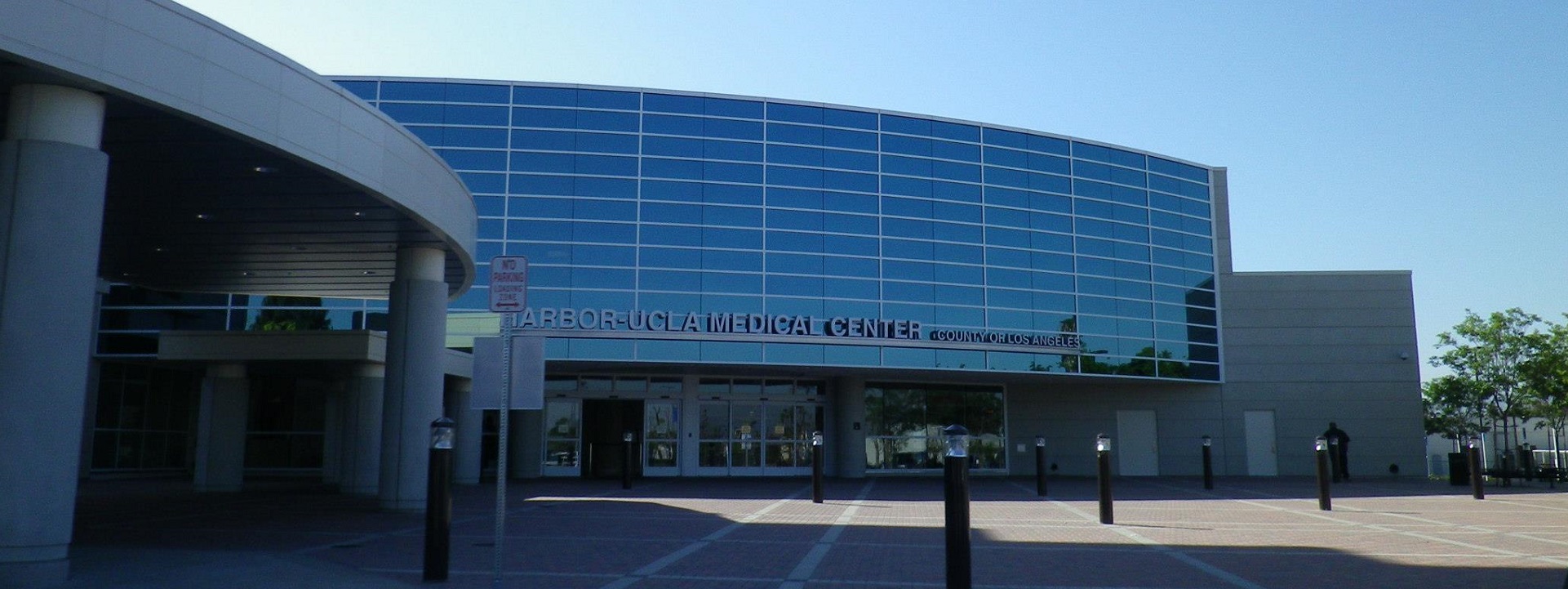

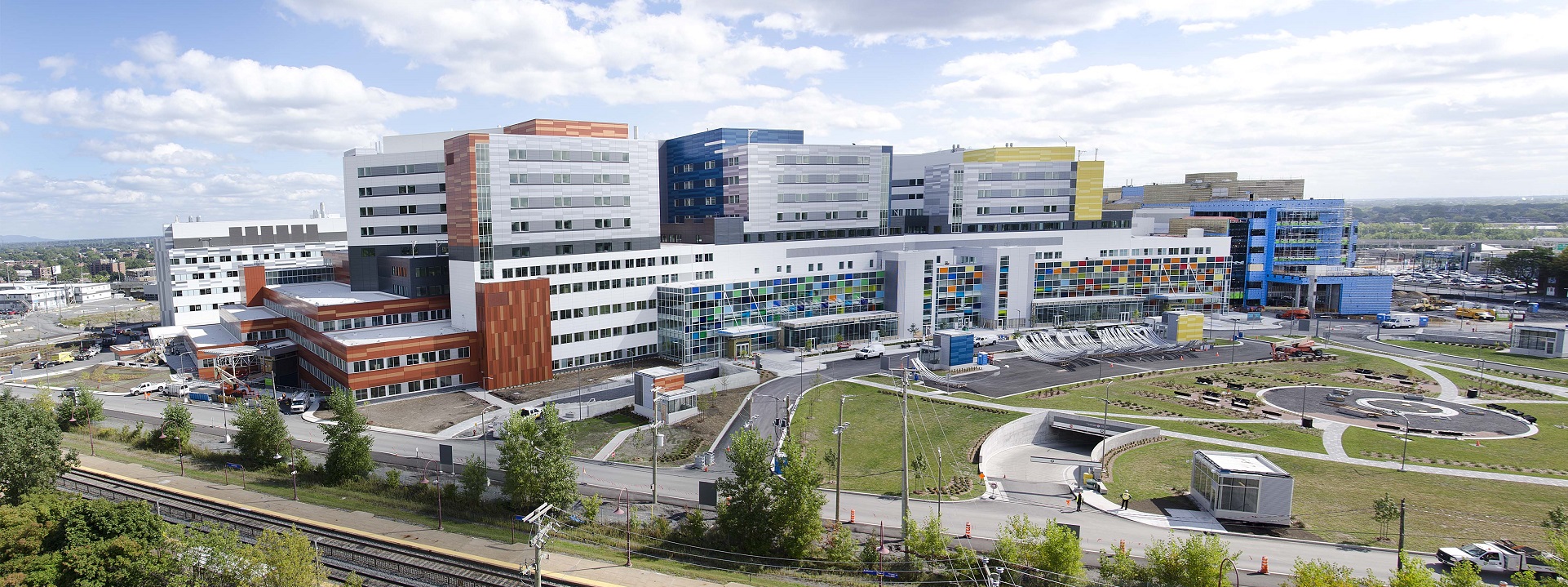
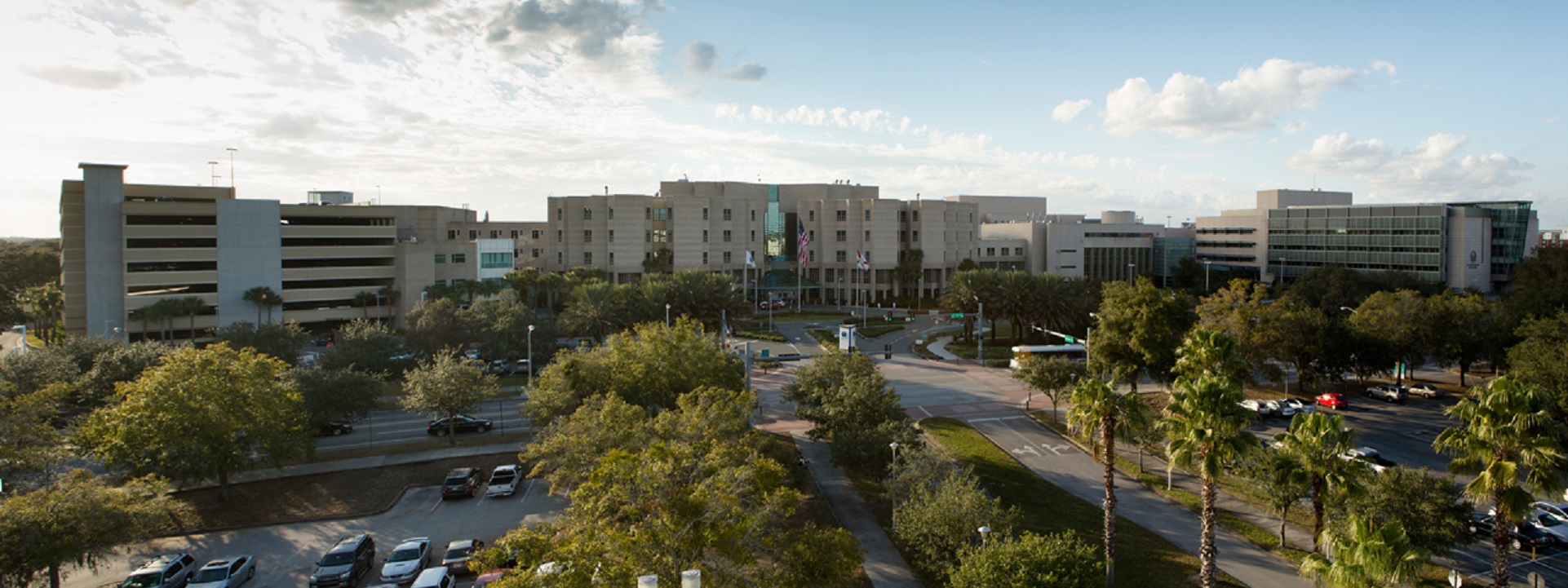
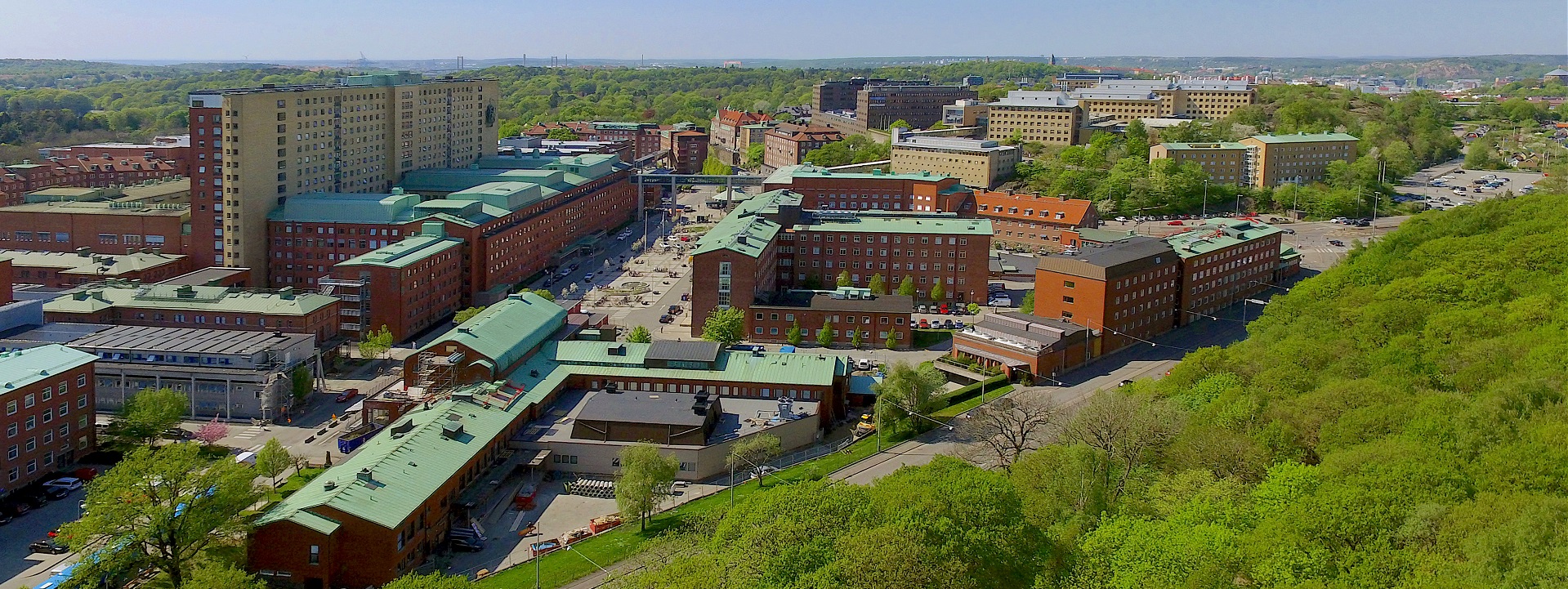

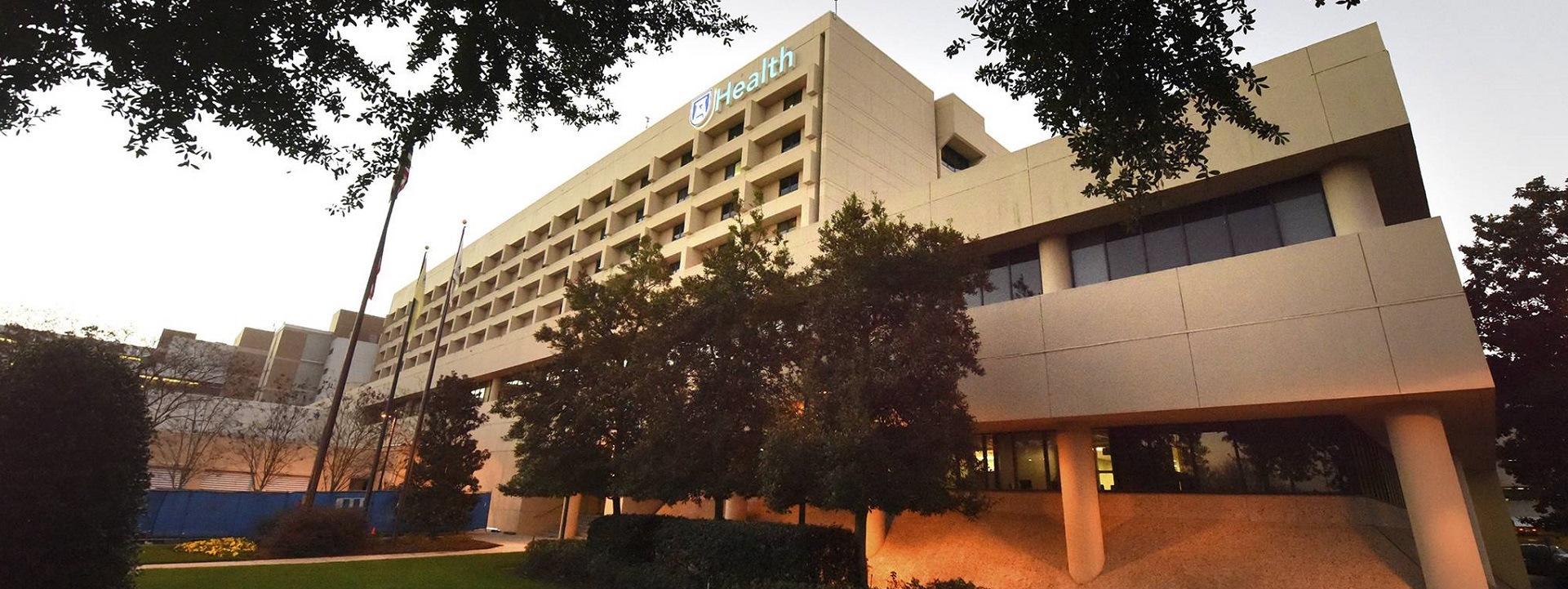

Issue: [Various]
Category: Mechanical, Electrical, Energy, Facility Asset Management
Colleagues: David Conrad, Jonathan Flannery, Richard Robben, Larry Spielvogel
LEARN MORE:
4.22.20
Epidemic Laboratory Subcommittee Guidance
This content is accessible to paid subscribers. To view it please enter your password below or send mike@standardsmichigan.com a request for subscription details.
Efficient Use of Water in Buildings

Student Art: “Water is Precious” 2012 / R.A. Karishka
The American Society of Heating and Refrigeration Engineers collaborates with the American Water Works Association, the American Society of Plumbing Engineers and the US Green Building Council on the development of a consensus document (ASHRAE/ASPE/AWWA 191P) that contributes to lower #TotalCostofOwnership in education communities; thus our interest.
The purpose of this collaborative best practice project is:
• Provide baseline requirements for the design of mechanical systems that minimize the volume of water required to operate HVAC systems.
• Balance environmental responsibility, resource efficiency, process efficacy, and community sensitivity.
• Support the goal of the development that meets the needs of the present without compromising the ability of future generations to meet their own needs.
A live public consultation opportunity was identified by our tracking algorithm. The public review draft is available at this link:
BSR/ASHRAE/ASPE/AWWA 191P: Standard for the Efficient Use of Water in Building Mechanical Systems
Comments are due September 27th.
You may comment directly at the portal linked below:
ASHRAE Online Standards Actions & Public Review Drafts.
We hold all ASHRAE standards on the standing agenda of our Water, Energy and Mechanical teleconferences. See our CALENDAR for the next online meeting; open to everyone.

Issue: 17-230
Category: Water, Plumbing
Colleagues: Richard Robben, Larry Spielvogel
Energy Efficiency in Existing Buildings
This content is accessible to paid subscribers. To view it please enter your password below or send mike@standardsmichigan.com a request for subscription details.
Managing Risk of Legionellosis in Buildings
This content is accessible to paid subscribers. To view it please enter your password below or send mike@standardsmichigan.com a request for subscription details.
Climatic Data for Building Design

“Impression, Sunrise” (1872) | Claude Monet
The American Society of Heating & Refrigeration Engineers has released an adddenda to its consensus product — ASHRAE 169 Climatic Data for Building Design Standards. This standard was created to provide a comprehensive source of climate data for those involved in building design. ASHRAE 169 includes a variety of climatic information used primarily in the design, planning, and sizing of building energy systems and equipment. ASHRAE anticipates that the information within will represent a valuable resource for referencing in building design standards
A 21-page addendum has been released and open for comment. Large parts of it contains updated climatic data. You may access it at the link below:
Public Review Draft Standards / Online Comment Database
Comments are due May 25th.
The ASHRAE suite moves swiftly; often every 30 to 45 days; this document among its continuous maintenance products. We keep all ASHRAE consensus products on the standing agenda of our Mechanical Engineering and Energy teleconferences. See our CALENDAR for the next online meeting; open to everyone.
Issue: [19-149]
Category: Mechanical, Electrical, Energy, Facility Asset Management
Colleagues: David Conrad, Richard Robben, Larry Spielvogel
ASHRAE 41.11 Power Measurements / July 13
This content is accessible to paid subscribers. To view it please enter your password below or send mike@standardsmichigan.com a request for subscription details.
New update alert! The 2022 update to the Trademark Assignment Dataset is now available online. Find 1.29 million trademark assignments, involving 2.28 million unique trademark properties issued by the USPTO between March 1952 and January 2023: https://t.co/njrDAbSpwB pic.twitter.com/GkAXrHoQ9T
— USPTO (@uspto) July 13, 2023
Standards Michigan Group, LLC
2723 South State Street | Suite 150
Ann Arbor, MI 48104 USA
888-746-3670
DIRECTIONS
 |
 |
|
 |
 |
|
 |
 |