Indiana University | Monroe County


The use of “maths” instead of “math” is a difference in British English compared to American English. In British English, the word “mathematics” is often referred to as “maths,” with the added “s” signifying the plural form. This is consistent with how British English commonly shortens many words by adding an “s” to the end. For example, “physics” becomes “phys, “economics” becomes “econs,” and so on.
In contrast, American English typically shortens “mathematics” to “math” without the additional “s,” following a different pattern of abbreviation.
The reason for these linguistic differences is rooted in the historical development of the English language and regional linguistic variations that have evolved over time. British English and American English have diverged in certain aspects of vocabulary, pronunciation, and grammar, resulting in variations like “maths” and “math.” It’s important to note that neither is inherently correct or incorrect; they are just regional preferences.
|
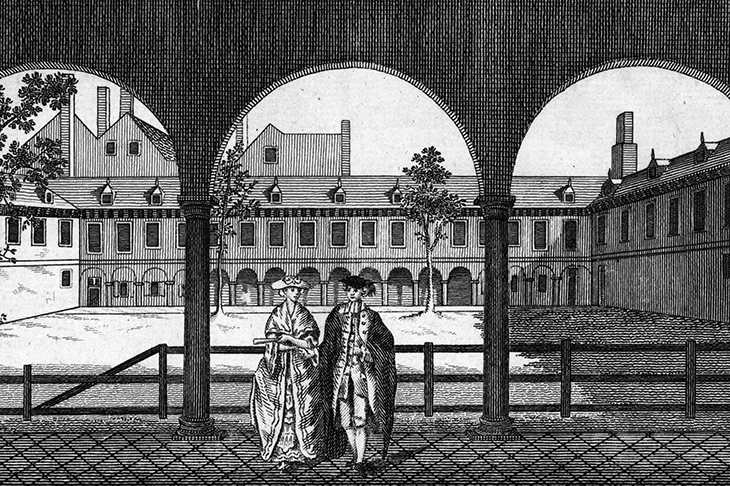
Gresham College is a higher education institution located in London, UK. It was founded in 1597 under the will of Sir Thomas Gresham, a financier and merchant who left funds for the establishment of a college in the heart of the city. The college’s original aim was to provide free public lectures in a range of subjects, including law, astronomy, geometry, and music. The lectures were intended to be accessible to anyone who was interested in learning, regardless of their background or social status. Over the centuries, Gresham College has remained true to this mission, and today it continues to offer a range of free public lectures and events that are open to all. |


CLICK ON IMAGE

After athletic arena life safety obligations are met (governed legally by NFPA 70, NFPA 101, NFPA 110, the International Building Code and possibly other state adaptations of those consensus documents incorporated by reference into public safety law) business objective standards come into play. The illumination of the competitive venue itself figures heavily into the quality of digital media visual experience and value.
For almost all athletic facilities, the consensus documents of the Illumination Engineering Society[1], the Institute of Electrical and Electronic Engineers[2][3] provide the first principles for life safety. For business purposes, the documents distributed by the National Collegiate Athletic Association inform the standard of care for individual athletic arenas so that swiftly moving media production companies have some consistency in power sources and illumination as they move from site to site. Sometimes concepts to meet both life safety and business objectives merge.
The NCAA is not a consensus standard developer but it does have a suite of recommended practice documents for lighting the venues for typical competition and competition that is televised.
It welcomes feedback from subject matter experts and front line facility managers.
Our own monthly walk-through of athletic and recreation facility codes and standards workgroup meets monthly. See our CALENDAR for the next online Athletics & Recreation facilities; open to everyone.
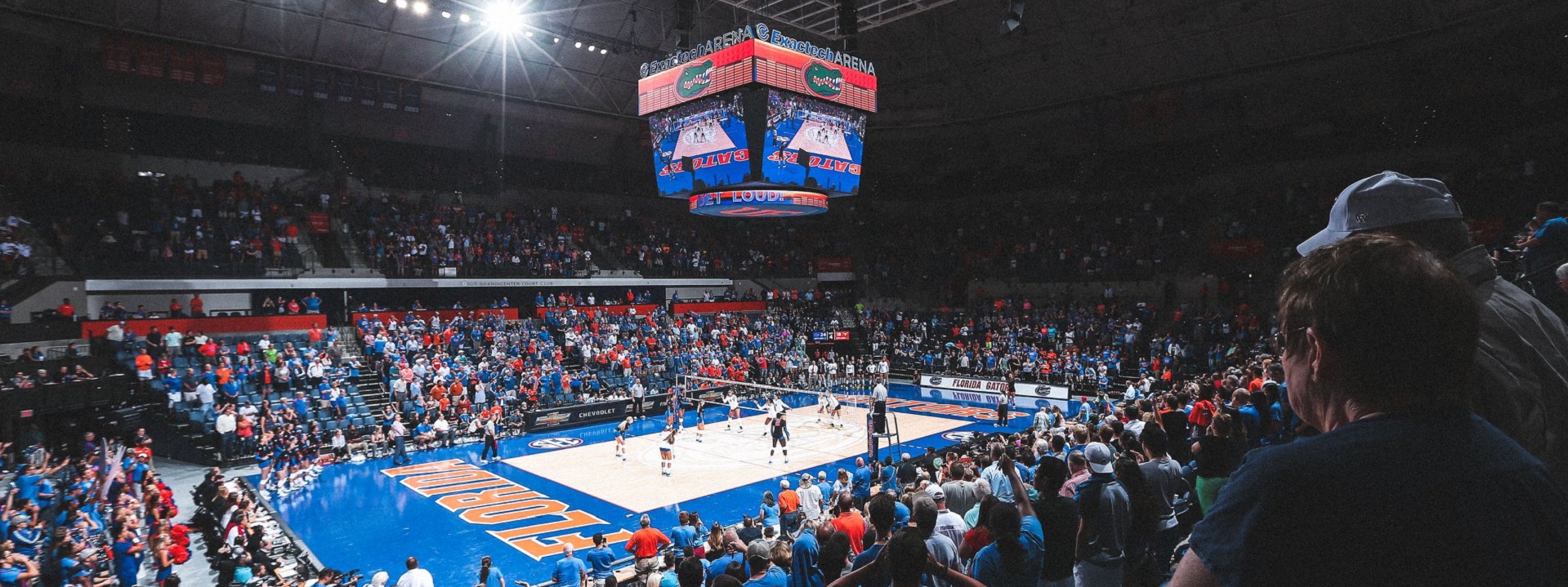
University of Florida
Issue: [15-138]*
Category: Electrical, Architectural, Arts & Entertainment Facilities, Athletics
Colleagues: Mike Anthony, Jim Harvey, Jack Janveja
92,003 in attendance.@HuskerVB breaks the world record for the largest crowd ever at a women’s sporting event 👏 @espnW | #ThatsaW pic.twitter.com/ChyhUCvaAZ
— ESPN (@espn) August 31, 2023
This may be the rally of the week and we haven't even made it to Friday yet!#NCAAVB #SCtop10
(via @SFA_Volleyball)pic.twitter.com/2h6OvVB1ty— NCAA Women's Volleyball (@NCAAVolleyball) November 2, 2018
[1] Illumination Engineering Handbook
[2] IEEE 3001.9 Recommended Practice for Design of Power Systems for Supplying Lighting Systems for Commercial & Industrial Facilities
[3] IEEE 3006.1 Power System Reliability
* Issue numbering before 2016 dates back to the original University of Michigan codes and standards advocacy enterprise

“Dancing Reflections” 2015 Isabel Emrich | Academy of Art University California

Recreational sports, athletic competition, and the facilities that support it, are one of the most visible activities in any school, college or university in any nation. Enterprises of this kind have the same ambition for safety and sustainability at the same scale as the academic and healthcare enterprises.
According to IBISWorld Market Research, Sports Stadium Construction was a $6.1 billion market in 2014, Athletic & Sporting Goods Manufacturing was a $9.2 billion market in 2015, with participation in sports increasing 19.3 percent by 2019 — much of that originating in school, college and university sports and recreation programs. We refer you to more up to date information in the link below:
Sports & Athletic Field Construction Industry in the US – Market Research Report
We track leading practice discovery in titles released by International Standards Organization’s ISO/TC 83: Sports and other recreational facilities and equipment. The German Deutsches Institut für Normung (DIN) iss the global Secretariat and ASTM International as the US Technical Advisory Group Administrator.

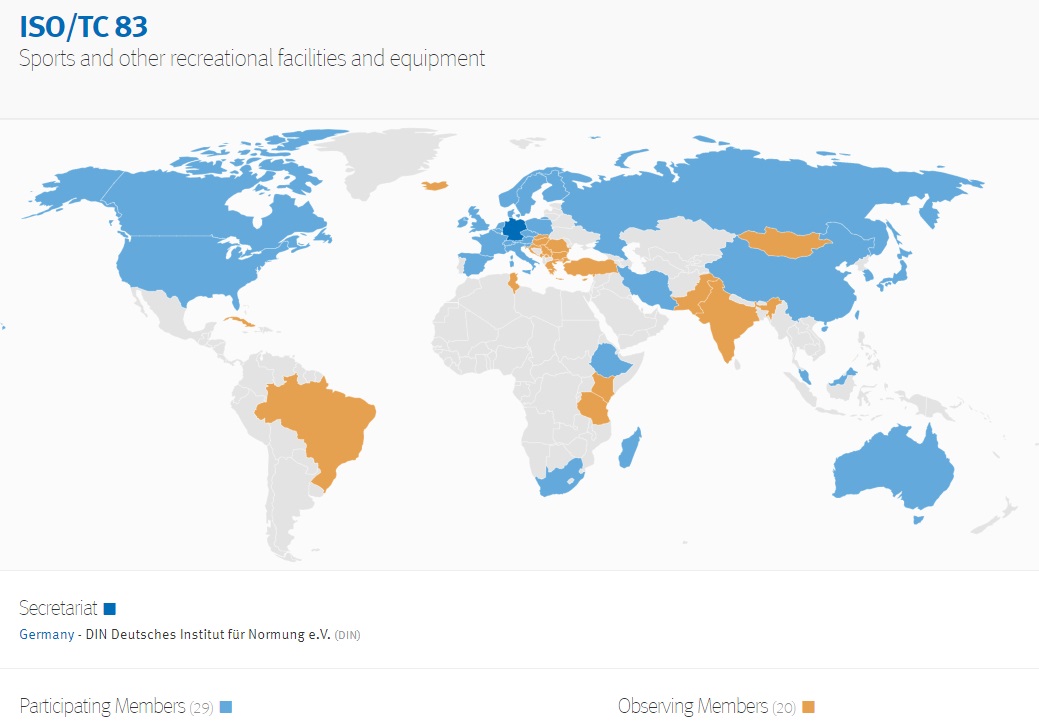
From the ISO TC/83 prospectus:
BUSINESS PLAN | ISO/TC 83 Sports and recreational equipment | EXECUTIVE SUMMARY
Academic units in the US that want to offer their sports management or international studies students a front row seat on the technology and management of sport may want to participate in ISO/TC/83 business. To start, organizations within the United States may communicate directly with ASTM International, West Conshohocken, PA 19428-2959, Phone: (610) 832-9804. Contact: Joe Khoury (jkoury@astm.org).
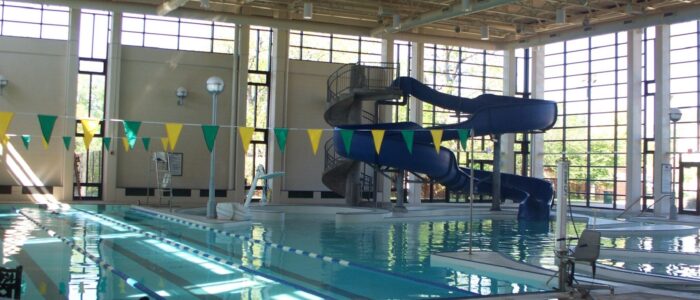
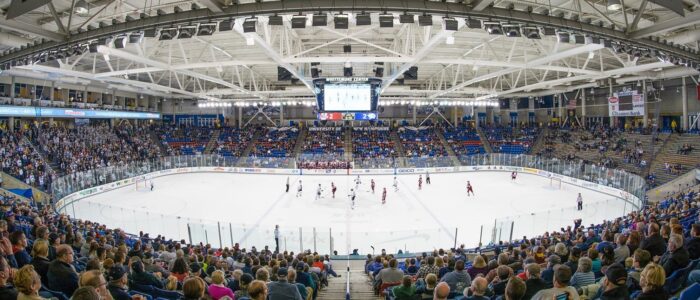
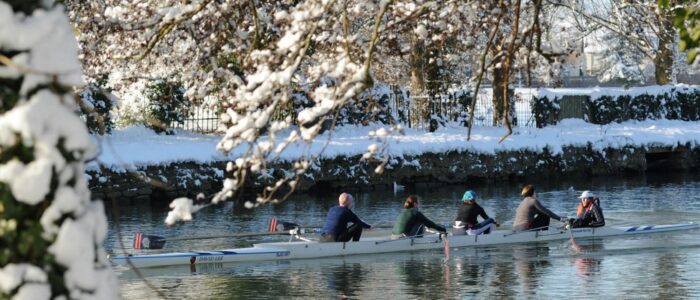

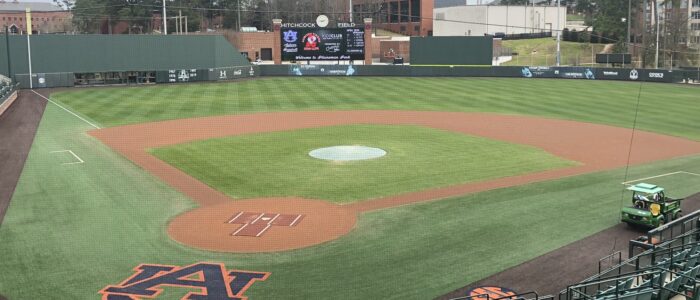
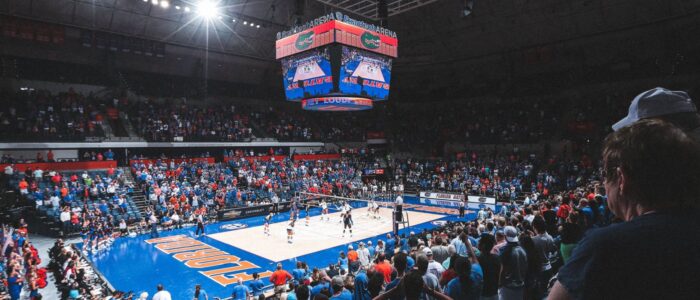
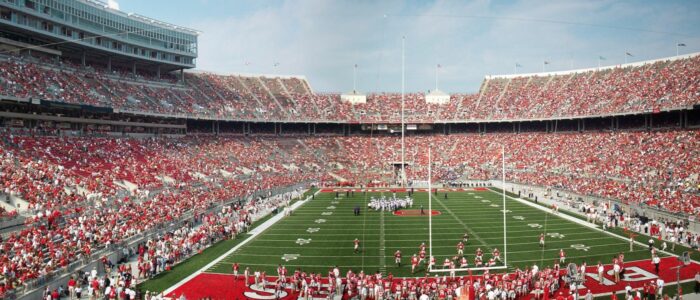
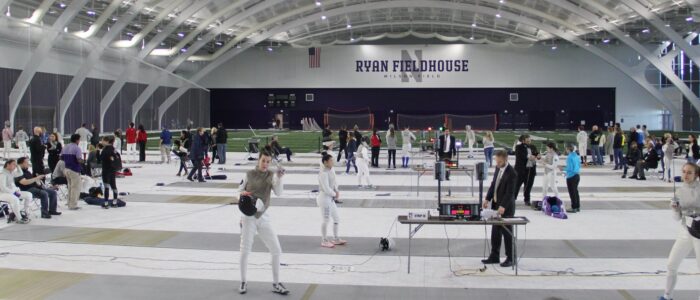
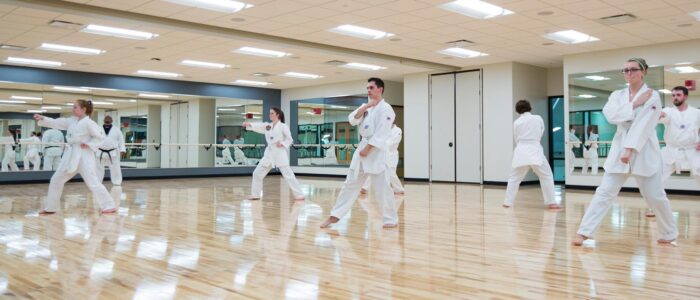
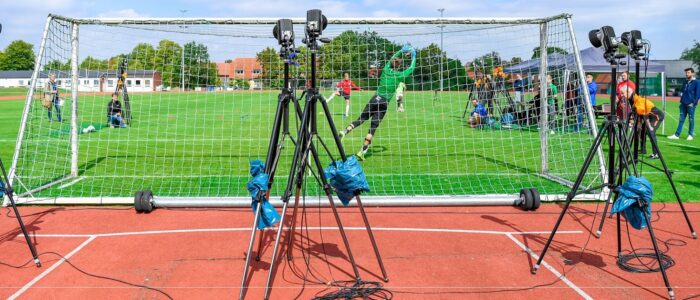
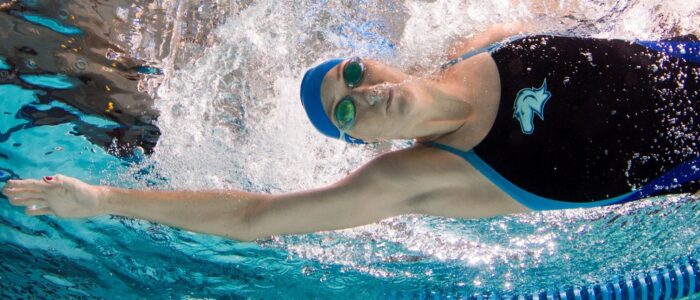
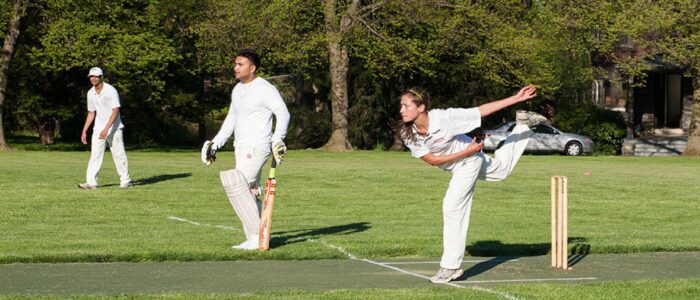
We refresh our understanding of the current status of best practice literature at least once per month during our Sport colloquia. See our CALENDAR for the next online meeting; open to everyone.
Issue: [19-46]
Category: Athletics and Recreation, International,
Contact: Mike Anthony, Jack Janveja, Christine Fischer
LEARN MORE:
International harmonized stage codes
— MythoAmerica 🌲 (@MythoAmerica) August 31, 2024
CLICK ON IMAGE
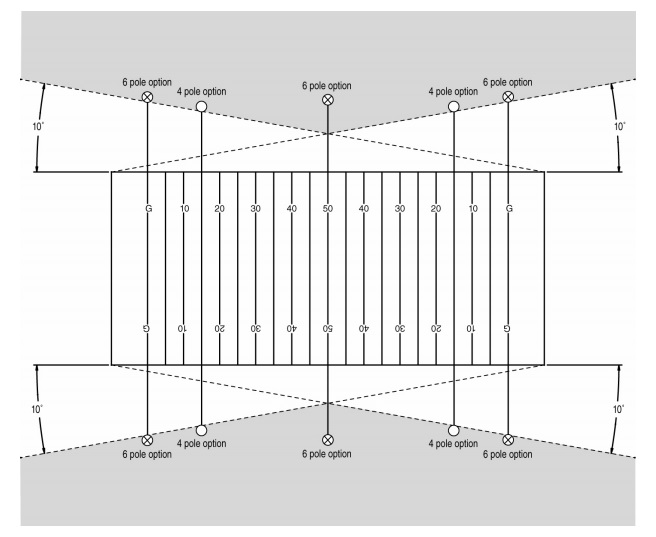
After athletic arena life safety obligations are met (governed legally by NFPA 70, NFPA 101, NFPA 110, the International Building Code and possibly other state adaptations of those consensus documents incorporated by reference into public safety law) business objective standards come into play. The illumination of the competitive venue itself figures heavily into the quality of digital media visual experience and value.
For almost all athletic facilities, the consensus documents of the Illumination Engineering Society[1], the Institute of Electrical and Electronic Engineers[2][3] provide the first principles for life safety. For business purposes, the documents distributed by the National Collegiate Athletic Association inform the standard of care for individual athletic arenas so that swiftly moving media production companies have some consistency in power sources and illumination as they move from site to site. Sometimes concepts to meet both life safety and business objectives merge.
The NCAA is not a consensus standard developer but it does maintain a library of recommended practice documents for lighting the venues for typical competition and competition that is televised.
It welcomes feedback from subject matter experts and front line facility managers.
Our own monthly walk-through of athletic and recreation facility codes and standards workgroup meets monthly. See our CALENDAR for the next Sport or Lighting teleconferences; open to everyone.
Nothing hits quite like Friday nights under the lights! 🏈🔥
Tune into FOX4 to see who punches their ticket to the next round of the playoffs #FNL #FridayNightLights #highschoolfootball pic.twitter.com/VAO6kjI2QY
— Taylor Burr (@TaylorBurr10) November 8, 2025
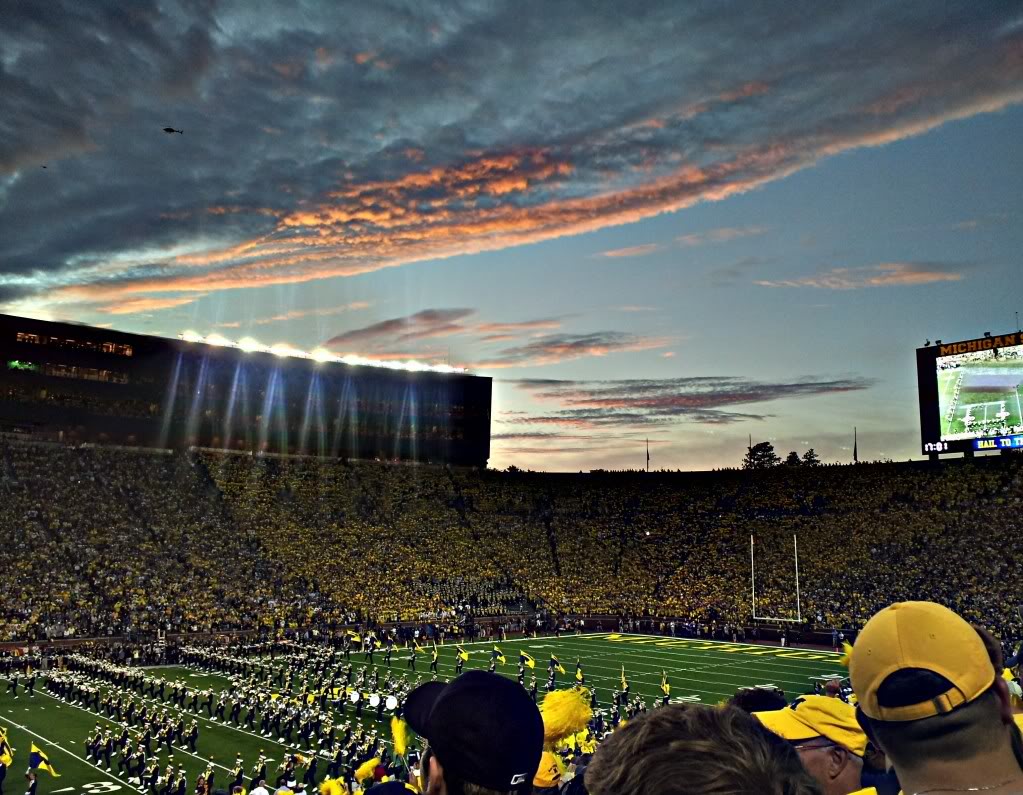
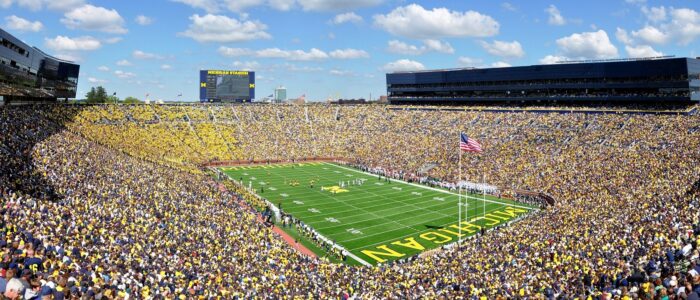
Often called “The Big House” Michigan Stadium is the largest football stadium in the world.
Issue: [15-138]
Category: Electrical, Architectural, Lively, Athletics
Colleagues: Mike Anthony, Jim Harvey, Jack Janveja, George Reiher
[1] Illumination Engineering Handbook | Sports and Recreational Area Lighting
[2] IEEE 3001.9 Recommended Practice for Design of Power Systems for Supplying Lighting Systems for Commercial & Industrial Facilities
[3] IEEE 3006.1 Power System Reliability
[5] Slaton High School Tiger Stadium Lighting Case Study
[6] Liberty High School Football Stadium Case Study
This content is accessible to paid subscribers. To view it please enter your password below or send mike@standardsmichigan.com a request for subscription details.
This content is accessible to paid subscribers. To view it please enter your password below or send mike@standardsmichigan.com a request for subscription details.
Big shout out to all 8 being named to the CSC Academic All-District teams! pic.twitter.com/QzQIZsjGeQ
— Denison Swim & Dive (@DenisonSwimDive) April 3, 2024
This content is accessible to paid subscribers. To view it please enter your password below or send mike@standardsmichigan.com a request for subscription details.
This content is accessible to paid subscribers. To view it please enter your password below or send mike@standardsmichigan.com a request for subscription details.
New update alert! The 2022 update to the Trademark Assignment Dataset is now available online. Find 1.29 million trademark assignments, involving 2.28 million unique trademark properties issued by the USPTO between March 1952 and January 2023: https://t.co/njrDAbSpwB pic.twitter.com/GkAXrHoQ9T
— USPTO (@uspto) July 13, 2023
Standards Michigan Group, LLC
455 East Eisenhower Parkway, Suite 300
Ann Arbor, MI 48108 USA
888-748-3670
 |
 |
|
 |
 |
|
 |
 |