This content is accessible to paid subscribers. To view it please enter your password below or send mike@standardsmichigan.com a request for subscription details.
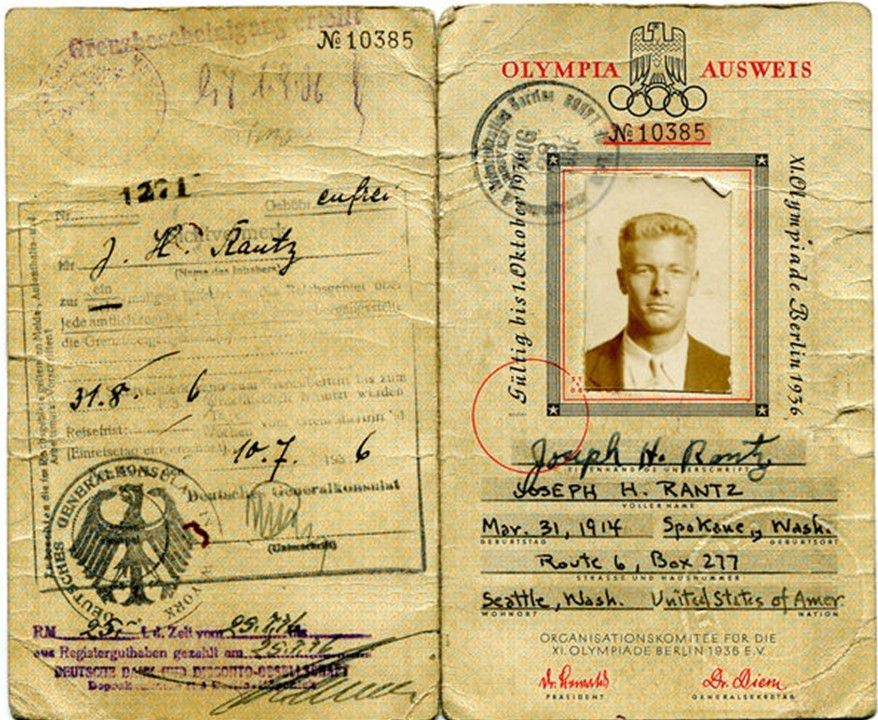
The Boys in the Boat is a true story based on the struggles and sacrifices made by the University of Washington rowing team to compete at rowing at the 1936 Summer Olympics – Men’s eight.
Joseph Sutton-Holcomb from The Seattle Times writes that author Daniel James Brown got the idea to write this book when his neighbor Judy Willman said that her father, Joe Rantz, was a fan of his works and wanted to have a conversation with the author. That conversation with Joe Rantz about life during the Great Depression led to an in-depth chat about his time as a rower at the University of Washington.
Dive Into an Open-Water Workout. 🏊♂️
Getting comfortable swimming in oceans and lakes often means overcoming fear, said @DanSimonelli, a marathon swimmer based in La Jolla, Calif., and the founder of the Open Water Swim Academy.https://t.co/FzLV02Cum3 via @NYtimes pic.twitter.com/IWNdfgQTsT
— Water Mark 🚰 (@OtayMark) August 4, 2023


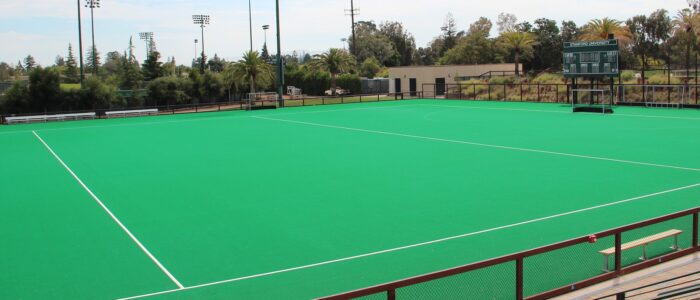
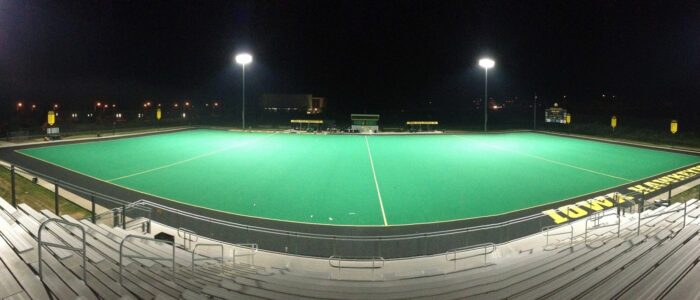
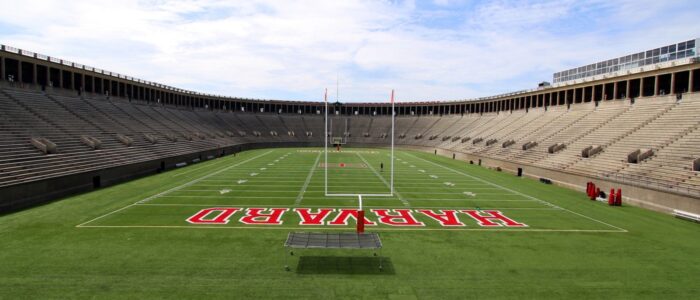
The Synthetic Turf Council is a 501(c)6 non-profit trade association serving the synthetic turf industry. Its vision is to improve the world through synthetic turf. Its mission is to serve as the global forum to promote, develop, grow and advocate for the synthetic turf industry. As a voice in its industry, it promotes the benefits of synthetic turf systems, it provides credentialing services and, for our purpose produces a bibliography of consensus products relevant to the education facility industry:
Synthetic Turf Council Technical Guidelines
You may communicate directly with the Council at the link below:
Synthetic Turf Council Contact Information
We do not find any open public consultations at the moment but we keep the Council’s consensus products in on the standing agenda of our Sport teleconferences. See our CALENDAR for the next online meeting.
LEARN MORE:
White Papers & Technical Presentations
Exploration of the Theory of Electric Shock Drowning
Jesse Kotsch – Brandon Prussak – Michael Morse – James Kohl
Abstract: Drowning due to electric shock is theorized to occur when a current that is greater than the “let go” current passes through a body of water and conducts with the human body. Drowning would occur when the skeletal muscles contract and the victim can no longer swim. It is theorized that the likelihood of receiving a deadly shock in a freshwater environment (such as a lake) is higher than the likelihood in a saltwater environment (such as a marina). It is possible that due to the high conductivity of salt water, the current shunts around the individual, while in freshwater, where the conductivity of the water is lower than that of the human; a majority of the current will travel through the individual. The purpose of this research is to either validate or disprove these claims. To address this, we used Finite Element analysis in order to simulate a human swimming in a large body of water in which electric current has leaked from a 120V source. The conductivity of the water was varied from .005 S/m (pure water) up to 4.8 S/m (salt water) and the current density through a cross sectional area of the human was measured. With this research, we hope to educate swimmers on the best action to take if caught in such a situation.
CLICK HERE to order complete paper.
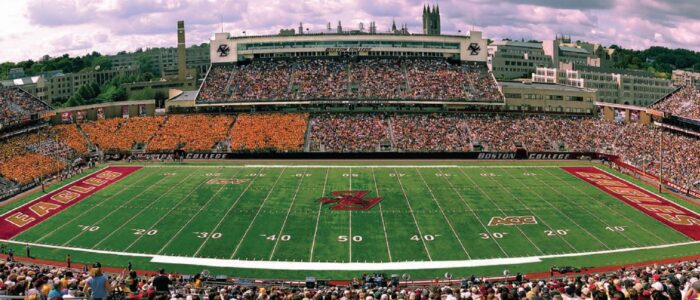
The College World Series begins this weekend in Omaha between Louisiana State University and Coastal Carolina.
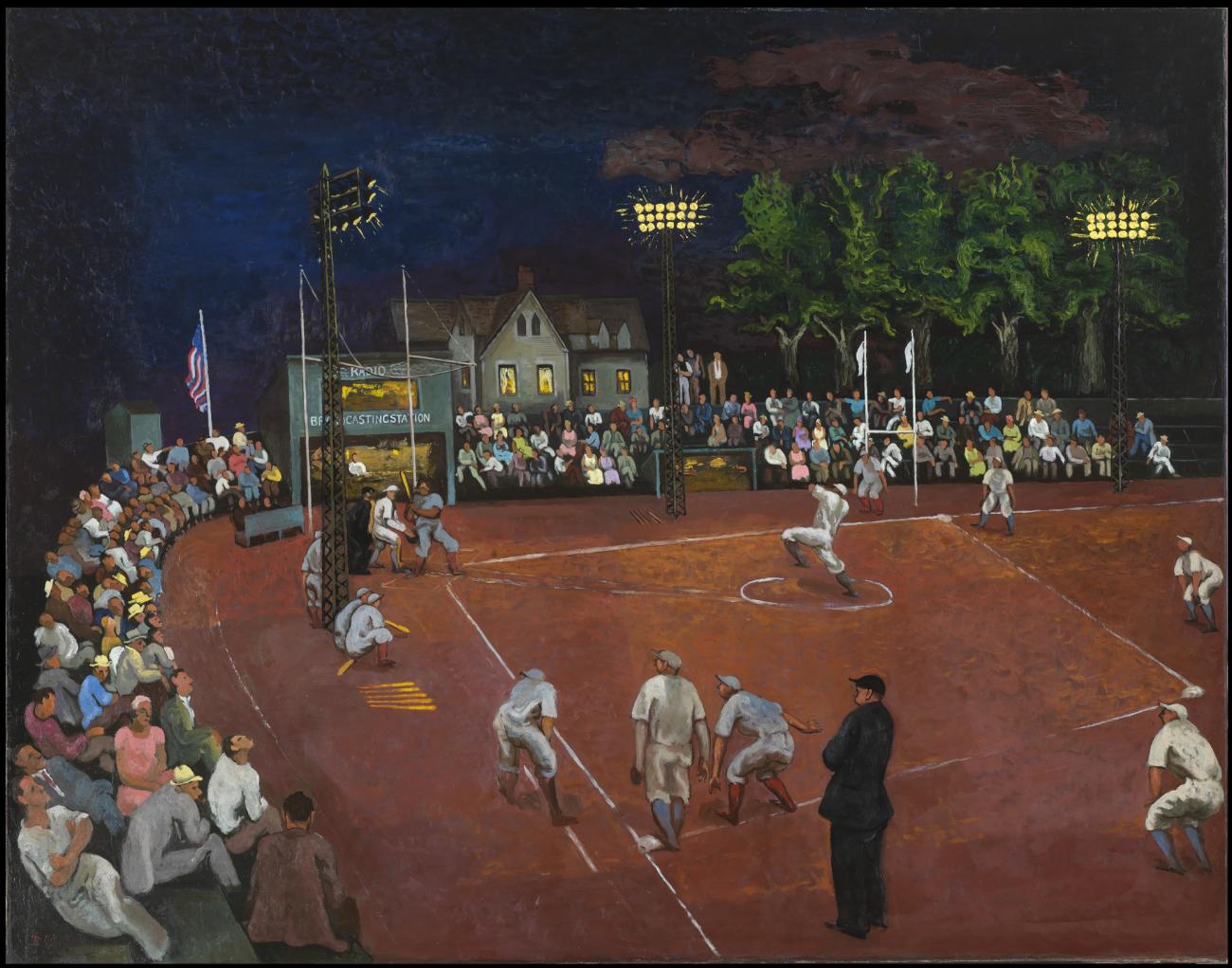
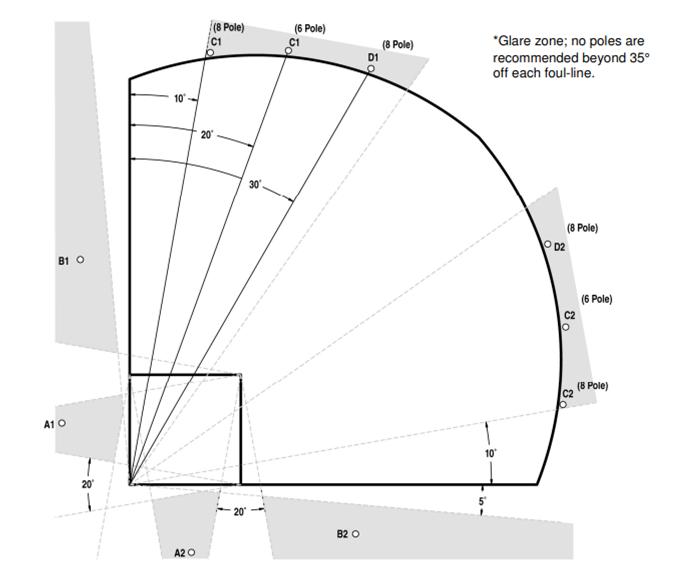
Baseball is a pastoral game and lighting changed the experience of it. Since a baseball is less than 3-inches in diameter and routinely travels 400 feet at 100 miles per hour, illumination design must have outfielders in mind as well as other players and spectators.
FINALS MATCHUP SECURED 🤩
🖥️ https://t.co/vUbrNtVRPX
🎟️ https://t.co/i73Q25MuVk
📲 https://t.co/D9Ga3efNbI#MCWS pic.twitter.com/uO82Jy8d7x— NCAA Baseball (@NCAABaseball) June 19, 2025
“Baseball is ninety percent mental
and the other half is physical.”
– Yogi Berra
After athletic facility life safety obligations are met (governed legally by NFPA 70, NFPA 101, NFPA 110, the International Building Code and possibly other state adaptations of those consensus documents incorporated by reference into public safety law) business objective standards may come into play. For business purposes, the documents distributed by the National Collegiate Athletic Association inform the standard of care for individual athletic arenas so that swiftly moving media production companies have some consistency in power sources and illumination as they move from site to site. Sometimes concepts to meet both life safety and business objectives merge.
During the spring baseball season the document linked below provides guidance for illumination designers, contractors and facility managers:
Athletic programs are a significant source of revenue and form a large part of the foundation of the brand identity of most educational institutions in the United States. We focus primarily upon the technology standards that govern the safety, performance and sustainability of these enterprises. We cover the objectives of the energy conservation advocates in separate posts; notably advocates using the International Code Council and the ASHRAE suite to advance their agenda to press boxes and the entire baseball experience (interior and exterior) site in separate posts.
We collaborate very closely with the IEEE Education & Healthcare Facilities Committee where subject matter experts in electrical power systems meet 4 times each month in the Americas and Europe.
See our CALENDAR for our next Sport colloquium. We typically walk through the safety and sustainability concepts in play; identify commenting opportunities; and find user-interest “champions” on the technical committees who have a similar goal in lowering #TotalCostofOwnership.
Issue: [15-138]*
Category: Electrical, Energy Conservation, Energy, Athletics & Recreation
Colleagues: Mike Anthony, Jim Harvey, Jose Meijer, Scott Gibbs, George Reiher
More
Comparison of MH and LED performance for sport lighting application
A novel smart energy management system in sports stadiums
Tracking pitches for broadcast television
This content is accessible to paid subscribers. To view it please enter your password below or send mike@standardsmichigan.com a request for subscription details.

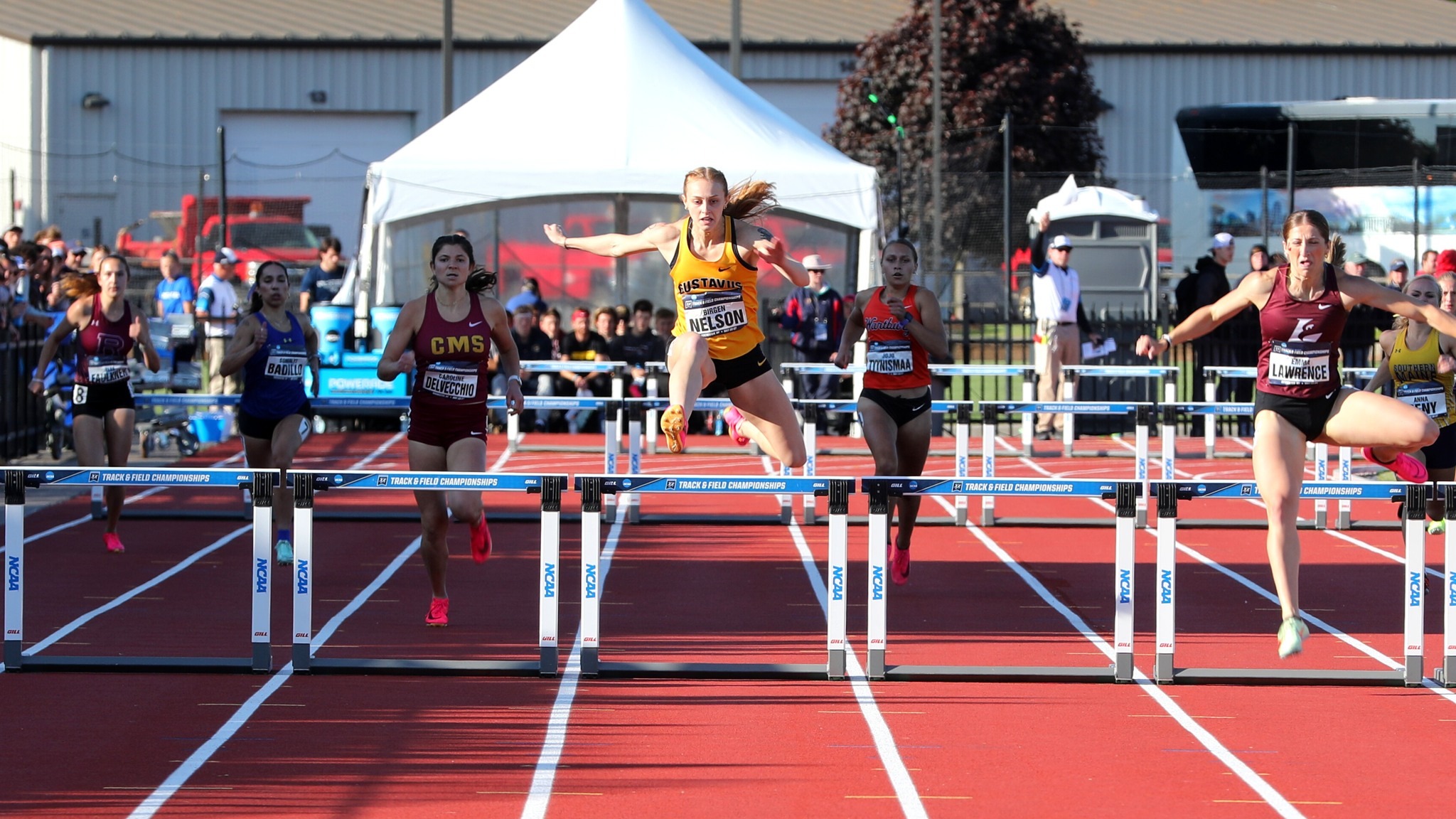
Gustavus Adolphus College | Nicollet County Minnesota
Beautiful day in the neighborhood 🤟☀️ pic.twitter.com/BRbrh8Ey8Y
— Bobby Guntoro (@bobbygunt) April 4, 2024
underway on our home track!! 🏡🍊 pic.twitter.com/iNjBL5h6mH
— Tennessee Track & Field (@Vol_Track) April 5, 2024
The Spartans swept the podium in not 1, not 2, but 3 races in a row today 😤#GoGreen pic.twitter.com/UZ1nI4X84l
— MSU Track & Field/XC (@MSU_TFXC) April 6, 2024
Recreational sports, athletic competition, and the facilities that support it, are one of the most visible activities in any school, college or university in any nation. Arguably, these activities resemble religious belief and practice. Enterprises of this kind have the same ambition for safety and sustainability at the same scale as the academic and healthcare enterprises.
According to IBISWorld Market Research, Sports Stadium Construction was a $6.1 billion market in 2014, Athletic & Sporting Goods Manufacturing was a $9.2 billion market in 2015, with participation in sports increasing 19.3 percent by 2019 — much of that originating in school, college and university sports and recreation programs. We refer you to more up to date information in the link below:
Sports & Athletic Field Construction Industry in the US – Market Research Report
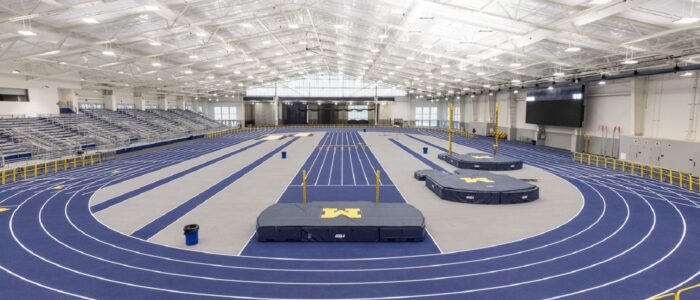
Today at the usual time we will update our understanding of the physical support systems for the track and field activity listed below:
Open to everyone. Log in with the credentials at the upper right of our home page.
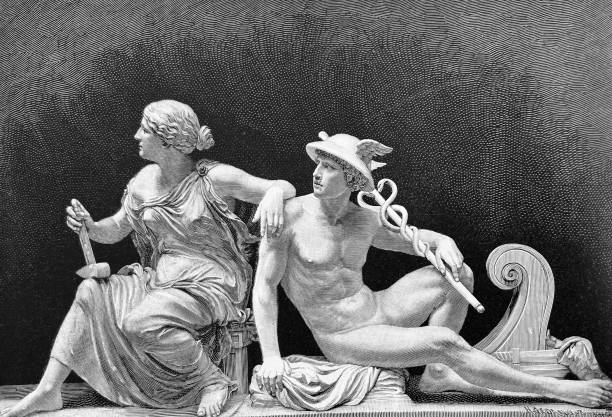
Chariots of Firehttps://t.co/frg3Br2y4Q@EdinburghUnihttps://t.co/6sAikAY4ME pic.twitter.com/SCVu1tDFBo
— Standards Michigan (@StandardsMich) March 6, 2021
Issue: [19-46]
Category: Athletics and Recreation, International,
Contact: Mike Anthony, Jack Janveja, Christine Fischer
More
New update alert! The 2022 update to the Trademark Assignment Dataset is now available online. Find 1.29 million trademark assignments, involving 2.28 million unique trademark properties issued by the USPTO between March 1952 and January 2023: https://t.co/njrDAbSpwB pic.twitter.com/GkAXrHoQ9T
— USPTO (@uspto) July 13, 2023
Standards Michigan Group, LLC
455 East Eisenhower Parkway, Suite 300
Ann Arbor, MI 48108 USA
888-748-3670