
Category Archives: Coffee
- Home
- Archive by category "Coffee" (Page 11)



Strawberry Iced Latte
Cal Poly: University Budget 2024-2025 *
Facilities Management & Development | $1.2B Student Housing Expansion
College of Agriculture, Food and Environmental Sciences
California’s Collapse Is Far Worse Than Reported | Douglas Murray
📢 Have you heard? Cal Poly has once again been named a top producer of Fulbright U.S. Scholars! Learn more about the three impressive faculty that are taking their expertise global 🌎
🔗https://t.co/KhuUY01jf2 pic.twitter.com/cIYoWvvjbw
— Cal Poly (@CalPoly) March 10, 2025

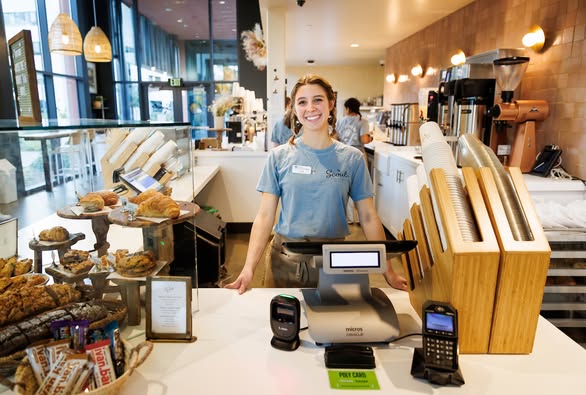
Chats Coffeehouse

The University of Northern Iowa does not currently have a student-run coffee shop based on available information. There is a coffee shop called Chats located in Maucker Union, which serves Starbucks coffee, Freshens smoothies, and other items, but it is not explicitly described as student-run.
Welcoming the 150th class! #uni150 pic.twitter.com/LPkbfBgpHZ
— University of Northern Iowa (@northerniowa) June 9, 2025
Freshman in college but always a farm girl!!! pic.twitter.com/erFP4KZUqr
— Rick DeGroote (@PRIMEFARM) September 18, 2024

Le café infusé à froid expliqué
“An alleged scientific discovery has no merit
unless it can be explained to a barmaid.”
“Radio Transformations” 1906, Ernest Rutherford
Financial Statements 2023 | ($-14.834 M) Deficiency excess of revenue over expenses

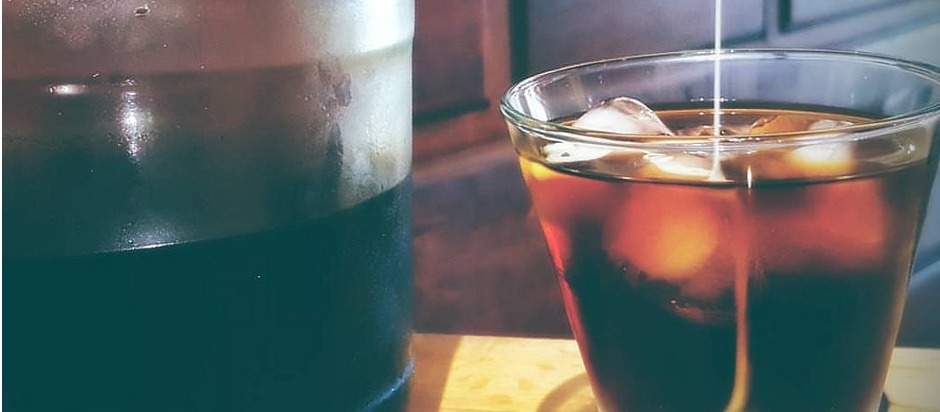
Art & Science of Cold Brew & Why
'Girls tell about their time at Canadian College of English Language'https://t.co/SKYf5gNZLXhttps://t.co/fsQaxC1L69 pic.twitter.com/FBywkbB1BY
— Standards Michigan (@StandardsMich) July 1, 2024
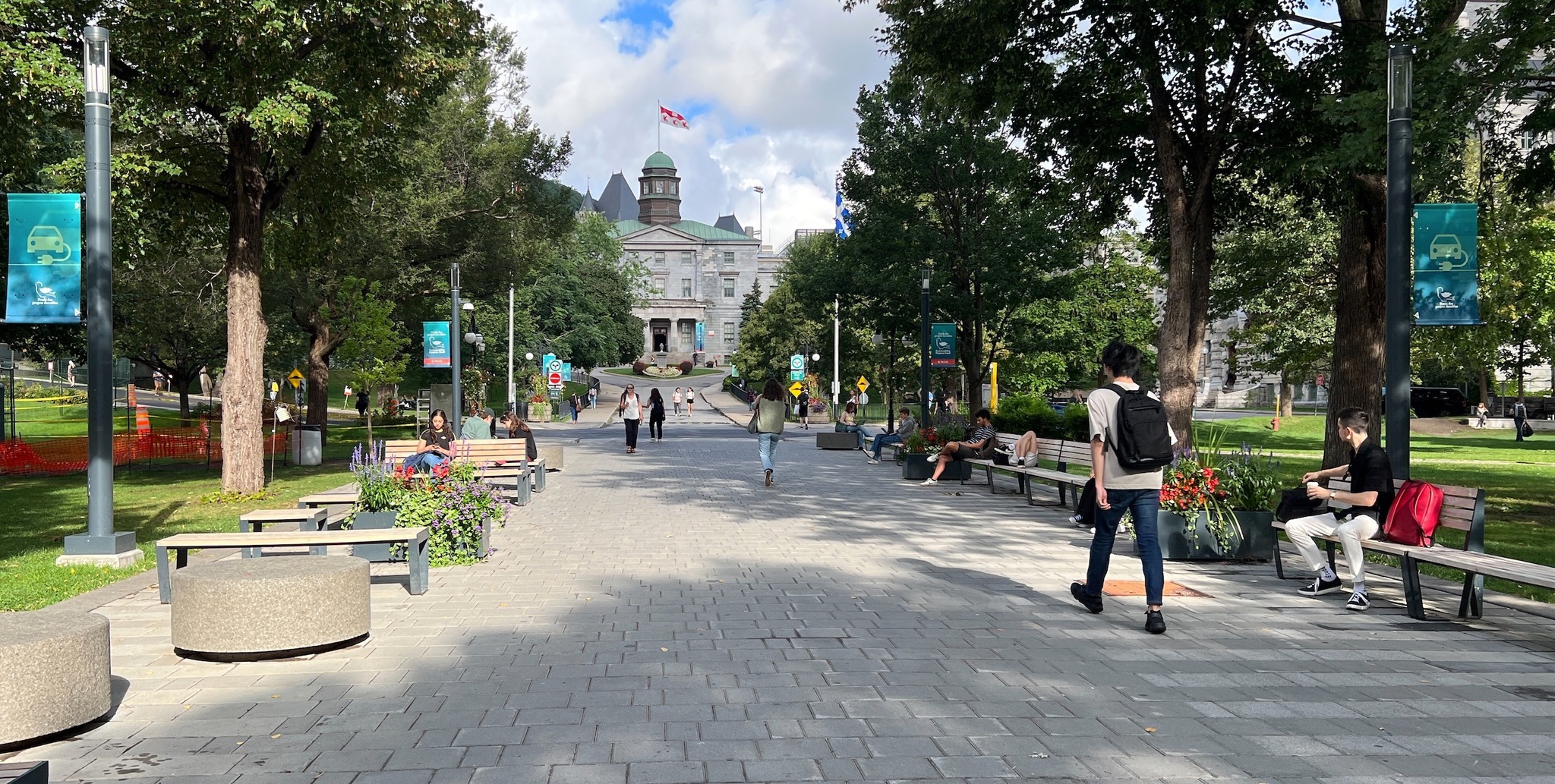
McGill figure parmi les meilleures universités du monde. 🌎 Classée 27e au palmarès 2025 du Center for World University Rankings, elle se situe dans le top 0,2 % des 21 462 établissements évalués
➡️https://t.co/4YLh3B1sWN pic.twitter.com/ZpQUShTsFD
— McGill University (@mcgillu) June 4, 2025

Café Linné Fika
Cafelinne | Annual Financial Reports 2019-2024
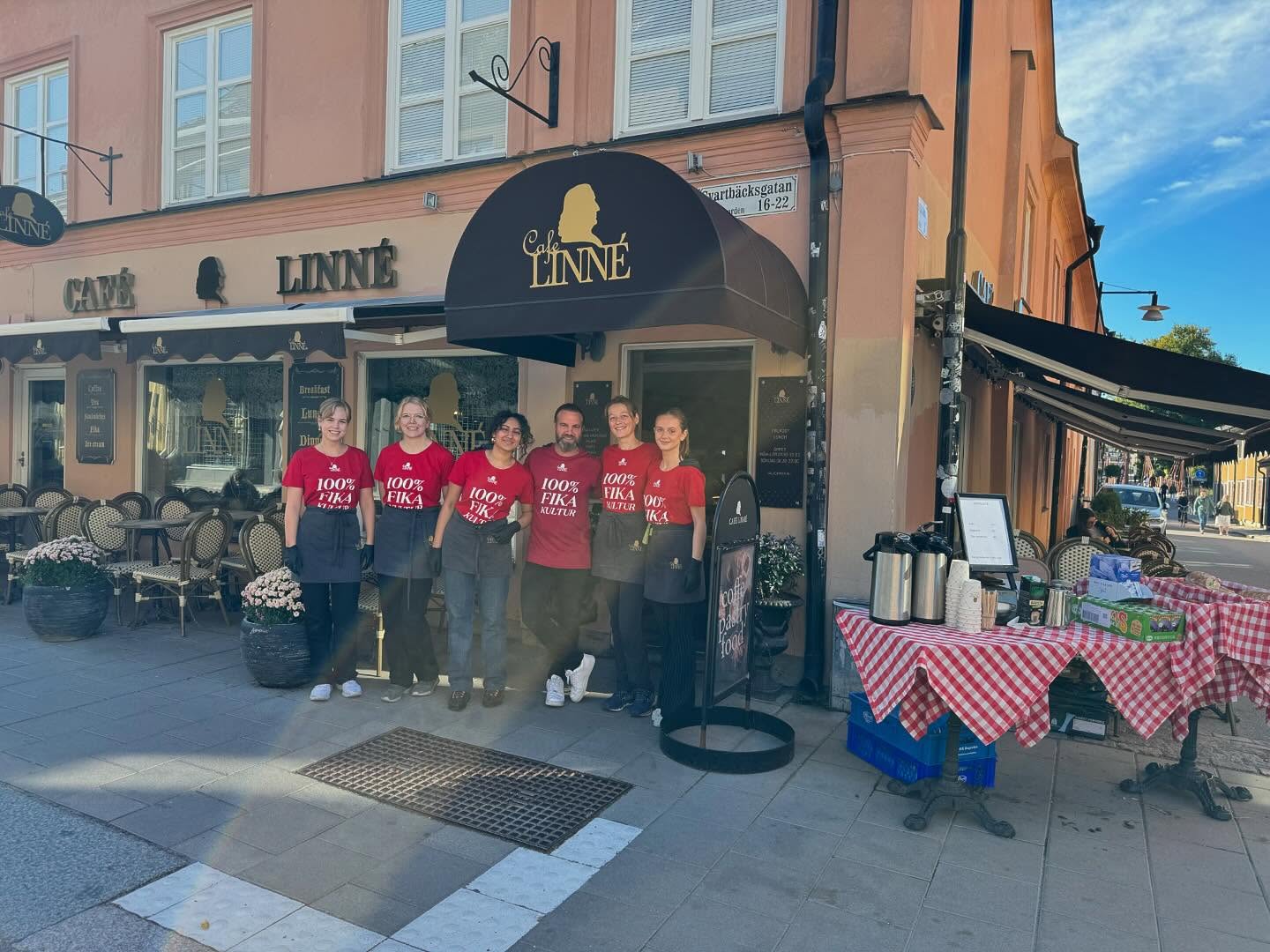
Glad midsommar from the Hahne family! 🇸🇪
For over 1,000 years, our people have gathered to celebrate light, life, and tradition.
We’re proud to pass this heritage on to our children. pic.twitter.com/8goBccL6ts— William Hahne (@William_Hahne) June 20, 2025
University students at restaurant ‘Flustrets’, Uppsala, Sweden 1896.
by inColorizedHistory
Nu finns en uppdaterad IT-standard som ska bidra till effektivare, säkrare dataflöde i skolan och enklare administration. Den erbjuds kostnadsfritt av SIS genom ett avtal med @Skolverket.https://t.co/QfDv2YxDci pic.twitter.com/WyYiRCuVsQ
— Svenska institutet för standarder, SIS (@svenskstandard) November 24, 2020

Cold Brew
University of Miami: Condensed Statement of Financial Position 2023 ($7.02B)
Florida: Municipal Securities Issuers


The Border, DEI, Trump, Islam, BLM & the Misinterpretation of Data

Good luck on finals, Canes! 🙌 pic.twitter.com/mZb2Pfynra
— University of Miami (@univmiami) April 30, 2025

The Pause
Standards Minnesota | St. Olaf College Net Position $1.185B | Facilities
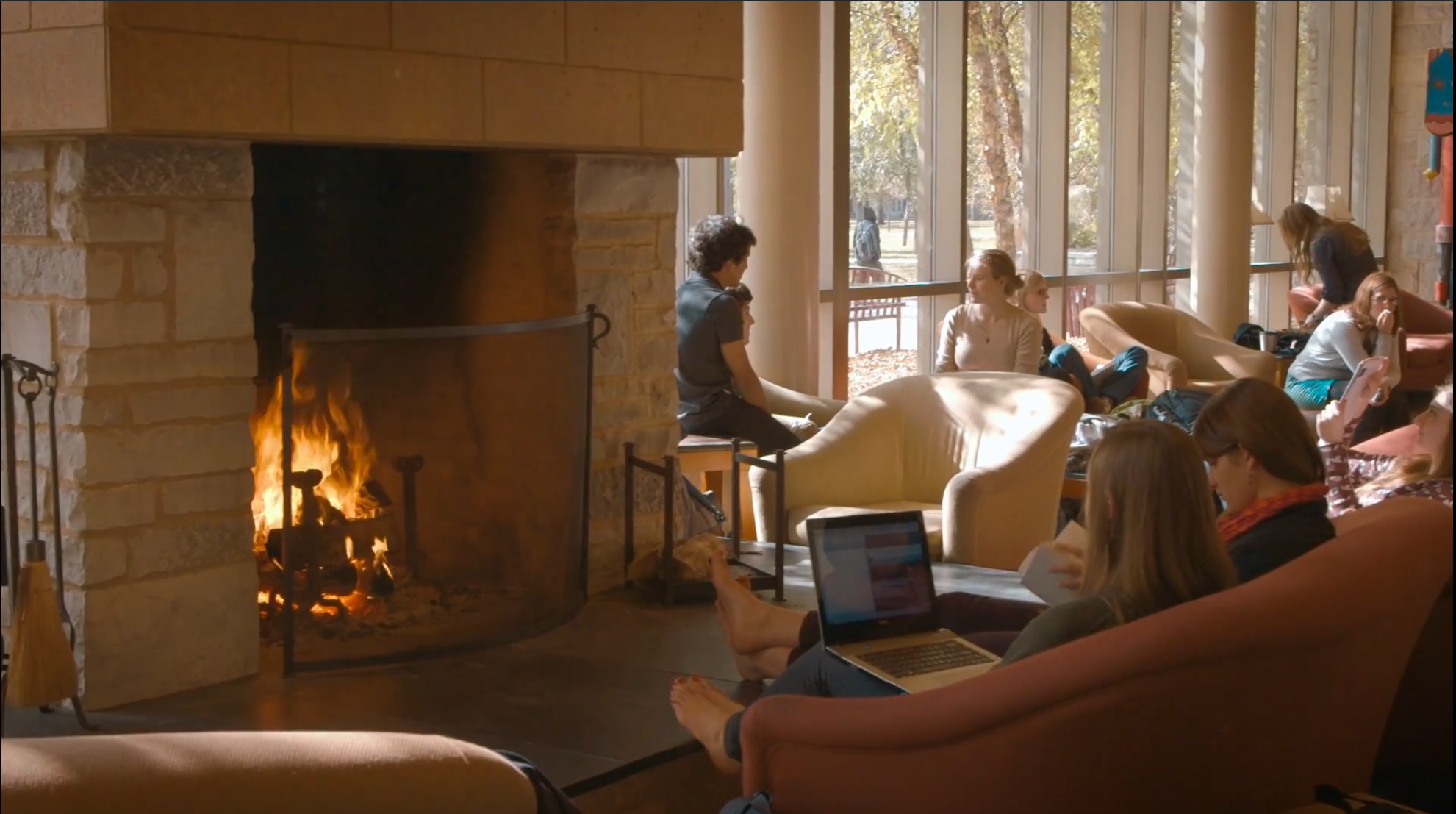
St. Olaf College | Dakota County Minnesota
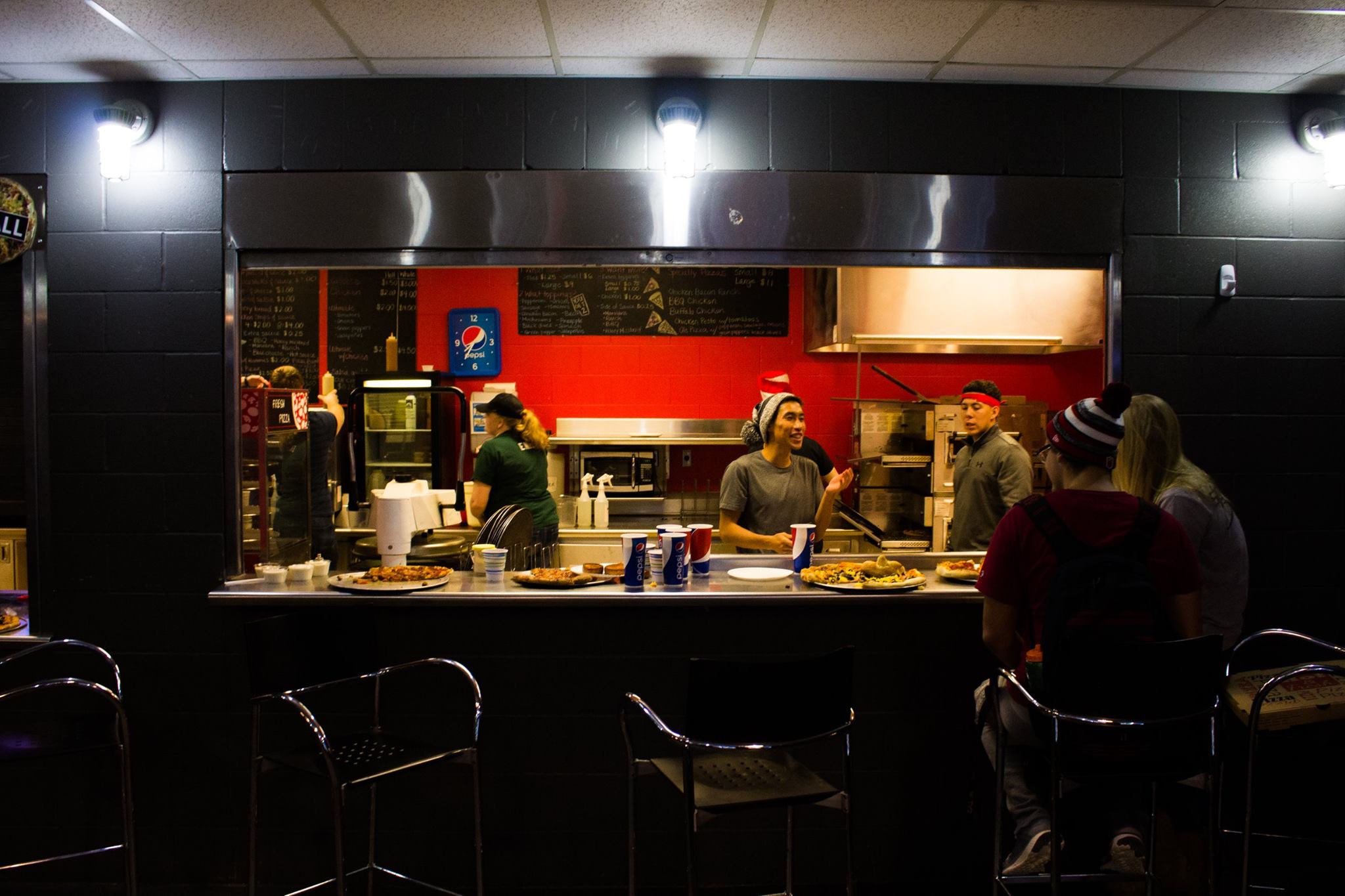
The Lion’s Pause, often simply called “The Pause,” is a fond, student-run café and social space located in Buntrock Commons at St. Olaf College in Northfield, Minnesota. Its origins date back to the 1960s when students recognized the need for a dedicated recreational and social hub on campus. The name “Lion’s Pause” reflects the college’s mascot, the lion, symbolizing school pride and community spirit.
Over the decades, The Pause has grown into a multifunctional venue, serving as a café, dining spot, and event space. It offers a range of casual foods like its iconic pizza, snacks, and beverages, all prepared and served by student workers. Beyond dining, The Pause plays a vital role in campus life by hosting concerts, dances, movie nights, open mic events, and other activities, fostering a vibrant and inclusive atmosphere for the St. Olaf community.

Richard Wolff: How Socialists Win in Farm Areas

Boe Chapel

Most Common Ethnicity of White Americans by County pic.twitter.com/P5OAo9XzhY
— The World R🅰️nking (@worldranking_) April 10, 2025
Lorem ipsum:
Sinclair Lewis, Hubert Humphrey, Walter Mondale, Jesse Ventura, Al Franken, Tim Walz, Ilhan Omar

Earl Grey Supreme Black Tea
College of the Ozarks: 2024 Revenue $116M
School of the Ozarks recently hosted its second Summer Teacher Training, welcoming 165 educators from across North America—up from 100 last year.
Read the full story: https://t.co/lJWuCneM5f#HardWorkU #SchooloftheOzarks #ClassicalChristianEducation pic.twitter.com/23FA7Rf1Ar
— College of the Ozarks (@CofOHardWorkU) July 25, 2025
Earl Grey Supreme Black Tea 6pk
“A work college since its inception in 1906, College of the Ozarks® Work Education Program provides over 130 unique work stations where students earn their education. Students do everything from mowing the grass to overseeing the campus fire station, and they produce some of the most delectable treats around. That’s what you’ll find here, a showcasing of College of the Ozarks students’ talents and trades – small-batch, handcrafted gifts and baked goods, including world-famous fruitcakes, delicious fruit spreads, and student-milled products.
When you choose our campus store and online gift shop, know that you’re supporting our students and that you’ve made a purchase with a purpose.”
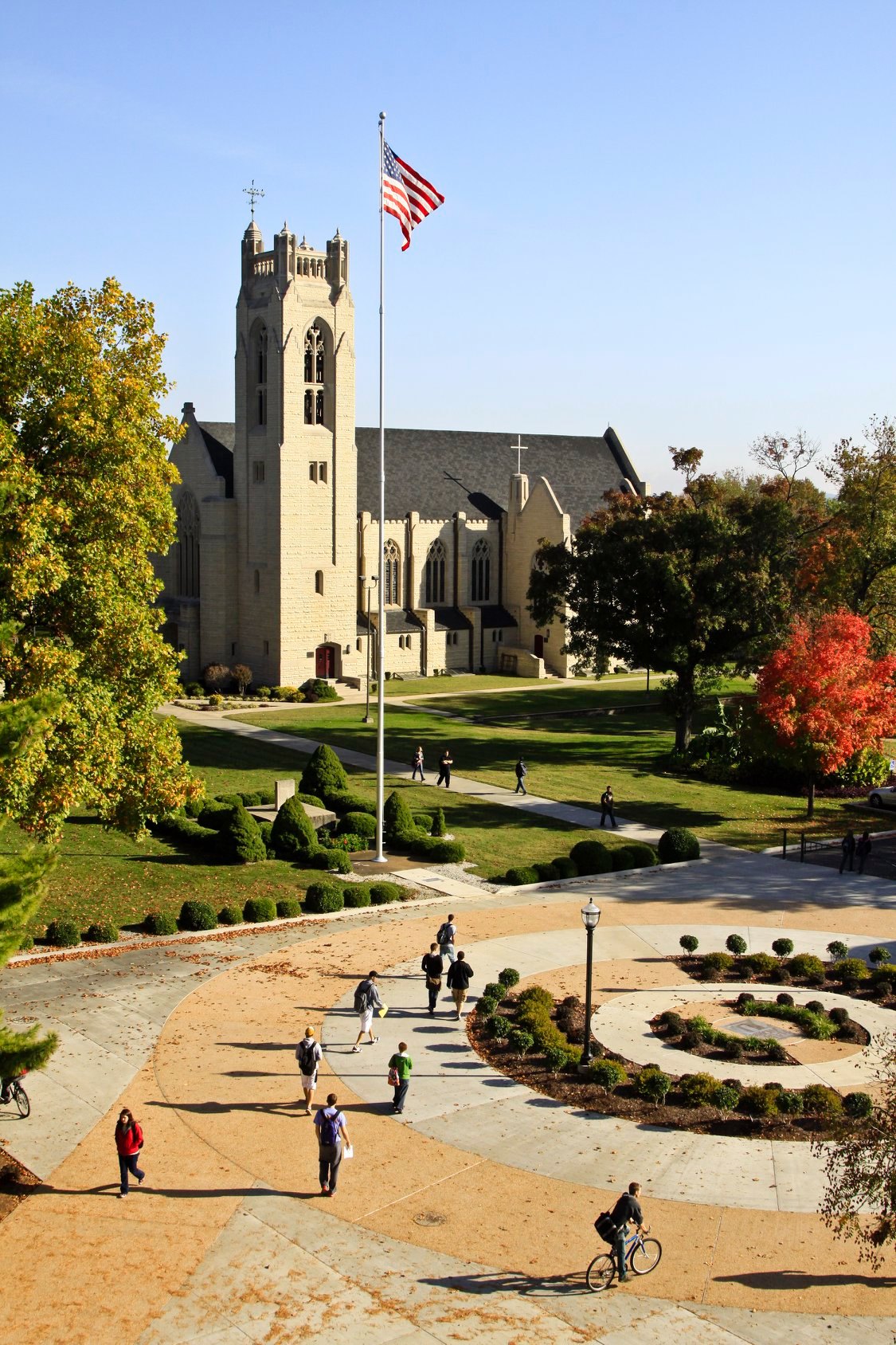
College of the Ozarks Missouri
College of the Ozarks | Taney County Missouri
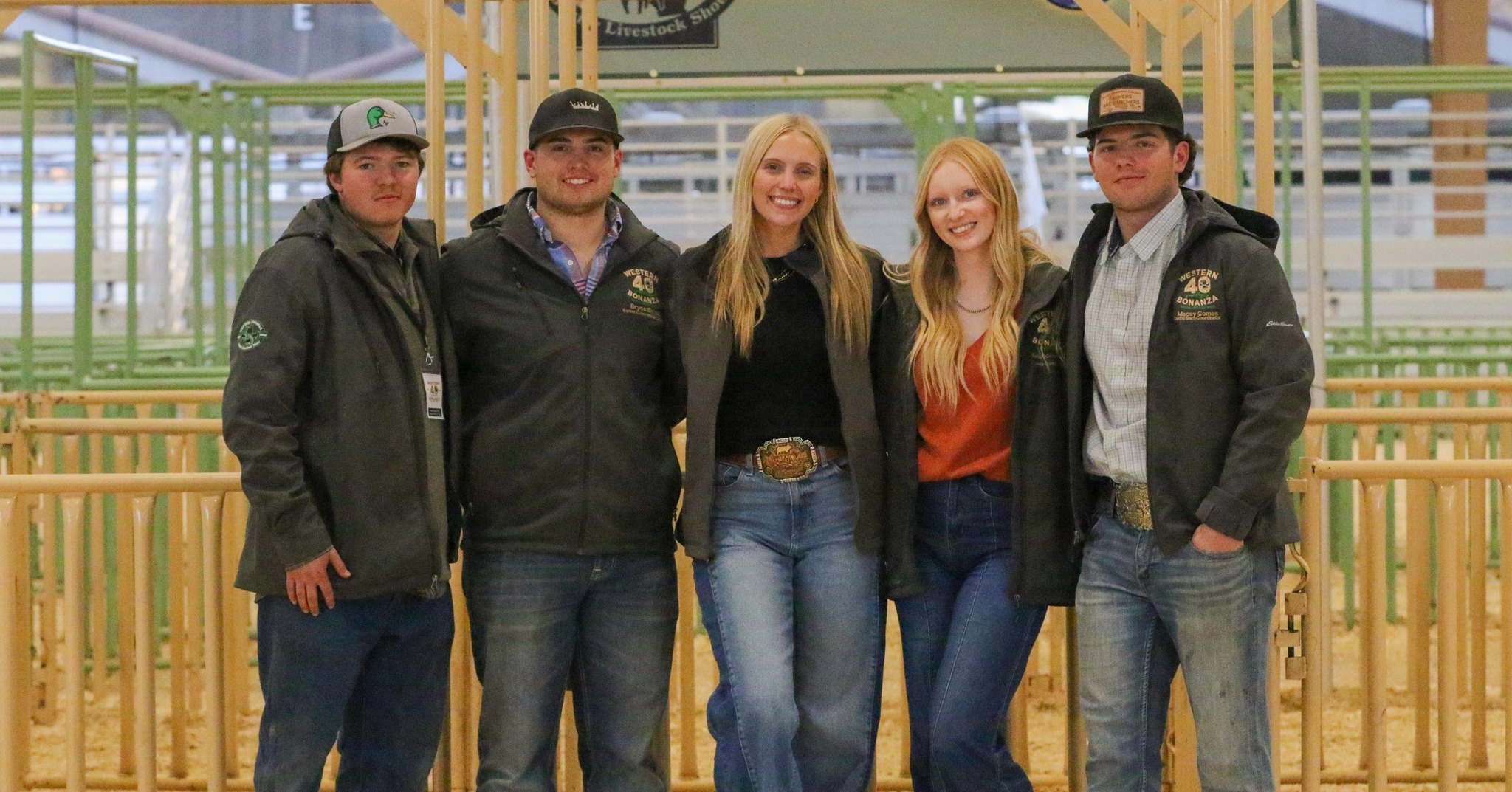
This weekend, our agriculture department welcomed hundreds of FFA students from Missouri and Arkansas for hands-on learning through lectures and competitions. We’re proud to help train the next generation of agriculture! #HardWorkU pic.twitter.com/QKSARNtw0o
— College of the Ozarks (@CofOHardWorkU) March 3, 2025

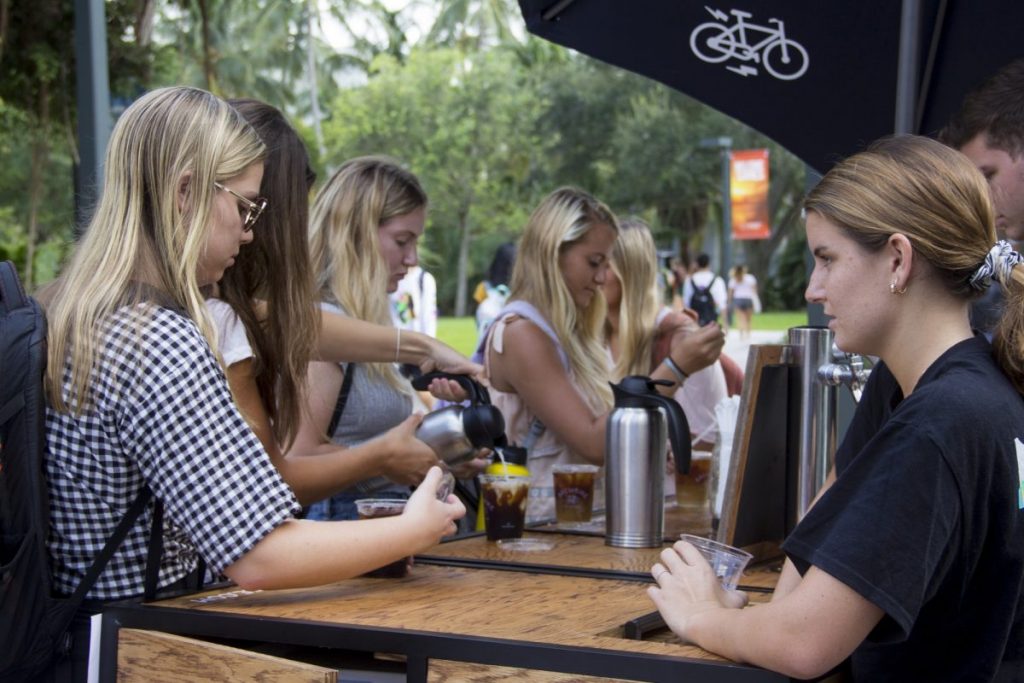
BrewBike
Northwestern University Financial Report 2024: $19.260B (Page 8)
Spoon University, a prominent online food publication for college students, was founded in 2012 by Northwestern University students Sarah Adler and Mackenzie Barth. As juniors living off-campus, they struggled to cook and navigate the food scene, noticing a lack of youth-focused culinary media. This inspired them to launch a blog combining journalism and food, initially for Northwestern students.
The platform quickly grew, engaging 100 students at Northwestern to create recipes, restaurant reviews, and food-related content. Its success led to expansion, with students from other universities requesting chapters. By 2014, Spoon University had spread to over 100 campuses globally, amassing thousands of contributors. Supported by the Techstars accelerator and later acquired by Scripps Networks Interactive in 2017 for approximately $10 million, Spoon University became a key voice in the food movement, empowering young creators
BrewBike Wants You to Buy Your Next Cup of Cold Brew From the Back of a Bike

“Our Favourite Coffee Shops Around Campus”
Annual Report and Financial Statement 2023: $8.258M
We are celebrating 180 years of Queen’s!
Since first opening our doors in 1845, we have been shaping a better world by driving innovation, strengthening communities and changing lives for the better.
Queen’s University is a special place where creativity is brought to life,… pic.twitter.com/w9nxOLtdJf
— Queen’s University Belfast 🎓 (@QUBelfast) June 4, 2025
Queen’s University Belfast | County Antrim

Fancy being part of the QUB team? This could be your chance!
Check out our latest career opportunities ➡️ https://t.co/eruaQlcKXX#LoveQUB #JobsFairy #HEJobs #NIJobs #HigherEducation #NorthernIreland pic.twitter.com/0c2cQYYpeU
— Queen’s University Belfast 🎓 (@QUBelfast) October 14, 2024
New update alert! The 2022 update to the Trademark Assignment Dataset is now available online. Find 1.29 million trademark assignments, involving 2.28 million unique trademark properties issued by the USPTO between March 1952 and January 2023: https://t.co/njrDAbSpwB pic.twitter.com/GkAXrHoQ9T
— USPTO (@uspto) July 13, 2023
Standards Michigan Group, LLC
2723 South State Street | Suite 150
Ann Arbor, MI 48104 USA
888-746-3670
DIRECTIONS
 |
 |
|
 |
 |
|
 |
 |