
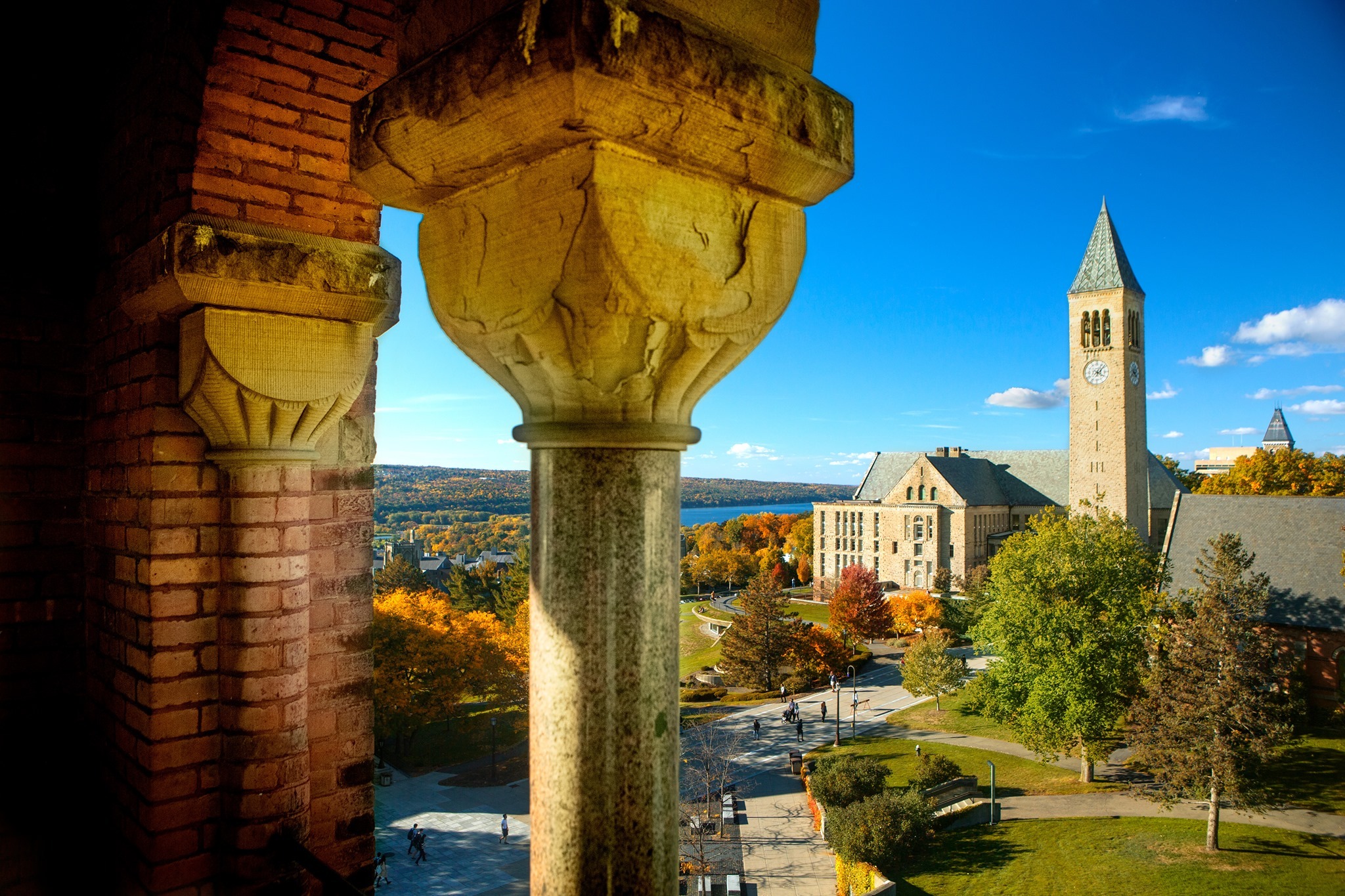
Facilities & Campus Service: Cornell Master Plan 2008
View this post on Instagram
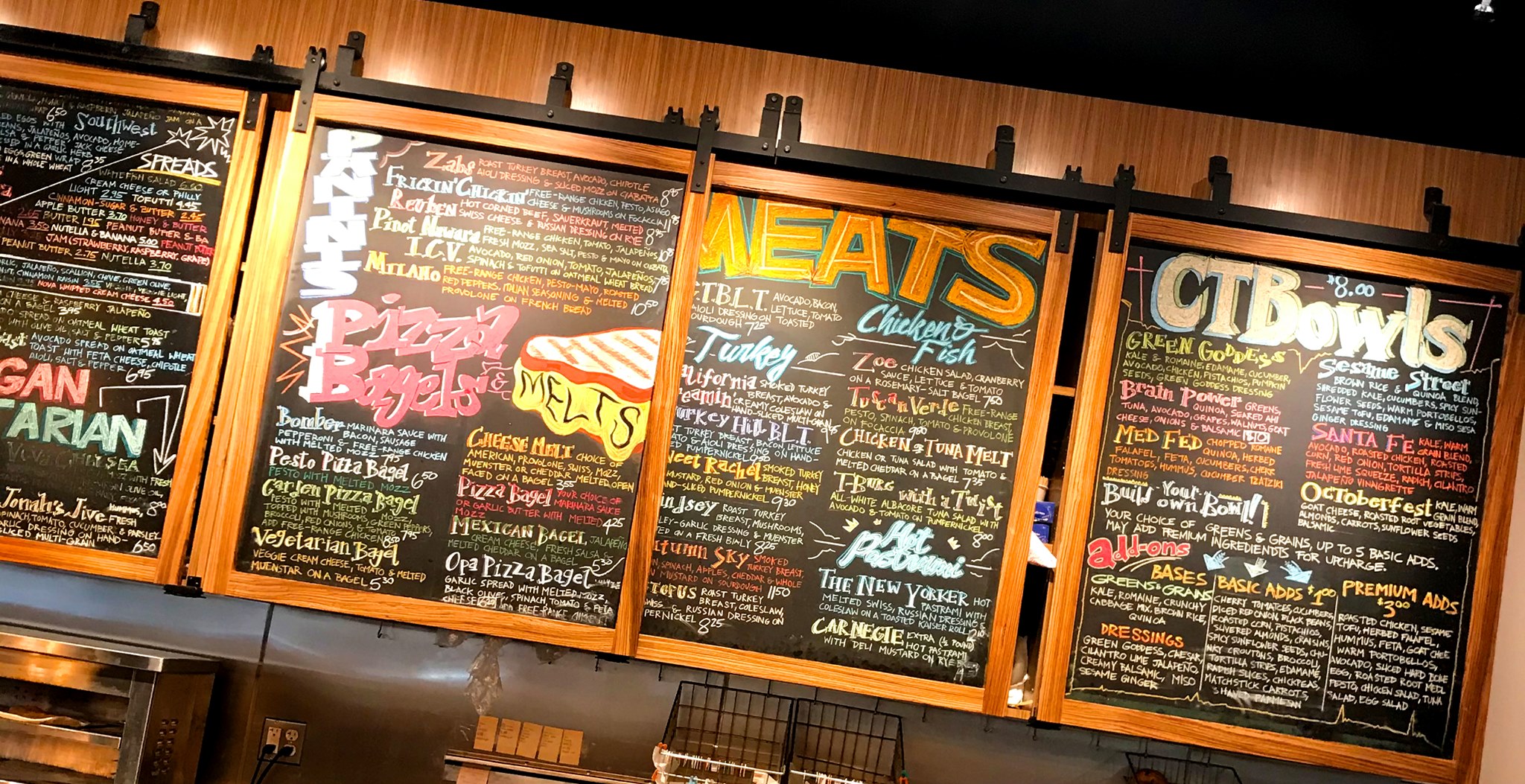


Chicory, surrogate and roasted coffee provide new insights into mechanisms of taste perception
Dr. Gisela Olias, Presse- und Öffentlichkeitsarbeit, TUM
In some Christian traditions, especially among Catholics who observe dietary restrictions during Lent, chicory root has been used as a caffeine-free substitute for coffee. It’s commonly consumed in Louisiana and parts of Europe.
The term “Muckefuck” (pronounced “Mook-eh-fook”) is a traditional German word for coffee substitutes, particularly those made from roasted chicory root, barley, or other grains. No joke! “Muckefuck” is a real historical term in Germany, and while it may sound funny to English speakers, it has nothing to do with profanity.
While the word may raise eyebrows for English speakers, it’s completely innocent in German! If you prefer, you can simply ask for “Chicorée Kaffee” or “Malzkaffee” in Munich to avoid any awkward moments.
Related:
Development of suitable formula for ready-to-drink healthy mixture of chicory and coffee
This content is accessible to paid subscribers. To view it please enter your password below or send mike@standardsmichigan.com a request for subscription details.
There is no formal legal, academic, or regulatory criteria that permits an entity to officially call itself a “Latte University.”
The term is not a protected designation like “university” in many jurisdictions (where using “university” in a name often requires government accreditation, charter, or licensing to offer degrees and avoid misleading the public).
In practice, anyone can self-apply the ironic or humorous label “Latte University” because:
No trademark, law, or accrediting body enforces restrictions on such whimsical usage, as long as it doesn’t falsely claim official degree-granting status or confuse consumers in commerce. It’s free speech + branding playfulness.

Roger Scruton: How Fake Subjects like Women Studies Invaded Academia

Bundy, Edgar; The Coffee House Orator; Rochdale Arts & Heritage Services
Standards Virginia | Net Position $1.130B (Page 11) | Campus Comprehensive Plan 2025
The College of William & Mary, the second-oldest institution of higher education in the United States, was founded on February 8, 1693, through a royal charter granted by King William III and Queen Mary II of England. Named in their honor, the college aimed to establish a “perpetual College of Divinity, Philosophy, Languages, and the good arts and sciences” in the Virginia colony.
Efforts to create a college in Virginia dated back to 1618, but earlier plans failed due to events like the 1622 Powhatan uprising and political upheavals. In 1691, the Virginia General Assembly sent Reverend James Blair, a Scottish clergyman and representative of the Bishop of London, to England to secure approval. Blair successfully petitioned the monarchs, who issued the charter and appointed him as the college’s first president—a position he held until 1743.
The institution, initially Anglican-focused with schools for grammar, philosophy, and divinity, received funding from tobacco taxes, land grants, and even pirate forfeitures. Construction of its main building (now the Wren Building) began in 1695 at Middle Plantation, before Williamsburg existed.
“The Wren” | My Spot (Matt Capel)

Undergrade Gender Imbalance: 41% male, 59% female
National Marriage Project (University of Virginia): Where have all the good men gone?

WCWM Student Radio
Wishing our students a happy first day of classes – stay dry, W&M! pic.twitter.com/q2zImH6CyN
— William & Mary (@williamandmary) September 1, 2021

* According to a 2013 report from the Aspen Institute and Washington Monthly based on LinkedIn data for graduates from 2000 to 2010, 32.1% of William & Mary graduates reported positions in government and non-profit sectors as their first and second jobs after graduation.
This includes government roles but is not limited to them.More recent first-destination surveys from William & Mary’s Office of Career Development & Professional Engagement (e.g., for the Class of 2024) do not break down employment percentages by specific sectors like government. However, they categorize mean salaries for “public service careers” at $53,529, indicating some graduates pursue roles in that area (which often overlaps with government).
The university is consistently ranked highly for fostering service-oriented careers, such as #12 for “Best Colleges for Service” by Washington Monthly in 2022
Net Position $162.3M (Page 20) | Facilities & Services | South Dakota Board of Regents Policy Manual

…A student-run dining space located on the fourth floor (Room 429) of Wagner Hall; formerly the Home Economics and Nursing Building that connects to the Bailey Rotunda. The pop-up café is operated by hospitality students that serves four-course meals (sandwiches, soups, salads, desserts) in a home kitchen atmosphere integrated with the building’s offices, classrooms, and labs.
⭐ Junior Day | Jan. 31
Junior Day gives parents and students a closer look at academics, campus life and career preparation at #SDState 🎓 Learn more and register: https://t.co/sVOpEzgvAC pic.twitter.com/shJCnb47eL— South Dakota State University (@SDState) January 26, 2026

Water | Energy | Electricity | Light | Food Safety | Coffee
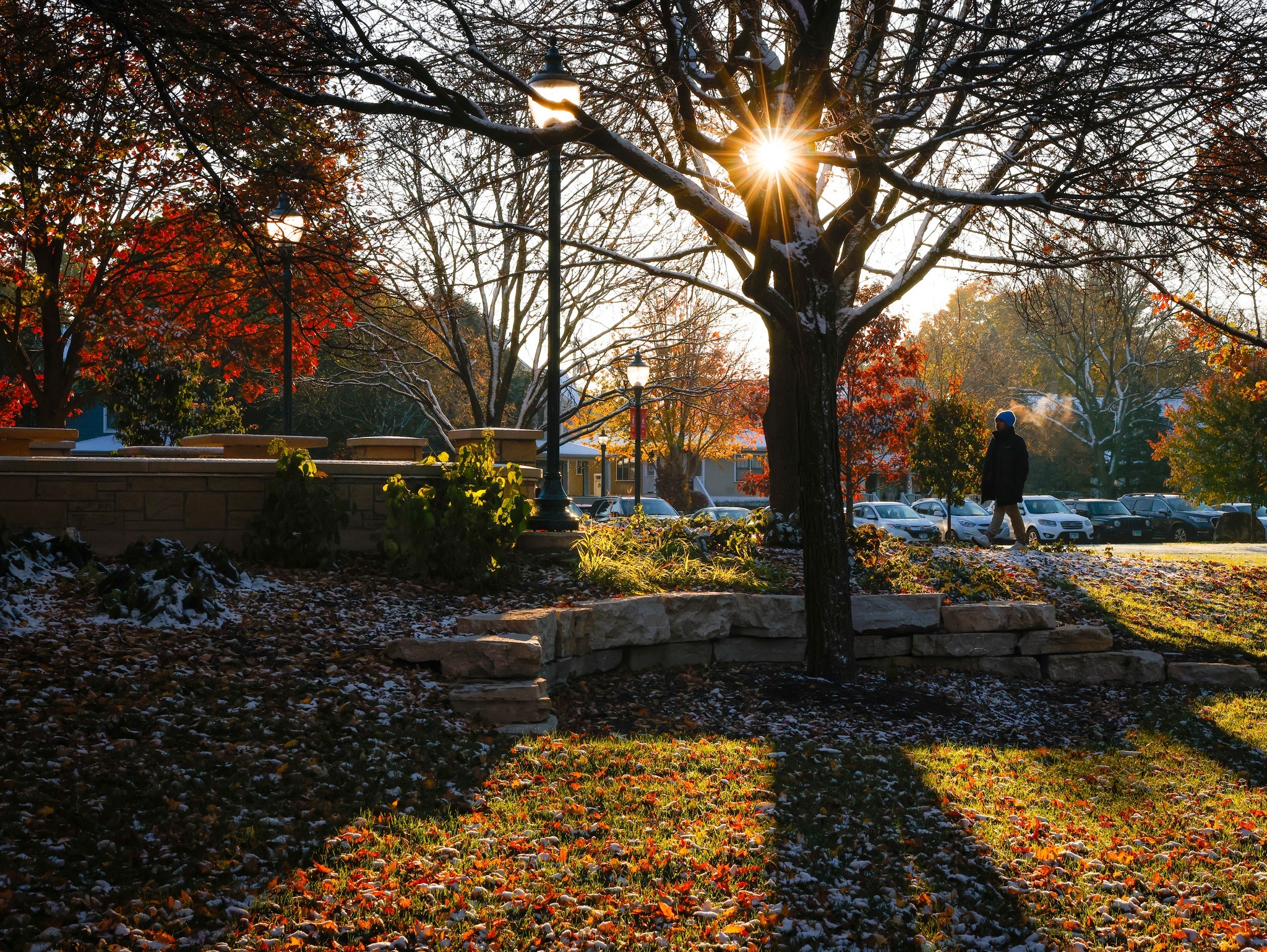
Standards Illinois | Net Position 2024: $377.2M | Master Land Use Plan
Since 2019, the @ncccoffeelab has allowed students to experiment with high-end coffee equipment, including a professional-grade roaster, while exploring their academic interests through the lens of #coffee production.
Read more in the @NapervilleMag: https://t.co/cwaWga3mkA. pic.twitter.com/9b4lHIuJ61
— North Central College (@northcentralcol) October 24, 2024
🌻 Standards Kansas 🌻
Newman University hosts its Heritage Month in February to celebrates the English heritage of the university’s namesake, St. John Henry Newman. It typically takes place in the Dugan-Gorges Conference Center following the St. Newman Mass and features meticulously prepared finger foods, English breakfast or Earl Grey tea, and elegant tea sets, fostering a sense of community among students, alumni, faculty, and staff.
Thank you to our amazing chorale and troubadours for last night’s Pilgrims of Hope fall concert! 🎹 It was a beauty to behold.#NUExcellence #NewmanU #fall #concert pic.twitter.com/ij1GkQkYli
— Newman University (@NewmanU) November 24, 2025
Why and How High Tea Originated as a Working-Class Custom: High tea, despite its modern association with elegance and afternoon tea, began as a practical, working-class custom in 19th-century Britain. Its origins lie in the Industrial Revolution, when factory workers, miners, and laborers, typically from the lower classes, returned home after long, physically demanding shifts. Unlike the leisurely afternoon tea enjoyed by the upper classes, high tea was a hearty, substantial meal served around 5–7 p.m., designed to sustain workers after a grueling day.
Why It Was Working-Class:Timing and Necessity: Workers couldn’t afford mid-afternoon breaks for tea, as their schedules revolved around factory or manual labor. High tea was served after work hours, replacing or supplementing dinner with affordable, filling foods like meat pies, bread, cheese, and tea, which provided energy and comfort.
Economic Constraints: The working class lacked the resources for the delicate sandwiches and pastries of upper-class afternoon tea. High tea used simple, inexpensive ingredients, reflecting the economic realities of laborers.
Cultural Context: Tea was a cheap, widely available beverage by the 19th century, thanks to Britain’s colonial trade. It became a staple for workers, offering warmth and stimulation, while the meal addressed their hunger.
How It Developed: High tea was served at a high dining table (unlike the low tables of aristocratic tea settings), where families gathered for a practical meal. The term “high” referred to the table height, distinguishing it from the refined “low tea” of the elite.
Food and Function:
The meal included robust dishes like stews, cold meats, or potatoes, paired with strong tea. It was less about social ritual and more about nourishment, often the main meal of the day for working families.
Social Evolution:
As tea became a British cultural staple, high tea spread across classes, but its working-class roots remained evident in its heartier fare and evening timing, contrasting with the lighter, earlier afternoon tea of the wealthy.
By the late 19th century, high tea’s association with the working class faded as middle and upper classes adopted and refined it, leading to its modern, more elegant connotations.
Afternoon tea this weekend pic.twitter.com/2UAZkGUXOj
— kat-astrophe! (@omwtfybkat) November 3, 2025
2026 General Fund Revenue & Expenditures: $1.738B $ Integrated Facilities and Land Use
MSU receives record-breaking $401 million commitment
Why Does The Modern World Make No Sense?
“…Hot cocoa and hot chocolate are terms that we often used interchangeably. Technically, hot cocoa and hot chocolate are as different as milk chocolate and bittersweet chocolate. Hot cocoa is made with cocoa powder, the way my mother made it when I was a kid. Hot chocolate is made from melting chocolate bars into cream…”

Plant science at your dinner table: Hot chocolate vs. hot cocoa
Black coffee at restaurants should not be $5. I’m not drinking the whole pot. I just want a cup. pic.twitter.com/wxy5xO4srV
— Blonde Musings 🇺🇸 Courtney (@musings_blonde) February 1, 2026
You’ve never heard the fight song like this.
MSU College of Music students, faculty and alumni picked up classroom instruments and turned them into something unforgettable.
No sheet music. No rehearsal. Just serious music skills and some Spartans Will. pic.twitter.com/a1yPaLXLDQ
— MSU (@michiganstateu) July 31, 2025

The clarity of this first hour—the pensive hope of winter—the ritual morning brings. These are the things. pic.twitter.com/CwdExLn5gC
— 1000yearhouse (@1000yearhouse) January 27, 2026
Quinn Mink, from the Office of Undergraduate Admissions explains

Drinking from My Saucer | John Paul Moore
I’ve never made a fortune and it’s probably too late now.
But I don’t worry about that much, I’m happy anyhow.
And as I go along life’s way, I’m reaping better than I sowed.
I’m drinking from my saucer, ‘Cause my cup has overflowed.
I don’t have a lot of riches, and sometimes the going’s tough.
But I’ve got loved ones around me, and that makes me rich enough.
I thank God for his blessings, and the mercies He’s bestowed.
I’m drinking from my saucer, ’Cause my cup has overflowed.
I remember times when things went wrong, my faith wore somewhat thin.
But all at once the dark clouds broke, and the sun peeped through again.
So God, help me not to gripe about the tough rows that I’ve hoed.
I’m drinking from my saucer, ‘Cause my cup has overflowed.
If God gives me strength and courage, when the way grows steep and rough.
I’ll not ask for other blessings, I’m already blessed enough.
And may I never be too busy, to help others bear their loads.
Then I’ll keep drinking from my saucer, ‘Cause my cup has overflowed.

Standards Kansas
 |
 |
Wichita State University Net Position June 2024: $436,274,062
The best and most beautiful part of America. pic.twitter.com/0fqKBaU3J7
— 𝗘𝗙𝗕 (@ElFrijolBlanco) August 7, 2024
New update alert! The 2022 update to the Trademark Assignment Dataset is now available online. Find 1.29 million trademark assignments, involving 2.28 million unique trademark properties issued by the USPTO between March 1952 and January 2023: https://t.co/njrDAbSpwB pic.twitter.com/GkAXrHoQ9T
— USPTO (@uspto) July 13, 2023
Standards Michigan Group, LLC
455 East Eisenhower Parkway, Suite 300
Ann Arbor, MI 48108 USA
888-748-3670
 |
 |
|
 |
 |
|
 |
 |