
Alcohol & Other Drugs | Duke Community Standard
Standards North Carolina | North Carolina Alcoholic Beverage Control

Why Democrats Hate (And Aren’t Ashamed About It): Scholars@Duke| Political sectarianism in America


The Shamrock Shake tradition centers on festive St. Patrick’s Day celebrations hosted by the Collegiate Recovery Program. Each March (e.g., events on March 7, 2024, and March 12, 2026), students gather for free Shamrock Shakes—minty green treats—alongside crafts, games, and sober fun at locations like Serenity Place. This annual event promotes community, recovery support, and holiday spirit in a welcoming, alcohol-free environment for all WVU students.
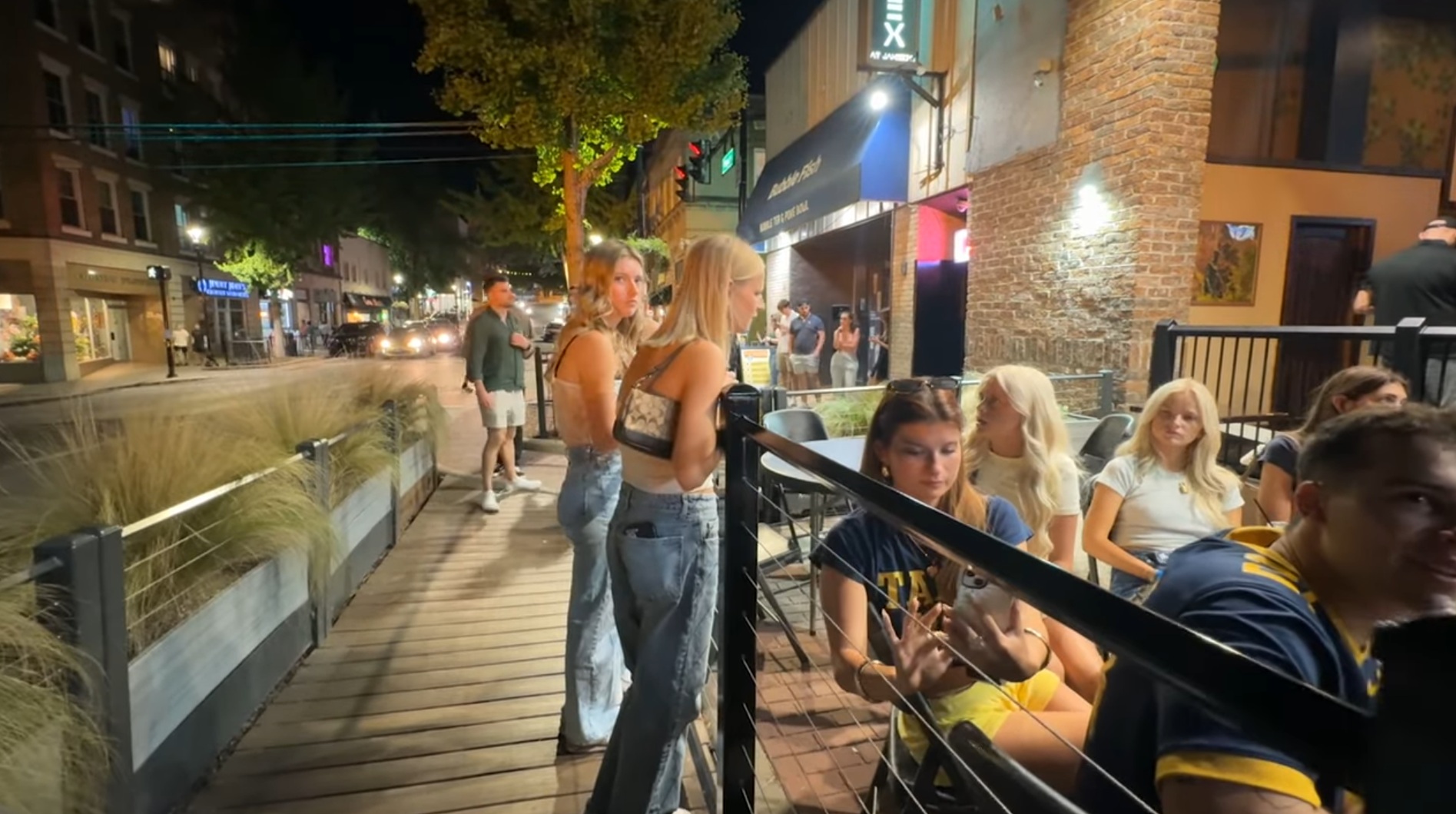
WVU Medicine $460M projects to expand healthcare access across West Virginia
Fiscal Year 2026 Financial Plan
Board of Governors: Finance and Administration Rule 5.4 – Campus Facilities Plan
Standards New Jersey | Princeton University Investment Company

“Some of my favorite places to spend my dining points are at the Coffee Club’s two locations on campus. I frequently trek down to the modern New College West (NCW) storefront that overlooks Poe Field before an afternoon of studying. I also love the quaint café at Campus Club, with its homey vibe and frequent musical performances. Typically, I go for the basic, predictable iced vanilla latte. However, Coffee Club seasonally experiments with its menu and releases temporary items that reflect the weather, holidays, or mood of the campus….” Isabella Dail
As reading period and exams begin, here are some favorite spots for students to study, catch up with friends or simply have a quiet moment.
Get to know Princeton’s Third Spaces: https://t.co/7HWRT0FKqw pic.twitter.com/pHvvA3pHcT
— Princeton University (@Princeton) December 8, 2025

The Degree Course in Viticulture and Enology has the main objective of training oenological technicians with adequate skills to establish and manage wineries, enhancing both the agricultural product and the wine derived from it. This objective is pursued by providing, first, adequate basic scientific and cultural knowledge, based on mathematical, physical, chemical and biological sciences and, subsequently, professionalizing skills in the wine sector, aimed at developing operational skills of an agro-technological and managerial nature as well as framing the production activity from a historical, geographical, economic and environmental point of view….[Click image]
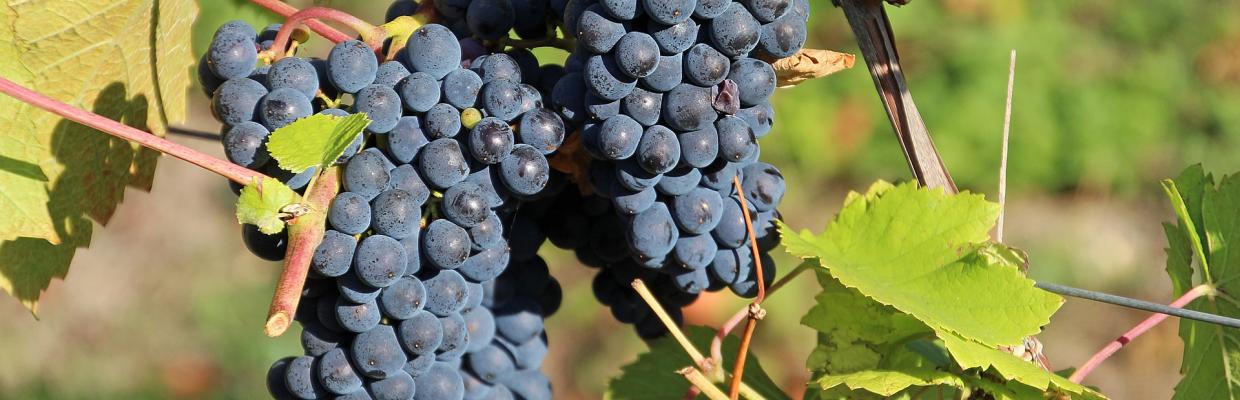
The University of Milan: A Multidisciplinary Campus
𝗢𝗽𝗲𝗻 𝗗𝗮𝘆 𝗶𝗻 𝗦𝘁𝗮𝘁𝗮𝗹𝗲: l’Ateneo si è presentato ai futuri studenti e studentesse con le novità per l’anno accademico 2025-26.#lastatalefutura #opendayinstatale
Scopri come è andata la giornata qui
👇https://t.co/CIlgaxsrhi pic.twitter.com/t6sH7o0YlM— Università degli Studi di Milano (@LaStatale) May 17, 2025
This content is accessible to paid subscribers. To view it please enter your password below or send mike@standardsmichigan.com a request for subscription details.
2026 General Fund Revenue & Expenditures: $1.738B $ Integrated Facilities and Land Use
MSU receives record-breaking $401 million commitment

Why Does The Modern World Make No Sense?
“…Hot cocoa and hot chocolate are terms that we often used interchangeably. Technically, hot cocoa and hot chocolate are as different as milk chocolate and bittersweet chocolate. Hot cocoa is made with cocoa powder, the way my mother made it when I was a kid. Hot chocolate is made from melting chocolate bars into cream…”

Plant science at your dinner table: Hot chocolate vs. hot cocoa
Black coffee at restaurants should not be $5. I’m not drinking the whole pot. I just want a cup. pic.twitter.com/wxy5xO4srV
— Blonde Musings 🇺🇸 Courtney (@musings_blonde) February 1, 2026
You’ve never heard the fight song like this.
MSU College of Music students, faculty and alumni picked up classroom instruments and turned them into something unforgettable.
No sheet music. No rehearsal. Just serious music skills and some Spartans Will. pic.twitter.com/a1yPaLXLDQ
— MSU (@michiganstateu) July 31, 2025

The clarity of this first hour—the pensive hope of winter—the ritual morning brings. These are the things. pic.twitter.com/CwdExLn5gC
— 1000yearhouse (@1000yearhouse) January 27, 2026
Financial Statement 2023 | Next Phase Campus Master Plan

Summer Soiree event on the Upper Quad during First Weekend.
The Fall 2021 magazine is now available! In this issue, we highlight @LycoCEAE & how the program creates a smooth transition from backpack to briefcase for our students, including how Lycoming alumni contribute to that successful journey. Read it here: https://t.co/wclDIMUFui pic.twitter.com/UVqApHZeOx
— Lycoming College (@LycomingCollege) December 14, 2021
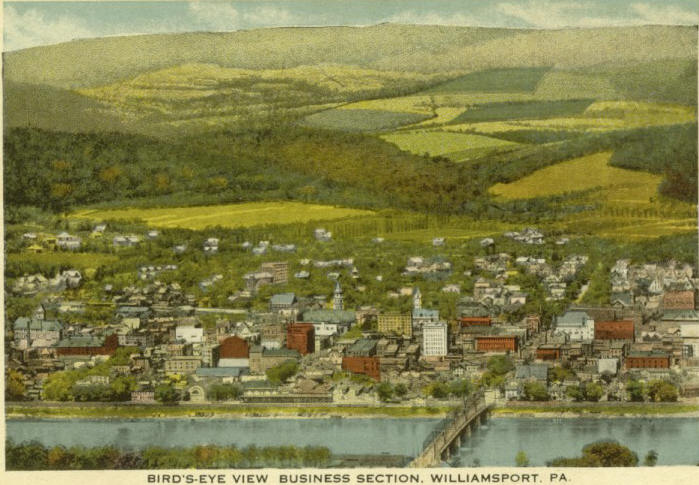
Willa Cather: “Pennsylvania is a beautiful state, filled with history and the evidence of hard work.”
Harper Lee: “In Pennsylvania, there’s a sense of history that’s palpable. You can feel it in the air.”
John Updike: “Pennsylvania is old and it’s new, it’s modern and it’s historical; a place where the past meets the present.”
James A. Michener: “Pennsylvania is a land of deep rivers and tall mountains, fertile valleys and ancient forests.”
H.G. Wells: “Pennsylvania has always been a dream to me, a place where hard work and determination lead to success.”
Tennessee Williams: “There’s a depth of character in the people of Pennsylvania, a resilience that comes from their history.”
David McCullough: “Pennsylvania is a cradle of American history, a place where the very fabric of our nation was woven.”
Louisa May Alcott: “The rolling hills of Pennsylvania are a testament to the enduring spirit of the American people.”
Annie Dillard: “Pennsylvania is a state of great beauty, with a landscape that inspires and a history that humbles.”
John Steinbeck: “The people of Pennsylvania have always struck me as the backbone of America, hardworking and proud.”
Edgar Allan Poe: “The streets of Pennsylvania cities hold many secrets, whispers of the past in every cobblestone.”
Mark Twain: “Pennsylvania is a state that embodies the very essence of the American spirit.”
F. Scott Fitzgerald: “There’s a timelessness to Pennsylvania, a sense of enduring strength and quiet beauty.”
Henry David Thoreau: “In Pennsylvania, nature and civilization coexist in a way that’s rare and beautiful.”
William Faulkner: “Pennsylvania’s history is written in its landscapes, its cities, and its people.”
Sylvia Plath: “The beauty of Pennsylvania’s seasons is a metaphor for the resilience of its people.”
Emily Dickinson: “Pennsylvania’s hills and valleys sing a song of history and hope.”
I don’t see a single blue state.
Just blue cities trying to tell us all how to live. pic.twitter.com/PoibseWRxP
— Shannon Hill (@ShannonMFHill) February 1, 2026
“The morning cup of coffee has an exhilaration about it
which the cheering influence of the afternoon or evening cup of tea
cannot be expected to reproduce.”
Oliver Wendell Holmes (“The Autocrat of the Breakfast-Table”, 1857)

The Decline of Men on Campus
College Raptor Gender Balance Report
Dartmouth University Facilities Operations & Management | Utility Systems
IEEE Education & Healthcare Facilities Committee
Investment Office: Endowment Reports | $7.9B Total, $2.1B Facilities
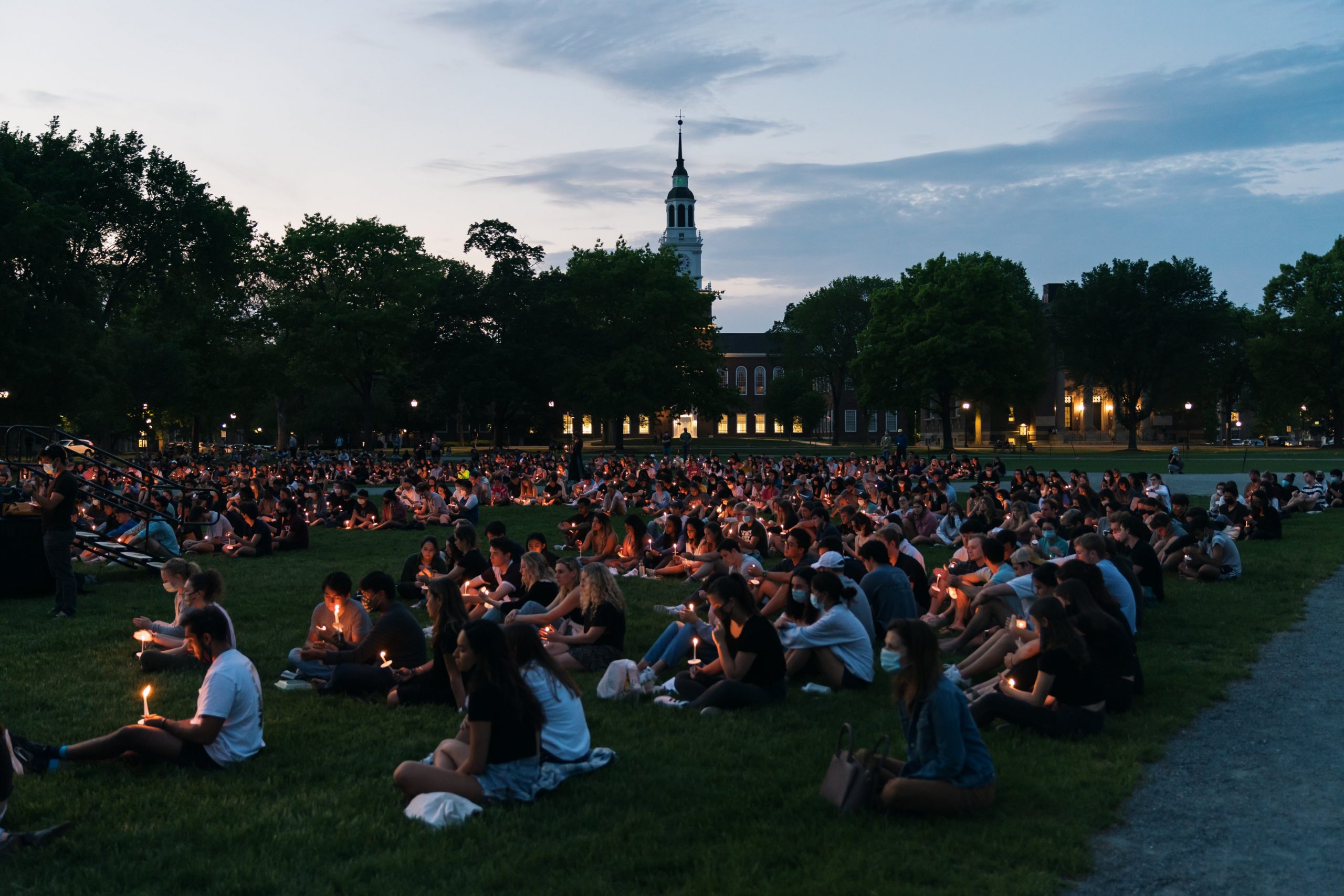
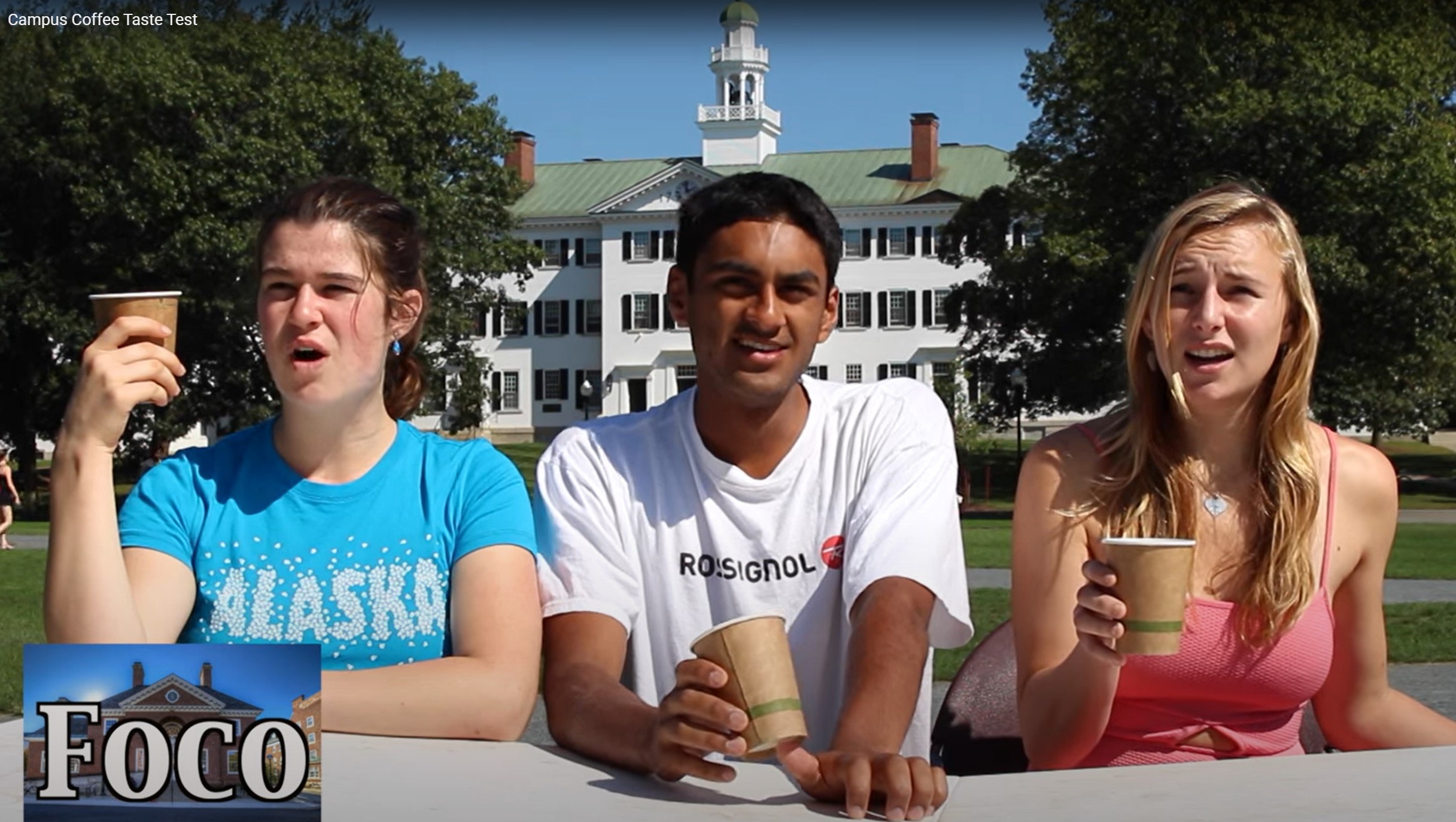
Three terms in 30 seconds. Luke Trevisan ’28 took a photo from his Wheeler dorm window every day for 250 days. pic.twitter.com/Z3hpI6bEDQ
— Dartmouth 🌲 (@dartmouth) July 24, 2025
“Amazing tradition.
They throw a great party for you
on the one day they know you can’t come.”
Michael Shellenberger (University of Texas Austin): Return of the Strong Gods
R.R. Reno: Nationalism, Populism, and the Future of the West

‘The Big Chill’ cast reunites after 30 years | NBC News
Roger Scruton: Why Are Intellectuals Mostly Left?
Amy Wax: The Perilous Quest for Equal Results in Academia
University of Oxford: Tackling Corruption in the University
Th0mas Sowell: How to spot a lying intellectual socialist
Heather MacDonald: Feminist Takeover of Academia
Jordan Peterson: Intellectual Corruption of Colleges and Universities
Douglas Murray: Has academia has turned on Christopher Columbus?
40 years ago today, “The Big Chill,” a movie about a group of U-M grads written and directed by alum Lawrence Kasdan, debuted in theaters. 🎥 pic.twitter.com/fUVDNGXSNW
— Alumni Association of the University of Michigan (@michiganalumni) September 28, 2023
George H.W. Bush 1991 University of Michigan Commencement Speech on “Political Correctness”
“Ironically, on the 200th anniversary of our Bill of Rights, we find free speech under assault throughout the United States, including on some college campuses. The notion of political correctness has ignited controversy across the land. And although the movement arises from the laudable desire to sweep away the debris of racism and sexism and hatred, it replaces old prejudice with new ones. It declares certain topics off-limits, certain expression off-limits, even certain gestures off-limits.”
Bowdoin College Statement of Financial Position: June 2023 | $3.046B
Maine Miscellany | State of Maine Building Codes| Bowdoin College Chapel (SGH Architects)
EMMA University of Maine System Revenue Bonds

The Cafe’s London Fog | Yield: 16oz
Ingredients
16oz Cup
1 Earl Grey tea bag
1oz Vanilla syrup
11oz Hot water
4oz Steamed milk
Steps
1. Fill the cup with hot water
2. Add vanilla syrup
3. Add tea bag
4. Top with steamed milk

Click Image
Peter Boghossian (VQ, Portland State University): Critical Thinking, Failing Universities, etc.
Maine is the only rural state led by Democrats | Readings: Self-Reliance
Family Weekend is coming up fast! It is an opportunity for families and friends to connect with campus and to learn about life at Bowdoin. The dates this year are October 21-23rd. Go check out the website here to get details. https://t.co/z1xx28Y2ZX pic.twitter.com/y456C8dhCJ
— Bowdoin College (@BowdoinCollege) October 15, 2022
Big thanks to Glenn Michaels for sharing these beautiful photos with us! pic.twitter.com/8L6nhf4cyT
— Bowdoin College (@BowdoinCollege) November 1, 2024
New update alert! The 2022 update to the Trademark Assignment Dataset is now available online. Find 1.29 million trademark assignments, involving 2.28 million unique trademark properties issued by the USPTO between March 1952 and January 2023: https://t.co/njrDAbSpwB pic.twitter.com/GkAXrHoQ9T
— USPTO (@uspto) July 13, 2023
Standards Michigan Group, LLC
2723 South State Street | Suite 150
Ann Arbor, MI 48104 USA
888-746-3670
 |
 |
|
 |
 |
|
 |
 |