
Category Archives: Drink
- Home
- Archive by category "Drink" (Page 4)



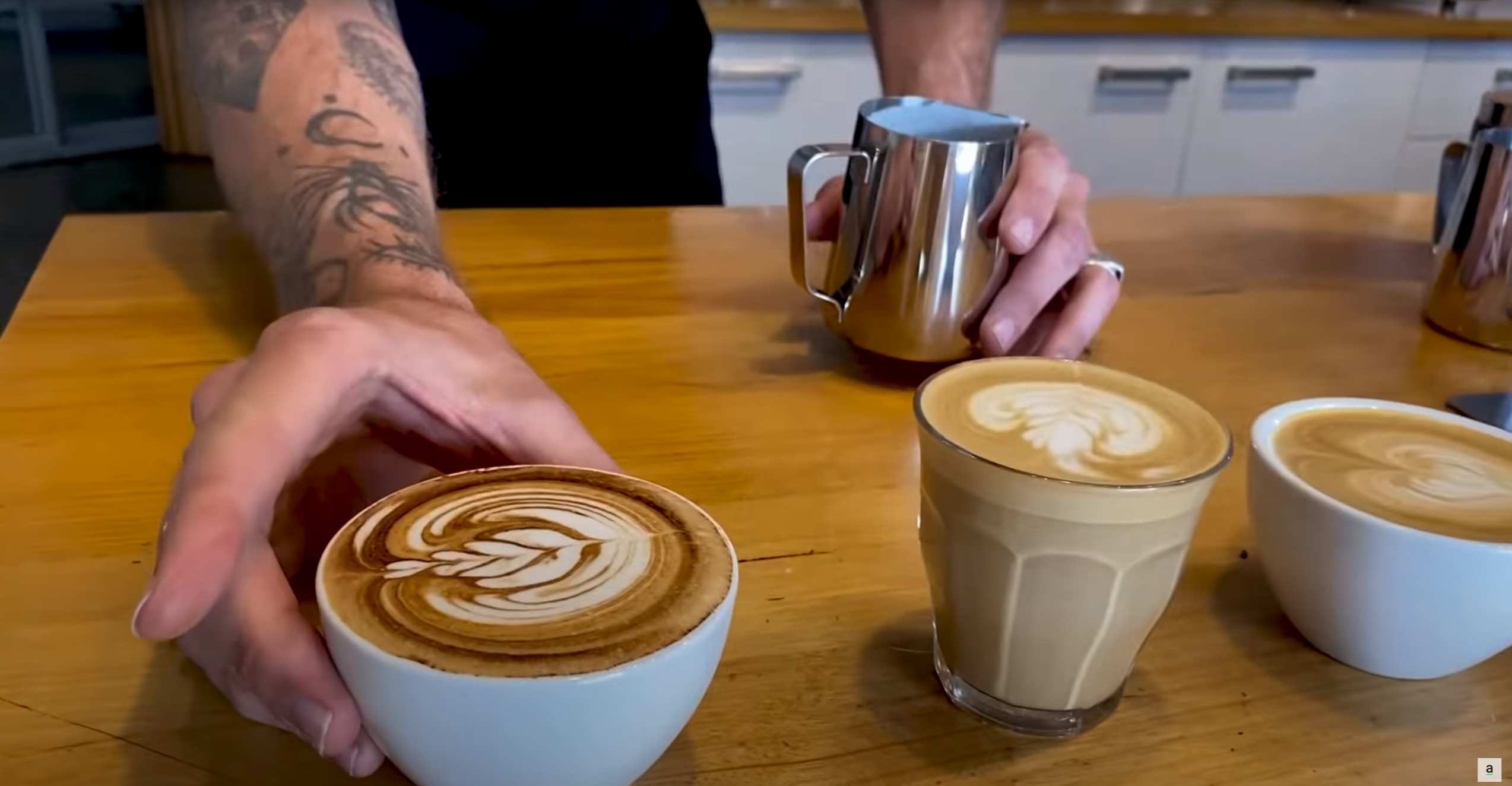
How to Make the Three Most Popular Milk Coffees
In 2023, we finalised a seismic shift from the old semester-based #educationmodel to a revolutionary approach specifically designed to meet the needs and demands of today’s students and today’s world.
Read how the Southern Cross Model changed the game: https://t.co/KVFqr23sPf
— Southern Cross University (@SCUonline) December 19, 2023

Cowardice Is Killing The West


Resolute Coffee & Bistro
Highland College Financials | $123.6 million
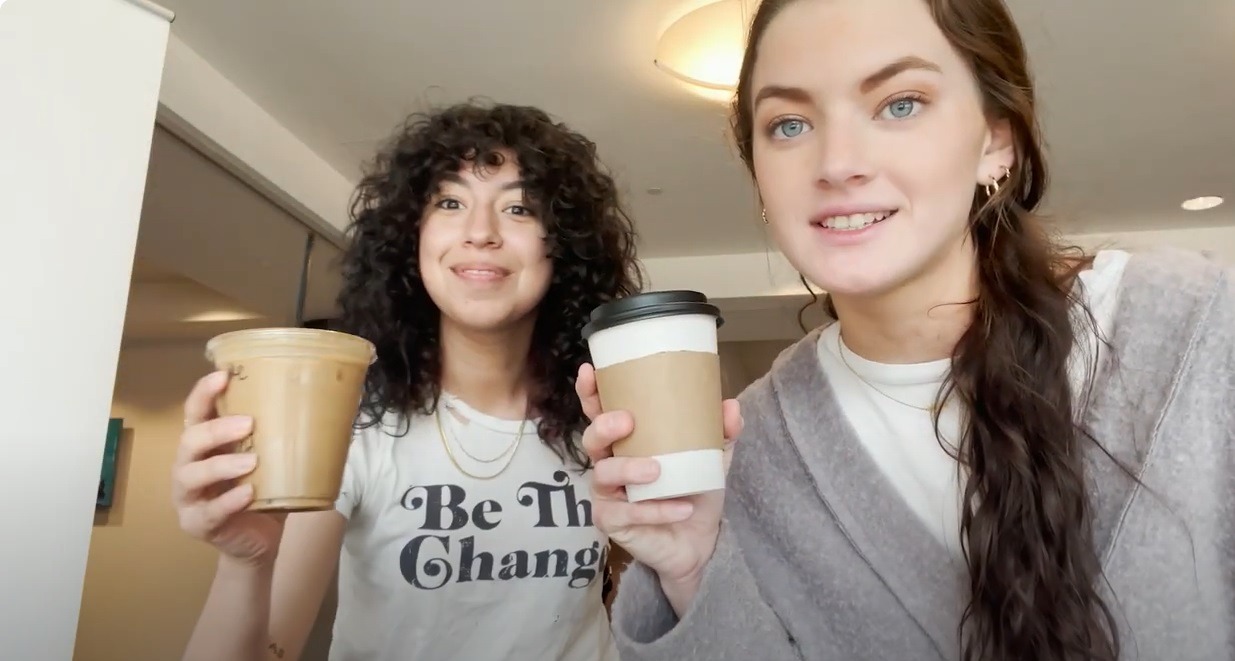
2011– The History of Highlands College
The first semester of the #HCLeadershipInstitute starts in FIVE days! We can’t wait to be in the room with our HC Family. Give your campus a shoutout below!
If you are an adult who is eager to grow in your leadership and make an eternal impact, visit https://t.co/BenaBYnxUT! 👏 pic.twitter.com/v1pgcVbp5V
— Highlands College (@HCollege) August 15, 2024

Best Coffee Spots Near Campus
|
“The coffee-house is an original British institution, but as there are daily effusions of wit and humor in several of these little periodical papers, I think we may be justly said to have our Coffee-houses among us.” (From “The Spectator,” No. 9, March 10, 1711) |
Michigan Central | Major Projects | University of Michigan Capital Plan
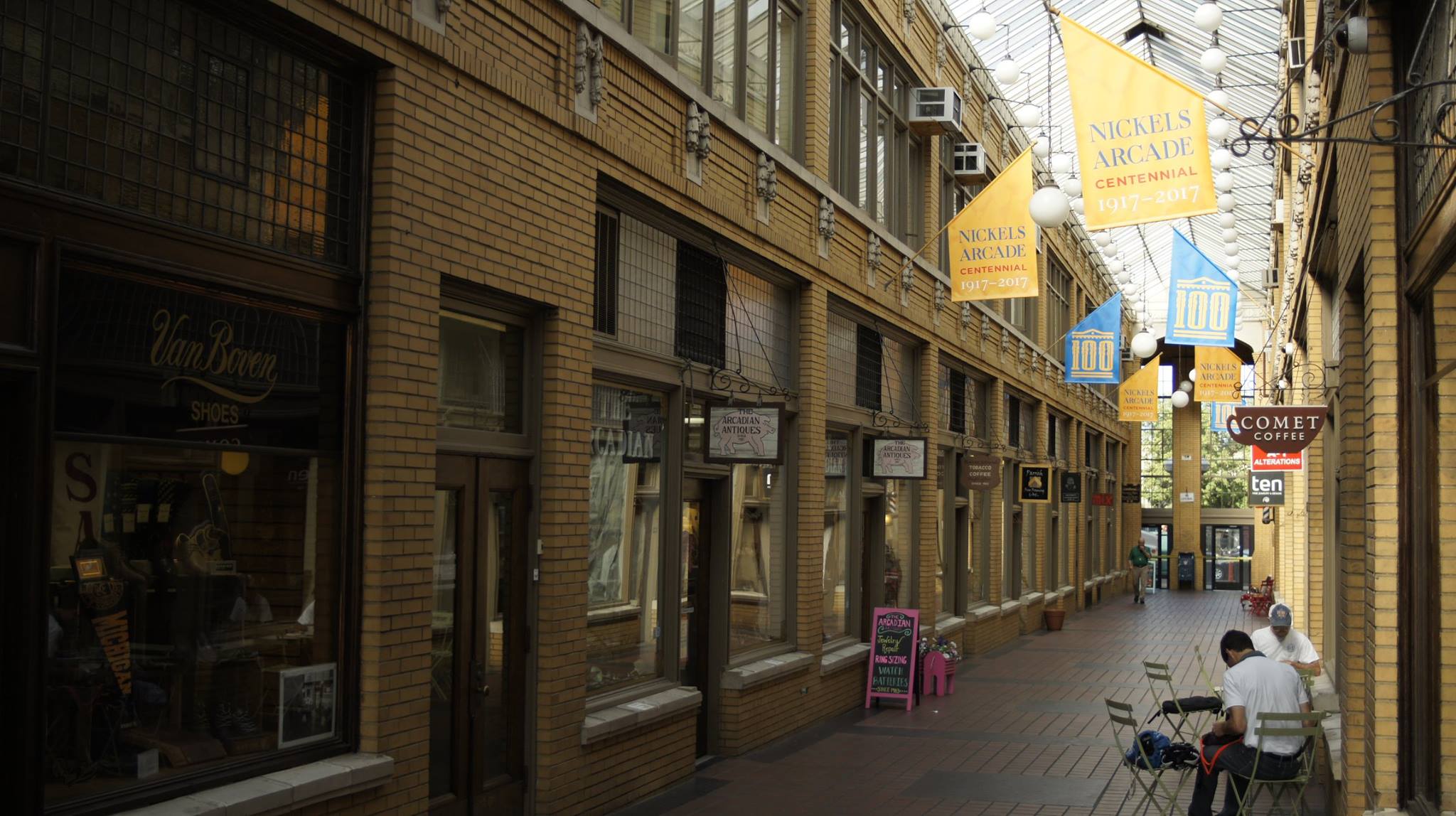
Ellie Younger: Best Coffee Spots Near Campus
Artisanal coffee departs from mass-market approaches and replaces it with emphasis on craftsmanship, quality, and attention to detail throughout the entire process—from cultivation to brewing. Key aspects:
» Artisanal coffee producers often prioritize high-quality beans. They might focus on specific varieties, regions, or even single-origin beans, showcasing unique flavors and characteristics.
» The roasting process is considered an art in itself. Artisanal coffee roasters carefully roast the beans to bring out the best flavors. They may experiment with different roasting profiles to achieve specific taste profiles.
» Unlike mass-produced coffee, artisanal coffee is often roasted in smaller batches. This allows for better quality control and the ability to pay closer attention to the nuances of each batch.
» Artisanal coffee is appreciated for its distinct flavor profile. Roasters and baristas might highlight tasting notes, aromas, and other characteristics that make each cup unique.
» Artisanal coffee shops or enthusiasts often explore various brewing methods, such as pour-over, AeroPress, or siphon brewing. These methods can be more time-consuming but are believed to extract the best flavors from the beans.
From the way the beans are ground to the water temperature during brewing, artisanal coffee enthusiasts pay attention to every detail to ensure a superior cup of coffee.
— Publisher Marketing

The Decline of Men in Colleges
The Great Good Place: Ray Oldenburg
|
“I have often pleased myself with considering the two different scenes of life which are carried on at the same time in those different places of rendezvous, and putting those of the playhouse and the coffee-house together.” (From “The Spectator,” No. 10, March 12, 1711) |

America’s Cultural Revolution: How the Radical Left Conquered Everything
|
“For decades, left-wing radicals patiently built a revolution in the shadows. Then suddenly, after the death of George Floyd, their ideas exploded into American life. Corporations denounced the United States as a “system of white supremacy.” Universities pushed racially segregated programs that forced students to address their racial and sexual “privilege.” And schools injected critical race theory in the classroom, dividing children into “oppressor” and “oppressed.” In this New York Times bestseller, Christopher F. Rufo exposes the inner history of the left-wing intellectuals and militants who slowly and methodically captured America’s institutions, with the goal of subverting them from within. With profiles of Herbert Marcuse, Angela Davis, Paulo Freire, and Derrick Bell, Rufo shows how activists have profoundly influenced American culture with an insidious mix of Marxism and racialist ideology. They’ve replaced “equality” with “equity,” subverted individual rights in favor of group identity, and convinced millions of Americans that racism is endemic in all of society. Their ultimate goal? To replace the constitution with a race-based redistribution regime, administered by “diversity and inclusion” commissars within the bureaucracy. America’s Cultural Revolution is the definitive account of the radical Left’s long march through the institutions. Through deep historical research, Rufo shows how the ideas first formulated in the pamphlets of the Weather Underground, Black Panther Party, and Black Liberation Army have been sanitized and adopted as the official ideology of America’s prestige institutions, from the Ivy League universities to the boardrooms of Wal-Mart, Disney, and Bank of America. But his book is not just an exposé. It is a meticulously-researched and passionate refutation of the arguments of CRT—and a roadmap for the counter-revolution to come.” |
“To be at home is to have a place in the world which is yours, where you are not a stranger and where you find the outlines of your identity. In the modern world, however, where the sense of home has been eroded by technology and bureaucracy, architecture can create a substitute for this sense, by defining spaces which answer to the dreams and memories of the people who live in them.”
— Roger Scruton

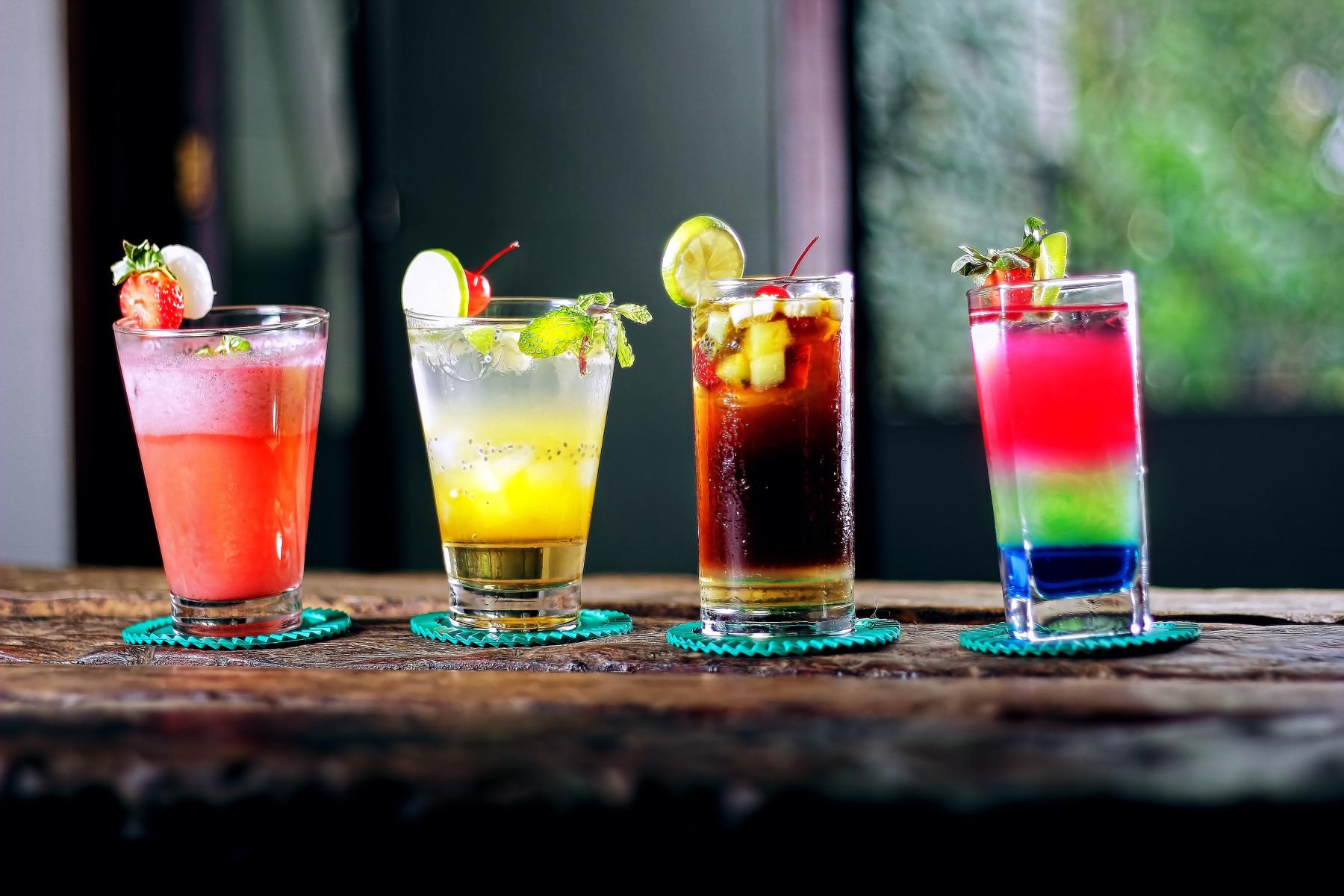
Mocktail Mixology Drinks & Recipes

KRNU 90.3 FM Lincoln Nebraska Student Radio | Click image to start livestream
Casual reminder that Wisconsin has more bars than grocery stores pic.twitter.com/dG8YYRkoKd
— Midwest vs. Everybody (@midwestern_ope) March 30, 2025


Strawberry Sipper Water
Strawberry sipper water is a flavored water beverage made by combining pureed strawberries with cold water, often enhanced with ice cubes for a refreshing taste. It’s typically prepared by blending fresh or thawed frozen strawberries into a puree, mixing it with water in a pitcher, and adding ice, sometimes with mint leaves frozen in the cubes for extra flavor.
Unlike infused water, where fruit sits in water for hours, strawberry sipper water is more akin to an agua fresca, blending fruit for immediate flavor and a vibrant pink color. It’s a hydrating, low-calorie drink popular for summer or as a soda alternative, often garnished with fresh strawberries or mint.

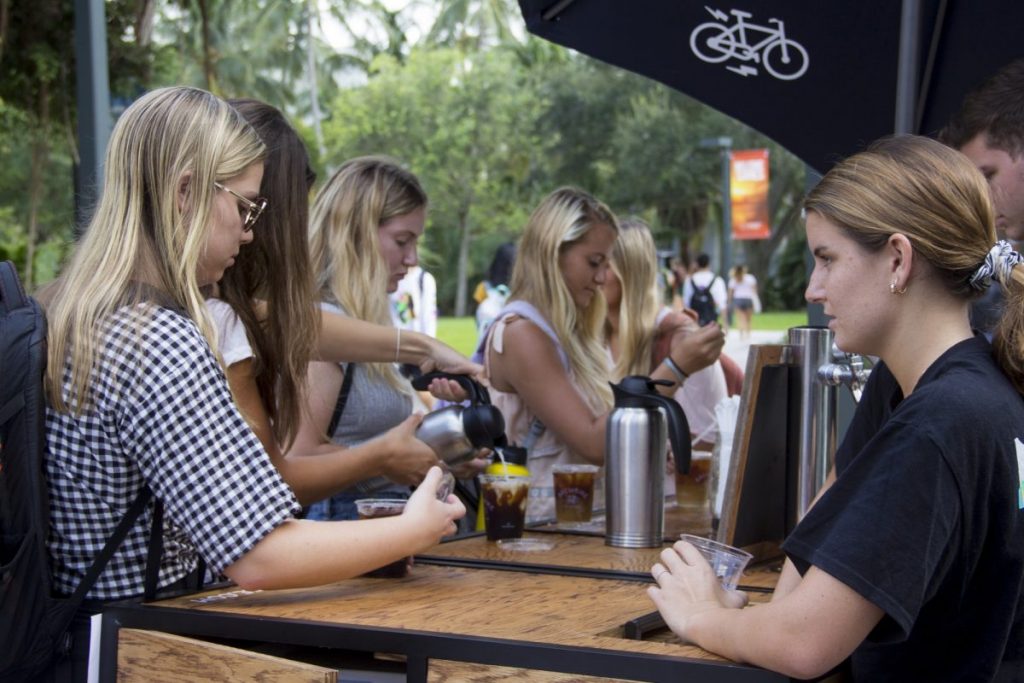
Cold Brew
University of Miami: Condensed Statement of Financial Position 2023 ($7.02B)
Florida: Municipal Securities Issuers


The Border, DEI, Trump, Islam, BLM & the Misinterpretation of Data

Good luck on finals, Canes! 🙌 pic.twitter.com/mZb2Pfynra
— University of Miami (@univmiami) April 30, 2025

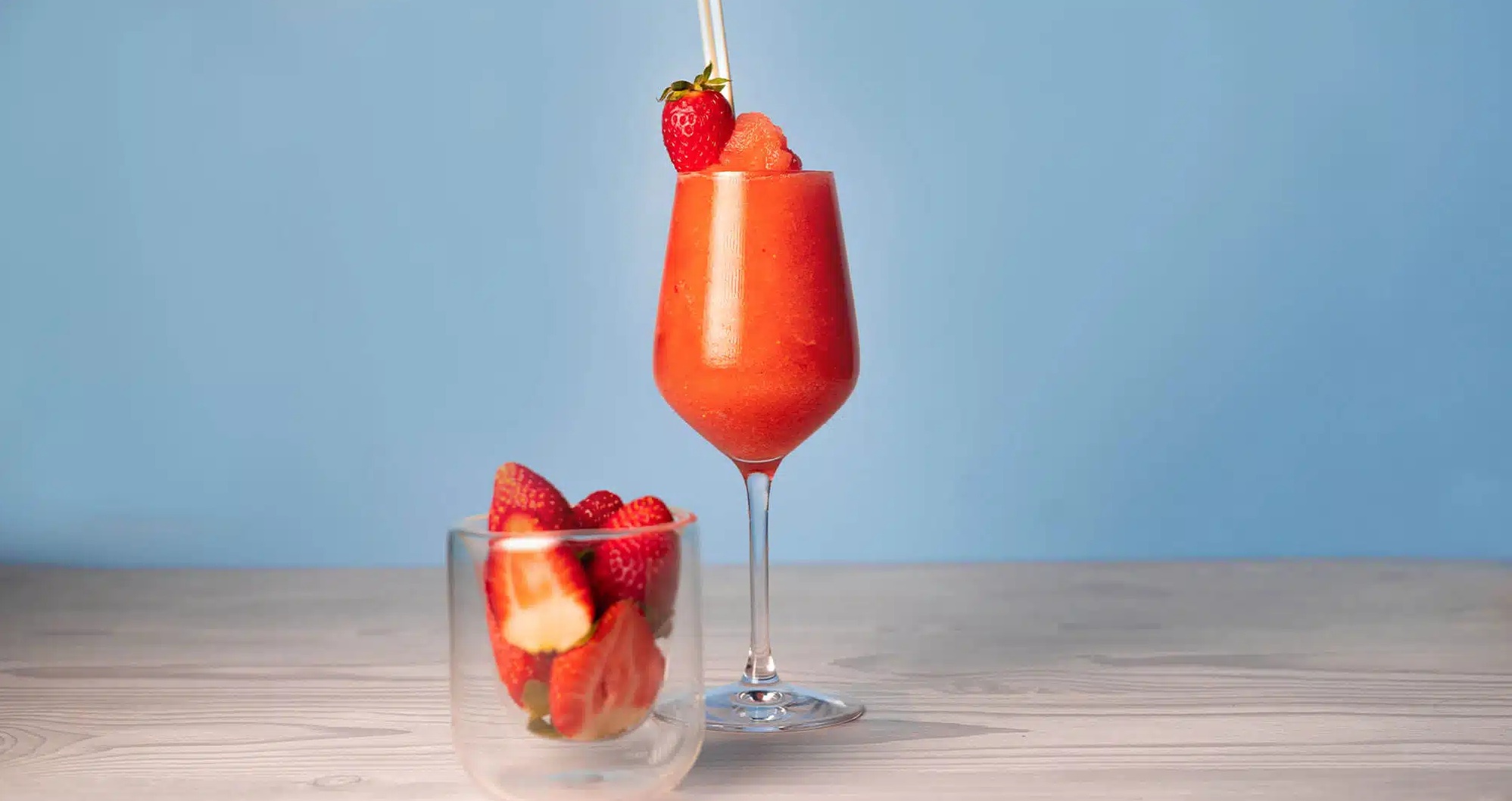
Strawberry Daiquiri Cocktail
Founded in 1999, the European Bartender School (EBS) is the world’s leading bartending school, operating over 25 schools across five continents. Its mission is to provide top-quality, globally recognized bartending and barista courses designed by industry experts.
EBS aims to train aspiring bartenders with practical and theoretical skills, offering a comprehensive International Bartender Course that equips students for global career opportunities. With over 80,000 graduates, EBS fosters a vibrant community, connecting students to jobs via EBS MatchStaff. The school emphasizes a fun, social learning experience, blending professional education with personal growth and travel
Our current students on their first night out. What a backdrop! #😍 #EBSLondon #EuropeanBartenderSchool #NightOut #TowerBridge pic.twitter.com/mriXqr6Iq2
— London EBS (@London_EBS) September 17, 2018

“FDSC 4300: The Science and Technology of Beer”
Professor Karl Siebert, who teaches FDSC 4300, The Science and Technology of Beer, demonstrates how to properly pour a beer and discusses the sensory experience of beer appreciation. In a recent study, Siebert identified the key component in a ‘perfect’ head of beer: a barley protein known as Lipid Transport Protein 1 or LPT1.
Food Science Professor Karl Siebert teaches "FDSC 4300: The Science and Technology of Beer"@Cornell @CornellCALShttps://t.co/u9mHiibrg2 pic.twitter.com/ESZlcK2klk
— Standards Michigan (@StandardsMich) April 28, 2023
does your campus have a beer garden? pic.twitter.com/H19GxQd0Eu
— Alexander Ahammer (@AhammerAlex) May 5, 2023
How Do You Measure the Percentage of Alcohol in Beer, Wine and Other Beverages?https://t.co/WitMHCUKGdhttps://t.co/VS3p32cdGd@NIST pic.twitter.com/FPKBBSari9
— Standards Michigan (@StandardsMich) November 28, 2022
New update alert! The 2022 update to the Trademark Assignment Dataset is now available online. Find 1.29 million trademark assignments, involving 2.28 million unique trademark properties issued by the USPTO between March 1952 and January 2023: https://t.co/njrDAbSpwB pic.twitter.com/GkAXrHoQ9T
— USPTO (@uspto) July 13, 2023
Standards Michigan Group, LLC
2723 South State Street | Suite 150
Ann Arbor, MI 48104 USA
888-746-3670
DIRECTIONS
 |
 |
|
 |
 |
|
 |
 |