

Category Archives: Food/Kitchen/Farm/Agriculture
- Home
- Archive by category "Food/Kitchen/Farm/Agriculture" (Page 14)

loading...

Kitchen Fire Safety Tips for Students

Emory University Facilities Management

Prepared Hero Emergency Fire Blanket
Love my mini woodstove. It packs some big heat 🔥🪵 pic.twitter.com/HDVprj1gCm
— Nicolle Love (@offgridshow) January 25, 2026



Lady Tasting Tea

Bibliography:
ASTM International Manual 26, Third Edition (2020): Sensory Testing Methods
Statistics: A Full University Course on Data Science Basics
Models and Statistical Inference: The Controversy between Fisher and Neyman–Pearson
Emily Dickinson: pic.twitter.com/yXxEWct3Da
— Dr. Maya C. Popa (@MayaCPopa) May 20, 2023

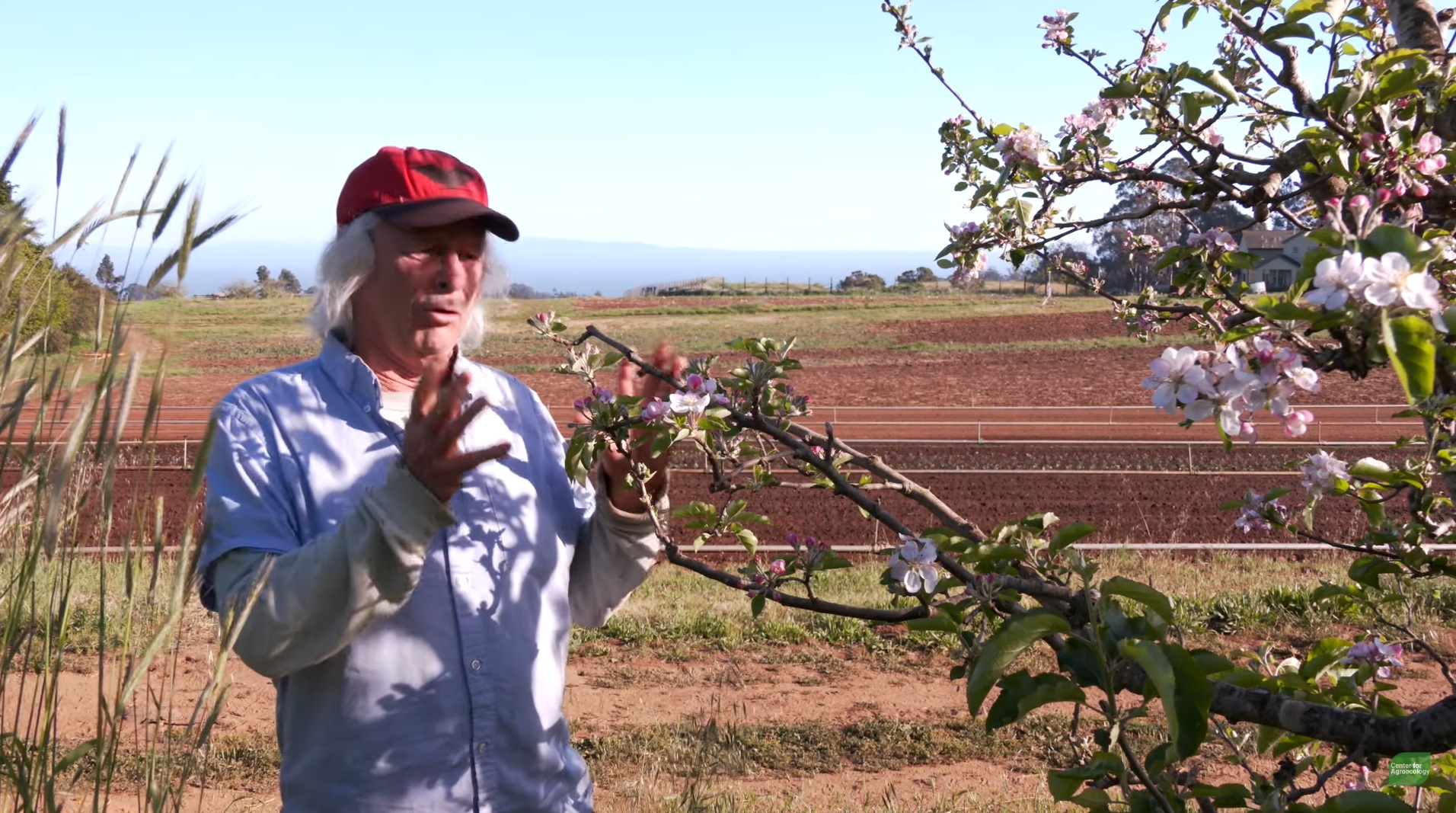
Apple Tree Anatomy
What goes on behind the scenes at #Lenswood #apples? Lots of forklifts, high-tech scanners to detect internal bruising, & the biggest apple pool I’ve ever seen! 🌊🍎
Thanks to the Lenswood team for chatting #IPM & involving us in the vital apple QA process – yum!@AgrifoodUoA pic.twitter.com/Pfrl1PBAoM
— Olivia Veronese (@OliviaVeronese) April 13, 2023

Seeds of Prosperity
שנה טובה
Pomegranates hold special significance in Jewish New Year celebrations, also known as Rosh Hashanah. The association between pomegranates and Rosh Hashanah comes from the tradition of incorporating symbolic foods into the holiday meal, each of which carries a special meaning. Pomegranates are one of these symbolic foods, and they are typically used in various ways to represent different aspects of the holiday:
Seeds of Prosperity: Pomegranates are often seen as a symbol of abundance, fertility, and prosperity. The many seeds inside the fruit are thought to represent the abundance of good deeds and mitzvot (commandments) that one hopes to perform in the coming year. Eating pomegranates on Rosh Hashanah is seen as an expression of the wish for a fruitful and prosperous year ahead.
Sweetness and Renewal: On Rosh Hashanah, it is customary to eat sweet foods to symbolize the desire for a sweet and pleasant year. Pomegranate seeds are sweet and juicy, making them a natural choice for this purpose. Some people dip pomegranate seeds in honey, further emphasizing the desire for sweetness and a sweet New Year.
Symbolic Blessings: Pomegranates are often included on the holiday table as a decorative element. Their vibrant red color is associated with the renewal of life and the hope for a good year. Pomegranate-shaped decorations or even pomegranate-themed dishes and tableware are commonly used during Rosh Hashanah celebrations.
Traditional Blessings: In some Jewish communities, it is customary to recite a special blessing when eating pomegranates on Rosh Hashanah. The blessing expresses the hope for a year filled with good deeds and blessings, just as the pomegranate is filled with seeds.


Strawberries
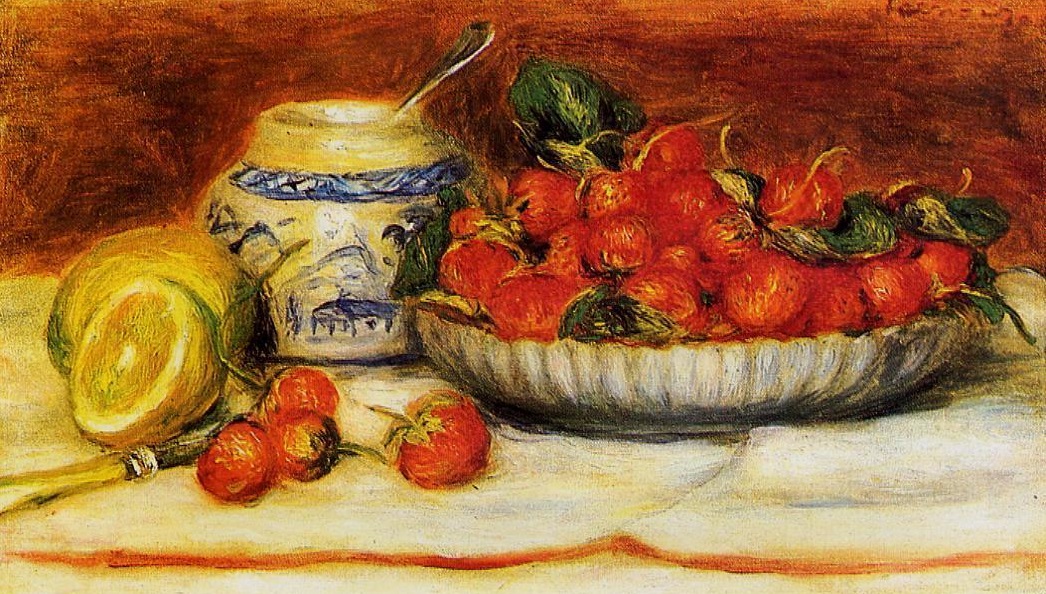
The University strawberry breeding program began in 1948 under the direction of plant pathologist Albert Brooks at a Florida Agricultural Experiment Station (FAES) Center near Plant City.
The first cultivar, ‘Florida Ninety,’ was released in 1952 and became the dominant variety grown in Florida. At the time, it was known for its high yields and moderately-high degree of resistance to crown rot. Subsequent breeding efforts were sporadic until 1968 when Charlie Howard began a systematic process for crossing and selection at the Gulf Coast Research and Education Center that continues to this day.
‘FloridaBelle’ was released in 1975, followed by ‘Dover’ in 1979. Both varieties showed improved yield and resistance to crown rot, but they suffered from fruit-quality problems. ‘Sweet Charlie,’ released in 1992, produced higher yields from December through February than any other available variety, and it was the only Central Florida variety that was resistant to anthracnose fruit rot.
University of Florida Plant Breeding

Increasing energy efficiency in bakery ovens

Increasing energy efficiency of the gases production process in bakery ovens
Chelmenciuc Corina | Thermal Power Engineering and Energetics Management Department
Technical University of Moldova
Abstract. The current work presents the solution of increasing energy efficiency of the processes of obtaining gases, used as heat carrier for baking processes in tunnel type ovens, by integration of cogeneration. A comparative energetic analysis was carried out between the processes of obtaining gases in bakery ovens and those with integrated cogeneration. The evaluation of energy efficiency, of the proposed technical solution, is based on drawing up the energy balance of processes, the one with gases production in the combustion chamber of classic bakery oven and that of the internal combustion engine. The evaluation of energy efficiency of the classical gas production process in the tunnel type oven is based on experimental data whereas the efficiency of method proposed in this work is based on theoretical data. The energetic analysis was performed in order to demonstrate that the integration of a cogeneration installation in bakery ovens contribute to reducing losses in the processes of obtaining gases, thus increasing the energy efficiency.
CLICK HERE to order complete paper

Baking & Pastry Arts
This content is accessible to paid subscribers. To view it please enter your password below or send mike@standardsmichigan.com a request for subscription details.
New update alert! The 2022 update to the Trademark Assignment Dataset is now available online. Find 1.29 million trademark assignments, involving 2.28 million unique trademark properties issued by the USPTO between March 1952 and January 2023: https://t.co/njrDAbSpwB pic.twitter.com/GkAXrHoQ9T
— USPTO (@uspto) July 13, 2023
Welcome
Standards Michigan Group, LLC
455 East Eisenhower Parkway, Suite 300
Ann Arbor, MI 48108 USA
888-748-3670
DIRECTIONS
 |
 |
|
 |
 |
|
 |
 |
Layout mode
Predefined Skins
Custom Colors
Choose your skin color
Patterns Background
Images Background
error: Content is protected !!
Skip to content