IEC 2025 General Meeting: 15-19 September 2025, New Delhi India
List of IEC Technical Committees | ANSI United States National Committee to the IEC (USNC)




IEEE Education & Healthcare Facilities Committee
NEC Section 226.6 Conductor Size and Support (B) Festoon Lighting
EC&M Article 225: Outside Branch Circuits
Electrical Time: Definition of Festoon Lighting
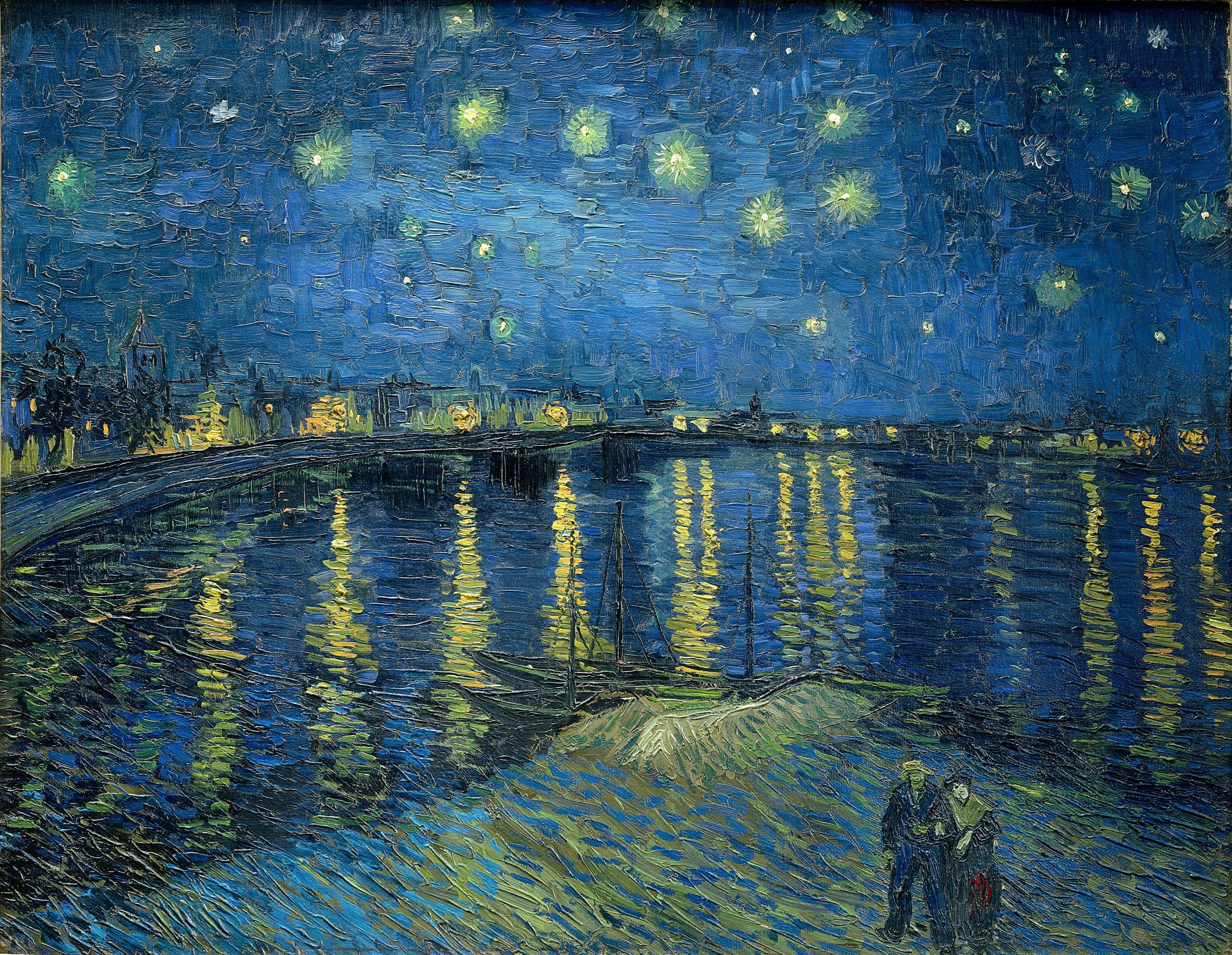
“Starry Night Over the Rhône” 1888 Vincent van Gogh
Today we refresh our understanding of the moment in illumination technologies for outdoor lighting systems— related but different from our exploration of building interior illumination systems in Illumination 200. Later in 2024 we will roll out Illumination 400 (Holiday illumination) and Illumination 500 which explores litigation related to public illumination technology. As cities-within-cities the shared perimeter of a campus with the host municipality has proven rich in legal controversy and action.
Illumination technology was the original inspiration for the electric utility industry; providing night-time security and transforming every sector of every economy on earth. Lighting load remains the largest component of any building’s electric load — about 35 percent– making it a large target for energy regulations.
Our inquiry begins with selections from the following documents…
International Electrotechnical Commission TC 34 Lighting
IEC 60364 Electrical Installations in Buildings
2023 National Electrical Safety Code
2023 National Electrical Code: Article 410 (While the bulk of the NEC concerns indoor wiring fire hazards, there are passages that inform outdoor lighting wiring safety)
2019 ASHRAE 90.1: Chapter 9 Lighting
Illumination Engineering Society: Various titles
Salt Water River Project: Outdoor Lighting Standards
US DOE-EERE Building Energy Codes Program
…and about 20 other accredited, consortia or ad hoc standards developers and publishers aligned principally with vertical incumbents. Illumination was the original inspiration (i.e. the first “killer app”) for the electrical power industry in every nation. Its best practice literature reflects a fast-moving, shape-changing domain.
Click in today with the login credentials at the upper right of our home page.
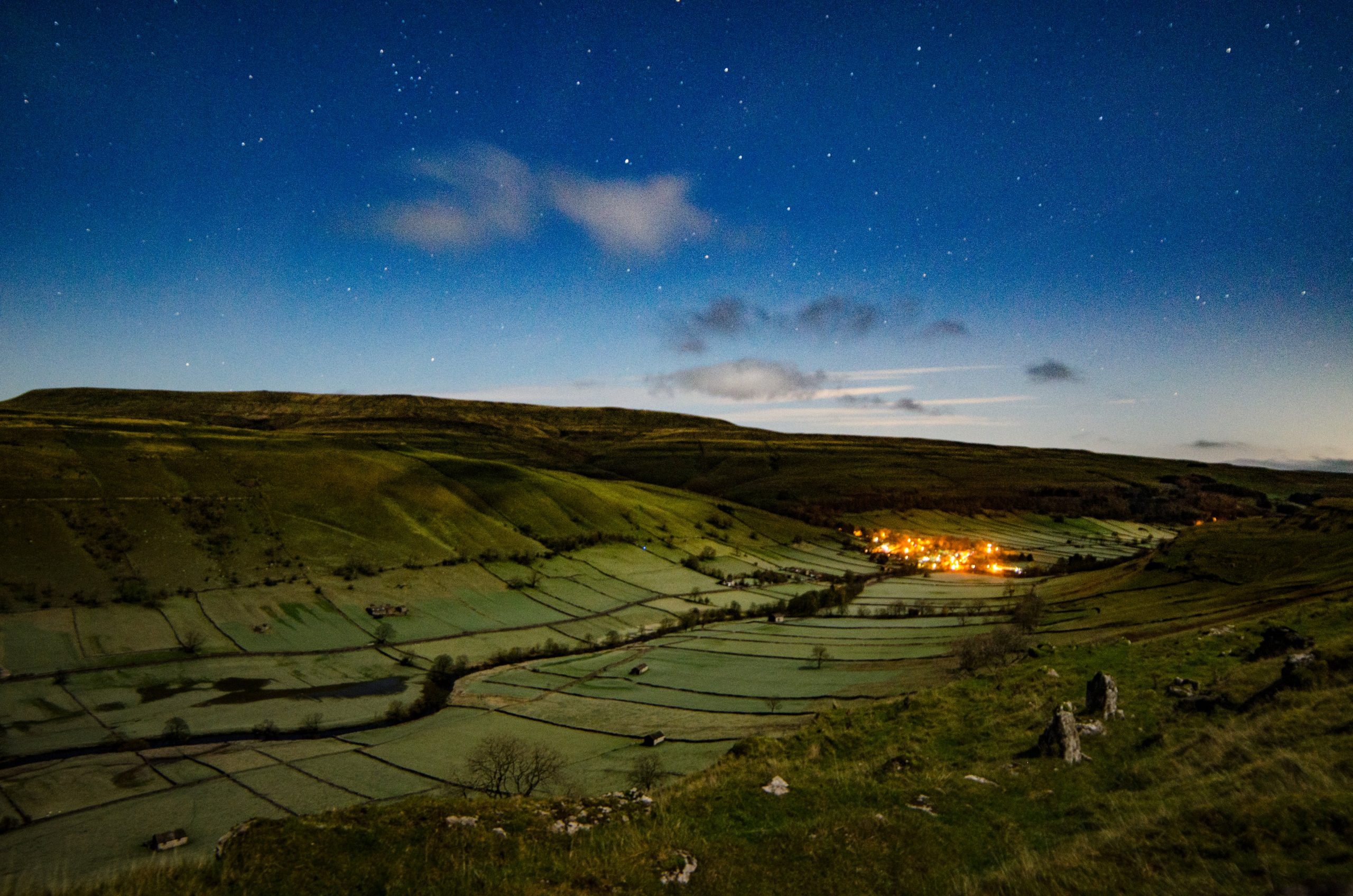
Upper Wharfedale Primary Federation School District Yorkshire Dales
McGill University: Before electricity, streets were filled with gas lights
Outdoor lighting systems can be owned and maintained by different entities depending on the context and location. Here are some examples of ownership regimes for outdoor lighting systems:
The ownership regime of an outdoor lighting system can have implications for issues such as installation, maintenance, and cost-sharing. It is important to consider ownership when designing and implementing outdoor lighting systems to ensure their long-term effectiveness and sustainability.
More
International Commission on Illumination
National Electrical Manufacturers Association
National Electrical Contractors Association
Representative Specifications
Sam Houston State University | Division 26500 Interior and Exterior Lighting
University of Delaware | Division 265100 Interior Lighting
Cal Poly University San Luis Obispo | Division 265100 Interior Lighting
Relevant Research
Enhancing the Sustainability of Outdoor Floodlighting for Cultural Heritage Buildings
Christian Wiman ✨ pic.twitter.com/r95fWwZZmP
— Dr. Maya C. Popa (@MayaCPopa) May 28, 2023
“Starry Night Over the Rhône” 1888 Vincent van Gogh
I often think that the night is more alive
and more richly colored than the day.
– Vincent van Gogh
The International Commission on Illumination — is devoted to worldwide cooperation and the exchange of information on all matters relating to the science and art of light and lighting, colour and vision, photobiology and image technology. The landing page for its standards setting enterprise is linked below:
With strong technical, scientific and cultural foundations, the CIE is an independent, non-profit organization that serves member countries on a voluntary basis. Since its inception in 1913, the CIE has become a professional organization and has been accepted as representing the best authority on the subject and as such is recognized by ISO as an international standardization body.
Illumination technologies influence designs in architectural design, public safety and energy economics in all education communities. We find CIE titles referenced in ISO and IEC standards. Because ISO and IEC standards are incorporated by referenced in the best practice literature published by standards setting organizations in every nation with a private standards setting body (such as ANSI, BSI, DIN, etc.) the CIE titles are worthy of our attention.
We only have resources to track a few of them:
ISO/CIE 20086:2019(E) Light and Lighting — Energy Performance of Lighting in Buildings
ISO 30061:2007(E)/CIE S 020/E:2007 Emergency Lighting
CIE S 015/E:2005 Lighting of outdoor work places
ISO 8995-1:2002(E)/CIE S 008/E:2001 Lighting of Work Places – Part 1: Indoor
There are others that we may track in the fullness of time. Getting illumination technology right is subtle art. The energy to drive normal, steady-state illumination usually consumes 25 to 40 percent of building energy but application of the art — which includes control — can reduce that.
We maintain CIE titles on our periodic Energy, Global, Interiors and Illumination colloquia. See our CALENDAR for the next online meeting; open to everyone.
Yorkshire Dales
The “Dark Ages” produced the most divine vessels of light ever built.
Sainte-Chapelle:pic.twitter.com/B2lPLtWEVx
— Culture Critic (@Culture_Crit) February 12, 2024
LEARN MORE:
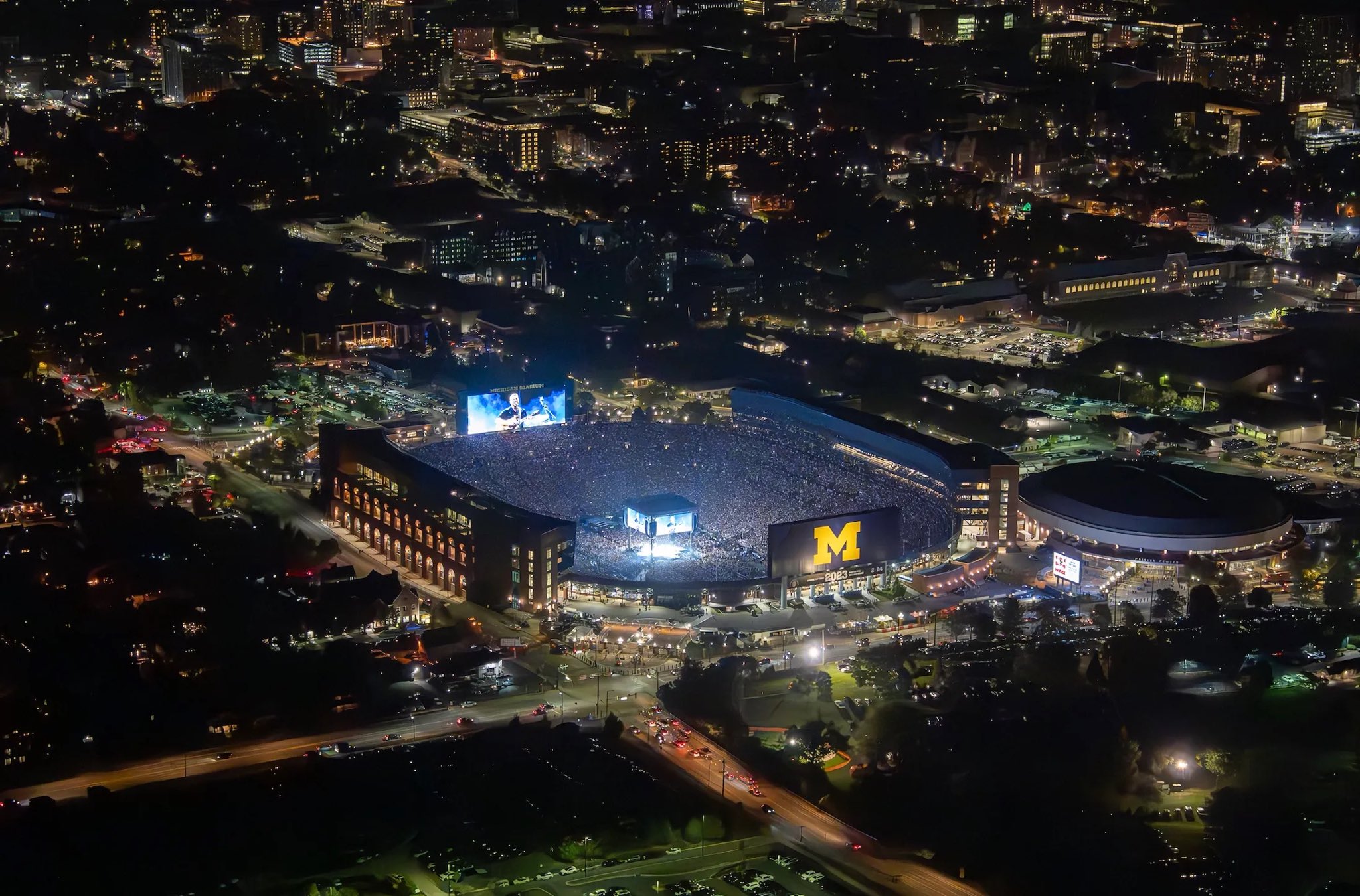
Best wiring safety practice for the illumination of educational settlement occupancies is scattered throughout the National Electrical Code with primary consideration for wiring fire safety:
We have done a fair amount of work on this topic over the years, including writing the chapter on campus outdoor lighting for the soon-to-be-released IEEE 3001.9 Recommended Practice for the Design of Power Systems Supplying Lighting Systems in Commercial and Industrial Facilities.
For our meeting please refer to the workspace we have set up for the 2026 Revision of the NEC:
We will pick through specifics in the transcripts of Code Making Panels 10 and 18.
International Building Code: Chapter 12 Section 1204 Lighting
The renovated Schwarzman Center at Yale now features dynamic new communal areas, a refreshed historic dining hall and eye-catching exterior lighting, enhancing the campus experience.
Details: https://t.co/XWw1UQR2eB | 📍New Haven, CT, US #ArchitizerAwards pic.twitter.com/mxGxdYw2NY
— Architizer (@Architizer) November 17, 2023
remember? pic.twitter.com/CnmHxXIYB6
— American Nostalgia (@AmericanNstlg) October 6, 2025
Originally posted October 16, 2016

University of Michigan Law School
With thanks to Richard Robben, President of True North Facility Management, the pledges to fund the NFPA Fire Protection Foundation Project: Evaluation of Electrical Feeder and Branch Circuit Loading accumulated to the requisite $24,000 to begin Phase I of two phases of a project originally begun by the University of Michigan to bring the National Electrical Code (NFPA 70) in line with federal energy conservation regulations that incorporate by reference the International Energy Conservation Code.
NFPA 70 is one of the most widely used standards for electrotechnology in the world. The University of Michigan began assertive advocacy on behalf of the US education industry in the NFPA suite in 1996 and that advocacy has expanded globally under two different private organizations: See About
Phase I is now completed. The Phase I Final Report (with public comments) is available in the links below:
REPORT – Branch Circuit Loading Phase1 FINAL
SUMM – Panel Comments – Branch Circuit Loading FINAL2

In October, the project Principal Researcher, Tammy Gammon, provided an update to the NFPA Research Foundation. Her slides are available in the link below:
We wish to thank our colleagues at Notre Dame who helped “get the ball rolling”, our colleagues in the Big Ten & Friends consortia, and forward-thinking manufacturers for their pledges:
Eaton Corporation
MIAPPA | Michigan Association of Physical Plant Administrators
Michigan State University
Ohio State University
University of Iowa
University of Minnesota
University of Nebraska
University of Texas Austin
Issue [13-33]
Contact: Mike Anthony, Jim Harvey, Richard Robben (True North, LLC); Tom Harman (University of Houston Clearwater), Kane Howard (Michigan State University), Paul Kempf (Notre Dame)
Colleagues: Robert G. Arno (Harris Corp), Joe Weber (Emerson), Casey Grant (NFPA), Larry Ayers (Independent Electrical Contractors Association)
Category: Electrical, Energy Conservation
Artificial lighting was first introduced to theater dramatic performance stages in the 17th century. The use of candles and oil lamps initially provided a means to illuminate the stage, allowing performances to take place in the evening and enhancing the visibility for both actors and the audience. Before this development, theatrical performances were typically held during daylight hours due to the reliance on natural light.
In the early 17th century, theaters in England began experimenting with various lighting techniques. Thomas Killigrew’s Theatre Royal, Drury Lane, in London, is often credited as one of the first theaters to use artificial lighting. The use of candles and later oil lamps evolved over time, leading to more sophisticated lighting setups as technology advanced.
The 18th and 19th centuries saw further innovations in stage lighting, including the use of gas lamps. Eventually, the introduction of electric lighting in the late 19th and early 20th centuries revolutionized stage lighting, providing theaters with a more reliable and controllable source of illumination. This allowed for greater creativity in the design and execution of lighting effects, contributing significantly to the overall theatrical experience.
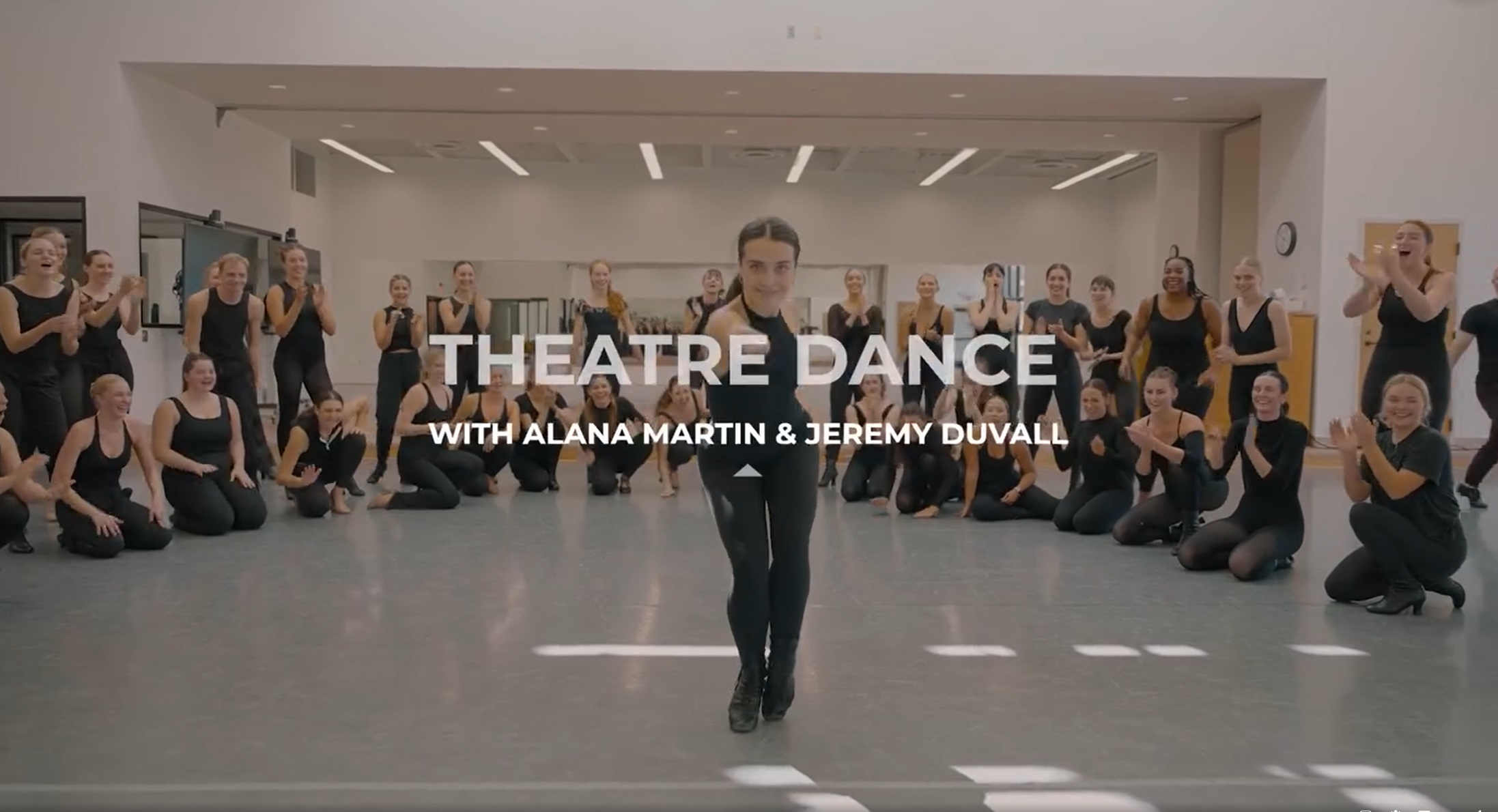
Oklahoma City University

More
Stage Lighting 101 — Everything You Need to Know
Boston University: Theater, Lighting Design
Wayne State University: Lighting Design
“In swimming, there are no referees, no foul lines,
no time-outs, and no substitutions.
It’s just you and the water.” – Unknown
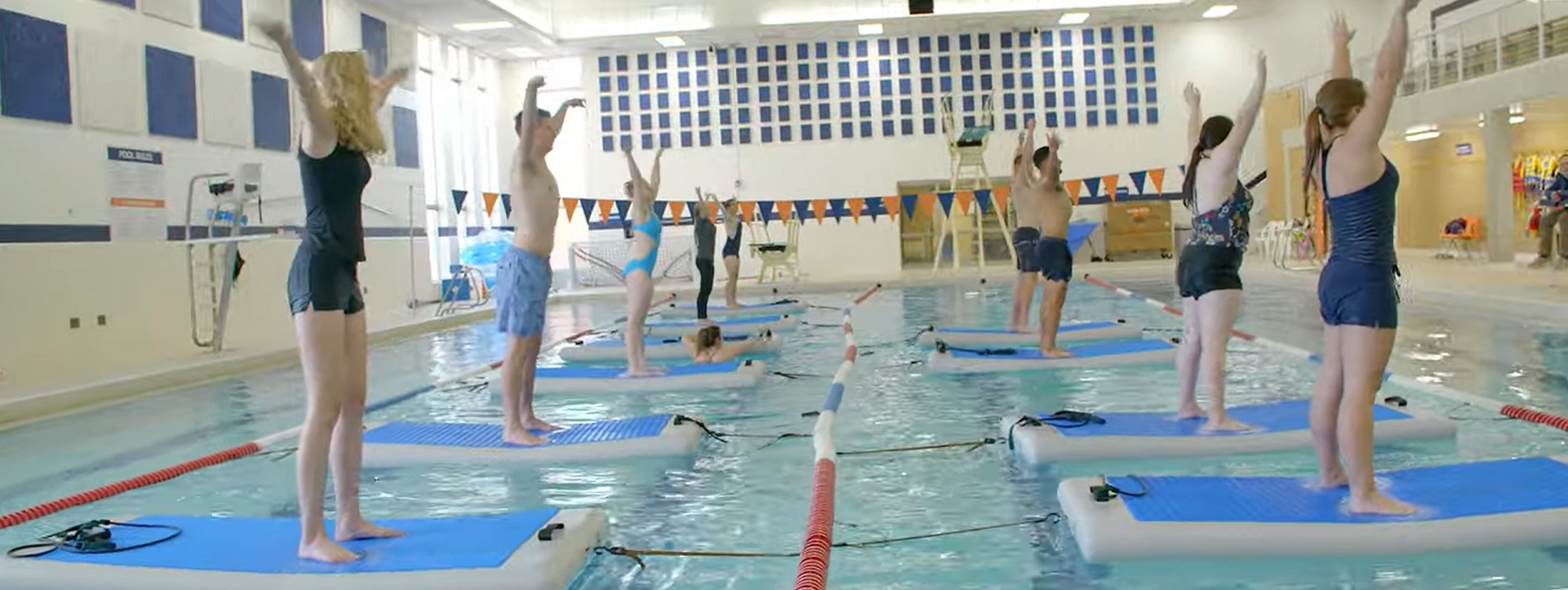
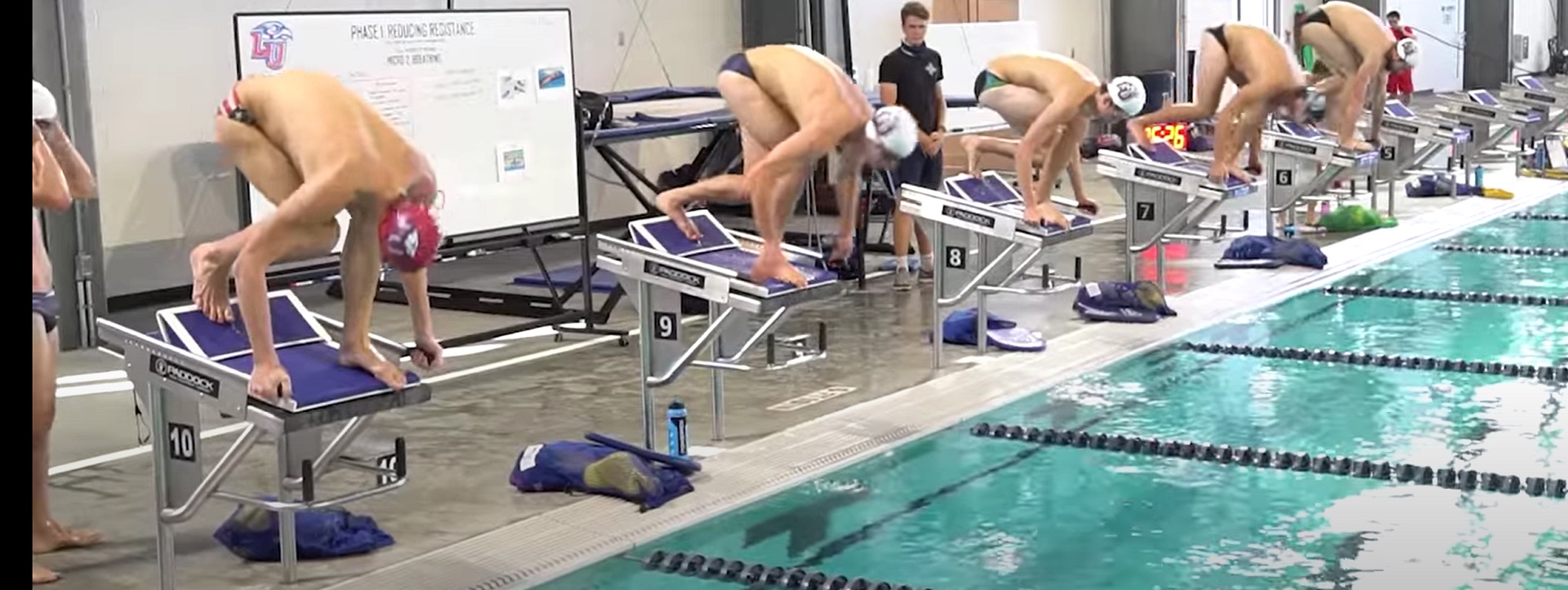
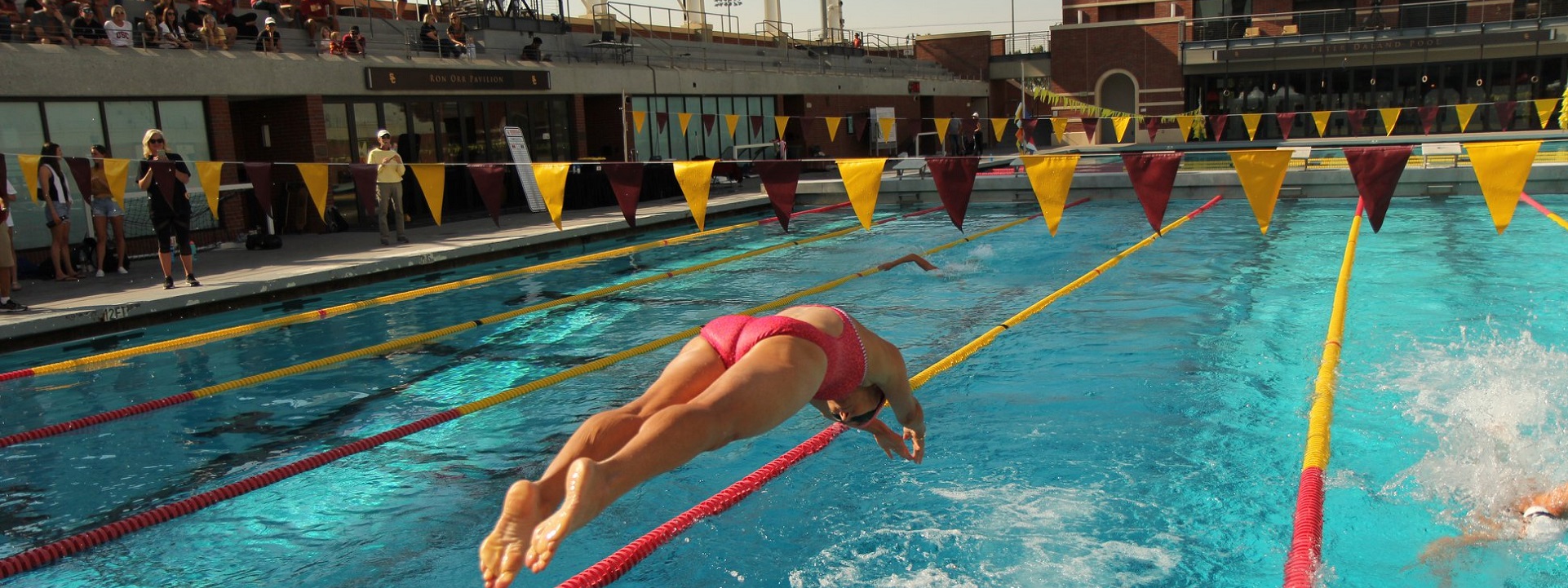
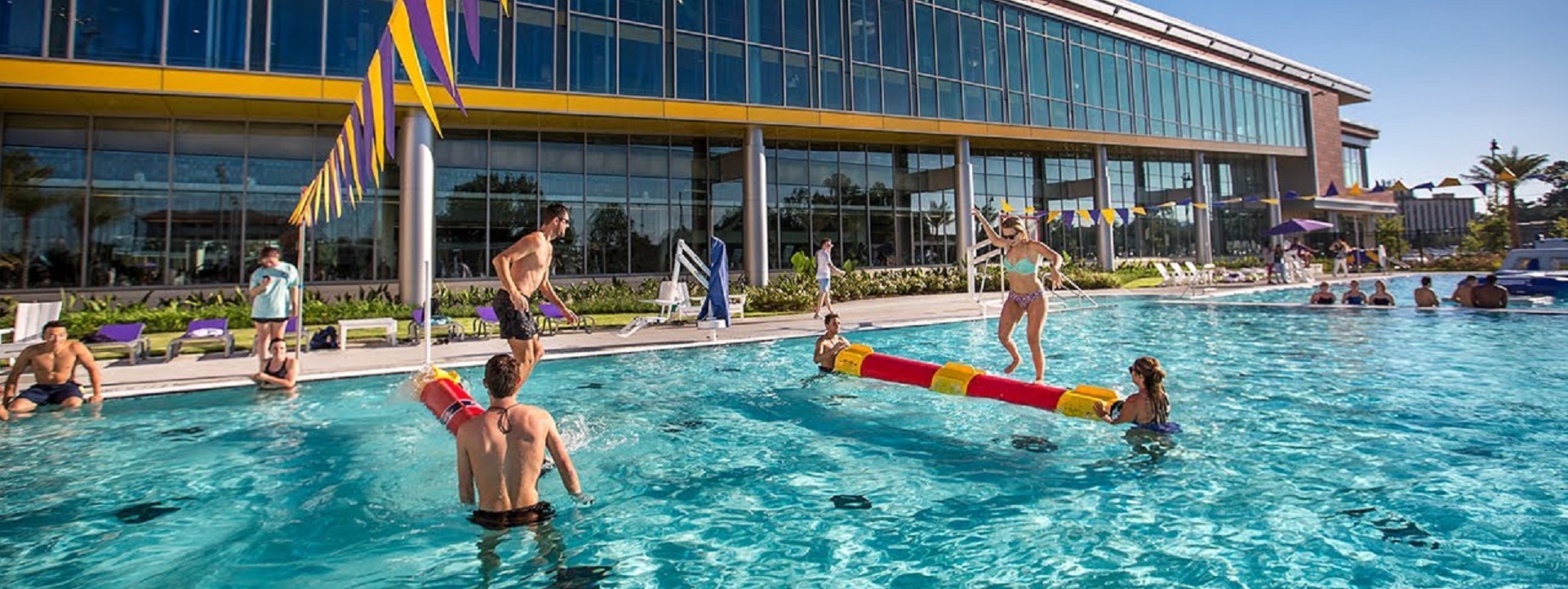
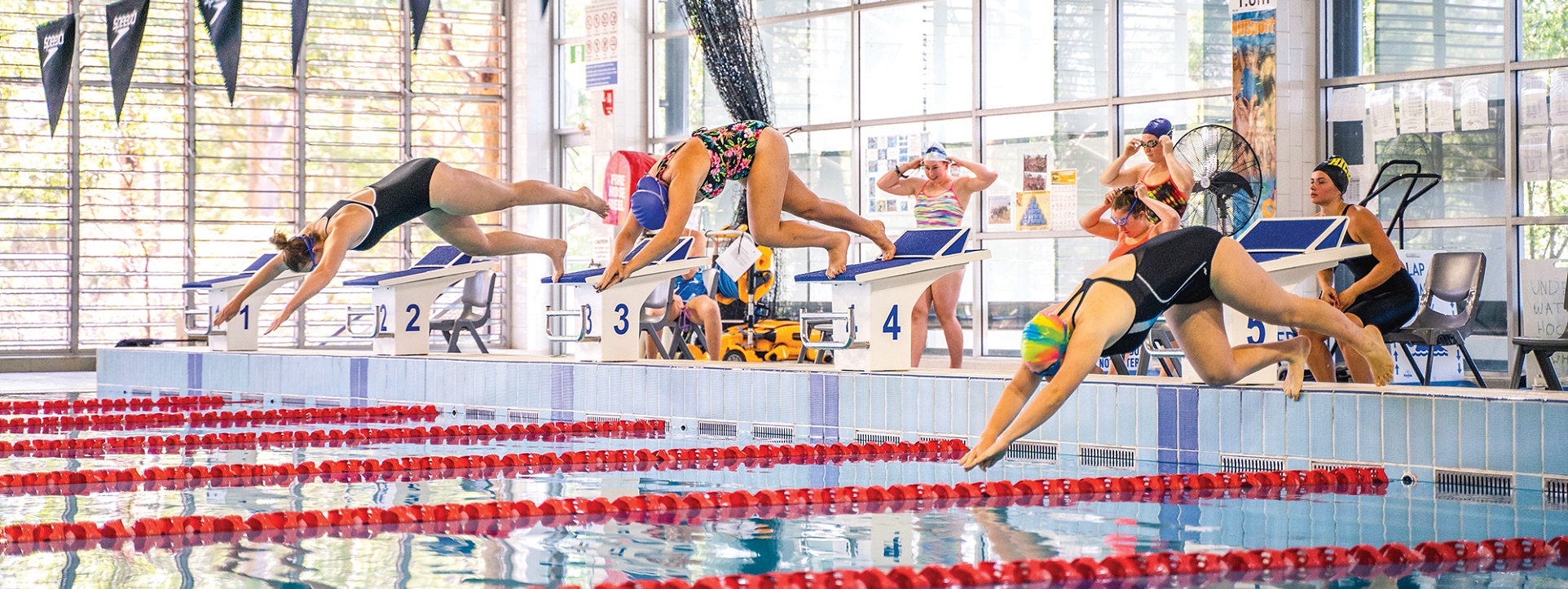
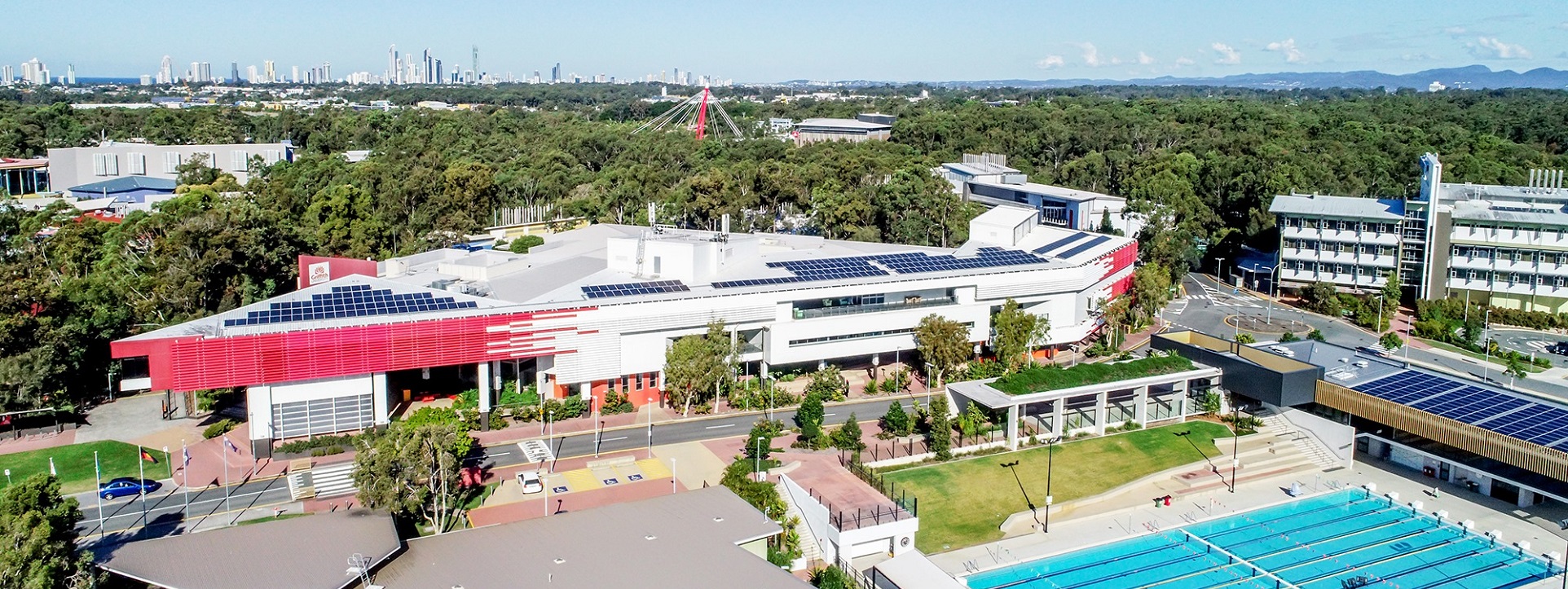
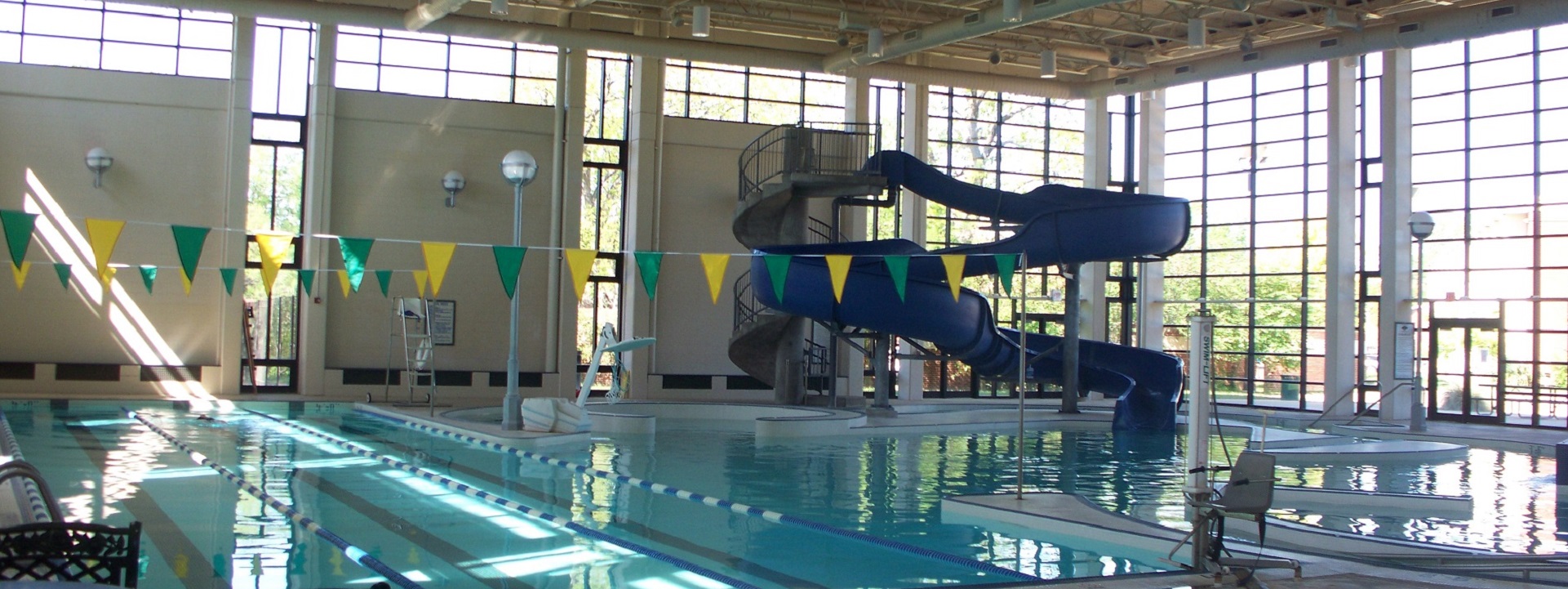
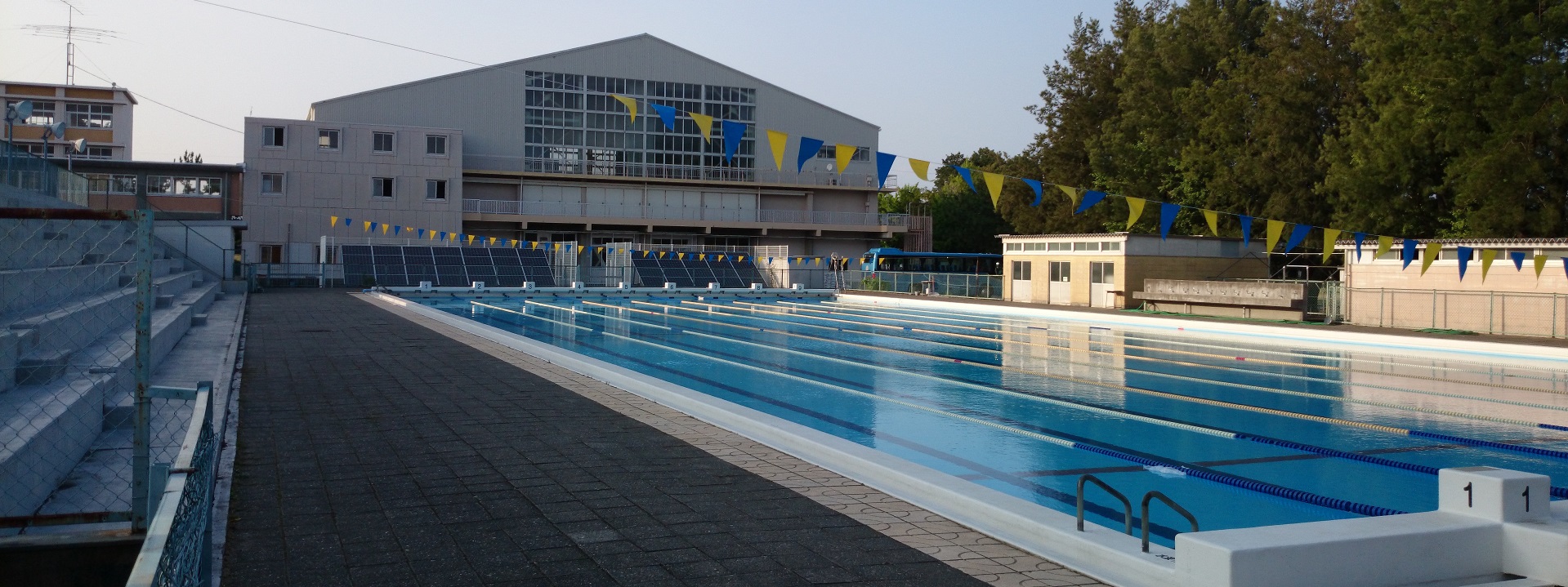
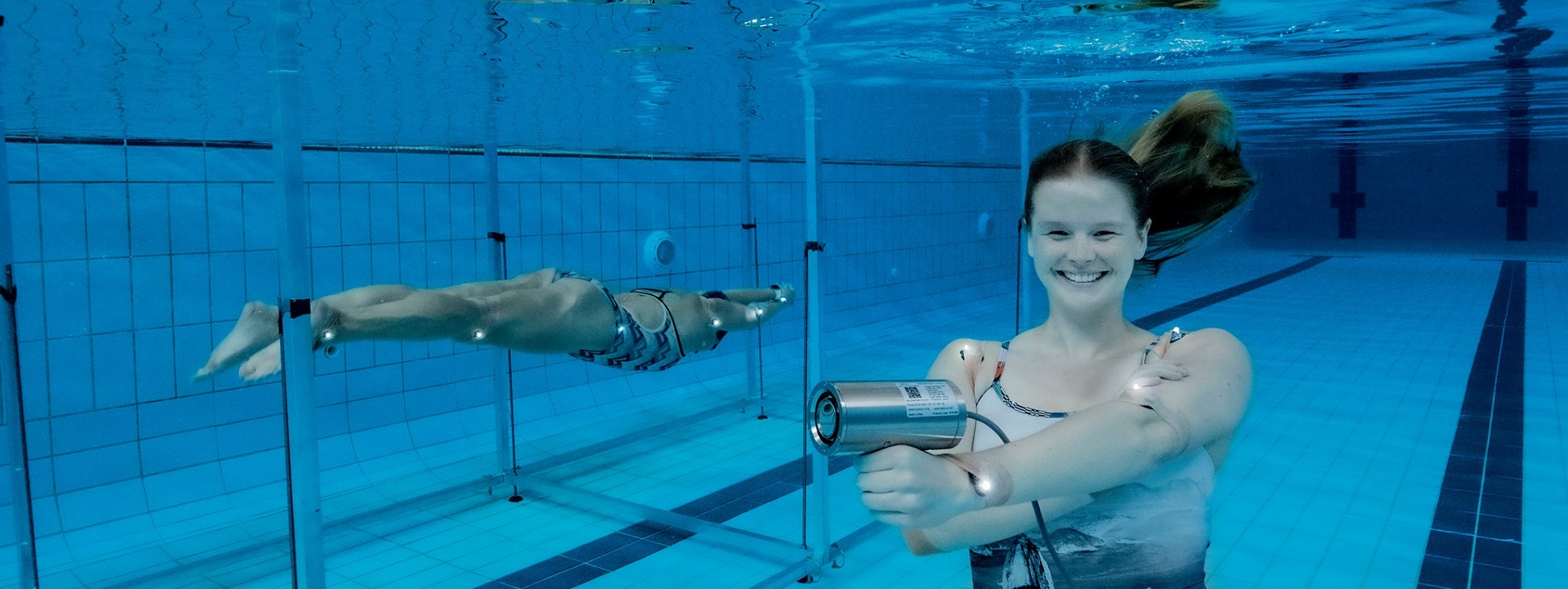
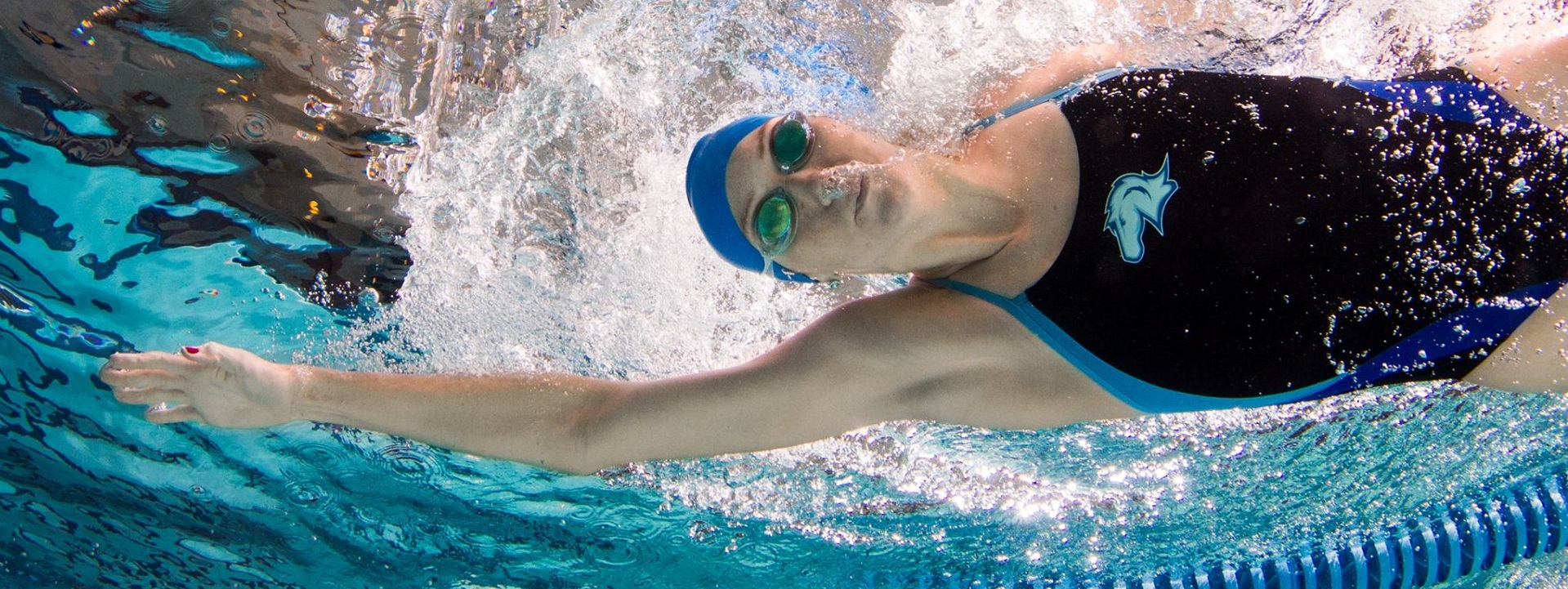
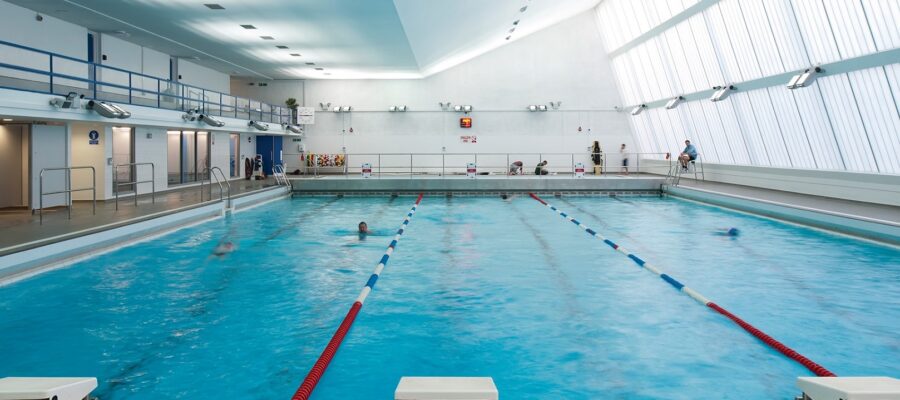
There are several specific problems that swimming pool overhead lighting aims to solve:
Overall, swimming pool overhead lighting is an important component of a safe, functional, and visually appealing pool. It provides illumination for visibility, enhances aesthetics, and improves functionality, while also being energy-efficient and durable.
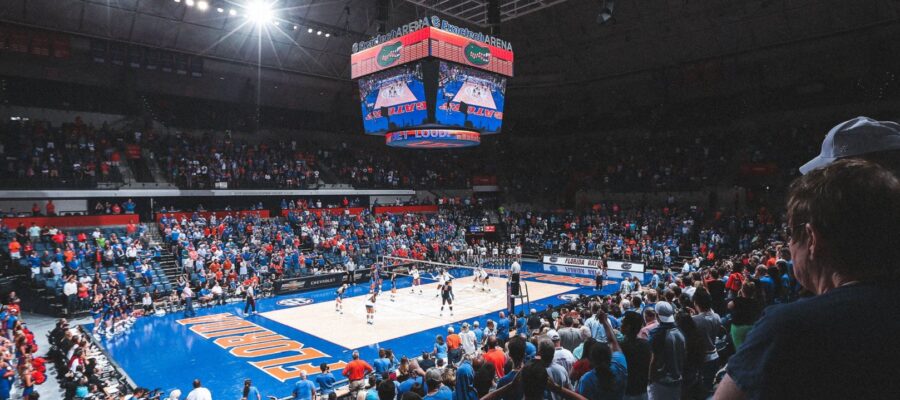
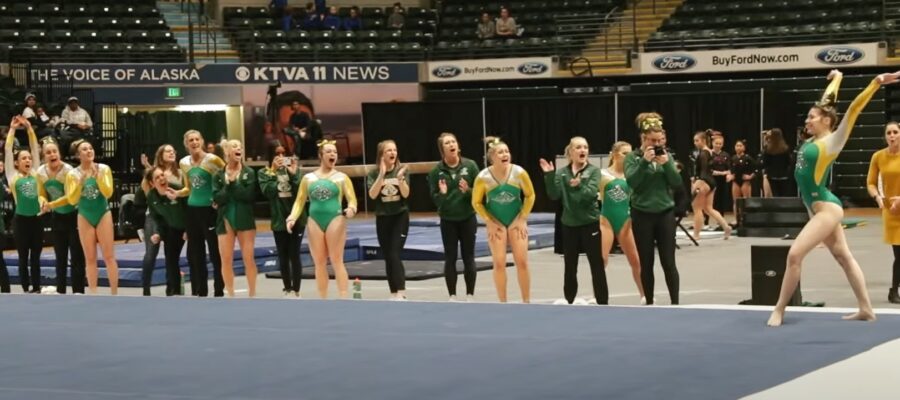
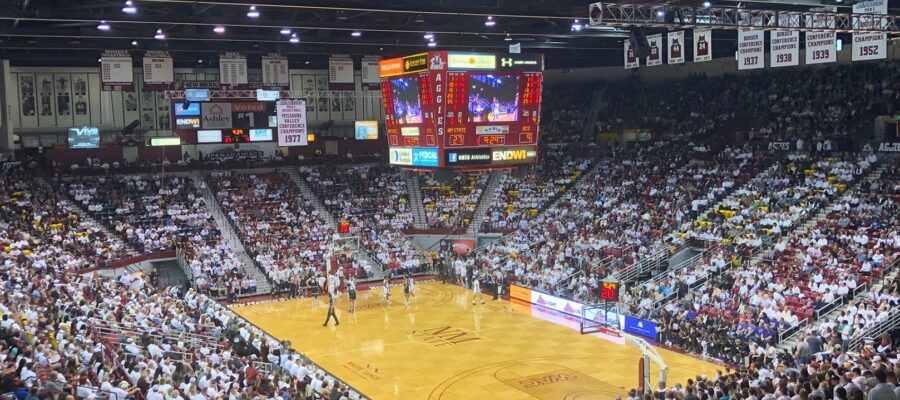
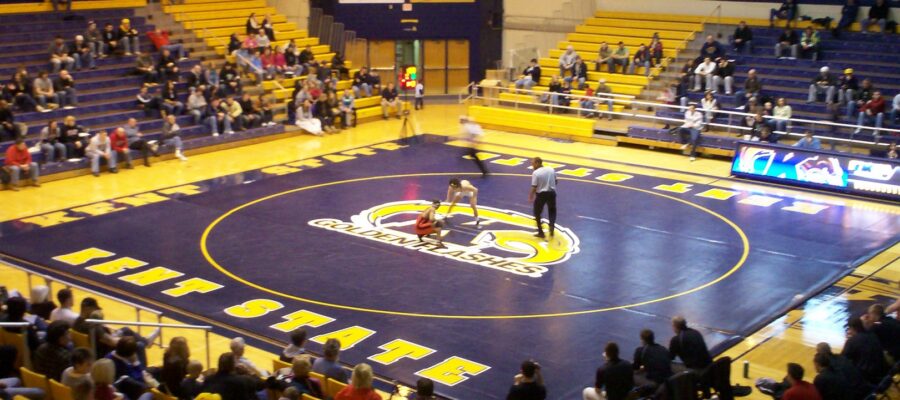
After athletic arena life safety obligations are met (governed legally by NFPA 70, NFPA 101, NFPA 110, the International Building Code and possibly other state adaptations of those consensus documents incorporated by reference into public safety law) business objective standards may come into play. For almost all athletic facilities, the consensus documents of the Illumination Engineering Society[1], the Institute of Electrical and Electronic Engineers[2][3] provide the first principles for life safety. For business purposes, the documents distributed by the National Collegiate Athletic Association inform the standard of care for individual athletic arenas so that swiftly moving media production companies have some consistency in power sources and illumination as they move from site to site. Sometimes concepts to meet both life safety and business objectives merge.
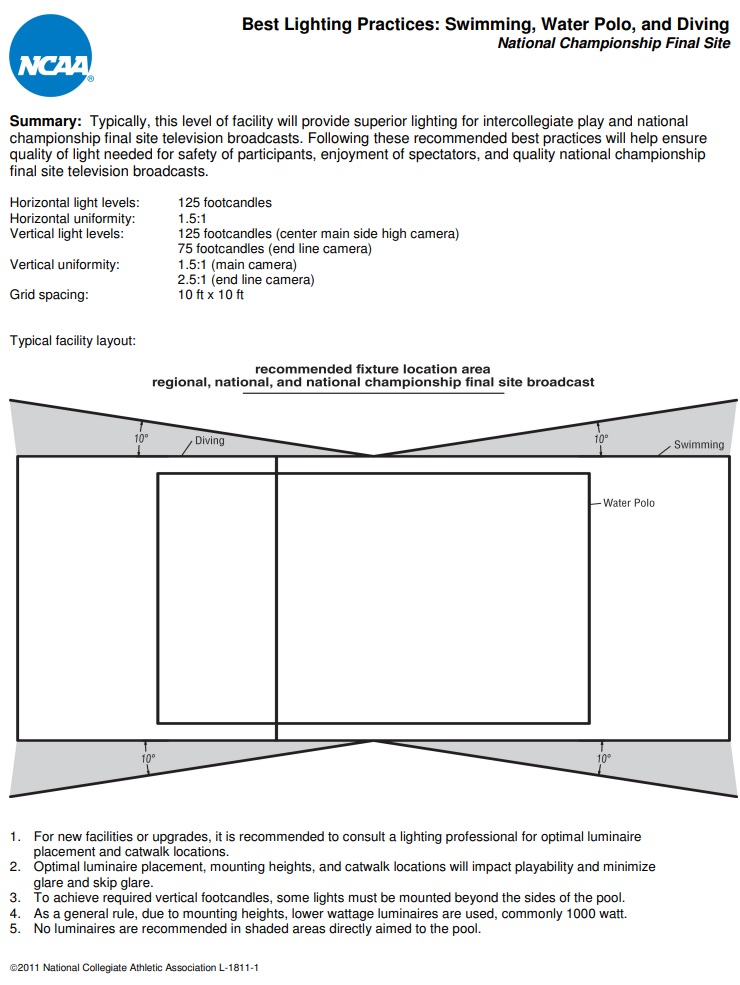
During water sport season the document linked below provides information to illumination designers and facility managers:
Athletic programs are a significant source of revenue and form a large part of the foundation of the brand identity of most educational institutions in the United States. We focus primarily upon the technology standards that govern the safety, performance and sustainability of these enterprises. We collaborate very closely with the IEEE Education & Healthcare Facilities Committee where subject matter experts in electrical power systems meet 4 times each month in the Americas and Europe.
See our CALENDAR for our next colloquium on Sport facility codes and standards. We typically walk through the safety and sustainability concepts in play; identify commenting opportunities; and find user-interest “champions” on the technical committees who have a similar goal in lowering #TotalCostofOwnership.
Issue: [15-138]*
Category: Electrical, Architectural, Arts & Entertainment Facilities, Athletics
Colleagues: Mike Anthony, Jim Harvey, Jack Janveja, Jose Meijer, Scott Gibbs
More
ANSI Standards: Open for public review
— MythoAmerica 🌲 (@MythoAmerica) August 31, 2024
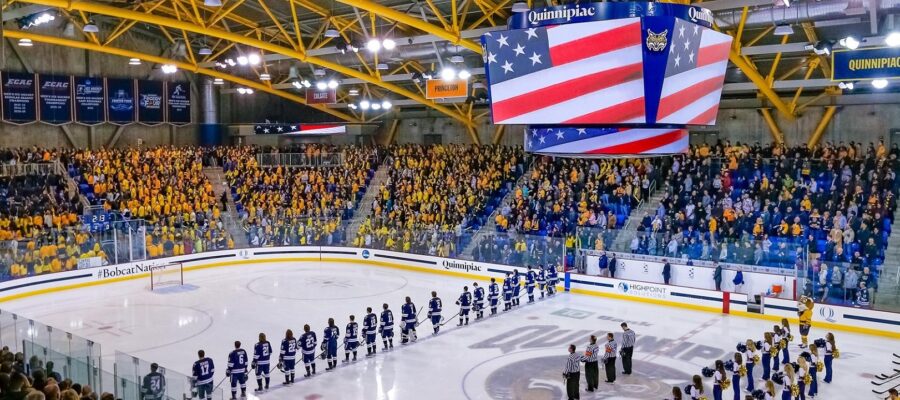
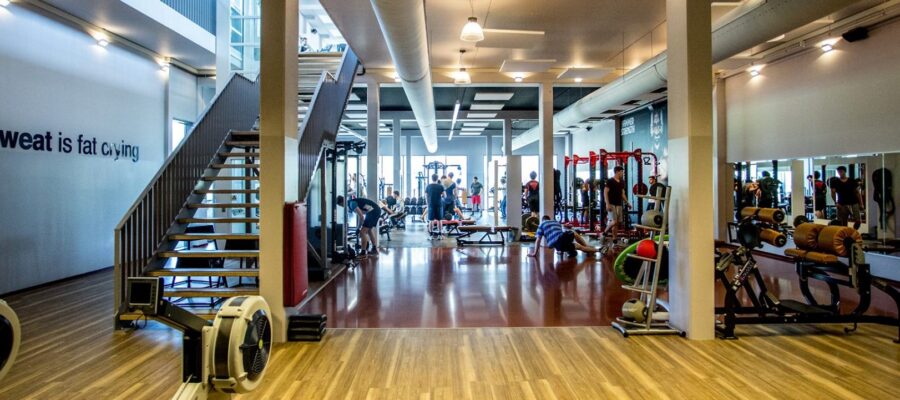
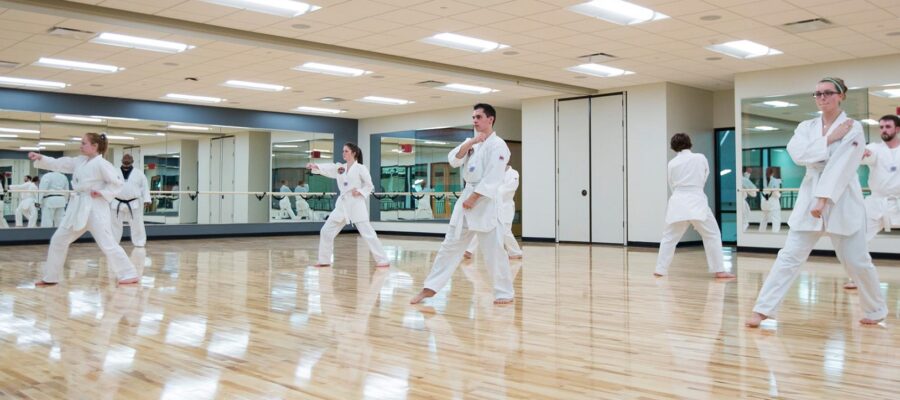
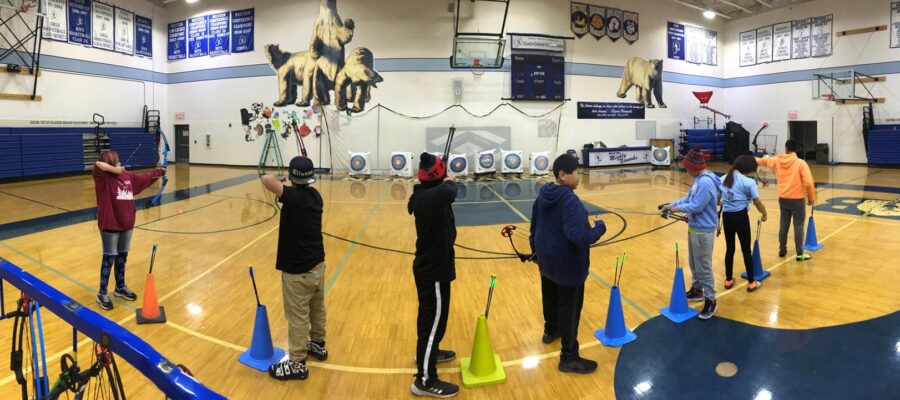
Athletic and recreational sports enterprises are important features in education communities; supportive of brand identity and cohort creation. Assuring the safety and sustainability of these assets is informed by several best practice titles; among them the Illuminating Engineering Society recommended practice RP-6-15 Sports and Recreational Area Lighting From the project prospectus:
The purpose of RP-6-15 is to provide the reader with recommendations to aid in the design of sports lighting systems. Popular sports, such as baseball, tennis, basketball and football as well as recreational social activities, such as horseshoe pitching and croquet are covered. Venues for spectators of amateur, collegiate, and professional sports are complex facilities that should provide not only for the spectators, but also the equipment used in modern sports broadcasting. This document does not address those needs, so the reader should look for guidance from the sports league or the project consultant.
Sports lighting systems consume power which over time can be significant, and IES RP-6-15 defines methods for maximizing energy efficiency.
The IES-suite joins standards developed by the International Code Council (International Building Code), the Institute of Electrical and Electronic Engineers (IEEE 3001.9) and the National Fire Protection Association (NFPA 70) that must be applied skillfully by design professionals and understood by athletic facility managers. Other consensus standards developers such as the American Society of Heating and Refrigeration Engineers and the Entertainment Services and Technology Association were moving into this domain before the circumstances of the pandemic.
We always encourage our colleagues in the education industry to do so themselves; starting with the links below:
IES Standards Open for Public Review
Comments on proposed changes to IES LP-6-2x Lighting Practice: Lighting Control Systems – Properties, Selection, and Specification will be received until April 1st
Comments on Draft “IES TM-39 Technical Memorandum: Quantification and Specification of Flicker” will be received until August 12th
Keep in mind that the IES typically deals with the application of best practice in illumination. It neither covers the reliability of the power systems nor the power chain to the luminaries. Recommended practice for the power chain are now being developed by the IEEE Industrial Applications Society; specifically IEEE 3001.9 – Recommended Practice for the Design of Power Systems Supplying Lighting Systems in Commercial and Industrial Facilities. The IEEE Education & Healthcare Facilities Committee pulls together ALL the standards — ICC, IEEE, IEC, NFPA, IES, ASHRAE, ASTM, ESTA and any other emergent consensus or open source documents that might set the standard of care for the education industry.
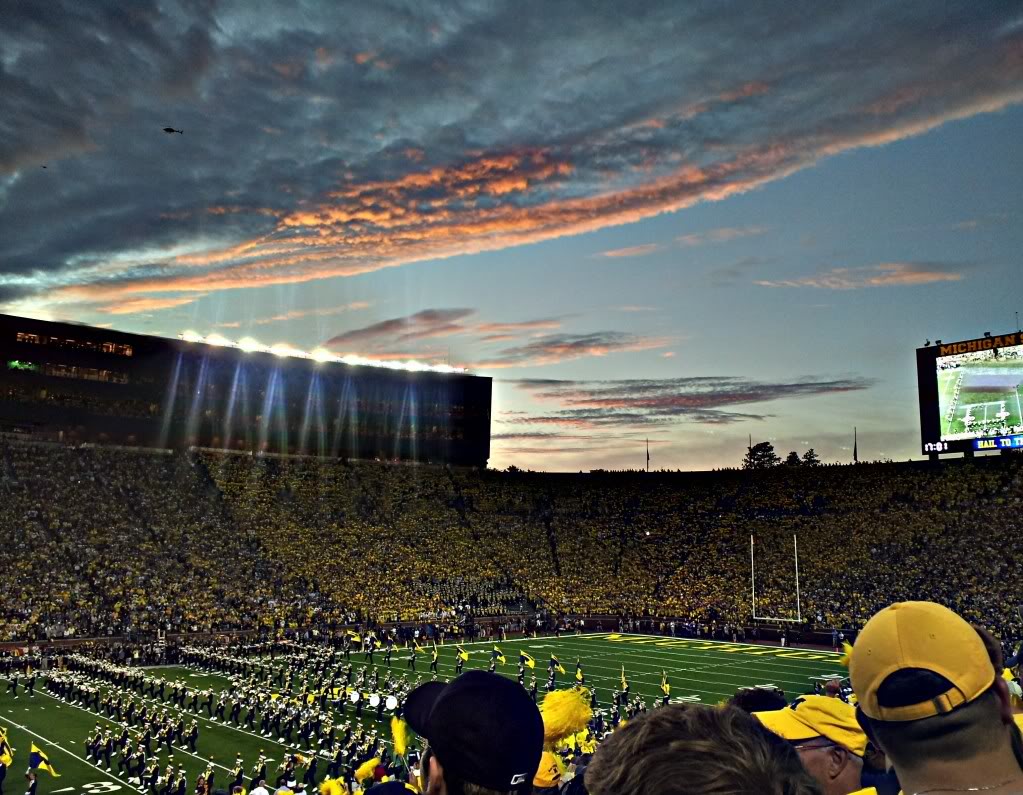
University of Michigan
The IEEE E&H Committee meets online 4 times monthly in Europe and the United States; and those meetings are open to the public (CLICK HERE). Additionally, we set aside one hour every month to walk through the entire suite of standards for sports and recreation facilities. See our CALENDAR for the date of our next Athletic & Recreation standards teleconference. Login credential are at the upper right of our home page
Issue: [16-132]
Category: Electrical, Athletics & Recreation
Colleagues: Mike Anthony, Jim Harvey, Kane Howard
Related:
New update alert! The 2022 update to the Trademark Assignment Dataset is now available online. Find 1.29 million trademark assignments, involving 2.28 million unique trademark properties issued by the USPTO between March 1952 and January 2023: https://t.co/njrDAbSpwB pic.twitter.com/GkAXrHoQ9T
— USPTO (@uspto) July 13, 2023
Standards Michigan Group, LLC
2723 South State Street | Suite 150
Ann Arbor, MI 48104 USA
888-746-3670
 |
 |
|
 |
 |
|
 |
 |