
Category Archives: illumination
- Home
- Archive by category "illumination" (Page 3)



Topology of Continuous Availability for LED Lighting Systems
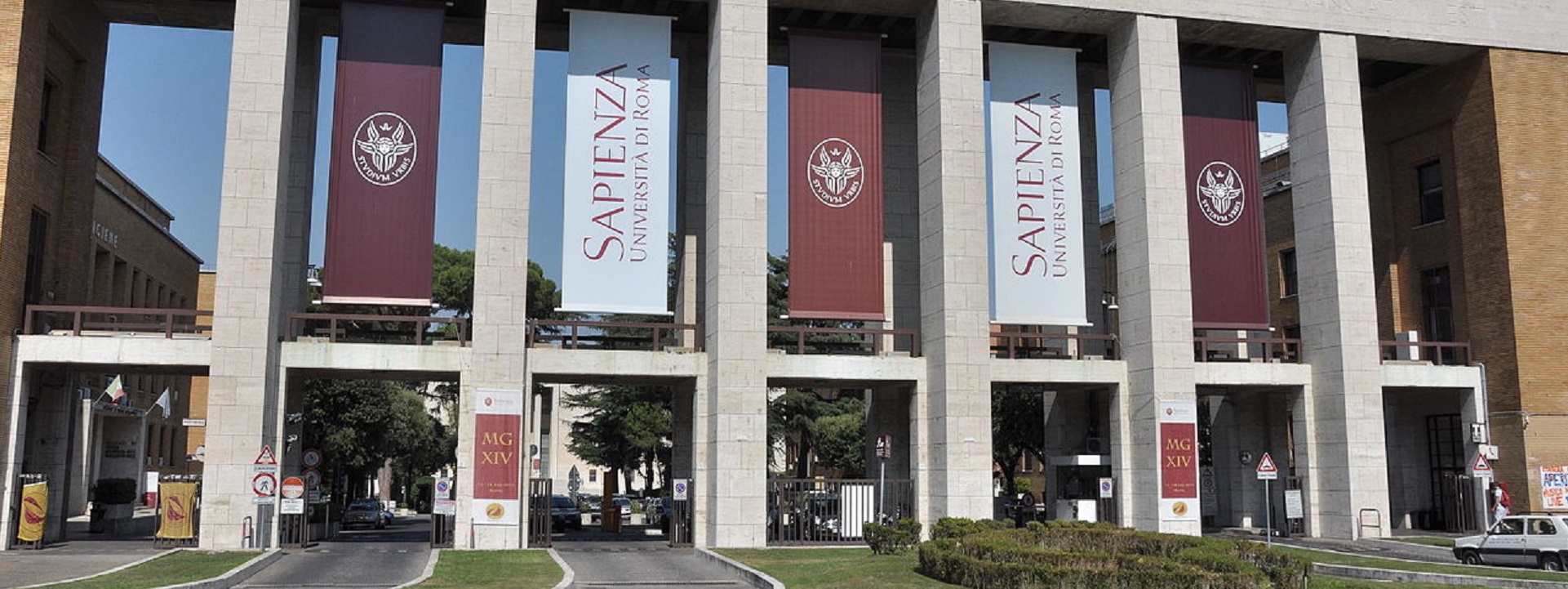
Topology of Continuous Availability for LED Lighting Systems
Giuseppe Parise – Marco Allegri
Luigi Parise
Raffaele Pennacchia – Fabrizio Regoli
Giorgio Vasselli
Abstract: Lighting systems with a big number of luminaires in large halls are a case of distributed loads that need topologies with modularity, whenever possible to ensure a uniform distribution of the supplying circuits, an easier installation, management, and maintenance. The light emitting diode (LED) luminaires give a great impact on the system operation due to their auxiliary series devices and to the high inrush currents of the ac-dc switching power supplies. This article proposes a topology to design LED lighting systems, configured in a modular scheme of a main ac distribution and a branch dc distribution supplying luminaires clusters. Each cluster is provided as a “double-dual corded” equipment with double power supply and double control type, digital, and analogic. The suggested topology aims to make available a system that allows overcoming fault situations by design and permits maintenance activities limiting and recovering degradation conditions. In this way, the lighting system of special locations, for which there is the willingness-to-accept greater financial costs against loss service risks, can satisfy the requirement of continuous availability system. To provide more details on the proposed design criteria this article describes, as case study, the lighting system of a parliamentary hall with one thousands of luminaires.

CLICK HERE to order complete paper
https://t.co/NumxiedKbR
print(“Illumination”)@beatricedegraaf @UniofOxford pic.twitter.com/DBIvns5k4K— Standards Michigan (@StandardsMich) February 17, 2022


Dynamic Exit Signs
Dynamic exit signs are a type of emergency exit signage that uses active illumination and changes in light to draw attention to the nearest exit in case of an emergency. Unlike traditional exit signs that use static or passive lighting to indicate exit locations, dynamic exit signs incorporate lighting systems that respond to specific environmental conditions or power outages, which can help to guide people to safety more efficiently.
There are several types of dynamic exit signs, including:
- Photoluminescent exit signs: These signs absorb and store light energy from ambient sources, such as room lighting or sunlight, and then glow brightly in the dark when the power goes out.
- LED exit signs: These signs use light-emitting diodes (LEDs) to create animated or flashing signs that can better catch people’s attention.
- Electroluminescent exit signs: These signs use electrically charged phosphors to produce a bright, uniform light source that can be more visible in low-light or smoke-filled environments.
Overall, dynamic exit signs are designed to enhance visibility and guide people to safety during an emergency, and they can be an important part of an overall emergency preparedness plan.

More
International Building Code: Chapter 10 Means of Egress
Life Safety Code: Chapter 7 Means of Egress
National Electrical Code: Article 700 Emergency Systems

Smart Living Lab der FH Technikum Wien
“The aim of architecture is to elucidate the objectification of the will
at the lowest grade of its visibility and to present it in the most definite way,
to make the dumb will speak perceptibly, to bring the inaudible
audibly and visibly before our eyes.”
— Die Welt als Wille und Vorstellung
Johann Christoph Friedrich Wilhelm Schopenhauer
Papierpläne und 2D-CAD-Zeichnungen werden durch 3D-Gebäudemodelle ersetzt. Building Information Modeling ermöglicht das digitale Bauen und Bewirtschaften von Bauwerken. Wähle Sie mit dem Lehrgang "BIM-Practitioner" den perfekten Einstieg. Jetzt anmelden: https://t.co/qVcos4AV1x pic.twitter.com/8TQZWEavTR
— Austrian Standards (@ATstandards) July 19, 2022

Stairway Lighting
Designing illumination for vertical ingress and egress paths requires reconciliation of competing requirements of safety economy:
Consistent and Adequate Lighting: Shadows and dark spots should be minimized to prevent trips and falls.
Light Direction and Glare: Light fixtures should be positioned to avoid creating excessive contrast between steps.
Staircase Configuration: Staircases come in various shapes, sizes, and configurations, such as straight, curved, or spiral.
Light Distribution: Lighting should adequately cover the entire stair tread and riser area to provide clear visibility and depth perception.
Energy Efficiency: Specifying energy-efficient light sources such as light emitting diodes and lighting controls such as motion sensors or timers.
Maintenance and Durability: Scaffolding safety should be a peak consideration.
Some of the foregoing challenges can be resolved with the use of handrail illumination but are accompanied by additional electrical wiring requirements.
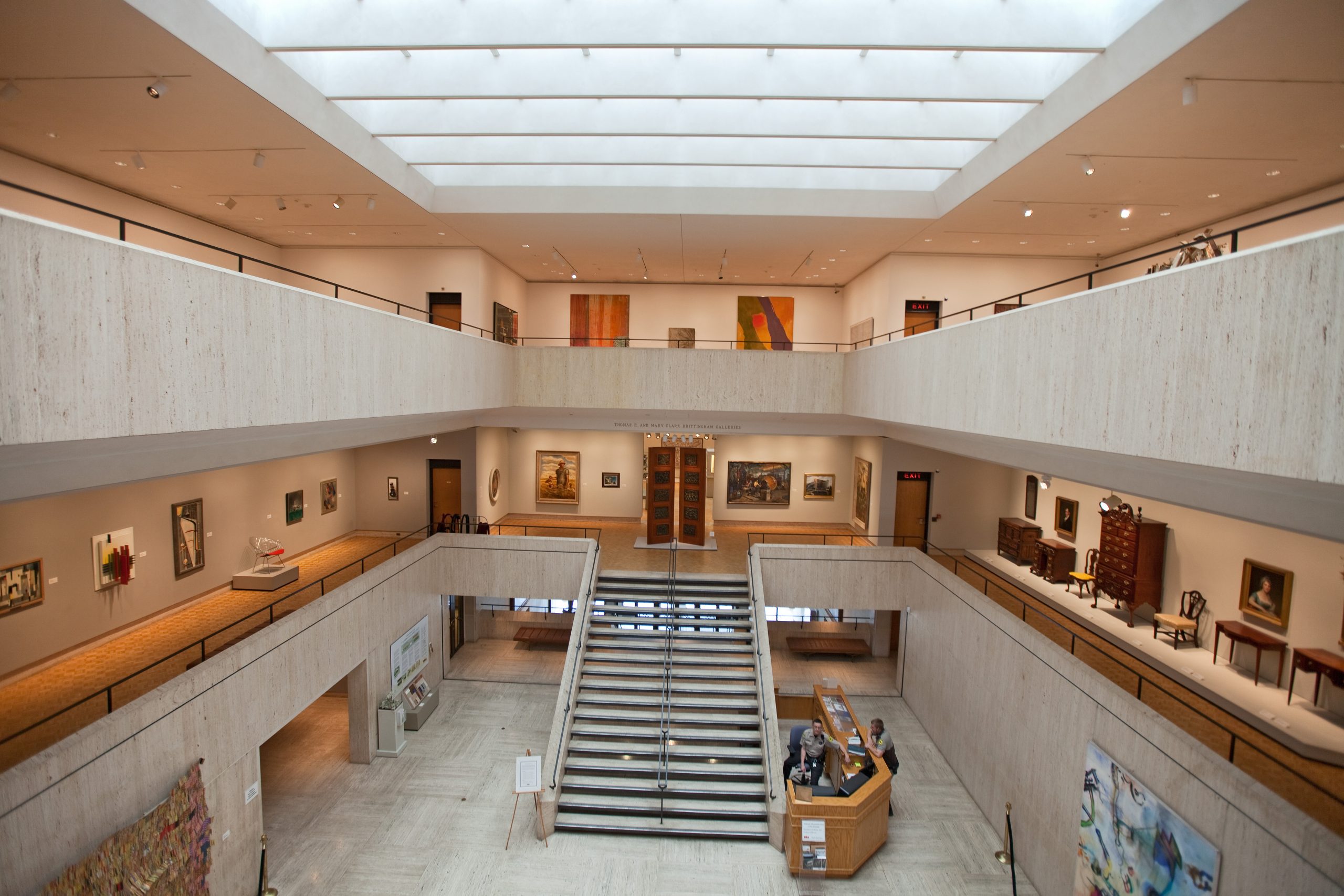
Chazen Museum of Art | University of Wisconsin
The parent standard in the United States for designing and building facilities for accessibility is ANSI/A117.1 Standard for Accessible and Usable Buildings and Facilities developed by the International Code Council. During 2023 this title will be revised but until then he 2017 release is the stabilized edition:
FREE ACCESS (ICC DIGITAL CODE PLATFORM)
Many A117.1 concepts require coordination with the International Building Code. We provide an example regarding stairway illumination below:
BCAC General 5 – IBC A117.1 Coordination 11-20-1027 File 16-124
We walked through this earlier in 2020. It is noteworthy because the proposed safety concepts will likely require harmonization with NFPA and IEEE standards bibliography. Committees usually take it upon themselves to get that right but getting it right means all committees need to work bi-directionally; action that is limited by time resources of volunteers.
Technical specifics in meeting the US Department of Justice requirements for accessibility is close coupled with A117 since it is incorporated by reference into federal law. 2021/2022 Code Development Cycle has been completed and another cycle has begun:
2024/2025/2026 ICC CODE DEVELOPMENT SCHEDULE
ICC (ASC A117) CONSENSUS COMMITTEE ON A117.1 04-27-2023 Minutes 31
Since the ICC catalog cuts across many disciplines we touch most titles almost every day at 15:00 UTC; open to everyone with the login credentials at the upper right of our home page.
Issue: [13-36] and [16-124]
Category: Architectural, Risk Management
Colleagues: Richard Robben
FYI: Errata to 2017 Edition:
What is light?
.jpg)
A rendering of the first public lighting systems in Rome by Theodore Earl Butler, 1905
y
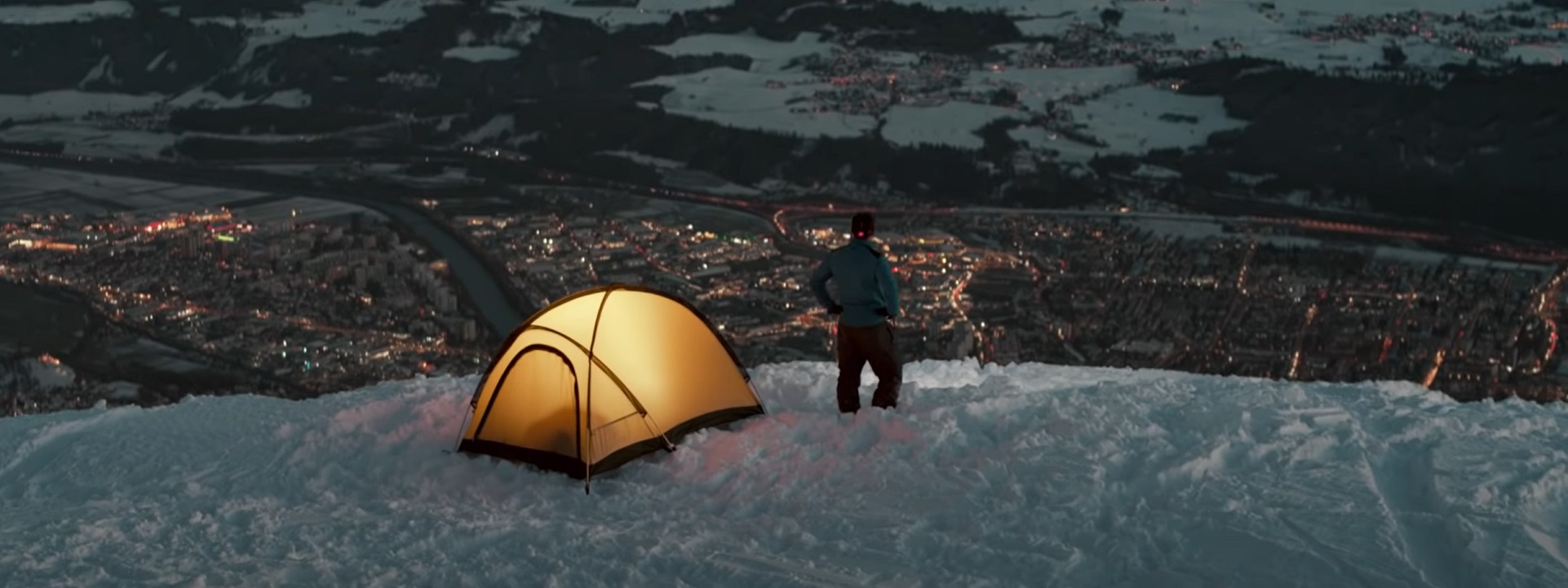
Leopold-Franzens-Universität Innsbruck

Smart Energy
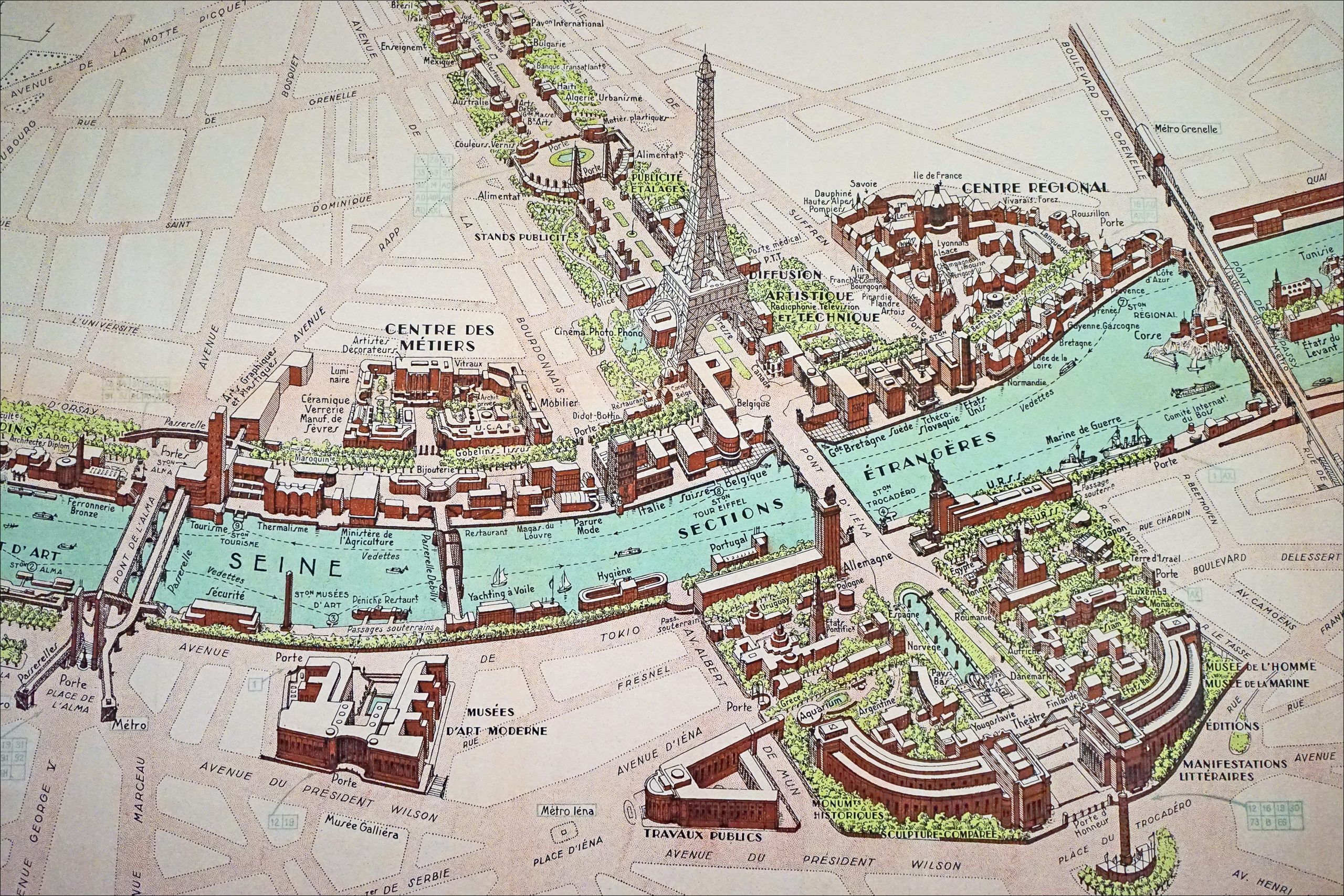
Exposition Internationale des Arts et Techniques dans la Vie Moderne / International Exposition of Art and Technology in Modern Life
We follow the administration of the the US National Committee of the International Electrotechnical Commission; a member of an international committee administered by the International Electrotechnical Commission developing global Smart Grid and Smart City concepts. Related developments happen in the following committees:
TC 8 System aspects of electrical energy supply
SC 8A Grid integration of Renewable Energy Generation
SC 8B Decentralized Electrical Energy Systems
TC 13 Electrical energy measurement and control
TC 21 Secondary cells and batteries
21/1166/CDV IEC 61427-2 ED2: Secondary cells and batteries for renewable energy storage – General requirements and methods of test – Part 2: On-grid applications | Close Date: 2023-06-16
SC 23K Electrical Energy Efficiency Products
TC 82 Solar photovoltaic energy systems
TC 120 Electrical Energy Storage Systems
TA 19 Environmental and energy aspects for multimedia systems and equipment
We limit our interest to electrotechnology interoperability issues that are present in education communities (rather than product related issues). We track coordinated action among the ISO/IEC/ITU:
ISO/IEC/ITU coordination – New work items (January 2023)
Note that there is what may appears to be a “competitor” standardization project at the ISO — TC 274 Lights and Lighting. There is enough coordination between the IEC and the ISO that we ignore the slight overlap for our purposes.
We also collaborate with other US-based and other international universities through several societies of the Institute of Electrical and Electronic Engineers (IEEE). The IEC also has several committees where leading practice is discovered and promulgated that influence electrotechnology research agendas in both the academic and business side of the education facility industry:
SyC Smart Cities: Electrotechnical aspects of Smart Cities
The ambitions of this batch of documents is to formalize the landscape of the emergent Smart City (and, accordingly, #SmartCampus) by doing the following:
- Providing the rationale for the market relevance of the future standards being produced in the parent IEC technical committee.
- Providing an indication of global or regional sales of products or services related to the TC/SC work and state the source of the data.
- Providing standards that will be significantly effective for assessing regulatory compliance.
In electrotechnology, a great deal of research is conducted in US colleges and universities — some of it funded by federal agencies; some by the corporate sector. Where appropriate we identify and highlight their research and findings — especially findings that will find a way into best practice literature that informs safety and sustainability in education communities. Many IEC titles are referenced in ISO, IET, IEEE and NFPA consensus products.
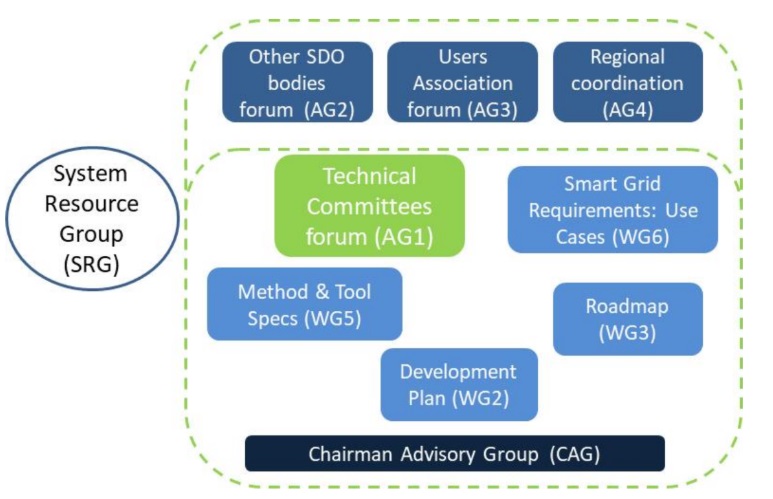
Take, for example, the Association of Medical Imaging and Electrical Equipment Manufacturers (NEMA) — the Administrator of the USNC /IEC Technical Advisory Group of the USNA/IEC — frequently releases material for US stakeholders to review. The USNA.IEC also publishes a quarterly newsletter:
There is a great deal of economic activity in this domain so we maintain our focus on the technical specifics presented in draft material. About 80 percent of the work involved in standards setting is administrative. Our focus has always been on the remaining 20 percent that involves a non-administrative skill set. Because of copyright restrictions on draft material — very common in the standards setting systems in many nations — we are mindful of releasing the full text of draft documents intended for public consultation only.
We do it this way out of necessity. There is no structured workspace provided by USNA/IEC at the moment; only emails with attachments among USNA/IEC members. Instead, we use a combination content management system hosted by the University of Michigan and the Institute of Electrical and Electronic Engineers. We coordinate our review of the state of energy sector literature here and with the IEEE Education & Healthcare Facilities Committee. All IEC products are on the standing agendas of our Energy, Power and Global colloquia. See our CALENDAR for the next online meeting; open to everyone.
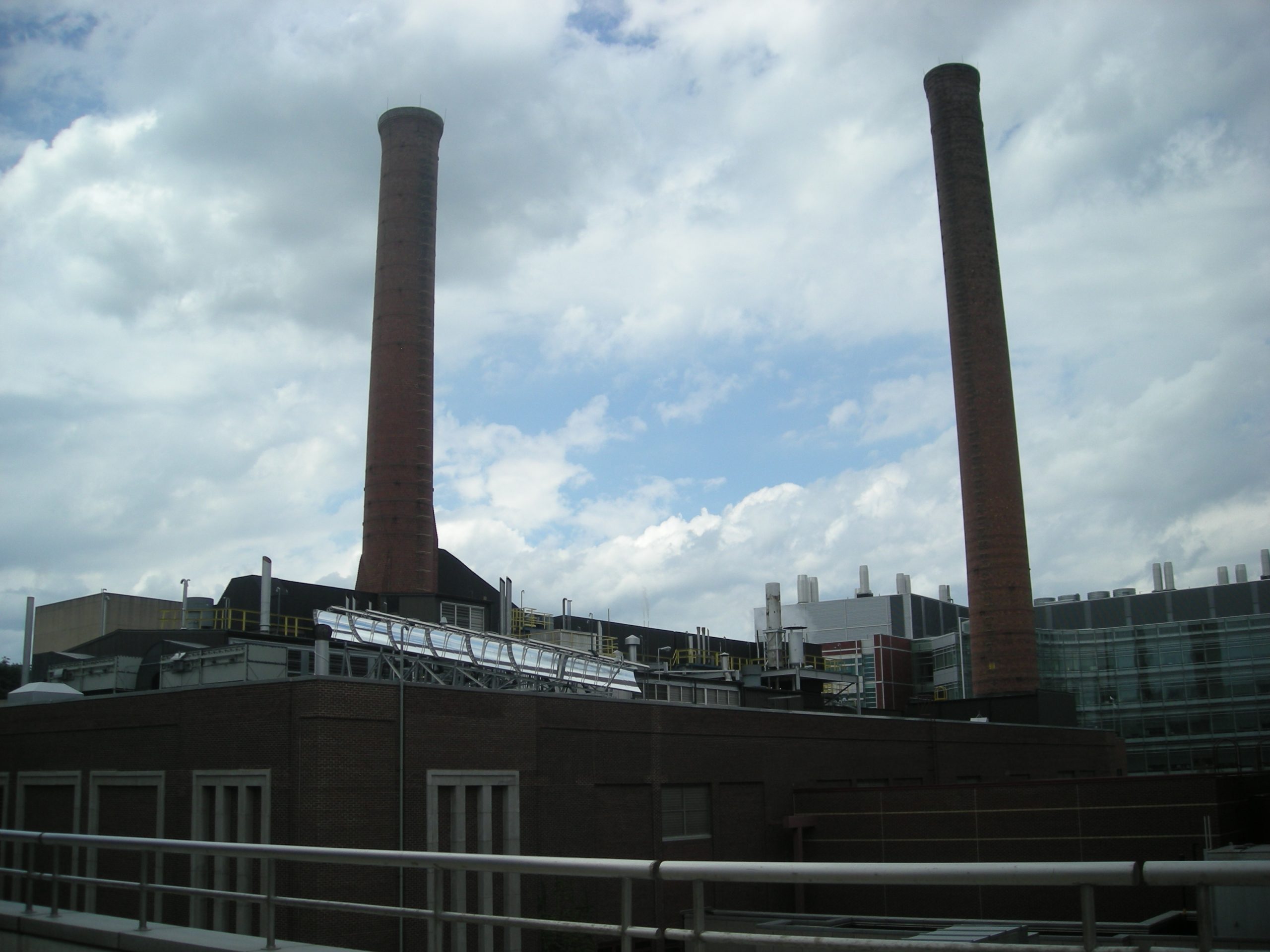
University of Michigan
Issue: [15-197]
Contact: Mike Anthony, Paul Green, Jim Harvey, Massimo Mittolo
Colleagues: Mahesh Illindala (Ohio State University), Giuseppe Parisi (Sapienza University of Roma), Loren Clark (University of Alberta). Jim Murphy (Lawrence Livermore Laboratory: University of California Berkeley), Brian Marchionini (NEMA), Paul Green (University of Michigan)
Category: Electrical, Telecommunications, Energy Management, #SmartCampus, Informatics, Information & Communications Technology
LEARN MORE:
The August eNewsletter is now available.
This issue discusses current and future practices being employed to ensure the safety of Smart Grids.https://t.co/o6Imn6grg9#IEEESG #CRAS #Safety pic.twitter.com/RBsVvya1bW— IEEE Smart Grid (@ieeesmartgrid) August 18, 2020
The @NEMAupdates Intelligence Portal pulls together targeted content from a wide variety of sources to keep Members apprised of the policy environment. Members can login here for more information: https://t.co/w0ublpgse0 pic.twitter.com/HoXaQsvycf
— NEMA (@NEMAupdates) July 29, 2020
Apostle Islands Lighthouse
This content is accessible to paid subscribers. To view it please enter your password below or send mike@standardsmichigan.com a request for subscription details.
New update alert! The 2022 update to the Trademark Assignment Dataset is now available online. Find 1.29 million trademark assignments, involving 2.28 million unique trademark properties issued by the USPTO between March 1952 and January 2023: https://t.co/njrDAbSpwB pic.twitter.com/GkAXrHoQ9T
— USPTO (@uspto) July 13, 2023
Standards Michigan Group, LLC
2723 South State Street | Suite 150
Ann Arbor, MI 48104 USA
888-746-3670
DIRECTIONS
 |
 |
|
 |
 |
|
 |
 |