NFPA 70 is one of the most widely used standards for electrotechnology in the world. The University of Michigan began assertive advocacy on behalf of the US education industry in the NFPA suite in 1996 and that advocacy has expanded globally under two different private organizations: See About
Phase I is now completed. The Phase I Final Report (with public comments) is available in the links below:
In October, the project Principal Researcher, Tammy Gammon, provided an update to the NFPA Research Foundation. Her slides are available in the link below:
We wish to thank our colleagues at Notre Dame who helped “get the ball rolling”, our colleagues in the Big Ten & Friends consortia, and forward-thinking manufacturers for their pledges:
Eaton Corporation
MIAPPA | Michigan Association of Physical Plant Administrators
Michigan State University
Ohio State University
University of Iowa
University of Minnesota
University of Nebraska
University of Texas Austin
Issue [13-33]
Contact: Mike Anthony, Jim Harvey, Richard Robben (True North, LLC); Tom Harman (University of Houston Clearwater), Kane Howard (Michigan State University), Paul Kempf (Notre Dame)
Colleagues: Robert G. Arno (Harris Corp), Joe Weber (Emerson), Casey Grant (NFPA), Larry Ayers (Independent Electrical Contractors Association)
Should every campus building generate its own power? Sustainability workgroups are vulnerable to speculative hype about net-zero buildings and microgrids. We remind sustainability trendsniffers that the central feature of a distributed energy resource–the eyesore known as the university steam plant–delivers most of the economic benefit of a microgrid. [Comments on Second Draft due April 29th] #StandardsMassachusetts
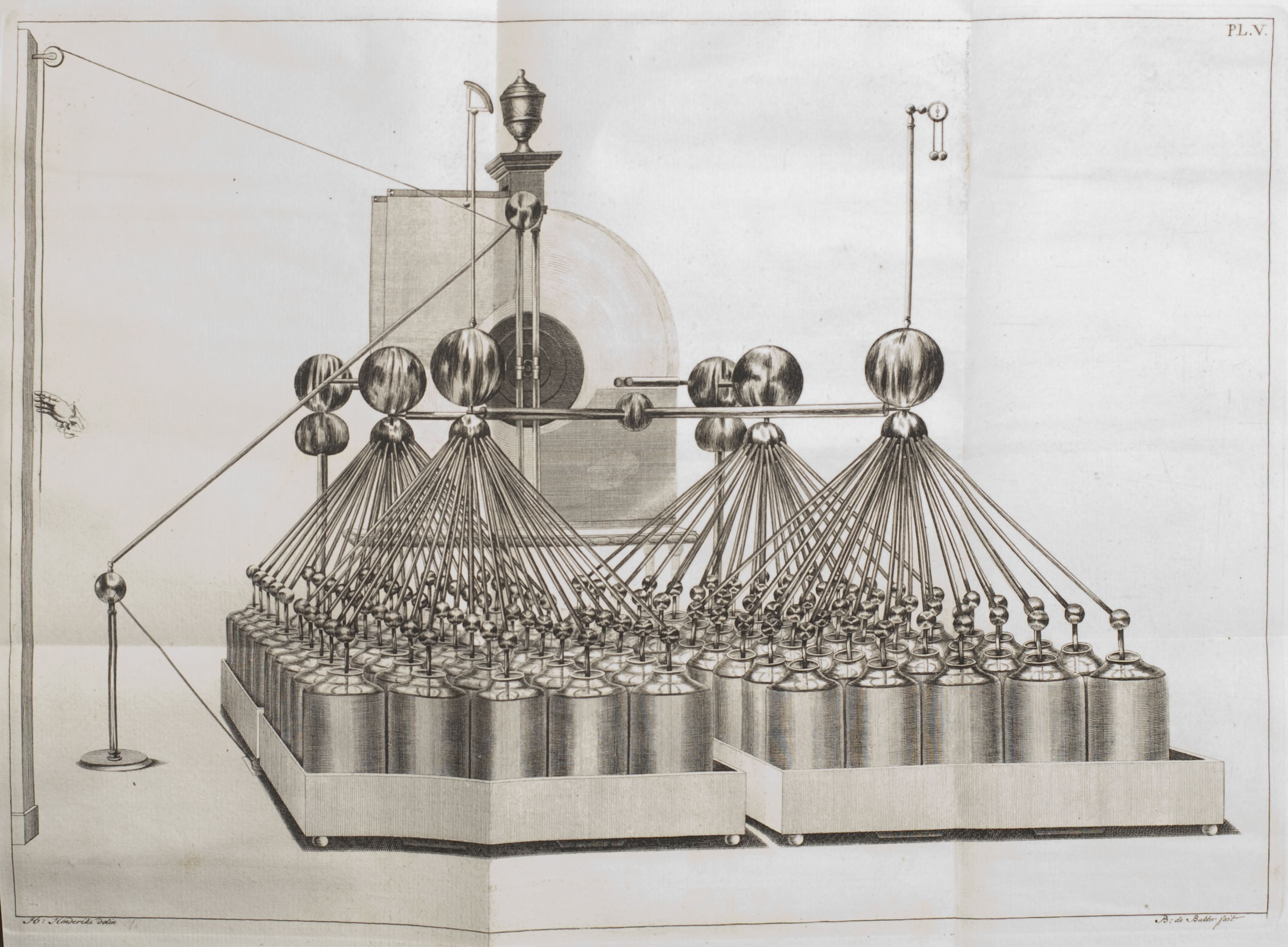
“M. van Marum. Tweede vervolg der proefneemingen gedaan met Teyler’s electrizeer-machine, 1795” | An early energy storage device | Massachusetts Institute of Technology Libraries
We have been following the developmental trajectory of a new NFPA regulatory product — NFPA 855 Standard for the Installation of Stationary Energy Storage Systems — a document with ambitions to formalize the fire safety landscape of the central feature of campus microgrids by setting criteria for minimizing the hazards associated with energy storage systems.
The fire safety of electric vehicles and the companion storage units for solar and wind power systems has been elevated in recent years with incidents with high public visibility. The education industry needs to contribute ideas and data to what we call the emergent #SmartCampus;an electrotechnical transformation — both as a provider of new knowledge and as a user of the new knowledge.
Transcripts of technical deliberation are linked below:
Comment on the 2026 revision received by March 27, 2025 will be heard at the NFPA June 2025 Expo through NFPA’s NITMAM process.
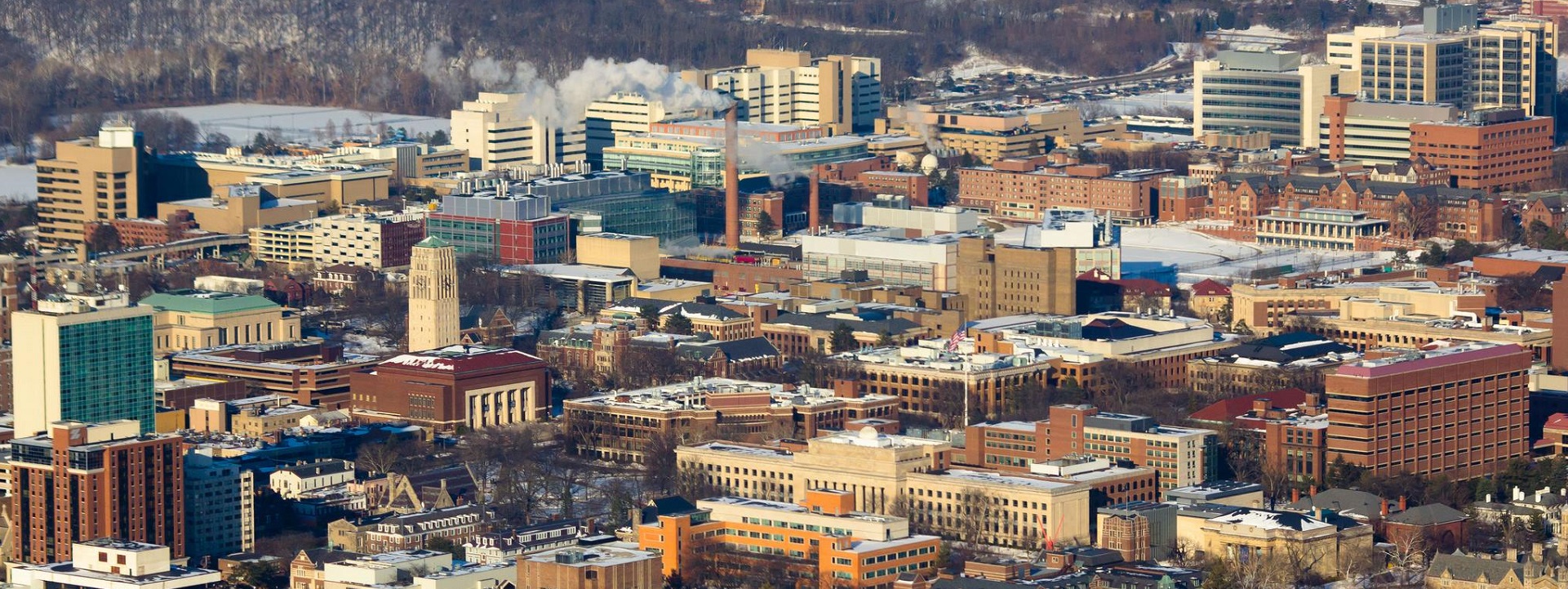
University of Michigan | Average daily electrical load across all Ann Arbor campuses is on the order of 100 megawatts
A fair question to ask: “How is NFPA 855 going to establish the standard of care any better than the standard of care discovered and promulgated in the NFPA 70-series and the often-paired documents NFPA 110 and NFPA 111?” (As you read the transcript of the proceedings you can see the committee tip-toeing around prospective overlaps and conflicts; never a first choice).
Suffice to say, the NFPA Standards Council has due process requirements for new committee projects and, obviously, that criteria has been met. Market demand presents an opportunity to assemble a new committee with fresh, with new voices funded by a fresh set of stakeholders who, because they are more accustomed to advocacy in open-source and consortia standards development platforms, might have not been involved in the more rigorous standards development processes of ANSI accredited standards developing organizations — specifically the NFPA, whose members are usually found at the top of organization charts in state and local jurisdictions. For example we find UBER — the ride sharing company — on the technical committee. We find another voice from Tesla Motors. These companies are centered in an industry that does not have the tradition of leading practice discovery and promulgation that the building industry has had for the better part of two hundred years.
Our interest in this standard lies on both sides of the education industry — i.e. the academic research side and the business side. For all practical purposes, the most credible, multi-dimensional and effective voice for lowering #TotalCostofOwnership for the emergent smart campus is found in the tenure of Standards Michigan and its collaboration with IEEE Education & Healthcare Facilities Committee (E&H). You may join us sorting through the technical, economic and legal particulars and day at 11 AM Eastern time. The IEEE E&H Committee meets online every other Tuesday in European and American time zones; the next meeting on March 26th. All meetings are open to the public.
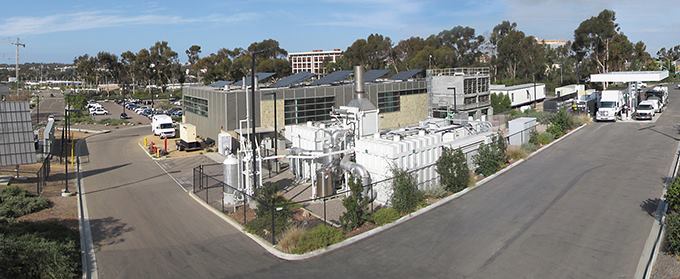
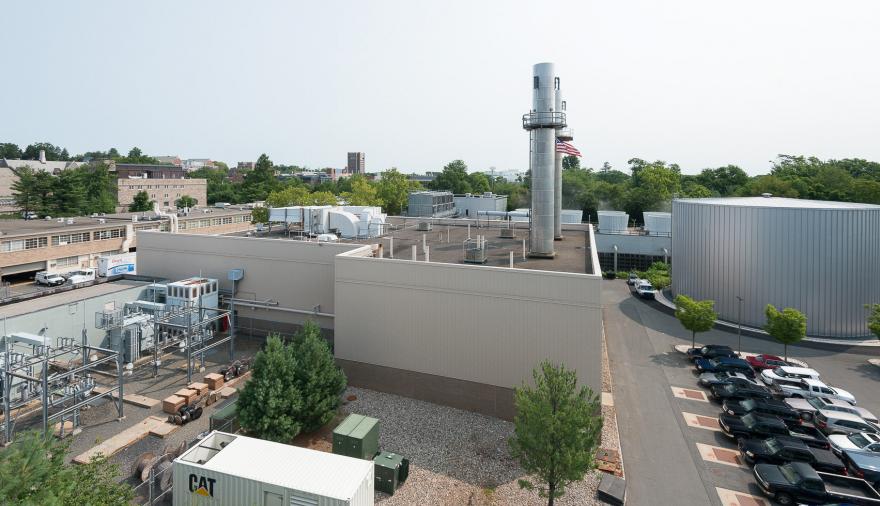
University of California San Diego Microgrid
You are encouraged to communicate directly with Brian O’Connor, the NFPA Staff Liaison for specific questions. We have some of the answers but Brian is likely to have all of them. CLICK HERE for the NFPA Directory. Additionally, NFPA will be hosting its Annual Conference & Expo, June 17-20 in San Antonio, Texas; usually an auspicious time for meeting NFPA staff working on this, and other projects.
The prospect of installing of energy storage technologies at every campus building — or groups of buildings, or in regions — is clearly transformational if the education facilities industry somehow manages to find a way to drive the cost of operating and maintaining many energy storage technologies lower than the cost of operating and maintaining a single campus distributed energy resource. The education facility industry will have to train a new cadre of microgrid technology specialists who must be comfortable working at ampere and voltage ranges on both sides of the decimal point that separates power engineers from control engineers. And, of course, dynamic utility pricing (set by state regulatory agencies) will continue to be the most significant independent control variable.
Finding a way to make all this hang together is the legitimate work of the academic research side of the university. We find that sustainability workgroups (and elected governing bodies) in the education industry are vulnerable to out-sized claims about microgrids and distributed energy resources; both trendy terms of art for the electrotechnical transformation we call the emergent #SmartCampus.
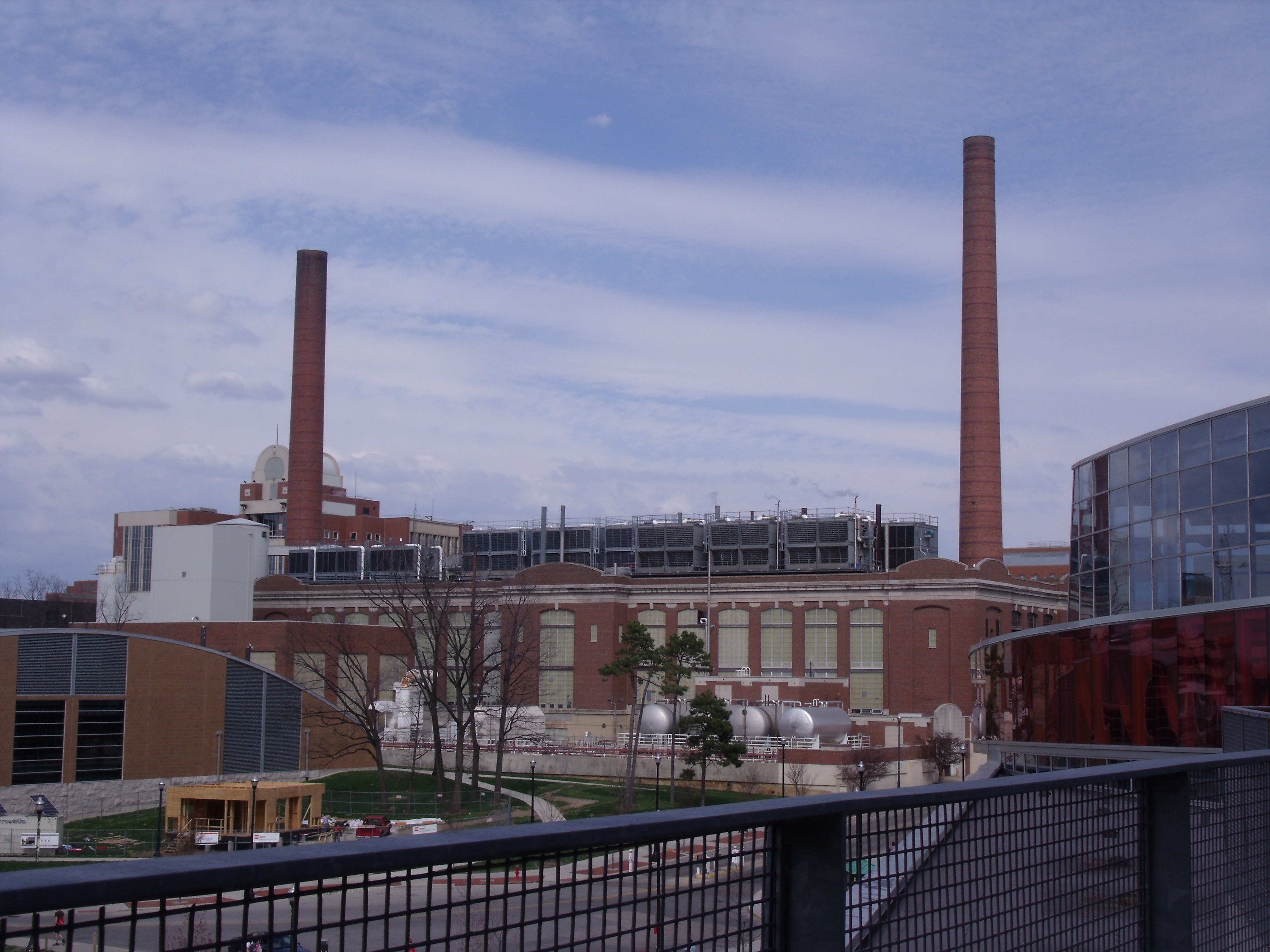
We remind sustainability trendsniffers that the central feature of a distributed energy resource — the eyesore known as the university steam plant — bears most of the characteristics of a microgrid. In the videoclip linked below a respected voice from Ohio State University provides enlightenment on this point; even as he contributes to the discovery stream with a study unit.
Ohio State University McCracken Power Plant
Issue: [16-131]
Category: District Energy, Electrical, Energy, Facility Asset Management, Fire Safety, Risk Management, #SmartCampus, US Department of Energy
Colleagues: Mike Anthony, Bill Cantor (wcantor@ieee.org). Mahesh Illindala
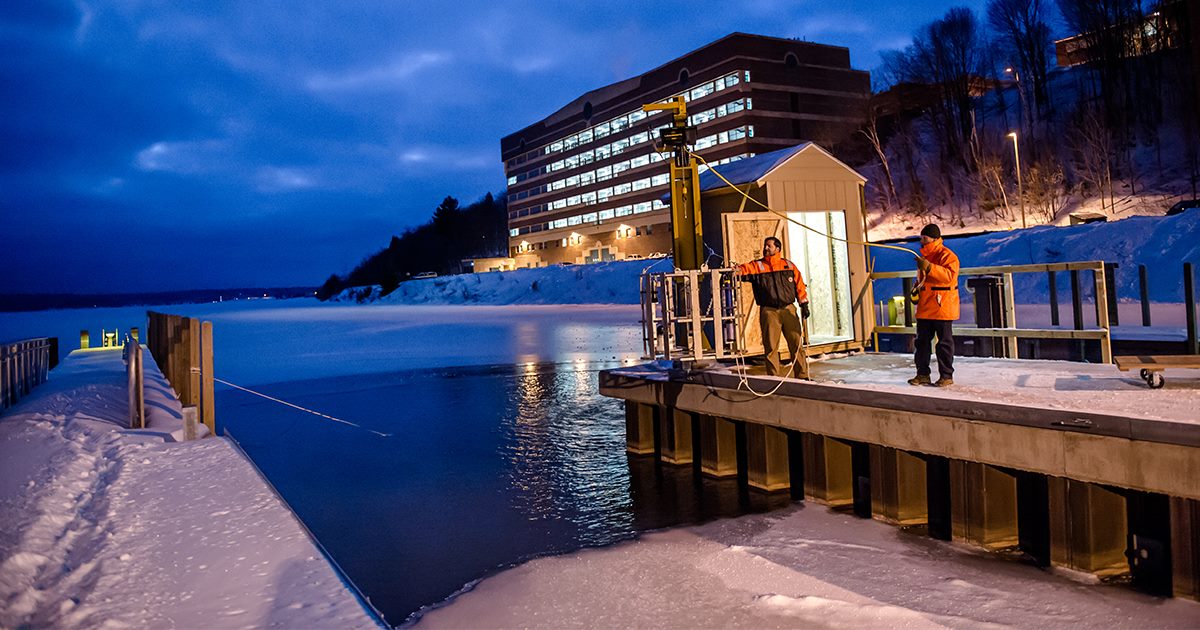
Rowing competition in the 2024 Olympics inspires a revisit of NFPA 303: Fire Protection Standard for Marinas and Boatyards. Apart from athletic competition, many colleges, universities and trade schools with academic programs are responsible for safety of facilities located on fresh and saltwater shorelines. Other nations refer to best practice discovered and applied in the United States. Keep in mind that, unlike other nations, the standard of care for electrical safety in the United States is driven primarily by the fire safety community. This happens because public safety leadership falls upon the local Fire Marshall who has a budget that is widely understand and generally supported.
From the NFPA 303 scope statement:
This standard applies to the construction and operation of marinas, boatyards, yacht clubs, boat condominiums, docking facilities associated with residential condominiums, multiple-docking facilities at multiple-family residences, and all associated piers, docks, and floats.
This standard also applies to support facilities and structures used for construction, repair, storage, hauling and launching, or fueling of vessels if fire on a pier would pose an immediate threat to these facilities, or if a fire at a referenced facility would pose an immediate threat to a docking facility.
This standard applies to marinas and facilities servicing small recreational and commercial craft, yachts, and other craft of not more than 300 gross tons.
This standard is not intended to apply to a private, noncommercial docking facility constructed or occupied for the use of the owners or residents of the associated single-family dwelling.
No requirement in this standard is to be construed as reducing applicable building, fire, and electrical codes.
The standard of care for facilities owned by educational institutions is not appreciably different from the standard of care for any other Owner except some consideration should be given to the age and training of most of the occupants — students, of course — who are a generally transient population. Some research projects undertaken on university-owned facilities are also subject to the local adaptions of NFPA 303. The current version of NFPA 303 is linked below:
The 2021 Edition is the current edition and the next edition will be the 2025 revision. Click on the link below to read what new ideas were running through the current edition; mostly electrical that are intended to correlate with National Electrical Code Article 555 and recent electrical safety research*:
Public input closing date for the 2025 Edition is June 1, 2023.
You may submit comment directly to NFPA on this and/or any other NFPA consensus product by CLICKING HERE. You will need to set up a (free) account. NFPA 303 document is also on the standing agenda of our 4 times monthly collaboration with the IEEE Education & Healthcare Facilities Committee. See our CALENDAR for the next online colloquium; open to everyone.
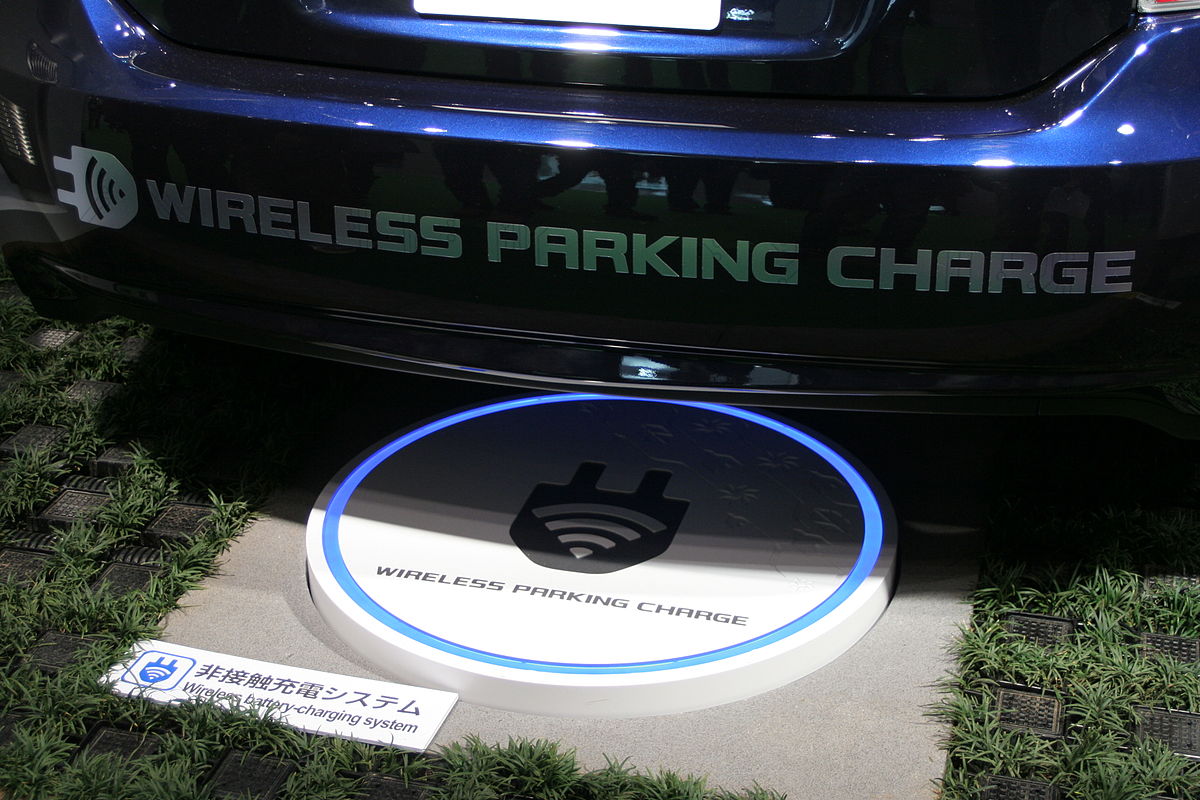
The 2020 National Electrical Code (NEC) contains significant revisions to Article 625 Electric Vehicle Power Transfer Systems. Free access to this information is linked below:
Mighty spirited debate. Wireless charging from in-ground facilities employing magnetic resonance are noteworthy. Other Relevant Articles:
Article 240: Overcurrent Protection: This article includes requirements for overcurrent protection devices that could be relevant for EV charging systems.
Article 210: Branch Circuits: General requirements for branch circuits, which can include circuits dedicated to EVSE.
Article 220: Load Calculations: Guidelines for calculating the electrical load for EVSE installations.
Article 230: Services: General requirements for electrical service installations, which can be relevant for EVSE.
Article 250: Grounding and Bonding: Requirements for grounding and bonding, which are critical for safety in EVSE installations.
Technical committees meet November – January to respond. In the intervening time it is helpful break down the ideas that were in play last cycle. The links below provide the access point:
We find a fair amount of administrative and harmonization action; fairly common in any revision cycle. We have taken an interest in a few specific concepts that track in academic research construction industry literature:
Correlation with Underwriters Laboratory product standards
Bi-Directional Charging & Demand Response
Connection to interactive power sources
As a wiring safety installation code — with a large installer and inspection constituency — the NEC is usually the starting point for designing the power chain to electric vehicles. There is close coupling between the NEC and product conformance organizations identified by NIST as Nationally Recognized Testing Laboratories; the subject of a separate post.
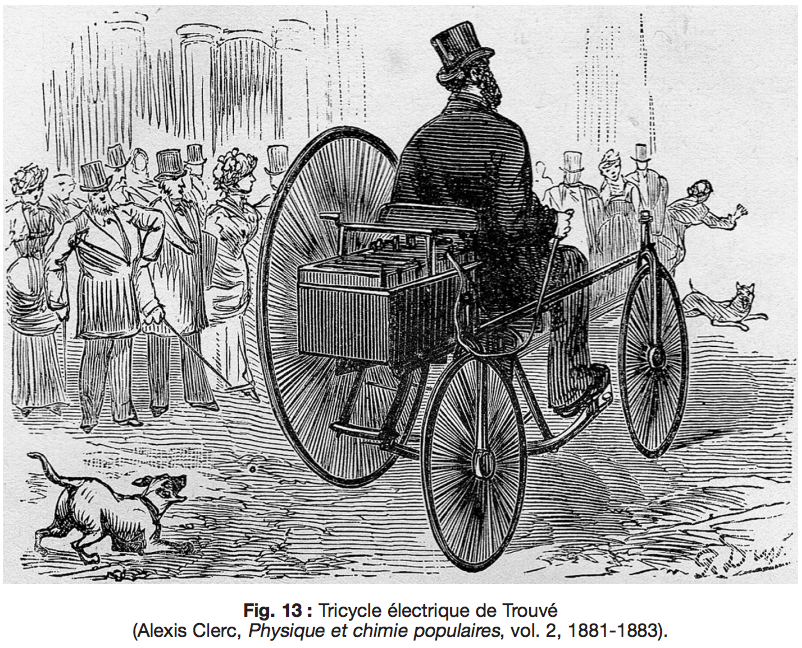
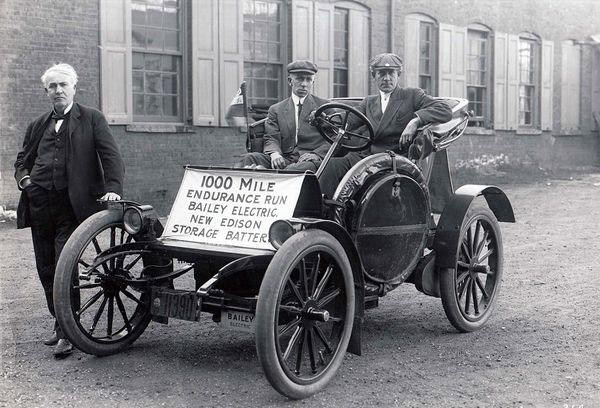
Edison electric vehicle | National Park Service, US Department of the Interior
After the First Draft is released June 28th public comment is receivable until August 19th.
We typically do not duplicate the work of the 10’s of thousands of National Electrical Code instructors who will be fanning out across the nation to host training sessions for electrical professionals whose license requires mandatory continuing education. That space has been a crowded space for decades. Instead we co-host “transcript reading” sessions with the IEEE Education & Healthcare Facilities Committee to sort through specifics of the 2020 NEC and to develop some of the ideas that ran through 2020 proposals but did not make it to final ballot and which we are likely to see on the docket of the 2023 NEC revision. That committee meets online 4 times monthly. We also include Article 625 on the standing agenda of our Mobility colloquium; open to everyone. See our CALENDAR for the next online meeting
Issue: [16-102]
Category: Electrical, Transportation & Parking, Energy
National Electrical Code Articles 690 and 691 provide electrical installation requirements for Owner solarvoltaic PV systems that fall under local electrical safety regulations. Access to the 2023 Edition is linked below;
The IEEE Joint IAS/PES (Industrial Applications Society & Power and Energy Society) has one vote on this 21-member committee; the only pure “User-Interest” we describe in our ABOUT. All other voting representatives on this committee represent market incumbents or are proxies for market incumbents; also described in our ABOUT.
The 2026 National Electrical Code has entered its revision cycle. Public input is due September 7th.
We maintain these articles, and all other articles related to “renewable” energy, on the standing agenda of our Power and Solar colloquia which anyone may join with the login credentials at the upper right of our home page. We work close coupled with the IEEE Education & Healthcare Facilities Committee which meets 4 times monthly in American and European time zones; also open to everyone.
The frequency differences between public safety radio and public broadcasting radio are mainly due to their distinct purposes and requirements.
Public safety radio operates on VHF and UHF bands for emergency services communication These radio systems are designed for robustness, reliability, and coverage over a specific geographic area. They prioritize clarity and reliability of communication over long distances and in challenging environments. Encryption may also be employed for secure communication.
Public broadcasting radio operates on FM and AM bands for disseminating news, entertainment, and cultural content to the general public. These radio stations focus on providing a wide range of content, including news, talk shows, music, and cultural programming. They often cover broad geographic areas and aim for high-quality audio transmission for listener enjoyment. Unlike public safety radio, public broadcasting radio stations typically do not require encryption and prioritize accessibility to the general public.
NFPA 1930 is in a custom cycle due to the Emergency Response and Responder Safety Document Consolidation Plan (consolidation plan) as approved by the NFPA Standards Council. As part of the consolidation plan, NFPA 1930 is combining Standards NFPA 1801, NFPA 1802, NFPA 1932, NFPA 1937, and NFPA 1962.
Firefighter radio communication faces several special technical challenges due to the nature of the environment they operate in and the criticality of their tasks. Here are some of the key challenges:
Interference and Signal Degradation: Buildings, debris, and firefighting equipment can obstruct radio signals, leading to interference and degradation of communication quality.
Multipath Propagation: Radio signals can bounce off surfaces within buildings, causing multipath propagation, which results in signal fading and distortion.
Limited Bandwidth: Firefighter radio systems often operate on limited bandwidths, which can restrict the amount of data that can be transmitted simultaneously, impacting the clarity and reliability of communication.
Noise: The high noise levels present in firefighting environments, including sirens, machinery, and fire itself, can interfere with radio communication, making it difficult for firefighters to hear and understand each other.
Line-of-Sight Limitations: Radio signals typically require a clear line of sight between the transmitter and receiver. However, in complex urban environments or within buildings, obstructions such as walls and floors can obstruct the line of sight, affecting signal strength and reliability.
Equipment Durability: Firefighter radio equipment needs to withstand harsh environmental conditions, including high temperatures, smoke, water, and physical impacts. Ensuring the durability and reliability of equipment in such conditions is a significant challenge.
Battery Life: Prolonged operations in emergency situations can drain radio batteries quickly. Firefighters need reliable battery life to ensure continuous communication throughout their mission.
Interoperability: Different emergency response agencies may use different radio systems and frequencies, leading to interoperability issues. Ensuring seamless communication between various agencies involved in firefighting operations is crucial for effective coordination and response.
Priority Access: During large-scale emergencies, such as natural disasters or terrorist attacks, communication networks may become congested, limiting access for emergency responders. Firefighters need priority access to communication networks to ensure they can effectively coordinate their efforts.
Training and Familiarity: Operating radio equipment effectively under stress requires training and familiarity. Firefighters must be trained to use radio equipment efficiently and effectively, even in challenging conditions, to ensure clear and concise communication during emergencies.
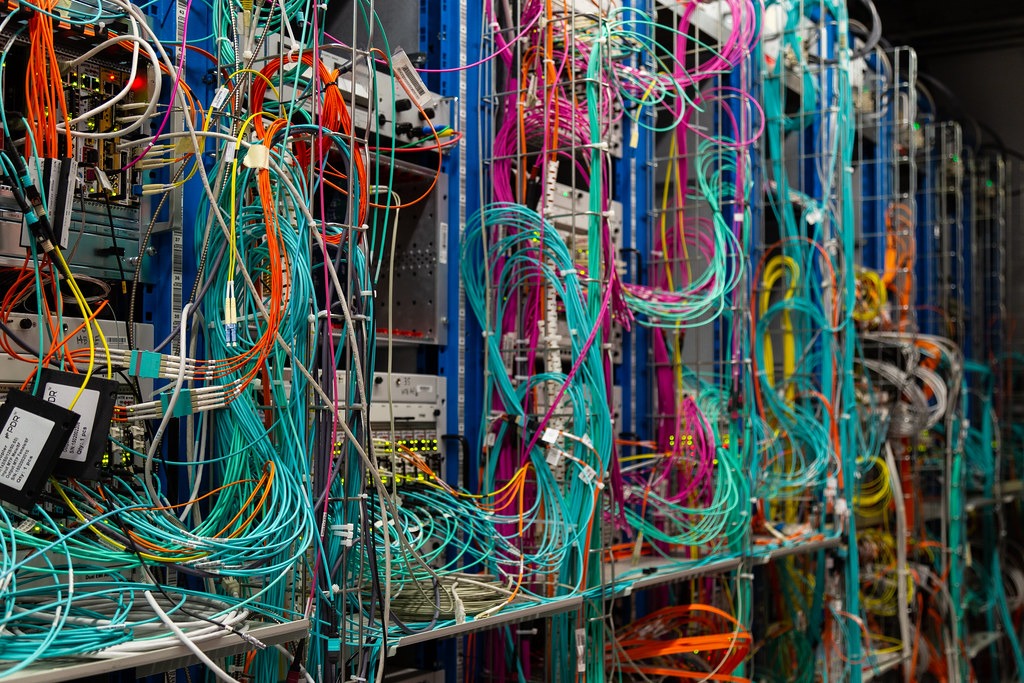
Balloting on the first stage of development of the 2023 National Electrical Code is underway now and will be completed by March 26th. We collaborate with several experts in the IEEE who are the leading voices in standards setting for ICT infrastructure present in education communities. The issues are many and complex and fast-moving. We provide transcripts and a sample of the issues that will determine the substance of the 2023 Edition.
Underground communication cabling coordination with the National Electrical Safety Code
Public comment on the First Draft of the 2026 revision will be received until August 24, 2024. We collaborate with the IEEE Education & Healthcare Facilities Committee which hosts open colloquia 4 times monthly in European and American time zones. See our CALENDAR for the next online meeting; open to everyone.
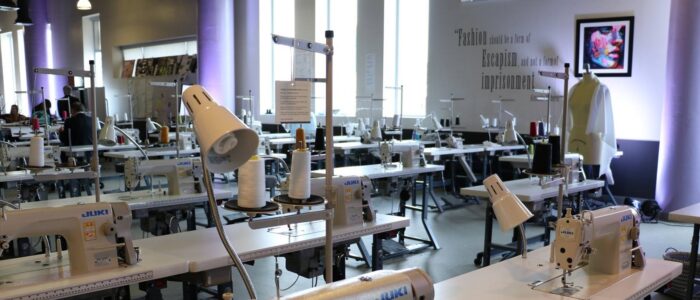
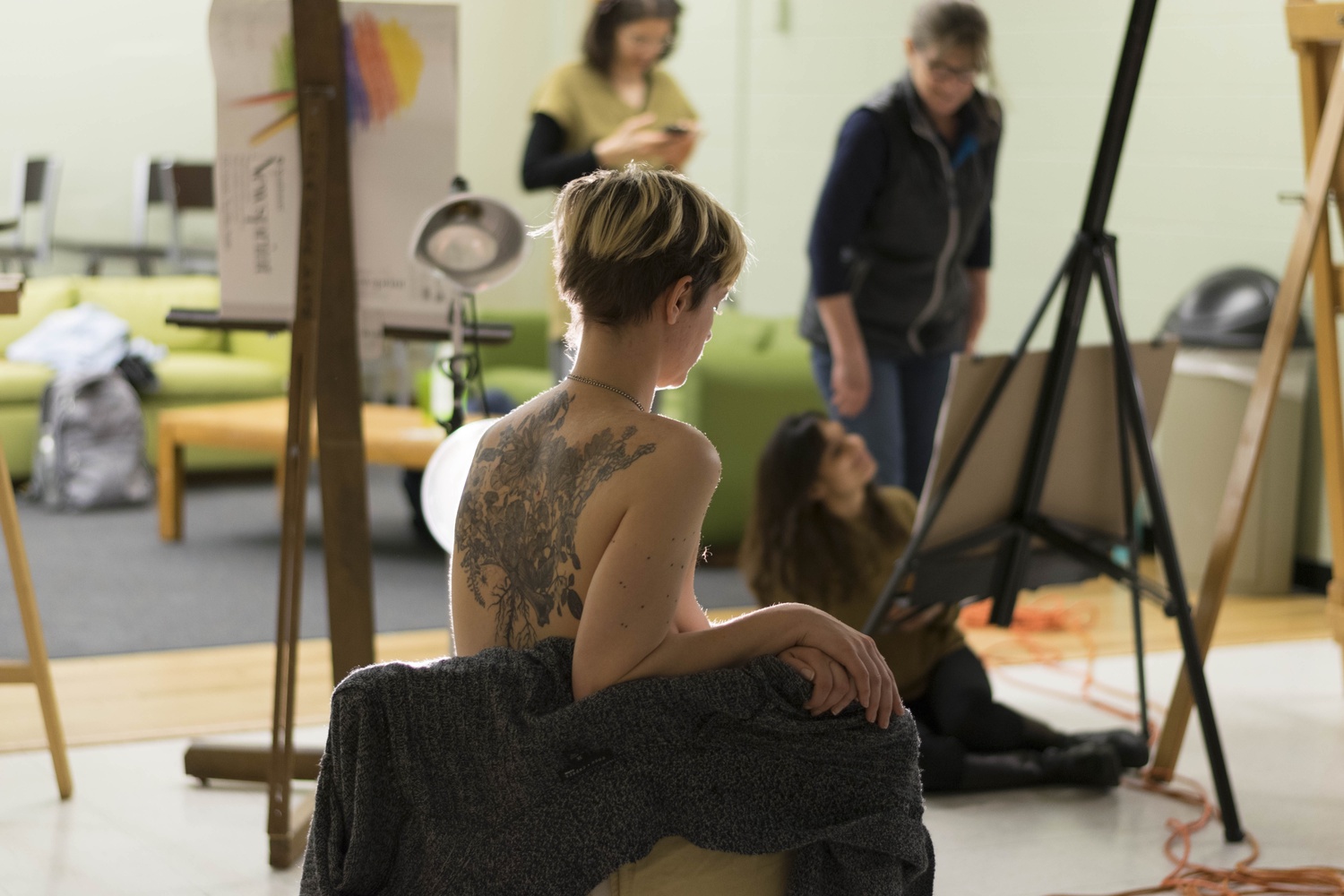
We are guided by four interdependent titles that set the standard of care for safety and sustainability of occupancies supporting the fine arts in education communities.
(1) Chapter 43: Spraying, Dipping and Coating Using Flammable or Combustible Material of NFPA 1: Fire Code. As a “code” the public has free access to the current 2021 Edition , and Chapter 43 at the link below:
Our interest lies in fire safety provisions for educational occupancies with activity involving paint, chemicals used with paint (art studios) and Class III combustible materials (garment design & prototyping).
(4) Finally, the International Code Council develops a competitor title — 2021 International Fire Code — which also provides fire safety standards for art, design and fashion studio safety. The IFC is developed in the Group A tranche of titles:
We encourage direct participation by education industry user-interests in the ICC and the NFPA code development process. A user interest in education community would have a job title similar to the following: Principal, Dean, President, Chief of Business Operations, Facility Manager, Trade Shop Foreman.
Harvard University
We maintain all four titles identified in this post on the standing agenda of our Prometheus (fire safety) and Fine Arts colloquia. See our CALENDAR for the next online meeting; open to everyone.
Issue: [10-31] [16-64]
Category: Fire Safety
Colleagues: Mike Anthony, Josh Evolve, Marcelo Hirschler
About 20 percent of education settlement real assets lie in student and temporary faculty housing; some of it located in “off-campus fire protection grid” owned by Mom-and-Pop rental housing owners or large corporate student housing aggregators. Both eschew residential sprinkler systems unless mandated by local building codes.
Fire hoses, on average, use more than 8 1/2 times the water that installed sprinklers do to contain a home fire. Our new video shows how little water fire sprinklers need to save lives. Download and share today. https://t.co/Xo9FWHldITpic.twitter.com/l0jBLWAEMj
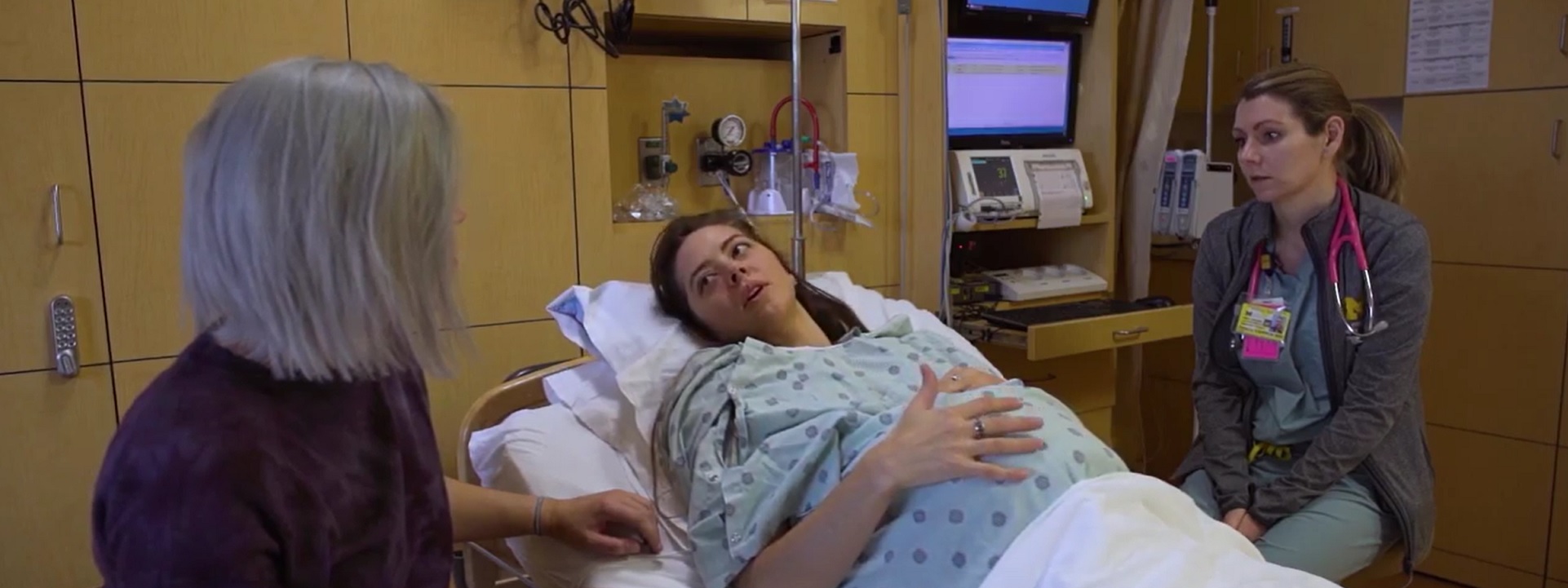
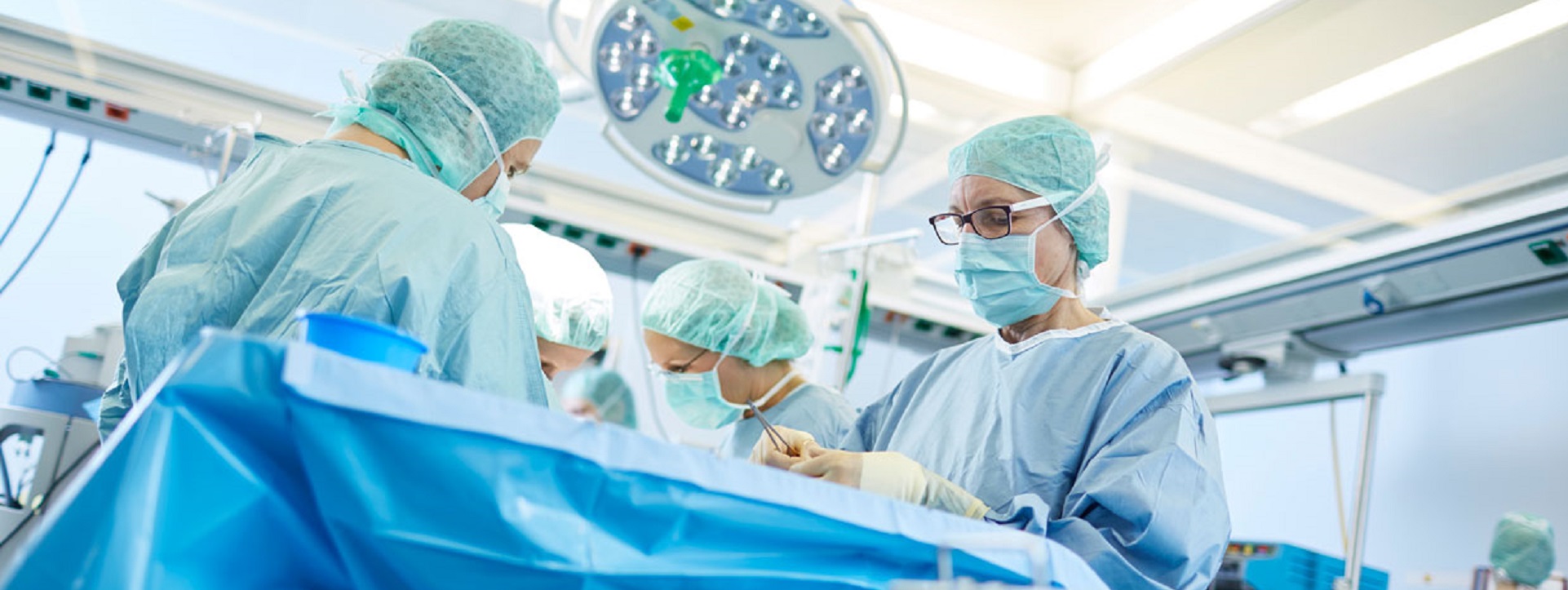
Today we examine relatively recent transactions in electrotechnologies — power, information and communication technology — that are present (and usually required) in patient care settings. At a patient’s bedside in a hospital or healthcare setting, various electrical loads or devices may be present to provide medical care, monitoring, and comfort. Some of the common electrical loads found at a patient’s bedside include:
Hospital Bed: Electric hospital beds allow for adjustments in height, head position, and leg position to provide patient comfort and facilitate medical procedures.
Patient Monitor: These monitors display vital signs such as heart rate, blood pressure, oxygen saturation, and respiratory rate, helping healthcare professionals keep track of the patient’s condition.
Infusion Pumps: These devices administer medications, fluids, and nutrients intravenously at a controlled rate.
Ventilators: Mechanical ventilators provide respiratory support to patients who have difficulty breathing on their own.
Pulse Oximeter: This non-invasive device measures the oxygen saturation level in the patient’s blood.
Electrocardiogram (ECG/EKG) Machine: It records the electrical activity of the heart and is used to diagnose cardiac conditions.
Enteral Feeding Pump: Used to deliver liquid nutrition to patients who cannot take food by mouth.
Suction Machine: It assists in removing secretions from the patient’s airway.
IV Poles: To hold and support intravenous fluid bags and tubing.
Warming Devices: Devices like warming blankets or warm air blowers are used to maintain the patient’s body temperature during surgery or recovery.
Patient Call Button: A simple push-button that allows patients to call for assistance from the nursing staff.
Overbed Tables: A movable table that allows patients to eat, read, or use personal items comfortably.
Reading Lights: Bedside lights that allow patients to read or perform tasks without disturbing others.
Television and Entertainment Devices: To provide entertainment and alleviate boredom during the patient’s stay.
Charging Outlets: Electrical outlets to charge personal electronic devices like smartphones, tablets, and laptops.
It’s important to note that the specific devices and equipment present at a patient’s bedside may vary depending on the level of care required and the hospital’s equipment standards. Additionally, strict safety measures and electrical grounding are essential to ensure patient safety when using electrical devices in a healthcare setting.
We have been tracking the back-and-forth on proposals, considerations, adoption and rejections in the 3-year revision cycles of the 2023 National Electrical Code and the2021 Healthcare Facilities Code. We will use the documents linked below as a starting point for discussion; and possible action:
There are many other organizations involved in this very large domain — about 20 percent of the US Gross Domestic Product.
Ahead of the September 7th deadline for new proposals for Article 517 for the 2026 National Electrical Code we will examine their influence in other sessions; specifically in our Health 100,200,300 and 400 colloquia. See our CALENDAR for the next online meeting; open to everyone.
New update alert! The 2022 update to the Trademark Assignment Dataset is now available online. Find 1.29 million trademark assignments, involving 2.28 million unique trademark properties issued by the USPTO between March 1952 and January 2023: https://t.co/njrDAbSpwBpic.twitter.com/GkAXrHoQ9T