Education communities are stewards of hundreds of commercial-class kitchens in which the proximate risk of electrical energy must be managed — water spills and grease, fires, worn electrical cords on countertop equipment, faulty wiring or equipment, damaged outlets or connectors, and improperly used or damaged extension cords among them. The safety and sustainability rules for this occupancy class is identified as Assembly Group A-2 in Section 303 of the International Building Code
We explore recent transcripts of expert committee activity in NEC Article 210 and provide links to video commentary.
Public comment on the Second Draft of the 2026 NEC will be received until April 18. We typically coordinate our effort with the IEEE Education & Healthcare Facilities Committee. The workspace set up for generating proposals can be found in the link below.
We examine transcripts to track technical specifics that apply to student accommodation kitchens (on and off campus), university-affiliated hospital kitchens and sport arenas.
Sporty weather season in the United States inspires a revisit of best practice for designing, building and maintaining the systems that provide limited electricity when the primary source fails. We have been active in the development of this and related titles for decades and have presented several proposals to the technical committee. Public input for the 2028 Revision will be received until June 4, 2025.
Electrical building, World’s Columbian Exposition, Chicago (1892)
The scope of NFPA 110 and NFPA 111 are close coupled and summarized below:
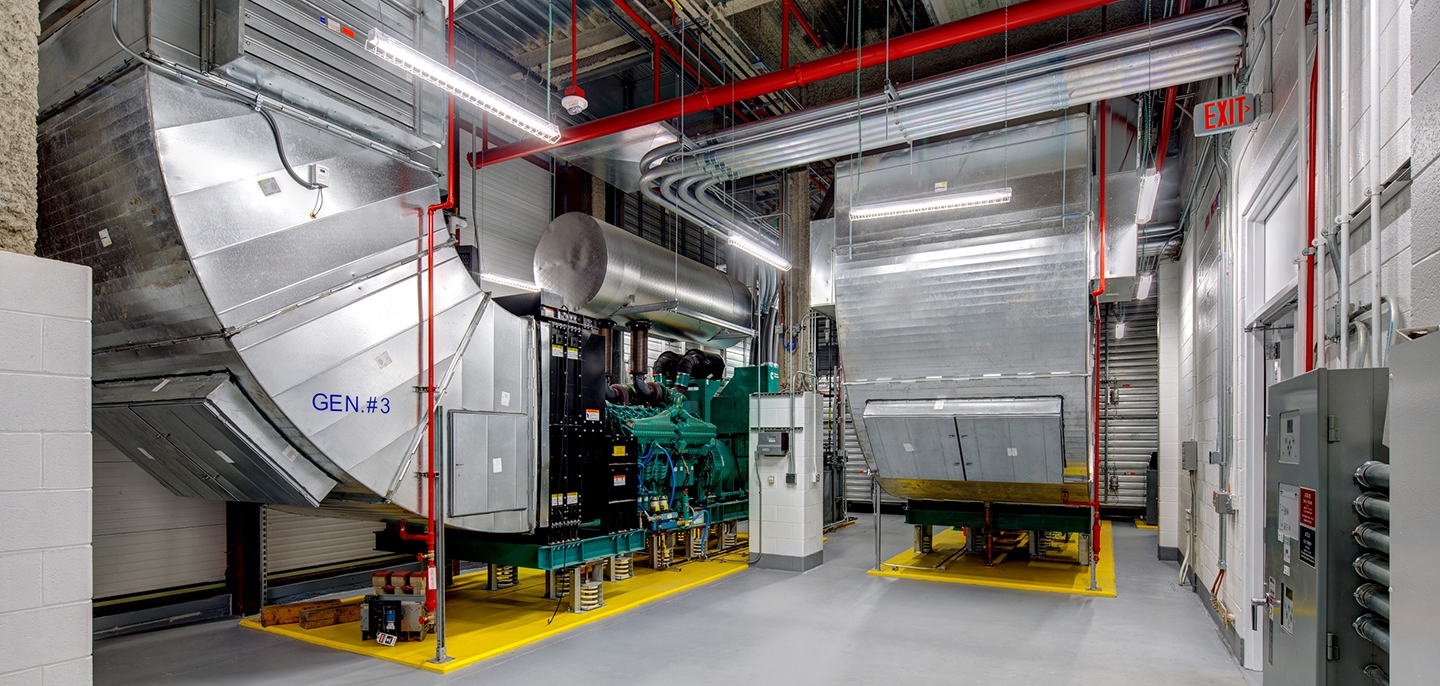
NFPA 110 Standard for Emergency and Standby Power Systems. This standard contains requirements covering the performance of emergency and standby power systems providing an alternate source of electrical power to loads in buildings and facilities in the event that the primary power source fails.
NFPA 111 Stored Electrical Energy for Emergency and Standby Power Systems. This standard shall cover performance requirements for stored electrical energy systems providing an alternate source of electrical power in buildings and facilities in the event that the normal electrical power source fails.
Public comment on the First Draft of the 2025 Edition will be received until May 31, 2023.
We have advocated in this standard since 1996 and still use the original University of Michigan Workspace; though those workspaces must be upgraded to the new Google Sites during 2021. We provide a link to the Standards Michigan Workspace and invite you to join any of our electrical colloquia which are hosted jointly with the IEEE Education & Healthcare Facilities Committee four times per month in European and American time zones. See our CALENDAR for the next online meeting; open to everyone.
Issue: [96-04]
Category: Electrical, Risk
Contact: Mike Anthony, Robert Arno, Neal Dowling, Jim Harvey, Robert Schuerger, Mike Hiler
NFPA 1 Fire Code does not have a specific section dedicated solely to painting facility safety. However, there are several sections within NFPA 1 that address fire safety requirements relevant to painting facilities. These sections provide guidelines and standards for various aspects of fire prevention and protection. Here are some key sections within NFPA 1 that are relevant to painting facility safety:
Chapter 10: Hazardous Materials: This chapter outlines requirements for the storage, handling, and use of hazardous materials, including paints, solvents, and flammable liquids. It covers topics such as storage limitations, ventilation, spill control, and fire protection measures.
Chapter 13: Spraying, Dipping, and Coating Using Flammable or Combustible Materials: This chapter addresses specific fire safety requirements for spray booths, spray rooms, and dip tanks used in painting and coating operations. It covers aspects such as construction, ventilation, electrical equipment, ignition sources, and fire suppression systems.
Chapter 15: Spraying and Dipping Operations: This chapter provides general requirements for spray finishing operations, including safety precautions, ventilation, electrical equipment, and handling of flammable or combustible materials.
Chapter 16: Combustible Dust-Producing Operations: While not specific to painting, this chapter is important for facilities that generate combustible dust during surface preparation or other operations. It addresses fire and explosion hazards associated with combustible dust, providing requirements for dust control, ventilation, equipment, and other safety measures.
These sections highlight key areas within NFPA 1 that can guide painting facility safety. It is essential to consult the latest edition of NFPA 1 and any applicable local or state fire codes to ensure compliance with the most up-to-date requirements and regulations specific to your location and facility type.
We maintain this title, and related titles in the NFPA catalog on the standing agenda of our periodic Paint colloquia; open to everyone. Use the login credentials at the upper right of our home page.
The original University of Michigan standards advocacy enterprise (see ABOUT) began following the evolution of NFPA 730 and NFPA 731 since the 2008 Edition. That enterprise began a collaboration with trade associations and subject matter experts from other universities (notably Georgetown University and Evergreen State University) to advocate user-interest concepts in the 2011 edition. A summary of advocacy action is summarized in the links below:
in the appeared in a trade association journal Facilities Manager:
An online presentation by Michael C. Peele (Georgetown University) — one of the voting members of NFPA 730 and NFPA 731 technical committees– was recorded and is linked below.
Public comment on the First Draft of the 2026 Edition will be received until January 3, 2025. You may key in your own ideas by clicking in to our user-interest Public Consultation Meeting Point or by communicating directly with the NFPA.
This title remains on the standing agenda of our Security colloquia. See our CALENDAR for the next online meeting; open to everyone.
Compact Muon Solenoid / European Organization for Nuclear Research
NFPA 1078 Standard for Electrical Inspector Professional Qualifications identifies the minimum job performance requirements for electrical inspectors. Qualifications for electrical inspectors are heavily regulated by state public safety agencies. Many, if not most electrical inspectors are former electricians. This means that part of their career has been spent working as an Labor/Installer/Maintenance stakeholder, and another part of their career has been spend as an Enforcement stakeholder. (See NFPA Classification of Committee Members). This can be a sensitive condition in large research universities that have a resident full-time enforcement staff ; the subject of a separate post.
Free access to the current 2024 edition is linked below:
The 2028 revision is now open for public input. It is always enlightening to follow the transcripts of the previous revision cycles to see what ideas have been in play.
Public input on the 2028 revision will be received until June 4, 2025
We have found that passions are elevated among stakeholders whenever compliance and conformance revenue is involved — i.e. in any consensus product that covers labor (i.e. billable hours).
We include this standard on the standing agenda of our monthly Human Resource, Power and Infotech teleconferences. See our CALENDAR for the next online meeting; open to everyone.
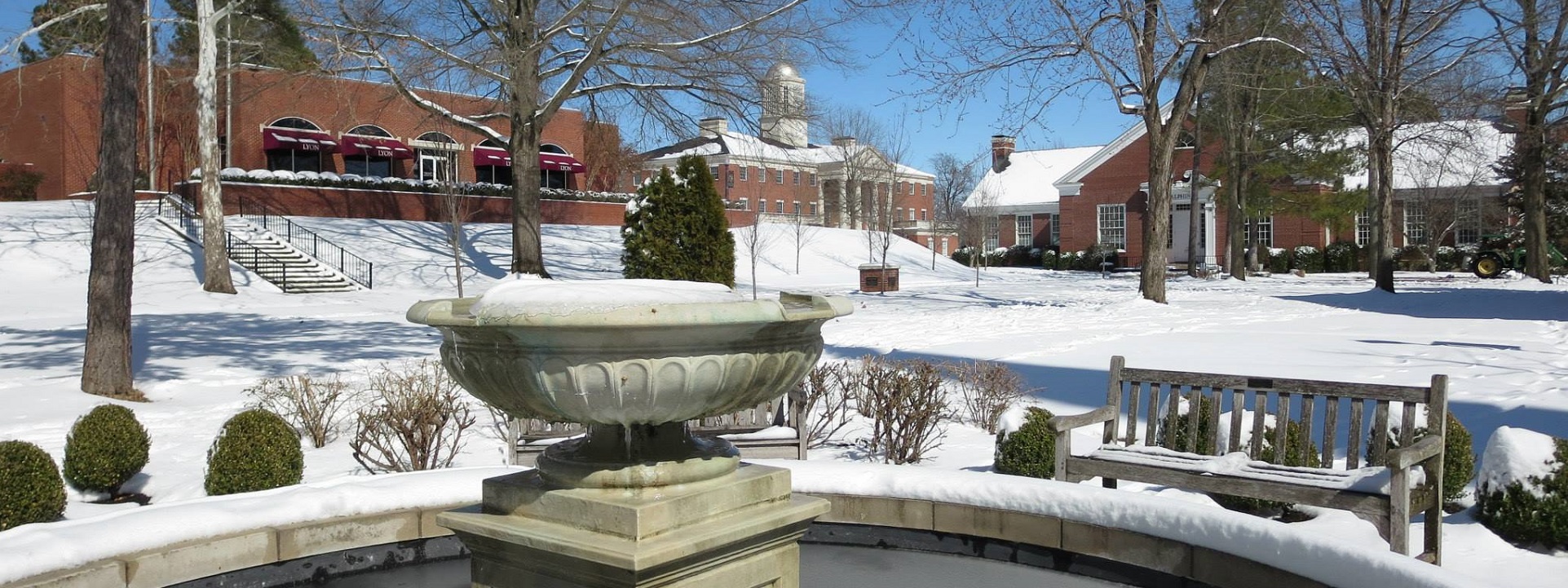
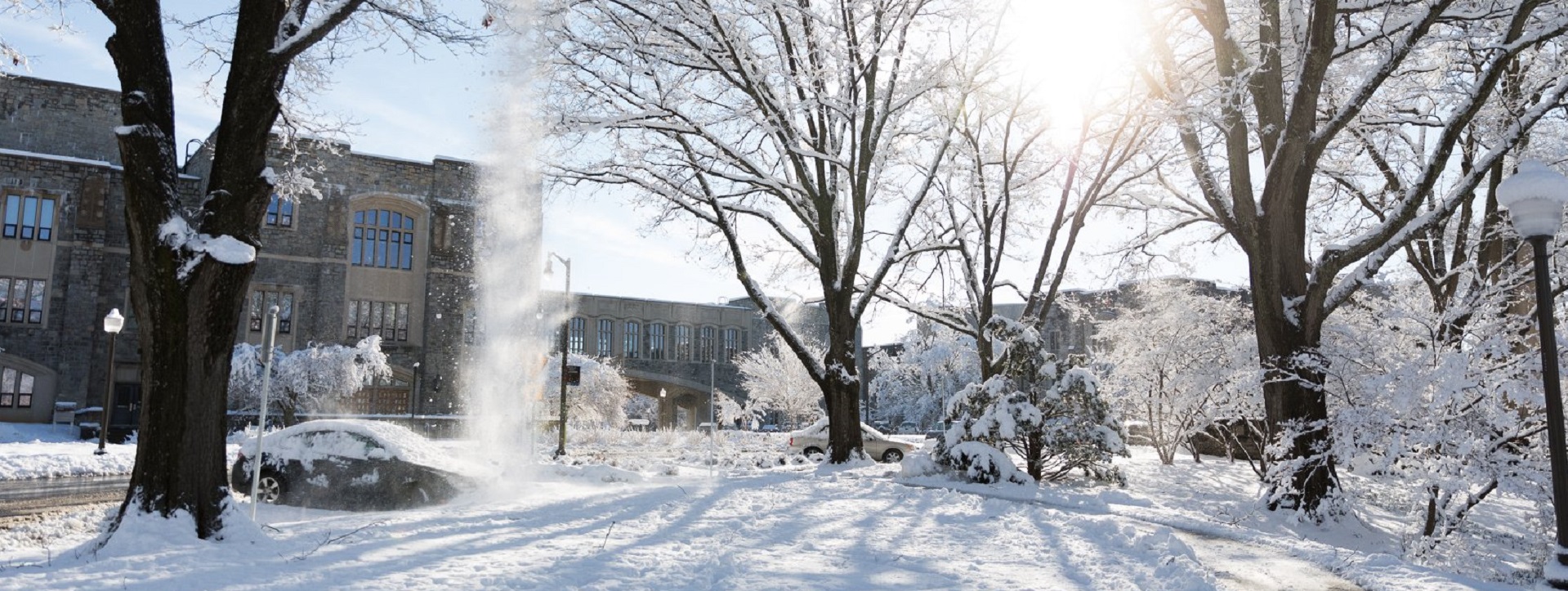
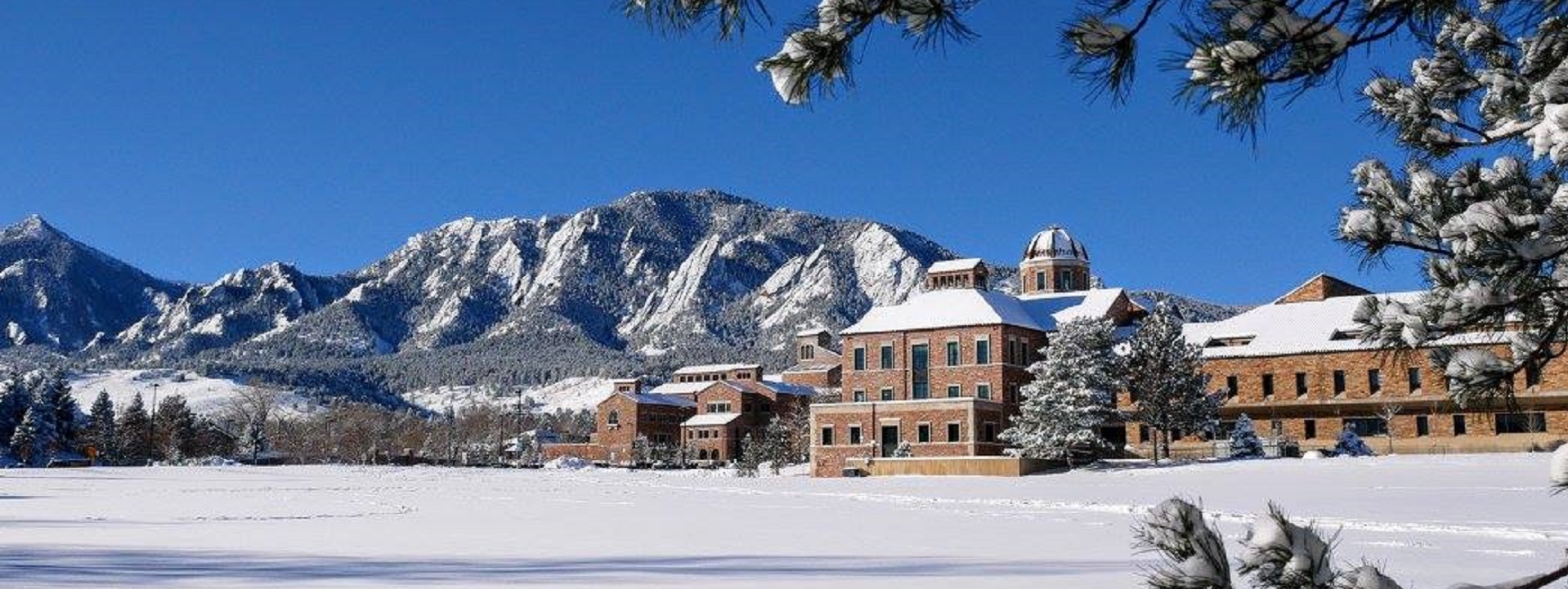
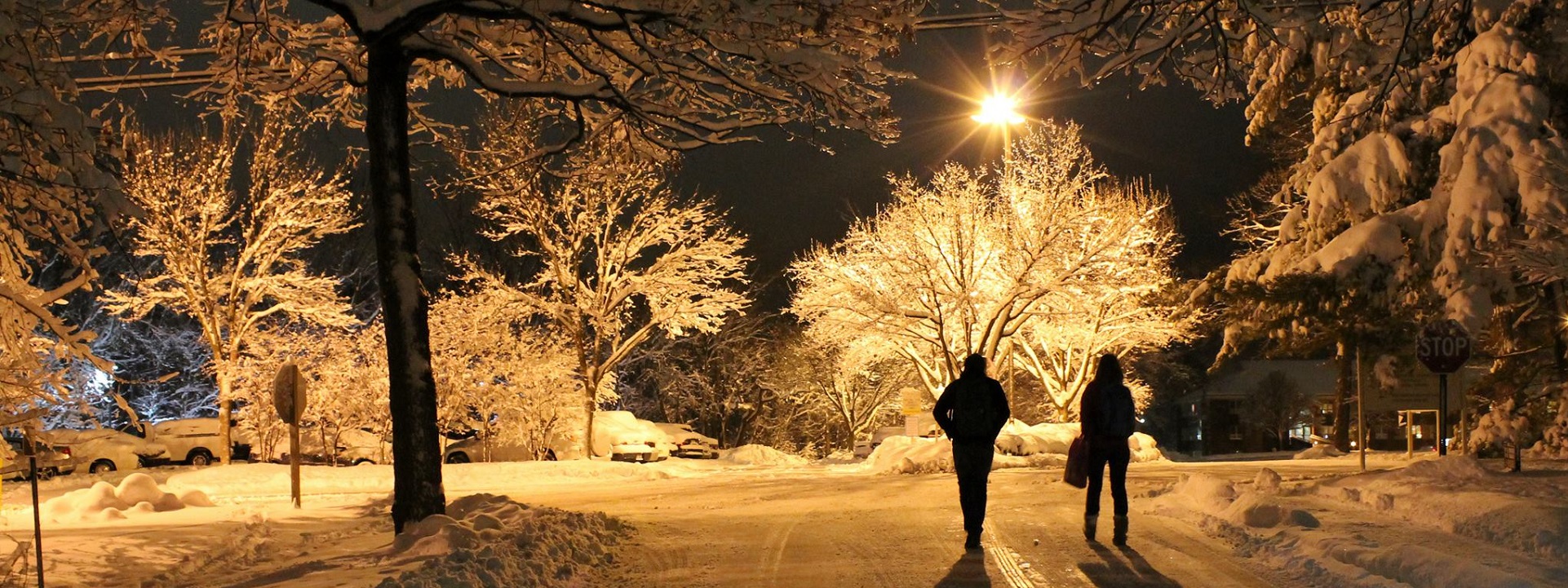
Today our focus turns to outdoor electric deicing and snow melting wiring systems identified as suitable for the environment and installed in accordance with the manufacturer’s instructions. They work silently to keep snow load from caving in roofs and icicles falling from gutters onto pedestrian pathways.
While the voltage and ampere requirement of the product itself is a known characteristic, the characteristic 0f the wiring pathway — voltage, ampere, grounding, short circuit, disconnect and control — is relatively more complicated and worthy of our attention. Articles 426-427 of the National Electrical Code is the relevant part of the NEC
We hold Articles 427 in the middle of our priority ranking for the 2023 NEC. We find that the more difficult issues for this technology is the determination of which trade specifies these systems — architectural, electrical, or mechanical; covered in previous posts. Instead, most of our time will be spent getting IEEE consensus products in step with it, specifically ANSI/IEEE 515 and IEEE 844/CSA 293.
Comments on the Second Draft of the 2026 NEC will be received until April 18th.
We collaborate with the IEEE Education & Healthcare Facility Committee which meets online 4 times per month in European and American time zones. Since a great deal of the technical basis for the NEC originates with the IEEE we will also collaborate with IEEE Standards Coordinating Committee 18 whose members are charged by the IEEE Standards Association to coordinate NFPA and IEEE consensus products.
Issue: [19-151]
Category: Electrical, Energy
Colleagues: Mike Anthony, Jim Harvey, Kane Howard, Jose Meijer
Managing capital‐intensive campus infrastructure embedded within a politically sensitive community presents challenges not present in private industry real assets. Differences in everything from department culture to annual facility use patterns mean that facility managers cannot implement the same safety approaches in all buildings. Approaches must be scaled and tailored to the occupancy type and informed by the interconnectedness and the specifics of a given facility. Accordingly, the original University of Michigan standards advocacy enterprise (see ABOUT) began following the development of safety concepts in both NFPA 730 and NFPA 731 with the release of the 2008 Edition. Thereafter, it collaborated with trade associations and subject matter experts from other universities (notably Georgetown University and Evergreen State University) to advocate user-interest concepts in the 2011 revisions.
Since 2008, campus security issues have only become more complex technically; across an expanding minefield of sensitivities. Since 2008 we have observed the emergence of about one-hundred new consensus products being developed by the same number of new trade associations and producers presenting campus security solutions.
NFPA 730 Guide to Premise Security is a consensus document that describes construction, protection, occupancy features, and practices intended to reduce security vulnerabilities to life and property. Related document — NFPA 731 Standard for the Installation of Electronic Premises Security Systems covers the application, location, installation, performance, testing, and maintenance of electronic premises security systems and their components. The first is a performance document; the second a prescriptive document for the construction, operation and maintenance of electrotechnologies that support premise security.
Public consultation on the 2023 revision closed January 5, 2022 however the NITMAM process permits additional comment at the 2023 NFPA Annual meeting in Las Vegas in June 2023.
The 2026 Edition is now open for public input until January 4, 2024.
Public Comment on the First Draft of the 2026 Edition will be received until January 3, 2025
As always, we encourage direct participation by user-interests supporting the education facility industry. You may do so by CLICKING HERE.
It is never a bad idea to key in comments on your own but if you would like some insight into our advocacy vectors since 2008 you are welcomed to click in our periodic Risk and Public Safety colloquia during which time we pick through technical, policy and enforcement specifics. We have been hammering on Chapters 11 and 12, Education and Healthcare Facilities, respectively; for five cycles. See our CALENDAR for the next online meeting; open to everyone.
Issue: [10-3], [11-58], [14-44] and [16-127]
Category: Electrical, Telecommunications, Information & Communications Technology, Public Safety, Risk Management, #SmartCampus
Colleagues: Mike Anthony, Jim Harvey, Richard Robben
Note in the transcript above that the four proposals submitted by Standards Michigan relate to healthcare facilities. Code Panel 15 receives proposals for healthcare and assembly occupancy wiring safety concepts.
Marcel Jambon for an 1895 Paris production of Giuseppe Verdi’s Otello.
The standard of care for electrical system safety in dramatic art facilities in the education, and other industries, is largely established in Articles 518 through Article 540 of the National Electrical Code (NEC). In some instances, dramatic art activity takes place in athletic arenas so we are mindful of parent standards for assembly occupancies generally; found in Chapter 3 of the International Building Code.
Free public access to the current 2023edition of the NEC is linked below:
Note the imperfect correlation between the NFPA and ICC occupancy definitions. This never happens by design but is sometimes necessary. Some risk aggregations have to be understood as terms of art; to be understood by seasoned experts in context. Also, keep in mind that the NEC is a wiring installation safety code.
Proposals for revisions to assembly-related installations in the for 2023 is linked below:
The so called “song and dance” sections of the NEC have been fairly “stable” in recent cycles. Changes to these articles in the NEC 2020 revision are incremental — i.e clarifications on grounding, wiring methods, cord wiring, illumination — and helpful for designers and inspectors. Nothing budget busting. Convergence of fire safety, mass notification, environmental air and visual experiences continues as once-independent technologies continue integration.
We collaborate with the IEEE Education & Healthcare Facilities Committee which meets 4 times monthly in Europe and the Americas. See our CALENDAR for the next online teleconferences; open to everyone.
Issue: [Various]
Category: Sport, Electrical, Telecommunications, Fire Protection, Arts & Entertainment Facilities, Lively Art
New update alert! The 2022 update to the Trademark Assignment Dataset is now available online. Find 1.29 million trademark assignments, involving 2.28 million unique trademark properties issued by the USPTO between March 1952 and January 2023: https://t.co/njrDAbSpwBpic.twitter.com/GkAXrHoQ9T