Category Archives: @NFPA

Loading
loading...

Wiring for Luminaires in High Ceiling Occupancies

This content is accessible to paid subscribers. To view it please enter your password below or send mike@standardsmichigan.com a request for subscription details.

Fire Pump Electric Power

This content is accessible to paid subscribers. To view it please enter your password below or send mike@standardsmichigan.com a request for subscription details.

Building Construction & Safety Code

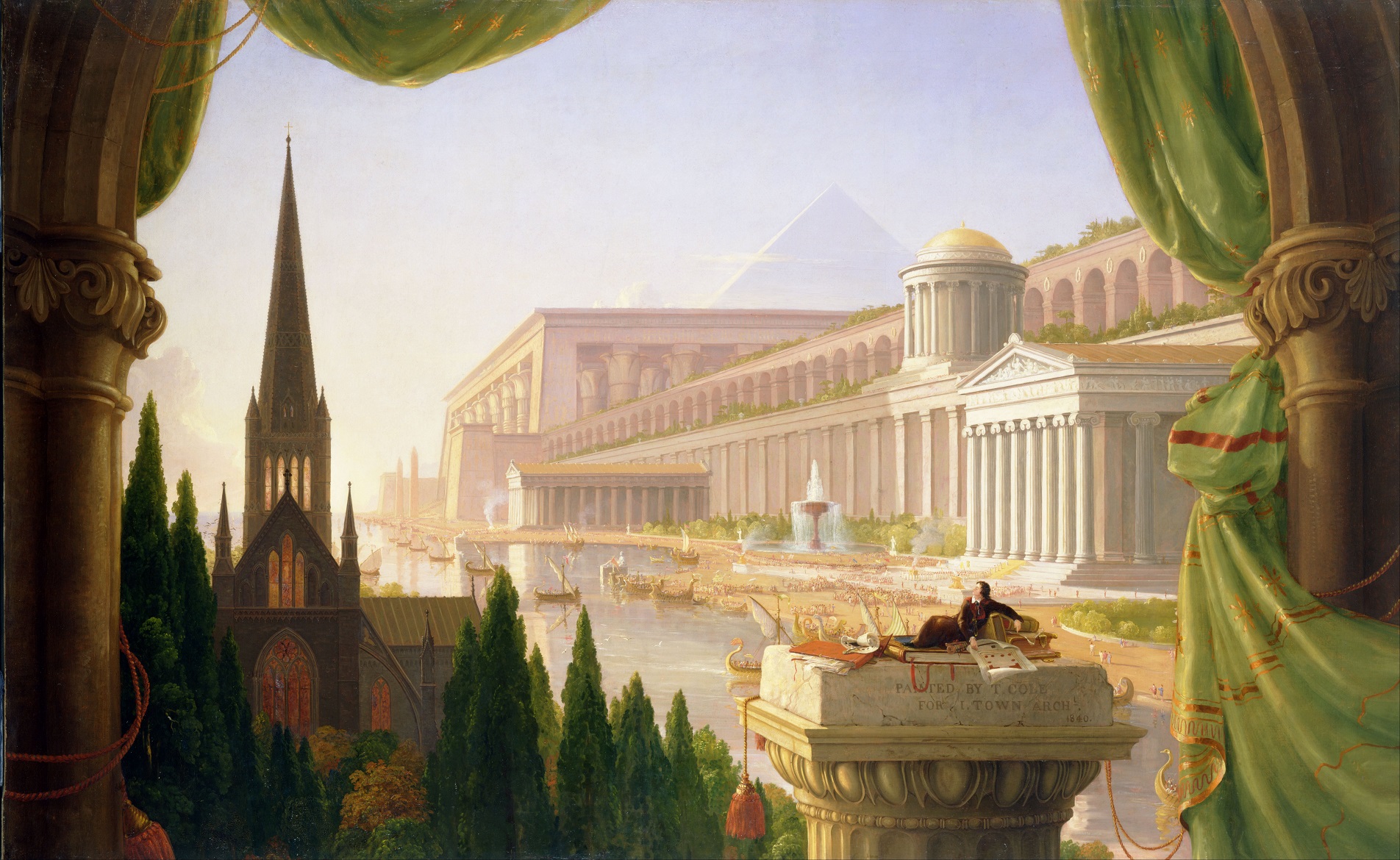
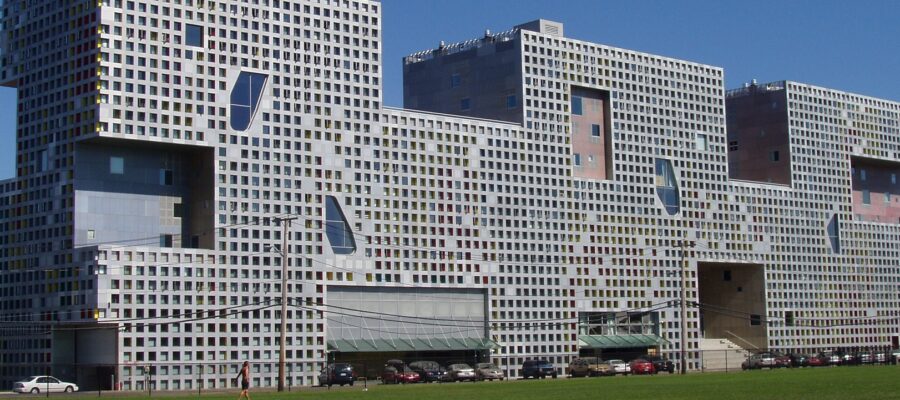
“Architect’s Dream” / Thomas Code

The scope of NFPA 5000 Building Construction and Safety Code — a consensus title of ‘similar’ scope developed by the International Code Council* — is paraphrased below:

 “…The Code addresses those construction, protection, and occupancy features necessary to minimize danger to life and property.  The Code does not address features that solely affect economic loss to private property…”

Our interest in this title contributes to our goal of understanding a fully dimensioned best practice bibliography for the built environment in education communities.  CLICK HERE for Free Access

The original University of Michigan standards advocacy enterprise began its engagement with this code with the inaugural edition in 2009, with special attention to the chapters listed below:

Chapter 17: Educational Occupancies

Chapter 18: Daycare Occupancies

Chapter 19: Health Care Occupancies

Chapter 51: Energy Systems

Chapter 52: Electrical Systems

A few Standards Michigan proposals track in the transcripts:

Educational and Day-Care Occupancies

Health Care Occupancies

Public consultation on the Second Draft closes March 28, 2023.  

We maintain NFPA 5000 on the standing agenda of our Model Building Code colloquia when we examine it along with competitor titles; notably International Code Council titles (I-Codes).   See our CALENDAR for the next online meeting; open to everyone.
Issue: [8-100]

Category: Architectural, Structural, Accessibility

Colleagues: Mike Anthony, Joe DeRosier, Jack Janveja

*By comparison the scope statement in the International Building Code — Section 101 General — is paraphrased below:

“…The provisions of this code shall apply to the construction, alteration, relocation, enlargement, replacement, repair, equipment, use and occupancy, location, maintenance, removal and demolition of every building or structure or appurtenances connected or attached to such buildings or structures…”


Electrical Rooms

This content is accessible to paid subscribers. To view it please enter your password below or send mike@standardsmichigan.com a request for subscription details.

Building Energy Code

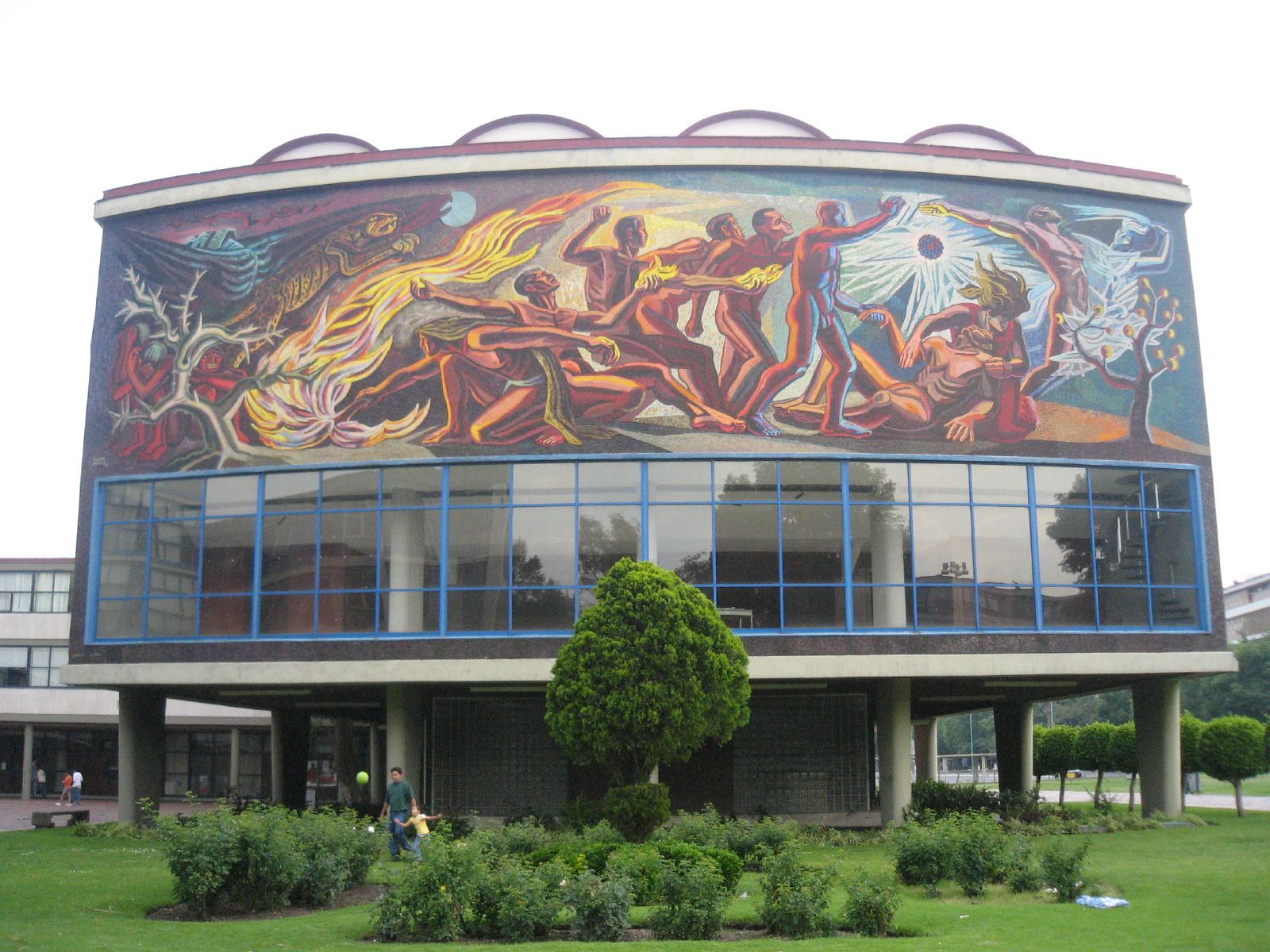
“The Conquest of Energy” / José Chávez Morado / Universidad Nacional Autónoma de México

Since about 2003 the National Fire Protection Association has invested in a consensus product that competes with other ANSI accredited standards developing organizations to secure a footprint in the energy conservation space:  NFPA 900 Building Energy Code.  Use of the word “code” in its title is significant.   It means that NFPA 900 has been written to be incorporated by reference into federal, state and local energy conservation legislation.

From the NFPA 900 prospectus:

These regulations shall control the minimum energy-efficient requirements for the following:

(1) The design, construction, reconstruction, alteration, repair, demolition, removal, inspection, issuance, and revocation of permits or licenses, installation of equipment related to energy conservation in all buildings and structures and parts thereof

(2) The rehabilitation and maintenance of construction related to energy efficiency in existing buildings

(3) The standards or requirements for materials to be used in connection therewith.

Sound familiar?  At the very least, NFPA 900 fills out the 300+ consensus product offerings of the NFPA.  A brief reading of NFPA 900 reveals that it references consensus products by the ICC, ASHRAE and other ANSI-accredited standards developers.   The public input deadline passed in January 2020.   The public input report will be posted no later than September 10th.   A first reading, available to registered NFPA-access members, reveals little new content.

Public input on the 2025 revision is receivable until January 5, 2023.

We host a monthly teleconference that covers Energy-related consensus products.  See our CALENDAR for the next online teleconference

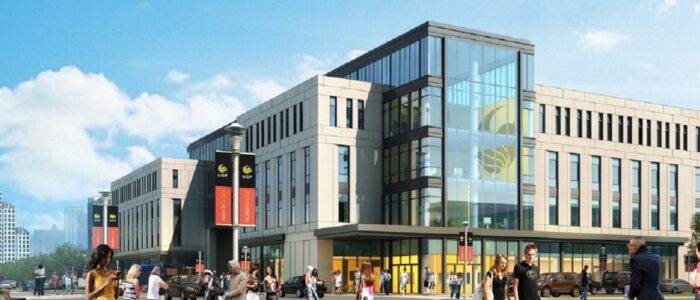
University of California Merced Power Plant


Issue: [6-5] [12-79]

Category: Public Safety, Risk Management, #SmartCampus

Colleagues: Mike Anthony, Richard Robben

LINK TO LEGACY UNIVERSITY OF MICHIGAN  NFPA WORKSPACE


Life Safety for Dormitories, Classrooms & Assembly


The NFPA Life Safety Code is among the most widely adopted NFPA consensus products; having issued its First Edition in 1913.  Free public access to the current edition is linked below:

2018 NFPA 101 Life Safety Code

Since the 2009 revision we have focused our attention on three chapters that directly influence the safety and sustainability agenda of the US education facility industry:

Chapters 12 & 13 / Assembly Occupancies.  A great deal of the square-footage under the stewardship of educational organizations are lecture halls, theaters, athletic venues, et al.

Chapters 14 & 15 / Educational Occupancies.  An occupancy used for educational purposes through the tweflth grade by six or more persons for 4 or more hours per day, et al

Chapter 18 & 19 / Health Care Occupancies.  We limit our interest to university-affiliated healthcare enterprise square footage; though we recognize that there is very little difference in life safety concepts between university affiliated and private/corporate healthcare facilities.   Many corporate healthcare enterprises are “branded” with university affiliations because relationships with teaching and research enterprises is good for business.    Where there are differences in life safety for healthcare facilities lie in the electrotechnologies of stand-alone campuses which we follow with the IEEE Education & Healthcare Facilities Committee.

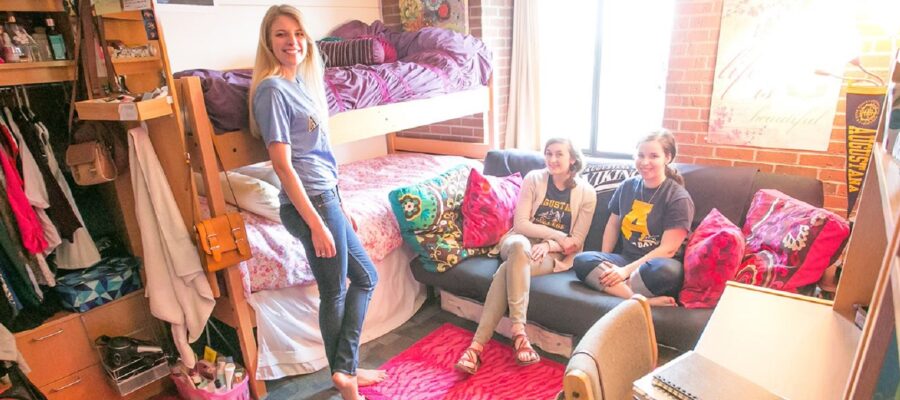
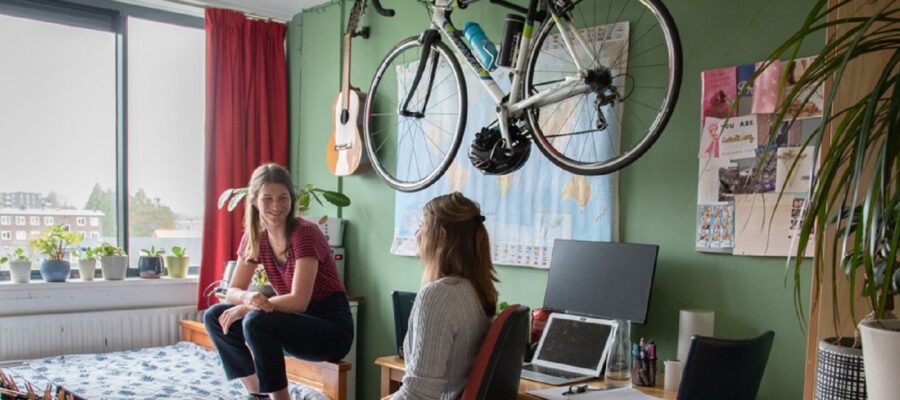
Chapters 28 & 29 / Hotels and Dormitories.  A building in which group sleeping accommodations are provided for more than 16 persons, et al.

The foregoing definitions received more granular treatment in Chapter 3 and “roughly” correlate with changes in International Code Council consensus products.

We find an above average number of user-interest technical committee members on NFPA 101 committees; notably Lee County School District (Florida), Florida School Boards Association, University of Kentucky, The Church of Jesus Christ of Latter-day Saints, Fairfax County Public Schools, US Department of the Air Force, Anne Arundel County Public Schools, University of Texas at Austin, Drexel University, University of Michigan, Indiana University Health.

We applaud these organizations and experts because a school district, college or university makes a long-term investment in such expertise.  This is far from the case in other areas of the $300 billion annual spend of the US education facility industry (See our ABOUT)

Most of our work since the 2009 edition involved proposing more specifics about student residence halls — especially kitchen fire safety.  We believed, and still believe, that student dormitories are different from hotels, documented in the link below:

NFPA 2012 Report on Proposals

We continue to follow action in the foregoing sections of NFPA 101 and link the transcripts of the technical committee on residential occupancies:

Public Input Report

Public Comment Report

After the Second Draft Report is released on or before January 22, 2020 we will have until February 19, 2020 to submit more public comment on decisions made during the Second Draft development through the NITMAM process.

We keep the Life Safety Code on the agenda of our monthly Fire Protection and our Design Guidelines & Specifications teleconference.  All teleconferences are open to everyone with two clicks.   See our CALENDAR for the next online meetings.


National Fire Protection Association 

For the last century, local, state, and federal governments have relied on private non-profit organizations like NFPA to develop the codes that are adopted into law to protect public safety. The cost of developing the codes is covered not by taxpayers but by the standards organizations themselves, who recover those costs through their ownership of the copyrights in the codes and standards. “Even though we own those copyrights, NFPA strives to make its documents as accessible as possible, because we believe this is the best way to accomplish our mission,” says NFPA President Jim Shannon. NFPA is proud to have been the first organization to have taken the bold step of creating free public access to privately developed codes and standards.

List of NFPA Codes and Standards

Layout mode
Predefined Skins
Custom Colors
Choose your skin color
Patterns Background
Images Background
Standards Michigan
error: Content is protected !!
Skip to content