Abstract. In order to prevent campus theft incidents, campus intelligent security was put forward to solve campus security problems. At present, most security systems in campus are mainly video surveillance. In most cases, some measures are just as later view tool. In view of the above problems, campus intelligent security is selected as the main research object. On the basis of in-depth analysis of the Internet of things technology, this paper makes innovative and exploratory research on RFID tag chip technology, GSM communication technology, keyboard input and LCD display. The results show that the new design of security can effectively prevent campus safety accidents. Based on the above finding, it is concluded that the school should realize the campus security system based on Internet of things as soon as possible, and provide a good living and learning environment for students at school.
The National Fire Protection Association is one of the first names among ANSI accredited standards setting organizations developing consensus products to meet the demand of education communities. Free access to one of its parent titles in this domain is linked below:
Much of the concepts in this expanding literature are informed by a product from the American College of Surgeons which presents a template for the formulation of policies and procedures to enhance survivability from intentional mass casualty and active shooter events.
We respond to live public consultation notices for best practice titles relevant to education community safety during any of our Risk and Security teleconferences. See our CALENDAR for the next online meeting; open to everyone
The expansion of school district, college and university public safety departments responds to the expansion of risk in education communities everywhere. APCO International, is an ANSI accredited standards developer of a suite of standards that should business units in the education industry responsible for campus safety. The landing page for its standards catalog is linked below:
Several titles currently under development are noteworthy:
Minimum Technical Requirements for Remote Support to Emergency Communication Center Operations
Core Competencies and Minimum Training Requirements for Peer Critical Incident (or Crisis) Support Team
Career Progression Within the Public Safety ECC
CLICK HERE for the landing page for APCO Standards Activities in Progress. For questions regarding APCO Standards, please email: apcostandards@apcointl.org or contact the Standards Program Manager at 920-579-1153.
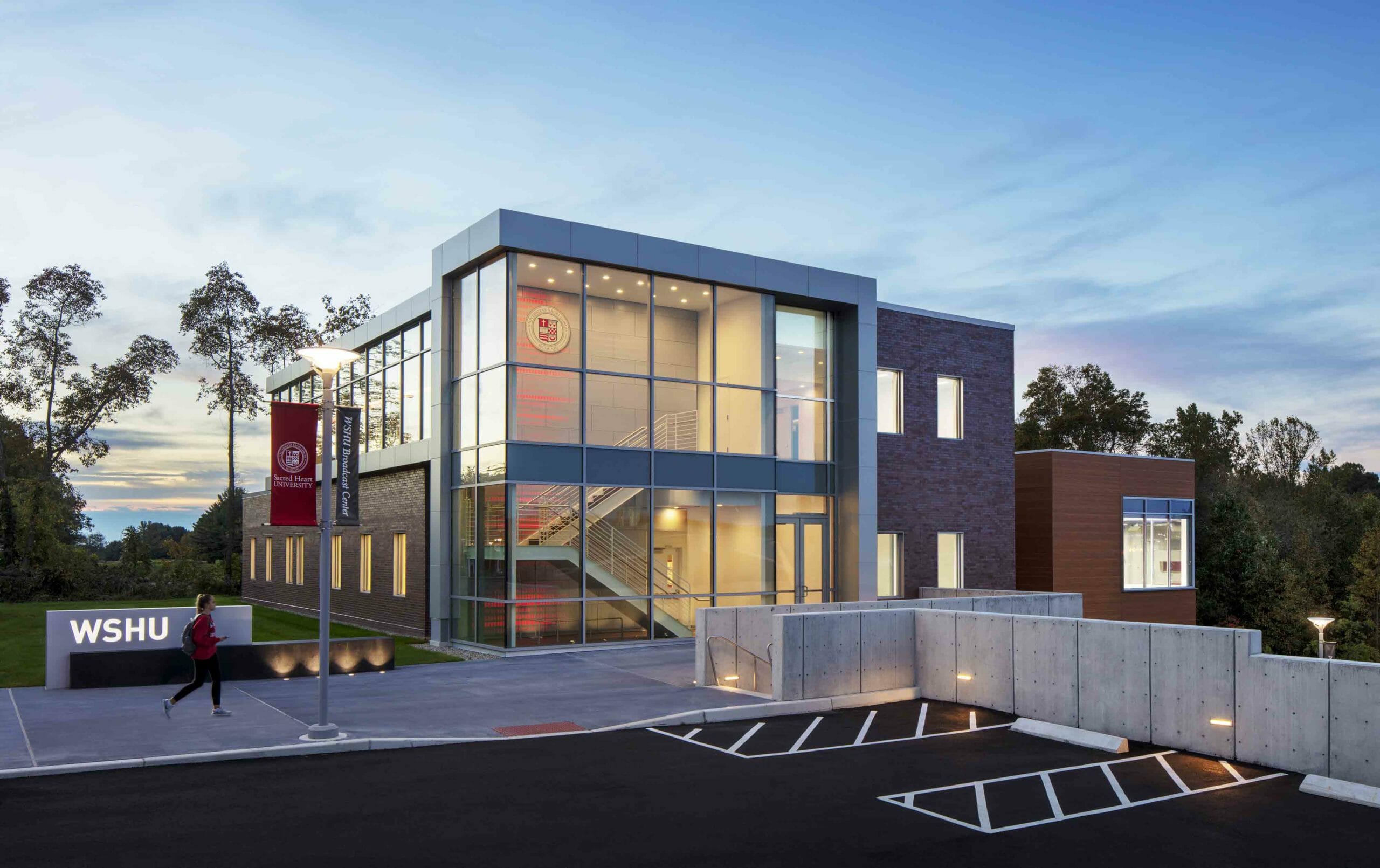
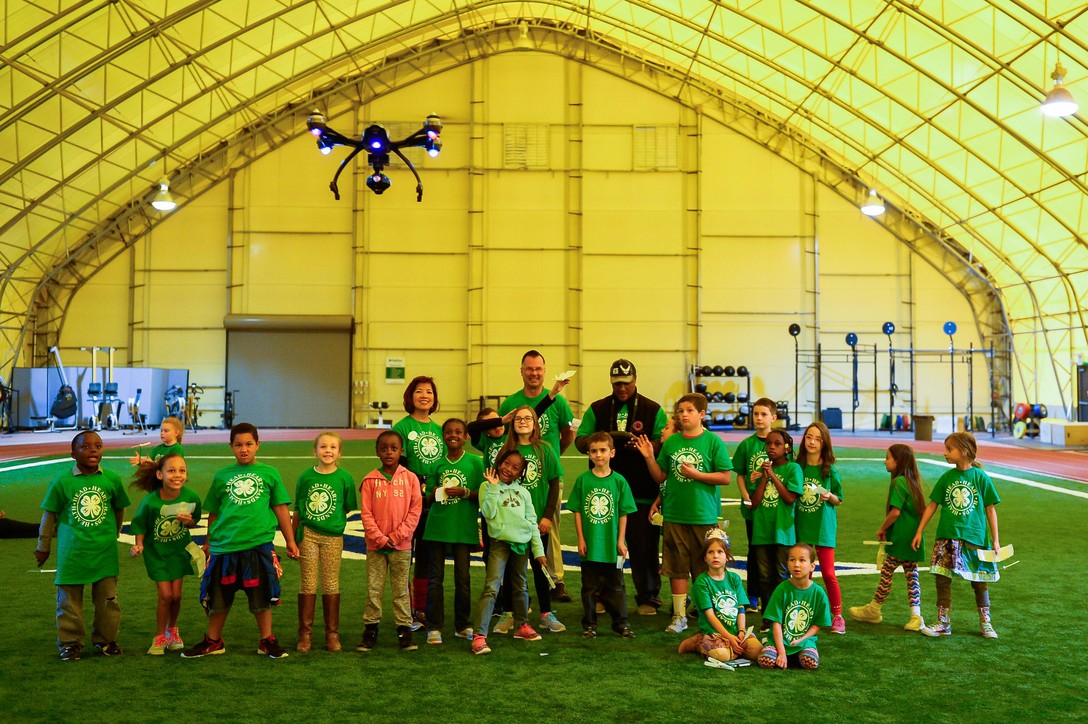
Sacred Heart University / Public Safety & National Public Radio Studios
All APCO campus safety standards are on the standing agenda of our Risk, Security and Radio colloquia. See our CALENDAR for the next online meeting; open to everyone.
Issue: [20-51]
Category: Security, Risk
Colleagues: Mike Anthony, Jim Harvey, Mike Hiler
More
APCO and the National Public Safety Telecommunications Council successfully petitioned the Federal Communications Commission for access to the 4.9 GHz band. CLICK HERE for the Final Rule and a complete description of the action that became effective December 30, 2020.
“We worry about what a child will become tomorrow,
yet we forget that he is someone today.”
– Stacia Tauscher
Today we run a status check on the stream of technical and management standards evolving to assure the highest possible level of security for education communities. The literature expands significantly from an assortment of national standards-setting bodies, trade associations, ad hoc consortia and open source standards developers. CLICK HERE for a sample of our work in this domain.
School security is big business in the United States. A few years ago we could deal with physical security separately from cybersecurity. Not so much anymore. In today’s colloquium — essentially a survey module presenting a broad overview — we seek to understand product and interoperability standards for the following technologies:
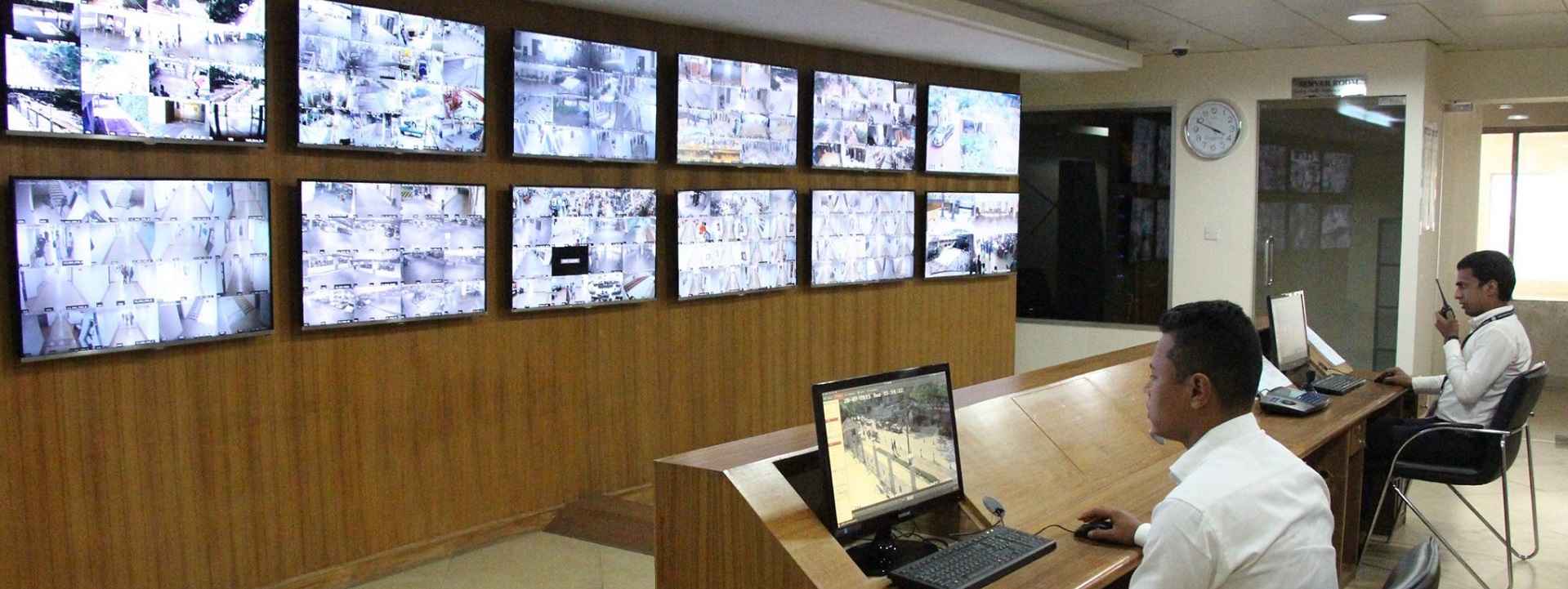
Video surveillance: indoor and outdoor cameras, cameras with night vision and motion detection capabilities and cameras that can be integrated with other security systems for enhanced monitoring and control.
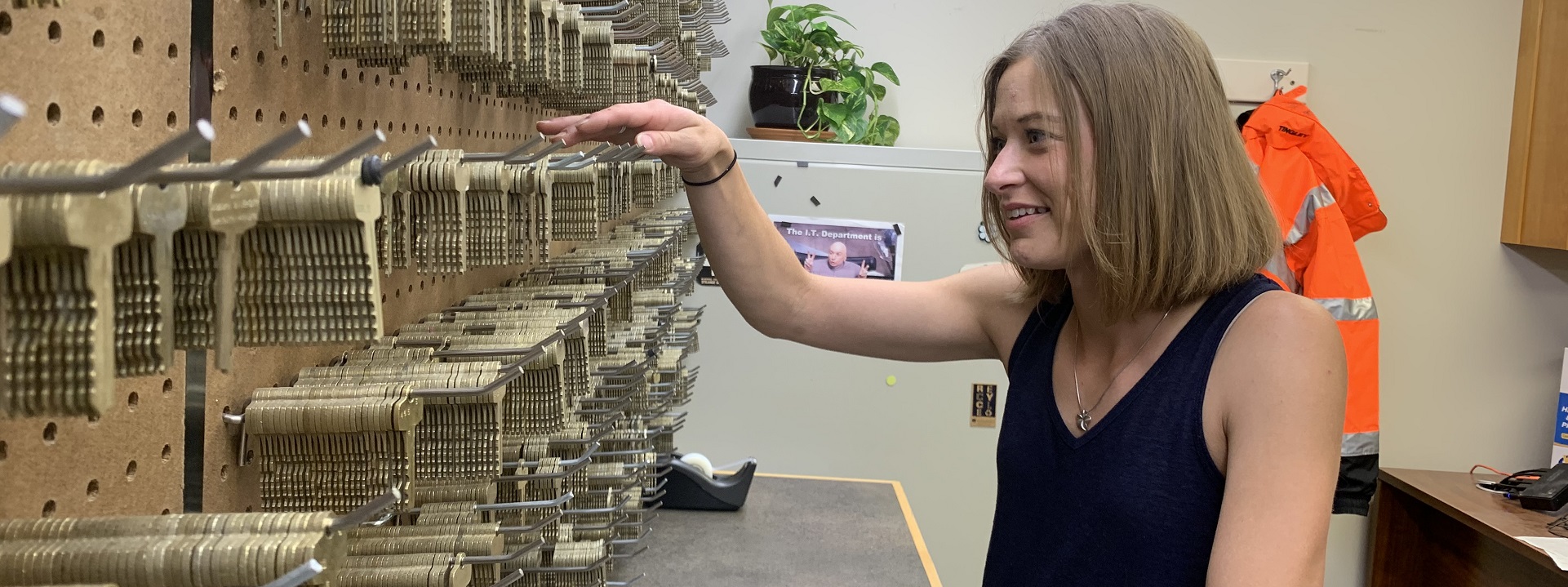
Access control:doors, remote locking, privacy and considerations for persons with disabilities.
As time permits, we will reckon with first cost and long-term maintenance cost, including software maintenance.
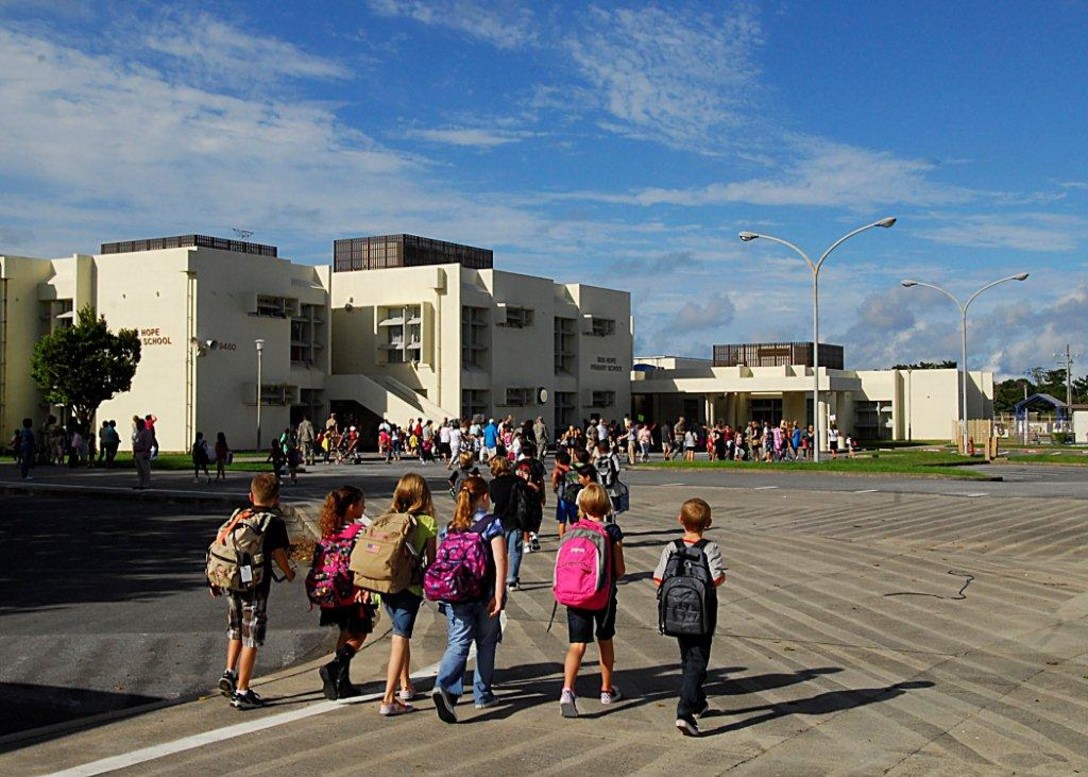
Bob Hope Primary School Kadena Air Base
According to a report by Markets and Markets, the global school and campus security market size was valued at USD 14.0 billion in 2019 and is projected to reach USD 21.7 billion by 2025, at a combined annual growth rate of 7.2% during the forecast period. Another report by Research And Markets estimates that the US school security market will grow at a compound annual growth rate of around 8% between 2020 and 2025, driven by factors such as increasing incidents of school violence, rising demand for access control and surveillance systems, and increasing government funding for school safety initiatives.
Noteworthy: The combined annual growth rate of the school and campus security market is greater than the growth rate of the education “industry” itself.
Education Community Safety catalog is one of the fast-growing catalogs of best practice literature. We link a small sample below and update ahead of every Security colloquium.
When your students love the school security guard- he gets flowers! Thanks, Steve! You are the BEST and we appreciate your hard work keeping us safe and building relationships! pic.twitter.com/VCJQ6y9S44
The National Fire Protection Association has added another standard to its suite of public safety documents: NFPA 2400 Standard for Small Unmanned Aircraft Systems (sUAS) used for Public Safety Operations. This standard covers the minimum requirements relating to the operation, deployment, and implementation of small unmanned aircraft systems for public safety operations. The standard is developed by two main committees — one committee for drone systems (UAS-AAA) and another committee for the professional qualifications to operate and maintain drone systems (PQU-AAC)
From the project prospectus:
This standard shall cover the minimum requirements relating to the operation, deployment, and implementation of small unmanned aircraft systems (sUAS) for public safety operations. This standard shall establish operational protocols for public safety entities who use and support sUAS. This standard shall include minimum job performance requirements (JPRs) for public safety personnel who operate and support sUAS. This standard shall include minimum requirements for the maintenance of sUAS when used by public safety entities. This standard shall provide additional minimum requirements specific to public safety entities.
The 2019 Edition of NFPA 2400 has already been released for public use. Because this is a relatively new addition to the NFPA suite we provide two links that offer insight into the ideas running through it: The First Draft Report for the AAA committee is linked below:
We choose these reports to provide an overview of the technical and management concepts in play in the first draft. It is not uncommon, in the developmental trajectory of any accredited standard, that the bulk of it is largely administrative. You may view it with a (free) NFPA public review account. Get one by CLICKING HERE
Application of this technology for public safety on college and university campuses will likely accelerate and, hopefully, a catalog of case studies that will be shared. We find that several educational organizations are supporting faculty and staff involvement: University of Illinois Fire Service Institute, Piedmont Virginia Community College, Embry-Riddle Aeronautical University, Oklahoma State University and the University Of Cincinnati are supporting the participation of Special Experts. The Los Angeles Unified School District is supporting a User Interest.
We expect that agricultural colleges and universities will begin developing curricula around the use of drones for crop inspection.
We encourage operations and maintenance staff — the various roofing and landscaping and grounds shops; for example — to participate in the development of the next revision. You may do so here: NFPA PUBLIC INPUT PAGE. We recommend you communicate directly with NFPA staff — either Michael Wixler or Elena Carroll. CLICK HERE for contact help.
We maintain this title on the standing agenda of periodic Mobility, Risk and Aerospace colloquia. See our CALENDAR for the next online meeting; open to everyone.
Schriever School Age Care | Schriever Air Force Base Indoor Running Track
Issue: [18-269], [16-199]
Category: Public Safety, Risk Management, #SmartCampus
Concerning times and seasons, brothers and sisters,
you have no need for anything to be written to you.
For you yourselves know very well that the day of the Lord will come
like a thief at night.
When people are saying, “Peace and security, ”
then sudden disaster comes upon them,
like labor pains upon a pregnant woman,
and they will not escape.
But you, brothers and sisters, are not in darkness,
for that day to overtake you like a thief.
For all of you are children of the light
and children of the day.
We are not of the night or of darkness.
Therefore, let us not sleep as the rest do,
but let us stay alert and sober.
1 Thessalonians 5:1-6
“Breakfast Under the Big Birch Tree” 1896 Carl Larsson
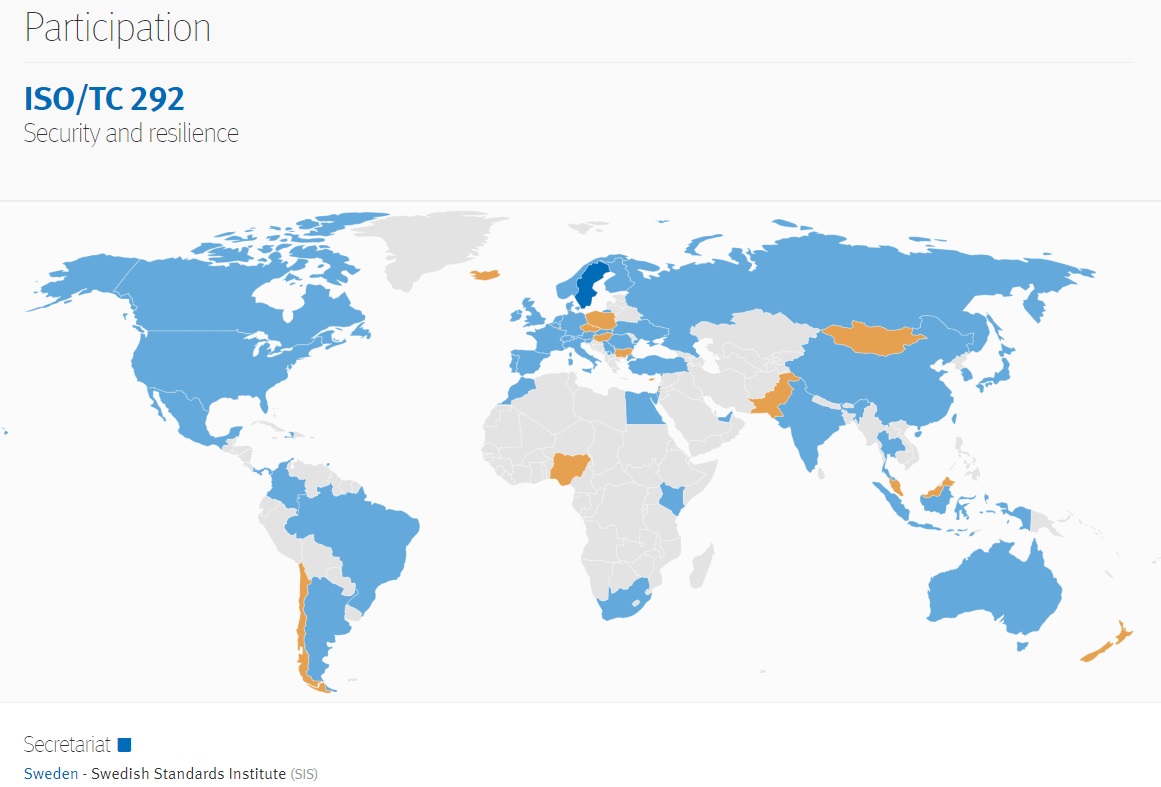
We follow the development of public policy documents produced by International Organization for Standardization technical committee 292 (ISO TC/292) because the concepts emerging from these committees for at least two main reasons:
a) they find their way into the assumed vocabulary of government security management regulations
b) as an global industry, the education industry should contribute to a common vocabulary for resilience concepts as a matter of collegiality and respect for global collaborators.
Admittedly, the time frame in which the blue sky conceptions of global committees become tangible to campus communities usually spans well beyond the tenure of most college and university presidents; much less the business leaders in the education industry who would be on the front line of assuring campus security.
From what we gather, the work products of TC/292 committees seem to tip-toe around the products of other ISO committees. The Business Plan — linked below — is a starting point for understanding why an international industry, with scholars collaborating with one another from all points of the globe, needs to understand where this standard is headed:
The mission for ISO/TC 292 Security and resilience is to produce high quality standards to support nations, societies, industry, organisations and people in general. The purpose of these standards is to enhance and sustain the state of being free from danger or threat and to feel safe, stable, and free from fear or anxiety.
There are enough “trigger words” in this statement for the US education industry to pay attention. Based upon our experience the substance of standard will begin showing up in bibliographies of academic research papers first; then showing up in international studies course curricula, and ultimately in consensus documents setting the standard of care for strategies and management of security “systems”. We hazard a guess that it will take 6 to 12 years for this document to begin affecting security management decisions on college and university campuses; primarily in ANSI accredited safety standards — soon enough for a deep cycle industry.
Any stakeholder — and we mean either an academic or business user-interest from a school district, college or university — within the United States should communicate directly with NASPO. We will not be participating in the development of this product but we will maintain it on the standing agendas of our Risk and Global colloquia. See our CALENDAR for the next online meeting; open to everyone.
New update alert! The 2022 update to the Trademark Assignment Dataset is now available online. Find 1.29 million trademark assignments, involving 2.28 million unique trademark properties issued by the USPTO between March 1952 and January 2023: https://t.co/njrDAbSpwBpic.twitter.com/GkAXrHoQ9T



.jpg)