Category Archives: Water

Loading
loading...

Autumn Wind

This content is accessible to paid subscribers. To view it please enter your password below or send mike@standardsmichigan.com a request for subscription details.

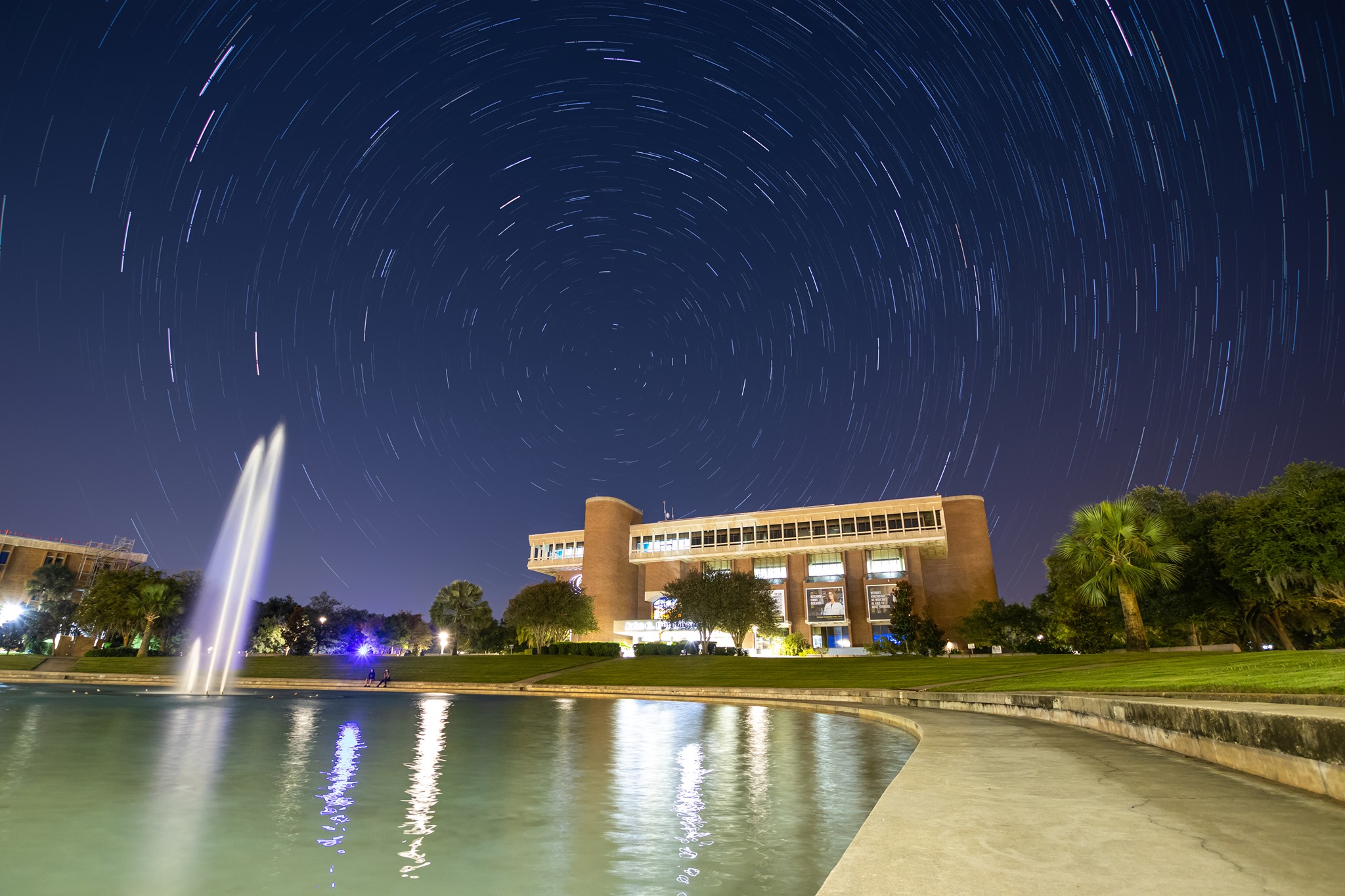
Fontaines

Water fountains enhance campus outdoor settings by creating serene, inviting spaces that promote relaxation and social interaction. Their gentle sounds of flowing water reduce stress, mask noise, and foster a calming atmosphere conducive to study or reflection.

Aesthetically, fountains serve as focal points, adding elegance and visual appeal to courtyards or green spaces. They attract students, faculty, and visitors, encouraging gatherings and community engagement. Environmentally, fountains can support local ecosystems by providing water for birds or plants.

Well-maintained, they symbolize a campus’s commitment to beauty and sustainability, enriching the outdoor experience and enhancing the overall campus ambiance.

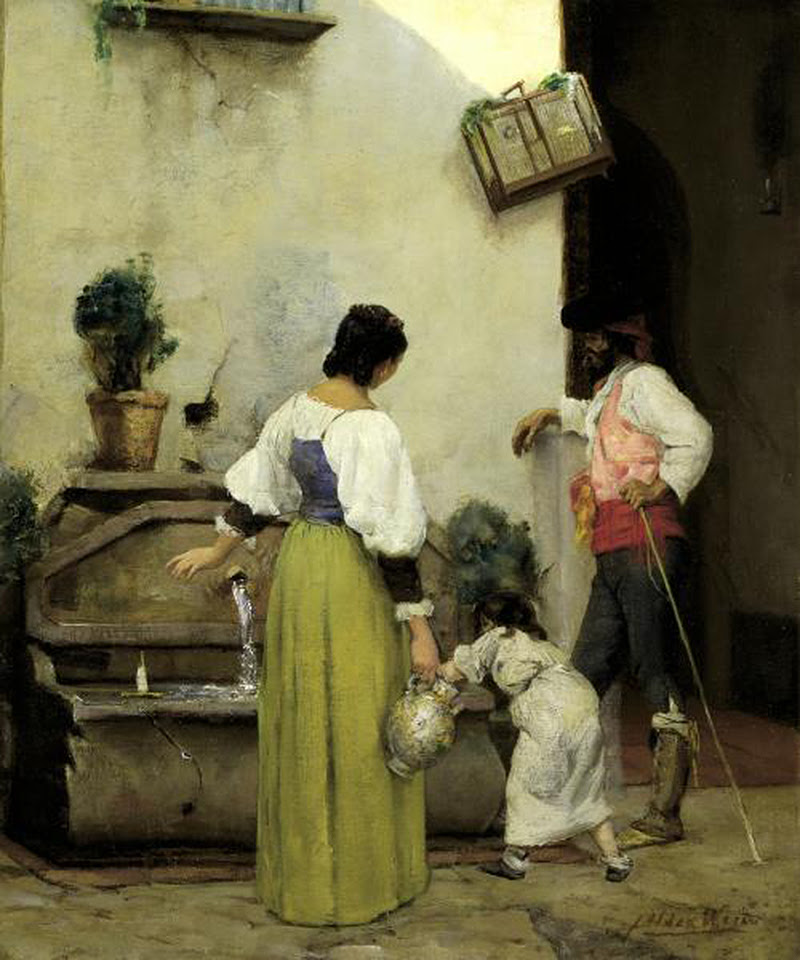
“At the Water Trough” 1876 J. Alden Weir

Indiana State University

Ithaca College

Harvard University

Lunds Universitet

University of Louisville Kentucky

Florida Southern College

University of Massachusetts Amherst

Michigan State University

University of Albany

Florida State University

Eastern Kentucky University

University of Texas Austin

Mineral Area College Missouri

Henry Ford College

California Institute of Technology

Ludwig-Maximilians-Universität München

University of New Mexico

Regent University

Iowa State University

Berry College

Indiana University

University of Southern California

Furman University

University of Washington

Western Michigan University

Missouri State University

University of Michigan

Water 100

We forget that the water cycle and the life cycle are one. - Jacques Yves Cousteau

Boathouses

This content is accessible to paid subscribers. To view it please enter your password below or send mike@standardsmichigan.com a request for subscription details.

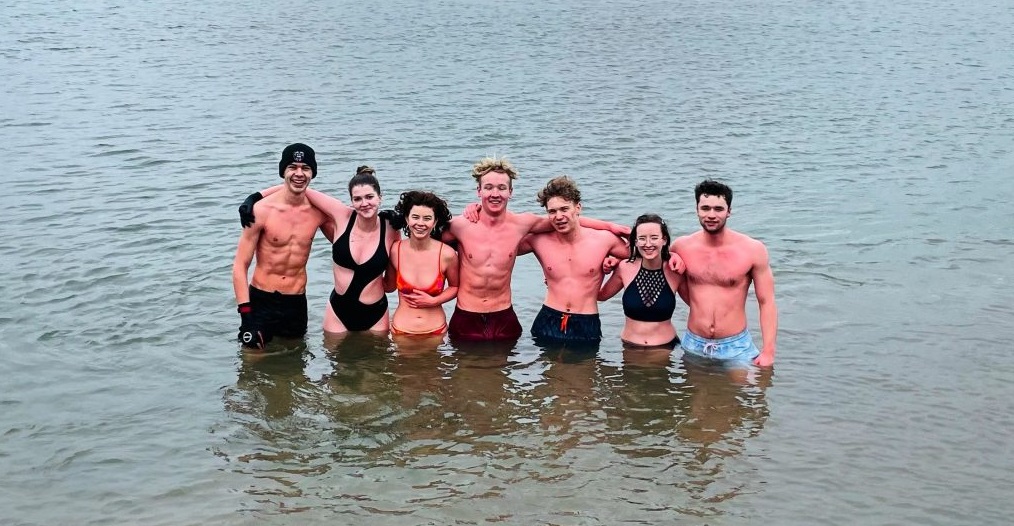
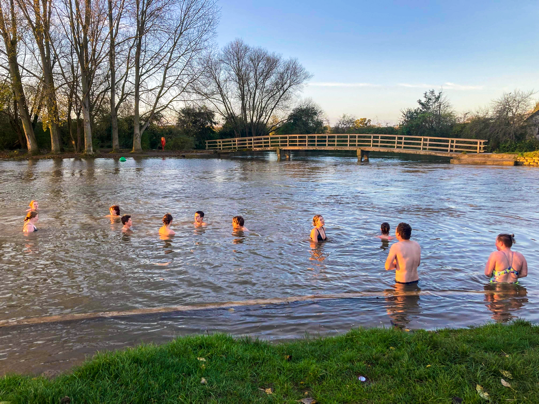
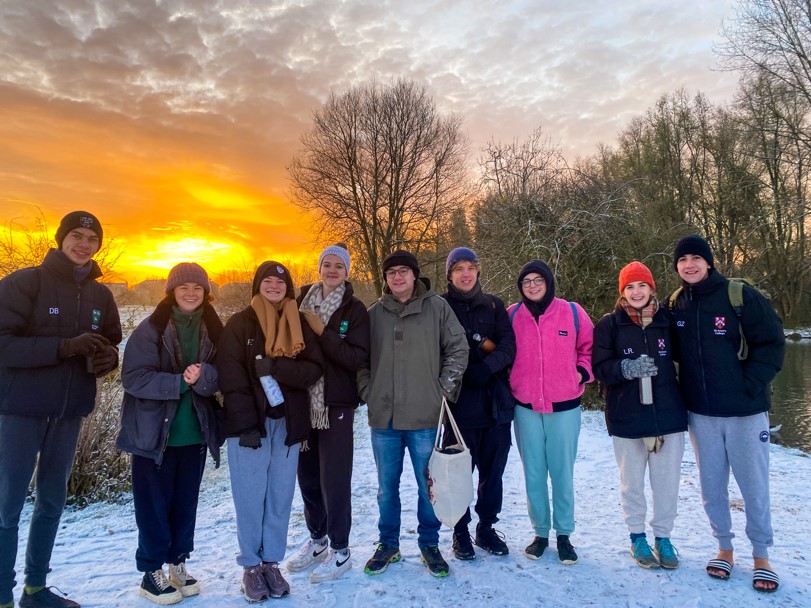
All Season Outdoor Swim & Dive

Masters University Facilities

Standards California

Reliability Analysis for Power to Fire Pumps

Reliability Analysis for Power to Fire Pump Using Fault Tree and RBD

Robert Schuerger | HP Critical Facilities (Project Lead, Corresponding Author) 

Robert Arno | ITT Excelis Information Systems

Neal Dowling | MTechnology

Michael  A. Anthony | University of Michigan


Abstract:  One of the most common questions in the early stages of designing a new facility is whether the normal utility supply to a fire pump is reliable enough to “tap ahead of the main” or whether the fire pump supply is so unreliable that it must have an emergency power source, typically an on-site generator. Apart from the obligation to meet life safety objectives, it is not uncommon that capital on the order of 100000to1 million is at stake for a fire pump backup source. Until now, that decision has only been answered with intuition – using a combination of utility outage history and anecdotes about what has worked before. There are processes for making the decision about whether a facility needs a second source of power using quantitative analysis. Fault tree analysis and reliability block diagram are two quantitative methods used in reliability engineering for assessing risk. This paper will use a simple one line for the power to a fire pump to show how each of these techniques can be used to calculate the reliability of electric power to a fire pump. This paper will also discuss the strengths and weakness of the two methods. The hope is that these methods will begin tracking in the National Fire Protection Association documents that deal with fire pump power sources and can be used as another tool to inform design engineers and authorities having jurisdiction about public safety and property protection. These methods will enlighten decisions about the relative cost of risk control with quantitative information about the incremental cost of additional 9’s of operational availability.


CLICK HERE to order complete paper

Marina & Boatyard Electrical Safety

Rowing at the 2024 Summer Olympics

“The Biglin Brothers Racing| Thomas Eakins (1872)

Rowing competition in the 2024 Olympics inspires a  revisit of NFPA 303: Fire Protection Standard for Marinas and Boatyards.  Apart from athletic competition, many colleges, universities and trade schools with academic programs are responsible for safety of facilities located on fresh and saltwater shorelines.  Other nations refer to best practice discovered and applied in the United States.   Keep in mind that, unlike other nations, the standard of care for electrical safety in the United States is driven primarily by the fire safety community.   This happens because public safety leadership falls upon the local Fire Marshall who has a budget that is widely understand and generally supported.

From the NFPA 303 scope statement:

 This standard applies to the construction and operation of marinas, boatyards, yacht clubs, boat condominiums, docking facilities associated with residential condominiums, multiple-docking facilities at multiple-family residences, and all associated piers, docks, and floats.

This standard also applies to support facilities and structures used for construction, repair, storage, hauling and launching, or fueling of vessels if fire on a pier would pose an immediate threat to these facilities, or if a fire at a referenced facility would pose an immediate threat to a docking facility.

This standard applies to marinas and facilities servicing small recreational and commercial craft, yachts, and other craft of not more than 300 gross tons.

This standard is not intended to apply to a private, noncommercial docking facility constructed or occupied for the use of the owners or residents of the associated single-family dwelling.

No requirement in this standard is to be construed as reducing applicable building, fire, and electrical codes.

The standard of care for facilities owned by educational institutions is not appreciably different from the standard of care for any other Owner except some consideration should be given to the age and training of most of the occupants — students, of course — who are a generally transient population.  Some research projects undertaken on university-owned facilities are also subject to the local adaptions of NFPA 303.  The current version of NFPA 303 is linked below:

FREE ACCESS: NFPA 303


Boathouse Row / Philadelphia

The 2021 Edition is the current edition and the next edition will be the 2025 revision.  Click on the link below to read what new ideas were running through the current edition; mostly electrical that are intended to correlate with National Electrical Code Article 555 and recent electrical safety research*:

Landing Page for the 2028 Edition

NFPA 303 Public Input Report for the 2021 Edition

Public input closing date for the 2025 Edition is June 1, 2023.   

You may submit comment directly to NFPA on this and/or any other NFPA consensus product by CLICKING HERE.  You will need to set up a (free) account.   NFPA 303 document is also on the standing agenda of our 4 times monthly collaboration with the IEEE Education & Healthcare Facilities Committee.  See our CALENDAR for the next online colloquium; open to everyone.

Michigan Technological University

Issue: [16-133]

Category: Electrical, #SmartCampus, Facility Asset Management

Colleagues: Mike Anthony,  Jim Harvey


LEARN MORE:

* Marina Risk Reduction

NFPA 70 National Electrical Code (Article 555)

Examining the Risk of Electric Shock Drowning (ESD) As a Function of Water Conductivity

H.R. 3949 Safe Drinking Water in Playgrounds

434 lawmakers, including 89 new freshman Members, were sworn in to the 116th Congress on January 3, 2019. Photo by Phi Nguyen.

To amend the Safe Drinking Water Act to provide for drinking water fountain replacement in playgrounds and parks, and for other purposes.

Ogród na dachu biblioteki

“It is impossible to communicate to people who have not experienced it–

the undefinable menace of total rationalism.”  Czesław Miłosz


Polish Committee for Standardization

Polska

Rainwater Catchment Systems

Duke University West Campus Water Reclamation Pond | Click on image

One of several titles asserting best practice for rainwater catchment systems — an emergent design feature many college and university facility departments are signaling to demonstrate their conformity to the campus sustainability zietgeist — is ASPE 63 Rainwater Catchment Systems; developed and published by the American Society of Plumbing Engineers.  From the project prospectus:

Scope: This standard covers requirements for the design and installation of rainwater catchment systems that utilize the principle of collecting and using precipitation from a rooftop and other hard, impervious building surfaces. This standard does not apply to the collection of rainwater from vehicular parking or other similar surfaces.

Project Need: The purpose of this standard is to assist engineers, designers, plumbers, builders/developers, local government, and end-users in safely implementing a rainwater catchment system.

Stakeholders: Plumbing engineers, designers, plumbers, builders/developers, local government, end users.

You may obtain a copy of the 2020 edition by contacting Gretchen Pienta, (847) 296-0002, gpienta@aspe.org,  6400 Shafer Court, Suite 350, Rosemont, IL 60018.   We encourage front-line/workpoint experts and facility managers to participate in the ASPE standards development process.   Start with the link below:

ASPE Standards Development Home Page

We have all water system codes and standards on the agenda of our next monthly Mechanical, Plumbing and Rain colloquia  See our CALENDAR for the next online meeting; open to everyone.

Issue: [13-61]

Category: Mechanical Engineering, Water

Colleagues: Richard Robben, Larry Spielvogel

University of Toledo


Related: Posted 10 September 2020

Rainwater Catchment Systems 400

Layout mode
Predefined Skins
Custom Colors
Choose your skin color
Patterns Background
Images Background
Standards Michigan
error: Content is protected !!
Skip to content