

Water is essential for sanitation and hygiene — and proper sanitation is essential for protecting water sources from contamination and ensuring access to safe drinking water. Access to safe water and sanitation is crucial for preventing the spread of waterborne diseases, which can be transmitted through contaminated water sources or poor sanitation practices. Lack of access to safe water and sanitation can lead to a range of health problems, including diarrheal diseases, cholera, typhoid, and hepatitis A.
On the other hand, poor sanitation practices, such as open defecation, can contaminate water sources, making them unsafe for drinking, bathing, or cooking. This contamination can lead to the spread of diseases and illness, particularly in developing countries where access to clean water and sanitation facilities may be limited.
We track the catalog of the following ANSI accredited standards developers that necessarily require mastery of building premise water systems:
American Society of Heating, Refrigerating and Air-Conditioning Engineers: ASHRAE develops standards related to heating, ventilation, air conditioning, refrigeration systems — and more recently, standards that claim jurisdiction over building sites.
American Society of Mechanical Engineers: ASME develops standards related to boilers, pressure vessels, and piping systems.
American Water Works Association: AWWA is a standards development organization that publishes a wide range of standards related to water supply, treatment, distribution, and storage.
ASTM International: ASTM develops and publishes voluntary consensus standards for various industries, including water-related standards. They cover topics such as water quality, water sampling, and water treatment.
National Fire Protection Association: NFPA develops fire safety standards, and some of their standards are related to water, such as those covering fire sprinkler systems and water supplies for firefighting within and outside buildings. We deal with the specific problems of sprinkler water system safety during our Prometheus colloquia.
National Sanitation Foundation International (NSF International): NSF International develops standards and conducts testing and certification for various products related to public health and safety, including standards for water treatment systems and products.
Underwriters Laboratories (UL): UL is a safety consulting and certification company that develops standards for various industries. They have standards related to water treatment systems, plumbing products, and fire protection systems.
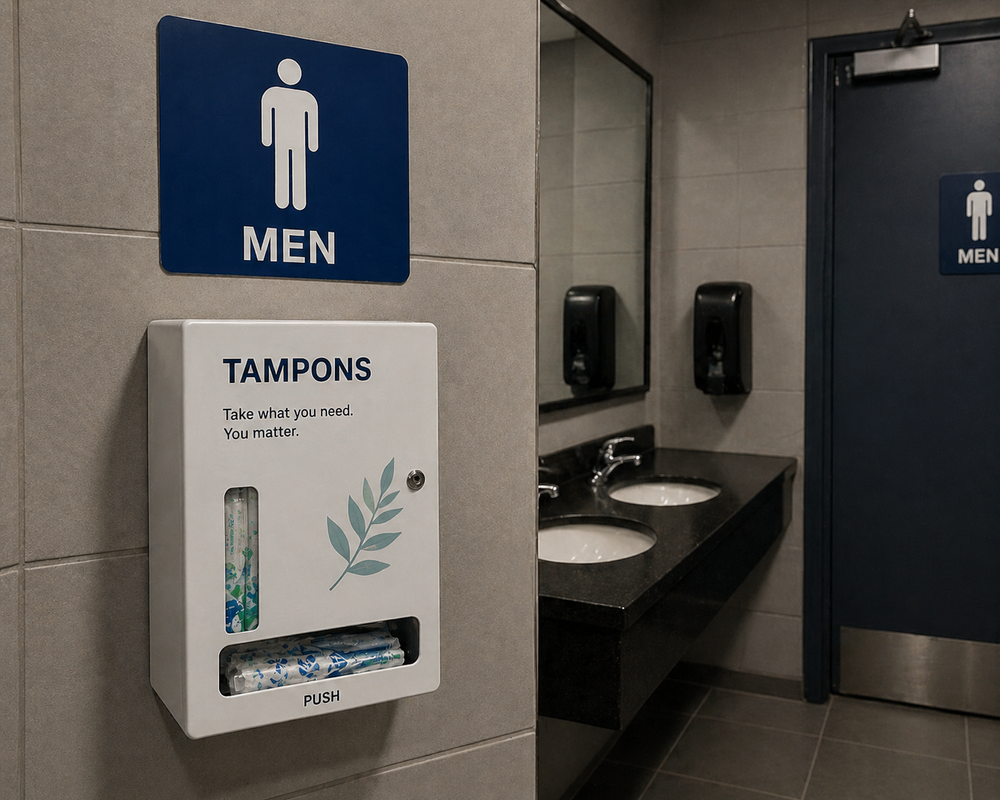
‘Weird, totally unnecessary, and absurd’ — UVA students raise concerns over tampon dispensers in men’s restrooms

* The evolution of building interior water systems has undergone significant changes over time to meet the evolving needs of society. Initially, water systems were rudimentary, primarily consisting of manually operated pumps and gravity-fed distribution systems. Water was manually fetched from wells or nearby sources, and indoor plumbing was virtually nonexistent.
The Industrial Revolution brought advancements in plumbing technology. The introduction of pressurized water systems and cast-iron pipes allowed for the centralized distribution of water within buildings. Separate pipes for hot and cold water became common, enabling more convenient access to water for various purposes. Additionally, the development of flush toilets and sewage systems improved sanitation and hygiene standards.
In the mid-20th century, the advent of plastic pipes, such as PVC (polyvinyl chloride) and CPVC (chlorinated polyvinyl chloride), revolutionized plumbing systems. These pipes offered durability, flexibility, and ease of installation, allowing for faster and more cost-effective construction.
The latter part of the 20th century witnessed a growing focus on water conservation and environmental sustainability. Low-flow fixtures, such as toilets, faucets, and showerheads, were introduced to reduce water consumption without compromising functionality. Greywater recycling systems emerged, allowing the reuse of water from sinks, showers, and laundry for non-potable purposes like irrigation.
With the advancement of digital technology, smart water systems have emerged in recent years. These systems integrate sensors, meters, and automated controls to monitor and manage water usage, detect leaks, and optimize water distribution within buildings. Smart technologies provide real-time data, enabling better water management, energy efficiency, and cost savings.
The future of building interior water systems is likely to focus on further improving efficiency, sustainability, and water quality. Innovations may include enhanced water purification techniques, decentralized water treatment systems, and increased integration of smart technologies to create more intelligent and sustainable water systems.
The first mover in building interior water supply systems can be traced back to the ancient civilizations of Mesopotamia, Egypt, and the Indus Valley. However, one of the earliest known examples of sophisticated indoor plumbing systems can be attributed to the ancient Romans.
The Romans were pioneers in constructing elaborate water supply and distribution networks within their cities. They developed aqueducts to transport water from distant sources to urban centers, allowing for a centralized water supply. The water was then distributed through a network of lead or clay pipes to public fountains, baths, and private residences.
One notable example of Roman plumbing ingenuity is the city of Pompeii, which was buried by the eruption of Mount Vesuvius in 79 AD. The excavation of Pompeii revealed a well-preserved plumbing system that included indoor plumbing in some houses. These systems featured piped water, private bathrooms with flushing toilets, and even hot and cold water systems.
The Romans also invented the concept of the cloaca maxima, an ancient sewer system that collected and transported wastewater away from the city to nearby bodies of water. This early recognition of the importance of sanitation and wastewater management was a significant advancement in public health.
While the Romans were not the only ancient civilization to develop indoor plumbing systems, their engineering prowess and widespread implementation of water supply and sanitation infrastructure make them a key player in the history of building interior water systems.