
Category Archives: Water
- Home
- Archive by category "Water" (Page 6)





Rain
This content is accessible to paid subscribers. To view it please enter your password below or send mike@standardsmichigan.com a request for subscription details.

Drinking Water Quality

Researchers at the University of California, Berkeley, have developed a handheld device that can extract water from the air using only the power of sunlight, even in arid conditions: https://t.co/JgXH1psevJ pic.twitter.com/1A3CSrgWzX
— ASME.org (@ASMEdotorg) September 23, 2023

DRINKING, WASTEWATER & STORMWATER SYSTEMS

“Fille romaine à la fontaine” 1875 Léon Bonnat

Civilization has historically flourished around rivers and major waterways. Mesopotamia, the so-called cradle of civilization, was situated between the major rivers Tigris and Euphrates; the ancient society of the Egyptians depended entirely upon the Nile. Rome was also founded on the banks of the Italian river Tiber. Large metropolises like Rotterdam, London, Montreal, Paris, New York City, Buenos Aires, Shanghai, Tokyo, Chicago, and Hong Kong owe their success in part to their easy accessibility via water and the resultant expansion of trade. Islands with safe water ports, like Singapore, have flourished for the same reason. In places such as North Africa and the Middle East, where water is more scarce, access to clean drinking water was and is a major factor in human development.*
With this perspective, and our own “home waters” situated in the Great Lakes, we are attentive to water management standardization activity administered by International Organization Standardization Technical Committee 224 (ISO TC/224). The scope of the committee is multidimensional; as described in the business plan linked below:
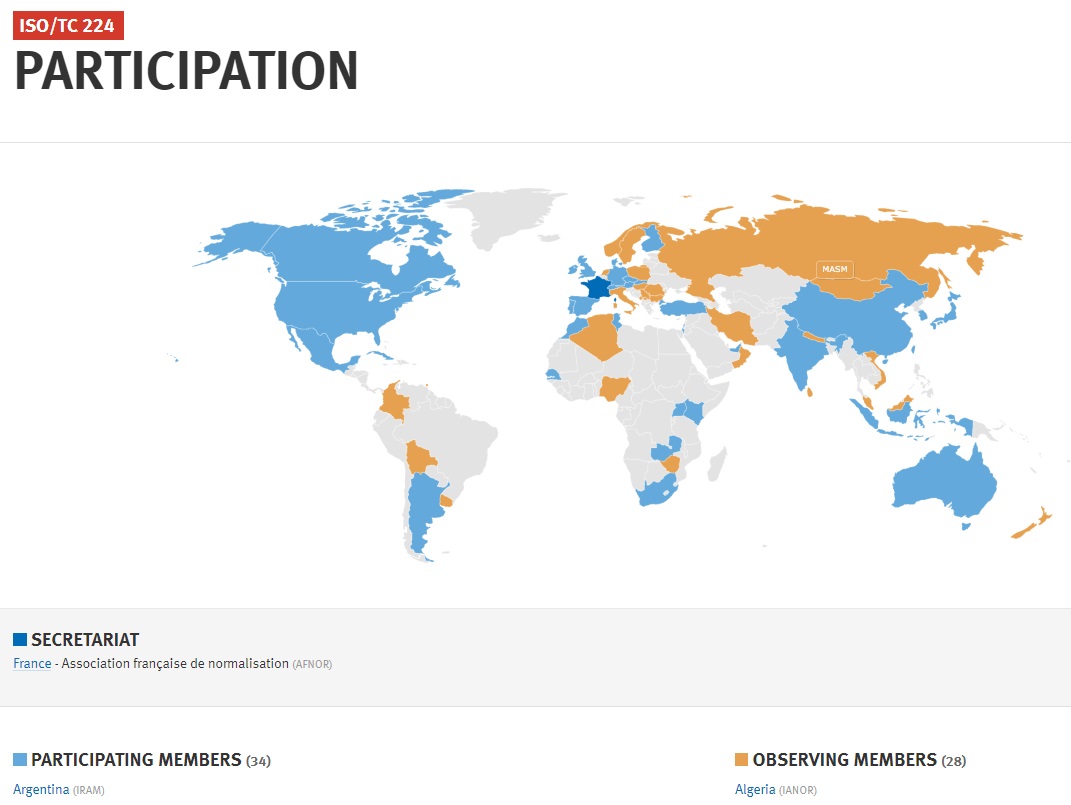
Water-related management standards define a very active space; arguably, as fast-moving a space as electrotechnology. The ISO TC/224 is a fairly well accomplished committee with at least 16 consensus products emerging from a 34 nations led by Association Française de Normalisation (@AFNOR) as the global Secretariat and 34 participating nations. The American Water Works Association is ANSI’s US Technical Advisory Group administrator to the ISO.
We do not advocate the user interest in this standard at the moment but encourage educational institutions with resident expertise — either on the business side or academic side of US educational institutions — to participate in it. You are encouraged to communicate directly with Paul Olson at AWWA, 6666 W. Quincy Avenue, Denver, CO 80235, Phone: (303) 347-6178, Email: polson@awwa.org.
The work products of TC 224 (and ISO 147 and ISO TC 282) are also on the standing agendas of our Water, Global and Bucolia colloquia. See our CALENDAR for the next online meeting, open to everyone.
Issue: [13-163]
Category: Global, Water
Colleagues: Mike Anthony, Christine Fischer, Jack Janveja. Richard Robben, Larry Spielvogel

Qualität der Wasserversorgung
#Standards helfen, Ergebnisse aus Forschungs- und Innovationsprozessen schneller zu marktfähigen Produkten und Dienstleistungen zu machen. Wie die Brücke erfolgreich geschlagen werden kann, erfahren Sie am 13. Juni live in Wien.💡🌍💫https://t.co/rupEcLC0qK #Bridgit pic.twitter.com/3vRVQjbWYq
— Austrian Standards (@ATstandards) May 20, 2019


Water 100
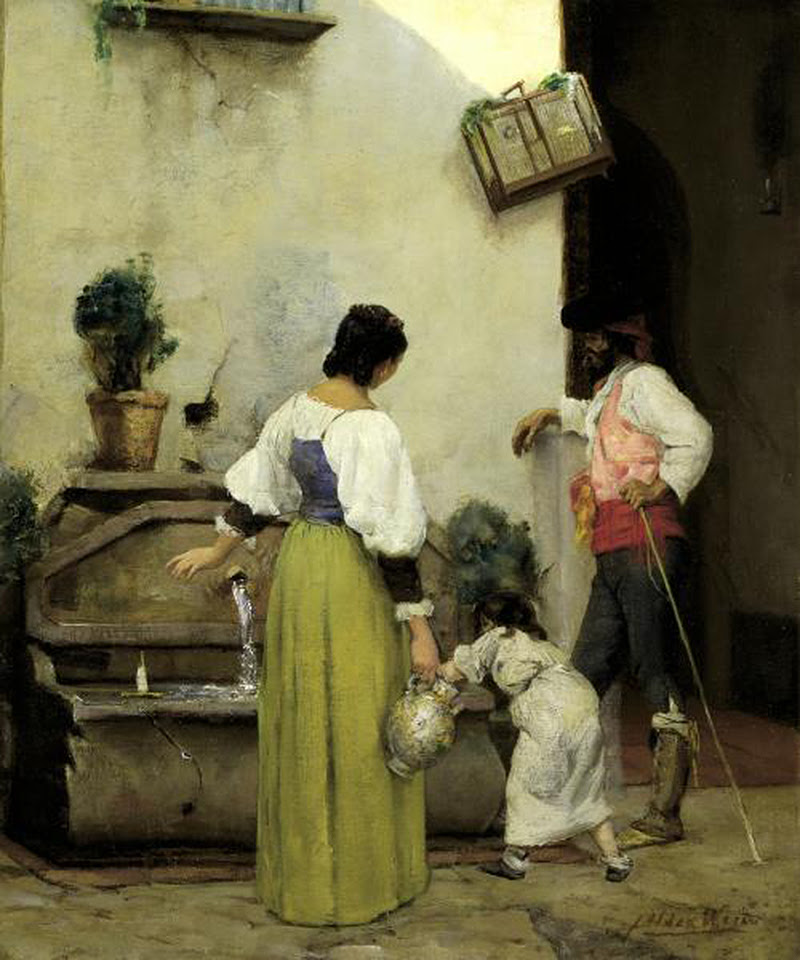
“At the Water Trough” 1876 J. Alden Weir
“A flood is nature’s way of telling you
that you live in the wrong place.”
— Some guy
Water standards make up a large catalog and it will take most of 2023 to untangle the titles, the topics, proposals, rebuttals and resolutions. When you read our claim that since 1993 we have created a new academic discipline we would present the best practice literature of the world’s water standards as just one example.
The Water 100 session takes an aerial view of relevant standards developers, their catalogs and revision schedules.
The Water 200 session we examine the literature for best practice inside buildings; premise water supply for food preparation, sanitation and energy systems.
The Water 300 session reviews standards covering athletic facilities such as swimming pools, therapeutic tubs, ice rinks and the like.
The Water 400 session will run through best practice catalogs of water management outside buildings, including interaction with regional water management systems.
The Water 500 session is a study of case histories, disasters, legal action related to non-conformance. Innovation.
— Coffee Anytime (@coffee_anytime) September 18, 2023
Water safety and sustainability standards have been on the Standards Michigan agenda since the early 2000’s. Some of the concepts we have tracked over the years; and contributed data, comments and proposals to technical committees, are listed below:
- Legionella mitigation
- Swimming pool water quality
- Fire protection sprinkler water availability and safety
– NFPA 70 Article 695 Fire Pumps - Backflow prevention/Cross-connect systems
- Security of district energy power plant and hospital water supply
- Electrical shock protection in pools, fountains, spas and waterfront recreational docking facilities
- Rainwater catchment
- Water in extreme weather events
- Flood abatement systems
- Building plumbing codes (ICC and IAPMO)
- Water Re-use
- Water heaters
- District energy water treatment
- Food service steam tables
- Greywater
- Residence hall potable water systems
- Water use in emergency shower and eyewash installations
- Decorative fountains.
- Standard for the Inspection, Testing, and Maintenance of Water-Based Fire Protection Systems
|
40 CFR § 141.92 – Monitoring for lead in schools and child care facilities |
Since 2016 we have tracked other water-related issues:
- Safe water in playgrounds
- National Seagrant College programs
- Guide to Infection Control in the Healthcare Setting
- Electrical safety around water (cooling towers, swimming pools, spas)
- ASTM Water Testing Standards
- ASTM Standard for Water Distribution
- Electricity and Water Conservation on College and University Campuses in Response to National Competitions among Dormitories: Quantifying Relationships between Behavior, Conservation Strategies and Psychological Metrics
Relevant federal legislation:
- Clean Water Act
- Drinking Water Requirements for States and Public Water Systems
- Resource Conservation and Recovery Act
- Safe Drinking Water Act
Relevant Research:
Real Time Monitoring System of Drinking Water Quality Using Internet of Things
IoT based Domestic Water Recharge System
Send bella@standardsmichigan.com an email to request a more detailed advance agenda. To join the conversation use the login credentials at the upper right of our home page.
More
IAPMO Publishes U.S., Canadian Standard for Detection, Monitoring, Control of Plumbing Systems
"The Great Archimedes"
Baylor University Presshttps://t.co/jbaGIt5tqW@Baylor_Press@BaylorECS pic.twitter.com/4FbcZqLPrQ— Standards Michigan (@StandardsMich) August 4, 2020
Which Australian beaches are microplastic hot-spots? Research from Macquarie University’s AUSMAP project can help you to find low pollution beaches: https://t.co/JK43XMuAIL #microplastics #AustralianBeaches #plasticpollution @AUSMAP_AU pic.twitter.com/FZDgsAZ0Gz
— Macquarie University (@Macquarie_Uni) January 21, 2022
More
Solitude Lake Management for Universities and Colleges

Building Water Demand
CLICK IMAGE
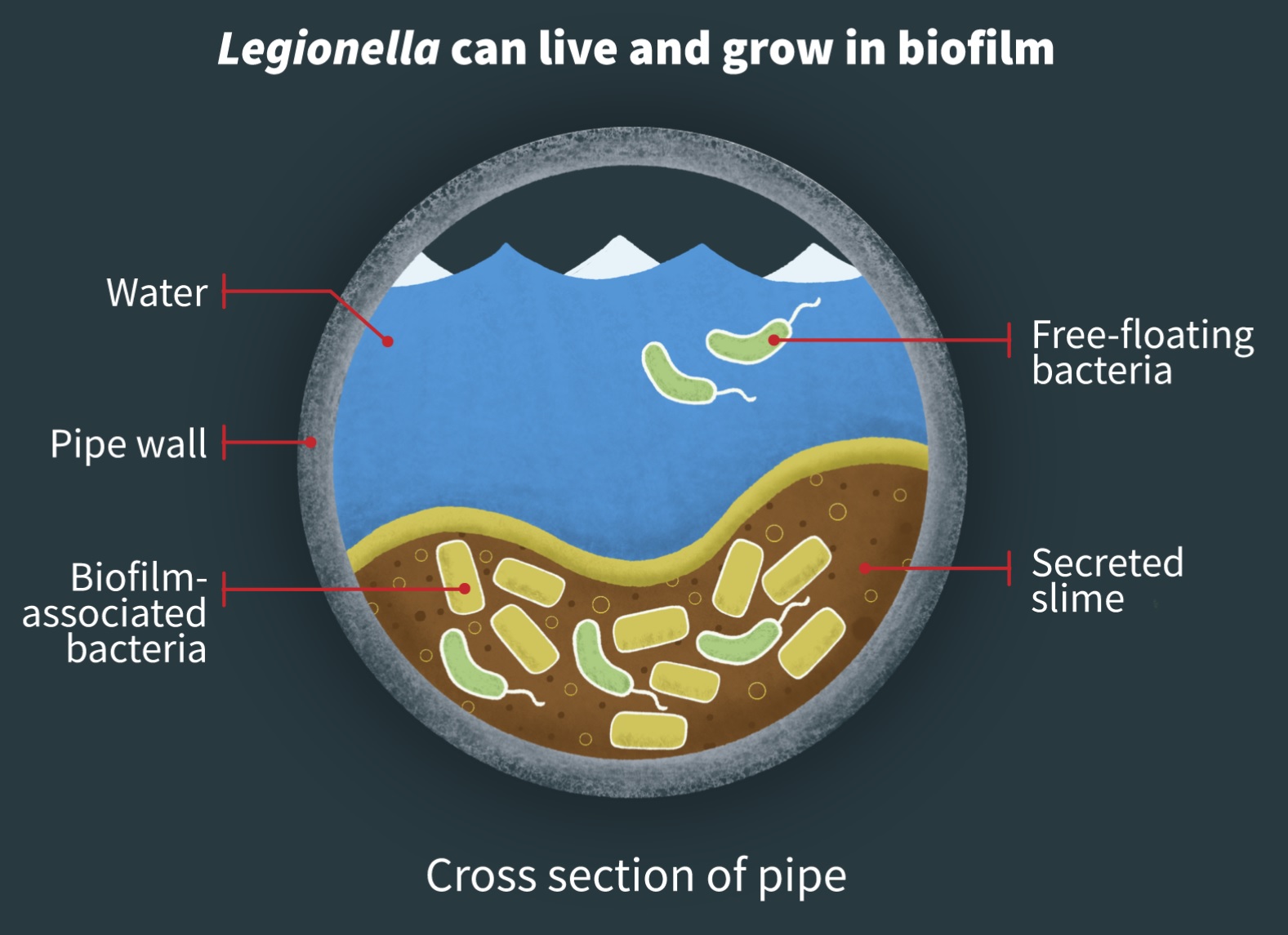
“…To combat the challenges that plumbing designers face, the NIST report recommends that researchers address a plethora of questions, including how water is used in different types of buildings, how water flow and plumbing design affect water quality, what factors influence chemical reactions and bacterial growth in pipes, and how fast water quality declines in plumbing systems…”
New update alert! The 2022 update to the Trademark Assignment Dataset is now available online. Find 1.29 million trademark assignments, involving 2.28 million unique trademark properties issued by the USPTO between March 1952 and January 2023: https://t.co/njrDAbSpwB pic.twitter.com/GkAXrHoQ9T
— USPTO (@uspto) July 13, 2023
Standards Michigan Group, LLC
2723 South State Street | Suite 150
Ann Arbor, MI 48104 USA
888-746-3670
DIRECTIONS
 |
 |
|
 |
 |
|
 |
 |