2026 National Electrical Code Workspace
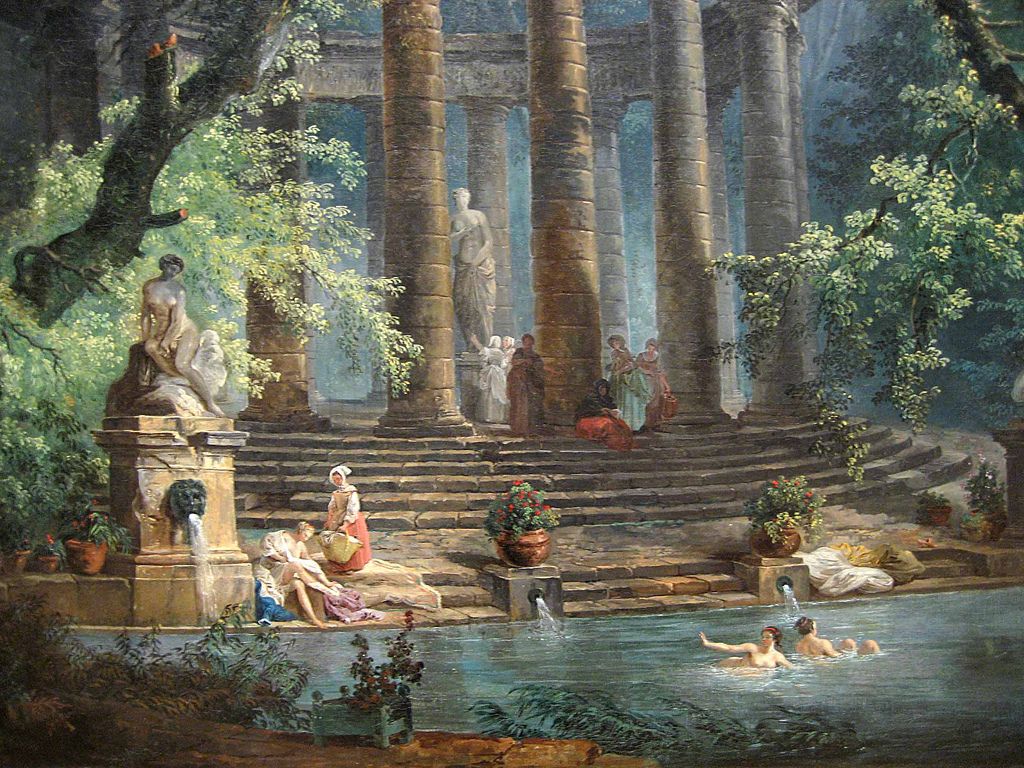
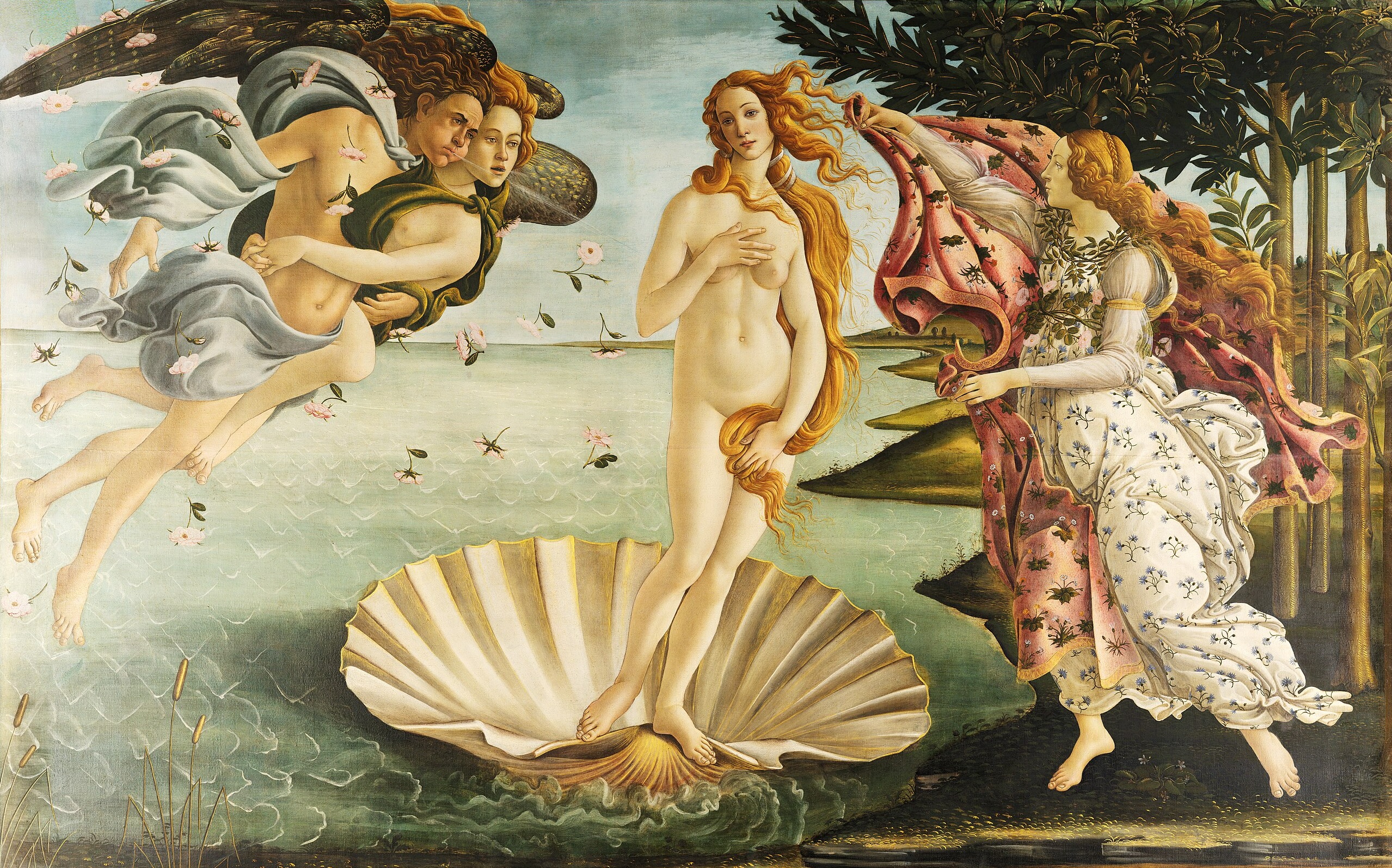
“The Bathing Pool” / Hubert Robert (French, 1733–1808) / Gift of J.P. Morgan

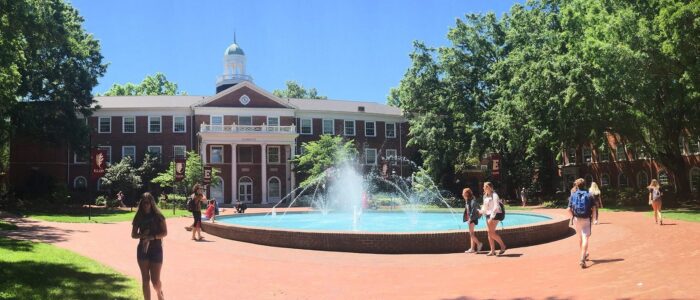
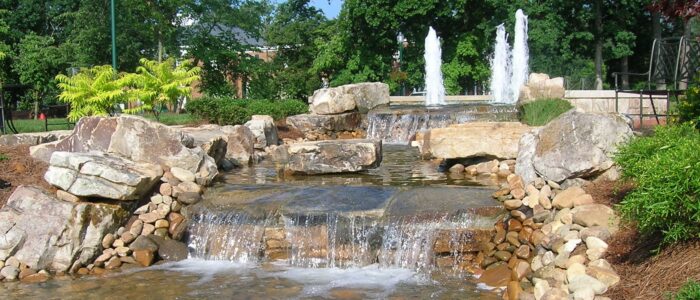
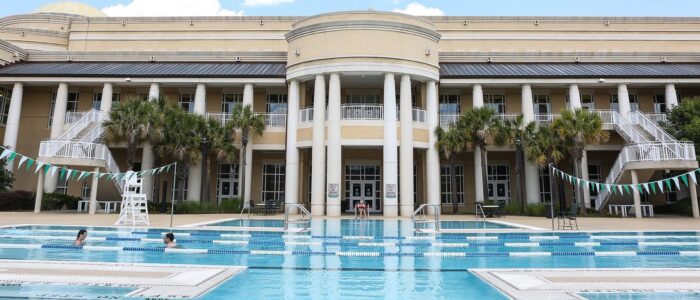
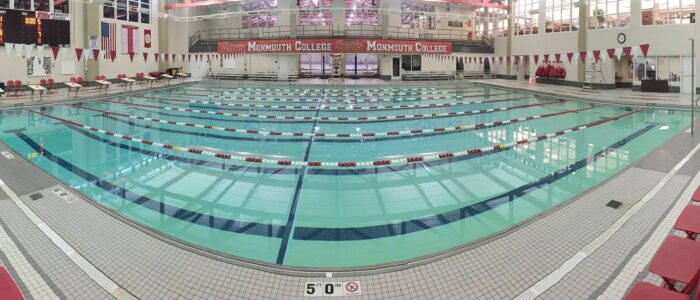
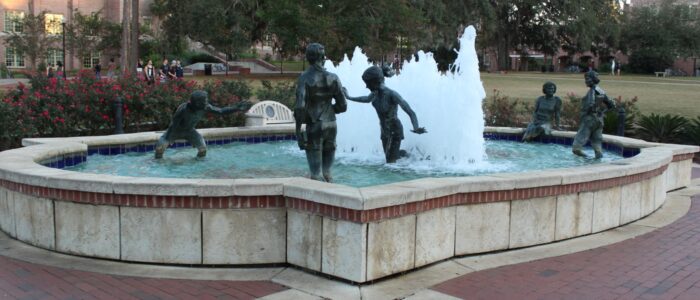
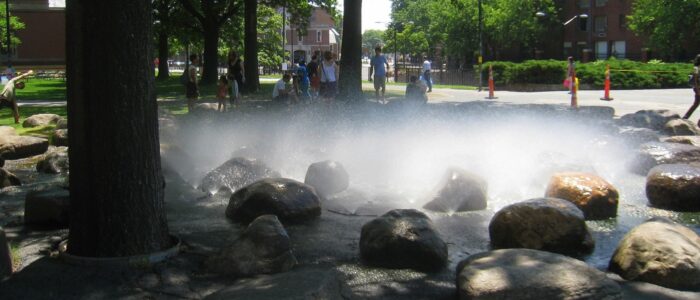
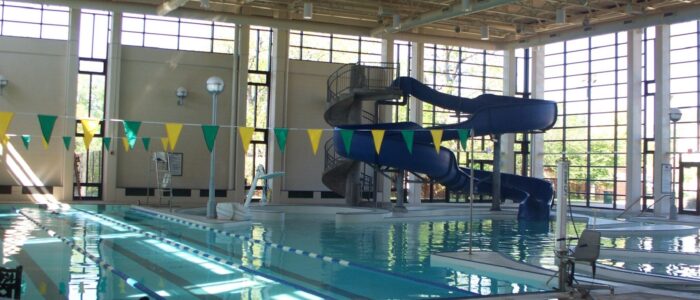
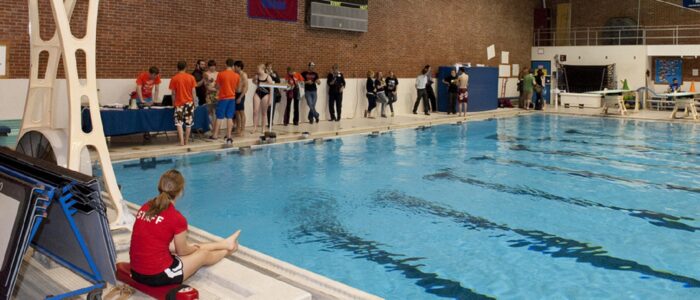
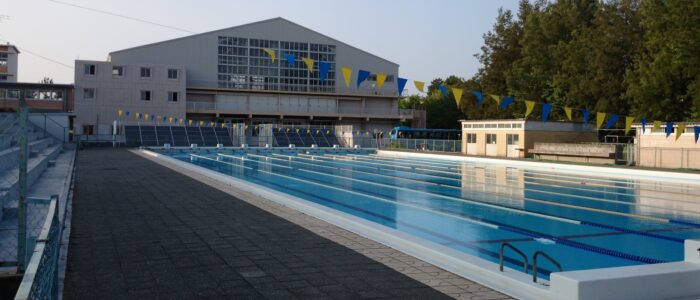
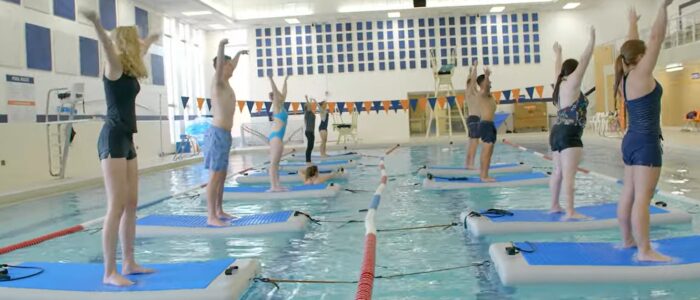
Education communities have significant assets tied up in swimming pools, immersion pools, fountains, hydro-therapy installations (in hospitals and athletic training facilities) and flood control facilities (in congested, non-permeable parts of urban campuses) we have been keeping an eye on leading practice discovery for these installations in the 2020 National Electrical Code.
With electrical safety — i.e. shock protection — as the focus of this post*, the relevant parts of the 2020 NEC reside in Articles 680 and 682 are described below:
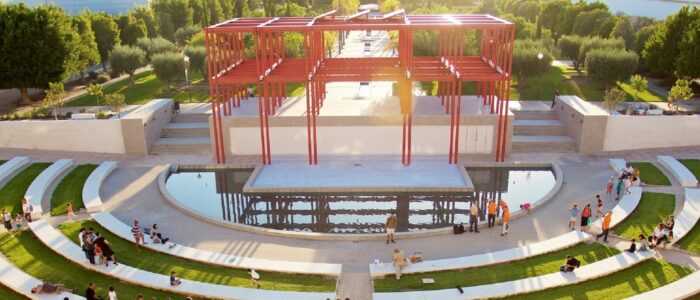
Article 680 applies to the construction and installation of electrical wiring for, and equipment in or adjacent all swimming, wading, therapeutic and decorative pools, fountains, hot tubs, spas and hydromassage bathtubs, whether permanently installed or storable, and to metallic auxiliary equipment, such as pumps, filters, and similar equipment. The term body of water used throughout Part I applies to all bodies of water covered in this scope unless otherwise amended.
Article 682 applies to the installation of electrical wiring for, and the equipment in and adjacent to, natural or artificially made bodies of water not covered by other articles in the NEC, such as, but not limited to aeration ponds, fish farm ponds, storm retention basins, treatment ponds and irrigation (channel facilities. Water depths may vary seasonally or be controlled.
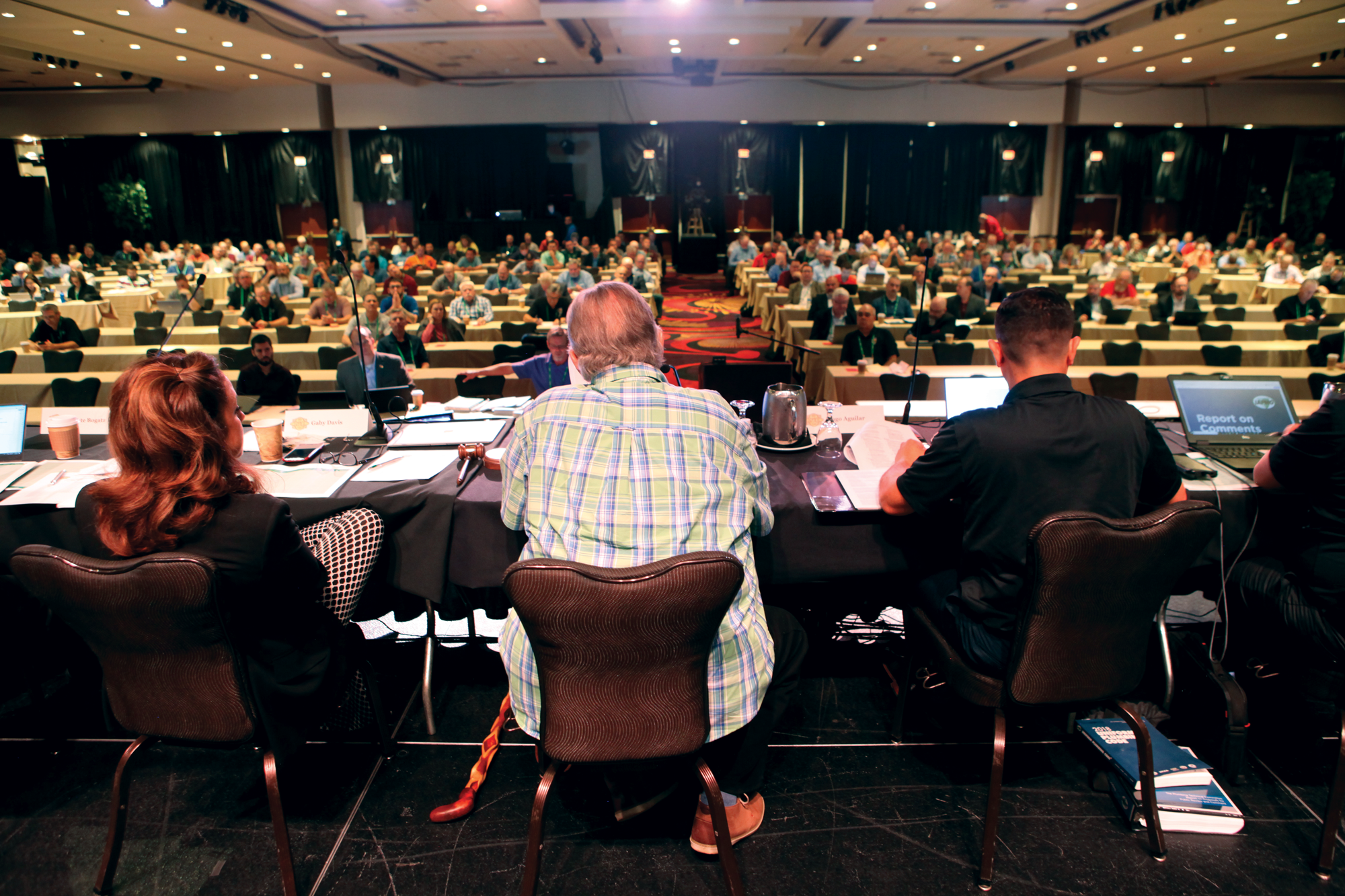
When the 2020 NEC is released there will be hundreds (more like thousands) of experts who make their living on each NEC revision fanning out across the globe able and ready to interpret, advise and train. We are not primarily a code training enterprise but we do get down into the weeds of electrical safety technical discussion where leading practice discovery discussion is recorded:
2020 NEC Article 680-682 Public Input | Pages 240 – 501
2020 NEC Articles 680-682 First Draft Report | Page 59 – 152
2020 NEC Articles 680-682 Public Comment Report
2020 NEC Articles 680-682 Second Draft Final Ballot
Transcripts superseded. We refer to the 2026 Workspace linked at the top of this page.
We find interest in corrosion control, water bottle fill stations, water heating technologies, LED illumination as well as the usual editorial, correlation and concepts movement between articles. From these transcripts it should also be plain that grounding and bonding practice, GFCI protection, luminaire location and wiring, corrosion management continue to be of primary interest in electrical safety assurance. Related safety concepts appear in NFPA 70B and NFPA 70E. Anything having to do with water; or the areas around water, are regions of elevated risk.
We are happy to discuss electrical safety standards any day at 11 AM Eastern time and host a monthly breakout teleconference dedicated to Electrical Power Safety in education facilities. See our CALENDAR for the next online meeting. We also collaborate closely with the IEEE Education & Healthcare Facilities Committee which meets online four times monthly in European and American time zones.
Issue: [16-102]
Category: Electrical, Risk Management, Water,
Colleagues: Mike Anthony, Jim Harvey, Kane Howard
*We leave the technical specifics of footcandle distribution to another, future post.
LEARN MORE:
2017 NEC changes for electrical safety in swimming pools
2020 NEC Changes (All Articles)