



David M. Buss
1991: University of Michigan, Ann Arbor, Michigan
Research by more than 50 scientists studying more than 10,000 individuals inhabiting 33 countries, six continents, and five islands supports the hypothesis that women have evolved mate preferences for men who show cues of resource possession or resource acquisition potential. Smuts’ (1991) apparent view that these species-typical preferences do not exist is contravened by the scientific evidence. Repeated assertions that “behaviors depends on context” do not illuminate our understanding in the absence of specifying which behaviors, which contexts, and which evolved mechanisms are activated by the relevant contextual input. Progress in the study of evolution and human behavior depends on using key terms in consensually defined rather than idiosyncratic ways, on distinguishing evolved psychological mechanisms from manifest behavior, and on giving greater weight to cumulative scientific evidence than to subjective impressions.
Robert W. Smuts (often cited as R.W. Smuts), a researcher affiliated with the Evolution and Human Behavior Program at the University of Michigan at the time.In 1991, David M. Buss published a paper titled “Do women have evolved mate preferences for men with resources? A reply to Smuts” in Ethology and Sociobiology (Vol. 12, Issue 5, pp. 401–408). Context of the Exchange:
- This was part of a debate in evolutionary psychology/anthropology around Buss’s influential 1989 cross-cultural study on sex differences in mate preferences.
- Smuts (R.W.) critiqued aspects of Buss’s work, particularly regarding evolved preferences versus actual behavior, and universality claims.
- Buss defended the large-scale international data (10,000+ participants across 33+ countries) showing species-typical female preferences for resource-related traits.
Note: This is not Barbara B. Smuts (the prominent primatologist), who is a different person. This exchange is a classic example of early 1990s debates in evolutionary psychology about mate preferences.
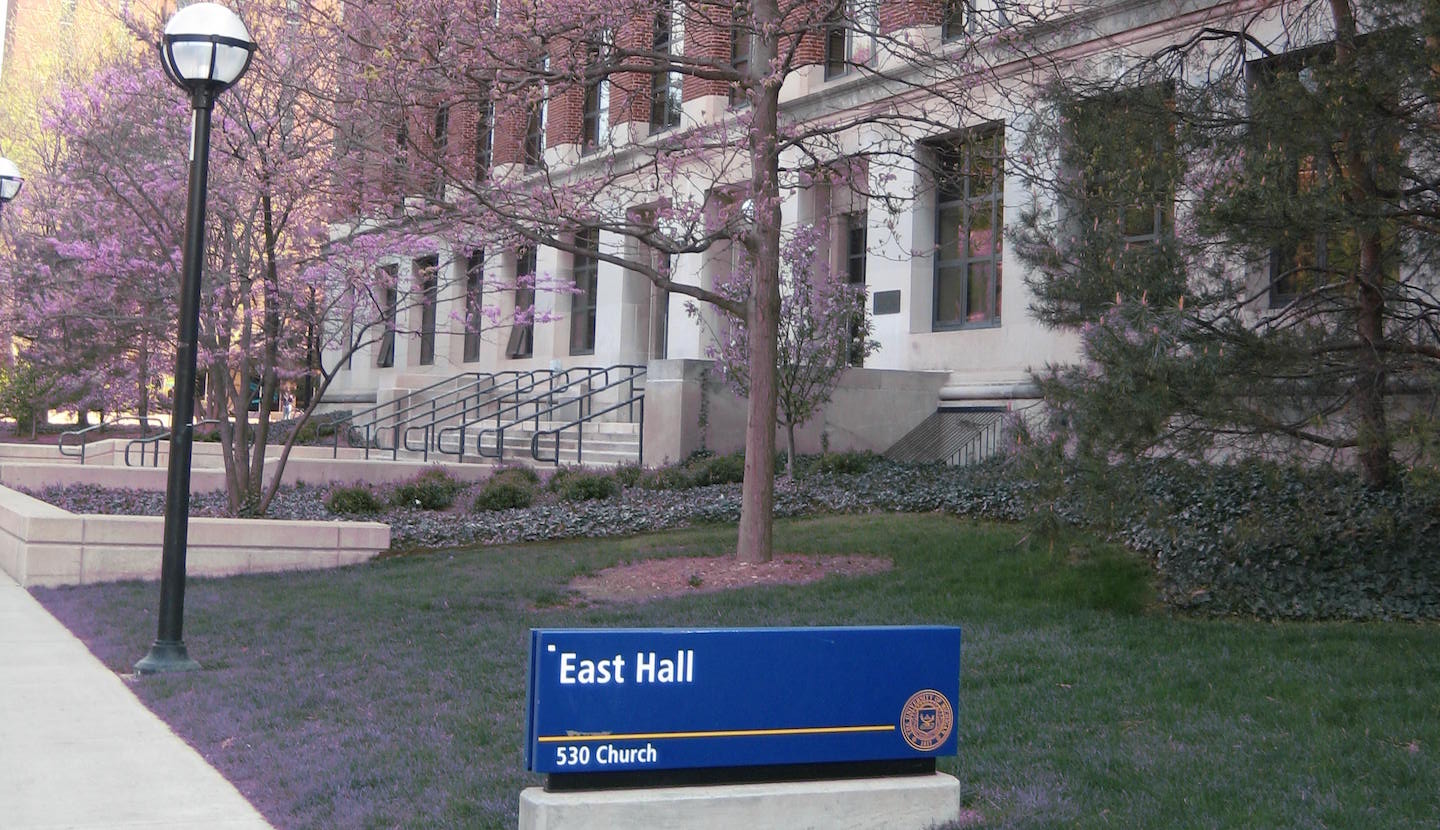
Department of Psychology (Architect: Smith, Hinchman & Grylls 1920)