



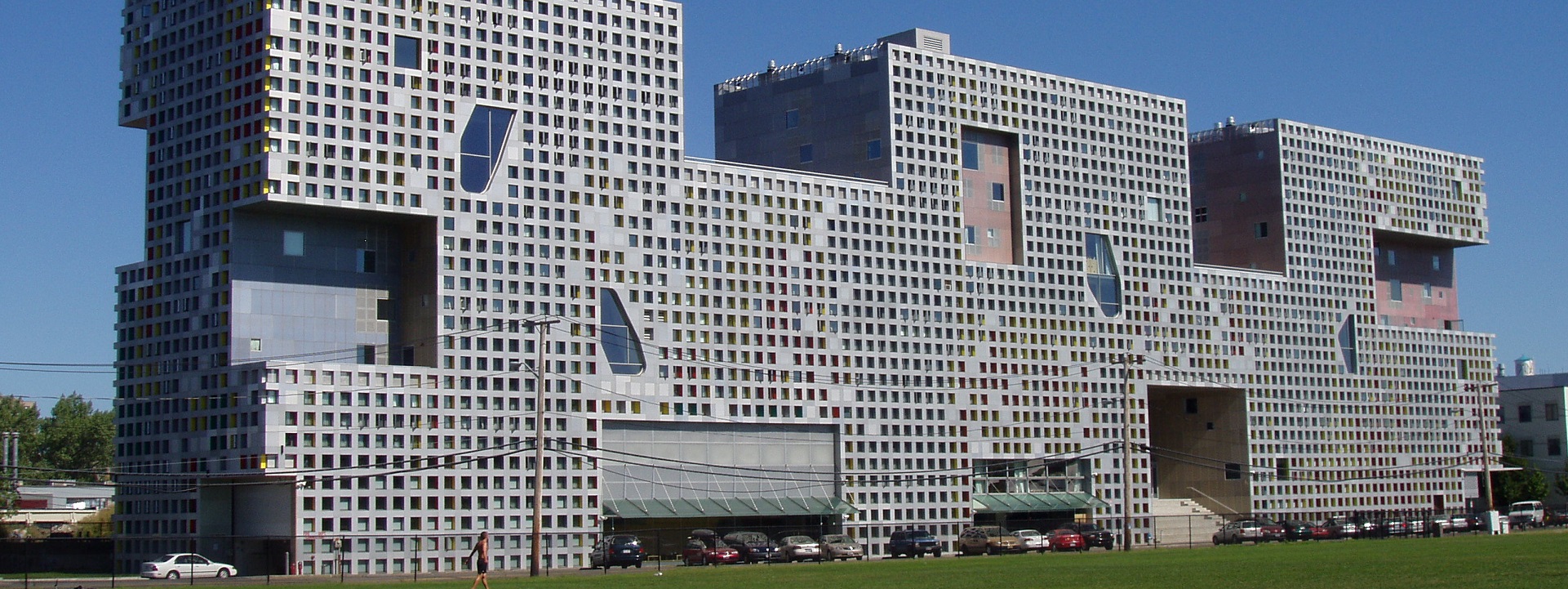
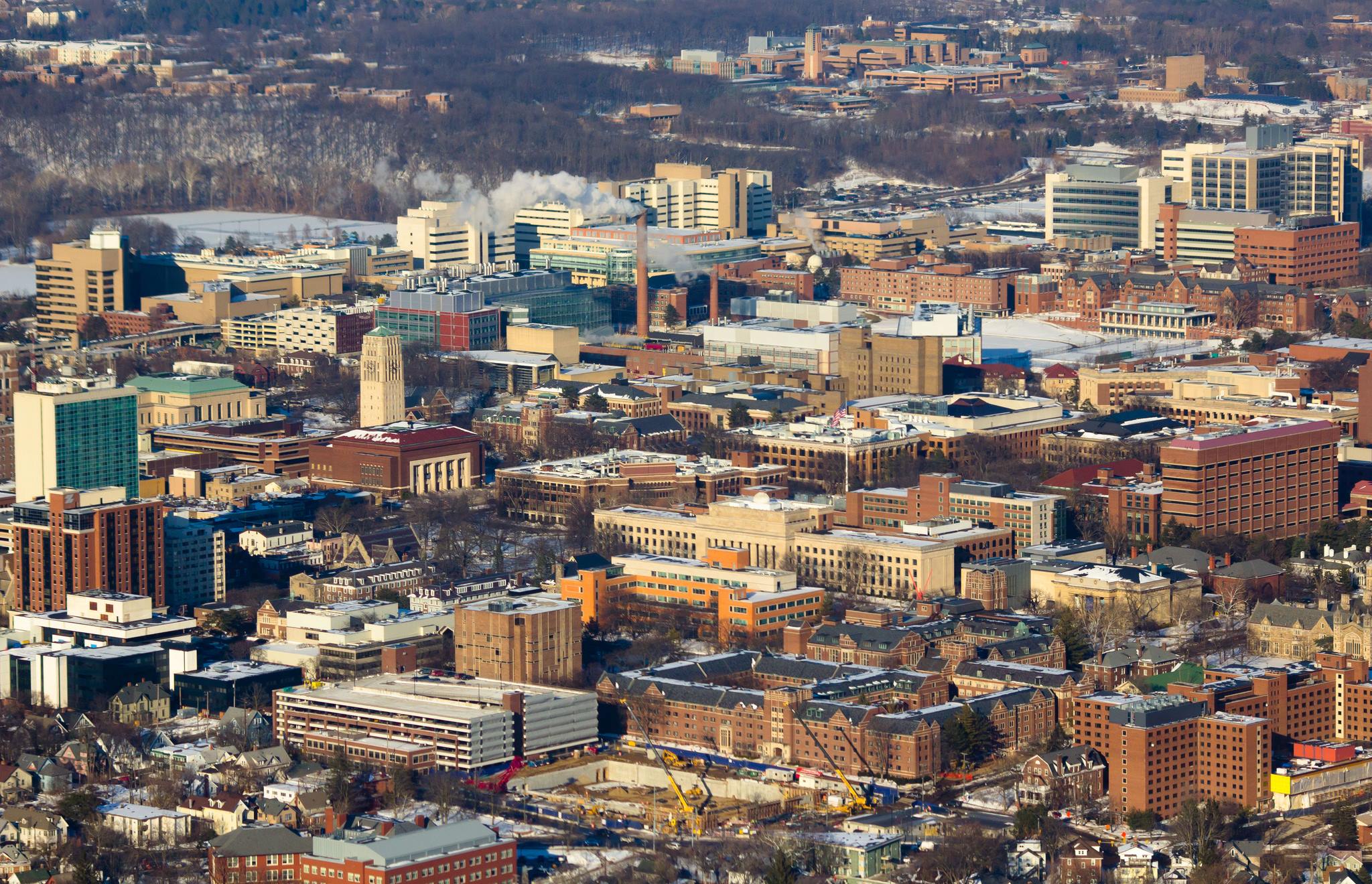
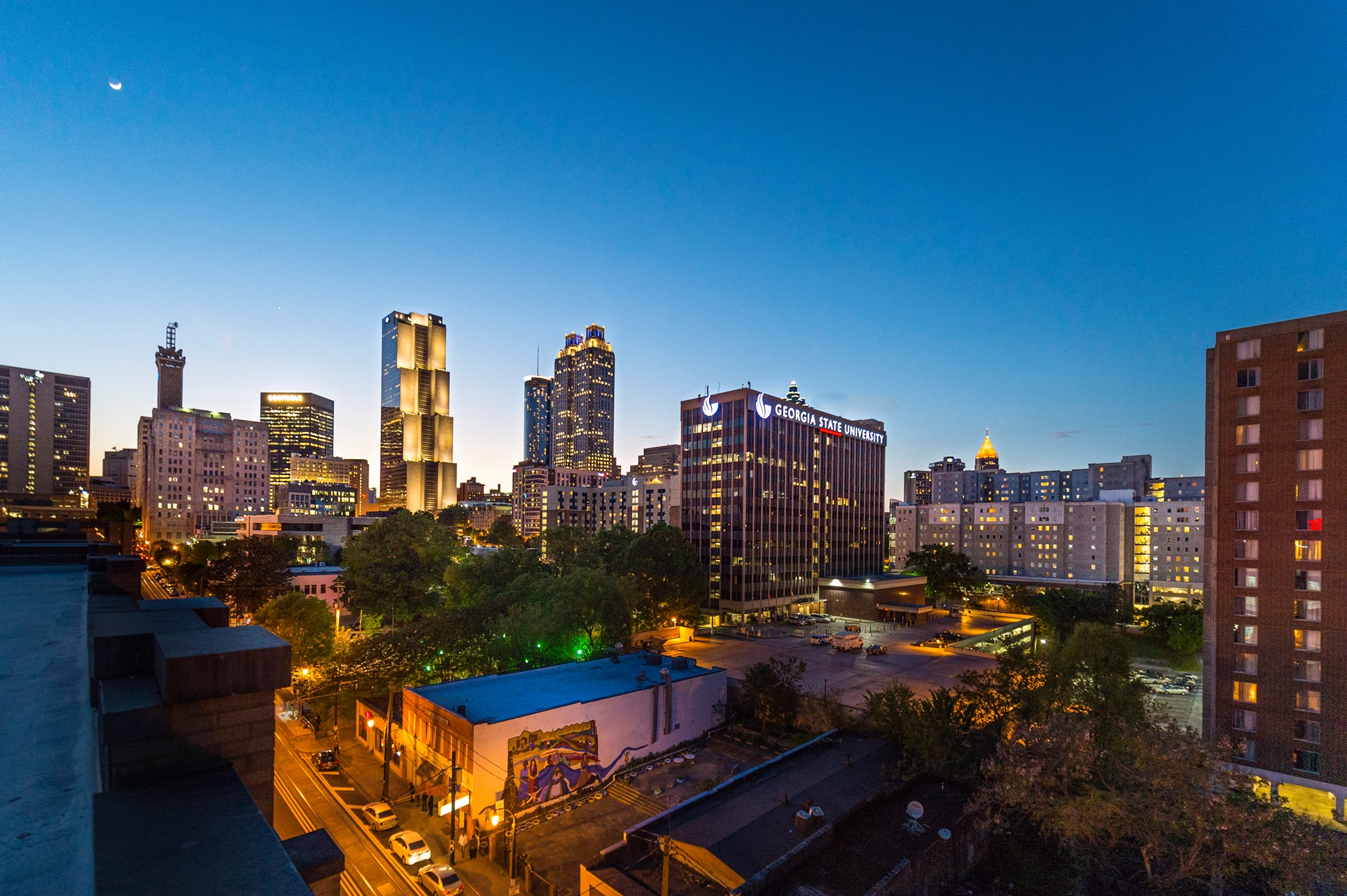
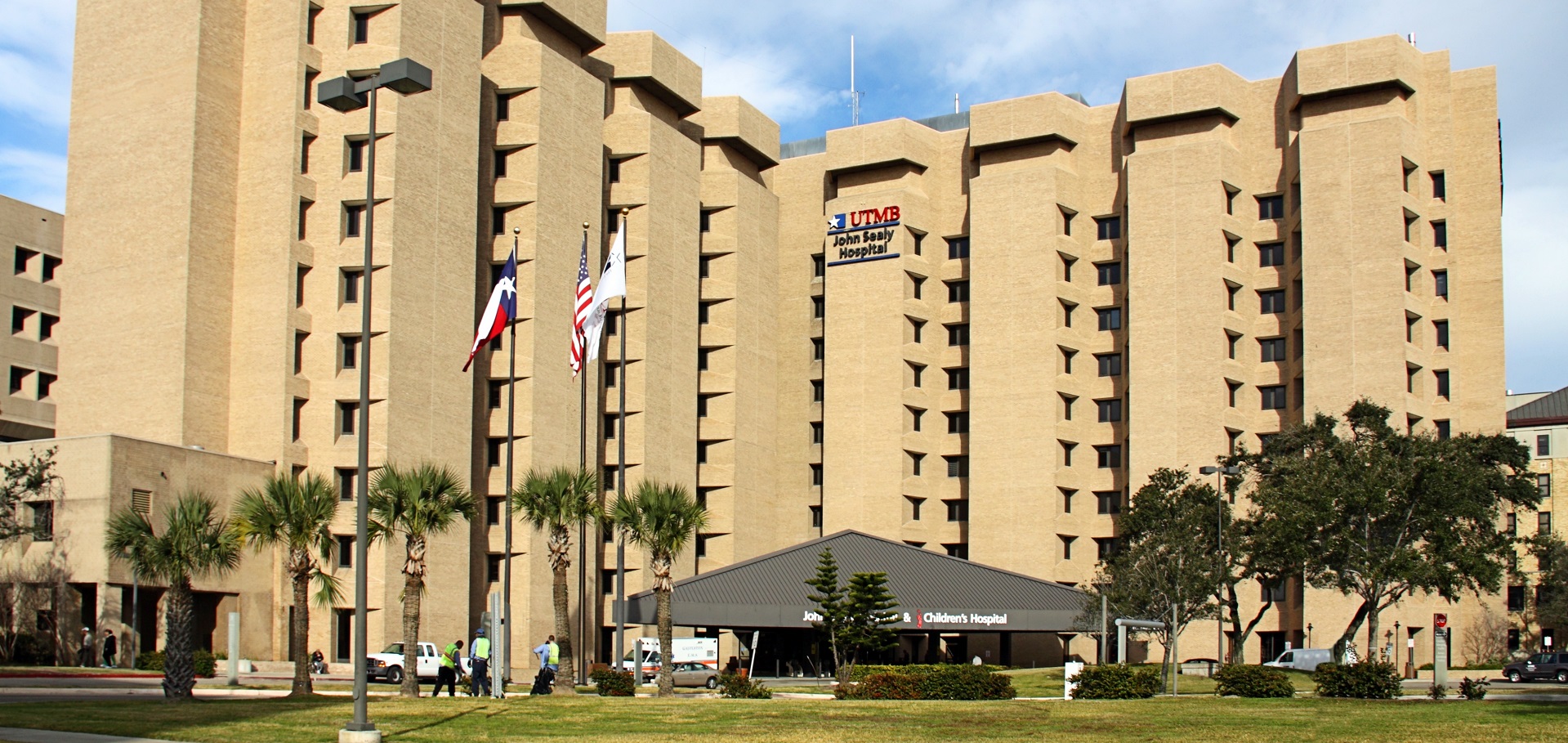
BSR/UL 2572-201x, Standard for Safety for Mass Notification Systems (revision of ANSI/UL 2572-2016a) A proposal for the second edition of UL 2572 intends to include an alternative means utilizing adhesives to provide mechanical securement of parts. Massachusetts institute of Technology BSR/ASME A120.1-201x, Safety Requirements for Powered Platforms and Traveling Ladders and Gantries for Building Maintenance This Standard establishes safety requirements for powered platforms (scaffolds) for buildings where window cleaning and related services are accomplished by means of suspended equipment at heights in excess of 35 ft (11 m) above a safe surface (e.g., grade, street, floor, or roof level). Additionally, this Standard establishes safety requirements for permanent traveling ladders and gantries (TLG). Single copy price: Free https://share.ansi.org/Shared%20Documents/Standards%20Action/2018-PDFs/SAV4941.pdf Michigan State University BSR/ASAE EP282.2-1993 (R201x), Design Values for Emergency Ventilation and Care of Livestock and Poultry (reaffirmation of ANSI/ASAE EP282.2-1993 (R2013)) Many natural, man-made, and unexpected events (i.e., power interruptions, equipment failures, extreme weather condition, storms, and natural disasters) occur requiring temporary emergency ventilation and care of livestock and poultry. These events may require either short term (i.e., minutes to days) or long term (i.e., weeks to months) temporary emergency ventilation. The purpose of this Engineering Practice is to provide data and guidelines to assist designing emergency ventilation, feeding, watering, and lighting systems for livestock and poultry. Single copy price: 65.00 (non-members) / $44.00 (ASABE members) The University of Michigan has about 36 million square feet of interior built environment subject to ICC building codes Monthly overview of the status of International Code Council codes and standards relevant to the education facilities industry Agenda to follow — Do not delete or change any of the following text. — Join Webex meeting Join by phone John Sealy Hospital at the University of Texas Medical Branch in Galveston, Texas Colby College Museum of Art | “The Trapper” | Winslow Homer An overview of the titles, scopes, revision cycles and public commenting opportunities presented by education industry consensus standards developers, trade associatins and government agencies involved in the finance of the US education industry. Use the login credentials at the top right of our home page.
UL Mass Notification Comments Due
Click here to view these changes in full
Send comments (with copy to psa@ansi.org) to: Paul Lloret, (510) 319-4269, Paul.E.Lloret@ul.com
ASME Building Maintenance Platform Comments Due
(revision of ANSI/ASME A120.1-2014)
Obtain an electronic copy from: http://cstools.asme.org/publicreview
Order from: Mayra Santiago, ASME; ansibox@asme.org
Send comments (with copy to psa@ansi.org) to: Elijah Dominguez, (212) 591-8521, domingueze@asme.org
ASABE Livestock Ventilation Comments Due
Obtain an electronic copy from: walsh@asabe.org
Order from: Jean Walsh, (269) 932-7027, walsh@asabe.org
Send comments (with copy to psa@ansi.org) to: Same
I-Code Group B Walk-through

IEEE 3001.9 Meeting
Meeting number: 969 728 505
Meeting password: z3dtpxn3
Call-in toll-free number: 1-8662263606 (US)
Call-in number: 1-6784667834 (US)
Show global numbers
Conference Code: 166 893 5
ISO TC/304 Healthcare Administration Standard Meeting
Finance Standards





On 9/11 the FDNY lost 343 of their own.
Not statistics. Sons, fathers, husbands from 75 firehouses across the five boroughs.
121 engine companies and 62 ladder companies answered the call. Every Rescue company in New York went in.
They knew the buildings were coming down and… pic.twitter.com/e4ArBUmfLq— Sassafrass84 (@Sassafrass_84) September 7, 2026

Scales Mound School District | Jo Daviess County Illinois 815
Oxford students after exams, 1989. pic.twitter.com/HQbO4r6dUE
— M (@0detobeauty) May 27, 2026
The calendar of Anglosphere educational settlements subtly shapes life of the mind, generally; and family and community life, specifically. Its cadence has roots in the cathedral schools and monastic learning communities of medieval Europe. Universities were not originally organized around modern “semesters.” Instead, the year followed the Christian liturgical calendar, agricultural seasons, food paths, daylight availability, and travel conditions.
In America educational calendars were nudged along by agricultural cycles. In the United Kingdom university calendars evolved into three major terms: Michaelmas in autumn, associated with arrival and beginnings; Hilary or Lent in winter, associated with discipline and study; and Trinity or Easter in spring, associated with examinations, outdoor rituals, music, rowing, gardens, and celebration.
Modern commencement traditions across the Anglosphere are descendants of medieval spring degree ceremonies. Academic gowns, hoods, processions, Latin phrases, formal dining, chapel music, and public recognition all preserve traces of the university as a scholarly guild and religious-civic community.
Before railways, electric lighting, and central heating, universities had to adapt to muddy roads, short winter days, limited candles, cold buildings, and agricultural obligations. Spring therefore became the natural season of culmination, reunion, athletic competition, courtship, and ceremony.
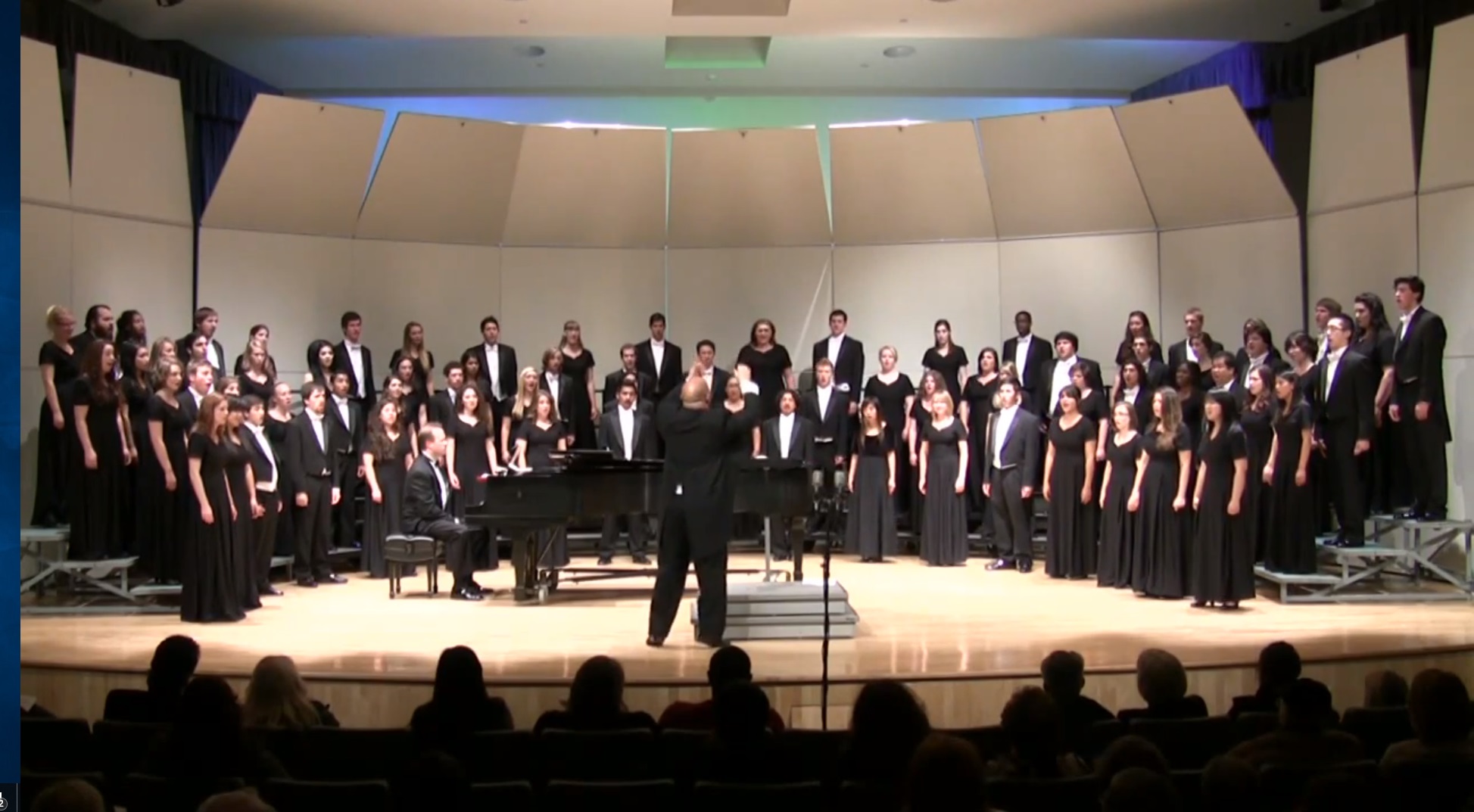
The medieval university was not merely a school but an educational settlement — a self-governing town of scholars, libraries, chapels, kitchens, workshops, residences, and dining halls. That settlement pattern survives in residential colleges, quadrangles, tutorial systems, common rooms, chapel choirs, and formal meals.
Anglosphere campuses retain this ancient emotional rhythm: autumn seriousness, winter inwardness, and spring release. That continuity helps explain why colleges and universities still feel culturally distinct from ordinary commercial society. (Relata: Gulliver Visits the Great Academy of Lagado)

We’re “organized” but not too organized; like the bookseller who knows where every book can be found.
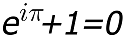
at a conference where you don’t have to present
— Peyman Milanfar (@docmilanfar) April 4, 2025
#AcademicChatter #AcademicTwitter
Academics be like 👇 pic.twitter.com/6cpVEw3PVS
— Reviewer 2 (@GrumpyReviewer2) April 2, 2024