

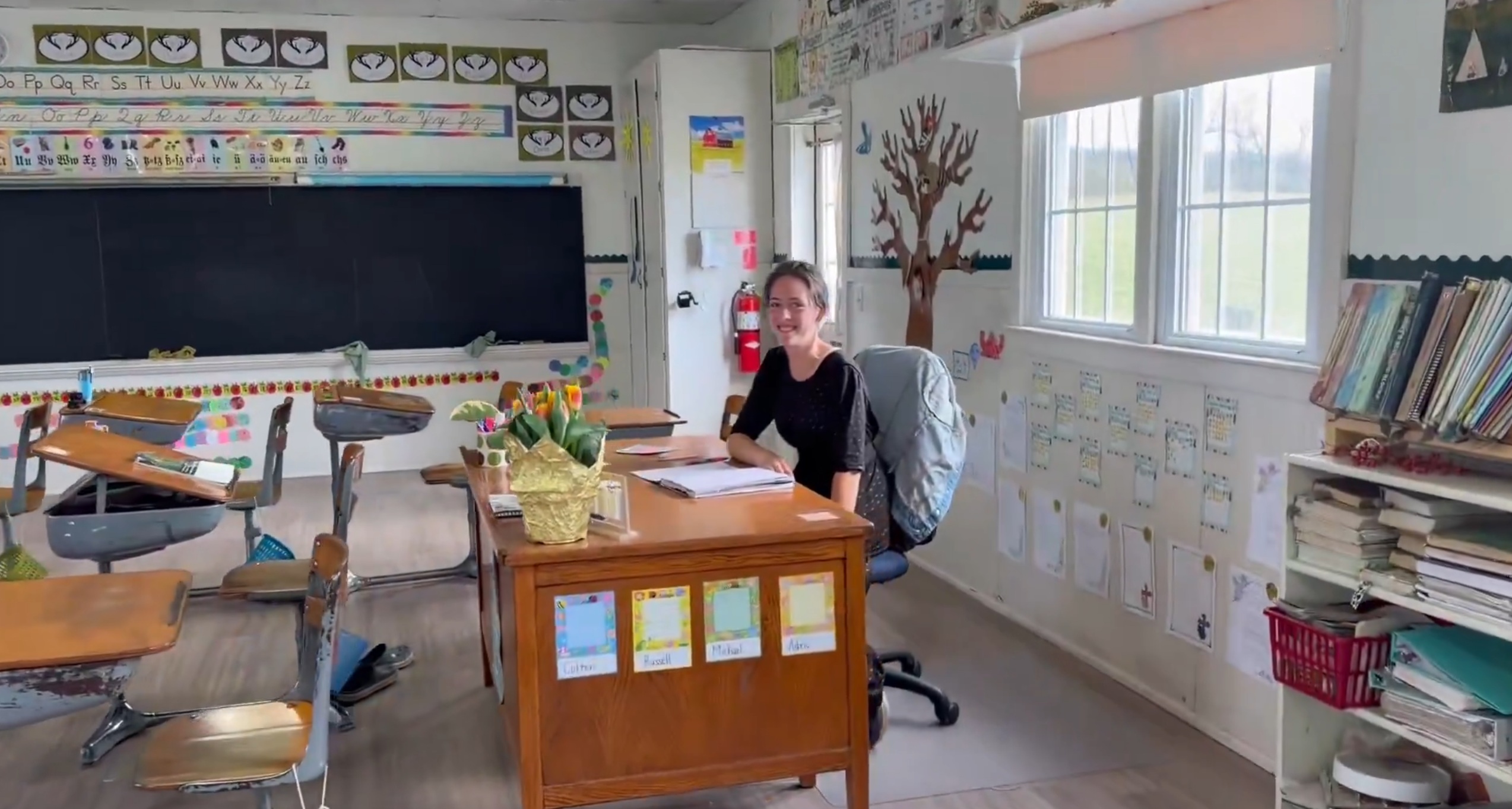
Blair County Pennsylvania 814
Whatever anyone wants to talk about. Absent new agenda items we will discuss “spoof” standards meant to enlighten and entertain. “The Country School” | Winslow Homer Periodic review of best practice literature that sets the standard of care for interior furnishing specification, installation and maintenance. Shannon Equation Today at 11 AM/ET we update our understanding of best practice literature relevant to the information and communication technology enterprises in education communities. Our online meetings coincides with the day of two IEEE Education & Healthcare Facilities Committee teleconferences at 14:00 Central European time and 2:00 PM Eastern time in the Americas. Open to everyone. Use the login credentials at the upper right of our home page. The Impact of E-Waste / Student Art Guide Certain requirements must be met for recycling to be economically feasible and environmentally effective. These include an adequate source of recyclates, a system to extract those recyclates from the waste stream, a nearby factory capable of reprocessing the recyclates, and a potential demand for the recycled products. These last two requirements are often overlooked—without both an industrial market for production using the collected materials and a consumer market for the manufactured goods, recycling is incomplete and in fact only “collection”. Today at 11 AM/E we examine the state of best practice literature – including government regulations — that apply to education communities. Review of best practice literature for the design, construction and maintenance of campus pathways for pedestrians and vehicles within buildings, between them and along the boundary between campus and the “real world”. Image: Carissa Hock Academy of Art University Overview of codes and standards relevant to the food service enterprises in K-12 schools, college and university student housing, athletic venues and university-affiliated healthcare systems. Harvard University Dormitory Room | Smithsonian Museum | Thomas Warren Sears Collection Today we review changes in best practice literature that sets the standard of care for student housing in K-12 prep schools, colleges and universities. The topic cuts across many disciplines. https://standardsmichigan.com/standing-agenda-housing/ Many research universities have large medical research and clinical delivery enterprises that provide significant revenue. We periodically scan public consultations for literature that sets the standard of care for the facilities and technologies in these enterprises in education communities. Today we explain our collaboration with other like-minded units in education communities in the US and other nations. In most cases we conform to participation requirements set by ANSI US Technical Advisory Groups but we also have liaison with other universities in the European Union who conform to the participation requirements of their own national standards bodies. Use the login credentials at the upper right of our home page. Because a great deal of content is copyright protected by the ISO, IEC and the ITU, please contact bella@standardsmichigan.com for an advance agenda. https://standardsmichigan.com/standing-agenda-international-standards/ “Prometheus creating Man in the presence of Athena” (1802) / Jean-Simon Berthélemy Monthly review of all consensus, consortia and open source codes, standards and regulations the set the standard of care for fire safety in education communities. We group them with fire protection standards because most of the compliance and enforcement expertise originates with fire safety expertise. Send bella@standardsmichigan.com an email for an advance agenda. Washtenaw Community College Today we refresh understanding of the regulations for campus radio systems that support campus safety, news and cultural content. We review best practice for production technologies and FM transmission technologies through airwaves, cabling systems or a combination of both. Periodic scan of redlines of mechanical technology best practice titles open for public comment. Use the login credentials at the upper right of our homepage. For an advance agenda send bella@standardsmichigan.com an email. https://standardsmichigan.com/mechanical-engineering-monthly/ Thomas Edison’s Menlo Park Laboratory Today we run a status check on best practice in electrical power system design, construction, operations and maintenance that support the learning, research and medical clinical delivery enterprises in education communities. Our colloquia on this topic coincide with the two monthly IEEE Education & Healthcare Facilities Committee teleconferences at 14:00 Central European time and 2:00 PM Eastern time in the Americas. Periodic review of all consensus, consortia and open source codes, standards and regulations the set the standard of care for security of education facilities. Send bella@standardsmichigan.com an email for an advance agenda. Università Cattolica del Sacro Cuore Student Art Innovation – Standardization – Commoditization run along a continuum. Today we unpack some of the ideas that hasten (and prohibit) leading practice discovery; how quickly goods and services become a “human right”; why all of this is relevant to education communities and why some believe that commoditization is a myth. From the Wikipedia In business literature, commoditization is defined as the process by which goods that have economic value and are distinguishable in terms of attributes (uniqueness or brand) end up becoming simple commodities in the eyes of the market or consumers. It is the movement of a market from differentiated to undifferentiated price competition and from monopolistic competition to perfect competition. Hence, the key effect of commoditization is that the pricing power of the manufacturer or brand owner is weakened: when products become more similar from a buyer’s point of view, they will tend to buy the cheapest. https://twitter.com/StandardsMich/status/1318508254658502657?s=20 “Actors from the Commedia dell’Arte on a Wagon in a Town Square” 1640 Jan Miel A walk through the status of best practice literature that sets the standard of care for safety and sustainability in the education facilities built for the performance arts. Readings: The Seven Lively Arts (1924) Glibert Seldes (Oxford Academic review) Famous People Discussing the Divine Comedy with Dante Monthly walk-through of consensus products developed for labor markets generally; and units within the education facility industry specifically. We inform our discussion based upon today’s release on the Employment Situation Summary from the US Bureau of Labor Statistics. For an advance agenda send a request to bella@stanardsmichigan.com. Use the credentials at the upper right of our home page to log in. University endowments are comprised of money or other financial assets that are donated to academic institutions. Charitable donations are the primary source of funds for endowments. Endowment funds support the teaching, research, and public service missions of colleges and universities. In the case of endowment funds for academic institutions, the income generated is intended to finance a portion of the operating or capital requirements of the institution. Today we will pick through few reports where safety and sustainability claims are listed and described. https://standardsmichigan.com/schenkingen/ 115th Congress. Photo Credit: Pew Research Center Today we walk-through of ANSI-accredited consensus, open-source and consortia consensus products incorporated by reference into federal regulations of the real assets of the US education industry. Send a request to bella@standardsmichigan.com for an advance agenda. https://standardsmichigan.com/standing-agenda-federal-state-regulations/ “Parable of the Rich Fool” 1627 Rembrandt Today we pick through the prospectuses of one or two tax-free bond referenda. We also review public consultations by ANSI-accredited and finance industry consortia involved in the cost of building and running to real (estate) assets of US education communities. “Lady Astor playing golf at North Berwick” 2015 John Lavery An overview of public commenting opportunities on proposed standards for sports and recreation equipment and athletic facilities. Send email to bella@standardsmichigan.com for access to the agenda.
Su Mo Tu We Th Fr Sa 1 


2 3 4 
5 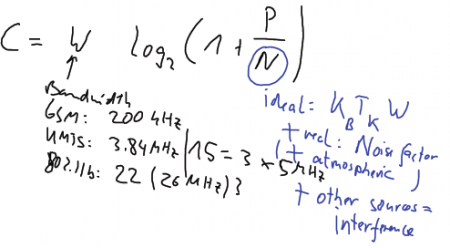
6 
7 
8 
9 10 11 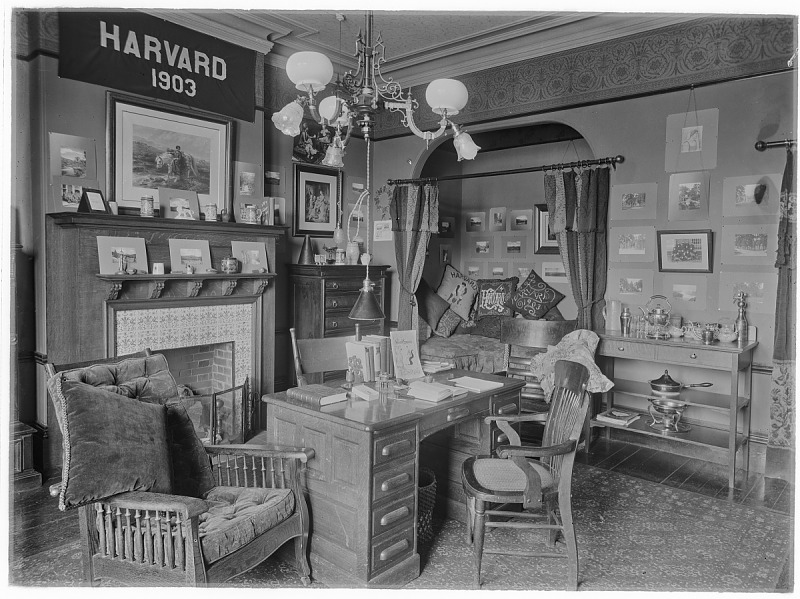
12 
13 
14 
15 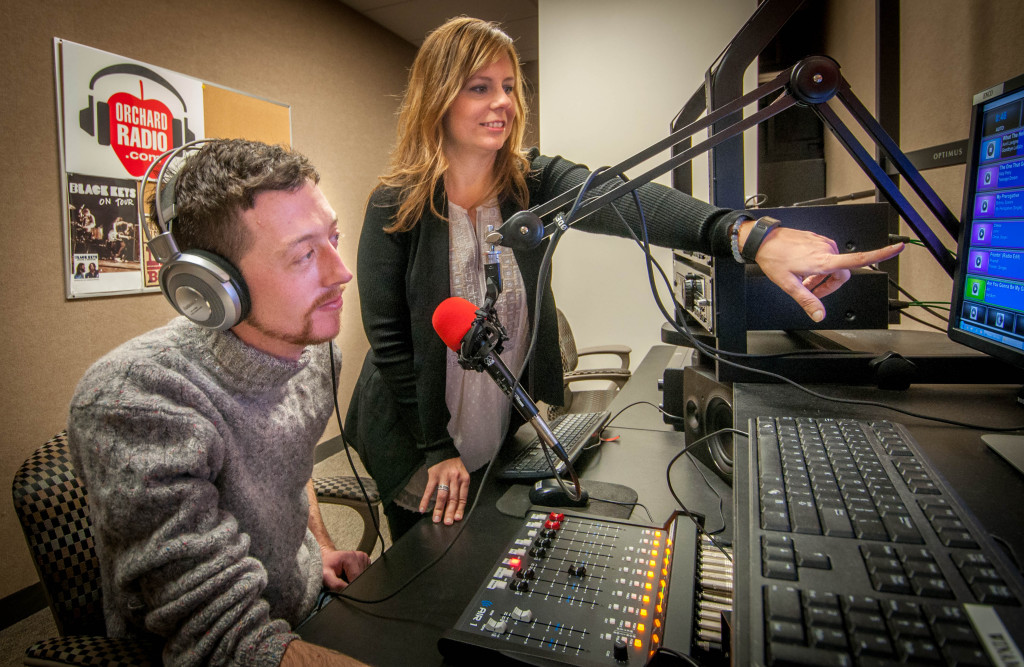
16 17 18 
19 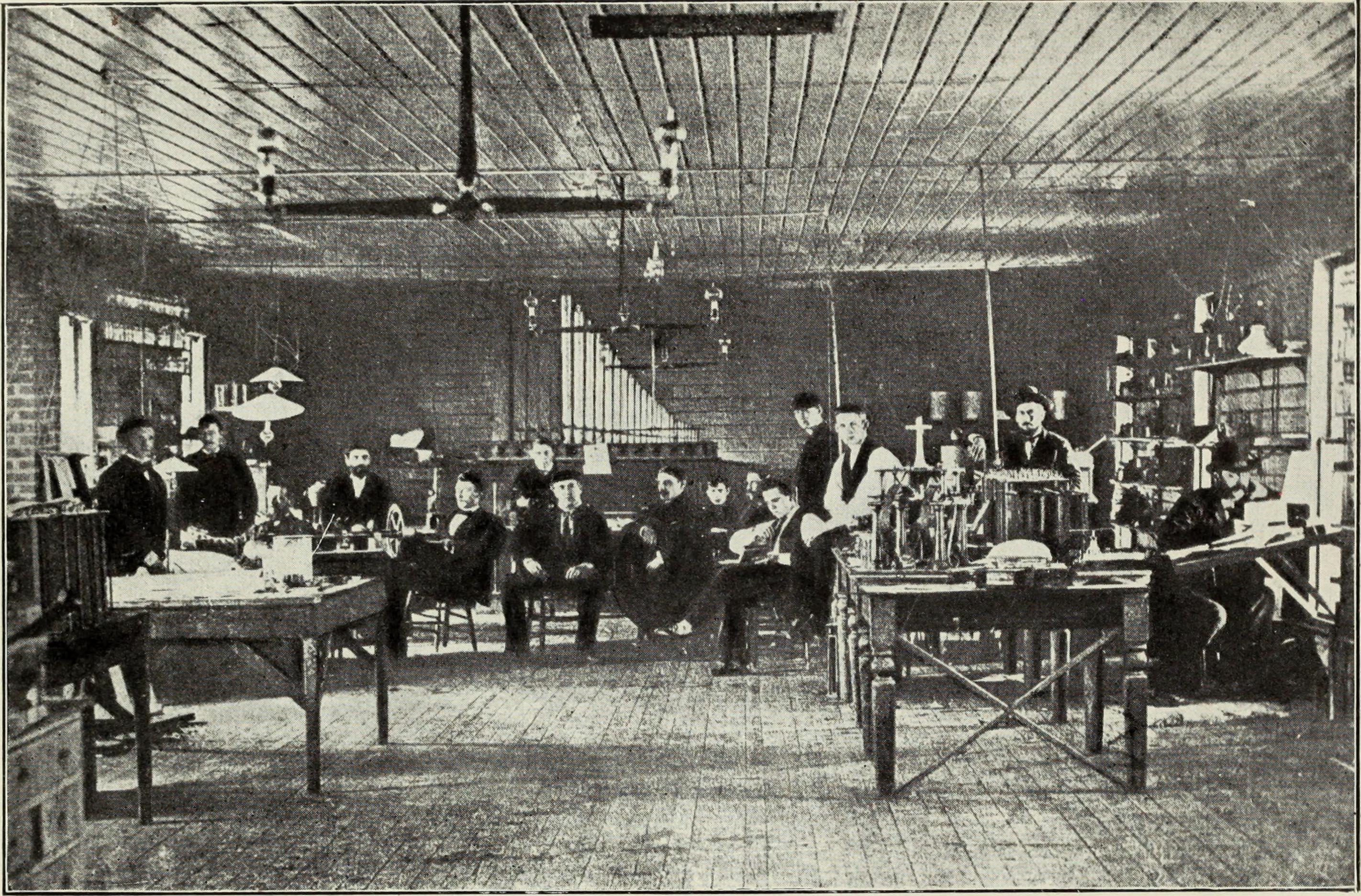
20 
21 
22 
23 24 25 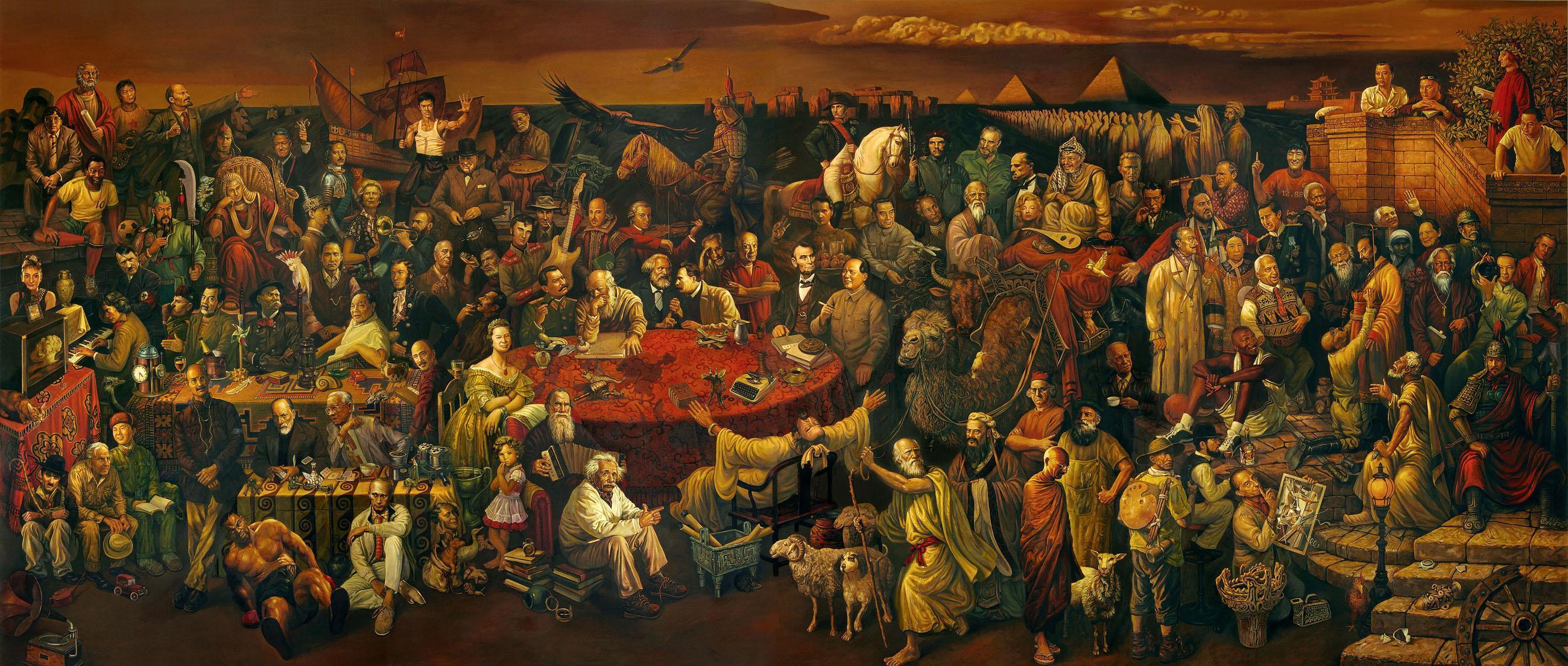
26 
27 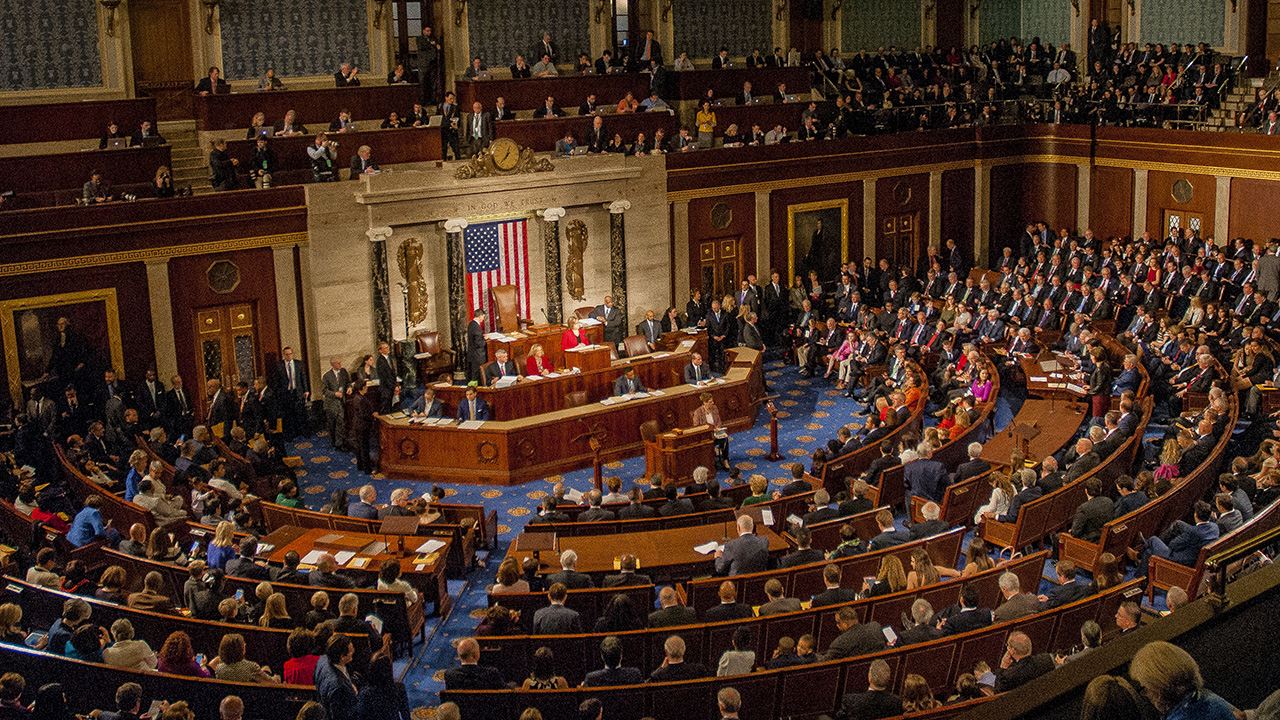
28 
29 
30



We’re “organized” but not too organized; like the bookseller who knows where every book can be found.
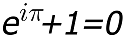
at a conference where you don’t have to present
— Peyman Milanfar (@docmilanfar) April 4, 2025
#AcademicChatter #AcademicTwitter
Academics be like 👇 pic.twitter.com/6cpVEw3PVS
— Reviewer 2 (@GrumpyReviewer2) April 2, 2024






