

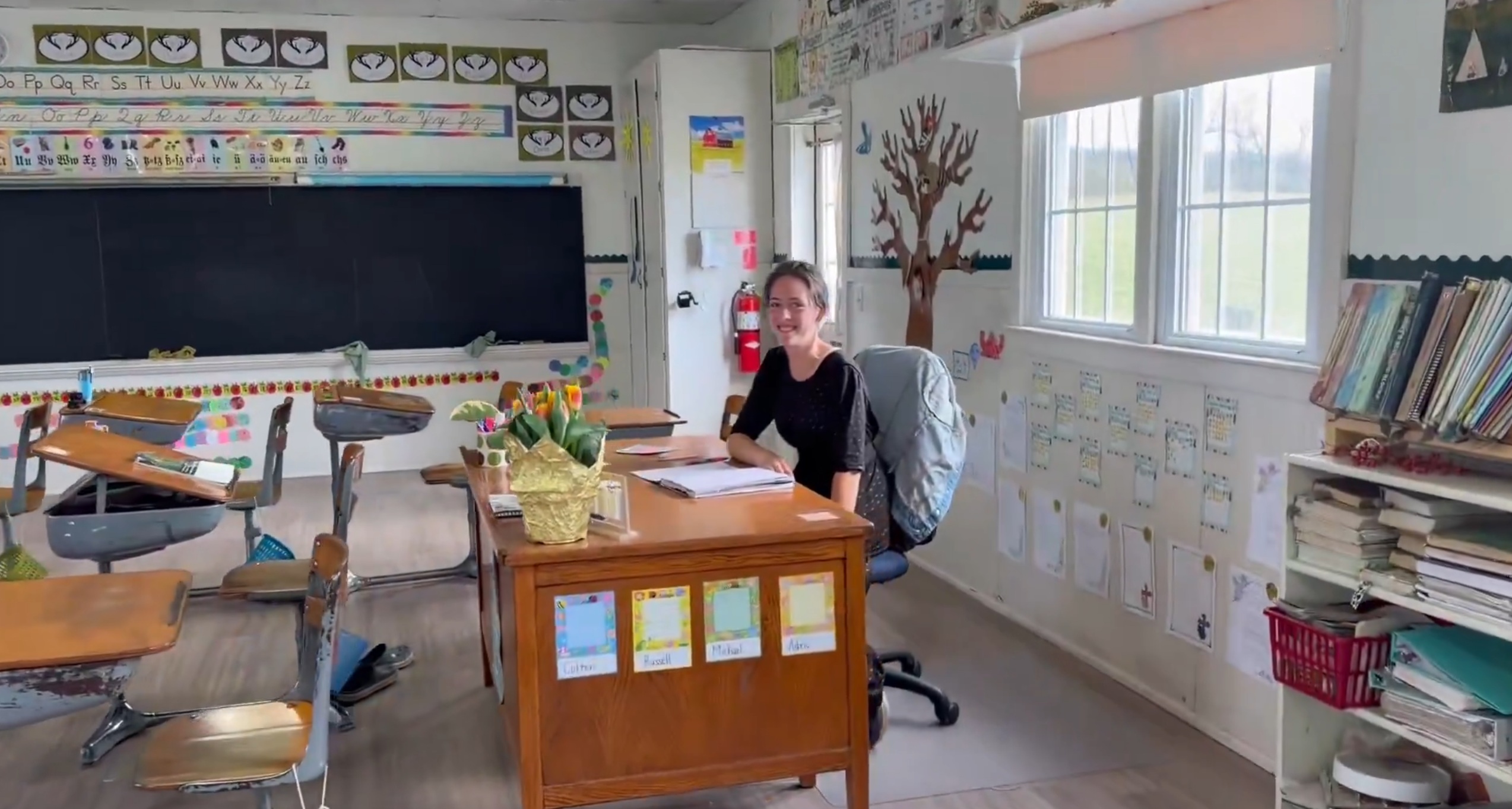
Blair County Pennsylvania 814
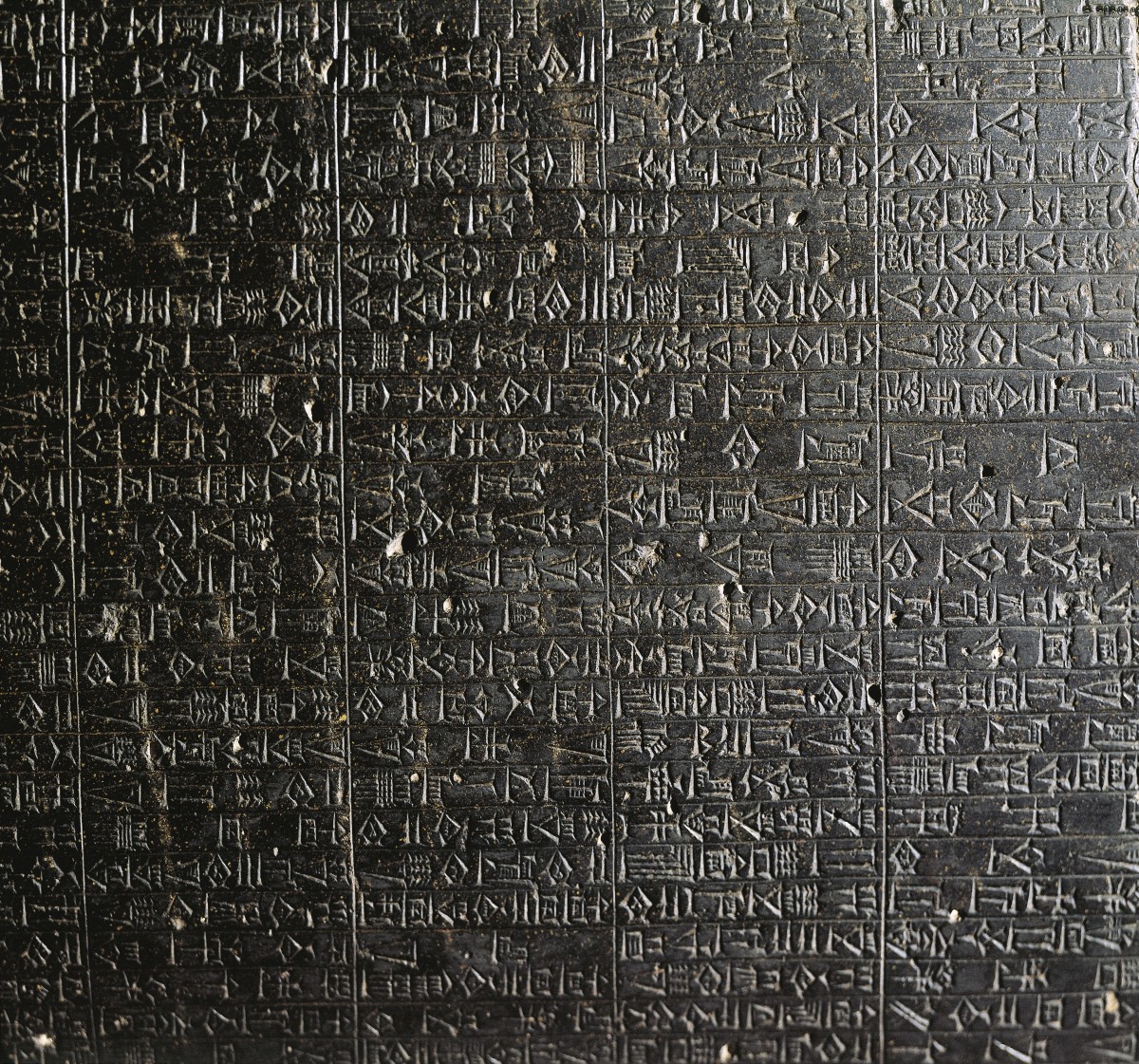
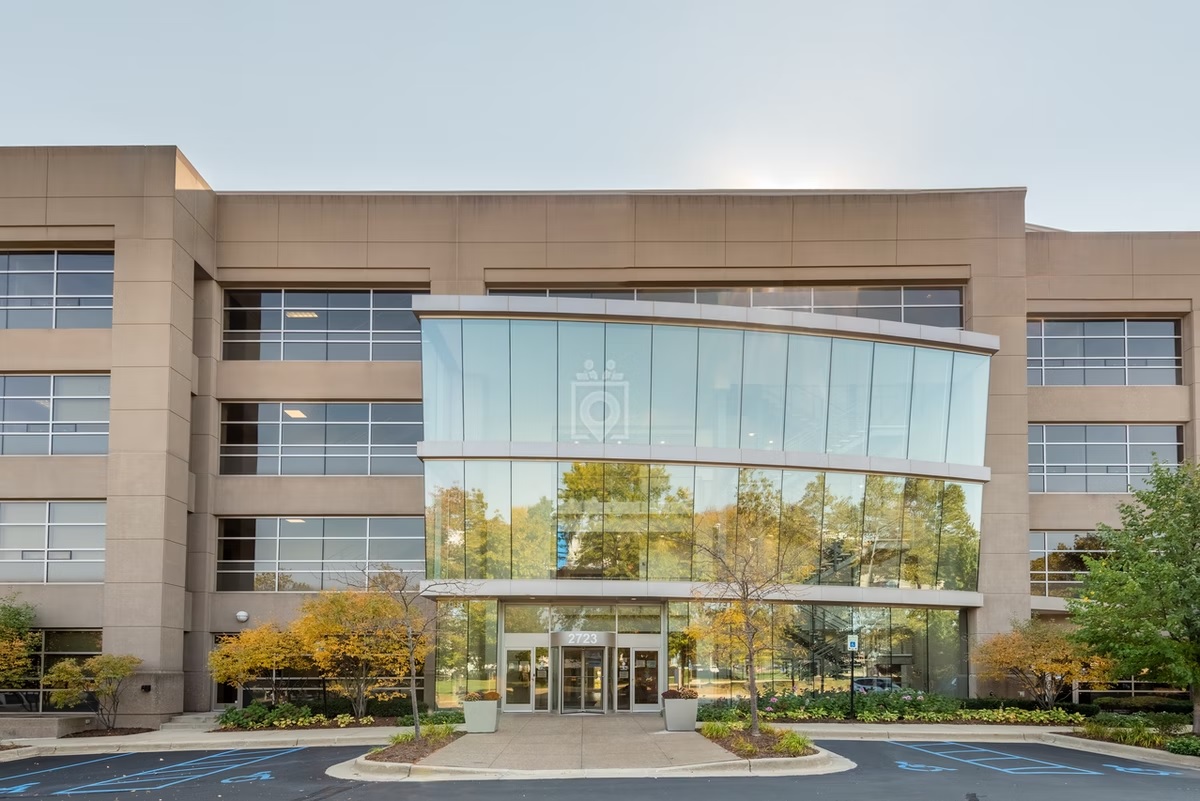
“Lady Astor playing golf at North Berwick” 2015 John Lavery An overview of public commenting opportunities on proposed standards for sports and recreation equipment and athletic facilities. Send email to bella@standardsmichigan.com for access to the agenda. https://youtu.be/agAO_6lVzt0 https://twitter.com/ansidotorg/status/1410984105525776397?s=20&t=FUnO2KRpN94N3_xPb2X0sw “Etude pour les constructeurs” 1950 Fernand Leger We follow the construction spend rate of the US education industry; using the US Census Bureau Construction Spending figures released the first day of every month. We encourage our colleagues in the education facilities industry to respond to Census Bureau-retained data gathering contractors in order to contribute to the accuracy of the report. Today we examine a few time-sensitive public consultations released by incumbent building code developers and state agencies that adopt these codes whole cloth or with amendments. Use the login credentials at the upper right of our home page. Today we explain our collaboration with other like-minded units in education communities in the US and other nations. In most cases we conform to participation requirements set by ANSI US Technical Advisory Groups but we also have liaison with other universities in the European Union who conform to the participation requirements of their own national standards bodies. Use the login credentials at the upper right of our home page. Because a great deal of content is copyright protected by the ISO, IEC and the ITU, please contact bella@standardsmichigan.com for an advance agenda. https://standardsmichigan.com/standing-agenda-international-standards/ Image: Carissa Hock Academy of Art University Overview of codes and standards relevant to the food service enterprises in K-12 schools, college and university student housing, athletic venues and university-affiliated healthcare systems. Harvard University Dormitory Room | Smithsonian Museum | Thomas Warren Sears Collection Today we review changes in best practice literature that sets the standard of care for student housing in K-12 prep schools, colleges and universities. The topic cuts across many disciplines. https://youtu.be/j8sPesNlpo0 https://standardsmichigan.com/standing-agenda-housing/ Inquiry into changes in the (meaning of) definitions at the foundation of best practice literature; frequently the subject of sporty debate among experts writing codes and standards for the built environment of education communities. We use Tamil script because Tamil is the oldest surviving language and remains the spoken language of 80-odd million people of South Asia. https://standardsmichigan.com/%e0%ae%ae%e0%af%8a%e0%ae%b4%e0%ae%bf-2/ International Electrotechnical Commission Today we review live public consultation notices from cloud technology standards-setting organizations with an eye toward minimizing cost. Overview of transportation standards relevant to large research university campuses — from micro-mobility to parking. Send bella@standardsmichigan.com an email requesting an agenda. Today at 15:00 UTC we drill into the technical specifics that contribute to the safety and sustainability of spaces used for the teaching, practice and display of the fine arts. These occupancies are typically at greater risk than classrooms because they usually contain volatile fluids for artistic painting or biologic specimen preservation, kilns for pottery, fabrics and related machinery for teaching fashion design and practice. https://youtu.be/Kqbjr2R0vXk Alysha Newman | University of Miami | World Athletic Championships “Composition in red, yellow, blue and black” (1921) / Piet Mondrian Status check on open source titles — and practical applications — evolving around distributed ledger technologies for financing, planning, design. operation & maintenance of the #SmartCampus. Illumination technologies have had a pattern of consuming about 35 percent of building electrical energy use. That number has been pressed downward with the expanded application of LED luminaires and occupant responsive controls; much of the transformation hastened by IEEE and ASHRAE consensus products. Today we run through the development status of these products. Our meeting coincides with the day of two IEEE Education & Healthcare Facilities Committee teleconferences at 14:00 Central European time and 2:00 PM Eastern time in the Americas. Monthly walk-through of best practice literature for water resources in education communities. Use the login credentials at the upper right of our home page. Università Cattolica del Sacro Cuore Student Art Innovation – Standardization – Commoditization run along a continuum. Today we unpack some of the ideas that hasten (and prohibit) leading practice discovery; how quickly goods and services become a “human right”; why all of this is relevant to education communities and why some believe that commoditization is a myth. From the Wikipedia In business literature, commoditization is defined as the process by which goods that have economic value and are distinguishable in terms of attributes (uniqueness or brand) end up becoming simple commodities in the eyes of the market or consumers. It is the movement of a market from differentiated to undifferentiated price competition and from monopolistic competition to perfect competition. Hence, the key effect of commoditization is that the pricing power of the manufacturer or brand owner is weakened: when products become more similar from a buyer’s point of view, they will tend to buy the cheapest. https://twitter.com/StandardsMich/status/1318508254658502657?s=20 Whatever anyone wants to talk about. Standards Michigan Office Ann Arbor | 2723 South State Street Suite 150 University of Wisconsin Stadium Elevator Many education communities have 100’s of elevators and escalators. This is a difficult space for driving costs down (because of strong manufacturer and labor presence) but we will give the “old college try” Today we run a status check on best practice in electrical power system design, construction, operations and maintenance that support the learning, research and medical clinical delivery enterprises in education communities. Our colloquia on this topic coincide with the two monthly IEEE Education & Healthcare Facilities Committee teleconferences at 14:00 Central European time and 2:00 PM Eastern time in the Americas. 117th Congress Swearing In Floor Proceedings – January 3, 2021, House Chamber Today we run a status check on ANSI-accredited consensus, open-source and consortia consensus products incorporated by reference into federal regulations of the real assets of the US education industry. Send a request to bella@standardsmichigan.com for an advance agenda. https://standardsmichigan.com/standing-agenda-federal-state-regulations/ University endowments are comprised of money or other financial assets that are donated to academic institutions. Charitable donations are the primary source of funds for endowments. Endowment funds support the teaching, research, and public service missions of colleges and universities. In the case of endowment funds for academic institutions, the income generated is intended to finance a portion of the operating or capital requirements of the institution. Today we will pick through few reports where safety and sustainability claims are listed and described. https://standardsmichigan.com/schenkingen/ “Actors from the Commedia dell’Arte on a Wagon in a Town Square” 1640 Jan Miel A walk through the status of best practice literature that sets the standard of care for safety and sustainability in the education facilities built for the performance arts. Readings: The Seven Lively Arts (1924) Glibert Seldes (Oxford Academic review)
Su Mo Tu We Th Fr Sa 1 


2 3 4 5 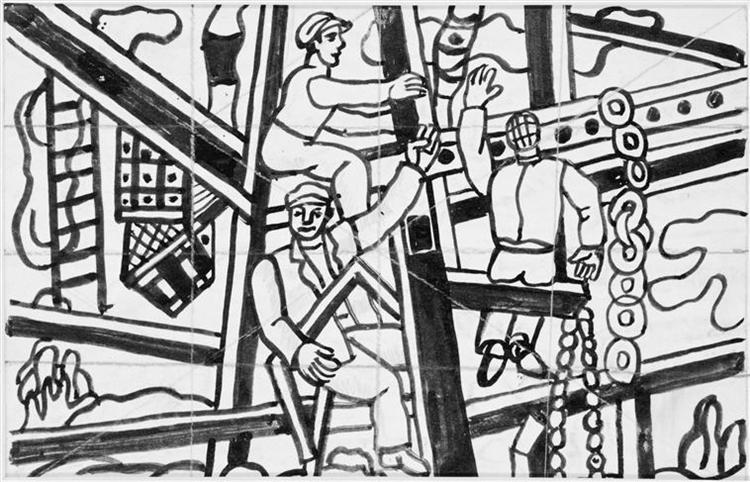
6 
7 
8 
9 10 11 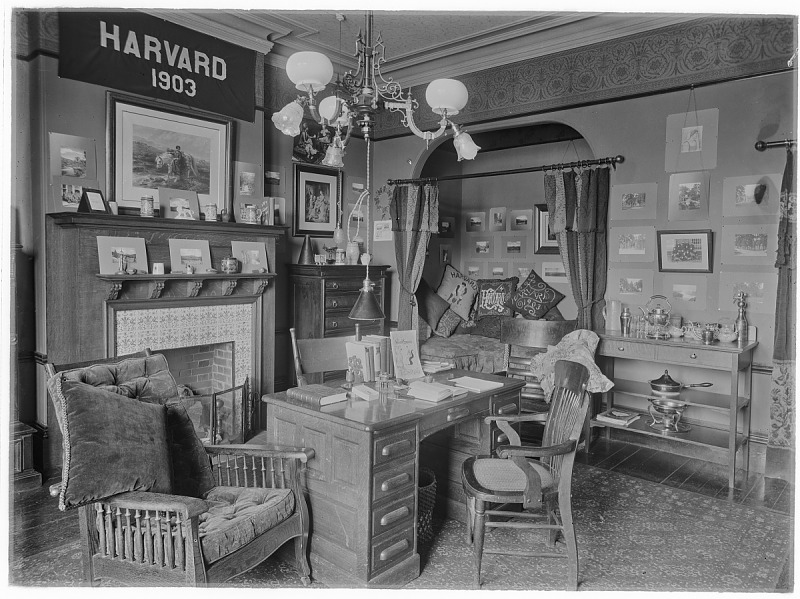
12 
13 
14 
15 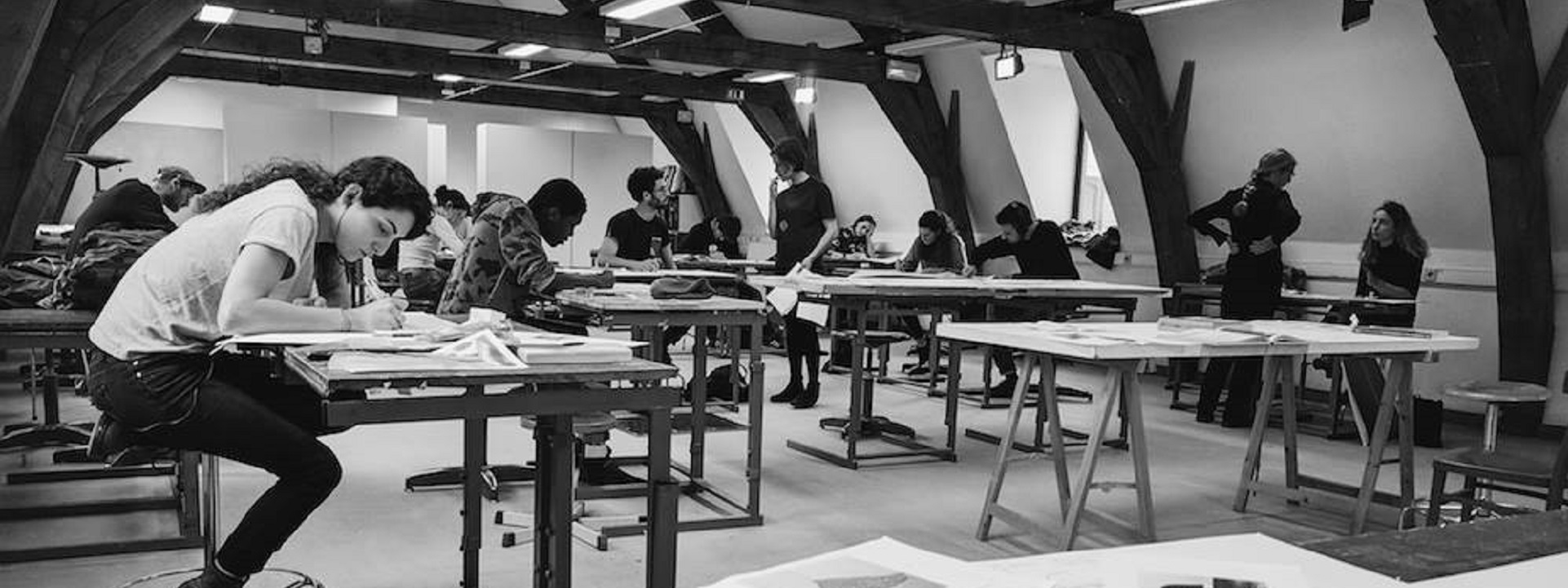
16 17 
18 
19 .jpg)
20 
21 
22 
23 24 25 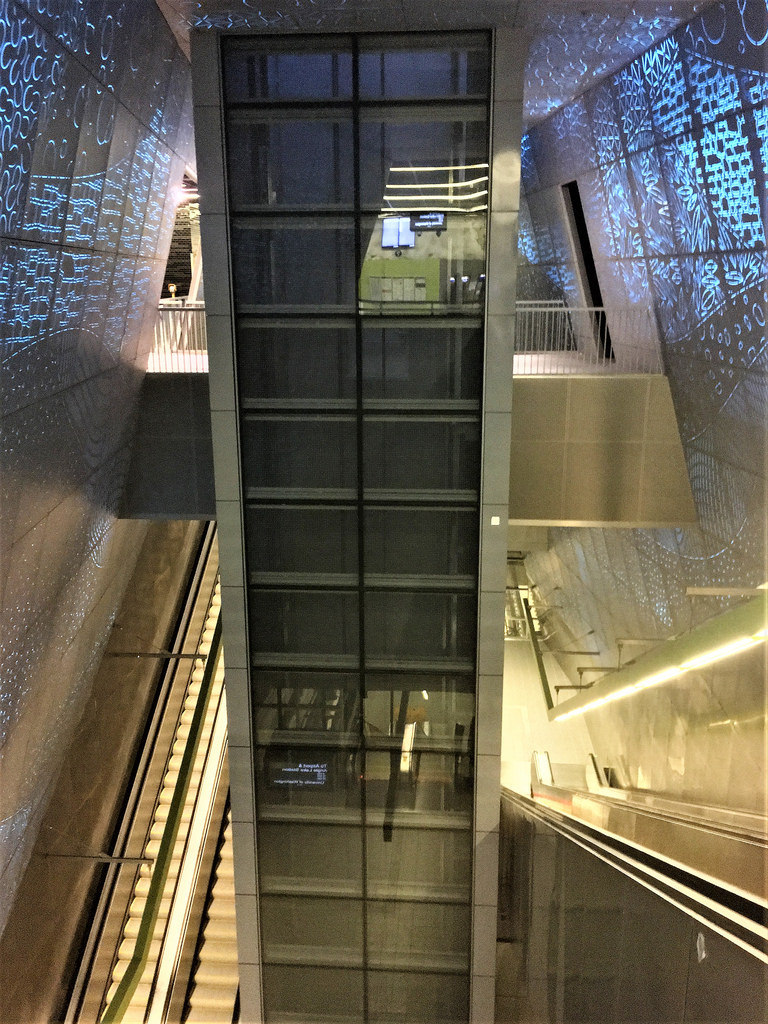
26 
27 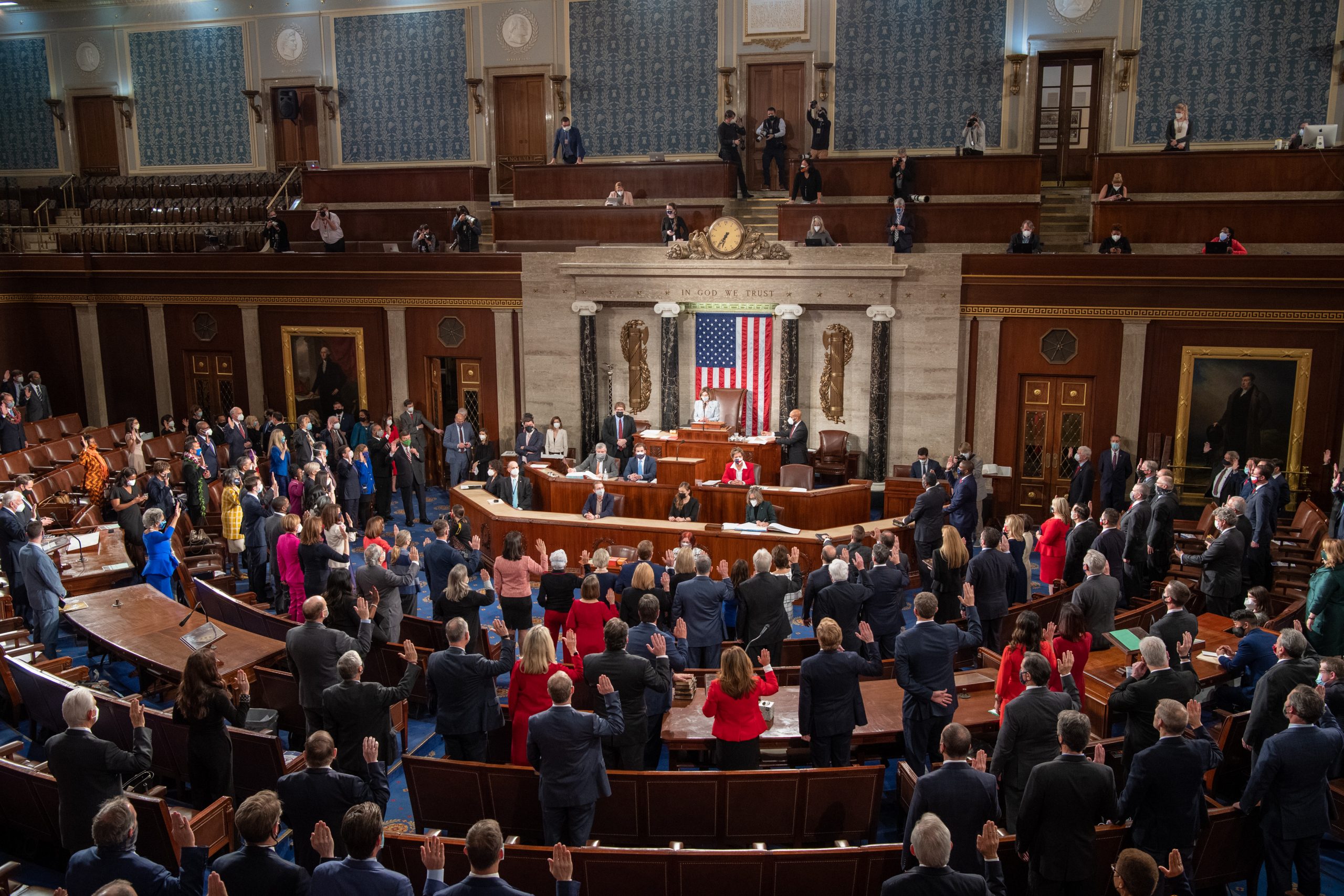
28 
29 
30 31



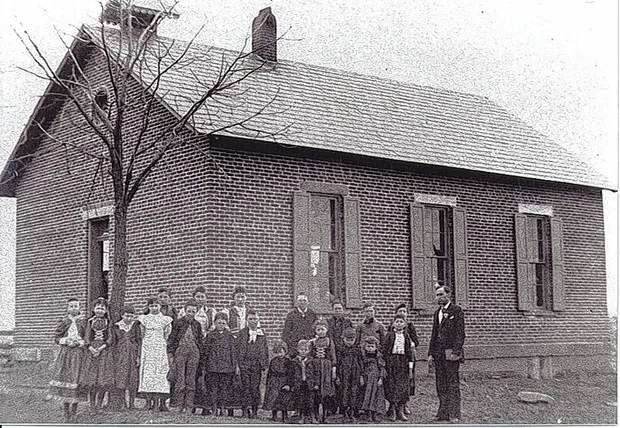

We’re “organized” but not too organized; like the bookseller who knows where every book can be found.
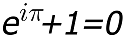
at a conference where you don’t have to present
— Peyman Milanfar (@docmilanfar) April 4, 2025
#AcademicChatter #AcademicTwitter
Academics be like 👇 pic.twitter.com/6cpVEw3PVS
— Reviewer 2 (@GrumpyReviewer2) April 2, 2024






