


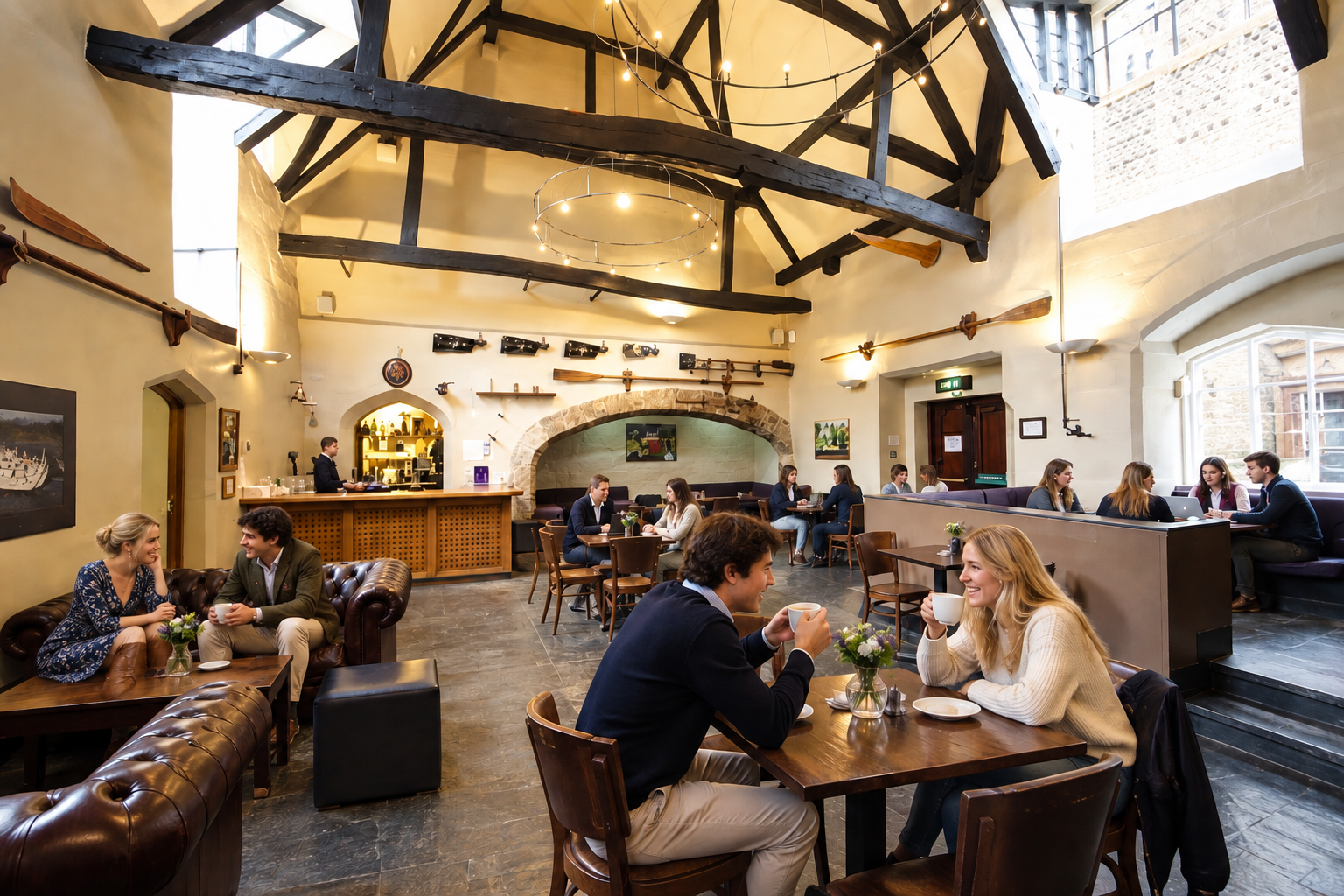
Old Kitchen Bar | Magdalen College

https://youtu.be/RCmQsFtNCl8 Since the International Code Council catalog informs the foundation of occupancy safety of the built environment in education communities we map the way forward in our approach to the titles receiving public consultation in 2023. Today at 16:00 UTC we refresh our understanding of the technical standards for the timing-systems that maintain the temporal framework for daily life in education communities. The campus clock continues as a monument of beauty and structure even though digitization of everything has rendered the central community clock redundant. Most leading practice discovery (and innovation) is happening with the Network Time Protocols (NTP) that synchronize the time stamps of widely separated data centers. In operation since before 1985, NTP is one of the oldest Internet protocols in current use and underlies the Internet of Things build out. NTP is particularly important in maintaining accurate time stamps for safety system coordination and for time stamps on email log messages. Use the login credentials at the upper right of our home page. Dear Members of the BICSI International Standards Program, Please find upcoming Standards meeting and BICSI Winter Conference update within this email. Standards Meetings February 5 – 6, 2023 Meeting Schedule Sunday, February 5 13:00 – 14:00 ICT Installation Monday, February 6 14:15-15:00 Airports and Transit Facilities For your convenience, calendar cards for all Standard meetings can be found here for download: Meeting Reminders Meeting Materials BICSI Winter Conference Registration for BICSI Members within the Standards Program We thank you for your continued participation and contributions to the BICSI International Standards Program and as questions arise, please do not hesitate to ask. Jeff Silveira, CAE, RITP BICSI | The Global Leader in ICT Education, Certification & Standards 8610 Hidden River Parkway | Tampa, FL 33637 +1 813.903.4712 | Fax: +1 813.971.4311 | www.bicsi.org Now Available: https://standardsmichigan.com/ict-best-practice-for-educational-institutions-facilities/ 
I-Codes

زمن


BICSI Standards Winter Meetings
The BICSI Standards program will be meeting in conjunction with the BICSI Winter Conference in Tampa, FL. Meetings will be held on February 5 and 6, 2023 within the Tampa Convention Center, the site of the conference.
The following meetings will be held. All times are EST (UTC – 05:00):
8:00 – 9:30 OSP Construction/Installation
9:30 – 11:00 Healthcare
11:00 – 12:00 Educational Facilities
14:00 – 15:00 Intelligent Building
15:00 – 16:00 Wireless
16:00 – 17:30 Data Center/Data Center Operations Joint Meeting
7:30-10:30 Codes
15:00-16:30 p.m. Standards Plenary
https://www.dropbox.com/sh/wz5z4w0nyqjh0pz/AADCL6N-QtKd2UkQ1FoT8qA0a?dl=0
Agendas, meeting files and related documents will be circulated prior to the meeting as they are received and/or ready. Files will also be placed at the following link:
https://www.dropbox.com/sh/uup2qqedch6to87/AADAYFKYDLO7oEomx-A2XmNBa?dl=0 and on the BICSI Standards FTP site.
For those interested in attending either the in person or virtual BICSI Winter Conference after the standards meetings, a discounted registration is available to all standards members who hold a current BICSI Membership at the time of the conference. Upon becoming or restoring a BICSI membership, please let us know so we can provide the registration form which provide this discounted offer.
Director of Standards
ANSI/BICSI 001-2017 R22, Information and Communication Technology Systems Design and Implementation Best Practices for Educational Institutions and Facilities
BICSI G2.1-22, ICT Outside Plant Construction and Installation: Pole Setting, Anchoring, and Guying
BICSI G2.2-22, ICT Outside Plant Construction and Installation: Aerial Cable Installation


On 9/11 the FDNY lost 343 of their own.
Not statistics. Sons, fathers, husbands from 75 firehouses across the five boroughs.
121 engine companies and 62 ladder companies answered the call. Every Rescue company in New York went in.
They knew the buildings were coming down and… pic.twitter.com/e4ArBUmfLq— Sassafrass84 (@Sassafrass_84) September 7, 2026
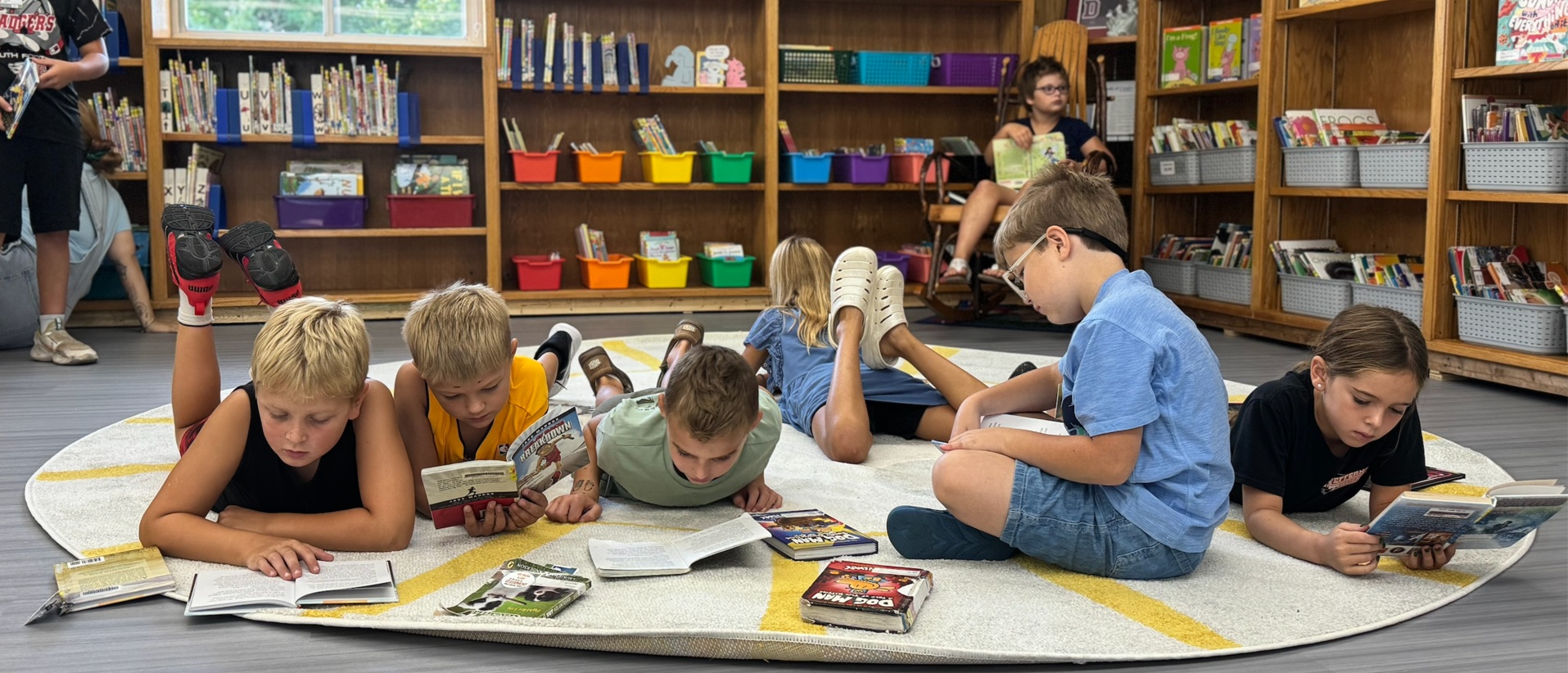
Scales Mound School District | Jo Daviess County Illinois 815
Oxford students after exams, 1989. pic.twitter.com/HQbO4r6dUE
— M (@0detobeauty) May 27, 2026
The calendar of Anglosphere educational settlements subtly shapes life of the mind, generally; and family and community life, specifically. Its cadence has roots in the cathedral schools and monastic learning communities of medieval Europe. Universities were not originally organized around modern “semesters.” Instead, the year followed the Christian liturgical calendar, agricultural seasons, food paths, daylight availability, and travel conditions.
In America educational calendars were nudged along by agricultural cycles. In the United Kingdom university calendars evolved into three major terms: Michaelmas in autumn, associated with arrival and beginnings; Hilary or Lent in winter, associated with discipline and study; and Trinity or Easter in spring, associated with examinations, outdoor rituals, music, rowing, gardens, and celebration.
Modern commencement traditions across the Anglosphere are descendants of medieval spring degree ceremonies. Academic gowns, hoods, processions, Latin phrases, formal dining, chapel music, and public recognition all preserve traces of the university as a scholarly guild and religious-civic community.
Before railways, electric lighting, and central heating, universities had to adapt to muddy roads, short winter days, limited candles, cold buildings, and agricultural obligations. Spring therefore became the natural season of culmination, reunion, athletic competition, courtship, and ceremony.
The medieval university was not merely a school but an educational settlement — a self-governing town of scholars, libraries, chapels, kitchens, workshops, residences, and dining halls. That settlement pattern survives in residential colleges, quadrangles, tutorial systems, common rooms, chapel choirs, and formal meals.
Anglosphere campuses retain this ancient emotional rhythm: autumn seriousness, winter inwardness, and spring release. That continuity helps explain why colleges and universities still feel culturally distinct from ordinary commercial society. (Relata: Gulliver Visits the Great Academy of Lagado)

We’re “organized” but not too organized; like the bookseller who knows where every book can be found.
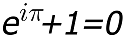
at a conference where you don’t have to present
— Peyman Milanfar (@docmilanfar) April 4, 2025
#AcademicChatter #AcademicTwitter
Academics be like 👇 pic.twitter.com/6cpVEw3PVS
— Reviewer 2 (@GrumpyReviewer2) April 2, 2024





