



Ole Miss

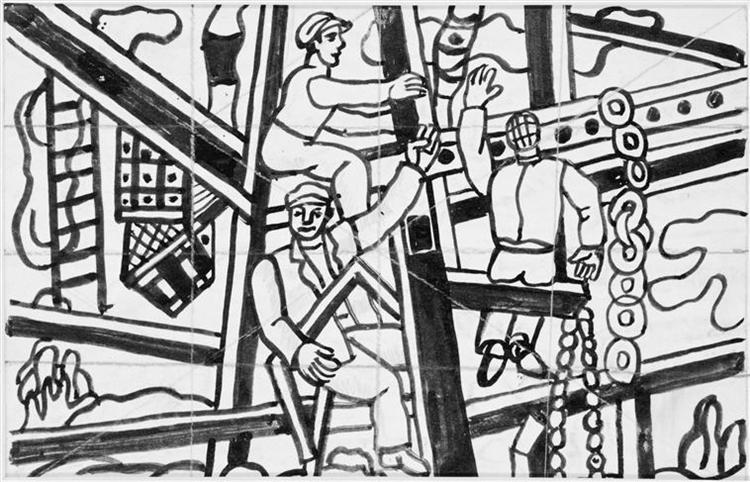
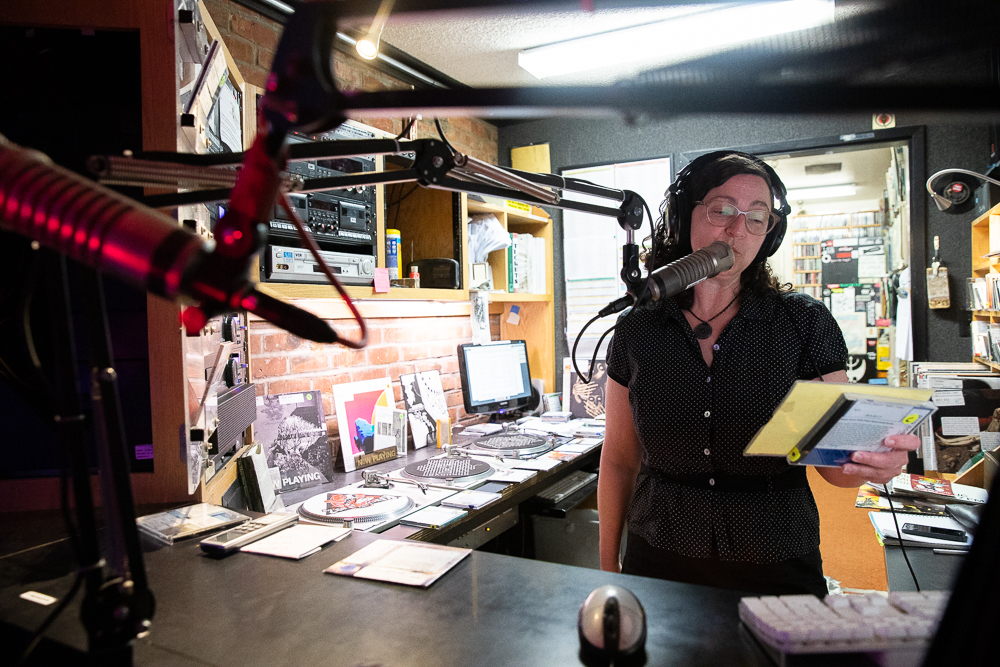
Today we examine a few time-sensitive public consultations released by incumbent building code developers and state agencies that adopt these codes whole cloth or with amendments. Use the login credentials at the upper right of our home page. https://standardsmichigan.com/watersport/ https://twitter.com/OtayMark/status/1687584197752537091?s=20 https://twitter.com/StandardsMich/status/1550752898740543489?s=20 https://twitter.com/SportSapienza/status/1687454976015020033?s=20 https://twitter.com/USASwimming/status/1687150046612250624?s=20 https://twitter.com/Vol_SwimDive/status/1687087529214844928?s=20 https://youtu.be/SbWOpeyVke0 https://twitter.com/HeuvelMaartje/status/1623080996693495808?s=20 “Etude pour les constructeurs” Fernand Leger We follow the construction spend rate of the US education industry; using the US Census Bureau Construction Spending figures released the first day of every month. We encourage our colleagues in the education facilities industry to respond to Census Bureau-retained data gathering contractors in order to contribute to the accuracy of the report. https://standardsmichigan.com/hospital-plug-load/ https://standardsmichigan.com/2026-national-electrical-code-workspace/ “Prometheus creating Man in the presence of Athena” (1802) / Jean-Simon Berthélemy Today we update our understanding of best practice titles that set the standard of care for fire safety in education communities. We group them with fire protection standards because most of the compliance and enforcement expertise originates with fire safety expertise. Send bella@standardsmichigan.com an email for an advance agenda. https://standardsmichigan.com/fire-protection-security-monthly/ https://standardsmichigan.com/door-n/ https://twitter.com/ArashFMaleki/status/1538874635701338117?s=20&t=WQRNQqyRGEFSQS76nwQRSg “Spring Turning” 1936 Grant Wood, Overview of codes and standards relevant to the food service enterprises in K-12 schools, college and university student housing, athletic venues and university-affiliated healthcare systems. https://standardsmichigan.com/food-standards-monthly/ Università Cattolica del Sacro Cuore Student Art Innovation – Standardization – Commoditization run along a continuum. Today we unpack some of the ideas that hasten (and prohibit) leading practice discovery; how quickly goods and services become a “human right”; why all of this is relevant to education communities and why some believe that commoditization is a myth. From the Wikipedia In business literature, commoditization is defined as the process by which goods that have economic value and are distinguishable in terms of attributes (uniqueness or brand) end up becoming simple commodities in the eyes of the market or consumers. It is the movement of a market from differentiated to undifferentiated price competition and from monopolistic competition to perfect competition. Hence, the key effect of commoditization is that the pricing power of the manufacturer or brand owner is weakened: when products become more similar from a buyer’s point of view, they will tend to buy the cheapest. https://twitter.com/StandardsMich/status/1318508254658502657?s=20 https://twitter.com/rhbell820/status/1691433777619214336?s=20 Today at 11 AM/ET we update our understanding of best practice literature relevant to the information and communication technology enterprises in education communities. Our online meetings coincides with the day of two IEEE Education & Healthcare Facilities Committee teleconferences at 14:00 Central European time and 2:00 PM Eastern time in the Americas. Starting 2023 we have begun to break down our coverage of information and communication technology embedded in campus buildings into two modules – Infotech 200 and Infotech 400. Open to everyone. Use the login credentials at the upper right of our home page. Today we explain our collaboration with other like-minded units in education communities in the US and other nations. In most cases we conform to participation requirements set by ANSI US Technical Advisory Groups to the International Organization for Standardization but we also have liaison with other universities in the European Union who conform to the participation requirements of their own national standards bodies. Use the login credentials at the upper right of our home page. Because a great deal of content is copyright protected by the International Electrotechnical Commission, International Organization for Standardization and International Telecommunications Union, please contact bella@standardsmichigan.com for an advance agenda. https://standardsmichigan.com/international-standards-teleconference-today-11-am-eastern/ “Prometheus creating Man in the presence of Athena” (1802) / Jean-Simon Berthélemy Monthly review of all consensus, consortia and open source codes, standards and regulations the set the standard of care for fire safety in education communities. We group them with fire protection standards because most of the compliance and enforcement expertise originates with fire safety expertise. Send bella@standardsmichigan.com an email for an advance agenda. Today we refresh our understanding of the regulations for Class D campus radio systems. We review the literature for production technologies and FM transmission technologies through airwaves, cabling systems, the internet or a combination of all. https://twitter.com/RadioWatcher/status/1691646104889115092?s=20 “O Hari, ’tis morn, awake, there’s water in the jar for you to wash your face no need to hurry there’s plenty of time. I’ll bring you whatever you like for your breakfast- dried fruits, butter, honey and bread. Says Suradasa, Yashoda’s heart overflows with joy when her gaze alights on her darling boy.” Many research universities have large medical research and clinical delivery enterprises that provide significant revenue. We periodically scan public consultations for literature that sets the standard of care for the facilities and technologies in these enterprises in education communities. https://standardsmichigan.com/microgrids/ https://twitter.com/DrRituRaman/status/1645773734135971844?s=20 Today at 11 AM/ET we review the consensus products that set the standard of care for prevention, response and resilience of the education facility industry to storms, floods, hurricanes, earthquakes and all other disasters. Use the login credentials at the upper right of our home page. https://standardsmichigan.com/standing-agenda-disasters/ "The City" 1952 | Edward Bawden https://t.co/An3zzyTSvdhttps://t.co/V0nw80umD4 pic.twitter.com/zm0yvDAdnl — Standards Michigan (@StandardsMich) November 29, 2023 Review of all consensus, consortia and open source codes, standards and regulations regarding energy production and conservation relevant to the education facility industry. Faculty and staff in the education industry in all nations provide basic research, application research in energy technologies. The “cities-within-cities” we call the #SmartCampus” also provide crucibles for new testing new technologies as well as provide energy load for utilities operating under all ownership regimes. Send bella@standardsmichigan.com an email for an advance agenda. https://standardsmichigan.com/agenda-energy-standards-monthly/ https://youtu.be/jn9UdTzWDko "Evening Song", Sir George Clausen (18 April 1852 – 22 November 1944), British pic.twitter.com/bxHNcTT3bD — Orphic Inscendence (@OInscendence) March 19, 2023 https://youtu.be/2BWhpD3vBk4 https://twitter.com/michiganalumni/status/1695968211974406319?s=20 https://twitter.com/natalie_kovarik/status/1695820920605073752?s=20 “The Country School” | Winslow Homer Periodic review of best practice literature that sets the standard of care for interior furnishing specification, installation and maintenance. “Parable of the Rich Fool” 1627 Rembrandt Today we run a status check on public consultations released by ANSI-accredited and finance industry consortia whose involvement affects the cost of US education communities. Ahead of quarterly county elections we examine a few tax-free bond referenda on ballots across the US for insight into the money flow through education communities. https://twitter.com/GraemeK73/status/1643000411706589189?s=20 Christchurch School Virginia https://standardsmichigan.com/housing/ https://standardsmichigan.com/gallery-move-in/ https://twitter.com/MsMcCormickOQMS/status/1697343927202840903?s=20













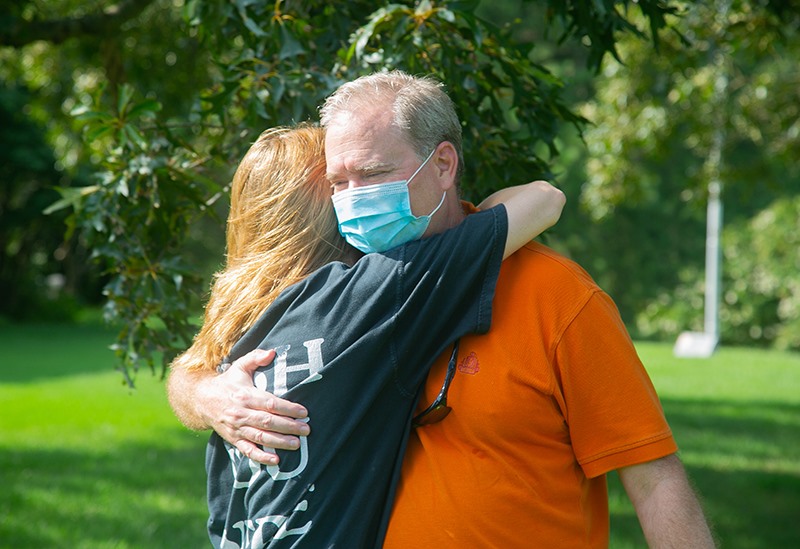

On 9/11 the FDNY lost 343 of their own.
Not statistics. Sons, fathers, husbands from 75 firehouses across the five boroughs.
121 engine companies and 62 ladder companies answered the call. Every Rescue company in New York went in.
They knew the buildings were coming down and… pic.twitter.com/e4ArBUmfLq— Sassafrass84 (@Sassafrass_84) September 7, 2026
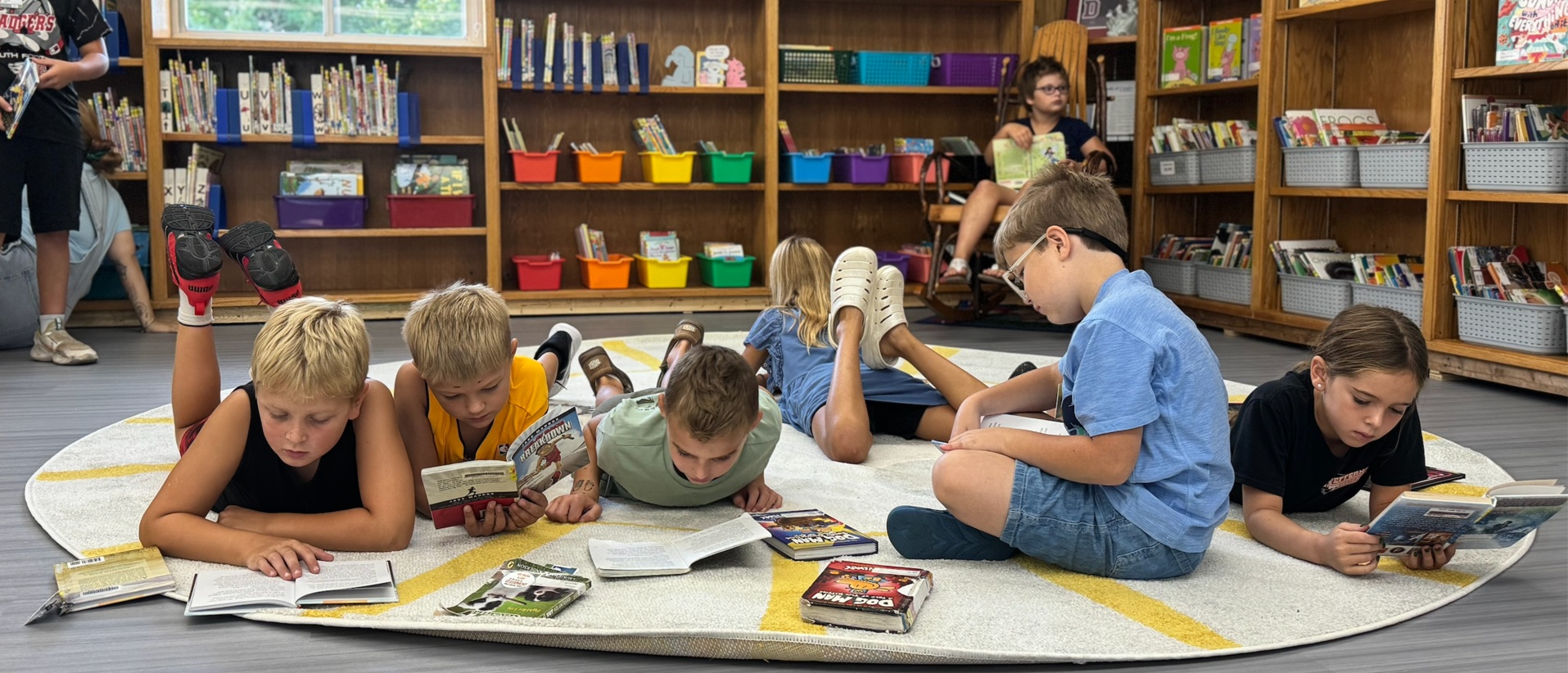
Scales Mound School District | Jo Daviess County Illinois 815
Oxford students after exams, 1989. pic.twitter.com/HQbO4r6dUE
— M (@0detobeauty) May 27, 2026
The calendar of Anglosphere educational settlements subtly shapes life of the mind, generally; and family and community life, specifically. Its cadence has roots in the cathedral schools and monastic learning communities of medieval Europe. Universities were not originally organized around modern “semesters.” Instead, the year followed the Christian liturgical calendar, agricultural seasons, food paths, daylight availability, and travel conditions.
In America educational calendars were nudged along by agricultural cycles. In the United Kingdom university calendars evolved into three major terms: Michaelmas in autumn, associated with arrival and beginnings; Hilary or Lent in winter, associated with discipline and study; and Trinity or Easter in spring, associated with examinations, outdoor rituals, music, rowing, gardens, and celebration.
Modern commencement traditions across the Anglosphere are descendants of medieval spring degree ceremonies. Academic gowns, hoods, processions, Latin phrases, formal dining, chapel music, and public recognition all preserve traces of the university as a scholarly guild and religious-civic community.
Before railways, electric lighting, and central heating, universities had to adapt to muddy roads, short winter days, limited candles, cold buildings, and agricultural obligations. Spring therefore became the natural season of culmination, reunion, athletic competition, courtship, and ceremony.
The medieval university was not merely a school but an educational settlement — a self-governing town of scholars, libraries, chapels, kitchens, workshops, residences, and dining halls. That settlement pattern survives in residential colleges, quadrangles, tutorial systems, common rooms, chapel choirs, and formal meals.
Anglosphere campuses retain this ancient emotional rhythm: autumn seriousness, winter inwardness, and spring release. That continuity helps explain why colleges and universities still feel culturally distinct from ordinary commercial society. (Relata: Gulliver Visits the Great Academy of Lagado)

We’re “organized” but not too organized; like the bookseller who knows where every book can be found.
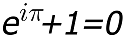
at a conference where you don’t have to present
— Peyman Milanfar (@docmilanfar) April 4, 2025
#AcademicChatter #AcademicTwitter
Academics be like 👇 pic.twitter.com/6cpVEw3PVS
— Reviewer 2 (@GrumpyReviewer2) April 2, 2024





