


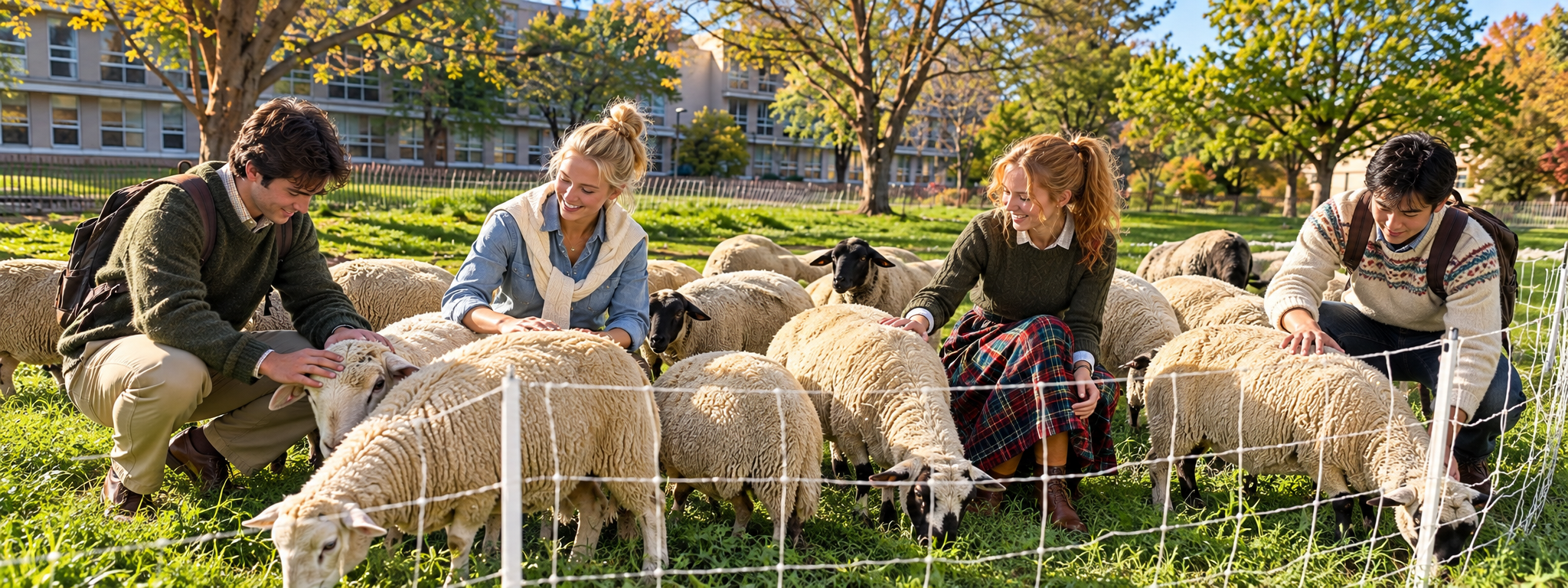
University of California Davis Sheep Mowers

“He who does not speak foreign languages — Johann Wolfgang von Goethe “The Tower of Babel” 1563 / Pieter Bruegel the Elder Here’s a rough breakdown of the top languages on the web: English: 55.4% – Russian: 6.6% – Japanese: 5.4% – Spanish: 5.2% – Chinese: 4.6% One of the most contentious aspects of best practice discovery and promulgation in any domain, and no less so in educational settlements, is an agreed-upon vocabulary and shared understanding. As we explain elsewhere in this history, when a counter-party disagrees with you, he simply switches out the vocabulary — i.e. changes definitions or adds or subtracts from the traditional meanings of things. So we approach this topic several times a year to confirm our bearing on the meaning of things. We observe National Poetry Month in the United States and Canada every year with an inquiry into changes in the (meaning of) definitions at the foundation of best practice literature; frequently the subject of sporty debate among experts writing codes and standards for the built environment of education communities. In the United Kingdom, National Poetry Month is celebrated in October, and it is known as “National Poetry Day” which has been observed since 1994. It is an initiative of the Forward Arts Foundation, which aims to encourage people to read, write and perform poetry. Other countries also have their own poetry celebrations, such as World Poetry Day, which is observed annually on March 21 by UNESCO (United Nations Educational, Scientific and Cultural Organization) to promote the reading, writing, and teaching of poetry worldwide. In past years we used a Tamil mnemonic because Tamil is the oldest surviving language and remains the spoken language of 80-odd million people of South Asia. Alas, use of Tamil confounds our Wordpress content management system so in 2024 we began coding this topic in American English https://standardsmichigan.com/%e0%ae%ae%e0%af%8a%e0%ae%b4%e0%ae%bf-2/ Latin Phrases You Should Know. pic.twitter.com/Erq61gVW29 — Learn Latin (@latinedisce) May 5, 2024 Once median household income is adjusted for cost of living, Utah emerges as the wealthiest state in the nation and Mississippi yet again ranks last. Source: https://t.co/AN3JZqtNnF pic.twitter.com/kv8U3LZlvh — Simon Kuestenmacher (@simongerman600) January 3, 2025 “He who does not speak foreign languages — Johann Wolfgang von Goethe “The Tower of Babel” 1563 / Pieter Bruegel the Elder Here’s a rough breakdown of the top languages on the web: English: 55.4% – Russian: 6.6% – Japanese: 5.4% – Spanish: 5.2% – Chinese: 4.6% One of the most contentious aspects of best practice discovery and promulgation in any domain, and no less so in educational settlements, is an agreed-upon vocabulary and shared understanding. As we explain elsewhere in this history, when a counter-party disagrees with you, he simply switches out the vocabulary — i.e. changes definitions or adds or subtracts from the traditional meanings of things. So we approach this topic several times a year to confirm our bearing on the meaning of things. We observe National Poetry Month in the United States and Canada every year with an inquiry into changes in the (meaning of) definitions at the foundation of best practice literature; frequently the subject of sporty debate among experts writing codes and standards for the built environment of education communities. In the United Kingdom, National Poetry Month is celebrated in October, and it is known as “National Poetry Day” which has been observed since 1994. It is an initiative of the Forward Arts Foundation, which aims to encourage people to read, write and perform poetry. Other countries also have their own poetry celebrations, such as World Poetry Day, which is observed annually on March 21 by UNESCO (United Nations Educational, Scientific and Cultural Organization) to promote the reading, writing, and teaching of poetry worldwide. In past years we used a Tamil mnemonic because Tamil is the oldest surviving language and remains the spoken language of 80-odd million people of South Asia. Alas, use of Tamil confounds our Wordpress content management system so in 2024 we began coding this topic in American English https://standardsmichigan.com/%e0%ae%ae%e0%af%8a%e0%ae%b4%e0%ae%bf-2/ Latin Phrases You Should Know. pic.twitter.com/Erq61gVW29 — Learn Latin (@latinedisce) May 5, 2024 Once median household income is adjusted for cost of living, Utah emerges as the wealthiest state in the nation and Mississippi yet again ranks last. Source: https://t.co/AN3JZqtNnF pic.twitter.com/kv8U3LZlvh — Simon Kuestenmacher (@simongerman600) January 3, 2025 “He who does not speak foreign languages — Johann Wolfgang von Goethe Here’s a rough breakdown of the top languages on the web: English: 55.4% – Russian: 6.6% – Japanese: 5.4% – Spanish: 5.2% – Chinese: 4.6% One of the most contentious aspects of best practice discovery and promulgation in any domain, and no less so in educational settlements, is an agreed-upon vocabulary and shared understanding. As we explain elsewhere in this history, when a counter-party disagrees with you, he simply switches out the vocabulary — i.e. changes definitions or adds or subtracts from the traditional meanings of things. So we approach this topic several times a year to confirm our bearing on the meaning of things. We observe National Poetry Month in the United States and Canada every year with an inquiry into changes in the (meaning of) definitions at the foundation of best practice literature; frequently the subject of sporty debate among experts writing codes and standards for the built environment of education communities. In the United Kingdom, National Poetry Month is celebrated in October, and it is known as “National Poetry Day” which has been observed since 1994. It is an initiative of the Forward Arts Foundation, which aims to encourage people to read, write and perform poetry. Other countries also have their own poetry celebrations, such as World Poetry Day, which is observed annually on March 21 by UNESCO (United Nations Educational, Scientific and Cultural Organization) to promote the reading, writing, and teaching of poetry worldwide. In past years we used a Tamil mnemonic because Tamil is the oldest surviving language and remains the spoken language of 80-odd million people of South Asia. Alas, use of Tamil confounds our Wordpress content management system so in 2024 we began coding this topic in American English https://standardsmichigan.com/%e0%ae%ae%e0%af%8a%e0%ae%b4%e0%ae%bf-2/ Latin Phrases You Should Know. pic.twitter.com/Erq61gVW29 — Learn Latin (@latinedisce) May 5, 2024 Once median household income is adjusted for cost of living, Utah emerges as the wealthiest state in the nation and Mississippi yet again ranks last. Source: https://t.co/AN3JZqtNnF pic.twitter.com/kv8U3LZlvh — Simon Kuestenmacher (@simongerman600) January 3, 2025 Illumination technologies have had a pattern of consuming about 35 percent of building electrical energy use. That number has been pressed downward with the expanded application of LED luminaires and occupant responsive controls; much of the transformation hastened by the IEEE, IES and ASHRAE best practice catalogs. Today we run through the development status of these products with specific interest in exterior illumination best practice. This topic also is covered in the 4 time monthly meetings of the IEEE Education & Healthcare Facilities Committee. https://standardsmichigan.com/illumination-400/ University endowments are comprised of money or other financial assets that are donated to academic institutions. Charitable donations are the primary source of funds for endowments. Endowment funds support the teaching, research, and public service missions of colleges and universities. In the case of endowment funds for academic institutions, the income generated is intended to finance a portion of the operating or capital requirements of the institution. Today we will pick through few reports where safety and sustainability claims are listed and described. https://standardsmichigan.com/schenkingen/ Periodic review of the best practice catalogs that set the standard of care for security of education communities. Less electrotechnical as with Security 100 and 200 and more Regulatory and management codes and standards; a great deal of which are self-referencing. https://standardsmichigan.com/security-300/ Frederick Bourchier Taylor (1906-1987) An overview of public commenting opportunities on proposed standards for sports and recreation equipment and athletic facilities. Send email to bella@standardsmichigan.com for access to the agenda. US Wintersport Traditions: Michigan State Hockey @MSU_Hockeyhttps://t.co/9dPmzpsfaG pic.twitter.com/LV7WjIiWBB — Standards Michigan (@StandardsMich) February 17, 2024 bb https://youtube.com/shorts/zbbOw1KBpD8?si=BMQyFWAFWd_TWRBH https://twitter.com/ansidotorg/status/1676936533767487488?s=20 https://twitter.com/BBPrepHead/status/1676982024135999489?s=20 https://standardsmichigan.com/mixed-gender-sport-by-design/ E.Y. “Yip” Harburg: The lyricist for “If I Only Had a Brain,” Harburg attended the University of Michigan. Though he did not graduate, his time there was influential in his development as a writer and lyricist. The University of Michigan, located in Ann Arbor, was part of his early education and contributed to his literary and musical career.
Language 100
knows nothing about his own.“ 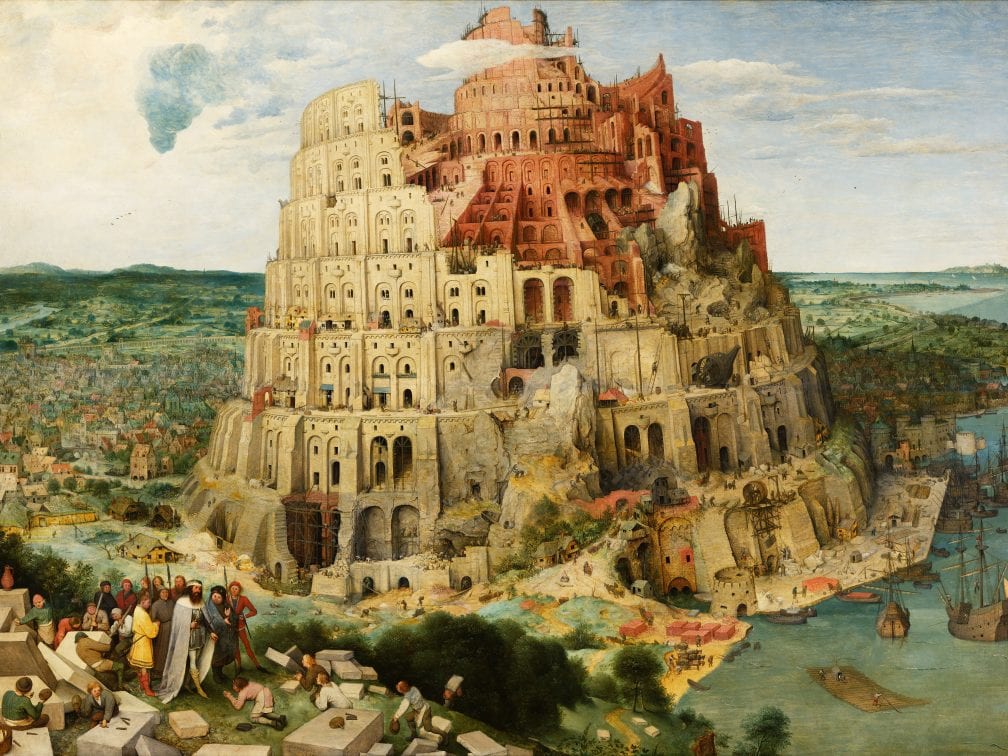


Language 100
knows nothing about his own.“ Language
knows nothing about his own.“ 

Illumination 300
.jpg)

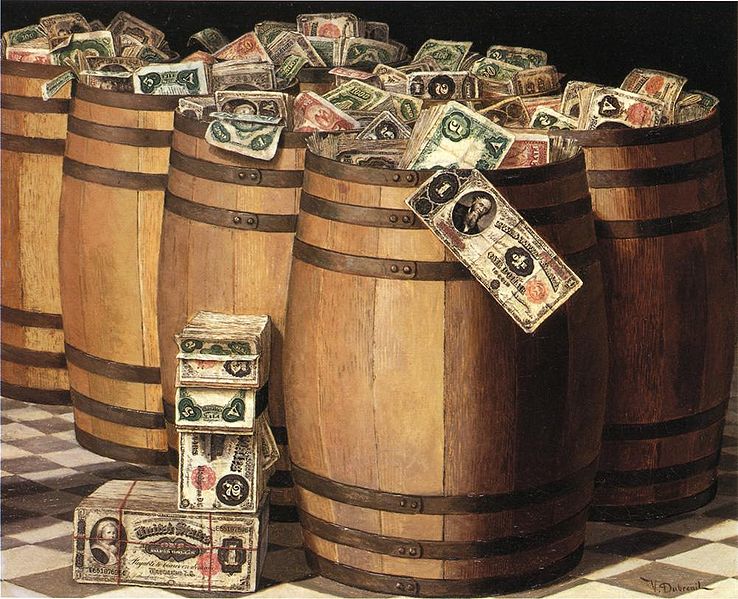
Schenkingen
Security 300

Winter Sport
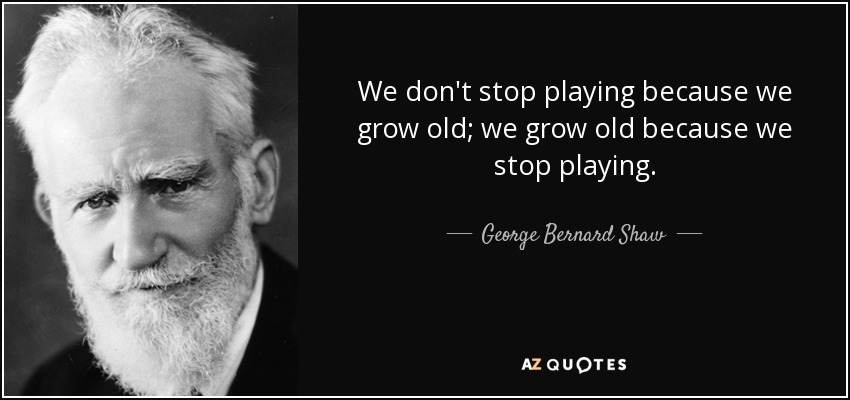

Hockey On Henri Julien Street At Pine Avenue East, Montreal 1948
"If I Only Had a Brain" University of Lincoln


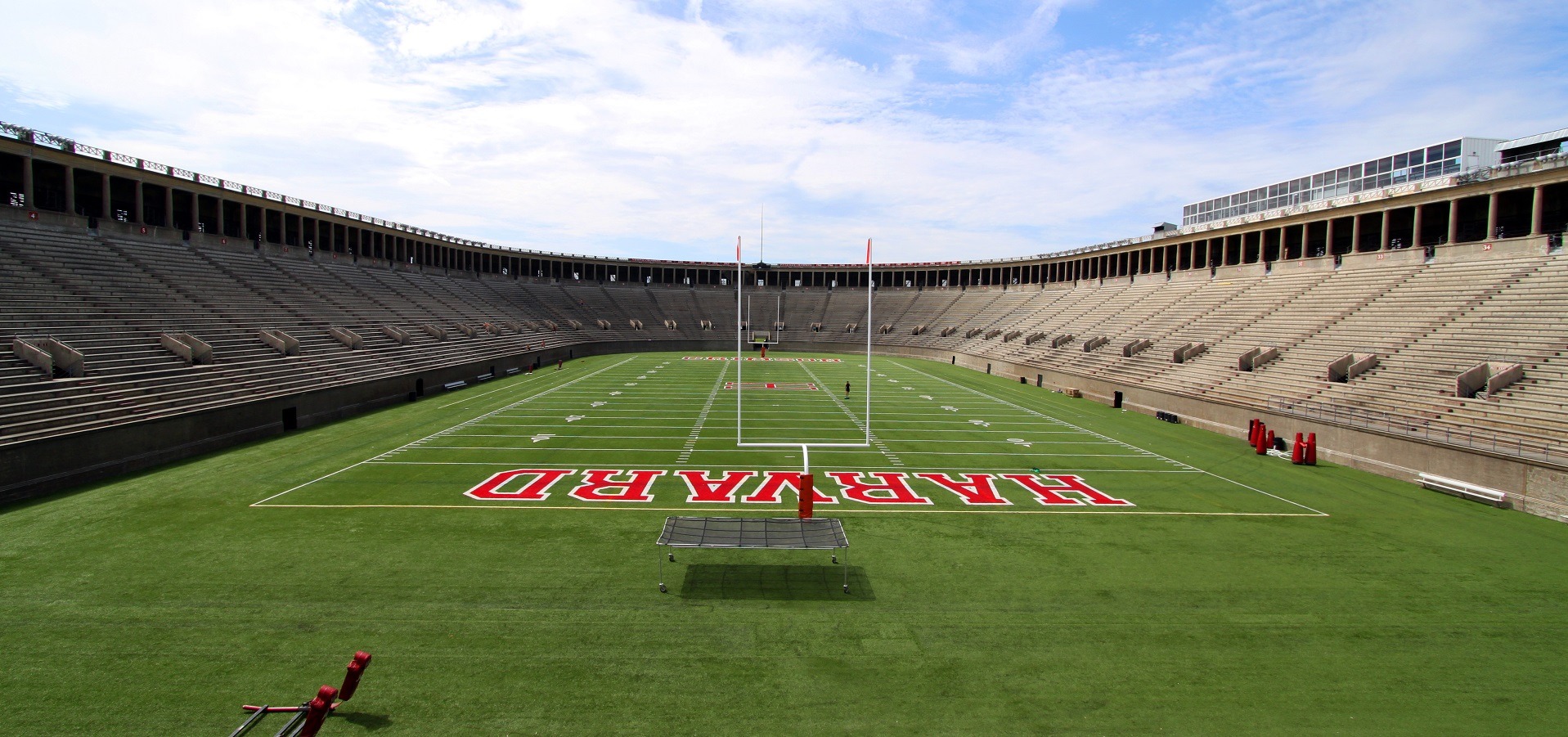

On 9/11 the FDNY lost 343 of their own.
Not statistics. Sons, fathers, husbands from 75 firehouses across the five boroughs.
121 engine companies and 62 ladder companies answered the call. Every Rescue company in New York went in.
They knew the buildings were coming down and… pic.twitter.com/e4ArBUmfLq— Sassafrass84 (@Sassafrass_84) September 7, 2026
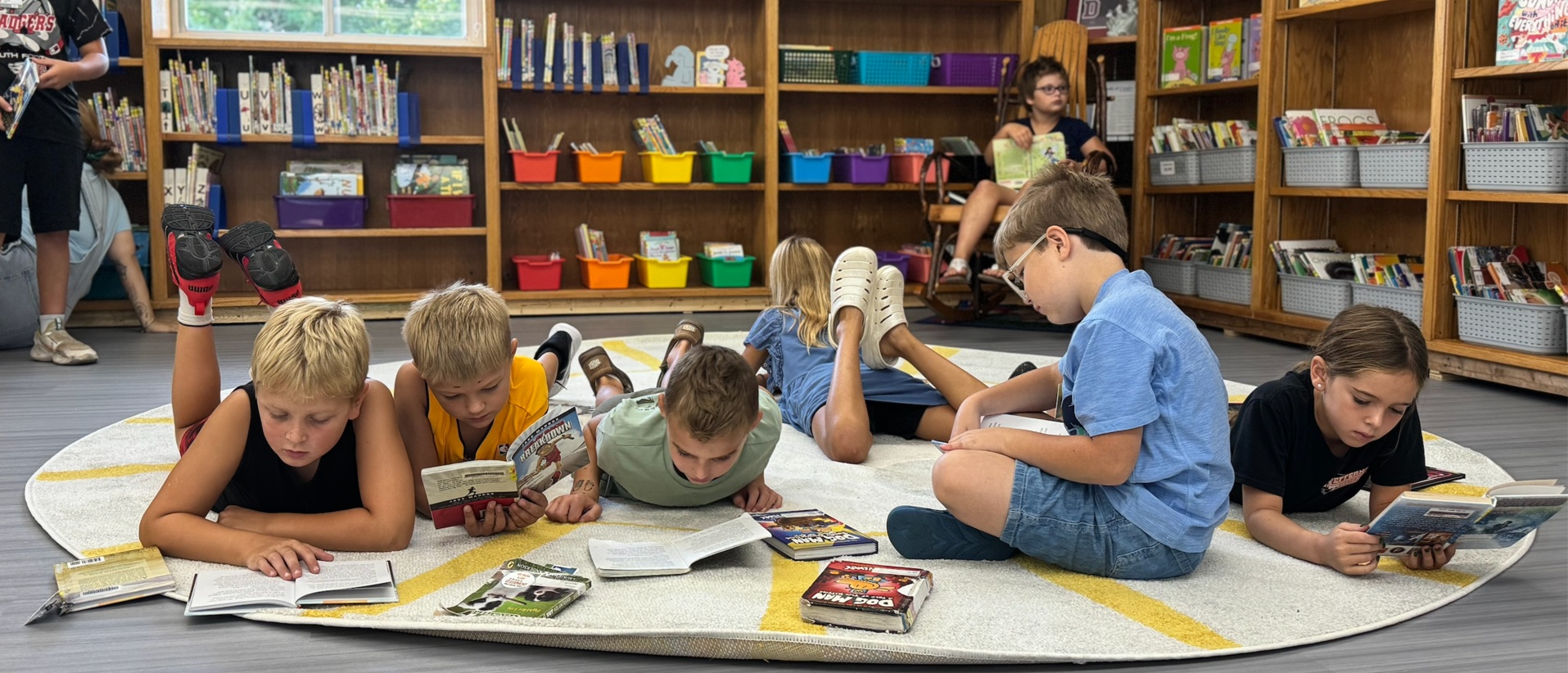
Scales Mound School District | Jo Daviess County Illinois 815
Oxford students after exams, 1989. pic.twitter.com/HQbO4r6dUE
— M (@0detobeauty) May 27, 2026
The calendar of Anglosphere educational settlements subtly shapes life of the mind, generally; and family and community life, specifically. Its cadence has roots in the cathedral schools and monastic learning communities of medieval Europe. Universities were not originally organized around modern “semesters.” Instead, the year followed the Christian liturgical calendar, agricultural seasons, food paths, daylight availability, and travel conditions.
In America educational calendars were nudged along by agricultural cycles. In the United Kingdom university calendars evolved into three major terms: Michaelmas in autumn, associated with arrival and beginnings; Hilary or Lent in winter, associated with discipline and study; and Trinity or Easter in spring, associated with examinations, outdoor rituals, music, rowing, gardens, and celebration.
Modern commencement traditions across the Anglosphere are descendants of medieval spring degree ceremonies. Academic gowns, hoods, processions, Latin phrases, formal dining, chapel music, and public recognition all preserve traces of the university as a scholarly guild and religious-civic community.
Before railways, electric lighting, and central heating, universities had to adapt to muddy roads, short winter days, limited candles, cold buildings, and agricultural obligations. Spring therefore became the natural season of culmination, reunion, athletic competition, courtship, and ceremony.
The medieval university was not merely a school but an educational settlement — a self-governing town of scholars, libraries, chapels, kitchens, workshops, residences, and dining halls. That settlement pattern survives in residential colleges, quadrangles, tutorial systems, common rooms, chapel choirs, and formal meals.
Anglosphere campuses retain this ancient emotional rhythm: autumn seriousness, winter inwardness, and spring release. That continuity helps explain why colleges and universities still feel culturally distinct from ordinary commercial society. (Relata: Gulliver Visits the Great Academy of Lagado)

We’re “organized” but not too organized; like the bookseller who knows where every book can be found.
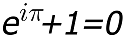
at a conference where you don’t have to present
— Peyman Milanfar (@docmilanfar) April 4, 2025
#AcademicChatter #AcademicTwitter
Academics be like 👇 pic.twitter.com/6cpVEw3PVS
— Reviewer 2 (@GrumpyReviewer2) April 2, 2024






