


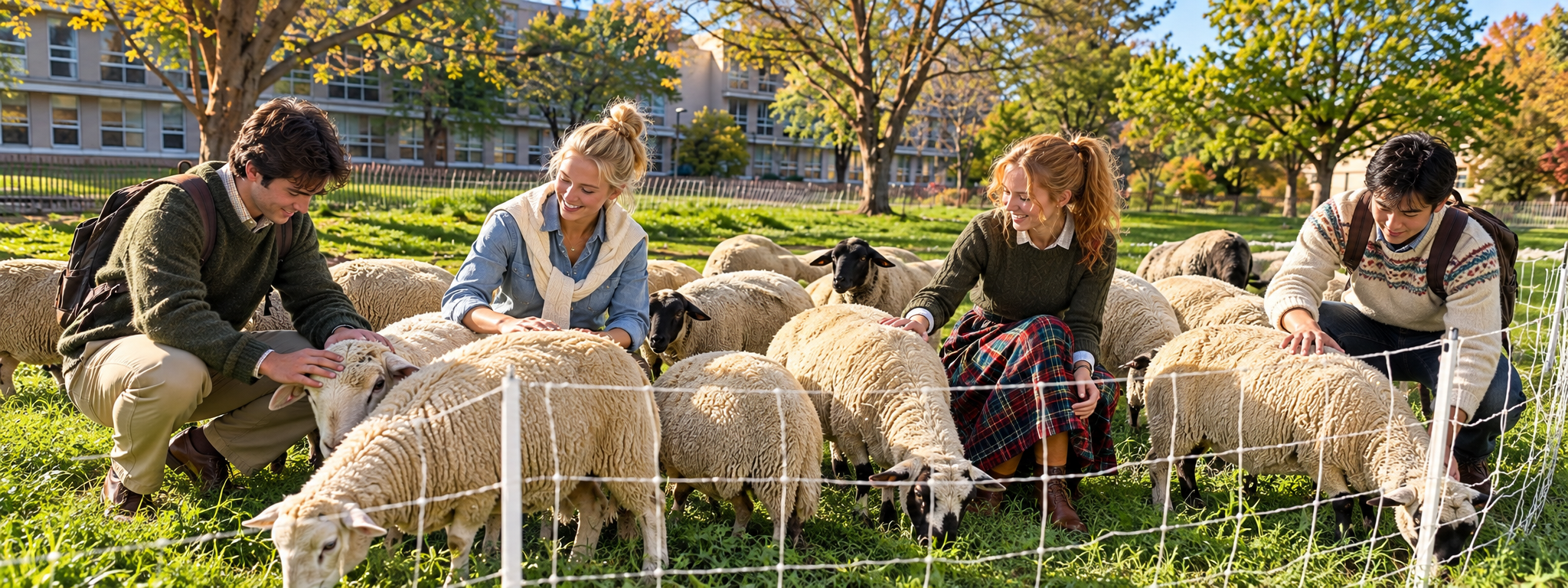
University of California Davis Sheep Mowers

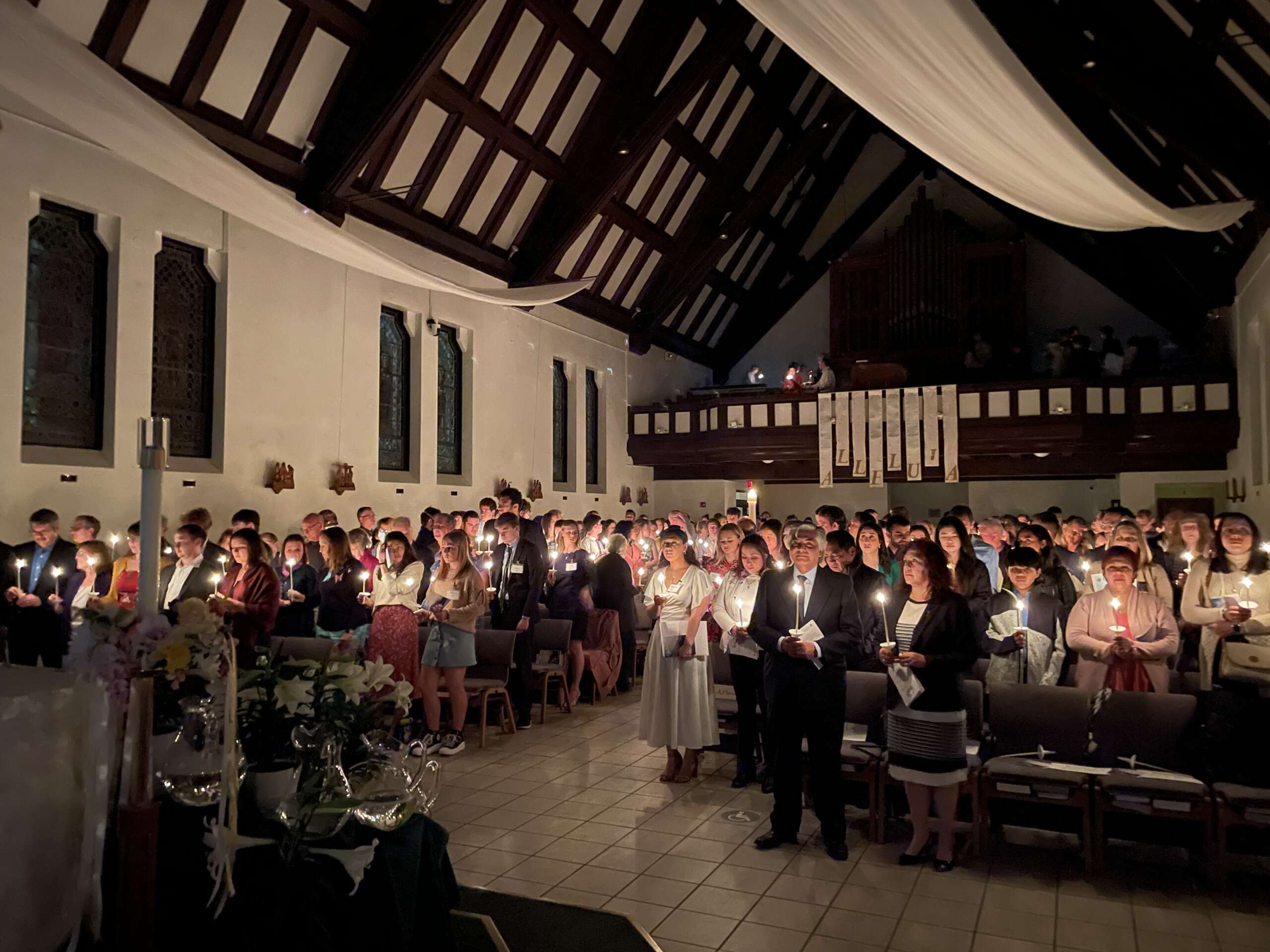
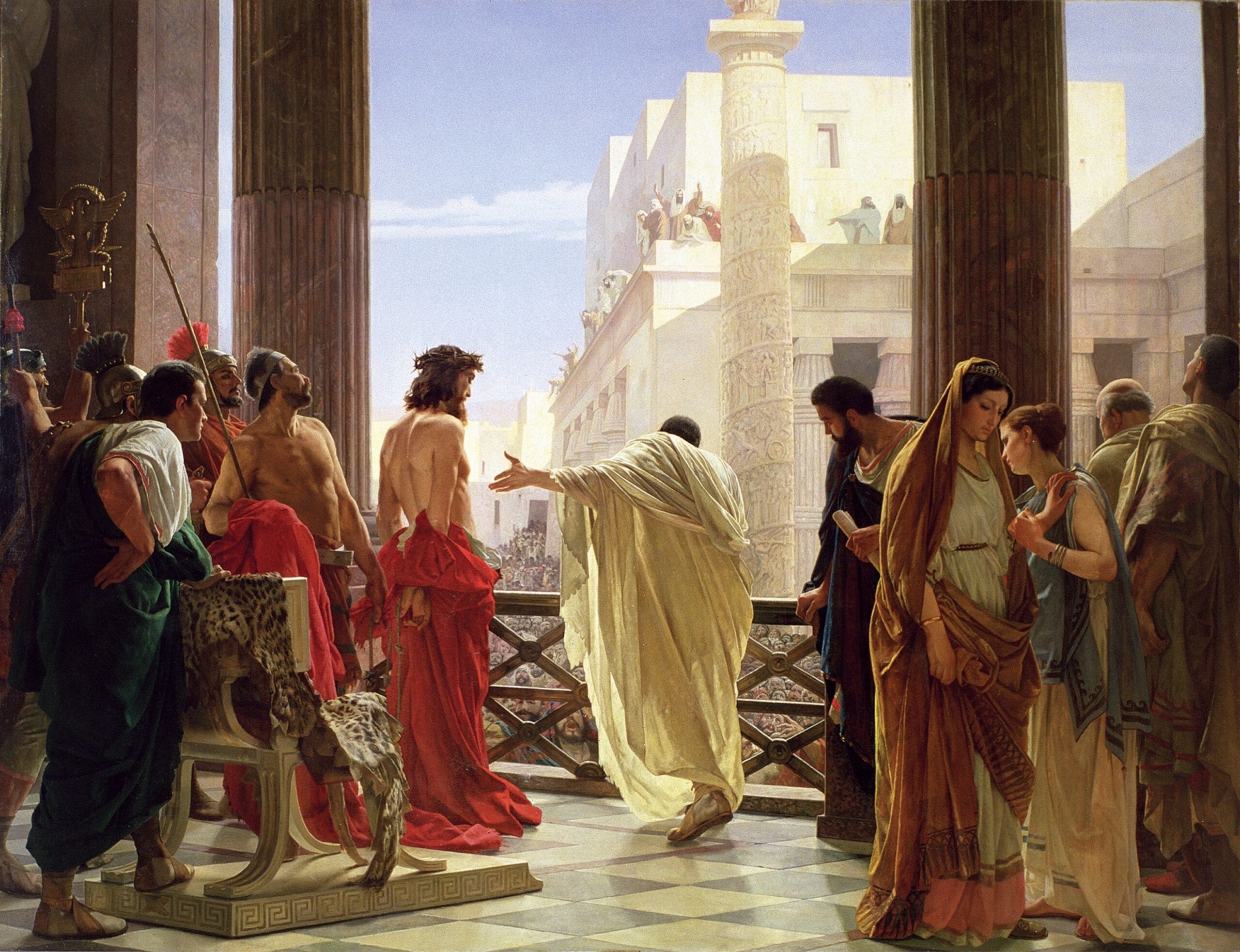
https://youtu.be/j4Efeafzv9c?si=HKoVTDjZhQfSpgwx “Parable of the Rich Fool” 1627 Rembrandt Today we run a status check on public consultations released by ANSI-accredited and finance industry consortia whose involvement affects the cost of US education communities. Ahead of quarterly county elections we examine a few tax-free bond referenda on ballots across the US for insight into the money flow through education communities. https://twitter.com/GraemeK73/status/1643000411706589189?s=20 “Parable of the Rich Fool” 1627 Rembrandt Today we run a status check on public consultations released by ANSI-accredited and finance industry consortia whose involvement affects the cost of US education communities. Ahead of quarterly county elections we examine a few tax-free bond referenda on ballots across the US for insight into the money flow through education communities. https://twitter.com/GraemeK73/status/1643000411706589189?s=20 https://youtu.be/jl9nyidS4VA?si=F-L1tO0g-up-vucs https://standardsmichigan.com/housing/ https://standardsmichigan.com/gallery-move-in/ https://standardsmichigan.com/mobility-400/ https://youtu.be/cdiD-9MMpb0?si=oWt0eI9rdPk5zLBe St. Mary Student Parish | University of Michigan Ahead of the Easter and Passover season, we present our ongoing coverage of best practice literature for architectural design and engineering of worship and reflection spaces in educational settlements. Our Ann Arbor office door is open until 12 noon today. Chapels in colleges and universities hold significant importance in the academic and spiritual life of these institutions. Beyond serving as places of worship, they often embody the founding principles and values of the educational establishment. Architecturally, many college chapels are designed as architectural masterpieces, reflecting the institution’s commitment to excellence and beauty. These chapels serve as gathering places for the campus community, fostering a sense of unity and shared purpose. They provide a sanctuary for students, faculty, and staff to find solace, reflection, and spiritual guidance during their academic journey. Moreover, college chapels host various events, such as convocations, ceremonies such as weddings and christenings. Historically, many colleges and universities were founded on religious principles, and their chapels serve as a reminder of their heritage and tradition. These sacred spaces play a crucial role in nurturing the holistic development of students, combining intellectual growth with spiritual and moral enrichment, ultimately shaping well-rounded individuals prepared for life’s challenges. https://standardsmichigan.com/university-affiliated-chapels/ https://youtu.be/gHcXqT4O4BU?si=8gStM8sRmRXBx2yv
Choir of King’s College "St. Matthew's Passion" (J.S. Bach)

FinTech


FinTech
Student Housing
Mobility 300
Sacred Spaces
"Comfortably Numb" Middlebury Union High School Teacher Band


On 9/11 the FDNY lost 343 of their own.
Not statistics. Sons, fathers, husbands from 75 firehouses across the five boroughs.
121 engine companies and 62 ladder companies answered the call. Every Rescue company in New York went in.
They knew the buildings were coming down and… pic.twitter.com/e4ArBUmfLq— Sassafrass84 (@Sassafrass_84) September 7, 2026

Scales Mound School District | Jo Daviess County Illinois 815
Oxford students after exams, 1989. pic.twitter.com/HQbO4r6dUE
— M (@0detobeauty) May 27, 2026
The calendar of Anglosphere educational settlements subtly shapes life of the mind, generally; and family and community life, specifically. Its cadence has roots in the cathedral schools and monastic learning communities of medieval Europe. Universities were not originally organized around modern “semesters.” Instead, the year followed the Christian liturgical calendar, agricultural seasons, food paths, daylight availability, and travel conditions.
In America educational calendars were nudged along by agricultural cycles. In the United Kingdom university calendars evolved into three major terms: Michaelmas in autumn, associated with arrival and beginnings; Hilary or Lent in winter, associated with discipline and study; and Trinity or Easter in spring, associated with examinations, outdoor rituals, music, rowing, gardens, and celebration.
Modern commencement traditions across the Anglosphere are descendants of medieval spring degree ceremonies. Academic gowns, hoods, processions, Latin phrases, formal dining, chapel music, and public recognition all preserve traces of the university as a scholarly guild and religious-civic community.
Before railways, electric lighting, and central heating, universities had to adapt to muddy roads, short winter days, limited candles, cold buildings, and agricultural obligations. Spring therefore became the natural season of culmination, reunion, athletic competition, courtship, and ceremony.
The medieval university was not merely a school but an educational settlement — a self-governing town of scholars, libraries, chapels, kitchens, workshops, residences, and dining halls. That settlement pattern survives in residential colleges, quadrangles, tutorial systems, common rooms, chapel choirs, and formal meals.
Anglosphere campuses retain this ancient emotional rhythm: autumn seriousness, winter inwardness, and spring release. That continuity helps explain why colleges and universities still feel culturally distinct from ordinary commercial society. (Relata: Gulliver Visits the Great Academy of Lagado)

We’re “organized” but not too organized; like the bookseller who knows where every book can be found.
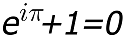
at a conference where you don’t have to present
— Peyman Milanfar (@docmilanfar) April 4, 2025
#AcademicChatter #AcademicTwitter
Academics be like 👇 pic.twitter.com/6cpVEw3PVS
— Reviewer 2 (@GrumpyReviewer2) April 2, 2024





