

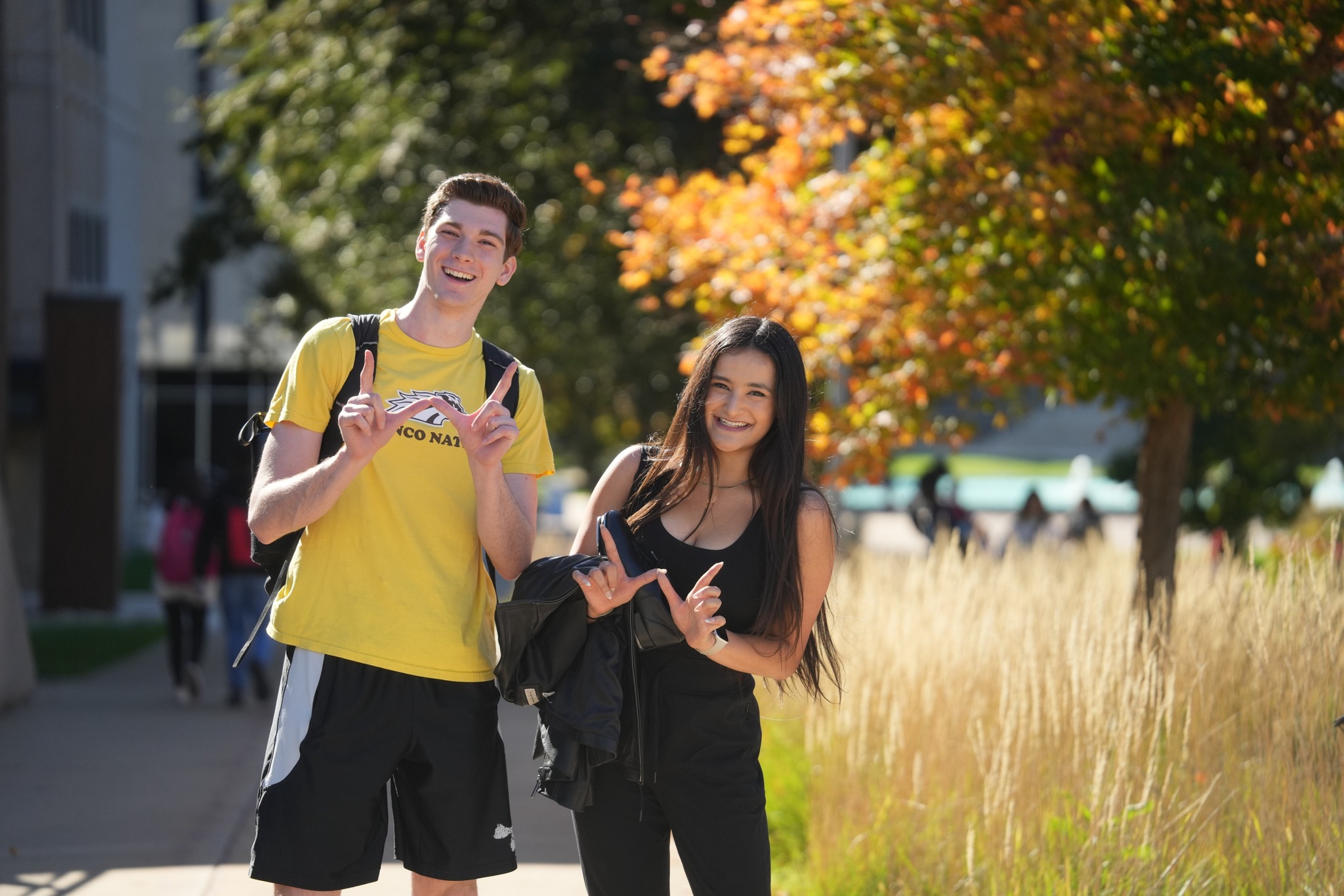
Western Michigan University | Kalamazoo County
Trending § IEEE § Campus Clocks § Carillons § Retrodiction
- 0101.December.Monday

Ædificare & Utilization
— Mrs. H (@teachmrshold) February 21, 2025
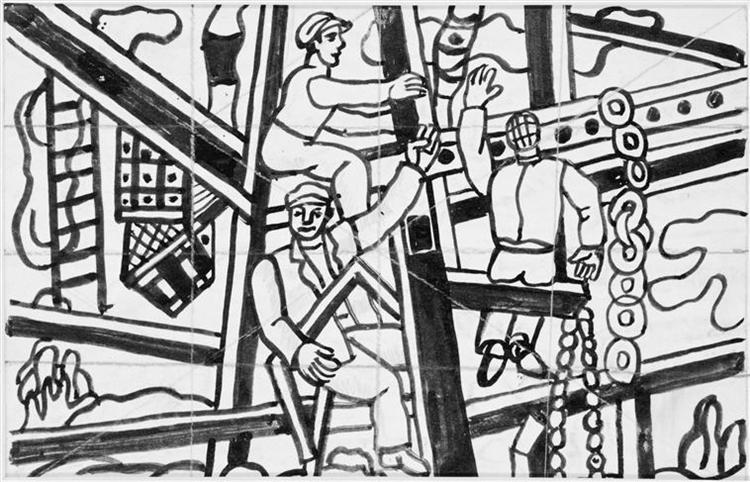
“Etude pour les constructeurs” 1950 Fernand Leger
"The Spirit of the Laws"https://t.co/XJySKe3kCz
Charles de Secondat, Baron de Montesquieu
Cambridge University Presshttps://t.co/WCerwqSnUA@CambridgeUP pic.twitter.com/lby6W3E49z— Standards Michigan (@StandardsMich) December 27, 2021
We follow the construction spend rate of the US education industry; using the US Census Bureau Construction Spending figures released the first day of every month. (We encourage our colleagues in the education facilities industry to respond to Census Bureau-retained data gathering contractors in order to contribute to the accuracy of the report.)
We will scan noteworthy releases of tax advantage financial instruments that finance this construction.
https://youtu.be/x613cyteWL4
Sogno Toscano at 17 Perry St, in the West village. New York City pic.twitter.com/g2Ij83imBH
— NewYorkCityKopp (@newyorkcitykopp) July 29, 2024
- 0202.December.Tuesday

Illumination 400 (Outdoor Exterior)
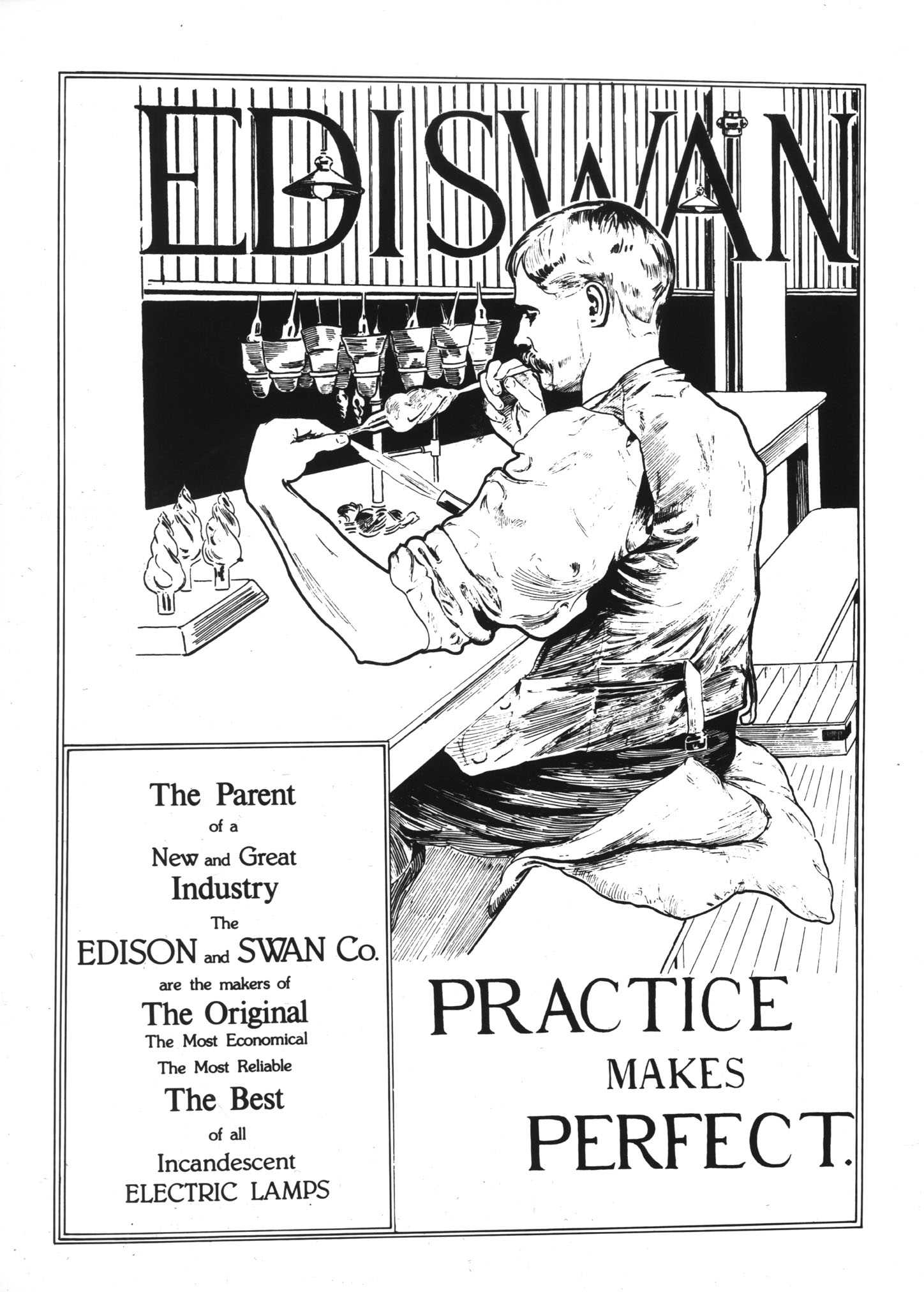

Illumination technologies have had a pattern of consuming about 35 percent of building electrical energy use. That number has been pressed downward with the expanded application of LED luminaires and occupant responsive controls; much of the transformation hastened by the IEEE, IES and ASHRAE best practice catalogs.
Today we run through the development status of these products with specific interest in exterior illumination best practice. This topic also is covered in the 4 time monthly meetings of the IEEE Education & Healthcare Facilities Committee.
https://standardsmichigan.com/illumination-400/
- 0303.December.Wednesday
Security 300
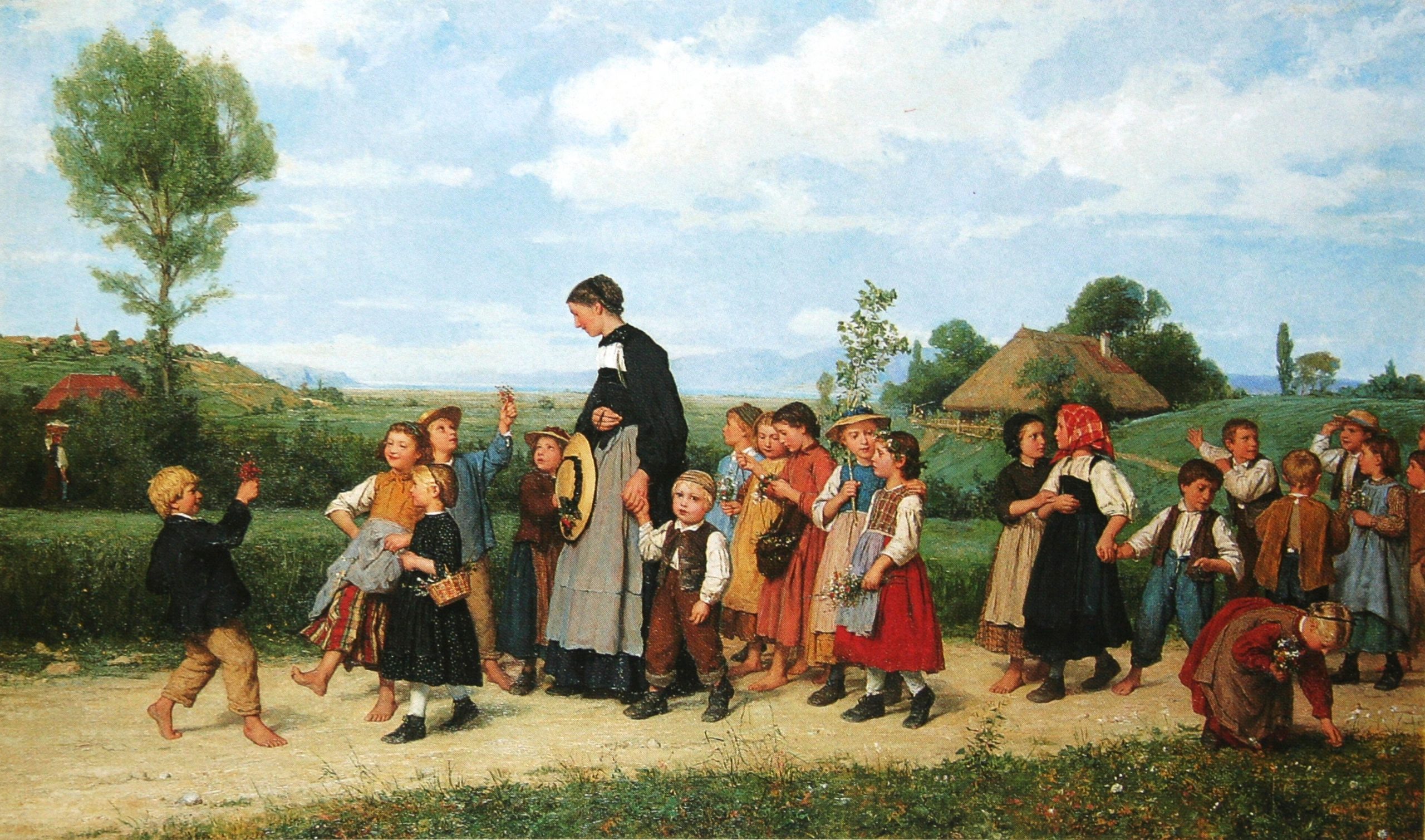
Periodic review of the best practice catalogs that set the standard of care for security of education communities. Less electrotechnical as with Security 100 and 200 and more Regulatory and management codes and standards; a great deal of which are self-referencing.
https://standardsmichigan.com/security-300/
- 0404.December.Thursday
- 0505.December.Friday

Student Planning & Design Competition Closes
@UNC_BearsVB @BigSkyConf Champions! Go Bears! pic.twitter.com/oNCWBGY2RH
— Andy Feinstein (@PresFeinstein) November 27, 2025
Winter Sport
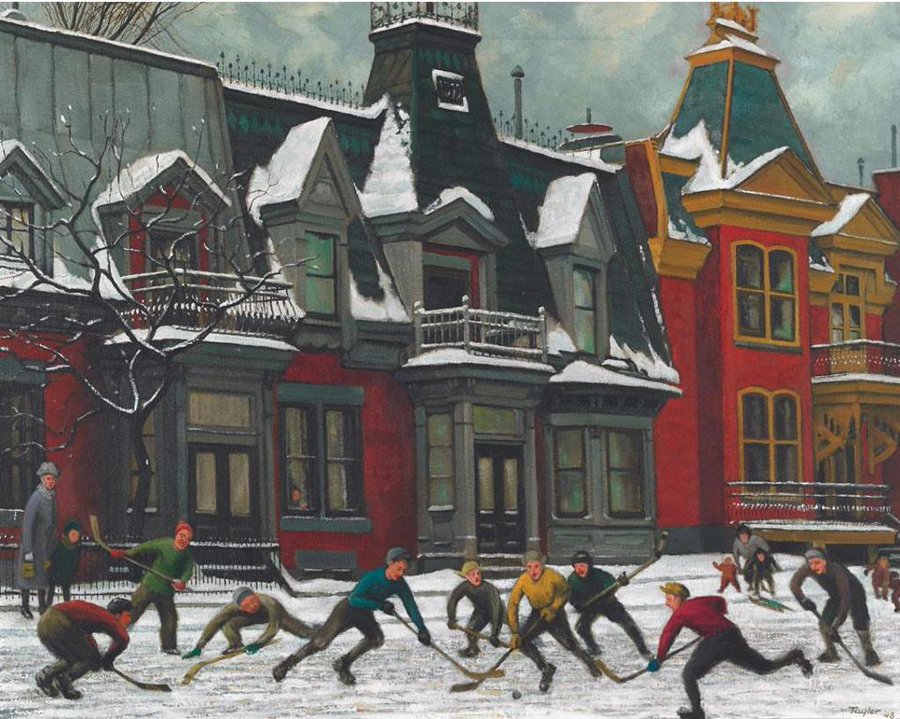
Frederick Bourchier Taylor (1906-1987)
Hockey On Henri Julien Street At Pine Avenue East, Montreal 1948An overview of public commenting opportunities on proposed standards for sports and recreation equipment and athletic facilities. Send email to bella@standardsmichigan.com for access to the agenda.
US Wintersport Traditions:
- Basketball: Basketball is one of the most popular NCAA winter sports. The season typically starts in November and runs through March, culminating in the NCAA Men’s and Women’s Basketball Tournaments, commonly known as March Madness.
- Wrestling: Wrestling is another winter sport in the NCAA. The wrestling season usually begins in November and extends through the NCAA Wrestling Championships, which take place in March.
- Indoor Track and Field: Indoor track and field competitions take place during the winter months, with athletes competing in various events such as sprints, distance races, jumps, and throws.
- Gymnastics: Collegiate gymnastics competitions are held during the winter and early spring months. Both men’s and women’s teams compete in events such as floor exercise, vault, uneven bars, parallel bars, and rings.
- Ice Hockey: Ice hockey is a winter sport in the NCAA, with the season typically starting in October or November and continuing into the early months of the following year. Both men’s and women’s teams participate in NCAA ice hockey competitions.
- Skiing: Skiing competitions, including alpine and Nordic events, are part of NCAA winter sports. Athletes compete in skiing disciplines such as slalom, giant slalom, and cross-country.
- Swimming and Diving: Swimming and diving competitions take place during the winter months. Athletes participate in various swimming events and diving disciplines, with the season culminating in NCAA Swimming and Diving Championships.
- Bowling: Bowling is considered a winter sport in the NCAA, with competitions taking place during the winter and early spring.
Michigan State Hockey @MSU_Hockeyhttps://t.co/9dPmzpsfaG pic.twitter.com/LV7WjIiWBB
— Standards Michigan (@StandardsMich) February 17, 2024
bb
https://youtube.com/shorts/zbbOw1KBpD8?si=BMQyFWAFWd_TWRBH
https://twitter.com/ansidotorg/status/1676936533767487488?s=20
https://twitter.com/BBPrepHead/status/1676982024135999489?s=20
- 0606.December.Saturday
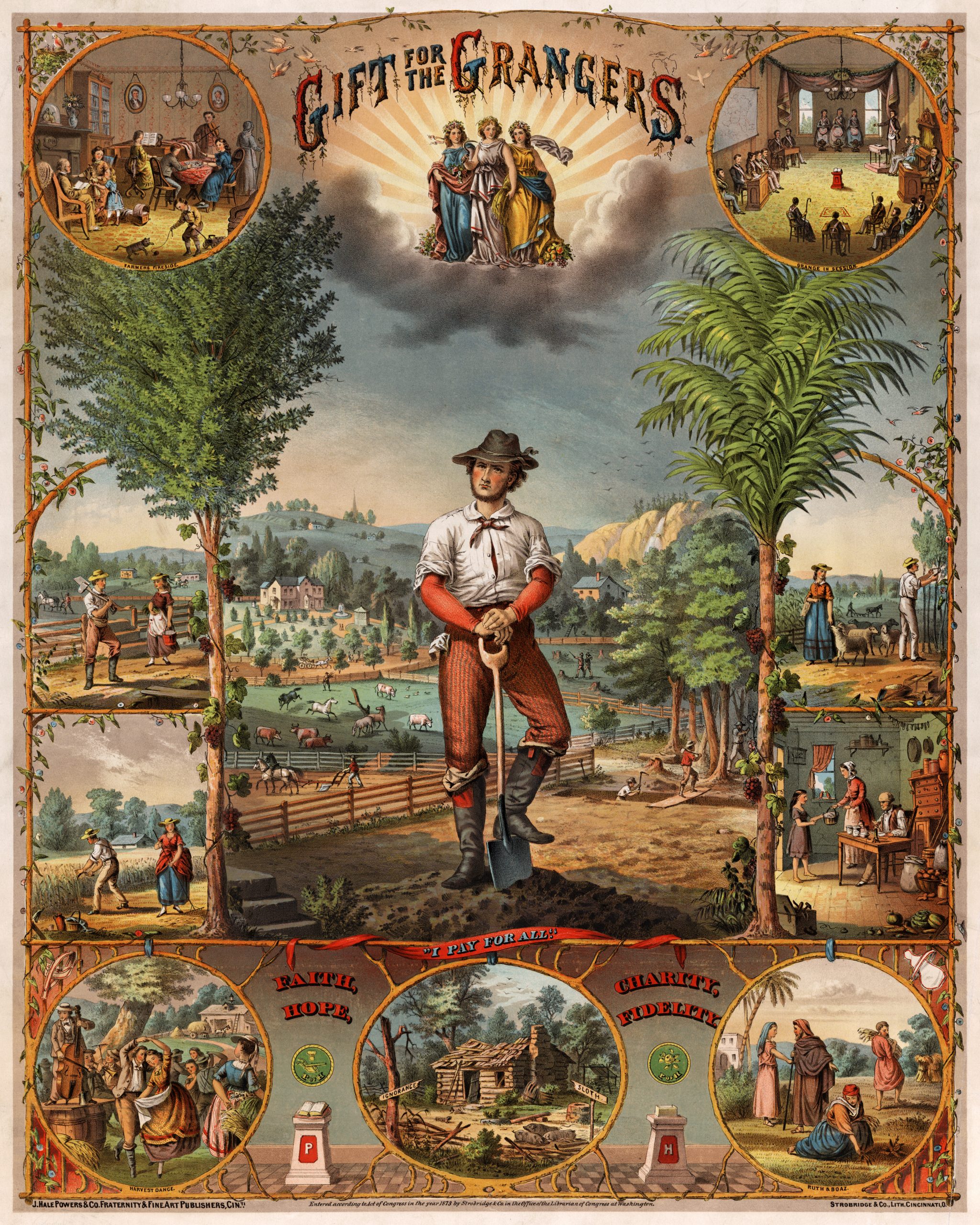
Grange
National Grange | Standards | Declaration of Purpose
Appalachian teens clogging at the Asheville Mountain Music Festival (1965)
The world you grew up in no longer exists pic.twitter.com/S5YNeCEvBU
— Cigarette Nostalgia (@CigsMake) November 29, 2025
“Gentle On My Mind” (John Hartford) | Molly Tuttle
Davis & Elkins College | West Virginia@davisandelkinshttps://t.co/M7b6BftOYt pic.twitter.com/FMWcgGM0G5— Standards Michigan (@StandardsMich) August 1, 2021
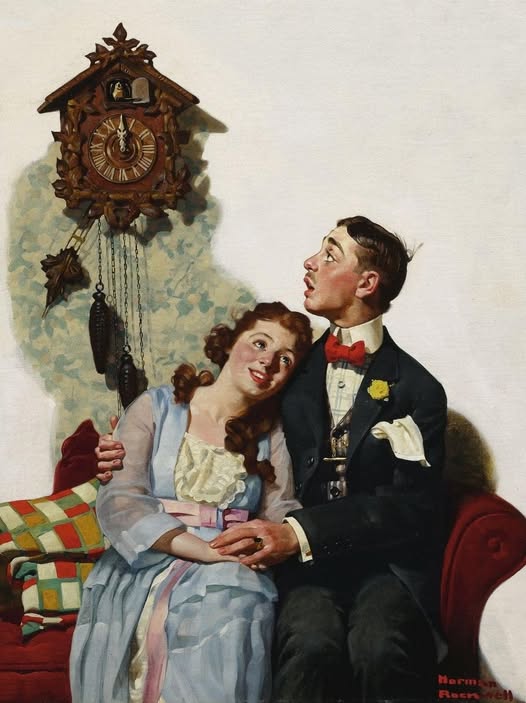
“Courting Couple at Midnight” 1919, N. Rockwell
Fashion Saturday
Lorem ipsum
You can always be thinner, look better. https://t.co/Rlibaw8U8v pic.twitter.com/oSif9CNDbz
— 𝒩𝒶𝓉𝒶𝓁𝒾𝒶 (@classicspilled) November 23, 2025
https://standardsmichigan.com/fashion-technology/
- 0707.December.Sunday
Miami University "Merry Christmas, Mr. Lawrence"
Merry Christmas Mr. Lawrence (1983)* is set in a Japanese POW camp on Java in 1942 during World War II. The film explores the clash of cultures and moral codes between British/Allied prisoners and their Japanese captors under the imperial ideology of Bushido and unconditional loyalty to the Emperor. The Japanese officers, led by the traditionalist Captain Yonoi and the more pragmatic Sergeant Hara, view surrender as the ultimate dishonor and treat prisoners harshly, yet are themselves trapped by rigid military honor that forbids mercy or personal emotion.
The British prisoners, represented by the defiant Colonel Lawrence and the spiritually scarred Major Celliers, embody a Western individualism that baffles the Japanese command. Beneath the surface, the film critiques both Japanese militarism (which demanded suicidal obedience) and the hypocrisy of colonial empires that condemned Japanese brutality while ignoring their own.
The political heart of the story lies in the fatal incompatibility of two imperial systems during total war, where neither side can truly understand or forgive the other. It offers some modest insight into why Americans eschew getting involved in the wars of other nations.
David Bowie played Major Jack “Strafer” Celliers, a charismatic, haunted British (New Zealand in the original novel) officer captured by the Japanese in 1942.Celliers is the enigmatic newcomer to the POW camp whose defiance, moral courage, and almost mystical aura deeply affect both the prisoners and Captain Yonoi (Ryuichi Sakamoto), who becomes quietly obsessed with him. His backstory—revealed in a powerful flashback—involves betraying his younger brother to avoid bullying at boarding school, a guilt he carries for the rest of his life and ultimately redeems through a sacrificial act in the camp. Bowie’s performance is widely regarded as one of his finest on screen¥* Several trailers claim to the “Official” trailer. History is not about what happened. History is a story about what happened.
https://standardsmichigan.com/flying-tigers/
.jpg)


We’re “organized” but not too organized; like the bookseller who knows where every book can be found.
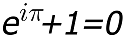
at a conference where you don’t have to present
— Peyman Milanfar (@docmilanfar) April 4, 2025
#AcademicChatter #AcademicTwitter
Academics be like 👇 pic.twitter.com/6cpVEw3PVS
— Reviewer 2 (@GrumpyReviewer2) April 2, 2024



