


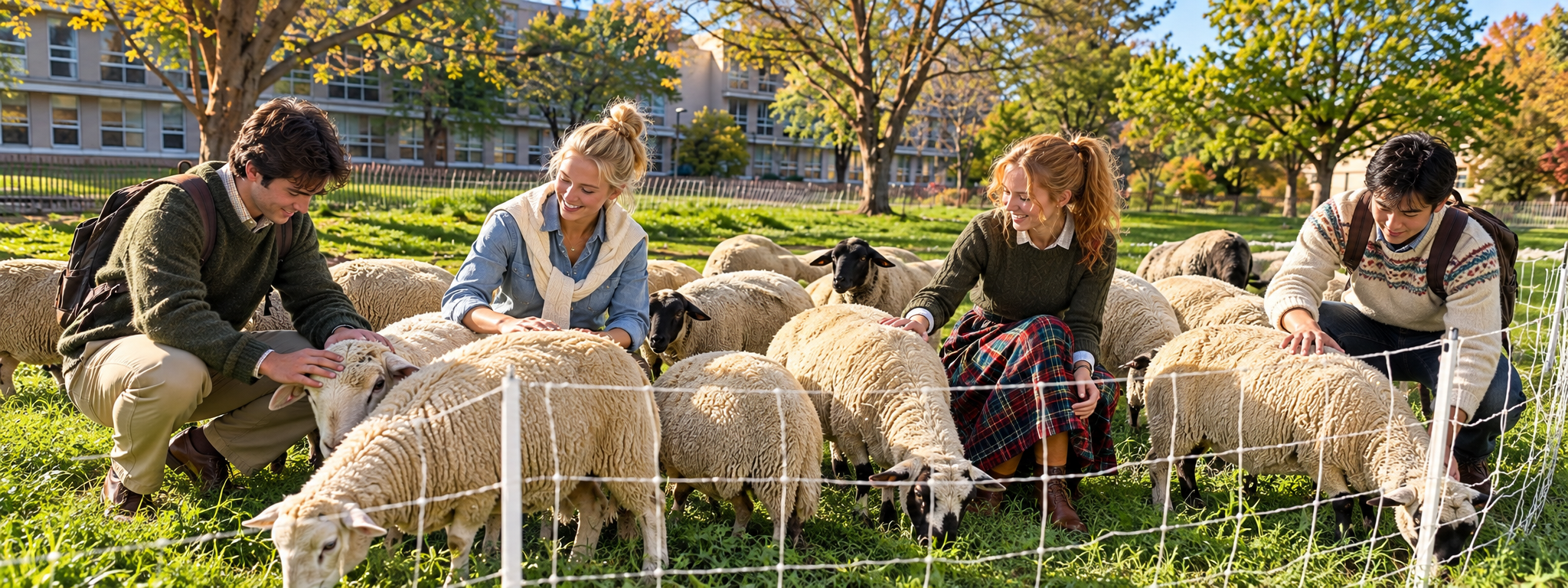
University of California Davis Sheep Mowers

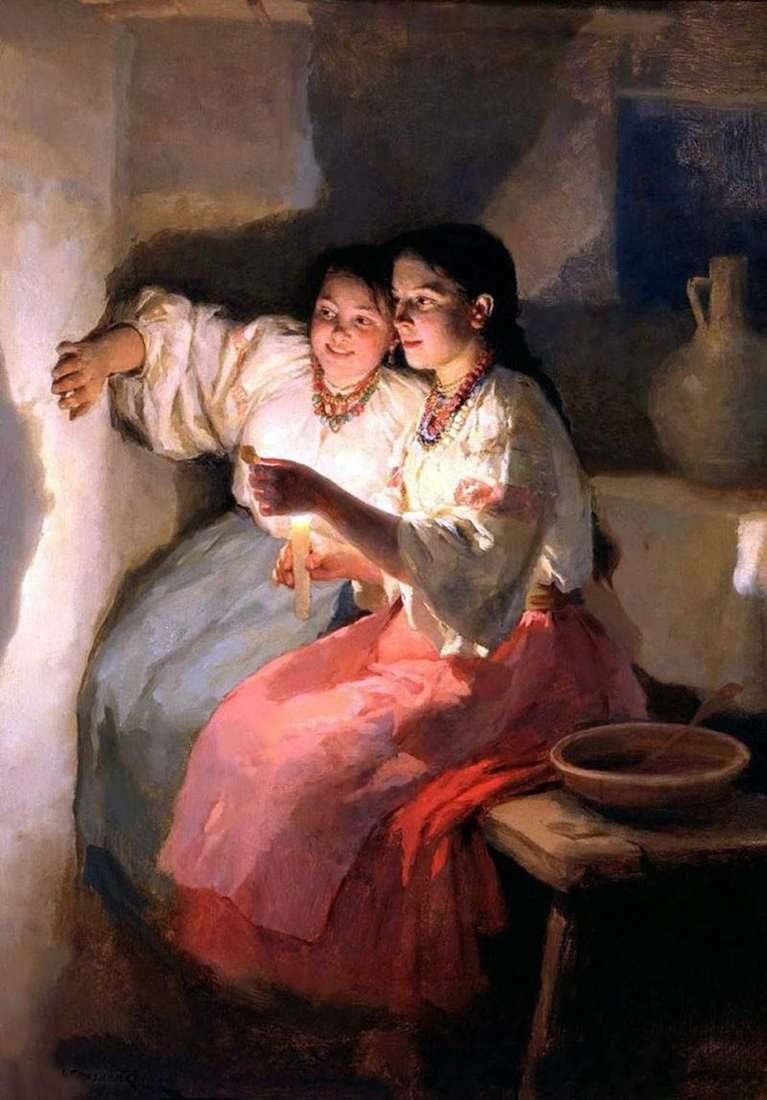
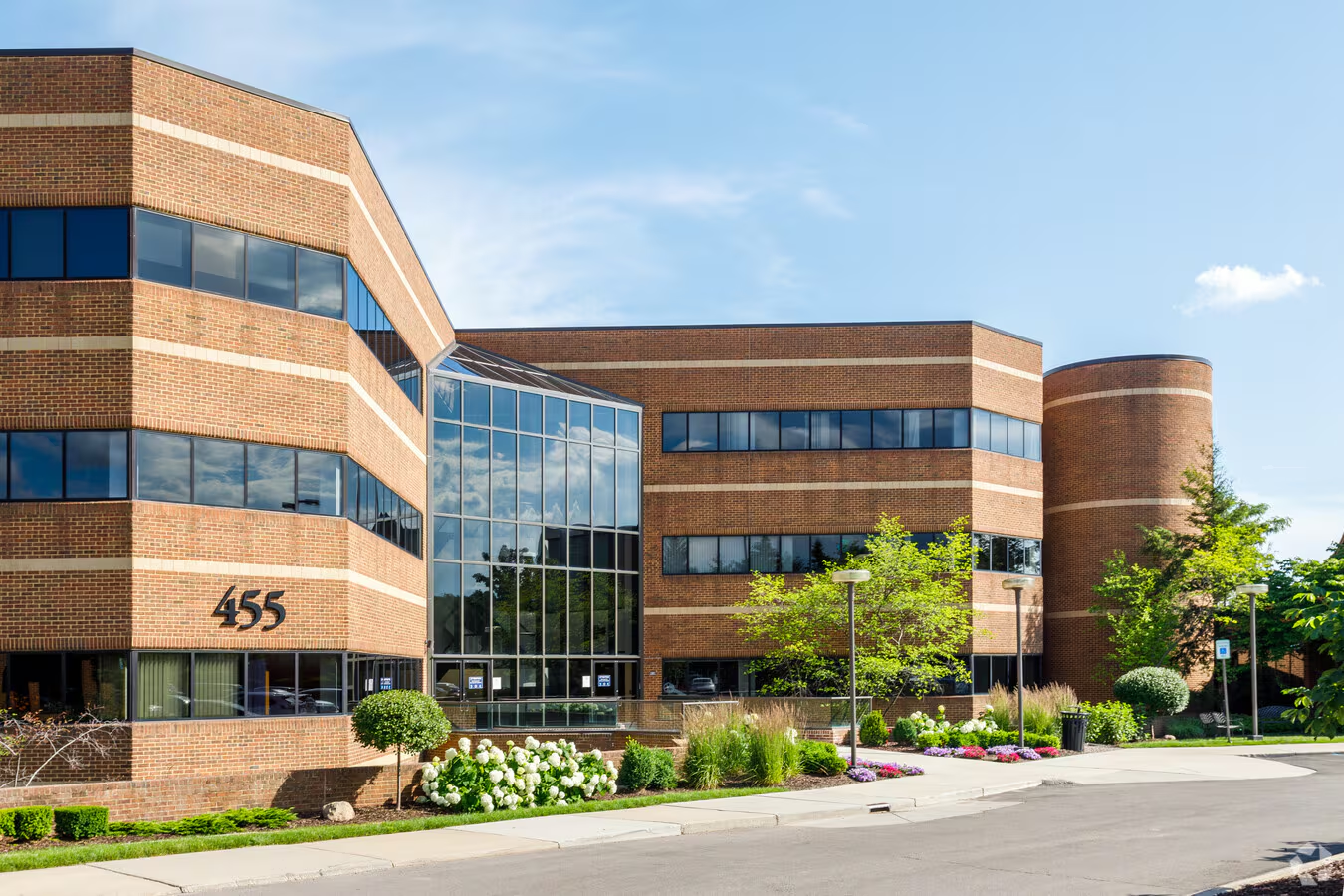
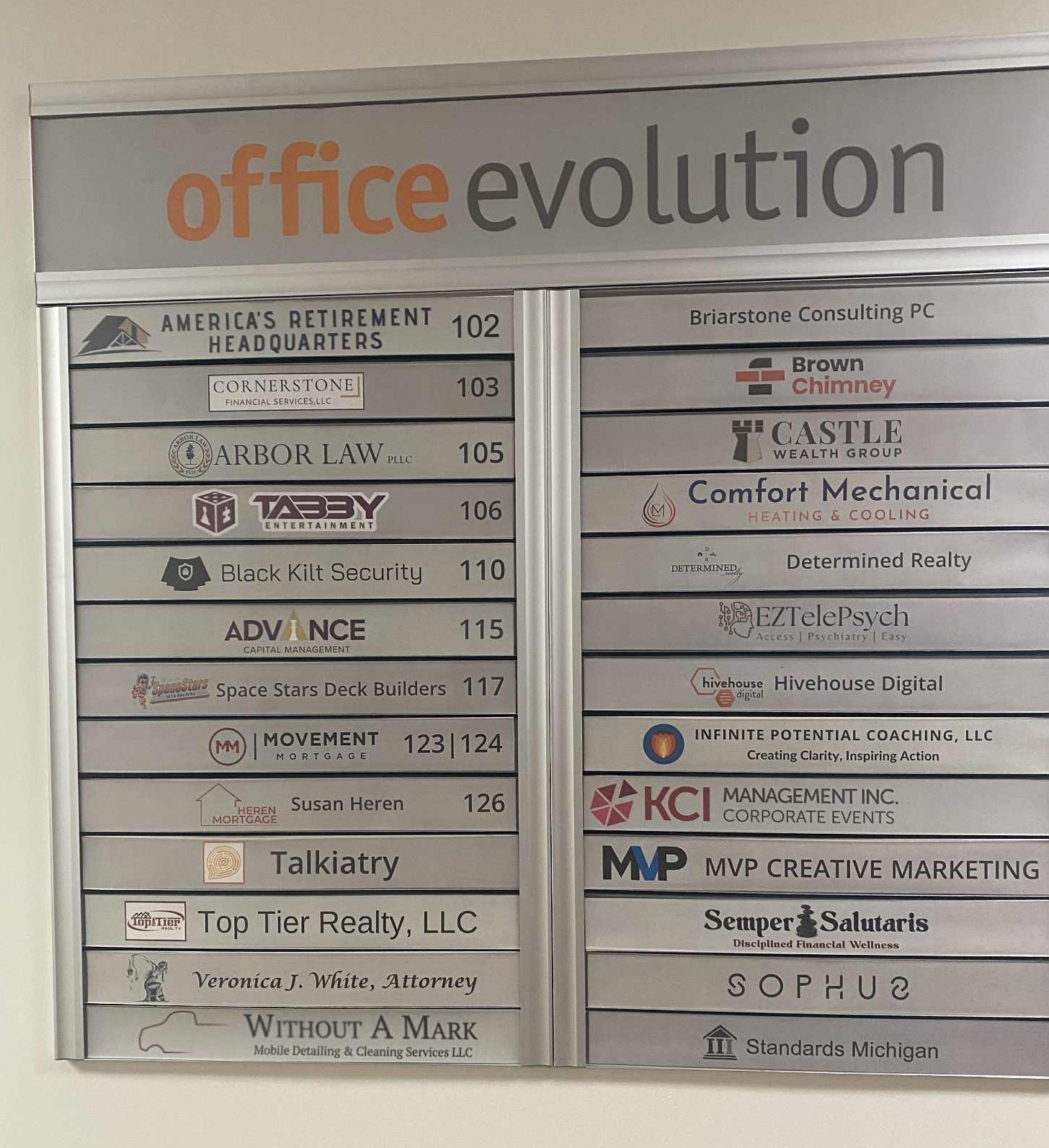
Our content still is not refreshing instantly across all platforms. Mike and Jia are not happy with GoDaddy Tech Support. Until fixed, please refresh your browser twice to load latest content that is coded to change about every hour. § https://standardsmichigan.com/colloquy-december/ https://youtube.com/shorts/4y67LSQCOOE?si=juD4TwQyXjXMyY_k “Christmas divination” 1888 Mykola Pymonenko, Ukrainian “Time is a passionate sculptor of men, the sun stands over it, a beast of hope and you, closer to it, embrace love with a bitter taste of a tempest.” —Odysseus Elytis (Nobel Laureate 1979) Today we take a retrospective look at 2025 and a prospective look at 2026. Use the login credentials at the upper right of our home page. Our new office: Across State Street from our first South Athletic Campus office on Oak Valley Drive. We will recode our footer to reflect this. 455 East Eisenhower Parkway Suite 300 | Ann Arbor, Michigan 48108 “Life can only be understood backwards; but it must be lived forwards.” Christine Graduates with her Ph.D “Auld Lang Syne” | Michigan State University College of Musichttps://t.co/4Mwyt9BfsDhttps://t.co/5EA3vrgYDd@michiganstateuhttps://t.co/hbMSBvpt9A — Standards Michigan (@StandardsMich) December 31, 2025 “Every new beginning comes from some other beginning’s end.” Today at 16:00 UTC we refresh our understanding of the technical standards for the timing-systems that maintain the temporal framework for daily life in education communities. The campus clock continues as a monument of beauty and structure even though digitization of everything has rendered the central community clock redundant. Most leading practice discovery (and innovation) is happening with the Network Time Protocols (NTP) that synchronize the time stamps of widely separated data centers. In operation since before 1985, NTP is one of the oldest Internet protocols in current use and underlies the Internet of Things build out. NTP is particularly important in maintaining accurate time stamps for safety system coordination and for time stamps on email log messages. Use the login credentials at the upper right of our home page. How Do You Measure the Percentage of Alcohol in Beer, Wine and Other Beverages?https://t.co/WitMHCUKGdhttps://t.co/VS3p32cdGd@NIST pic.twitter.com/FPKBBSari9 — Standards Michigan (@StandardsMich) November 28, 2022 https://standardsmichigan.com/polar-bear-plunge-2/ Polar Bear Plunge Day https://t.co/TlUn5IWtuX via @natltoday — Standards Michigan (@StandardsMich) December 30, 2023 Goal for 2024 pic.twitter.com/IL0lKf0DJO — Dr. Catharine Young (@catgyoung) January 1, 2024 The Icelandic tradition of lighting candles and placing lights on graves in cemeteries during the Christmas and New Year’s period. These capture the serene, glowing atmosphere in the winter darkness, often in places like Reykjavík’s cemeteries. https://standardsmichigan.com/time/ May she be kind .. 2026 🕊️ pic.twitter.com/DD4nOgqUc3 — Alison O’Neill ~ Shepherdess (@woolismybread) January 1, 2026 https://standardsmichigan.com/haggis/ Crazy how we spent the last few decades shaming young mothers. It’s natural and beautiful.pic.twitter.com/Ad86AeurWI — MEMIS (@MemIngenjoeren) December 31, 2025 https://standardsmichigan.com/iso-8601-12019-date-and-time-representations-for-information-interchange-part-1-basic-rules/ https://standardsmichigan.com/time-frequency-services/ https://standardsmichigan.com/what-is-a-standard-drink/ https://www.lssu.edu/lake-superior-state-university-unveils-2025-banished-words-list/ This is a simply delightful sketch animation of a ballet dancer. I was trying to get some different effects and style effects than usual. (Prompt in following tweets.) — Jason Baldridge (@jasonbaldridge) January 17, 2025 “Actors from the Commedia dell’Arte on a Wagon in a Town Square” 1640 Jan Miel A walk through the status of best practice literature that sets the standard of care for safety and sustainability in the education facilities built for the performance arts. Readings: The Seven Lively Arts (1924) Glibert Seldes (Oxford Academic review) https://twitter.com/RoyalBalletSch/status/1651974785490878464?s=20 
Maintenance Mode
https://standardsmichigan.com/about/
Colloquy (December)


The Year Ahead 2026

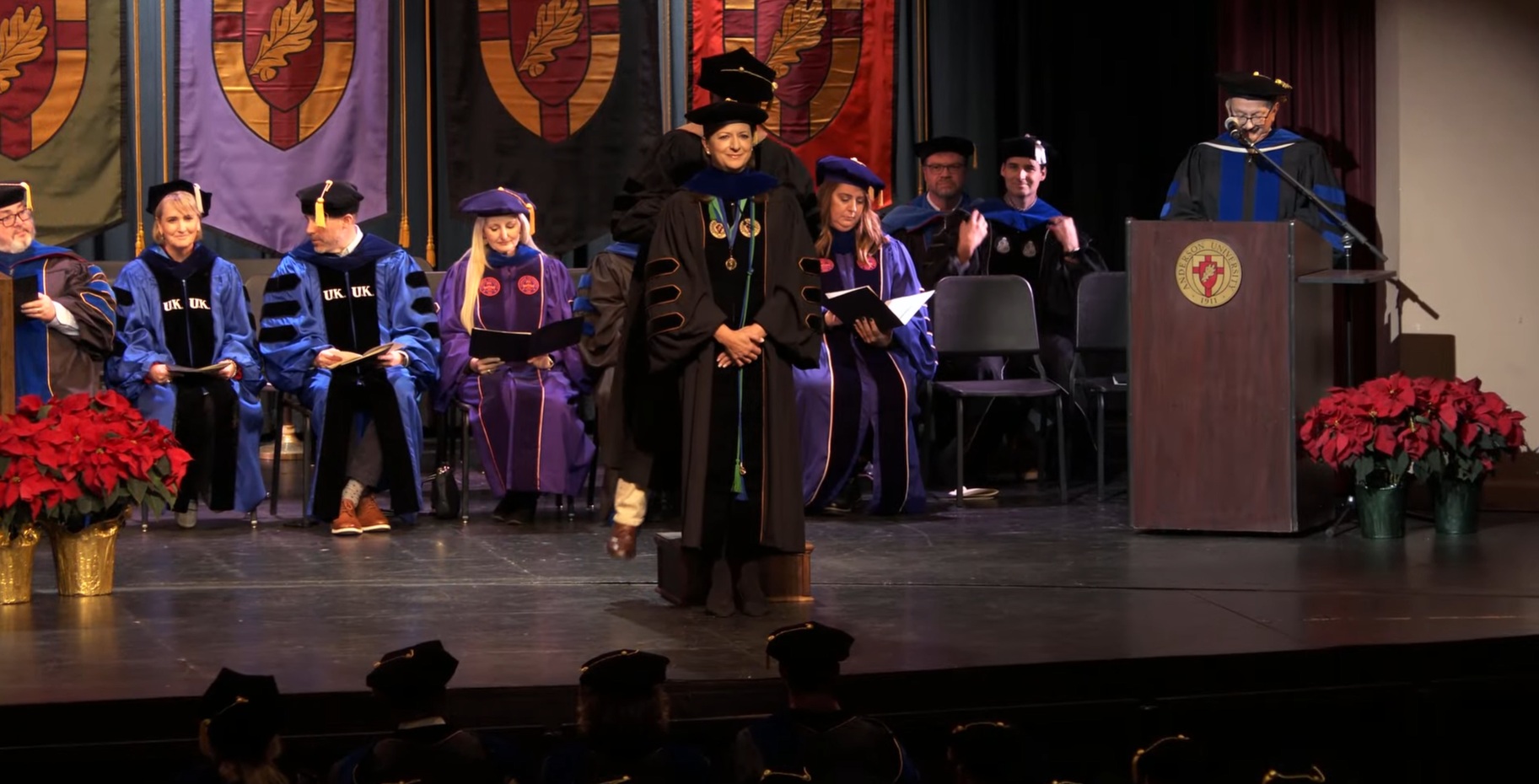

In Memory: Larry Spielvogel
Welcome: James R. Murdock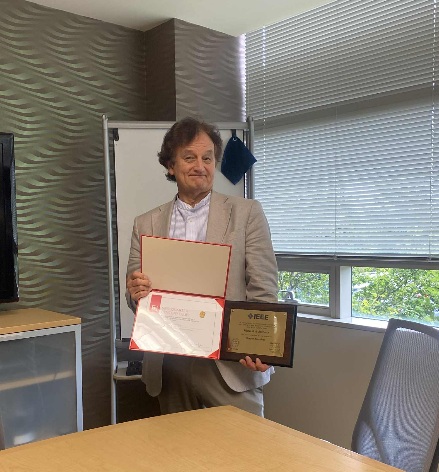
Mike honored in the NFPA “Quarter Century” Club & IEEE Student Mentor Award
"Auld Lang Syne" Michigan State University
print(“Lunch Hour 1600 UTC”)\n weekday(2) pic.twitter.com/W2pk3netlT
Tyme
— Seneca (On the Shortness of Life)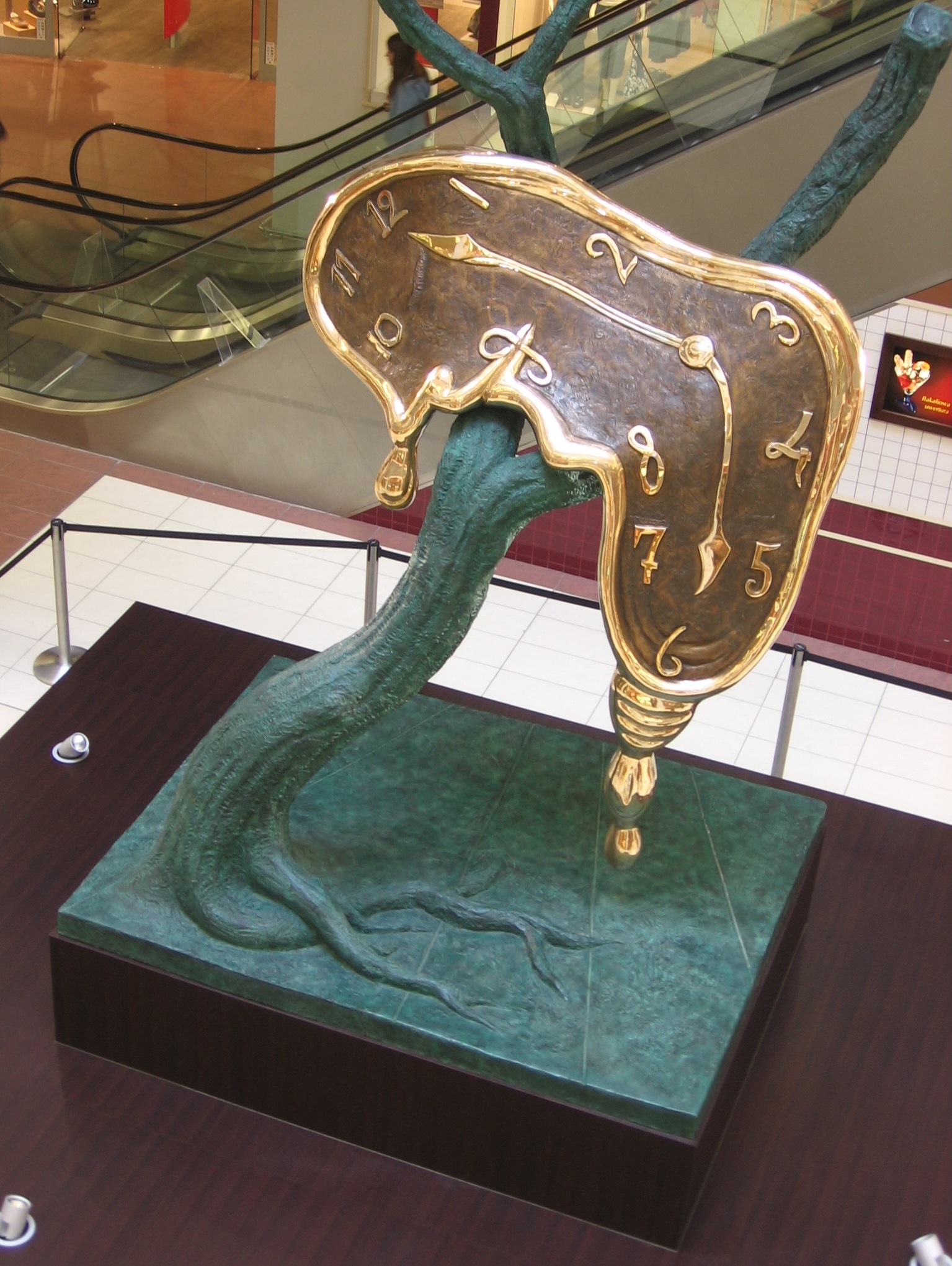
Polar Bear Plunge Day

Illusions of Time

New Year Playlist

Banished Words 2026
Lively 200
#Veo2 pic.twitter.com/fyznNWl3Mt





On 9/11 the FDNY lost 343 of their own.
Not statistics. Sons, fathers, husbands from 75 firehouses across the five boroughs.
121 engine companies and 62 ladder companies answered the call. Every Rescue company in New York went in.
They knew the buildings were coming down and… pic.twitter.com/e4ArBUmfLq— Sassafrass84 (@Sassafrass_84) September 7, 2026
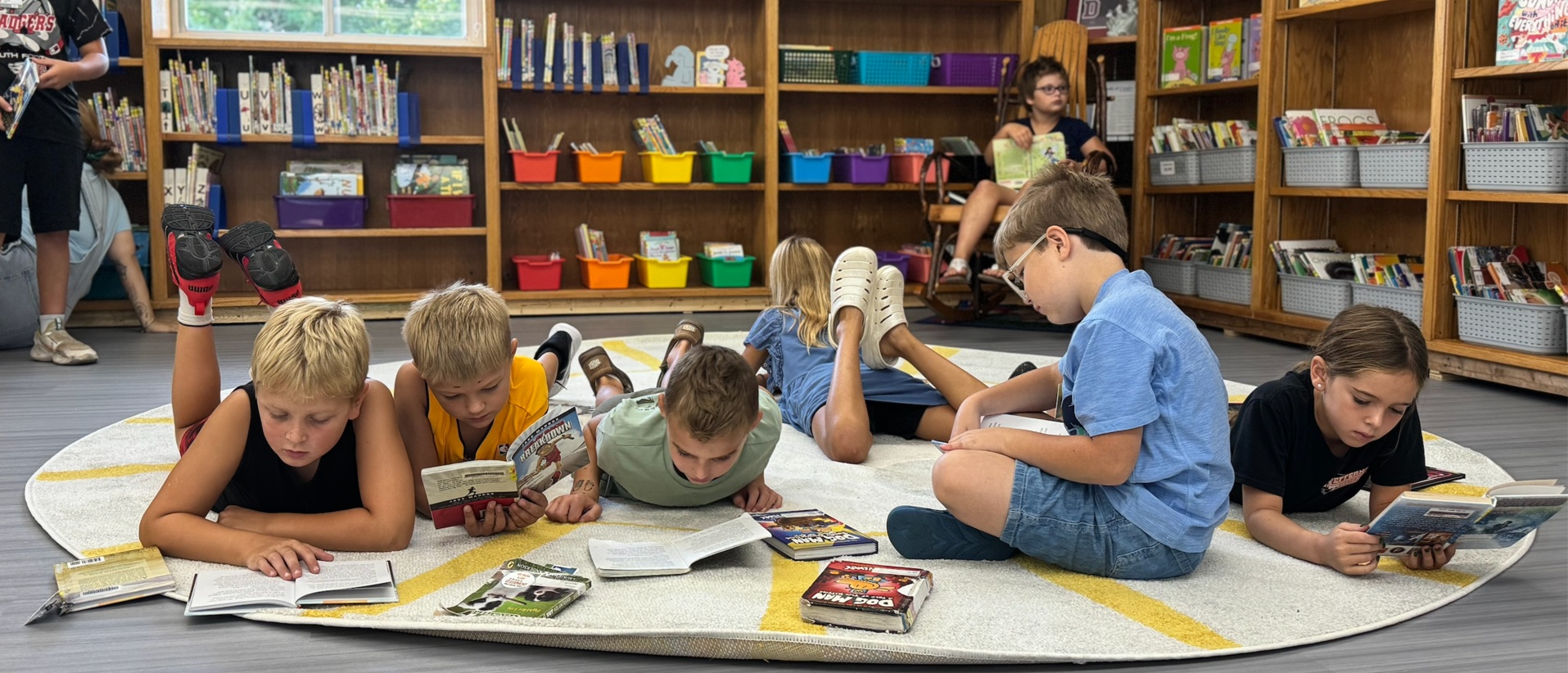
Scales Mound School District | Jo Daviess County Illinois 815
Oxford students after exams, 1989. pic.twitter.com/HQbO4r6dUE
— M (@0detobeauty) May 27, 2026
The calendar of Anglosphere educational settlements subtly shapes life of the mind, generally; and family and community life, specifically. Its cadence has roots in the cathedral schools and monastic learning communities of medieval Europe. Universities were not originally organized around modern “semesters.” Instead, the year followed the Christian liturgical calendar, agricultural seasons, food paths, daylight availability, and travel conditions.
In America educational calendars were nudged along by agricultural cycles. In the United Kingdom university calendars evolved into three major terms: Michaelmas in autumn, associated with arrival and beginnings; Hilary or Lent in winter, associated with discipline and study; and Trinity or Easter in spring, associated with examinations, outdoor rituals, music, rowing, gardens, and celebration.
Modern commencement traditions across the Anglosphere are descendants of medieval spring degree ceremonies. Academic gowns, hoods, processions, Latin phrases, formal dining, chapel music, and public recognition all preserve traces of the university as a scholarly guild and religious-civic community.
Before railways, electric lighting, and central heating, universities had to adapt to muddy roads, short winter days, limited candles, cold buildings, and agricultural obligations. Spring therefore became the natural season of culmination, reunion, athletic competition, courtship, and ceremony.
The medieval university was not merely a school but an educational settlement — a self-governing town of scholars, libraries, chapels, kitchens, workshops, residences, and dining halls. That settlement pattern survives in residential colleges, quadrangles, tutorial systems, common rooms, chapel choirs, and formal meals.
Anglosphere campuses retain this ancient emotional rhythm: autumn seriousness, winter inwardness, and spring release. That continuity helps explain why colleges and universities still feel culturally distinct from ordinary commercial society. (Relata: Gulliver Visits the Great Academy of Lagado)

We’re “organized” but not too organized; like the bookseller who knows where every book can be found.
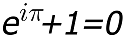
at a conference where you don’t have to present
— Peyman Milanfar (@docmilanfar) April 4, 2025
#AcademicChatter #AcademicTwitter
Academics be like 👇 pic.twitter.com/6cpVEw3PVS
— Reviewer 2 (@GrumpyReviewer2) April 2, 2024





