


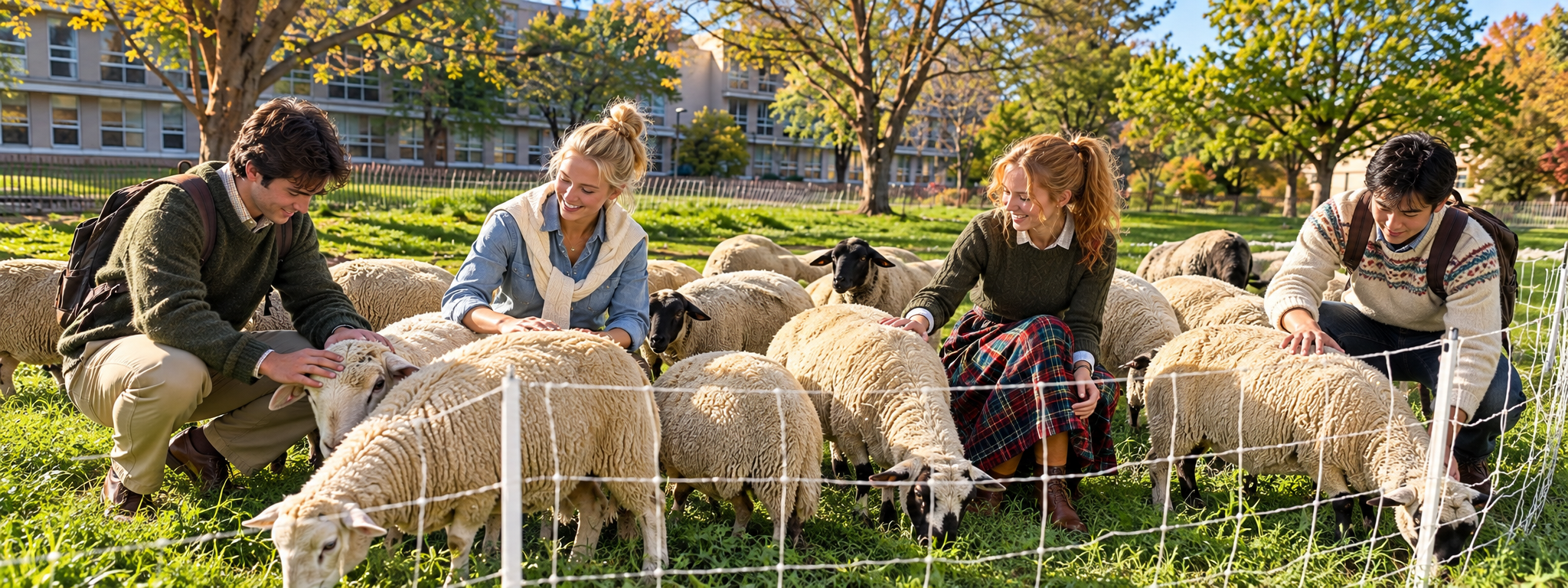
University of California Davis Sheep Mowers

Illumination technologies have had a pattern of consuming about 35 percent of building electrical energy use. That number has been pressed downward with the expanded application of LED luminaires and occupant responsive controls; much of the transformation hastened by the IEEE, IES and ASHRAE best practice catalogs. Today we run through the development status of these products with specific interest in exterior illumination best practice. This topic also is covered in the 4 time monthly meetings of the IEEE Education & Healthcare Facilities Committee. https://standardsmichigan.com/illumination-400/ 🇦🇷 This is a metro in Buenos Aires, the capital of Argentina, on Tuesday night. It sounds crazy, but Argentina is now more European than many Countries in Europe. pic.twitter.com/CxOYvYO73p — Cillian (@CilComLFC) March 27, 2025 “The Country School” | Winslow Homer Today at 11 AM EDT we review the status consensus products (codes, standards, guidelines, recommendations and safety legislation) that set the standard of care for the design, manufacture and maintenance of interior fixtures such as carpet, furniture, bookshelves and ceiling tiles, plumbing fixtures. Waste management, laboratory fixtures, recycling amenities — i.e. things are not nailed down — are on the agenda. Also we track elevated interest and market-making by conformity interests in the manufacturing and material recycling far up the value chain. In large research universities, it is common for building service personnel engaged in keeping facilities clean and tidy to constitute the largest proportion of permanent employees; thus some consideration must be given to occupational safety. Use the login credentials at the upper right of our home page. “Der Alchemist” 1908 / Max Fuhrmann Status check on standards action that guide laboratory safety and sustainability in all building disciplines. There are about ten standards developers in this space and they do not all move in a coordinated manner among themselves; much less from state-to-state. Anyone is welcomed to join this teleconference with the login information below. For an agenda, please join our mailing list. https://standardsmichigan.com/standing-agenda-laboratories/ https://youtu.be/zHAl1PHcQyU?si=LYF8wOYY9Lvqx_o1 “Spring Turning” 1936 Grant Wood, Overview of codes and standards relevant to the food service enterprises in K-12 schools, college and university student housing, athletic venues and university-affiliated healthcare systems. https://standardsmichigan.com/food-standards-monthly/ The Choir, founded in 2008. It brings together over 50 girls, aged 9 to 15 and as such, fulfills both the artistic and education programme at the Choir School. The choral ensemble has enjoyed outstanding success, winning numerous local and international competitions as well as having cooperated with many distinguished institutions of music and education. The Girls Choir has also released three records. The founder and first choir master was Dorota Wojnowska. Since September 2017 Laura Stieler-Bilewicz has taken the reins and is the present artistic director. The Gemini Boat Race 2024@theboatrace @CUBCsquad @OxfordUniBChttps://t.co/Xax5UxxPymhttps://t.co/bEnDPp4l2j pic.twitter.com/33j9mIXFE7 — Standards Michigan (@StandardsMich) April 6, 2024 The Oxford and Cambridge Boat Race, also known simply as “The Boat Race,” is traditionally held on the River Thames in London, England. It typically takes place on the last Saturday of March or the first Saturday of April each year. However, the specific date may vary slightly depending on the calendar and other factors. Calendar placeholder. More coverage coming. "The Biglin Brothers" 1872 Thomas Eakinshttps://t.co/PgKlGFWHW8https://t.co/Ktc1oRr5WJ pic.twitter.com/b9FKmVl1oo — Standards Michigan (@StandardsMich) April 2, 2022 
Illumination 300
.jpg)

Interiors

Laboratories

Nourriture Printemps

"Scarborough Fair" (Ballad) Chór Dziewczęcy PSChJK

The Boat Race


On 9/11 the FDNY lost 343 of their own.
Not statistics. Sons, fathers, husbands from 75 firehouses across the five boroughs.
121 engine companies and 62 ladder companies answered the call. Every Rescue company in New York went in.
They knew the buildings were coming down and… pic.twitter.com/e4ArBUmfLq— Sassafrass84 (@Sassafrass_84) September 7, 2026
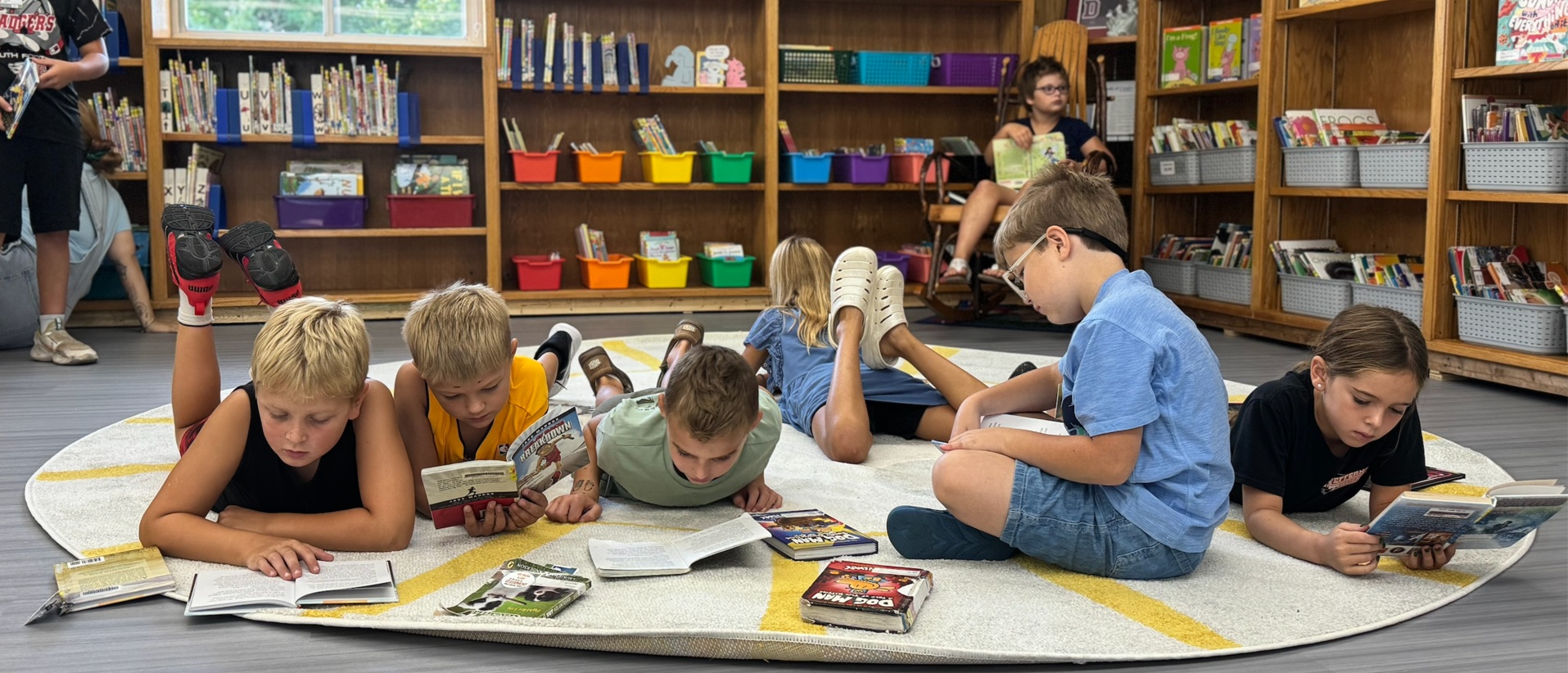
Scales Mound School District | Jo Daviess County Illinois 815
Oxford students after exams, 1989. pic.twitter.com/HQbO4r6dUE
— M (@0detobeauty) May 27, 2026
The calendar of Anglosphere educational settlements subtly shapes life of the mind, generally; and family and community life, specifically. Its cadence has roots in the cathedral schools and monastic learning communities of medieval Europe. Universities were not originally organized around modern “semesters.” Instead, the year followed the Christian liturgical calendar, agricultural seasons, food paths, daylight availability, and travel conditions.
In America educational calendars were nudged along by agricultural cycles. In the United Kingdom university calendars evolved into three major terms: Michaelmas in autumn, associated with arrival and beginnings; Hilary or Lent in winter, associated with discipline and study; and Trinity or Easter in spring, associated with examinations, outdoor rituals, music, rowing, gardens, and celebration.
Modern commencement traditions across the Anglosphere are descendants of medieval spring degree ceremonies. Academic gowns, hoods, processions, Latin phrases, formal dining, chapel music, and public recognition all preserve traces of the university as a scholarly guild and religious-civic community.
Before railways, electric lighting, and central heating, universities had to adapt to muddy roads, short winter days, limited candles, cold buildings, and agricultural obligations. Spring therefore became the natural season of culmination, reunion, athletic competition, courtship, and ceremony.
The medieval university was not merely a school but an educational settlement — a self-governing town of scholars, libraries, chapels, kitchens, workshops, residences, and dining halls. That settlement pattern survives in residential colleges, quadrangles, tutorial systems, common rooms, chapel choirs, and formal meals.
Anglosphere campuses retain this ancient emotional rhythm: autumn seriousness, winter inwardness, and spring release. That continuity helps explain why colleges and universities still feel culturally distinct from ordinary commercial society. (Relata: Gulliver Visits the Great Academy of Lagado)

We’re “organized” but not too organized; like the bookseller who knows where every book can be found.
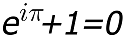
at a conference where you don’t have to present
— Peyman Milanfar (@docmilanfar) April 4, 2025
#AcademicChatter #AcademicTwitter
Academics be like 👇 pic.twitter.com/6cpVEw3PVS
— Reviewer 2 (@GrumpyReviewer2) April 2, 2024





