


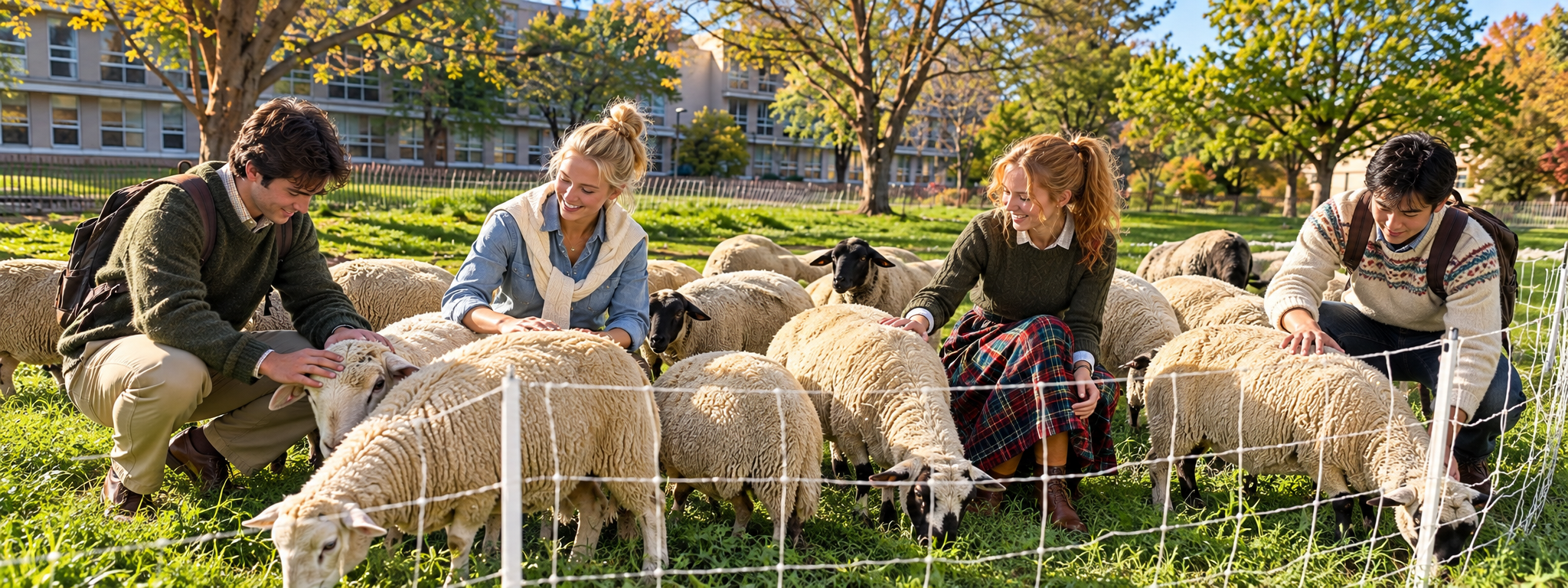
University of California Davis Sheep Mowers

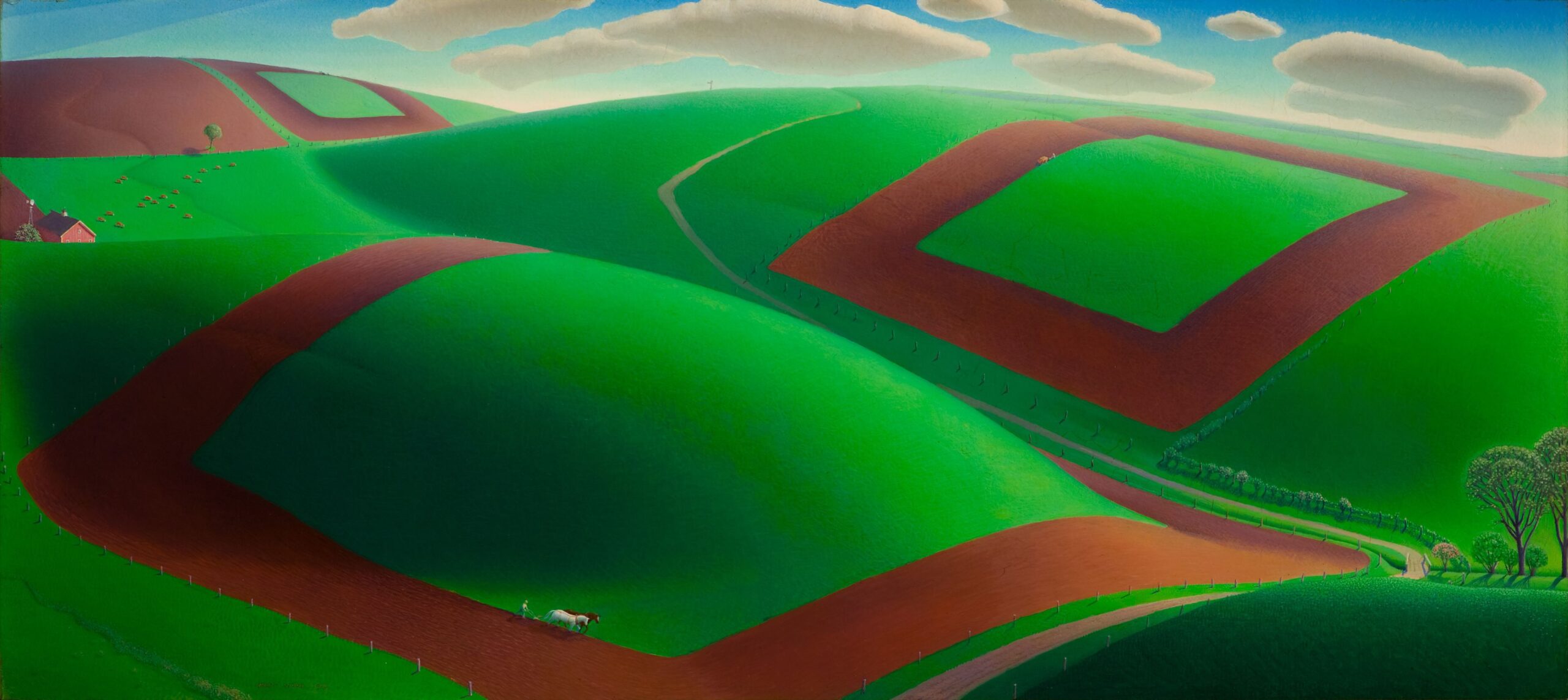
Teachers shape lives in ways they may never fully see. A kind word, an extra effort, or a belief in a student’s potential can change the course of a life. Let’s take a moment today to appreciate the educators who have made an impact. 🍎✨ #ThankATeacher #EducationForAll… pic.twitter.com/L74rAXijZC — 𝕂𝕖𝕣𝕚 𝕊𝕜𝕖𝕖𝕥𝕖𝕣𝕤, Ed.D (@KeriSkeeters) February 19, 2025 Playgrounds Morning Recess = A place of Kindness! pic.twitter.com/Q1KBO8UhqZ — Amy Alzina, Ed.D (@alzina_amy) April 9, 2025 https://standardsmichigan.com/high-voltage-electric-services/ I taught these boys (grown men!) when they were just 6 and now they are graduating from college 😮 pic.twitter.com/eNmVf6HiXy — Sarah Oberle (@S_Oberle) May 21, 2024 Today at 11 AM/ET (15:00 UTC) we review the literature that sets the standard of care for prevention, response and resilience of the education facility industry to storms, floods, hurricanes, earthquakes and all other disasters. We will examine a selection of court filings that should inform how facility managers should prepare and respond to disasters, but also identify gaps in best practice literature and (possibly) key in proposals for how those gaps may be removed. Use the login credentials at the upper right of our home page. “Spring Turning” 1936 Grant Wood, Overview of codes and standards relevant to the food service enterprises in K-12 schools, college and university student housing, athletic venues and university-affiliated healthcare systems. https://standardsmichigan.com/food-standards-monthly/ 
"Norfolk Rhapsody" Ralph Vaughan Williams | Harker School Orchestra
Norfolk Rhapsody is inspired by English folk tunes, particularly from the Norfolk region, which Vaughan Williams collected himself. The piece is lyrical and evocative, capturing the pastoral beauty and maritime heritage of East Anglia. It features rich, sweeping string melodies and gentle woodwind passages, creating a reflective and nostalgic atmosphere. The work, originally conceived as a trilogy, survives only in its first rhapsody. Its folk-inspired themes and lush orchestration showcase Vaughan Williams’ ability to transform traditional melodies into expressive, symphonic music. 
Teacher Appreciation Week
Playgrounds

High Voltage Electric Service

Disaster 500


Nourriture Printemps



On 9/11 the FDNY lost 343 of their own.
Not statistics. Sons, fathers, husbands from 75 firehouses across the five boroughs.
121 engine companies and 62 ladder companies answered the call. Every Rescue company in New York went in.
They knew the buildings were coming down and… pic.twitter.com/e4ArBUmfLq— Sassafrass84 (@Sassafrass_84) September 7, 2026

Scales Mound School District | Jo Daviess County Illinois 815
Oxford students after exams, 1989. pic.twitter.com/HQbO4r6dUE
— M (@0detobeauty) May 27, 2026
The calendar of Anglosphere educational settlements subtly shapes life of the mind, generally; and family and community life, specifically. Its cadence has roots in the cathedral schools and monastic learning communities of medieval Europe. Universities were not originally organized around modern “semesters.” Instead, the year followed the Christian liturgical calendar, agricultural seasons, food paths, daylight availability, and travel conditions.
In America educational calendars were nudged along by agricultural cycles. In the United Kingdom university calendars evolved into three major terms: Michaelmas in autumn, associated with arrival and beginnings; Hilary or Lent in winter, associated with discipline and study; and Trinity or Easter in spring, associated with examinations, outdoor rituals, music, rowing, gardens, and celebration.
Modern commencement traditions across the Anglosphere are descendants of medieval spring degree ceremonies. Academic gowns, hoods, processions, Latin phrases, formal dining, chapel music, and public recognition all preserve traces of the university as a scholarly guild and religious-civic community.
Before railways, electric lighting, and central heating, universities had to adapt to muddy roads, short winter days, limited candles, cold buildings, and agricultural obligations. Spring therefore became the natural season of culmination, reunion, athletic competition, courtship, and ceremony.
The medieval university was not merely a school but an educational settlement — a self-governing town of scholars, libraries, chapels, kitchens, workshops, residences, and dining halls. That settlement pattern survives in residential colleges, quadrangles, tutorial systems, common rooms, chapel choirs, and formal meals.
Anglosphere campuses retain this ancient emotional rhythm: autumn seriousness, winter inwardness, and spring release. That continuity helps explain why colleges and universities still feel culturally distinct from ordinary commercial society. (Relata: Gulliver Visits the Great Academy of Lagado)

We’re “organized” but not too organized; like the bookseller who knows where every book can be found.
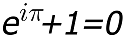
at a conference where you don’t have to present
— Peyman Milanfar (@docmilanfar) April 4, 2025
#AcademicChatter #AcademicTwitter
Academics be like 👇 pic.twitter.com/6cpVEw3PVS
— Reviewer 2 (@GrumpyReviewer2) April 2, 2024