


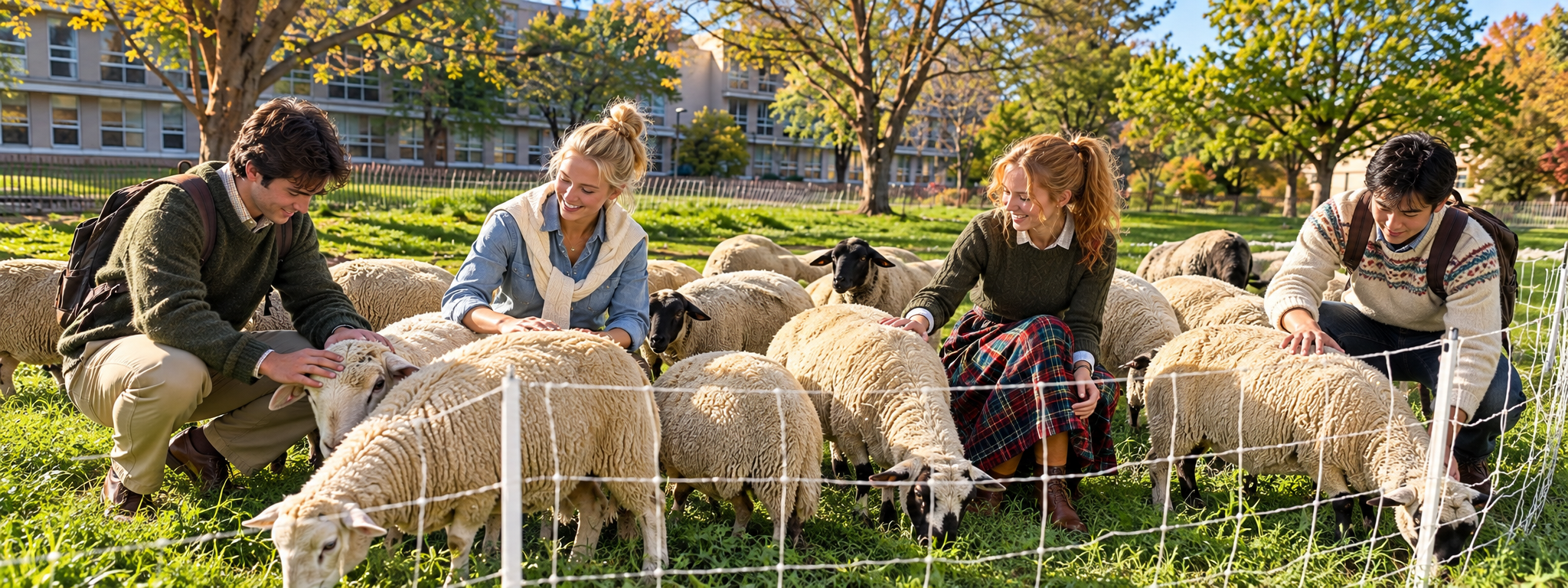
University of California Davis Sheep Mowers

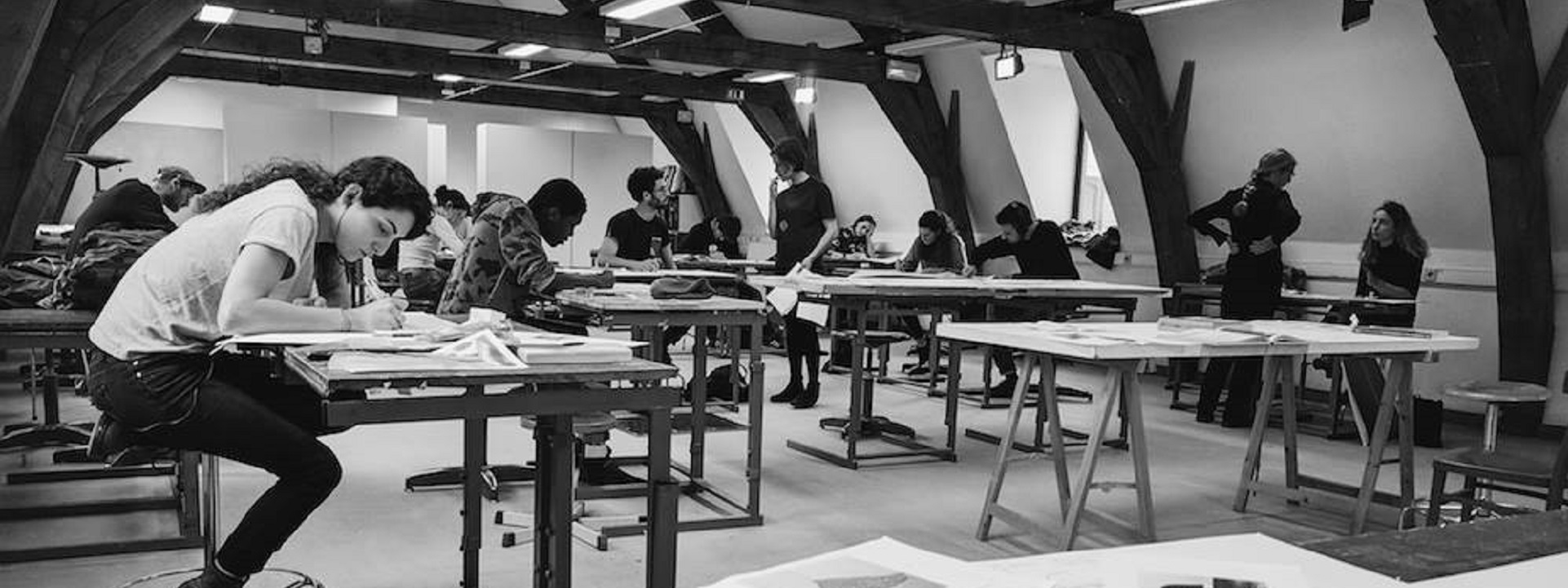
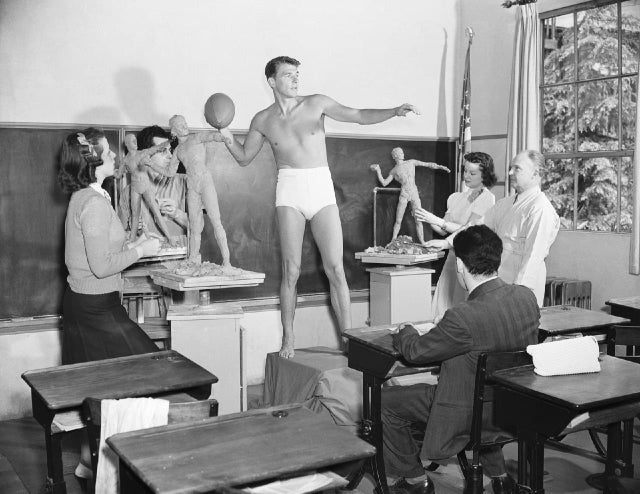
Where is Stony Brook headed next? Join @SBUPrez on 9/29 at 1 pm at the Staller Center to hear how she plans to accelerate momentum at Stony Brook for the year ahead. Register: https://t.co/OCWtjzdtLb pic.twitter.com/oC68k48Vgs — Stony Brook University (@stonybrooku) September 24, 2025 Christopher Columbus newly landed from his flagship Santa Maria on October 12, 1492. @uscapitolhttps://t.co/fXnp0Z70uM — Standards Michigan (@StandardsMich) October 11, 2021 https://standardsmichigan.com/90-second-lecture-was-christopher-columbus-a-genius-or-was-he-just-lucky/ “If you steal from one person that is plagiarism. If you steal from many people, that is research” Missed it live? We planned for that! At a recent USPTO Hour, America’ Branding Agency dives into how name, image, likeness (NIL) connects with branding and trademarks – on the field, off the field, and everywhere between. Catch the recording here: https://t.co/b3fh7aVOy7 pic.twitter.com/gvgn5HCJmH — USPTO (@uspto) February 25, 2026 Chronicle of Higher Education: The Campus Cold War — Faculty vs. Administrators Università Cattolica del Sacro Cuore Student Art Innovation – Standardization – Commoditization run along a continuum. Today we unpack some of the ideas that hasten (and prohibit) leading practice discovery; how quickly goods and services become a “human right”; why all of this is relevant to education communities and why some believe that commoditization is a myth. From the Wikipedia In business literature, commoditization is defined as the process by which goods that have economic value and are distinguishable in terms of attributes (uniqueness or brand) end up becoming simple commodities in the eyes of the market or consumers. It is the movement of a market from differentiated to undifferentiated price competition and from monopolistic competition to perfect competition. Hence, the key effect of commoditization is that the pricing power of the manufacturer or brand owner is weakened: when products become more similar from a buyer’s point of view, they will tend to buy the cheapest. Related: Why High-Tech Commoditization Is Accelerating After months of hard work, the top five teams met at USPTO headquarters today for the final round of the 2025 National Patent Application Drafting Competition. 🏆 And the winners are … ⬇️ 🥇 First place — @UofMNLawSchool pic.twitter.com/uwNSJR0oBy — USPTO (@uspto) April 4, 2025 From creating a race car safety device that protects drivers from injury to revolutionizing chemotherapy, Spartans have contributed to more than 3,300 inventions. #SpartansWill pic.twitter.com/dchCs0BFBx — MSU (@michiganstateu) February 21, 2025 For 58 years, 7-Eleven has been protecting its iconic semi-frozen soft drink, the Slurpee. But it doesn’t stop there. The store has more than 200 registered trademarks to protect its goods and services, including “Oh thank Heaven for 7-Eleven” in 1978 and “Brainfreeze” in 1993. pic.twitter.com/b9bkkcijGg — USPTO (@uspto) July 11, 2025 Going Up: Uncovering the Art Deco Elevators of Landmarked Building Interiors Architectural Digest: Why The Chrysler Building is a New York City Icon University of Wisconsin Stadium Elevator Many education communities have 100’s of elevators and escalators. This is a difficult space for driving costs down (because of strong manufacturer and labor presence) but we will give the “old college try” https://youtu.be/Y2q8sbJDLEw Eric and Shari Schlesinger met in Hardwick’s elevator on move-in day in 1972, leading to a 42-year marriage.@TempleUnivhttps://t.co/3QTh51f4JB pic.twitter.com/Ek5vD9s5lF — Standards Michigan (@StandardsMich) January 17, 2023 Normalize bringing your baby with you.🤍 pic.twitter.com/qztfkDpCo7 — Clare Anne Ath (@clareanneath) December 11, 2024 There are written fine arts standards that have been developed by various organizations and educational bodies. These standards provide a framework for what students should know and be able to do in the arts at different grade levels. Here are a few examples of fine arts standards: National Core Arts Standards: The National Core Arts Standards were developed by the National Coalition for Core Arts Standards and outline what students should know and be able to do in dance, media arts, music, theater, and visual arts at different grade levels. State Fine Arts Standards: Many states have their own fine arts standards that are aligned with the National Core Arts Standards but may be tailored to reflect the unique needs and priorities of the state; e.g., State of Ohio Fine Art Standards International Baccalaureate Arts Standards: The International Baccalaureate (IB) program offers arts standards as part of their curriculum framework for the arts. These standards are designed to develop students’ creative and critical thinking skills in the arts. Arts Education Partnership National Standards for Arts Education: The Arts Education Partnership has developed national standards for arts education that cover the four major artistic disciplines: dance, music, theater, and visual arts. Today at 15:00 UTC we drill into the technical specifics that contribute to the safety and sustainability of spaces used for the teaching, practice and display of the fine arts. These occupancies are typically at greater risk than classrooms because they usually contain volatile fluids for artistic painting or biologic specimen preservation, kilns for pottery, fabrics and related machinery for teaching fashion design and practice. Good morning friends! Here’s a little painting I did that was inspired by my solo camping trips in Wyoming & Montana. Make it a great day ☀️ pic.twitter.com/cqMwYxK9Kk — Erica (@EricaArndts) October 23, 2025 University of British Columbia: Food grown inside the residence hall. Orchard Commons has begun harvesting greens from a hydroponic Building-Integrated Agriculture pod immediately beside the dining hall. Standard electrical connection, LED lighting, architecture, food service, energy, research and campus operations all converge here. Overview of codes and standards relevant to the food service enterprises in K-12 schools, college and university student housing, athletic venues and university-affiliated healthcare systems. https://standardsmichigan.com/food-standards-monthly/ 
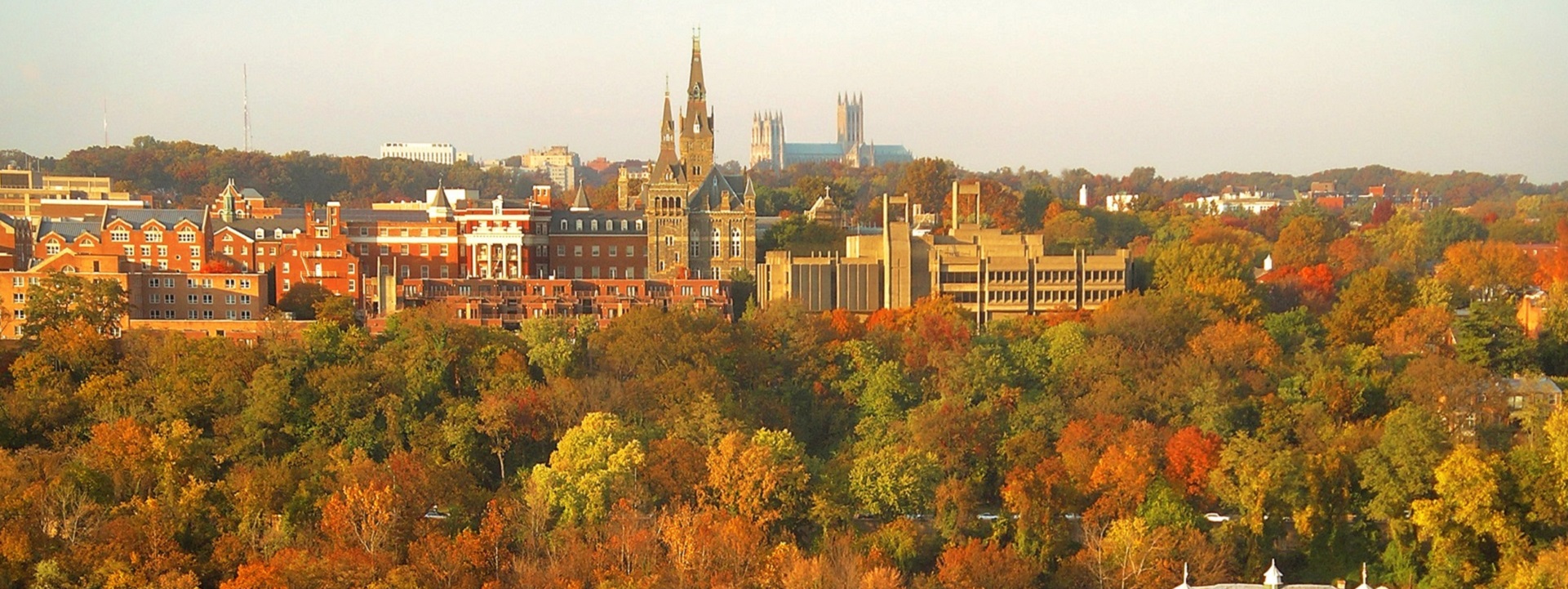
"A London Symphony" (RVW) Stony Brook

Columbus Day
“The Worlds of Christopher Columbus”@CambridgeUPhttps://t.co/gIOmEa6cKI pic.twitter.com/YONYxop1MW Intellectual Property
Elevators & Lifts



Fine Arts 200

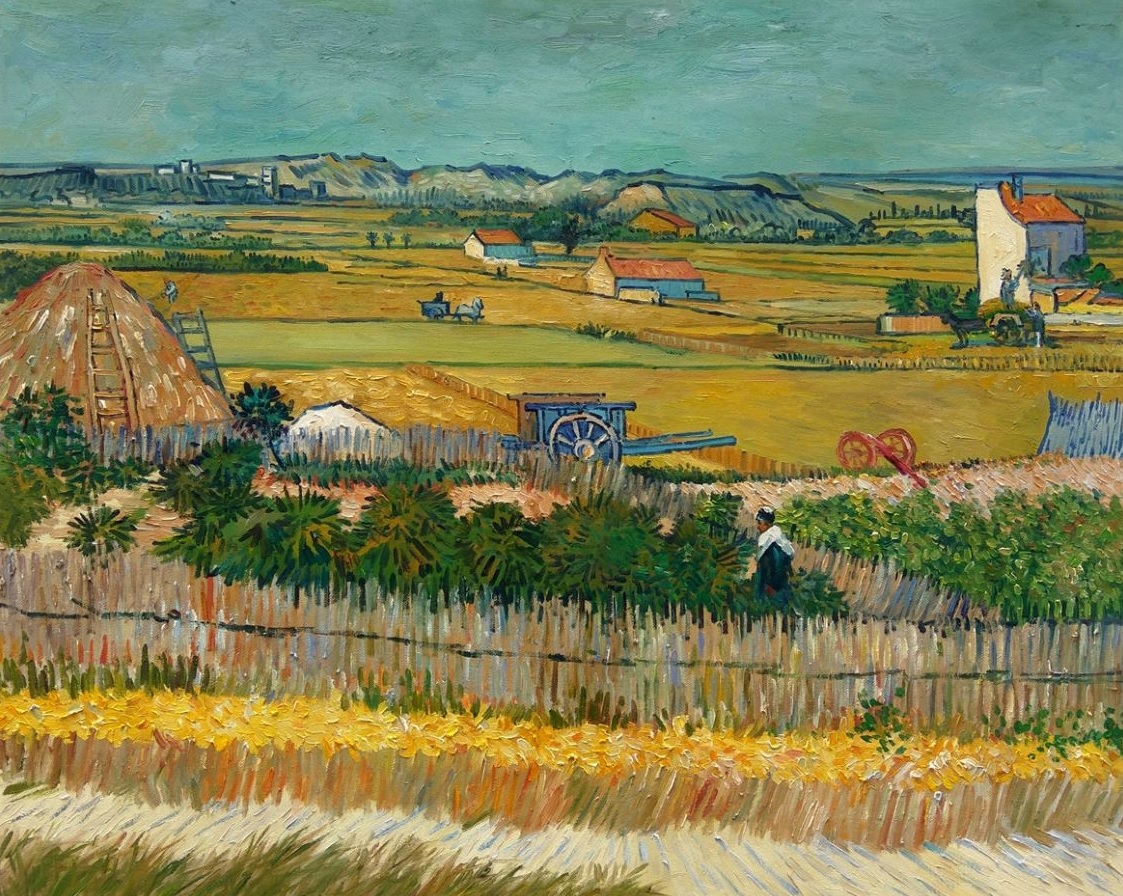
Nourriture d'automne






On 9/11 the FDNY lost 343 of their own.
Not statistics. Sons, fathers, husbands from 75 firehouses across the five boroughs.
121 engine companies and 62 ladder companies answered the call. Every Rescue company in New York went in.
They knew the buildings were coming down and… pic.twitter.com/e4ArBUmfLq— Sassafrass84 (@Sassafrass_84) September 7, 2026
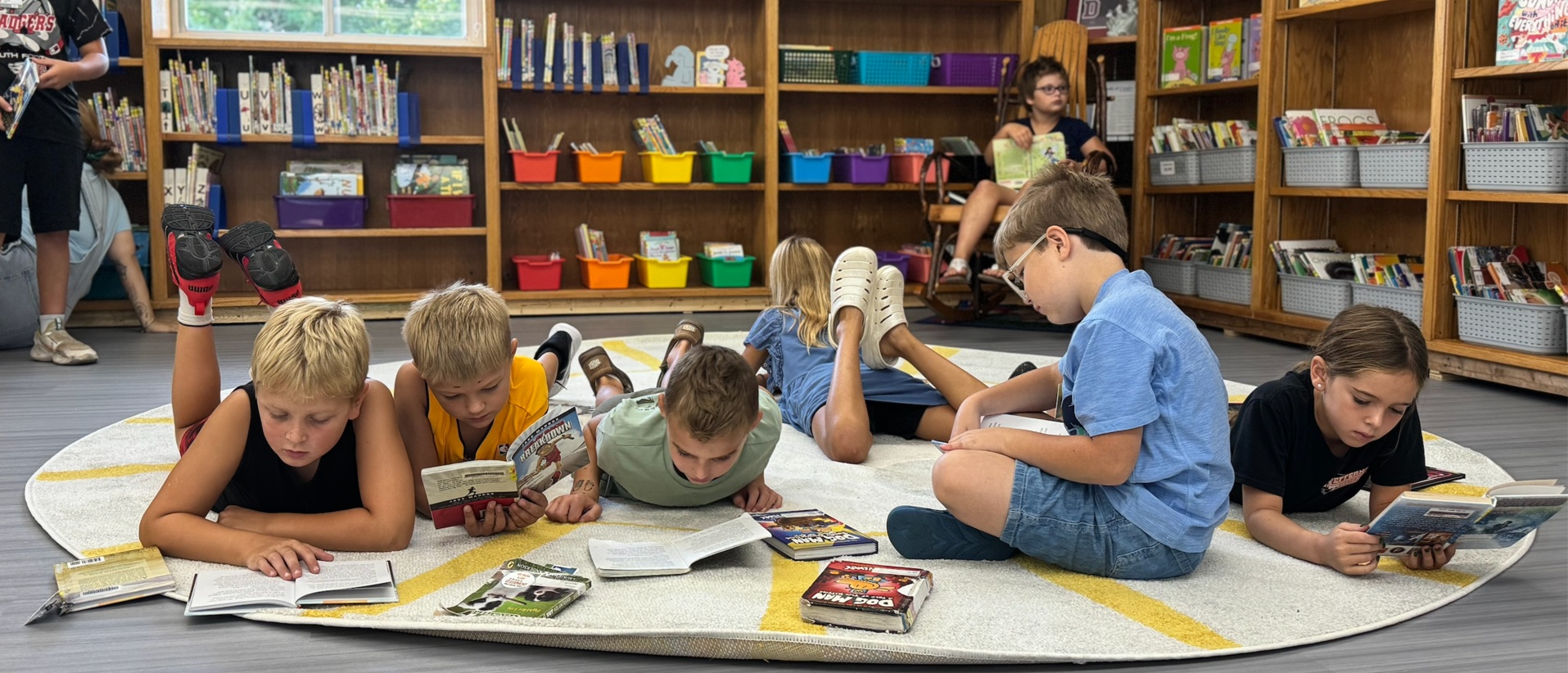
Scales Mound School District | Jo Daviess County Illinois 815
Oxford students after exams, 1989. pic.twitter.com/HQbO4r6dUE
— M (@0detobeauty) May 27, 2026
The calendar of Anglosphere educational settlements subtly shapes life of the mind, generally; and family and community life, specifically. Its cadence has roots in the cathedral schools and monastic learning communities of medieval Europe. Universities were not originally organized around modern “semesters.” Instead, the year followed the Christian liturgical calendar, agricultural seasons, food paths, daylight availability, and travel conditions.
In America educational calendars were nudged along by agricultural cycles. In the United Kingdom university calendars evolved into three major terms: Michaelmas in autumn, associated with arrival and beginnings; Hilary or Lent in winter, associated with discipline and study; and Trinity or Easter in spring, associated with examinations, outdoor rituals, music, rowing, gardens, and celebration.
Modern commencement traditions across the Anglosphere are descendants of medieval spring degree ceremonies. Academic gowns, hoods, processions, Latin phrases, formal dining, chapel music, and public recognition all preserve traces of the university as a scholarly guild and religious-civic community.
Before railways, electric lighting, and central heating, universities had to adapt to muddy roads, short winter days, limited candles, cold buildings, and agricultural obligations. Spring therefore became the natural season of culmination, reunion, athletic competition, courtship, and ceremony.
The medieval university was not merely a school but an educational settlement — a self-governing town of scholars, libraries, chapels, kitchens, workshops, residences, and dining halls. That settlement pattern survives in residential colleges, quadrangles, tutorial systems, common rooms, chapel choirs, and formal meals.
Anglosphere campuses retain this ancient emotional rhythm: autumn seriousness, winter inwardness, and spring release. That continuity helps explain why colleges and universities still feel culturally distinct from ordinary commercial society. (Relata: Gulliver Visits the Great Academy of Lagado)

We’re “organized” but not too organized; like the bookseller who knows where every book can be found.
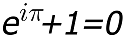
at a conference where you don’t have to present
— Peyman Milanfar (@docmilanfar) April 4, 2025
#AcademicChatter #AcademicTwitter
Academics be like 👇 pic.twitter.com/6cpVEw3PVS
— Reviewer 2 (@GrumpyReviewer2) April 2, 2024





