



Western Michigan University | Kalamazoo County 269
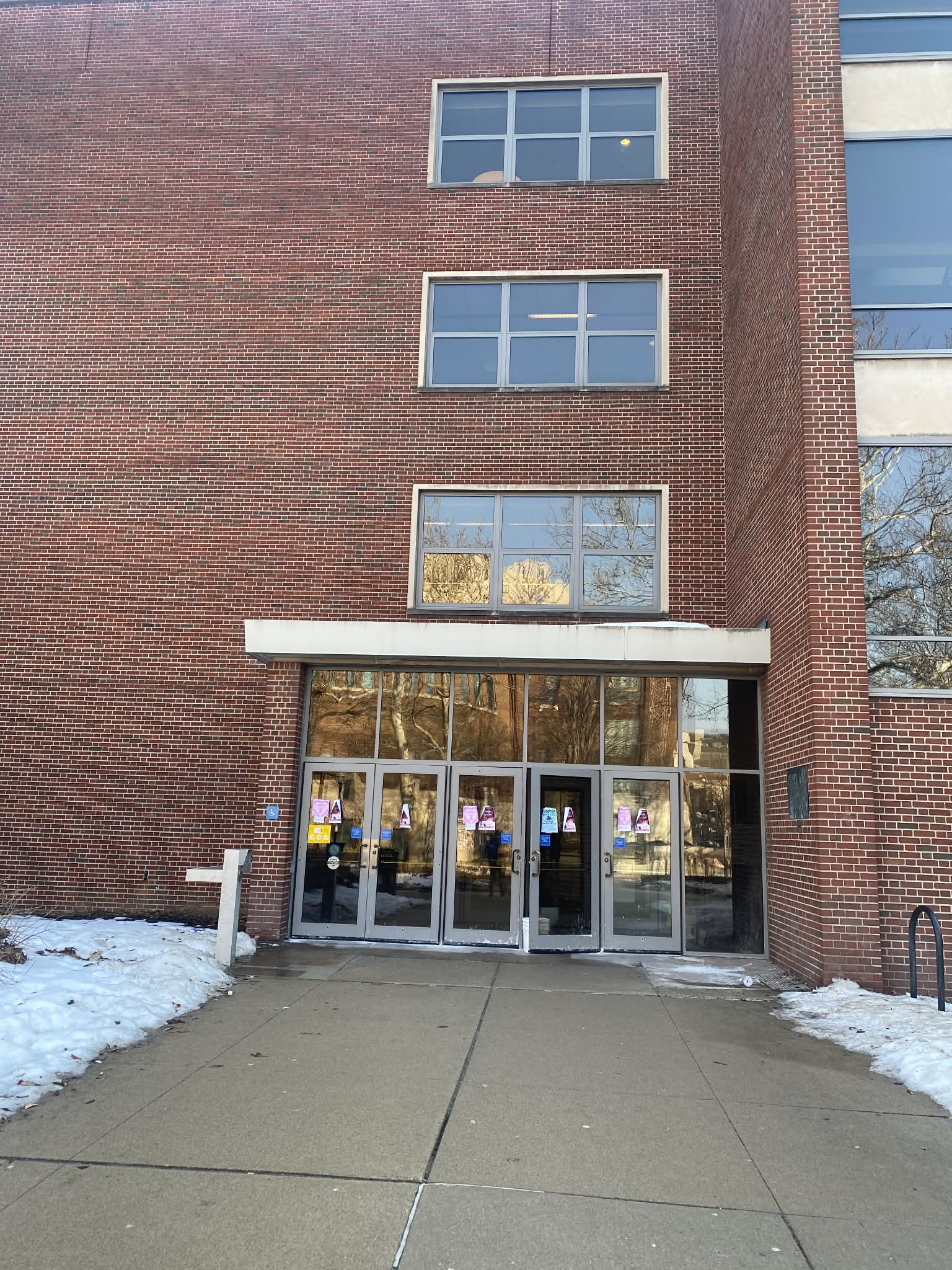
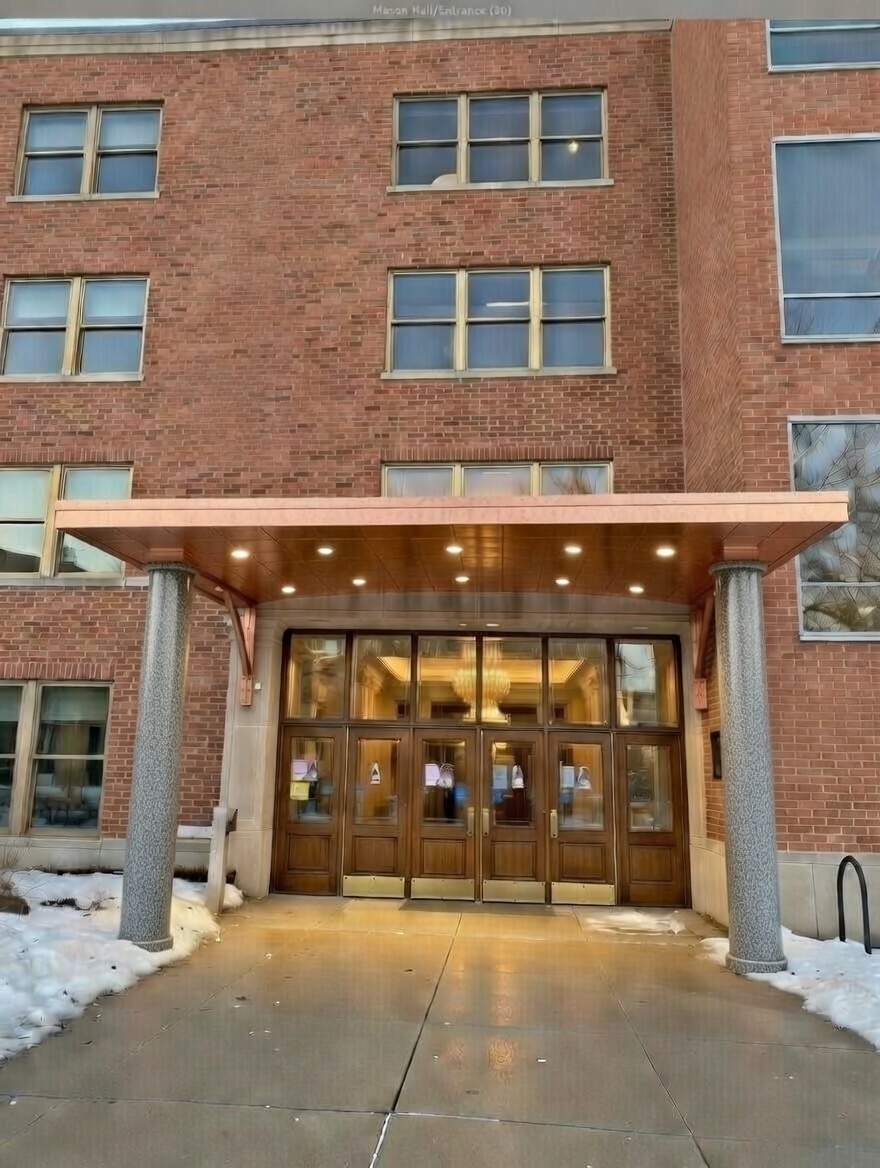
Mason Hall South Entrance NOW | University of Michigan Standards of beauty for building entrances in architecture emphasize creating a welcoming, harmonious, and memorable first impression. Core principles draw from timeless design tenets like proportion, scale, balance, and emphasis, ensuring the entrance feels appropriately sized relative to the overall structure and surroundings—neither overwhelming nor insignificant. A beautiful entrance often features symmetry or thoughtful asymmetry for visual harmony, grand yet human-scaled elements like arches, columns, porticos, or recessed doorways that add depth and shelter. Materials matter: high-quality doors (glass for transparency, wood for warmth, or metal for modernity) combined with textures that complement the building’s style create tactile and visual appeal. Ultimately, beauty arises from blending functionality (accessibility, security, weather protection) with emotional impact: an entrance that feels inviting, ordered, and reflective of the building’s purpose or cultural context. Mason Hall South Entrance IMPROVED | University of Michigan There are written fine arts standards that have been developed by various organizations and educational bodies. These standards provide a framework for what students should know and be able to do in the arts at different grade levels. Here are a few examples of fine arts standards: National Core Arts Standards: The National Core Arts Standards were developed by the National Coalition for Core Arts Standards and outline what students should know and be able to do in dance, media arts, music, theater, and visual arts at different grade levels. State Fine Arts Standards: Many states have their own fine arts standards that are aligned with the National Core Arts Standards but may be tailored to reflect the unique needs and priorities of the state; e.g., State of Ohio Fine Art Standards International Baccalaureate Arts Standards: The International Baccalaureate (IB) program offers arts standards as part of their curriculum framework for the arts. These standards are designed to develop students’ creative and critical thinking skills in the arts. Arts Education Partnership National Standards for Arts Education: The Arts Education Partnership has developed national standards for arts education that cover the four major artistic disciplines: dance, music, theater, and visual arts. Today at 15:00 UTC we drill into the technical specifics that contribute to the safety and sustainability of spaces used for the teaching, practice and display of the fine arts. These occupancies are typically at greater risk than classrooms because they usually contain volatile fluids for artistic painting or biologic specimen preservation, kilns for pottery, fabrics and related machinery for teaching fashion design and practice. Good morning friends! Here’s a little painting I did that was inspired by my solo camping trips in Wyoming & Montana. Make it a great day ☀️ pic.twitter.com/cqMwYxK9Kk — Erica (@EricaArndts) October 23, 2025
Beautiful Building Entrances

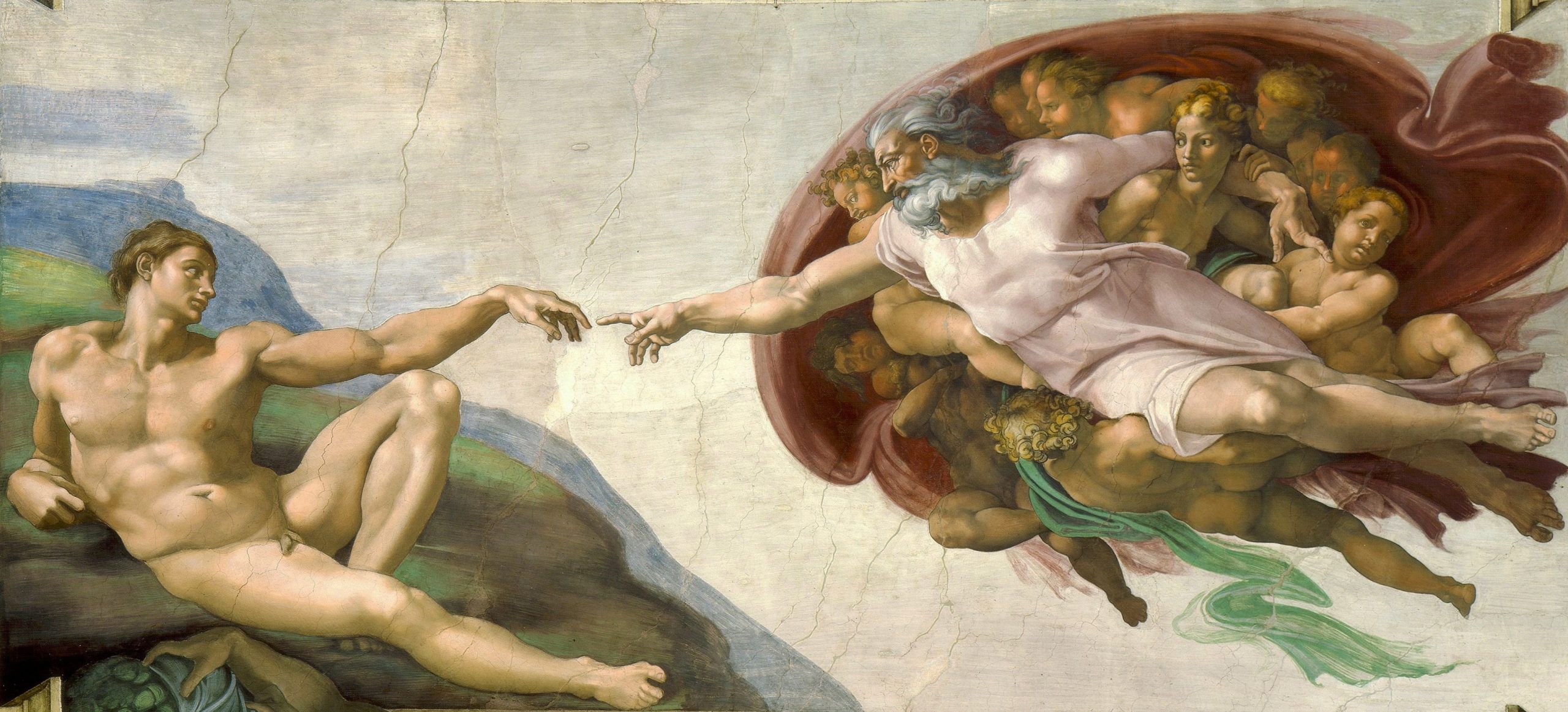
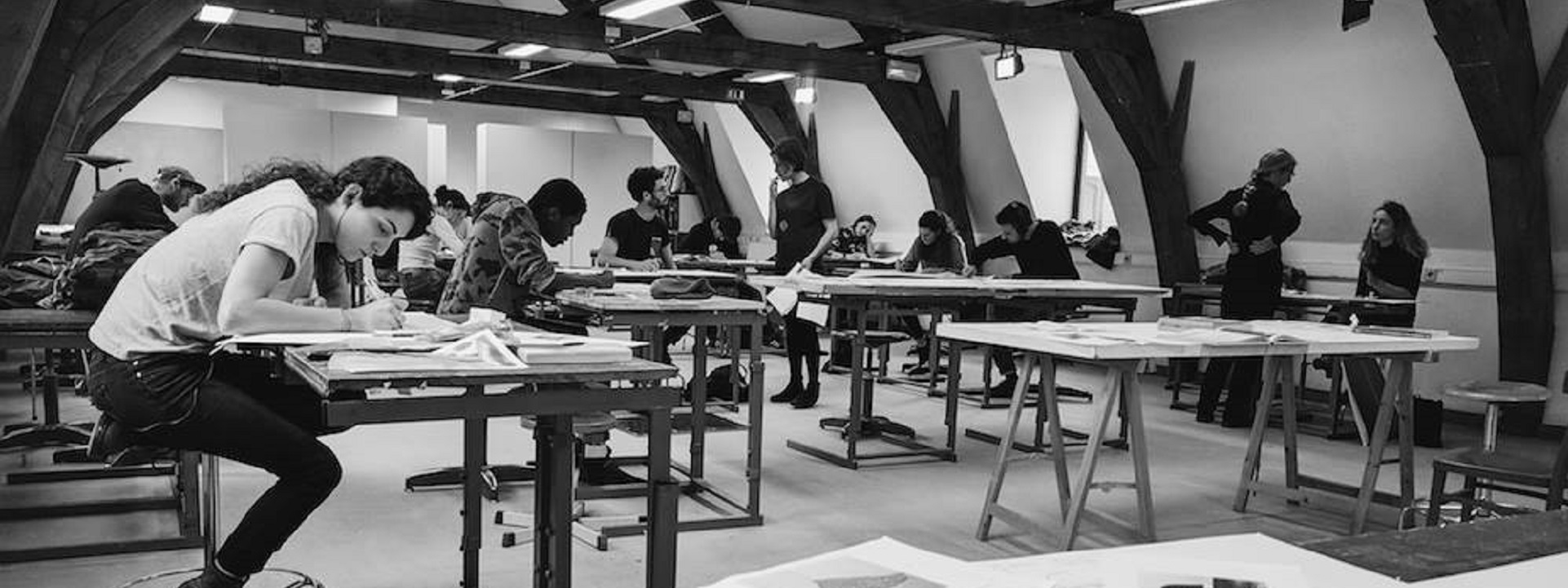
Fine Arts 200
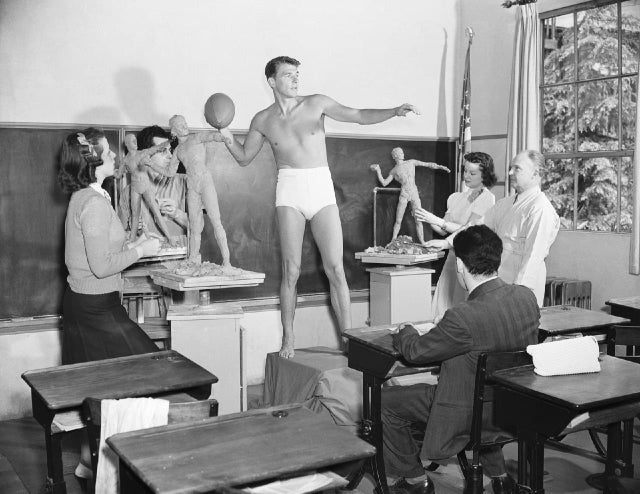


On 9/11 the FDNY lost 343 of their own.
Not statistics. Sons, fathers, husbands from 75 firehouses across the five boroughs.
121 engine companies and 62 ladder companies answered the call. Every Rescue company in New York went in.
They knew the buildings were coming down and… pic.twitter.com/e4ArBUmfLq— Sassafrass84 (@Sassafrass_84) September 7, 2026
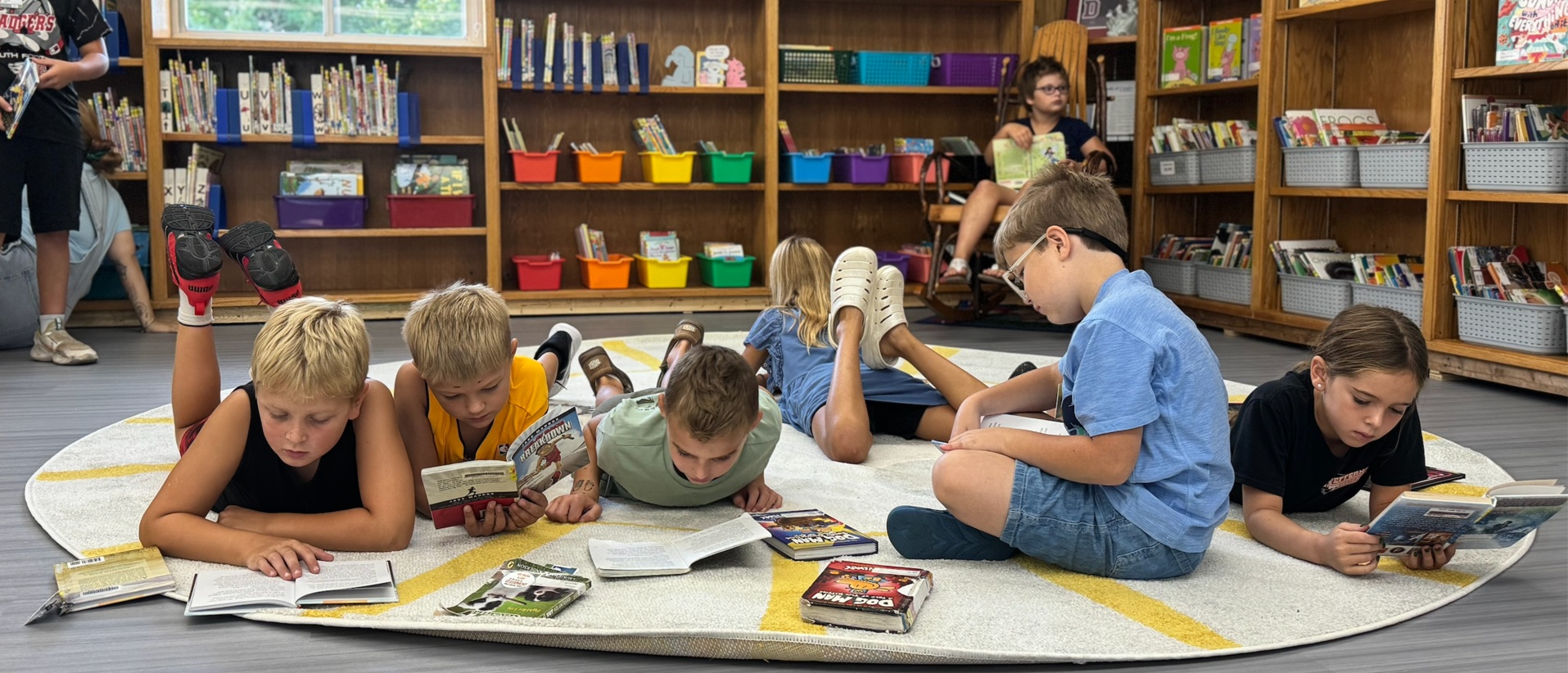
Scales Mound School District | Jo Daviess County Illinois 815
Oxford students after exams, 1989. pic.twitter.com/HQbO4r6dUE
— M (@0detobeauty) May 27, 2026
The calendar of Anglosphere educational settlements subtly shapes life of the mind, generally; and family and community life, specifically. Its cadence has roots in the cathedral schools and monastic learning communities of medieval Europe. Universities were not originally organized around modern “semesters.” Instead, the year followed the Christian liturgical calendar, agricultural seasons, food paths, daylight availability, and travel conditions.
In America educational calendars were nudged along by agricultural cycles. In the United Kingdom university calendars evolved into three major terms: Michaelmas in autumn, associated with arrival and beginnings; Hilary or Lent in winter, associated with discipline and study; and Trinity or Easter in spring, associated with examinations, outdoor rituals, music, rowing, gardens, and celebration.
Modern commencement traditions across the Anglosphere are descendants of medieval spring degree ceremonies. Academic gowns, hoods, processions, Latin phrases, formal dining, chapel music, and public recognition all preserve traces of the university as a scholarly guild and religious-civic community.
Before railways, electric lighting, and central heating, universities had to adapt to muddy roads, short winter days, limited candles, cold buildings, and agricultural obligations. Spring therefore became the natural season of culmination, reunion, athletic competition, courtship, and ceremony.
The medieval university was not merely a school but an educational settlement — a self-governing town of scholars, libraries, chapels, kitchens, workshops, residences, and dining halls. That settlement pattern survives in residential colleges, quadrangles, tutorial systems, common rooms, chapel choirs, and formal meals.
Anglosphere campuses retain this ancient emotional rhythm: autumn seriousness, winter inwardness, and spring release. That continuity helps explain why colleges and universities still feel culturally distinct from ordinary commercial society. (Relata: Gulliver Visits the Great Academy of Lagado)

We’re “organized” but not too organized; like the bookseller who knows where every book can be found.
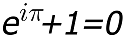
at a conference where you don’t have to present
— Peyman Milanfar (@docmilanfar) April 4, 2025
#AcademicChatter #AcademicTwitter
Academics be like 👇 pic.twitter.com/6cpVEw3PVS
— Reviewer 2 (@GrumpyReviewer2) April 2, 2024





