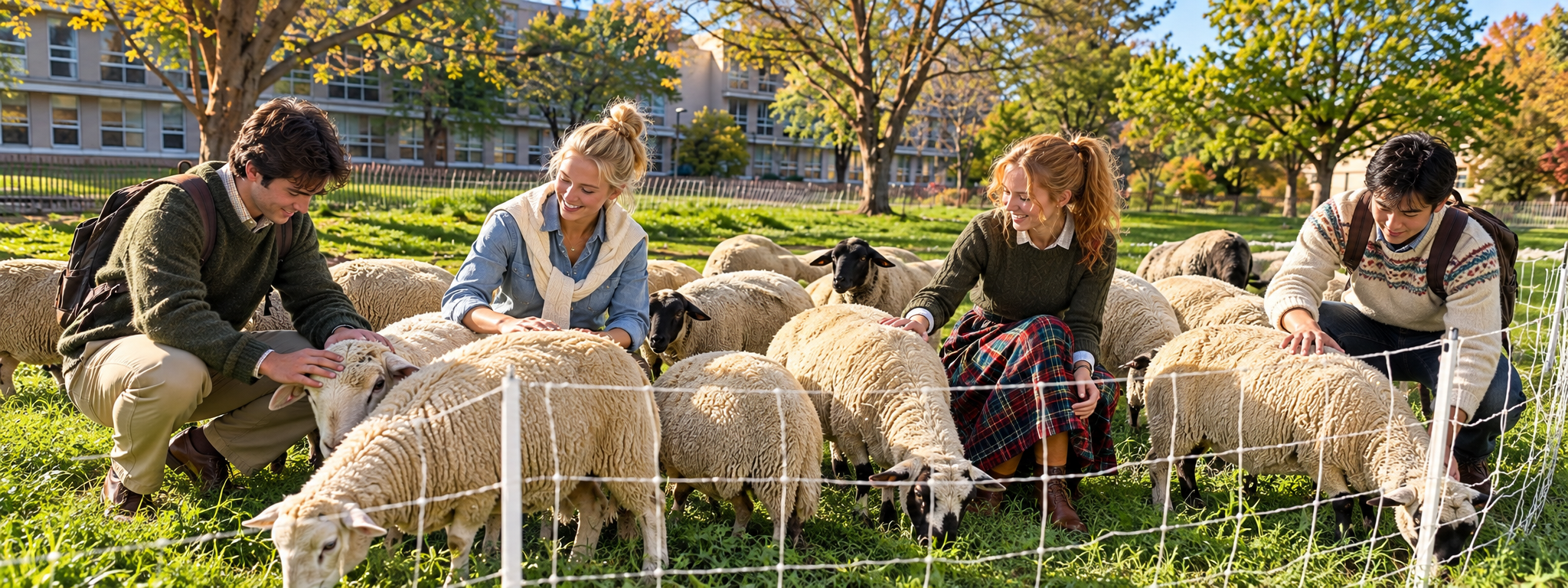
University of California Davis Sheep Mowers

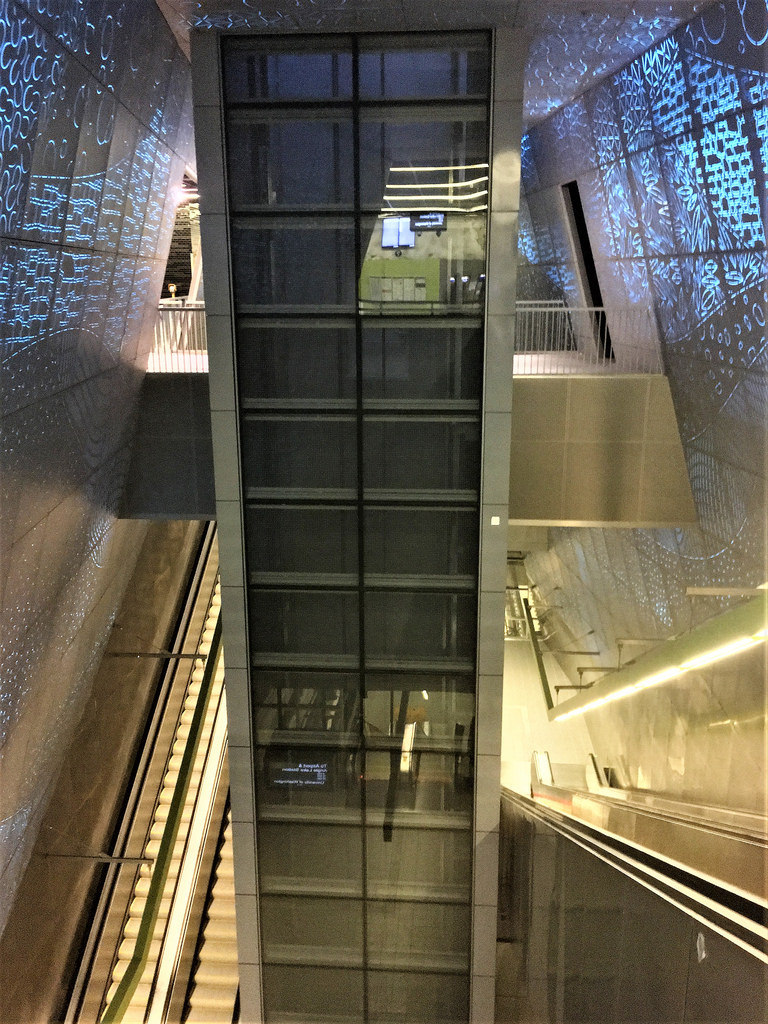
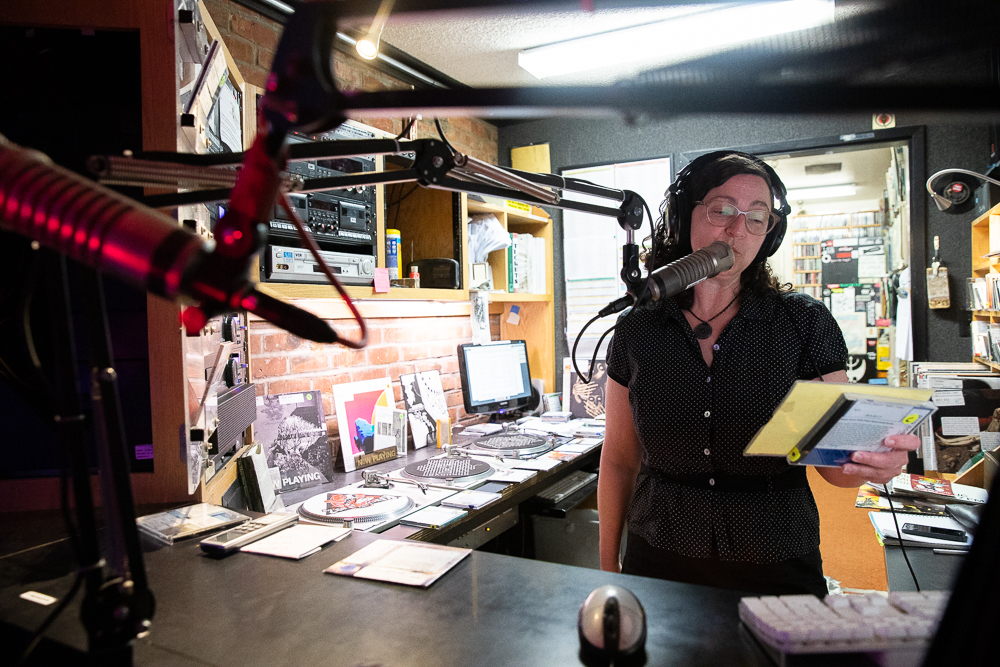
“You and Me Against the World” | Paul Williams & Kenny Ascher Pablo Picasso, Mother and Child, 1963 https://standardsmichigan.com/the-struggle-for-control-of-mothers-day/ https://standardsmichigan.com/do-women-have-evolved-mate-preferences-for-men-with-resources/ https://standardsmichigan.com/overcoming-the-feminization-of-culture/ With emphasis on OB-GYN because educational settlements are where families begin and grow among the young. Many research universities have large medical research and clinical delivery enterprises that provide significant revenue. We periodically scan public consultations for literature that sets the standard of care for the facilities and technologies in these enterprises in education communities. The future we are building. I know it feels like a distant dream sometimes…but every day, our collective work toward shifting the zeitgeist is taking us another step closer. No black-pilling. We are going to win 🤍 pic.twitter.com/V1SFkR8FWT — ₿en Wehrman (@benwehrman) April 27, 2026 MEN: Hold on to your daughters till they're married!! pic.twitter.com/TmmLQsUIEB — Barefoot Pregnant (@usuallypregnant) April 29, 2026 “I’m sick of not having the courage to be an absolute nobody.” Famous People Discussing the Divine Comedy with Dante Periodic walk-through of Human Resource best practice catalog for labor markets generally; and units within the education facility industry specifically. We inform our discussion based upon today’s release on the Employment Situation Summary from the US Bureau of Labor Statistics. Recommended Reading: “The Human Side of Enterprise” 1960 Douglas McGregor University of Chicago Press: Readings in Managerial Psychology For an advance agenda send a request to bella@stanardsmichigan.com. Use the credentials at the upper right of our home page to log in. APPA connected with estates leaders from the UK, Southern Africa, and Australasia at AUDE 2026. "The concrete cracks the same no matter where you are in the world." Some challenges are universal. Read the full blog post: https://t.co/hF28rtP6AN pic.twitter.com/wLYokgMxeH — APPA – Leadership in Educational Facilities (@APPA_facilities) April 28, 2026 Trinity Term occupies a special place in the cultural life of some West European settlements in England, Ireland, and Italy among others. Occurring in late spring and early summer, it represents the season of culmination, ceremony, beauty, and transition. Unlike the darker and more disciplined Hilary or Lent terms, Trinity Term unfolds amid long daylight, flowering gardens, rowing races, chapel music, examinations, and commencement rituals. The atmosphere is simultaneously scholarly and celebratory. Culturally, Trinity Term symbolizes intellectual maturity and seasonal renewal. It evokes memory, friendship, romance, achievement, and the bittersweet awareness that another academic year — and often an entire stage of life — is ending. My biggest wins come when I do things out of discipline even when I have no motivation. pic.twitter.com/ozSDYqdwiQ — Travis Harrison (@TJHarrison22) February 9, 2025 Illumination technologies have had a pattern of consuming about 35 percent of building electrical energy use. That number has been pressed downward with the expanded application of LED luminaires and occupant responsive controls; much of the transformation hastened by the IEEE, IES and ASHRAE best practice catalogs. Today we run through the development status of these products with specific interest in exterior illumination best practice. This topic also is covered in the 4 time monthly meetings of the IEEE Education & Healthcare Facilities Committee. https://standardsmichigan.com/illumination-400/ NFPA 10: Standard for Portable Fire Extinguishers https://standardsmichigan.com/home-economics-2/ “The homemaker has the ultimate career. All other careers exist for one purpose only – and that is to support the ultimate career,” – C.S. Lewis. Imagine if our education system taught this instead of the opposite. pic.twitter.com/2CiQp3Ji3z — Jeremy Wayne Tate (@JeremyTate41) November 27, 2025 Going Up: Uncovering the Art Deco Elevators of Landmarked Building Interiors Architectural Digest: Why The Chrysler Building is a New York City Icon University of Wisconsin Stadium Elevator Many education communities have 100’s of elevators and escalators. This is a difficult space for driving costs down (because of strong manufacturer and labor presence) but we will give the “old college try” https://youtu.be/Y2q8sbJDLEw Eric and Shari Schlesinger met in Hardwick’s elevator on move-in day in 1972, leading to a 42-year marriage.@TempleUnivhttps://t.co/3QTh51f4JB pic.twitter.com/Ek5vD9s5lF — Standards Michigan (@StandardsMich) January 17, 2023 Normalize bringing your baby with you.🤍 pic.twitter.com/qztfkDpCo7 — Clare Anne Ath (@clareanneath) December 11, 2024 Today we refresh our understanding of the regulations for Class D campus radio systems. We review the literature for production technologies and FM transmission technologies through airwaves, cabling systems, the internet or a combination of all. https://standardsmichigan.com/radio-400/ 
Mother's Day
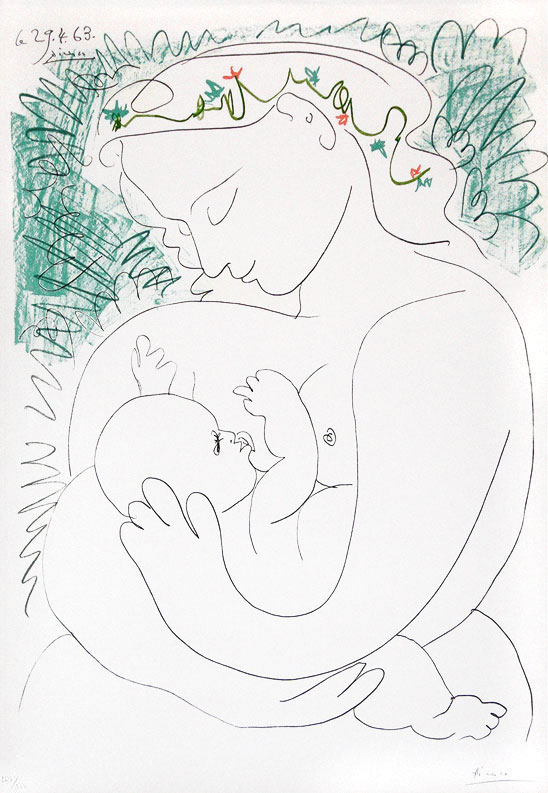

Health 400 | OB-GYN
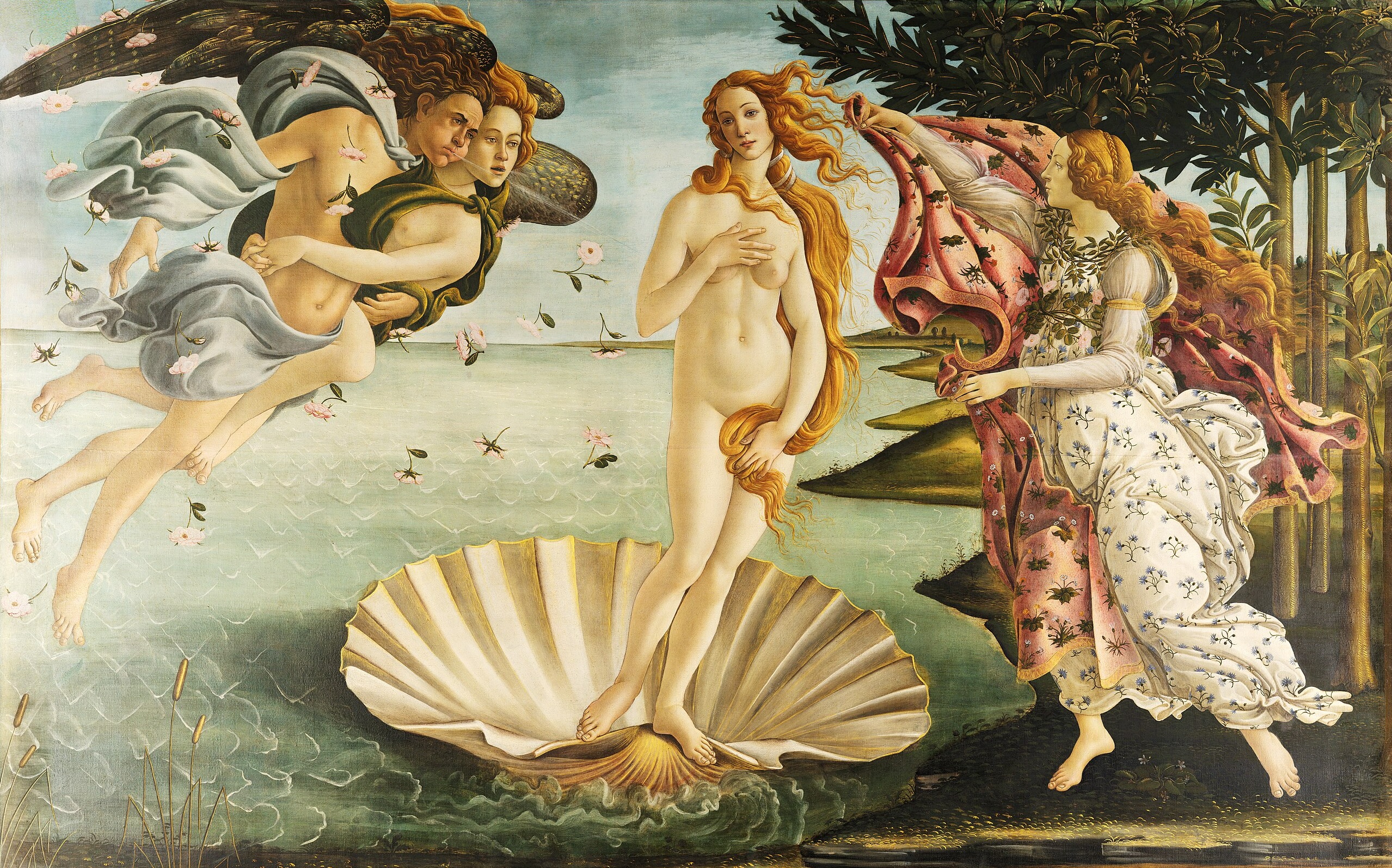
Human Resources Trinity
— Franny and Zooey” (J.D. Salinger)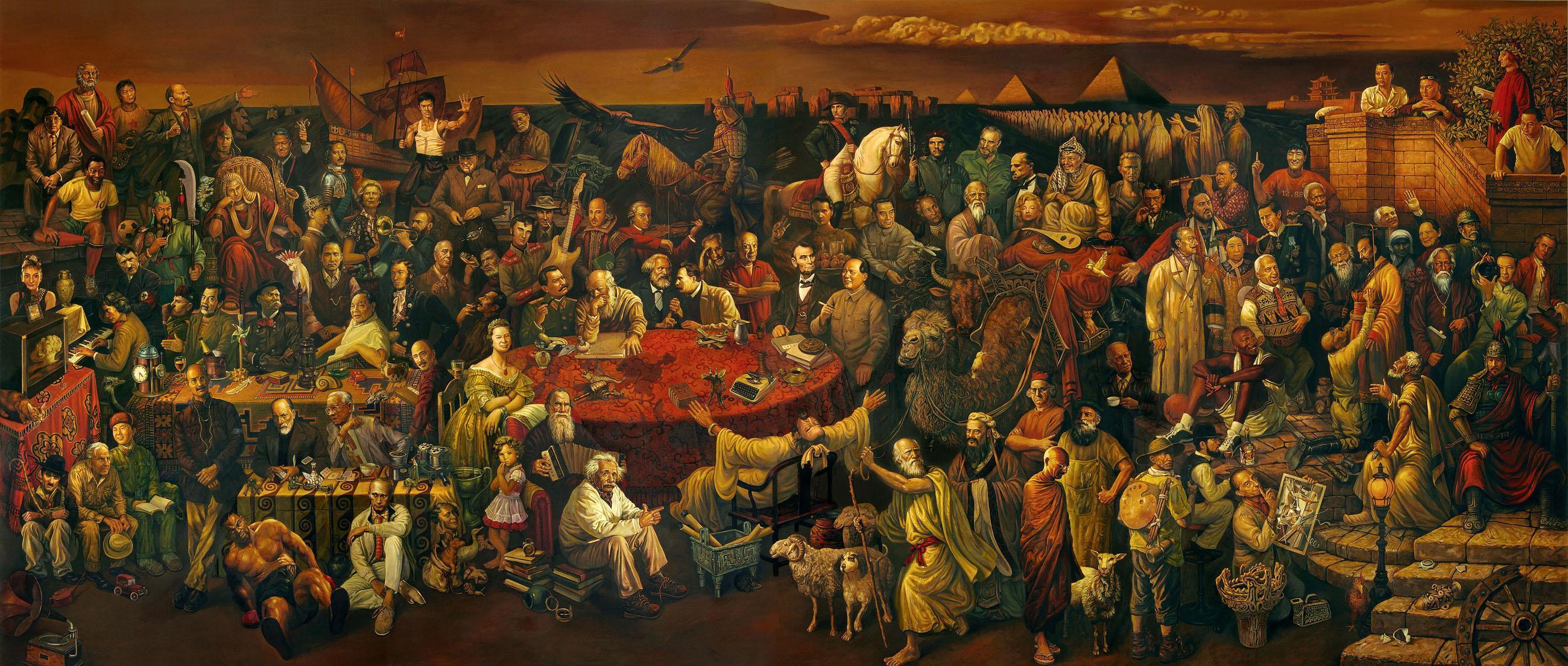

Illumination 400 (Outdoor Exterior)
.jpg)

Portable Fire Extinguishers

Home Economics
Elevators & Lifts

Radio 400





On 9/11 the FDNY lost 343 of their own.
Not statistics. Sons, fathers, husbands from 75 firehouses across the five boroughs.
121 engine companies and 62 ladder companies answered the call. Every Rescue company in New York went in.
They knew the buildings were coming down and… pic.twitter.com/e4ArBUmfLq— Sassafrass84 (@Sassafrass_84) September 7, 2026
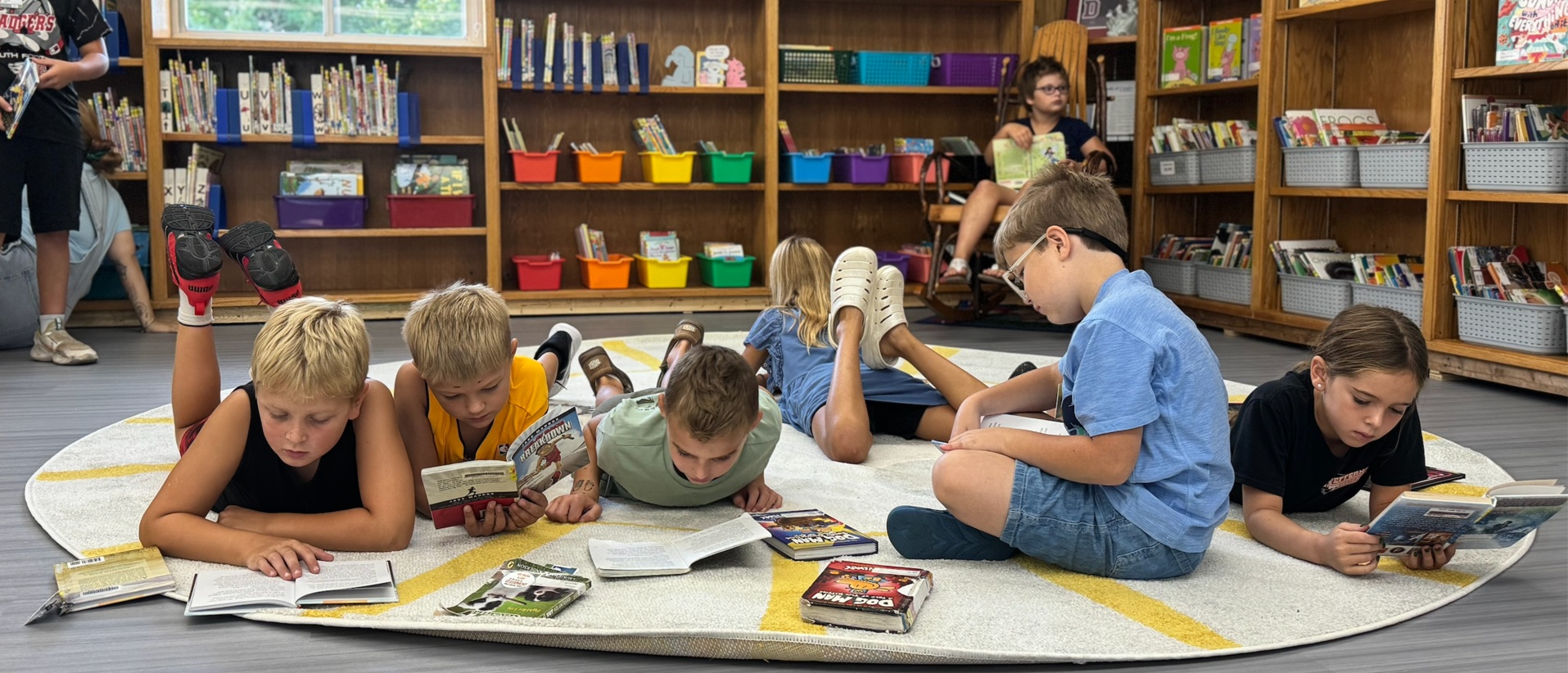
Scales Mound School District | Jo Daviess County Illinois 815
Oxford students after exams, 1989. pic.twitter.com/HQbO4r6dUE
— M (@0detobeauty) May 27, 2026
The calendar of Anglosphere educational settlements subtly shapes life of the mind, generally; and family and community life, specifically. Its cadence has roots in the cathedral schools and monastic learning communities of medieval Europe. Universities were not originally organized around modern “semesters.” Instead, the year followed the Christian liturgical calendar, agricultural seasons, food paths, daylight availability, and travel conditions.
In America educational calendars were nudged along by agricultural cycles. In the United Kingdom university calendars evolved into three major terms: Michaelmas in autumn, associated with arrival and beginnings; Hilary or Lent in winter, associated with discipline and study; and Trinity or Easter in spring, associated with examinations, outdoor rituals, music, rowing, gardens, and celebration.
Modern commencement traditions across the Anglosphere are descendants of medieval spring degree ceremonies. Academic gowns, hoods, processions, Latin phrases, formal dining, chapel music, and public recognition all preserve traces of the university as a scholarly guild and religious-civic community.
Before railways, electric lighting, and central heating, universities had to adapt to muddy roads, short winter days, limited candles, cold buildings, and agricultural obligations. Spring therefore became the natural season of culmination, reunion, athletic competition, courtship, and ceremony.
The medieval university was not merely a school but an educational settlement — a self-governing town of scholars, libraries, chapels, kitchens, workshops, residences, and dining halls. That settlement pattern survives in residential colleges, quadrangles, tutorial systems, common rooms, chapel choirs, and formal meals.
Anglosphere campuses retain this ancient emotional rhythm: autumn seriousness, winter inwardness, and spring release. That continuity helps explain why colleges and universities still feel culturally distinct from ordinary commercial society. (Relata: Gulliver Visits the Great Academy of Lagado)

We’re “organized” but not too organized; like the bookseller who knows where every book can be found.
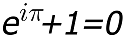
at a conference where you don’t have to present
— Peyman Milanfar (@docmilanfar) April 4, 2025
#AcademicChatter #AcademicTwitter
Academics be like 👇 pic.twitter.com/6cpVEw3PVS
— Reviewer 2 (@GrumpyReviewer2) April 2, 2024